Franciszek Wesołowski
INDUSTRIAL DESIGN
School of Form
Specialisms: Product Design / Industrial Design / Textiles
Location: Warsaw, Poland


Franciszek Wesołowski
First Name: Franciszek
Last Name: Wesołowski
Specialisms: Product Design / Industrial Design / Textiles
Sectors:
My Location: Warsaw, Poland
University / College: School of Form
Course / Program Title: INDUSTRIAL DESIGN
About
I am a multidisciplinary designer creating furniture and interior objects, clothing, and everyday accessories. My work sits at the intersection of craft and modern technology, with a focus on materials, functionality, and longevity. I graduated in Design from the School of Form in Warsaw.
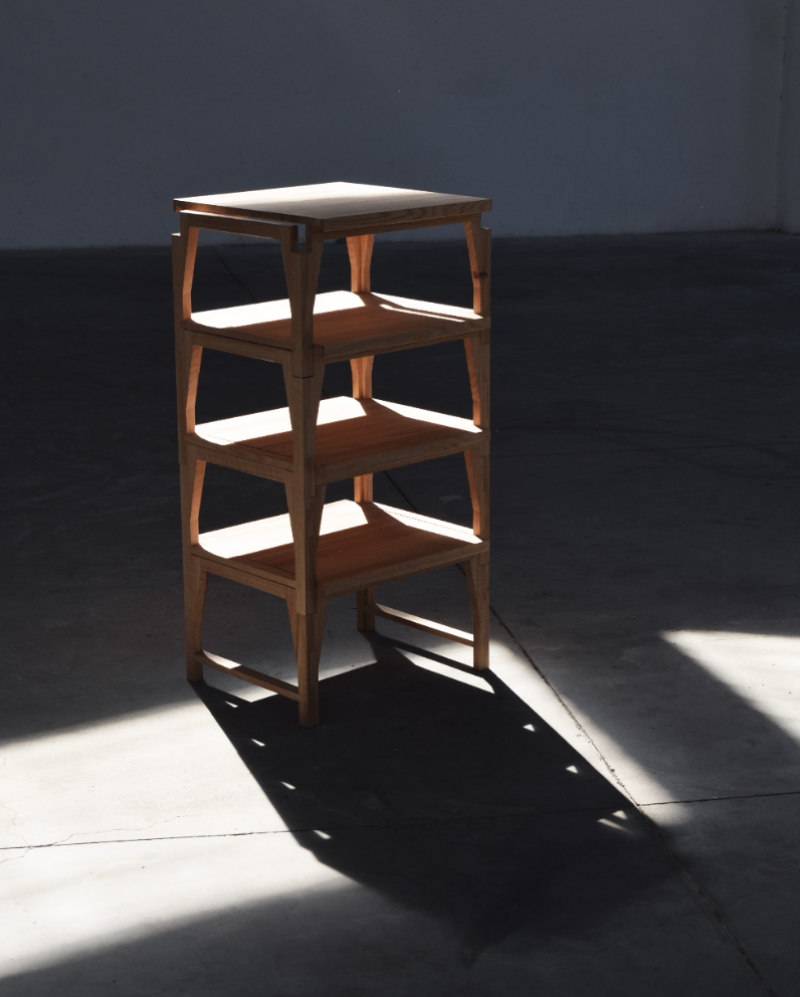
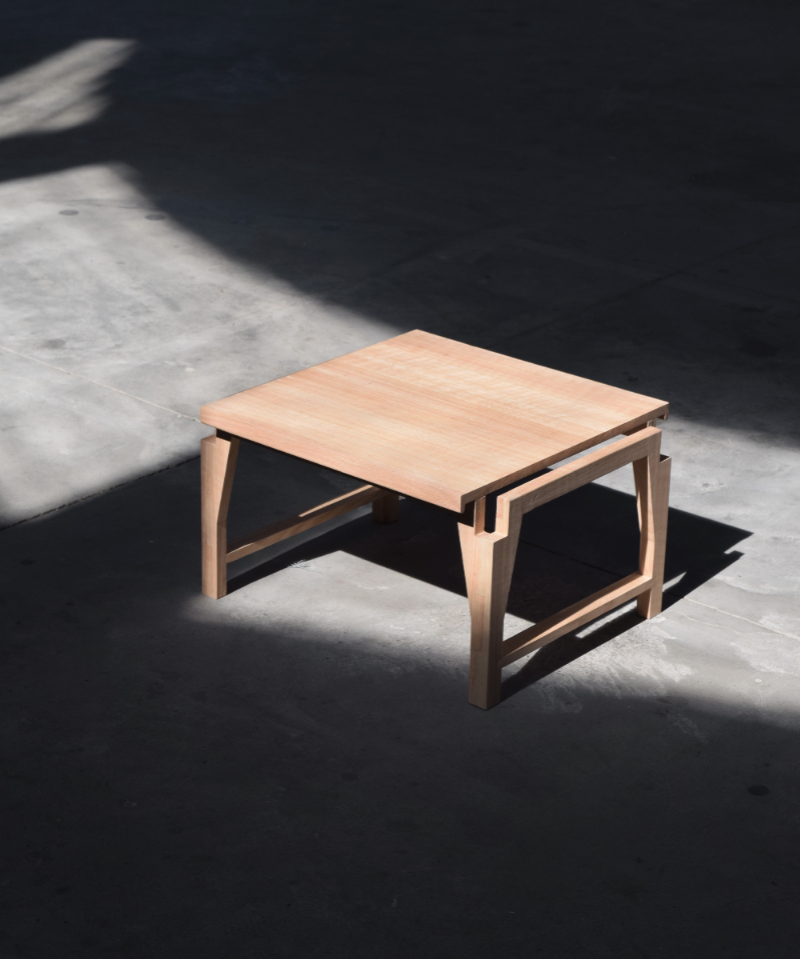
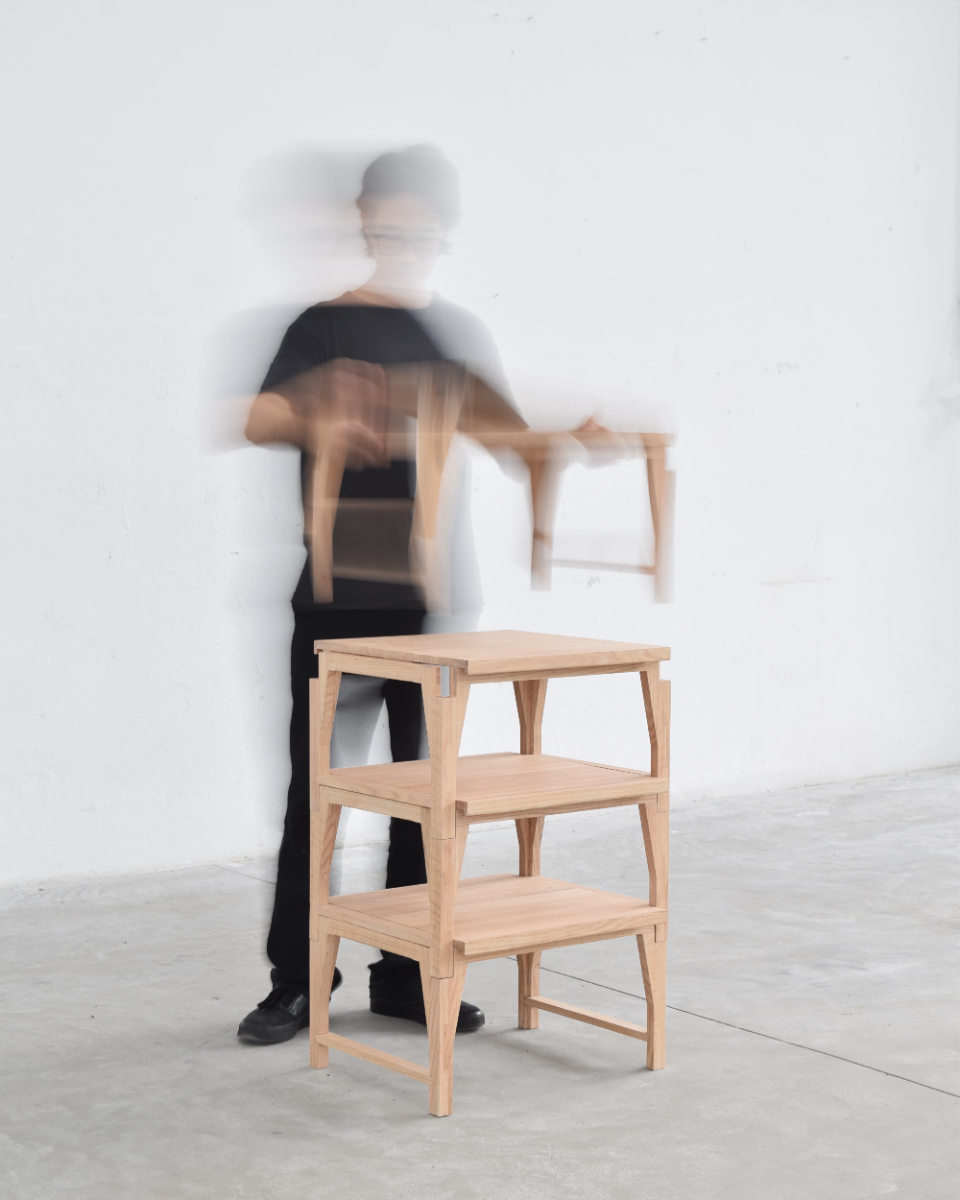
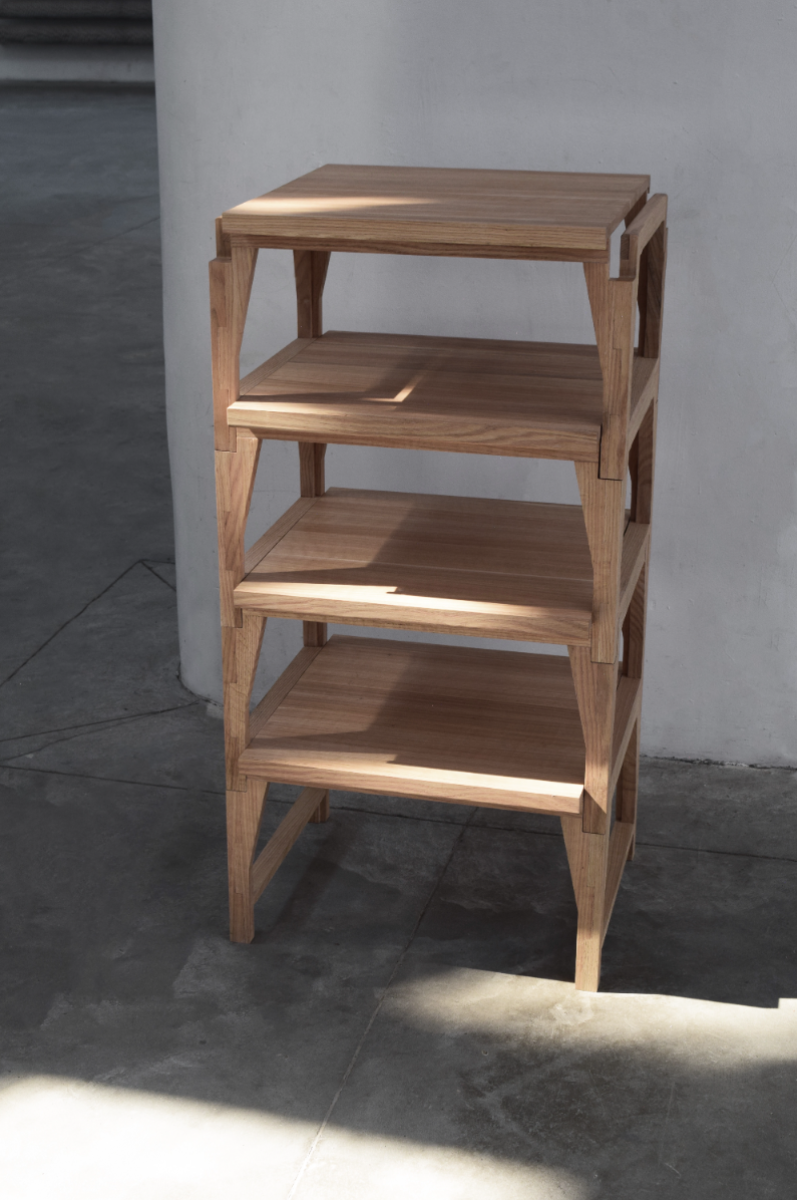
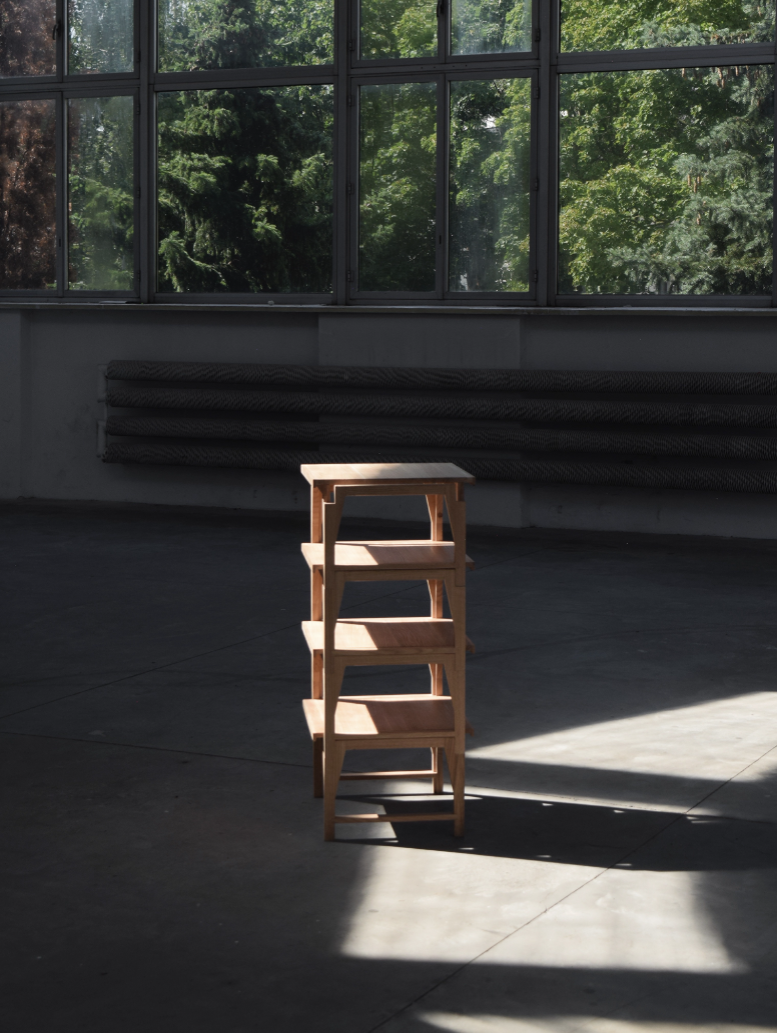
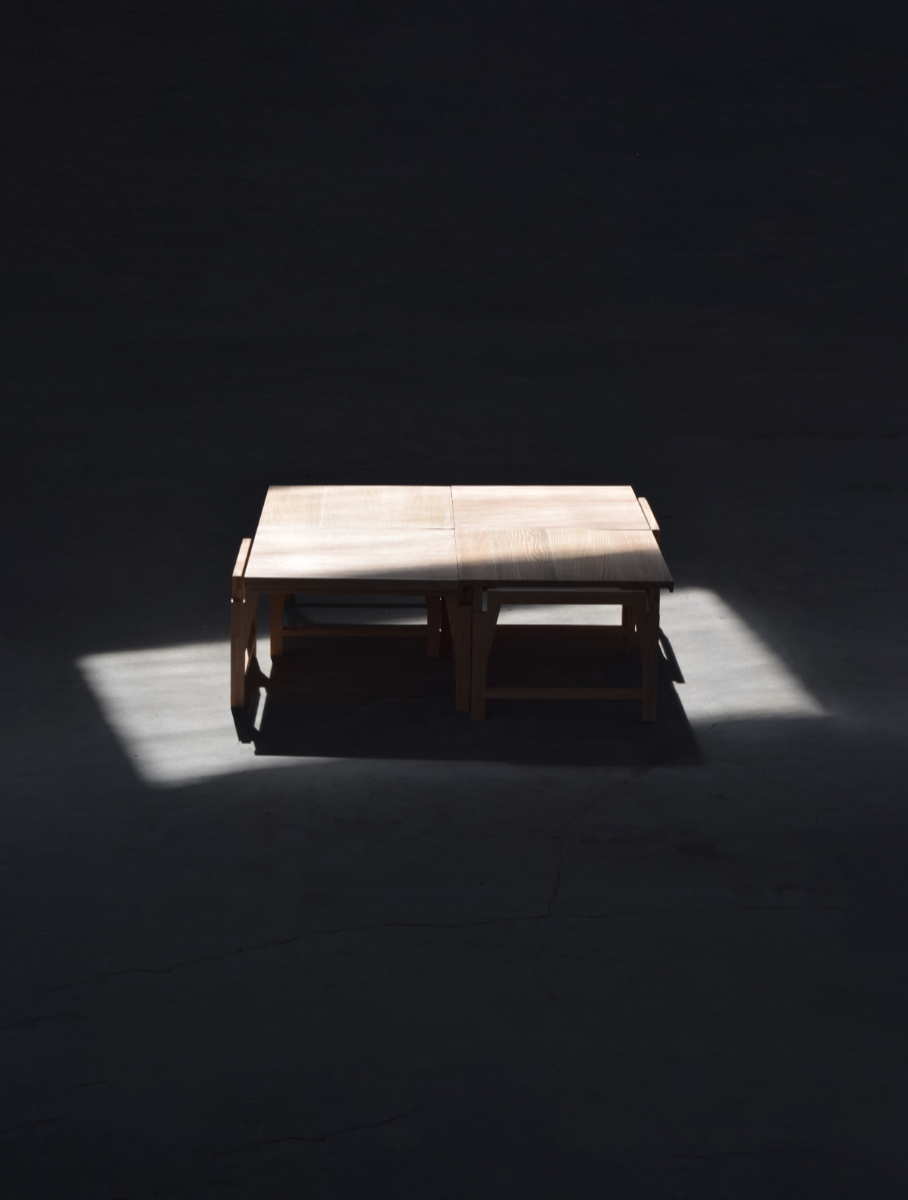
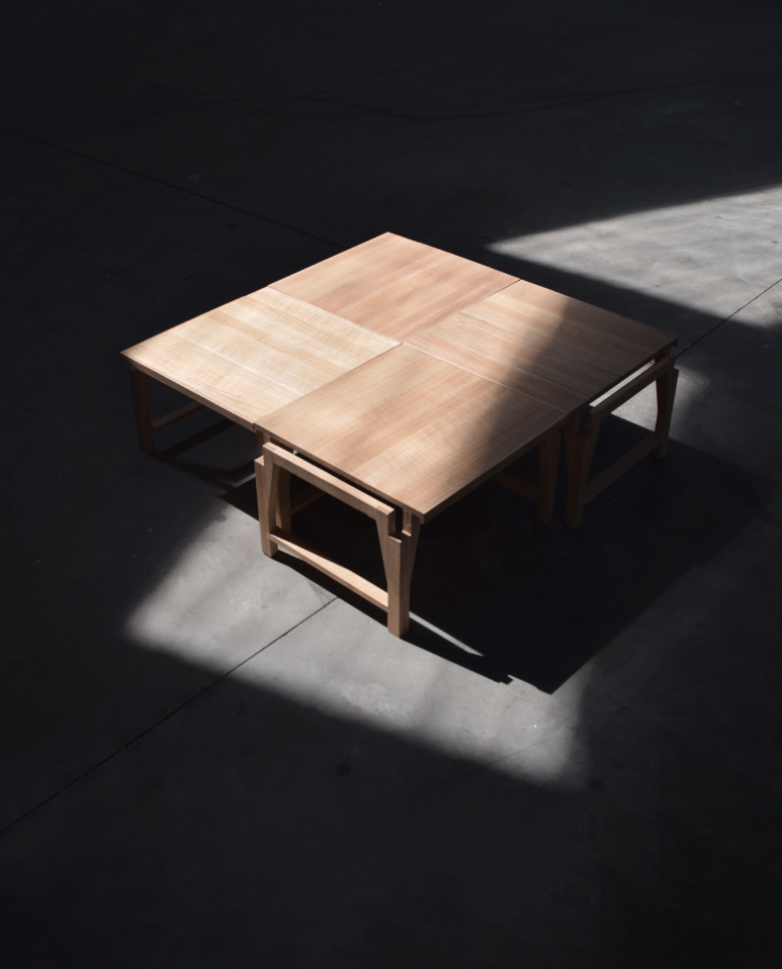
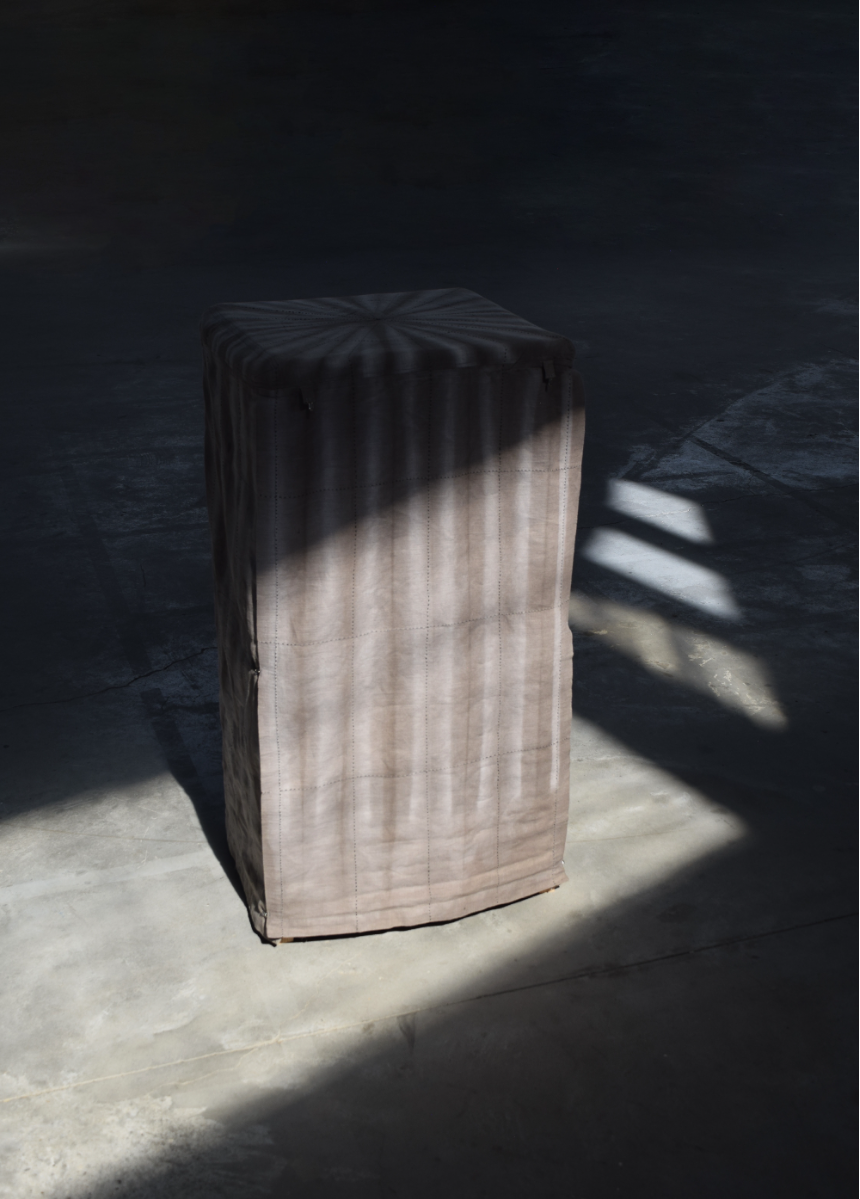
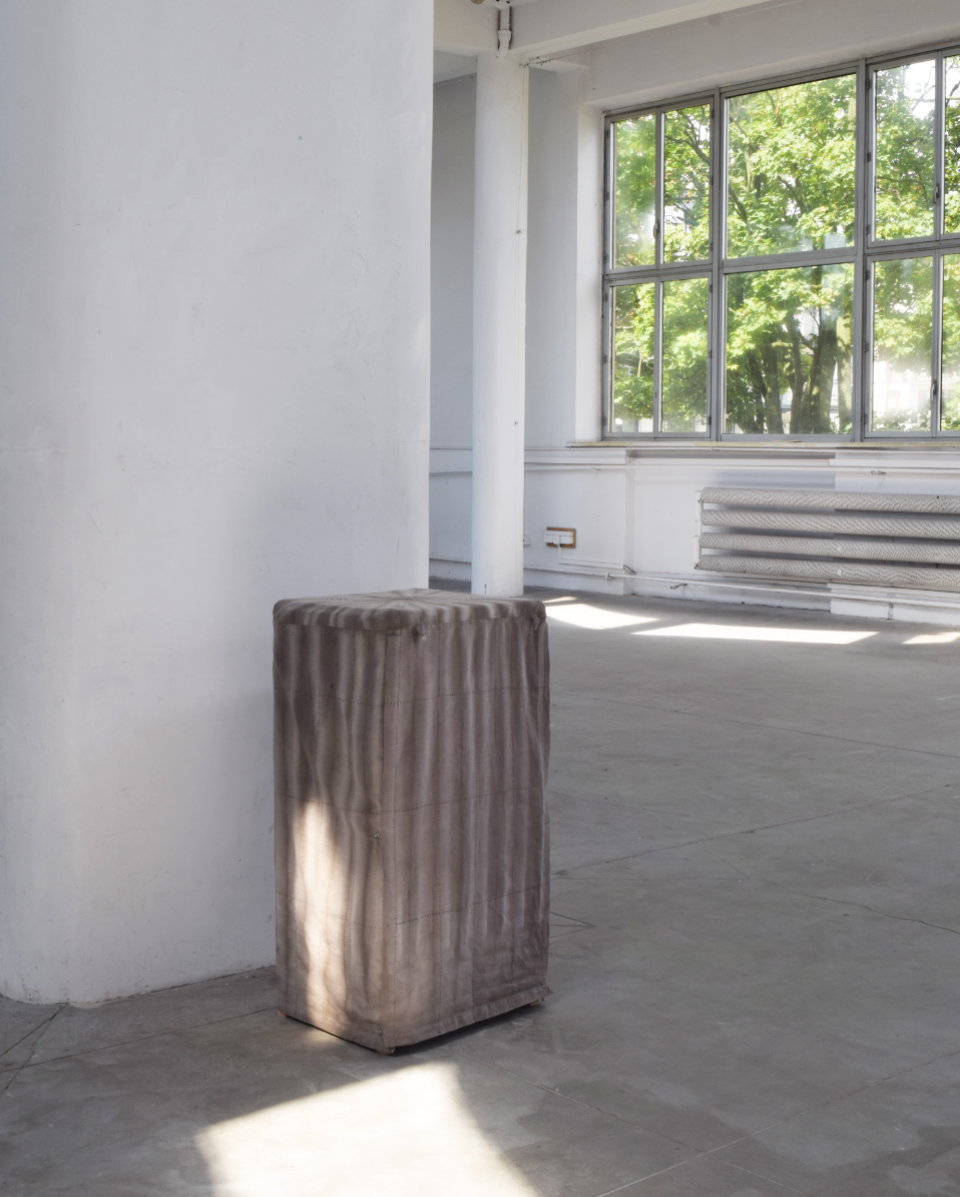
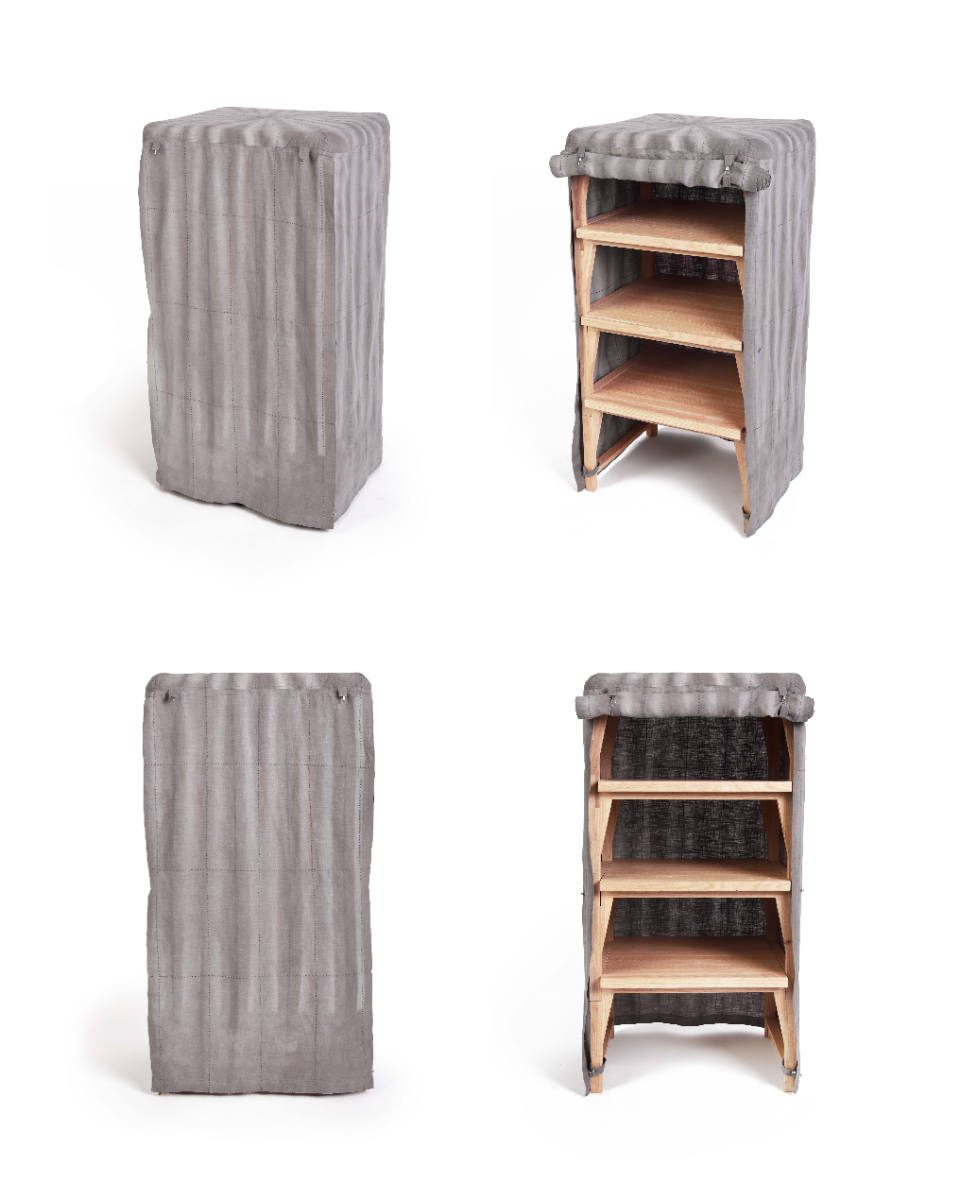
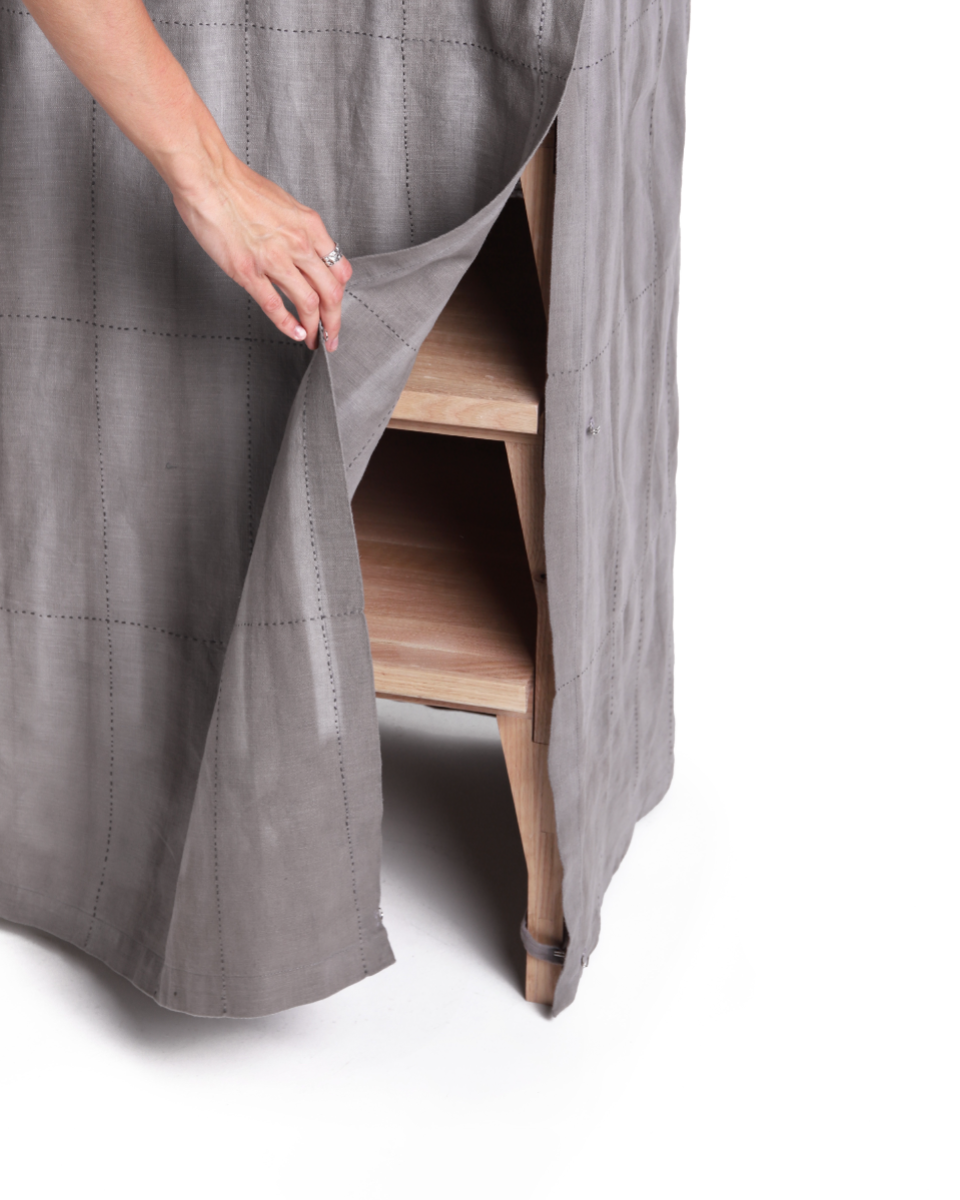
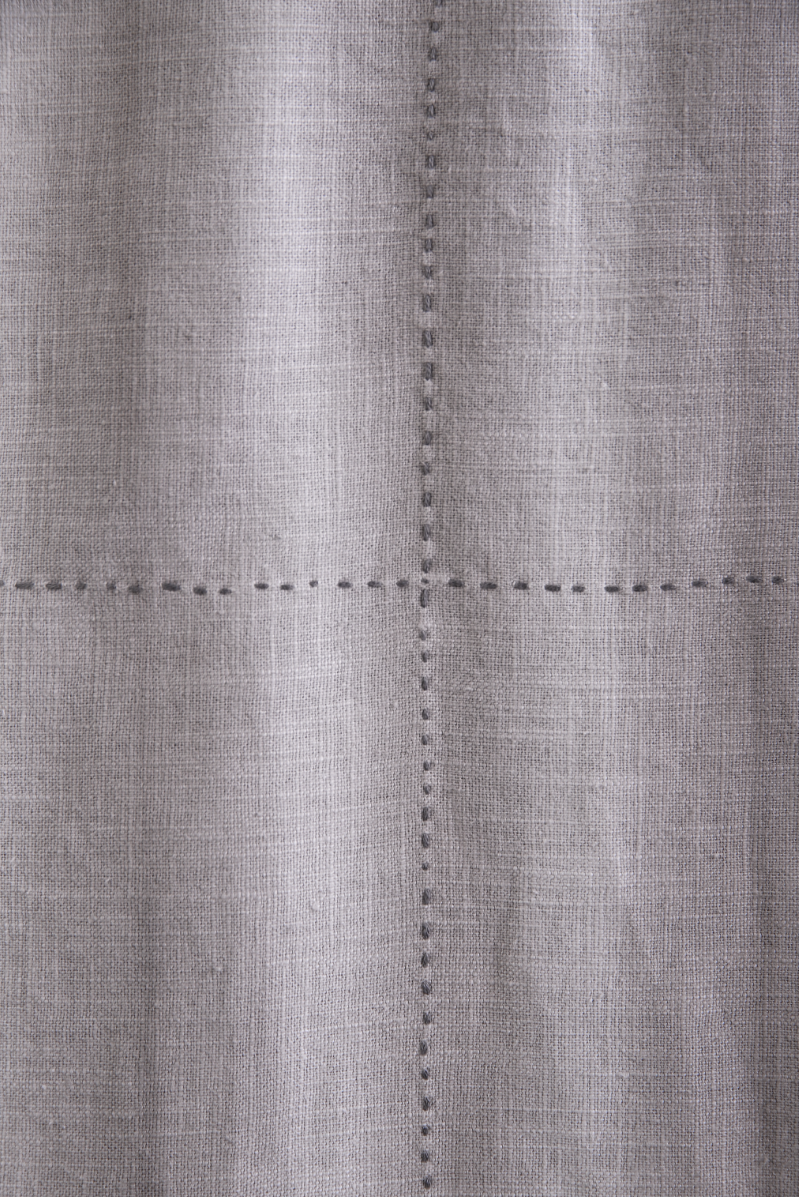
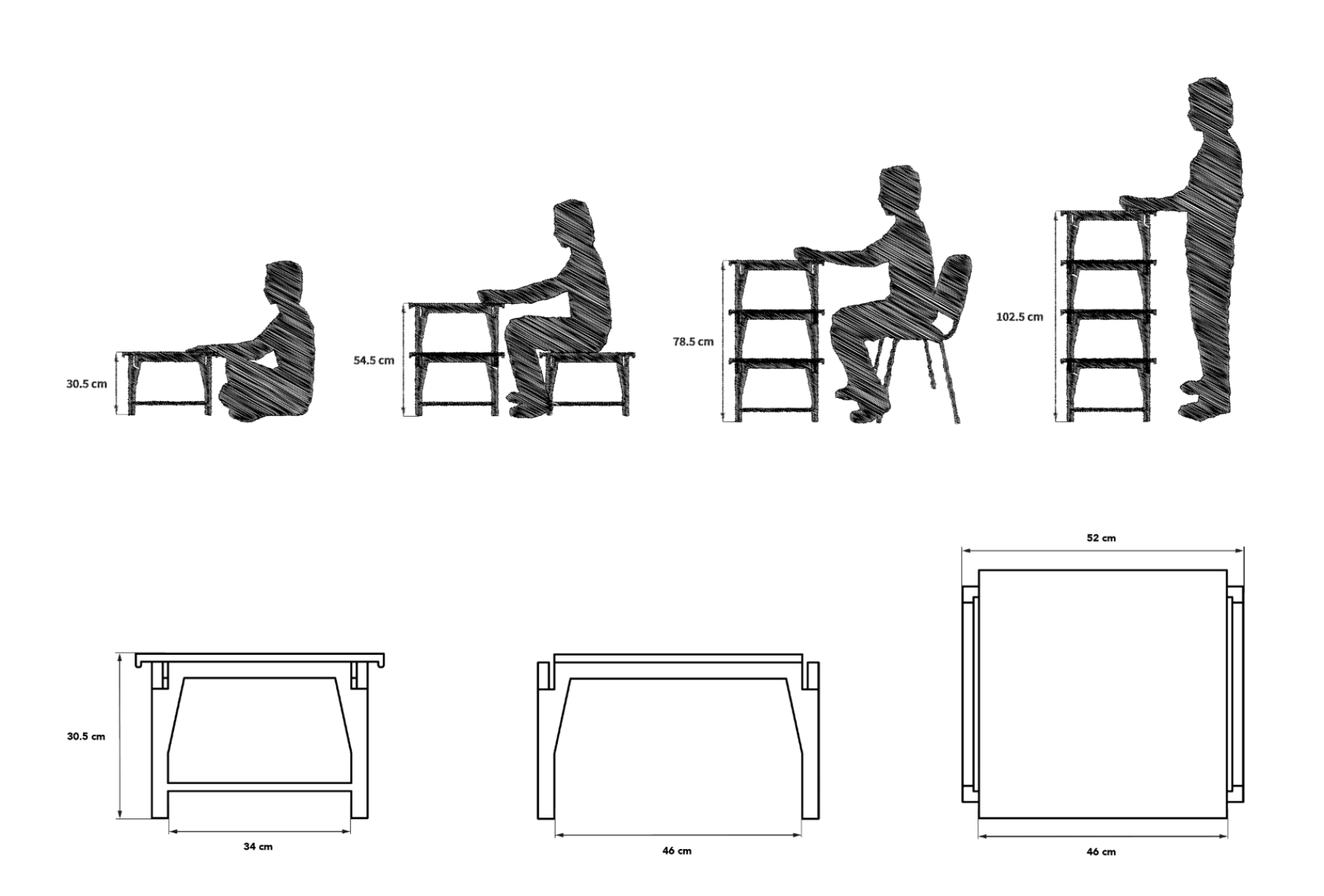
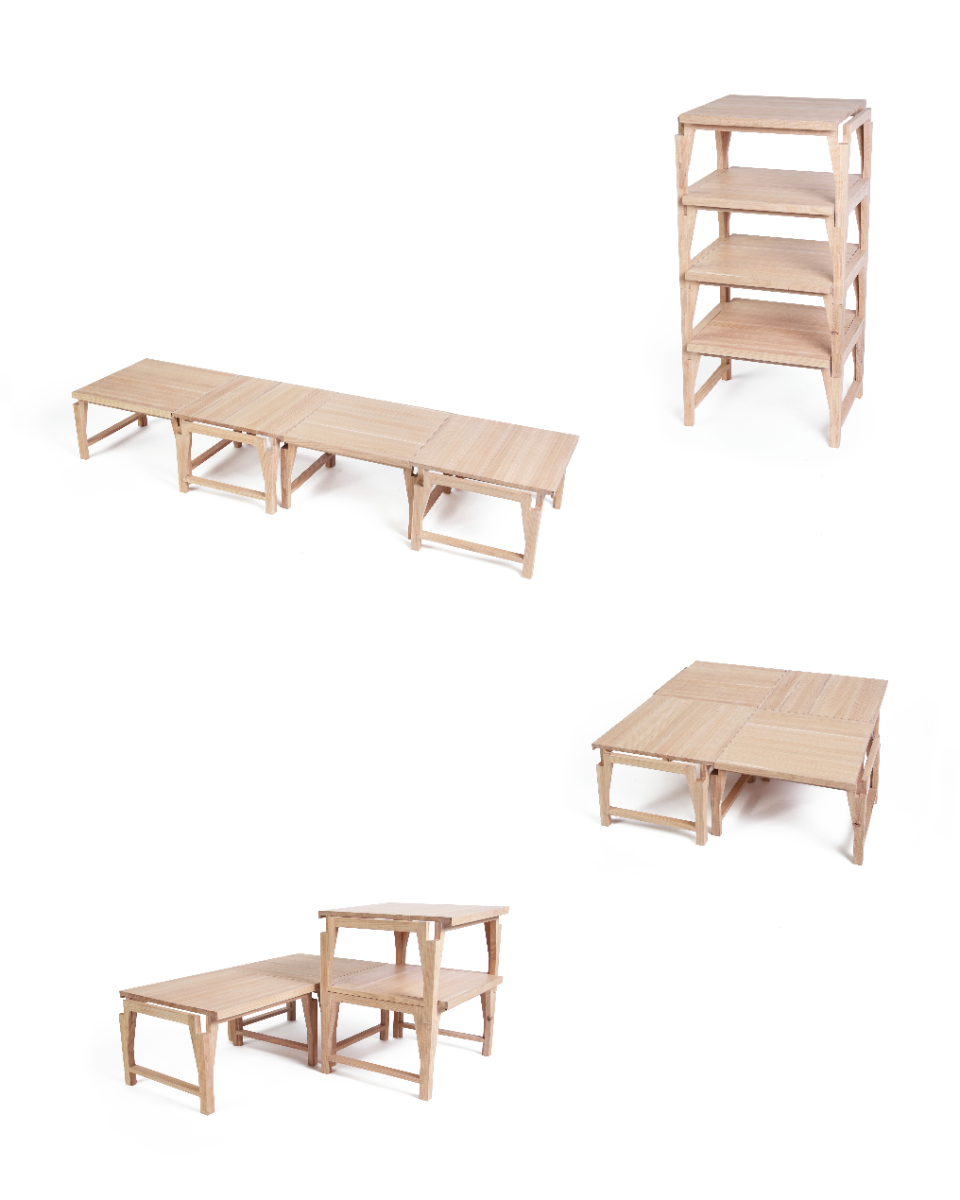
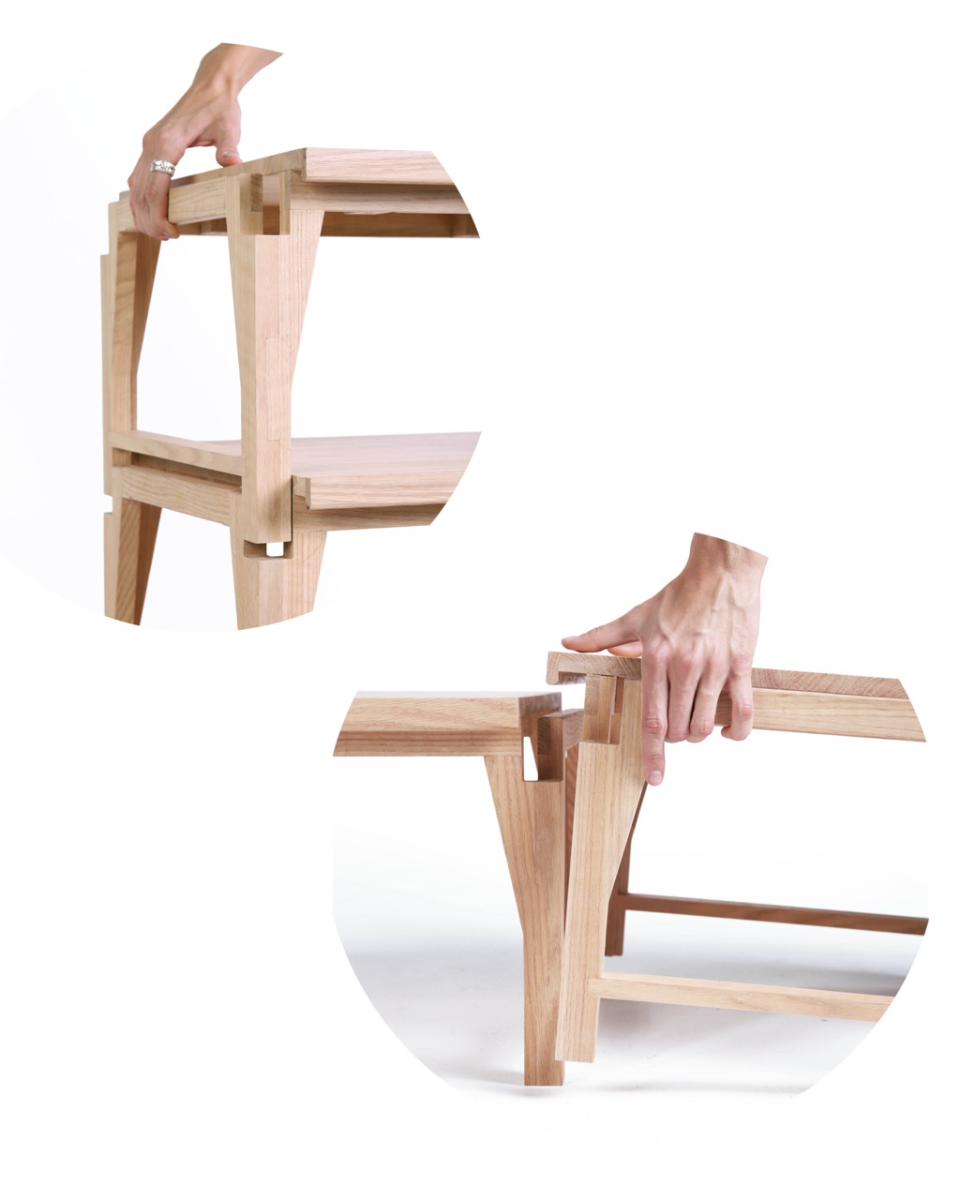
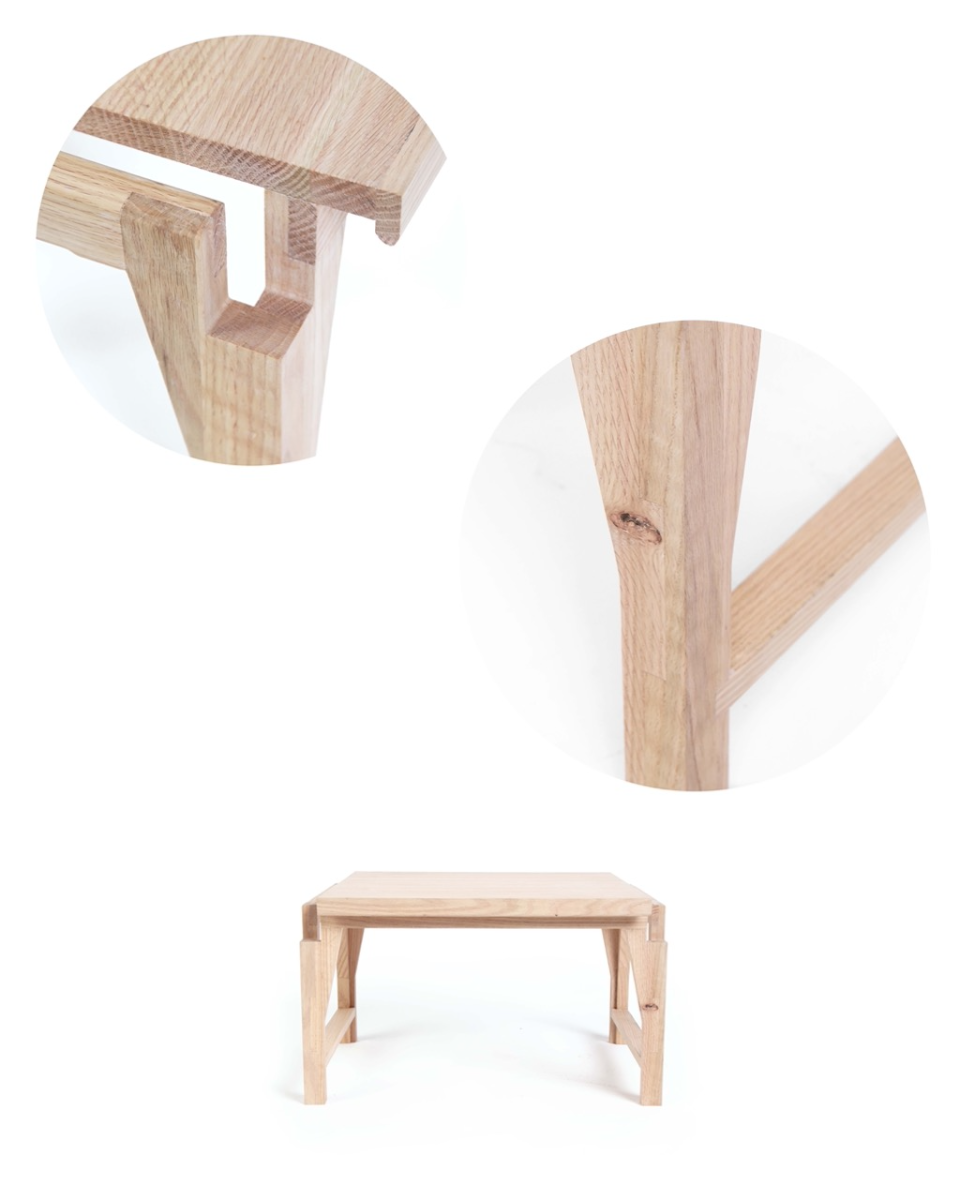
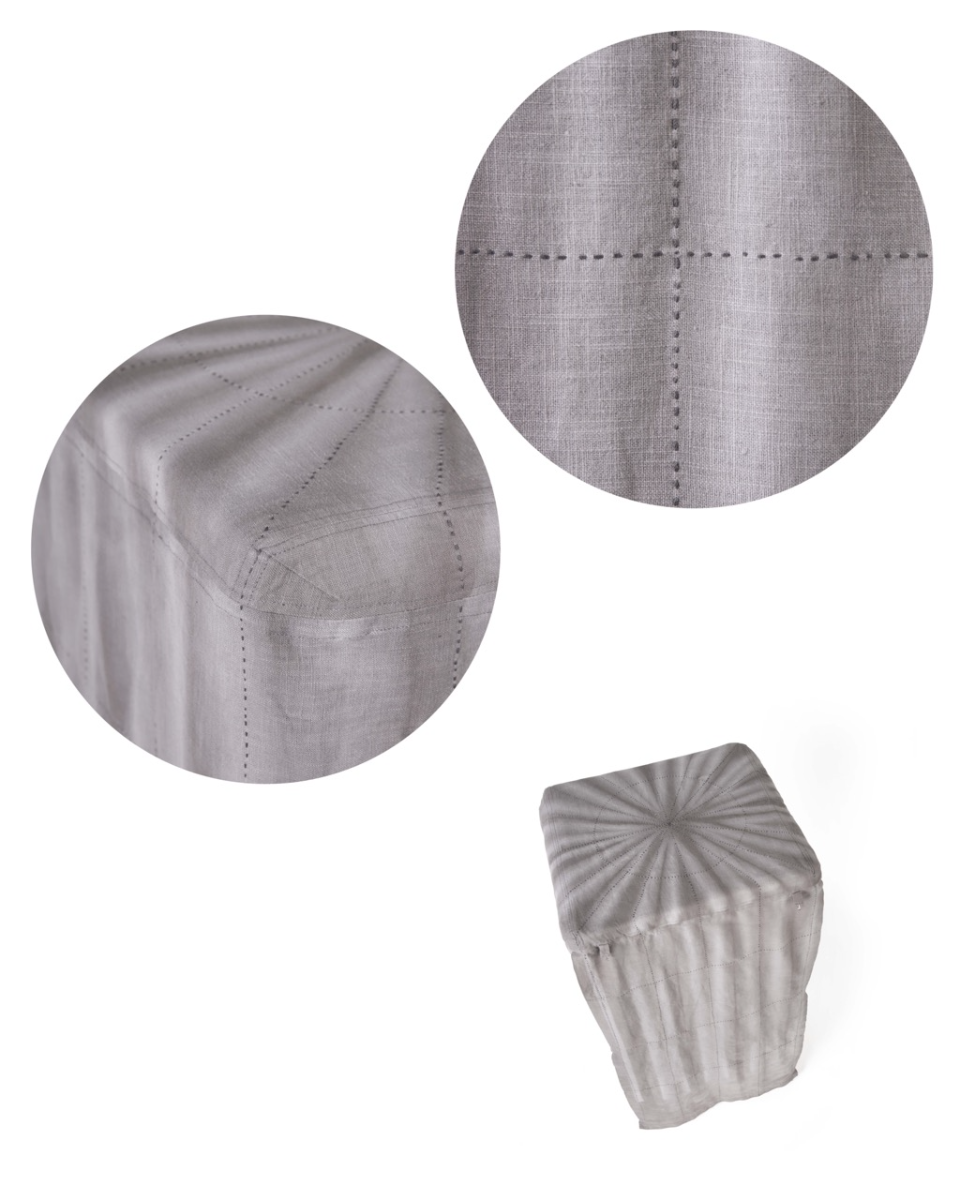
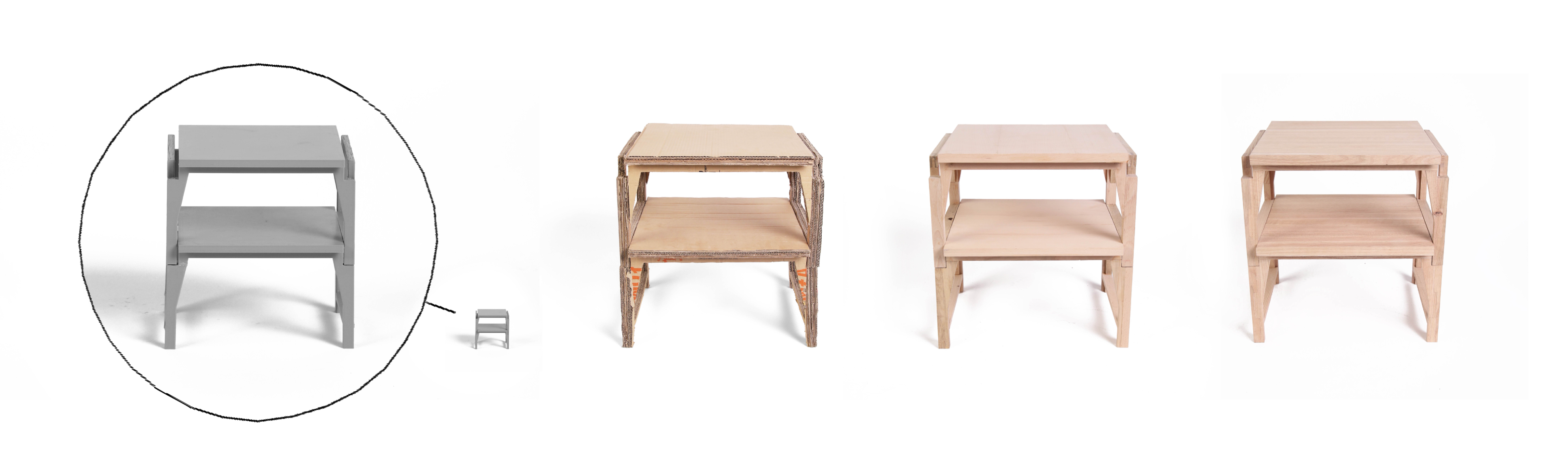
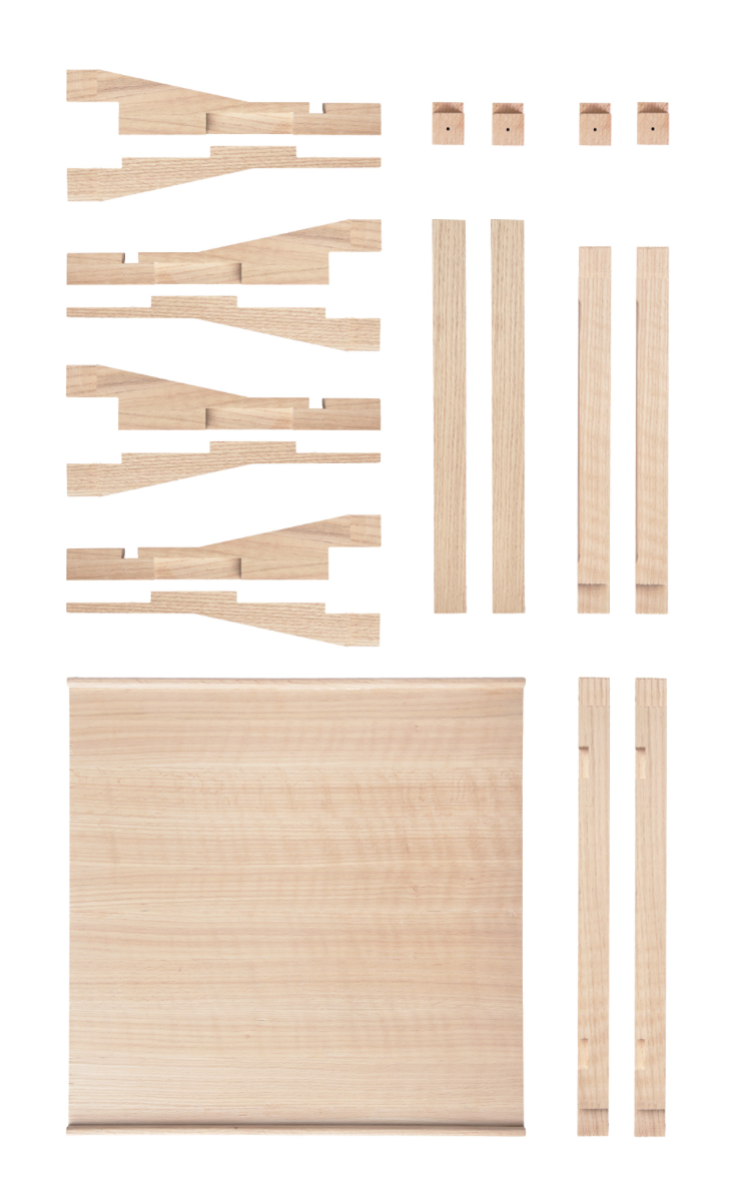
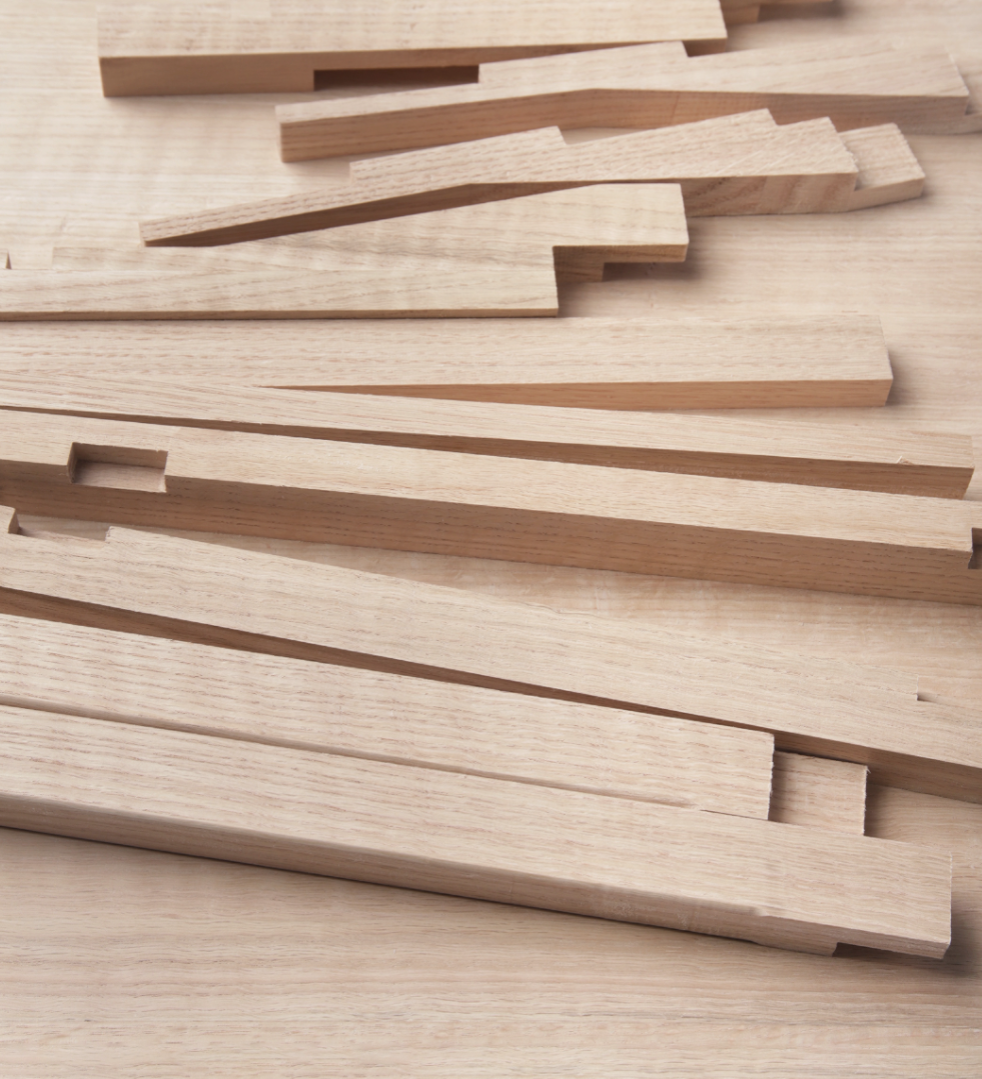
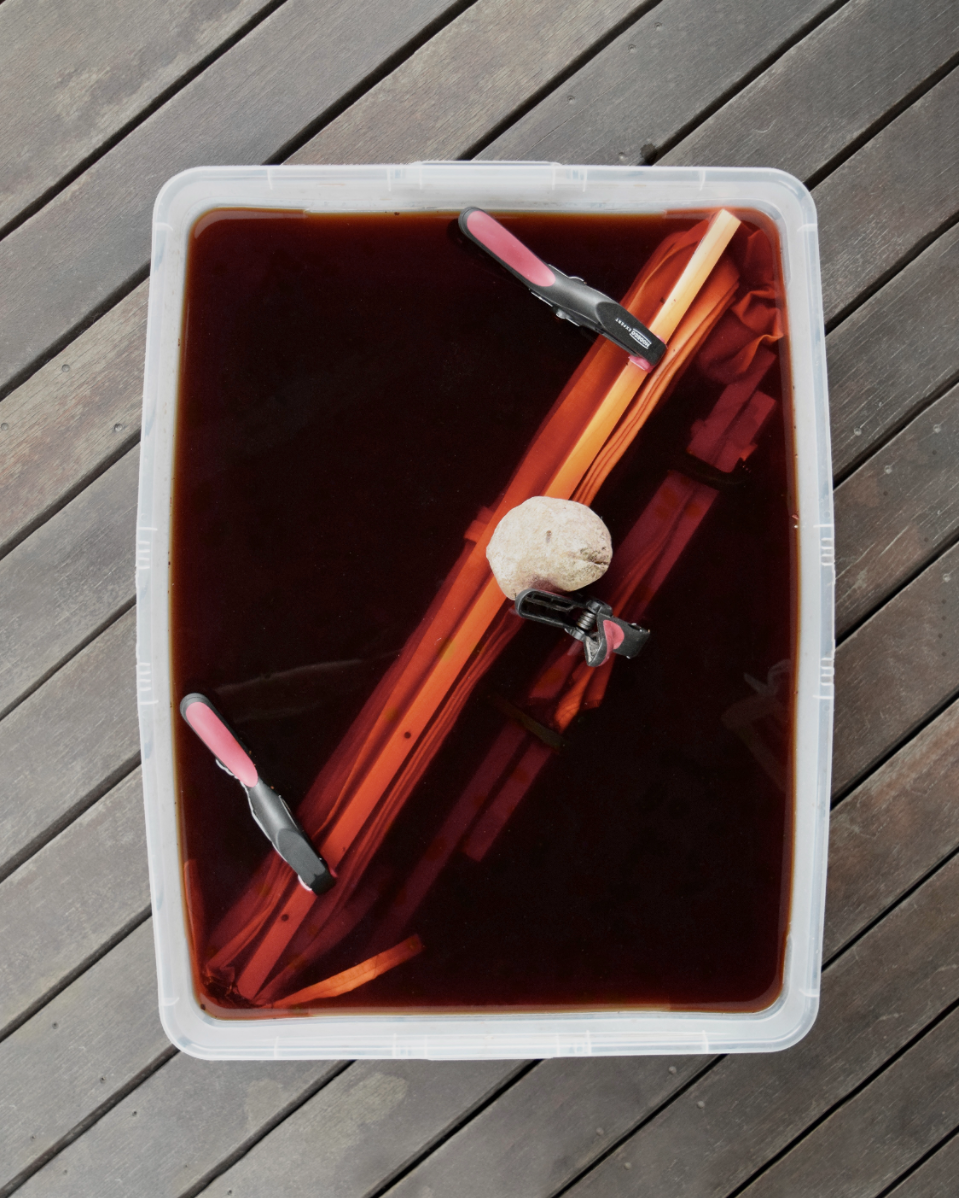
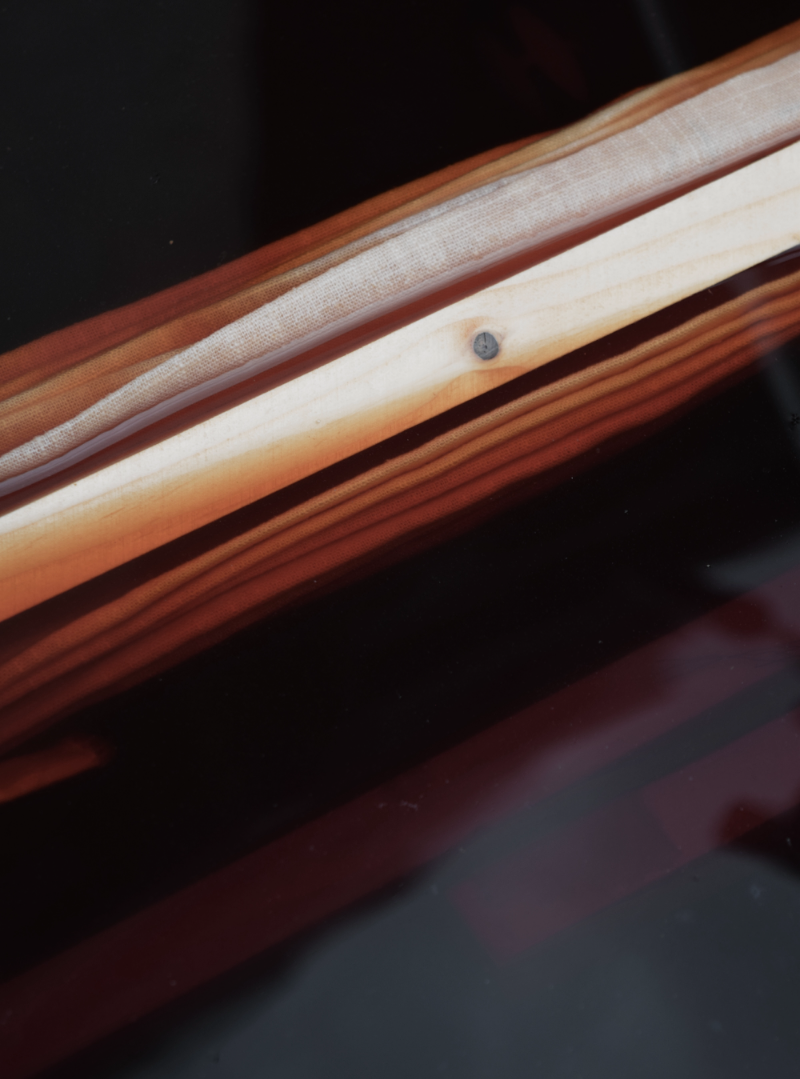
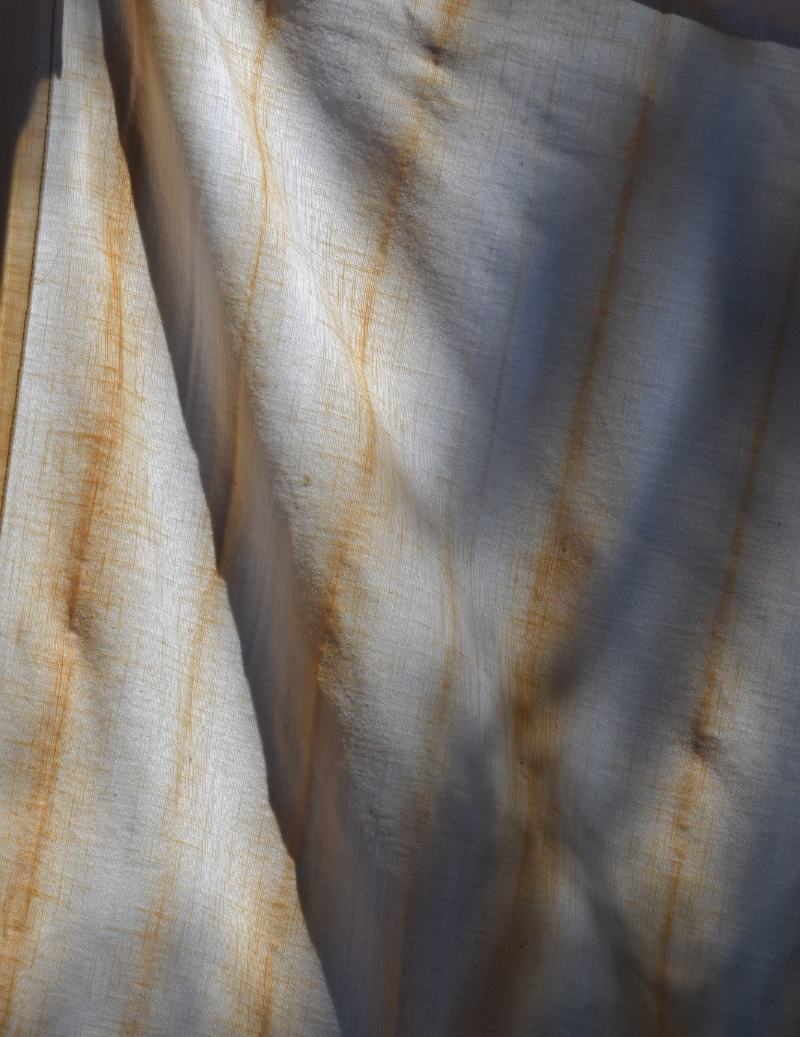

Tekto is a modular piece of furniture designed as an ergonomic and mobile workstation for craft-based work in domestic environments. It consists of four identical modules – tables that can be connected either horizontally or vertically. The modular construction allows the furniture to be used comfortably in various body positions and to be easily reconfigured, adapting its layout to different spaces and individual user needs. Its simple form and flexible configuration make it a versatile solution, suitable not only for homes but also for hospitality spaces (as a mobile counter or coffee table), schools (as a play station or storage unit), as well as retail or pop-up spaces (as an adaptable display base). An additional element of the furniture is a textile cover that conceals items stored on the shelving, helping to maintain order. The decorative pattern of the cover was designed to harmonise with the form and structure of the unit. The four-module set presented in the project represents only the basic version of the system, which, thanks to its modular structure, can be further developed with additional segments as well as entirely new elements – for example, an attachable tabletop that transforms it into a full-size desk. This allows for the creation of larger and more diverse configurations. The project draws on traditional Japanese woodworking and textile decoration techniques. The frame is made of red oak using the sashimono technique, which involves precise wooden joinery without metal fasteners. The cover is sewn from ramie fabric, dyed with oak bark using the shibori method, which creates organic and unique patterns. The entire piece is finished with hand-stitched sashiko embroidery that complements the pattern formed during the dyeing process.
Competitions