Truls Goldschmidt-Reischel
Interior Architecture and Furniture Design BA
Konstfack - University Of Arts Crafts and Design
Graduates: 2024
Specialisms: Interior Architecture / Sustainable Design / Furniture
My location: Stockholm, Sweden


Truls Goldschmidt-Reischel
First Name: Truls
Last Name: Goldschmidt-Reischel
University / College: Konstfack - University Of Arts Crafts and Design
Course / Program: Interior Architecture and Furniture Design BA
Graduates: 2024
Specialisms: Interior Architecture / Sustainable Design / Furniture
My Location: Stockholm, Sweden
Website: Click To See Website
About
In my practice, one important thing is to vent my emotions, like therapy. I mainly express myself in straight symmetrical lines with large dimensions in hard materials, very much inspired by the aggressiveness of Brutalism in combination with the geometric thinking of the Bauhaus movement and functionalism. In my design language I want to provoke and challenge the perfect and flawless ideal, instead my objects are made to be used and worn, where imprints in the materials often are a matter of course over time.

LONGING FOR FUTURE LIVING: HOUSING FOR TOMORROW, BASED ON YESTERDAY
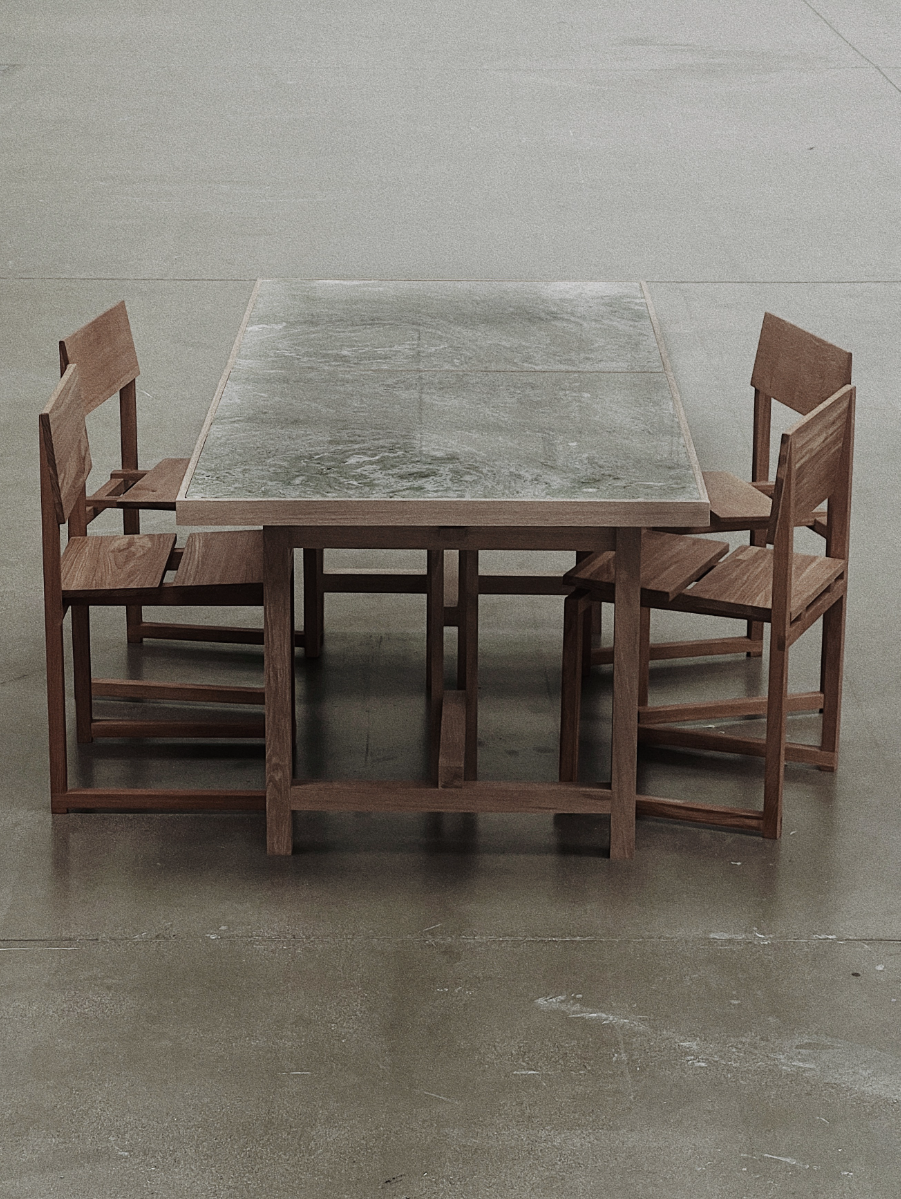
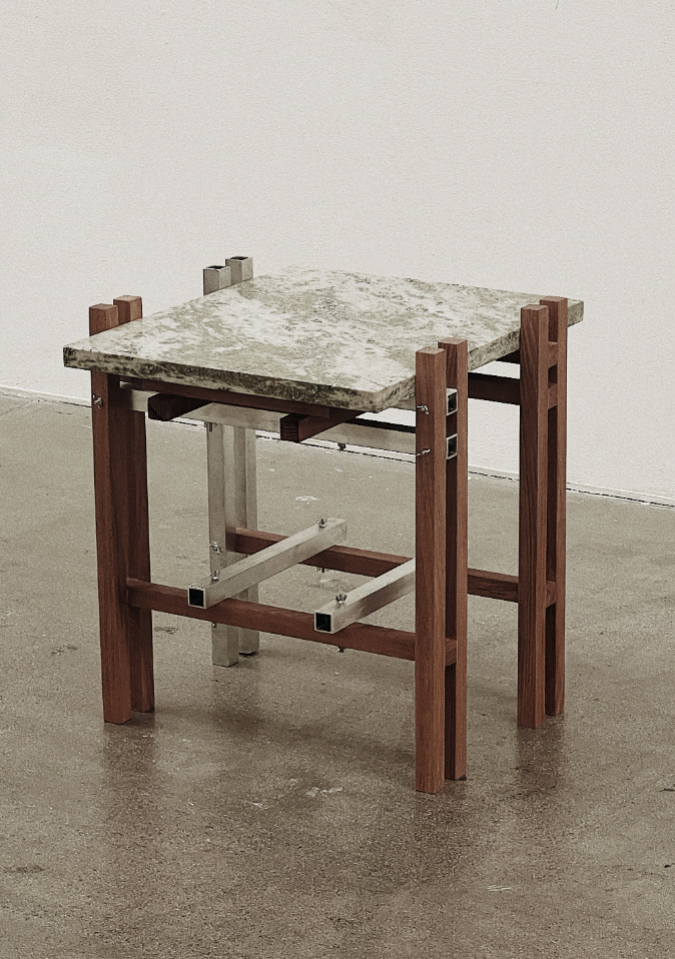
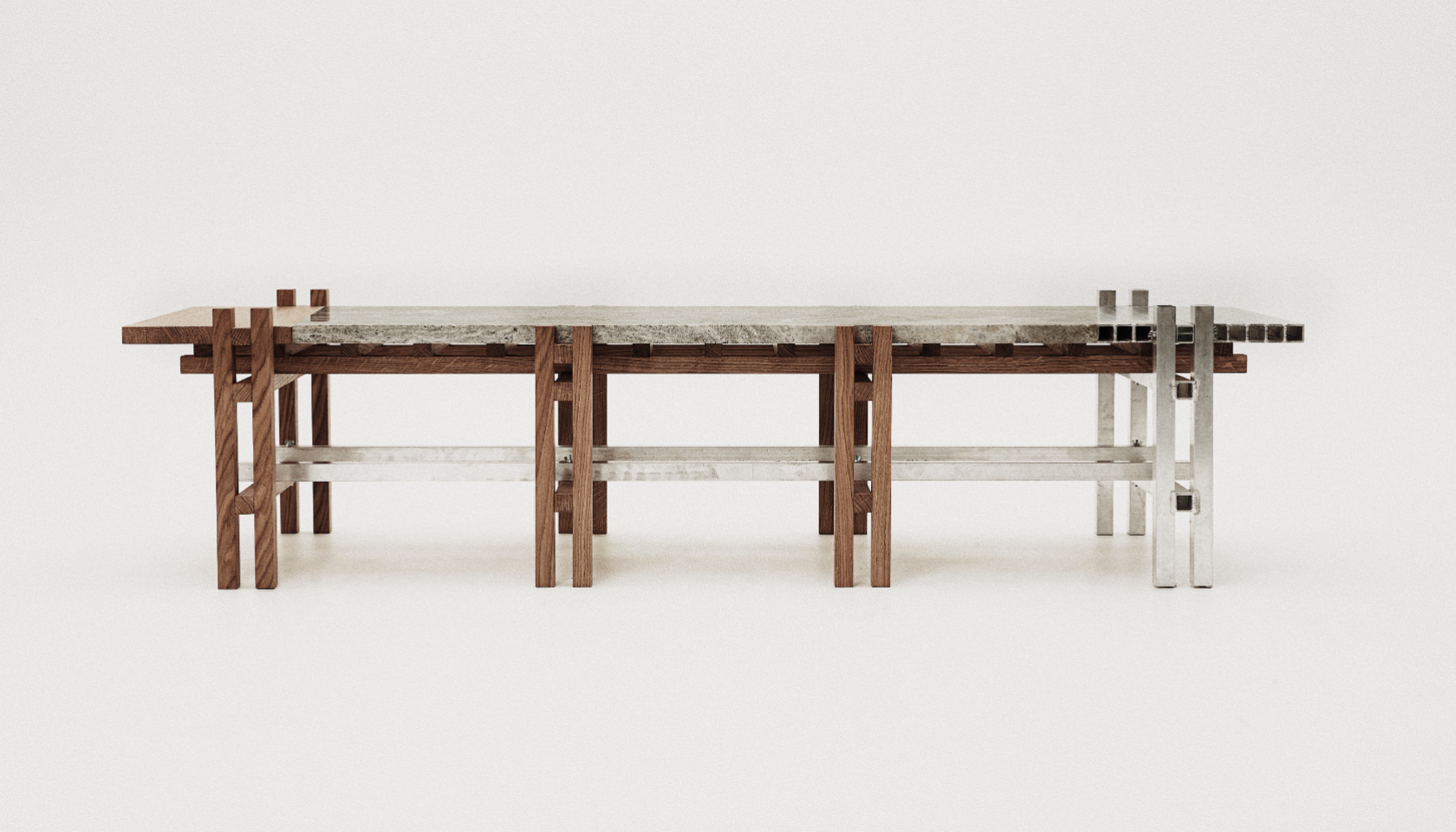
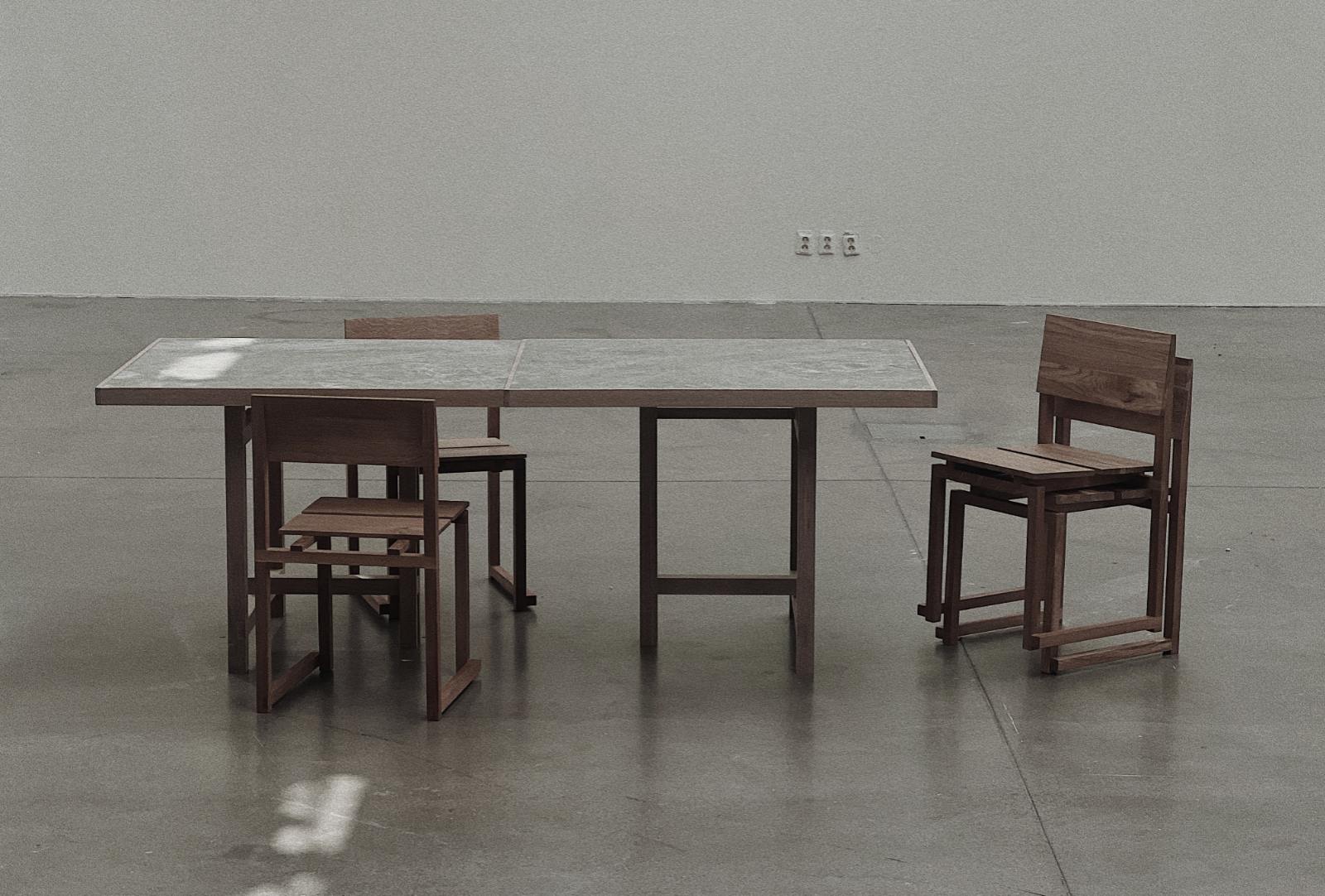
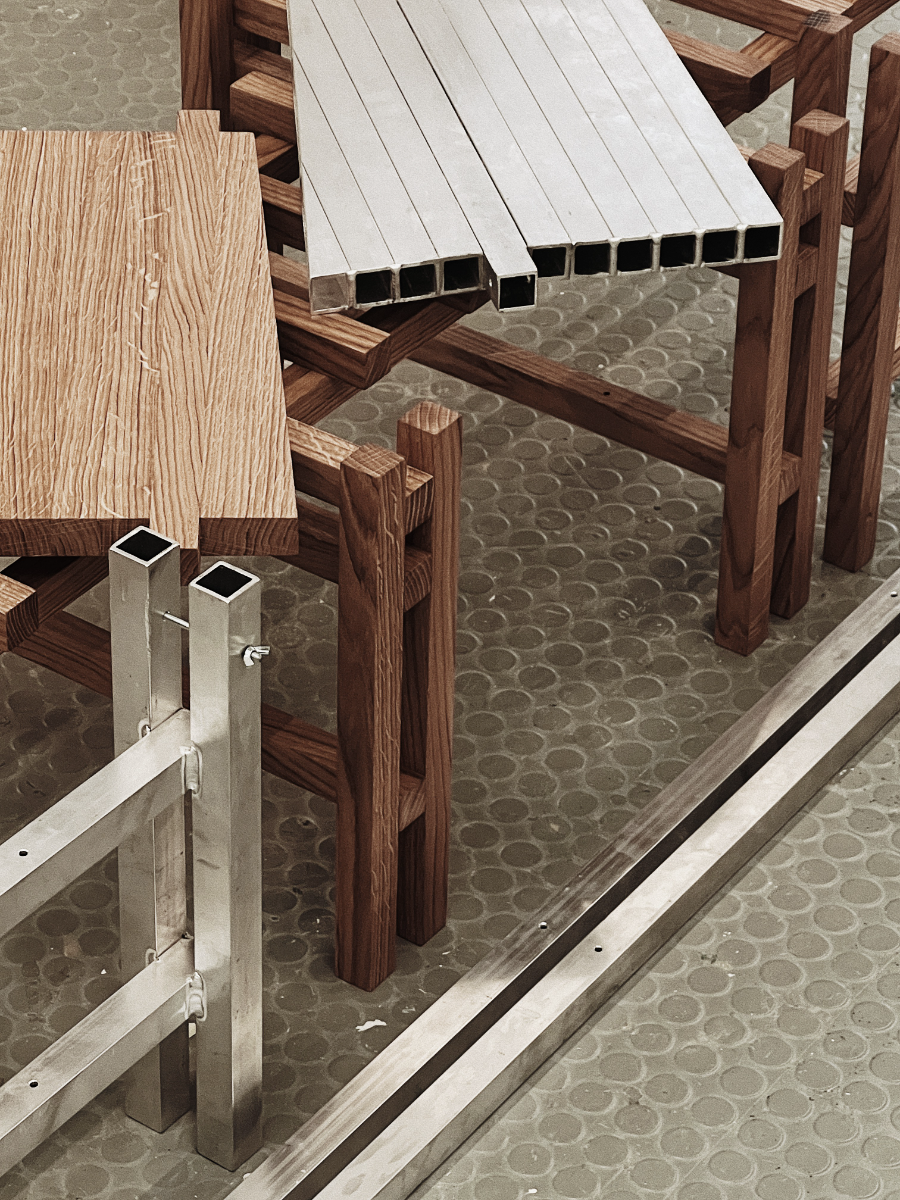
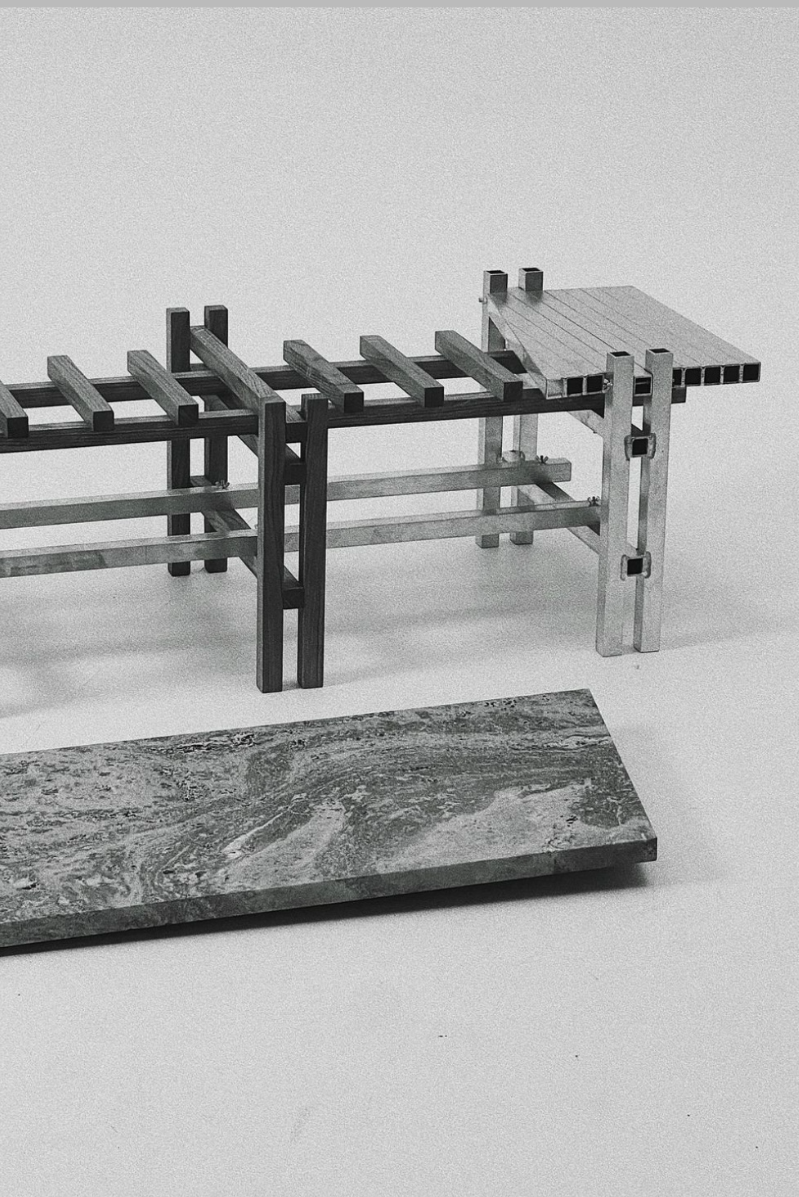
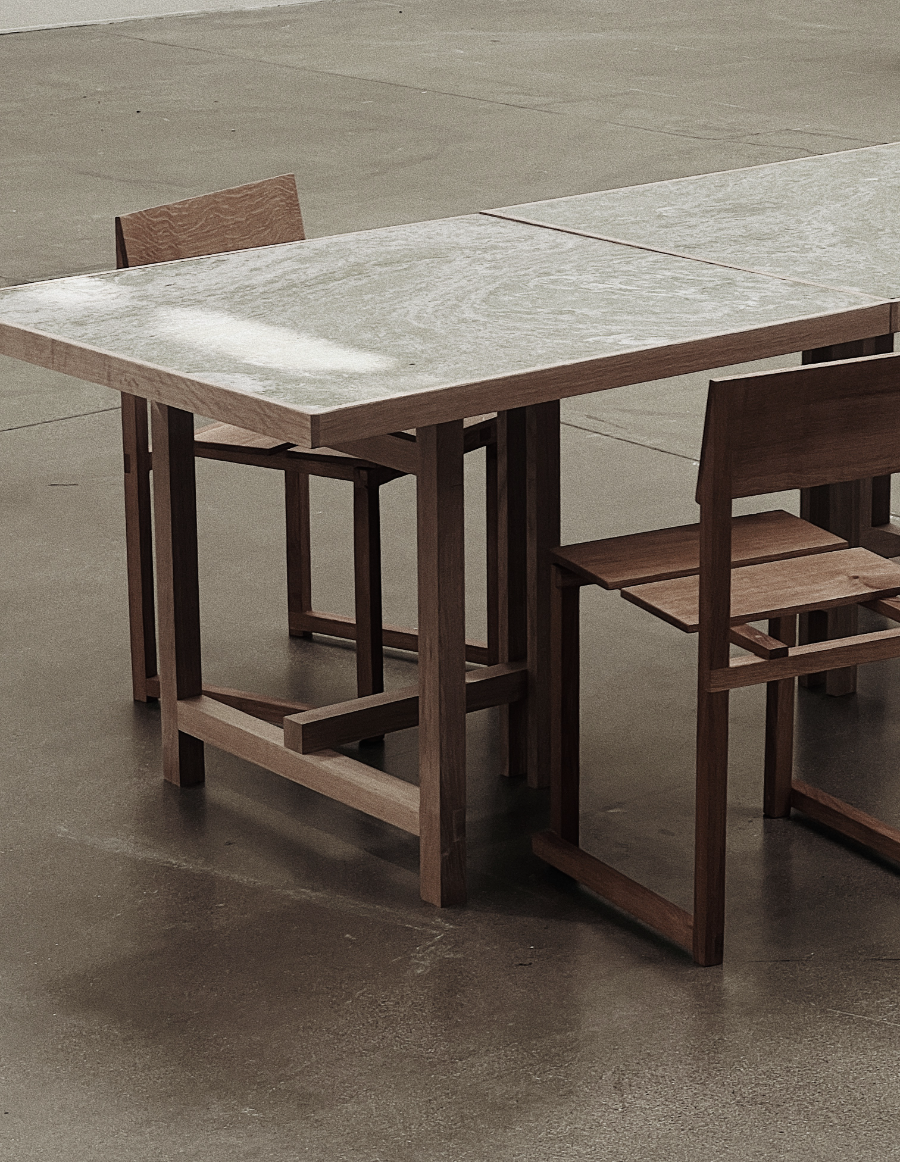
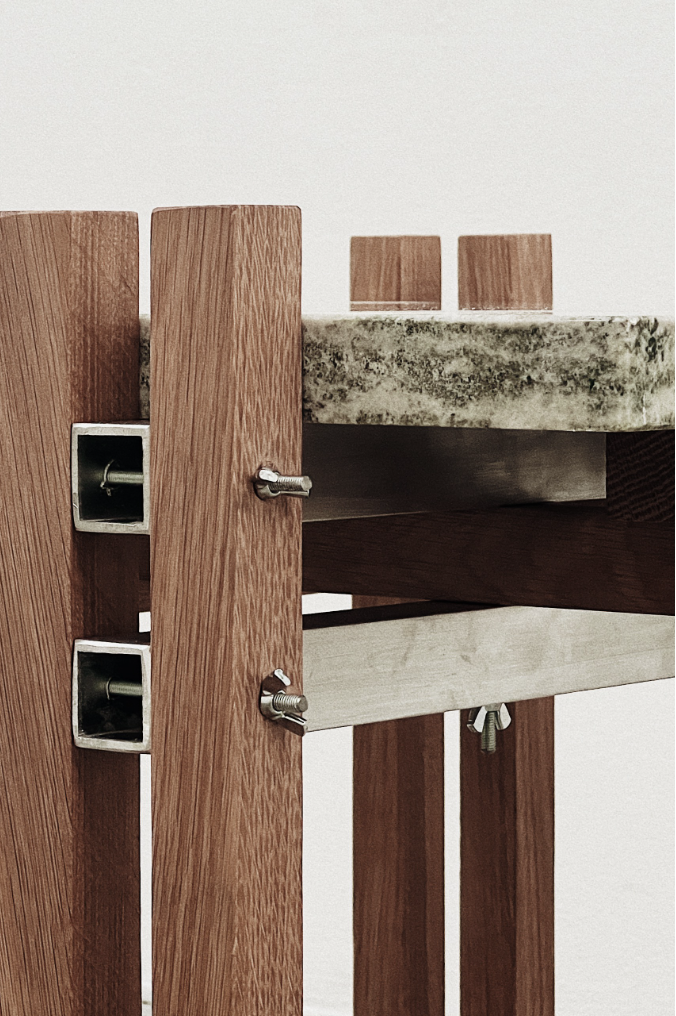
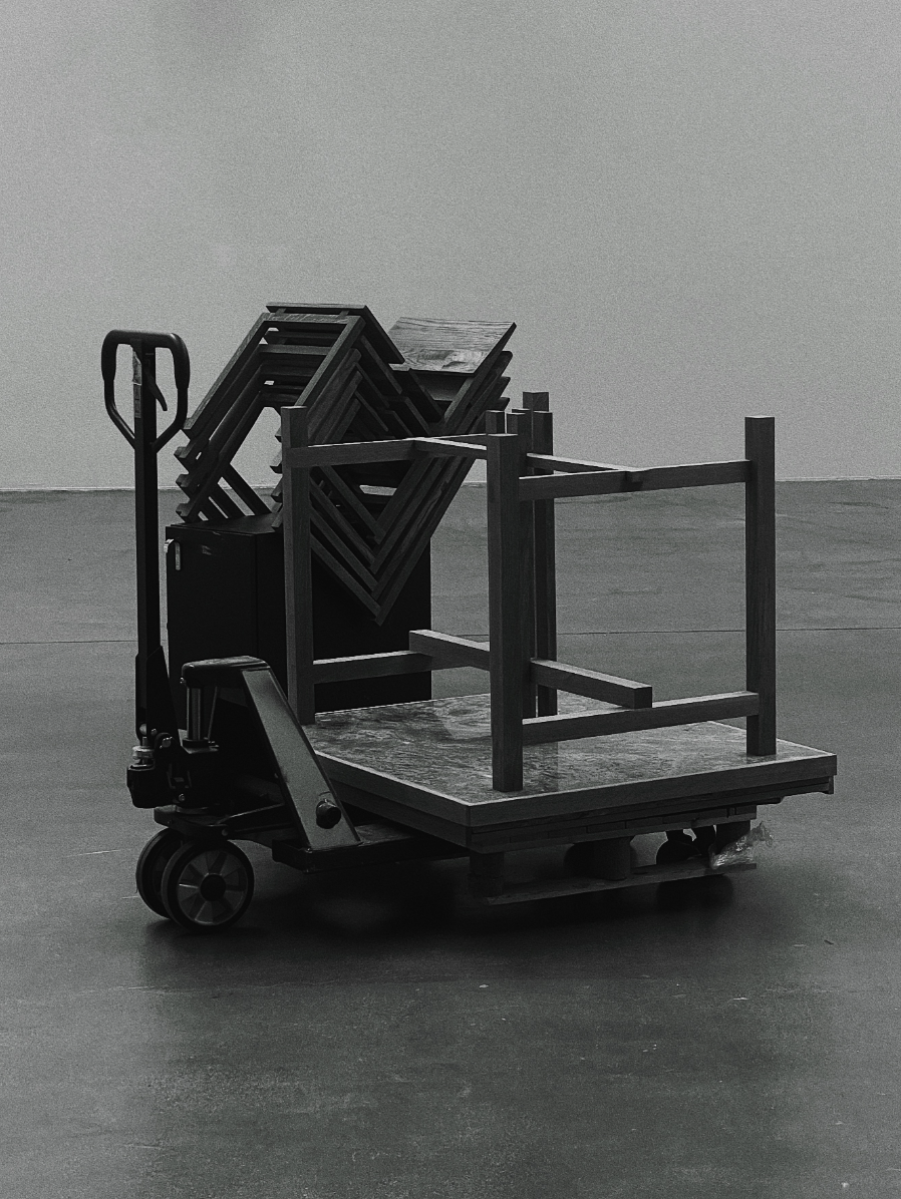
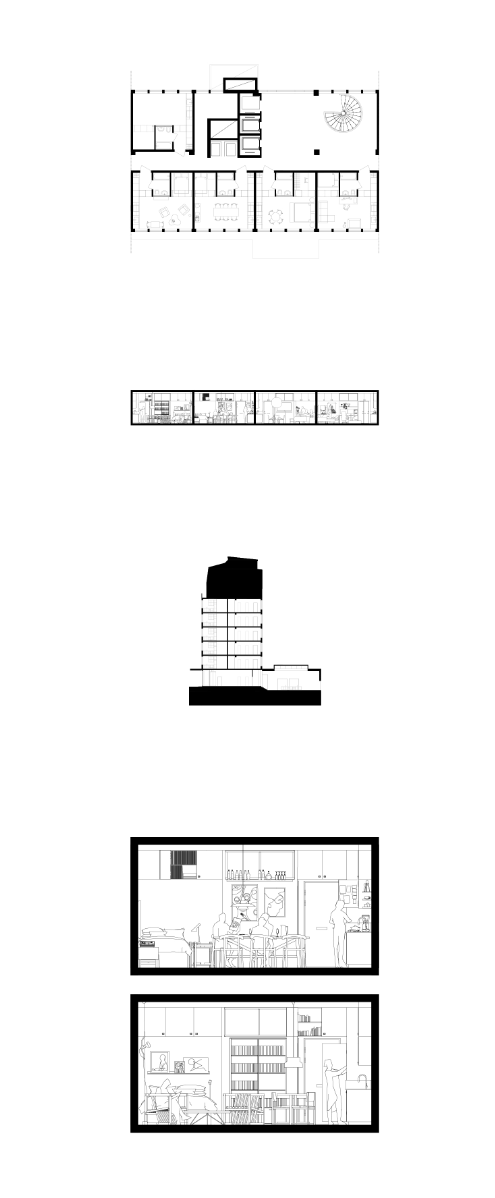
In this project, done in 2024 at the bachelor program Interior Architecture & Furniture Design, I give a proposal for an alternative future scenario for the cooperative housing organization HSB’s former headquarters at Kungsholmen, Stockholm. In this work, I explore and propose future uses for the property under HSB’s ownership, and the possibility of going from office to residential through interior architecture. - Where old materials (as swedish green marble) from the building could be used in new furniture and interior, to remain the history while longing for future living. The aim of this work has been to create a modern interpretation of functionalism that reflects both historical and contemporary aesthetics, by creating a future oriented living environment. The initial focus of the project was on the interior design and how the aesthetics of a nearly 100-year-old building can be maintained in a transformation from office to residential. In the later stages of the project, I translated the project into a series of furniture describing the project, which stood for the representation of the project during the graduation exhibition. The furniture series called "The Swedish Green Series", consists of 3 objects, the side table, the bench, and the dining table. Common to all three objects is that they preserve the history of the building's previous material, the swedish green marble. Where the material has not been processed or changed, but has been allowed to remain with the marks and shapes it used to have - which has been both my goal and a great challenge in the project. The other components of the furniture, aluminum and oak, embrace the stone and hold it in place, preserving it. These three materials are all chosen to symbolize the aesthetics of 1930s aesthetics and ideology, as well as the construction of the furniture. The different components of the furniture can be disassembled, which has been necessary both for transportation, but also for future reuse. Read my full thesis report here: www.diva-portal.org/smash/record.jsf?pid=diva2%3A1865526&dswid=-5267
Competitions