William Xie
Architecture
University Of New South Wales
Graduates: 2023
Specialisms: Architecture
My location: Sydney, Australia


William Xie
First Name: William
Last Name: Xie
University / College: University Of New South Wales
Course / Program: Architecture
Graduates: 2023
Specialisms: Architecture
My Location: Sydney, Australia
About
I am a current Masters of Architecture student at UNSW. Architecture for me has always been about going beyond the built form to creating spaces that engage and enrich the social response of the users. I have consistently incorporated this ethos into my own design work and in my own teaching as a casual academic at UNSW.
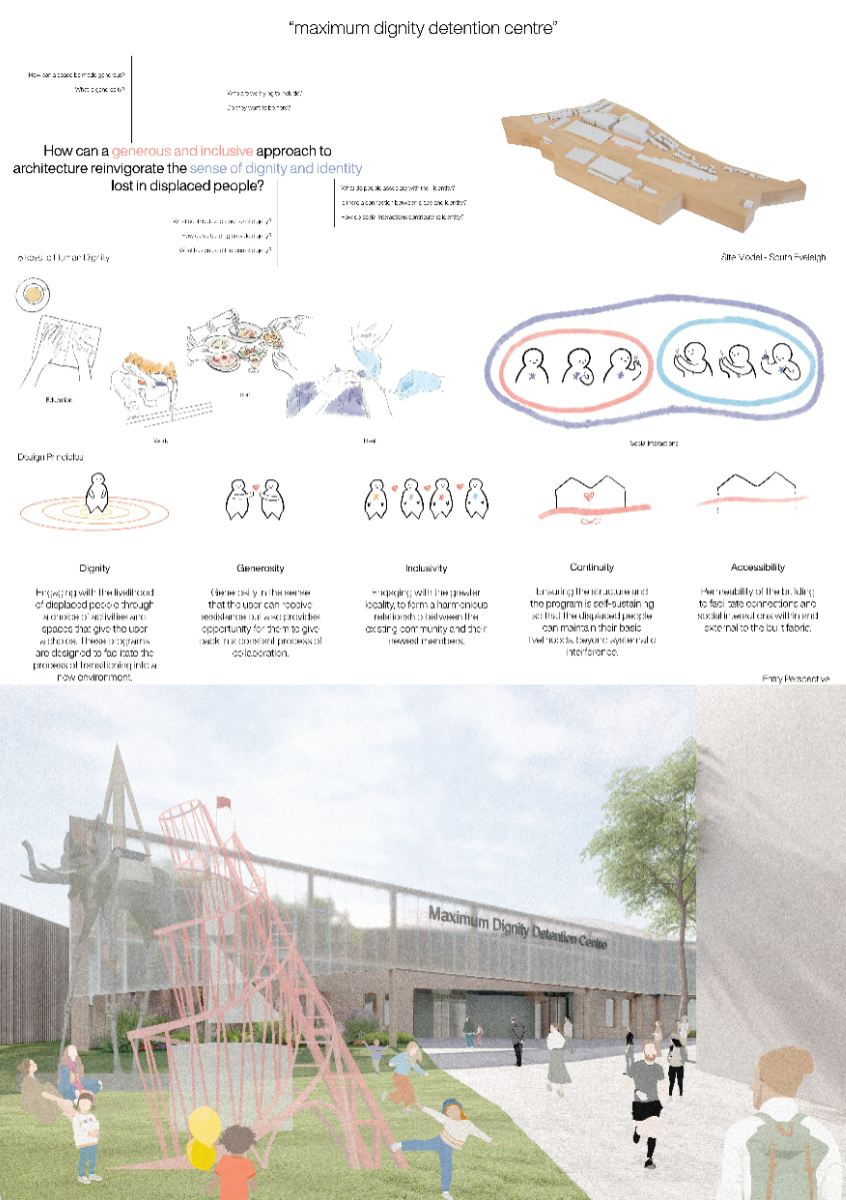
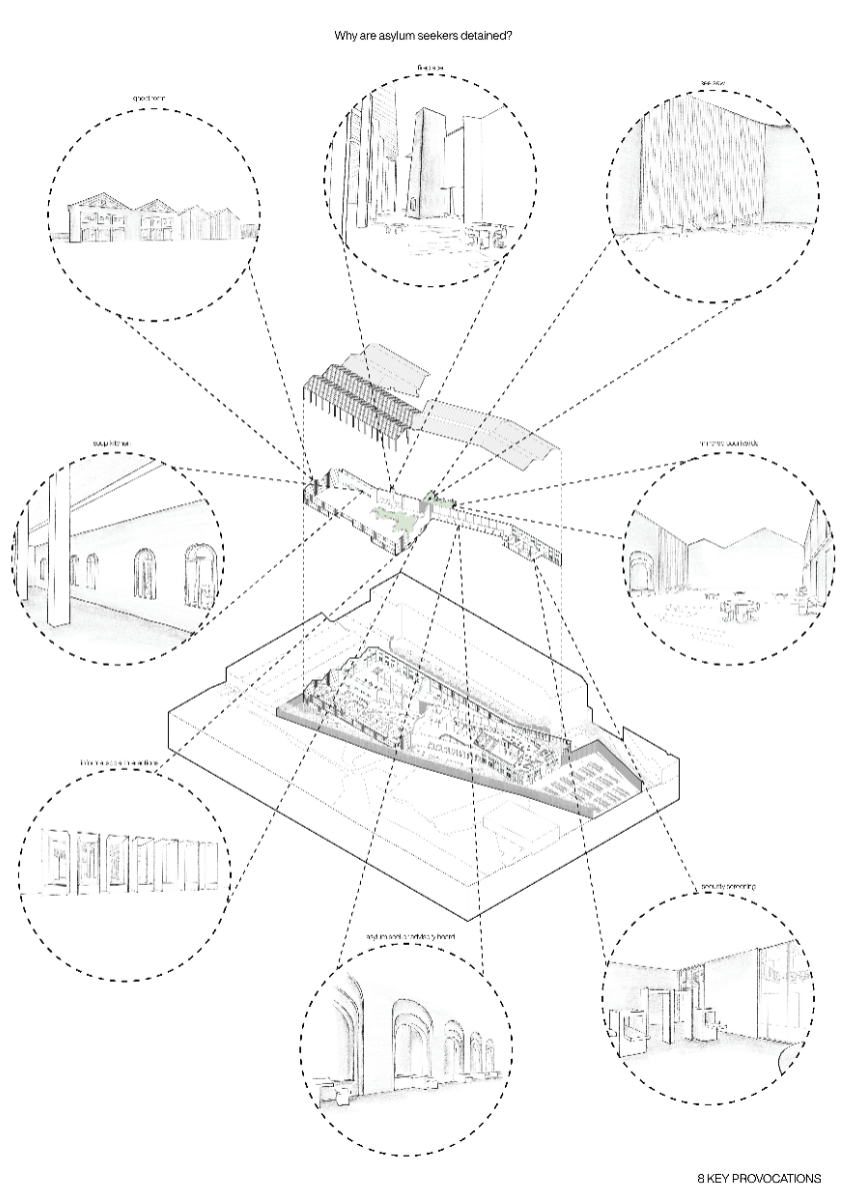

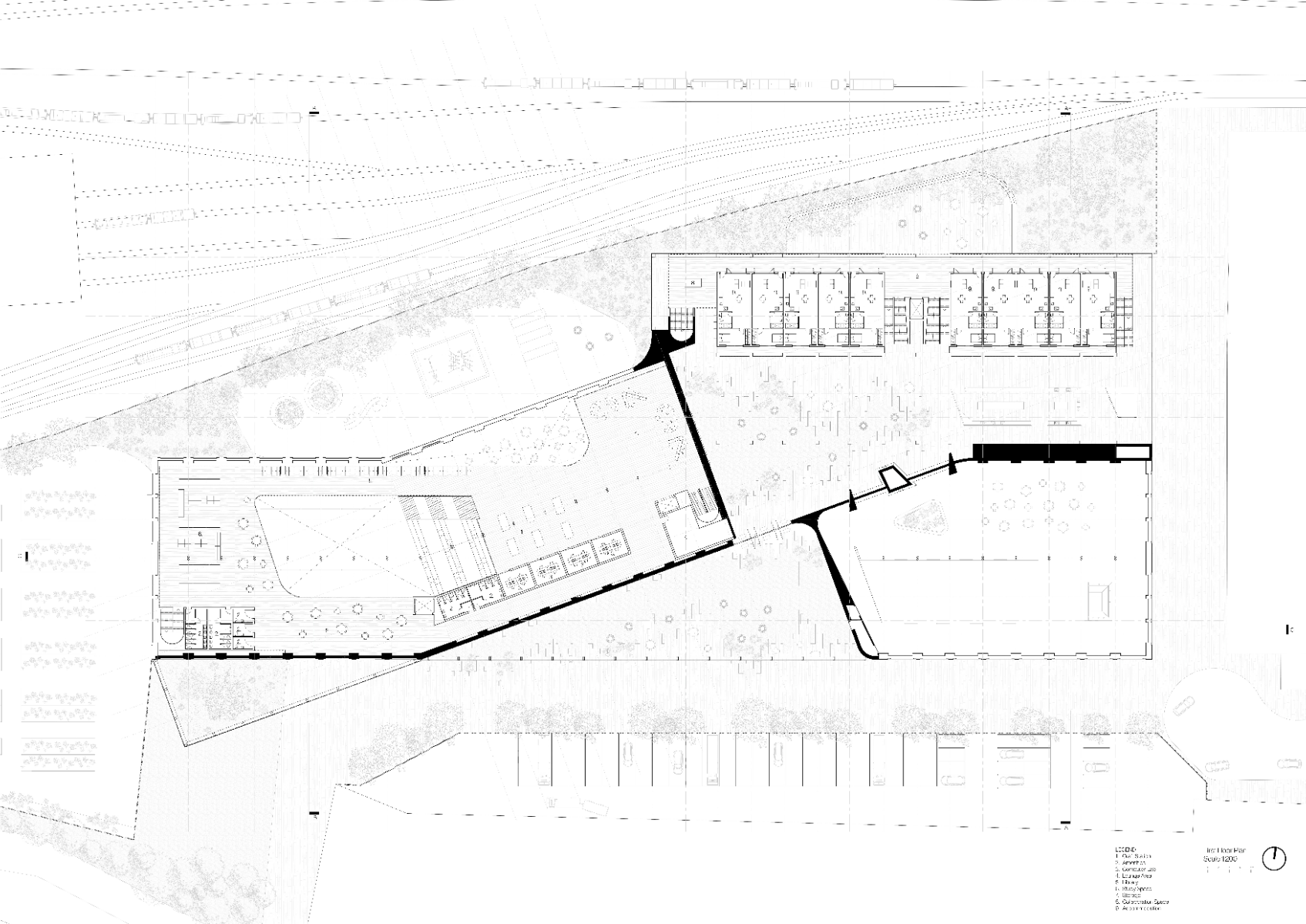
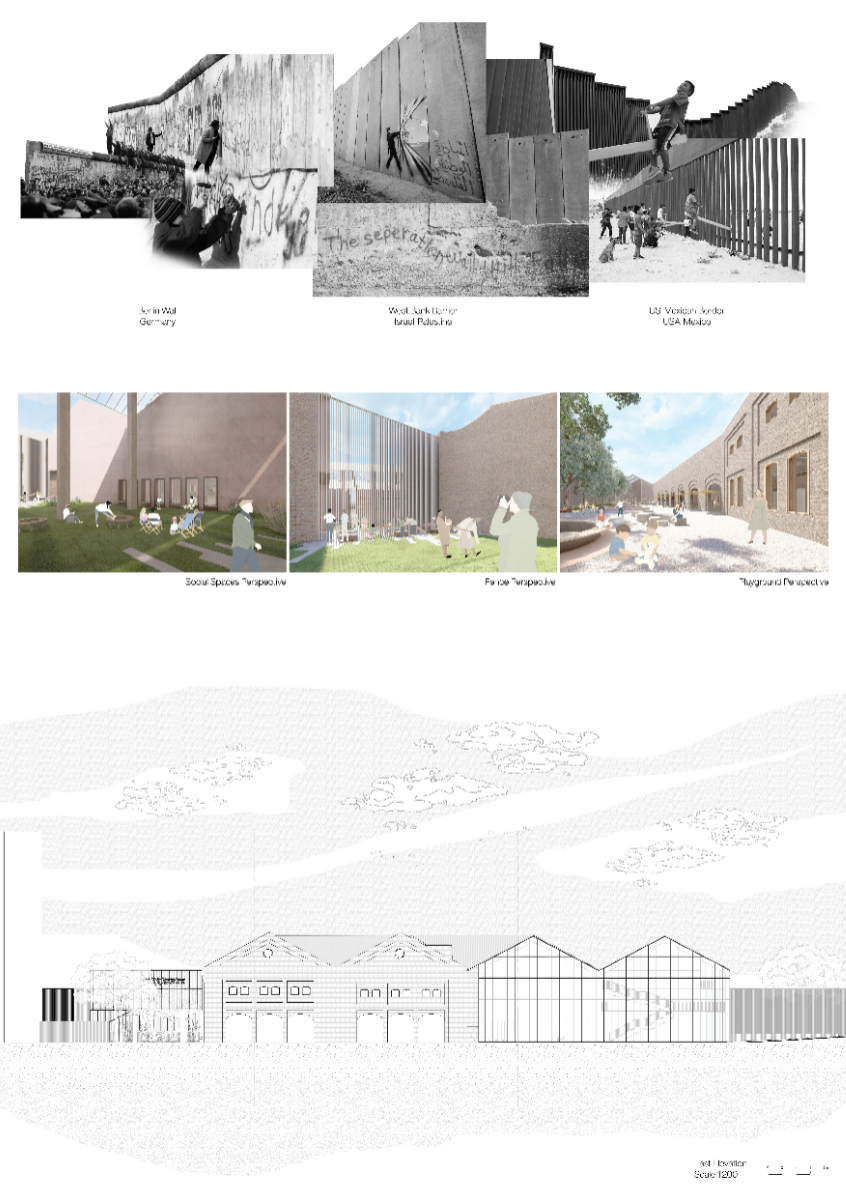
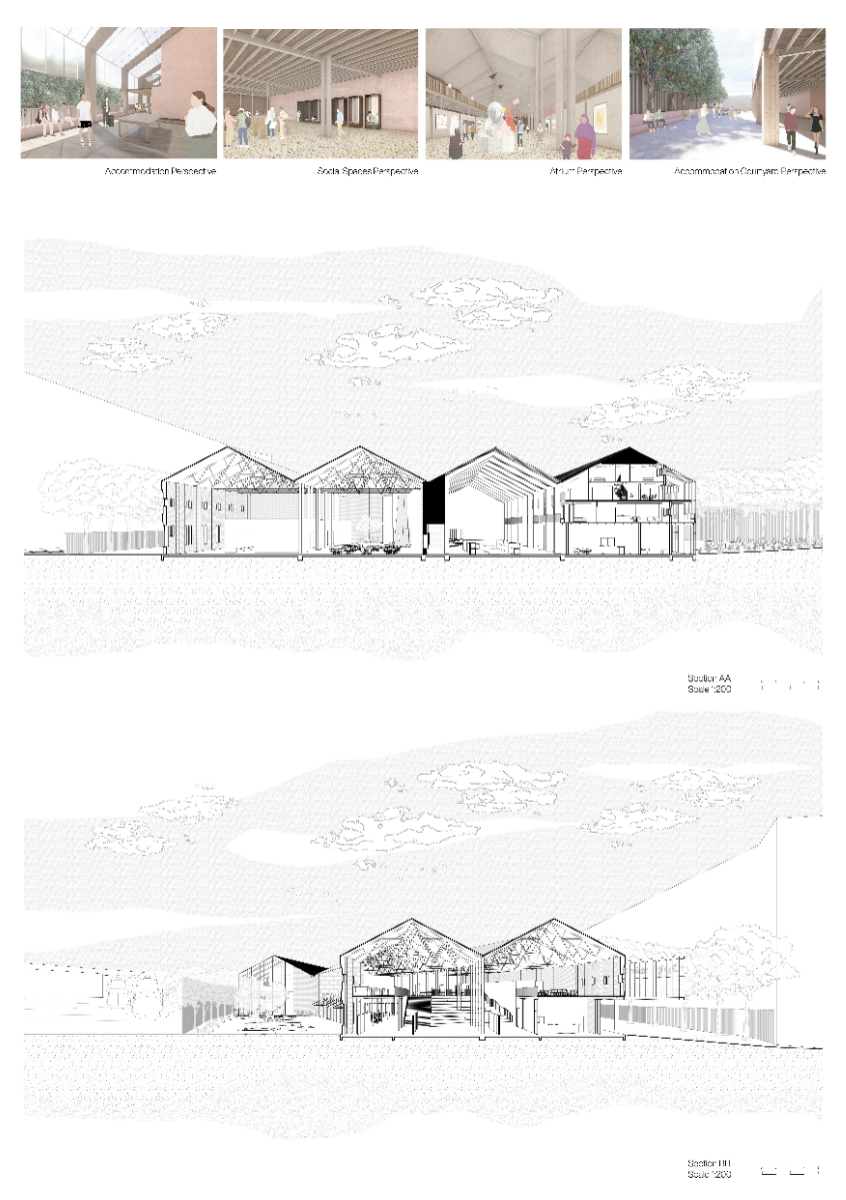
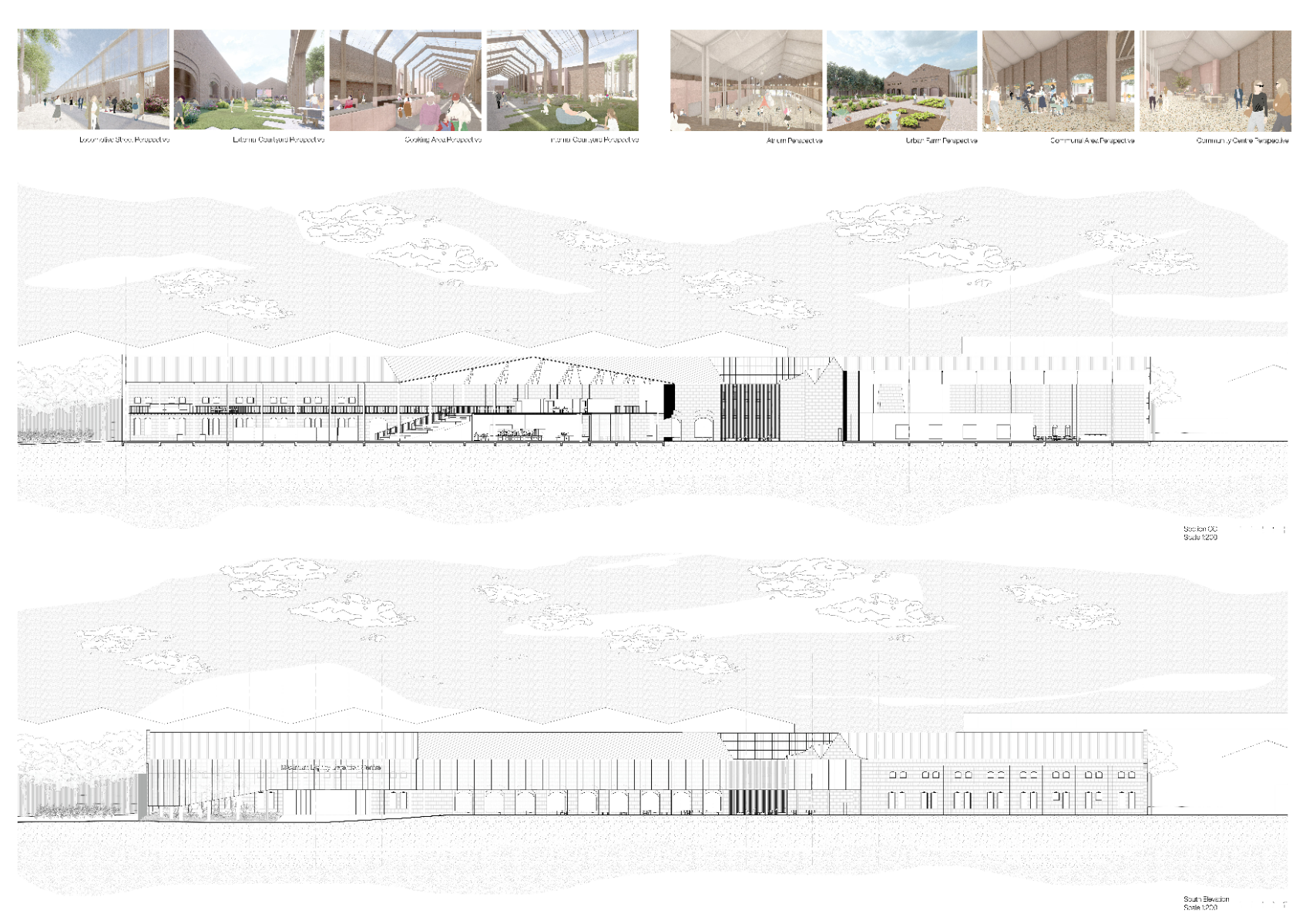
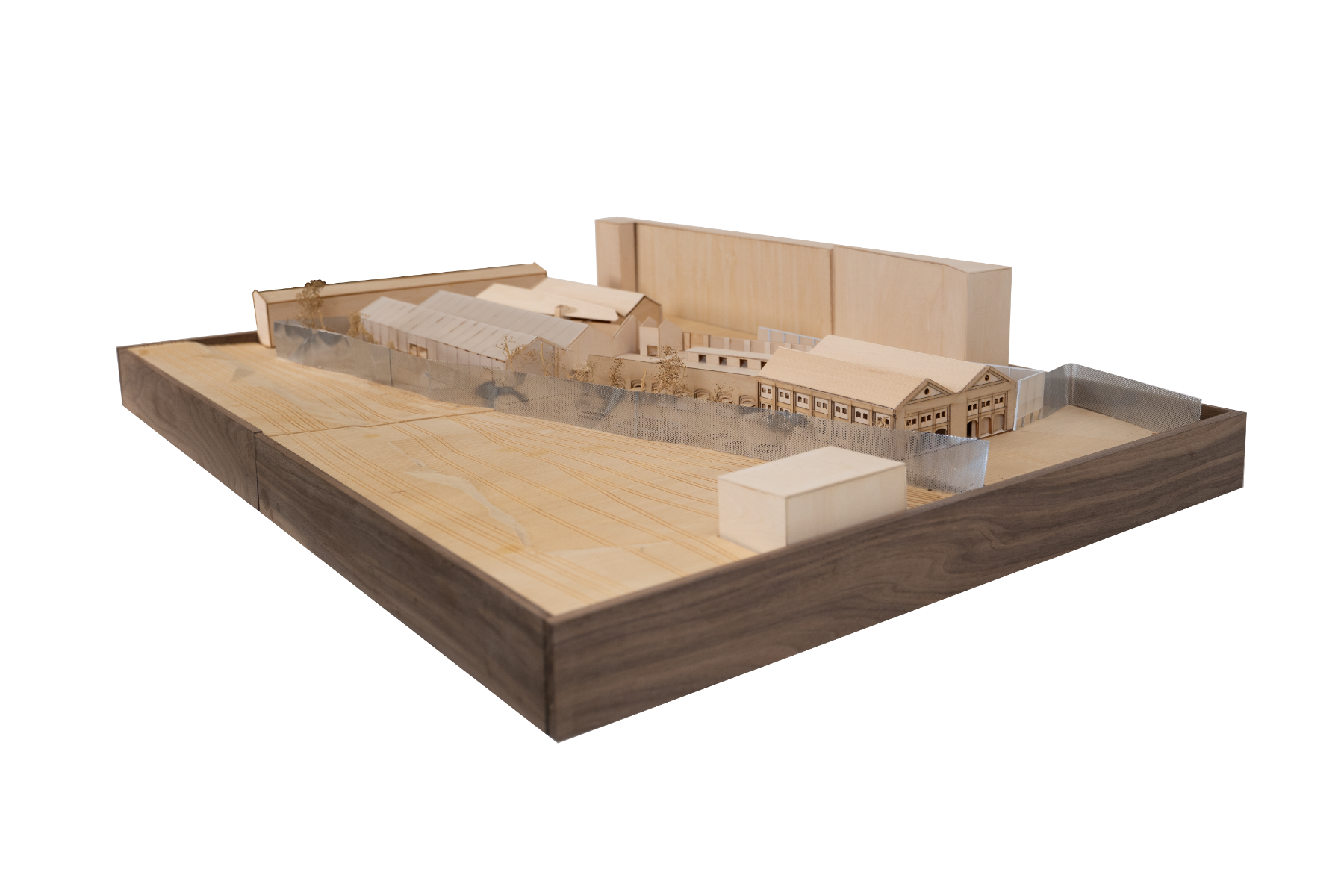
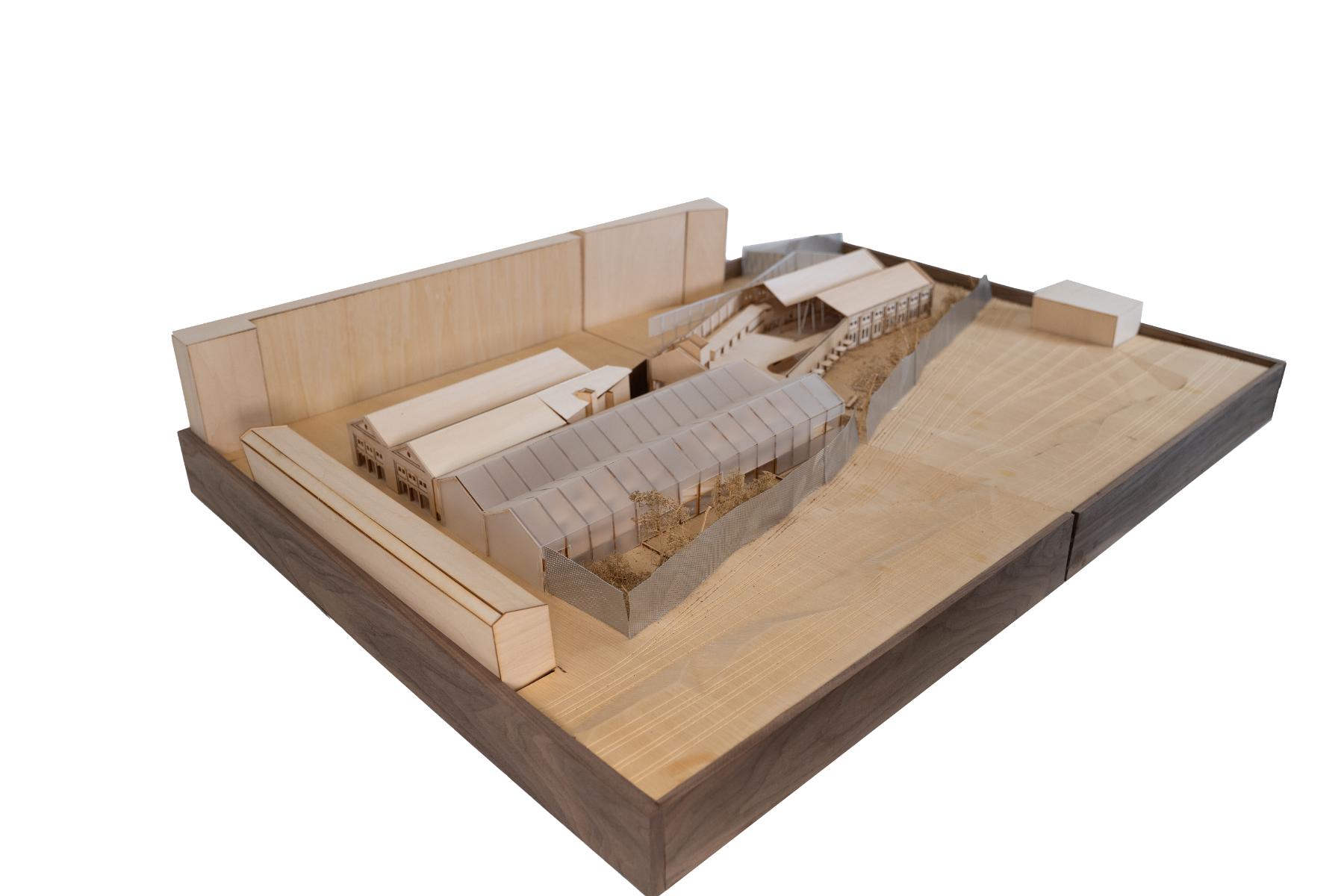
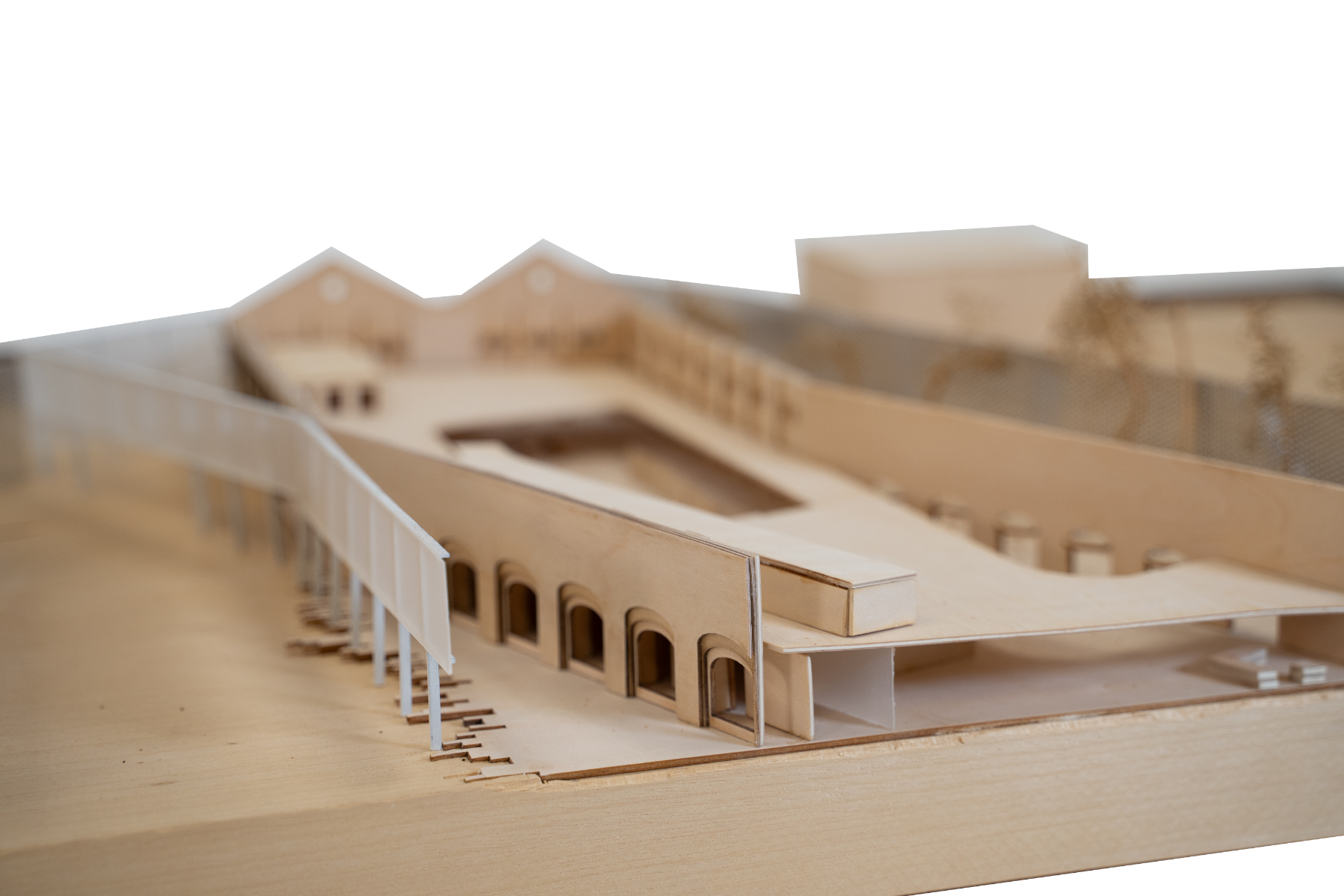
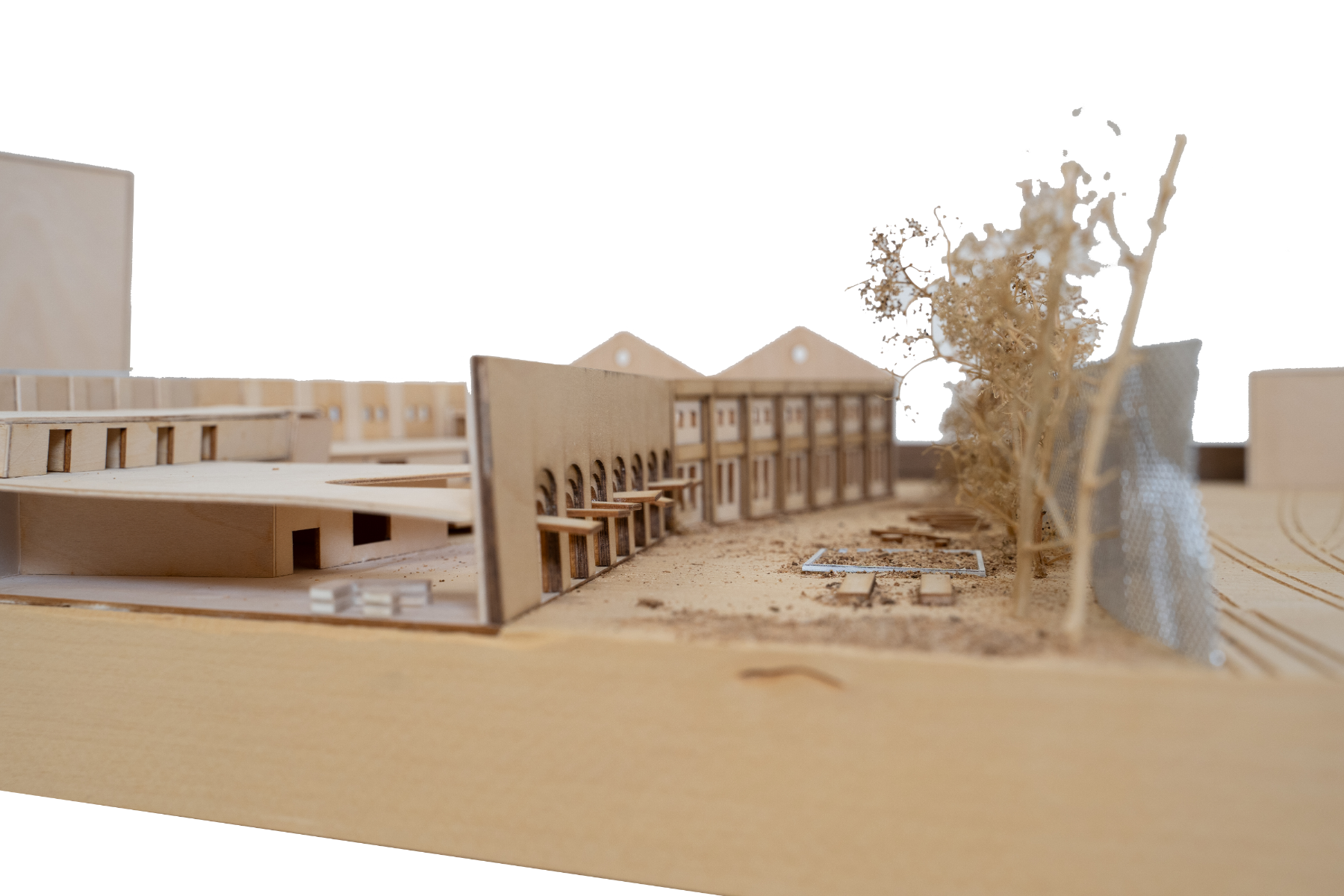
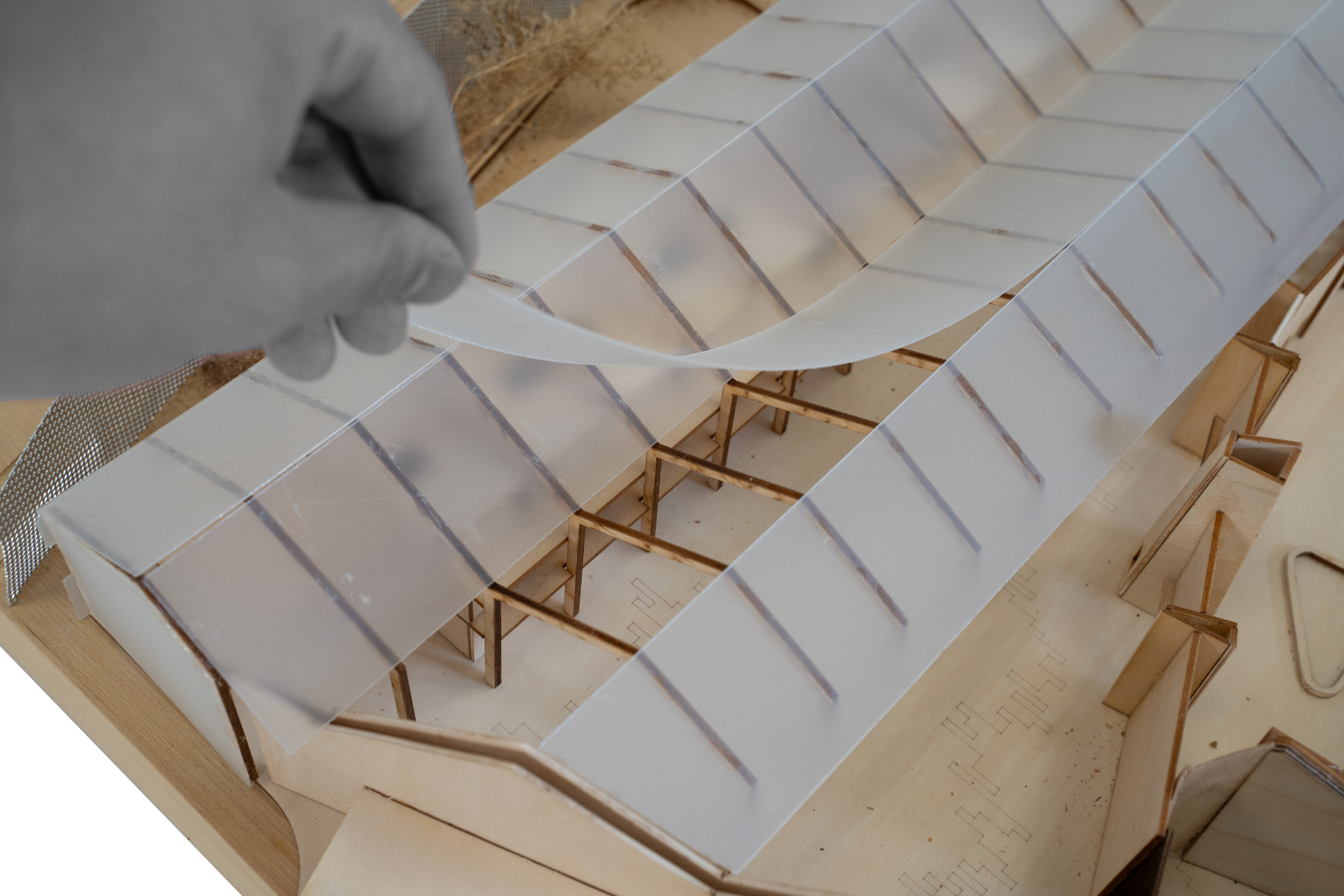
Encapsulated in the title “maximum dignity detention centre” is the theme of juxtaposition and duality, prevalent in the design to engage in a dialogue of social commentary and improvement of the treatment and incarceration of asylum seekers in Australia. Referring to 2022-2023 figures, the average time spent in detention centres by asylum seekers is 1,076 days with many experiencing up to 15 years in confinement. Within this time, asylum seekers experience a ‘sense of limbo’ in which a new country does not want them, and an old country they cannot return to. In repurposing the existing train workshed in the commercial precinct, South Eveleigh, this discussion is hosted in the heart of Sydney’s CBD. The project encompasses 3 main parts, the collaboration space for the general community and asylum seekers, the accommodation space for only asylum seekers, and the community centre for internally displaced people. Given architecture cannot change the political system, the design questions ‘why asylum seekers are detained?’ through 8 key provocations that emphasises seeing but not touching, inside and outside. The 8 key provocations are as follows: 1. Security screening – community members entering into the collaboration space require security screening like the asylum seekers 2. Asylum Seeker Advisory Board – a series of consultation rooms in which asylum seekers can offer professional advice to the community which may be difficult to receive due to financial hardships etc. 3. Mirrored courtyards – the internal and external courtyards offer the same respite and gathering for the community and asylum seekers but are separated by the boundary wall to ensure segregation 4. See-Saw – homage to Ronald Rael’s see saw installation in the US-Mexican Border, the informal interaction between the detainee and the community 5. Fireplace – a sharing of warmth for both asylum seekers and the internally displaced people 6. Social Spaces – opportunity for the local community to foster a relationship with the asylum seekers, breaking away from the stigma that they face 7. Soup Kitchen – asylum seekers serve, through small service windows, food to the internally displaced people, offering their support 8. Ghost Form – a polycarbonate structure of the same proportion to the existing train workshed houses the accommodation wing embodies the uncertainty and desire to be seen and free from detainment Beyond the commentary is the reinvigoration of the dignity lost in asylum seekers. Designed to celebrate and support the skills of asylum seekers, the generous exhibition space upon entry showcases their talent and skills and encourages the communication, beyond words, between asylum seekers and community members through a series of creative and education spaces. The accommodation spaces offer both one and two bedroom spaces for single dwellers, couples and families so children are not separated from their family. The abundance of outdoor spaces and the urban farm encapsulate the self-sustaining nature of the project, removed from the system and allows for ongoing support, where once an asylum seeker is allowed to leave, they can come back and care for the next generation.
Competitions