Alice Jacoby
Textile Design BA (Hons)
Falmouth University
Specialisms: Textiles - Weave / Textiles - Print / Sustainable Fashion/Textiles
Location: Somerset, United Kingdom
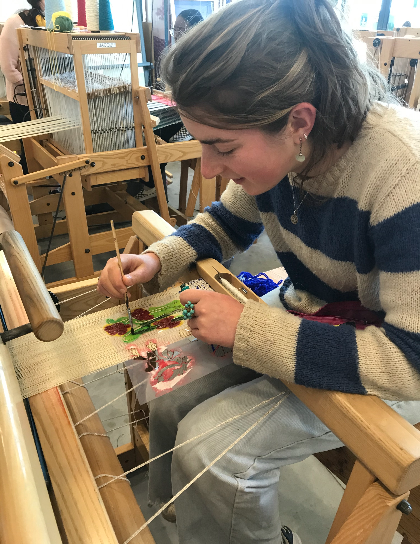
Alice Jacoby
First Name: Alice
Last Name: Jacoby
Specialisms: Textiles - Weave / Textiles - Print / Sustainable Fashion/Textiles
Sectors:
My Location: Somerset, United Kingdom
University / College: Falmouth University
Course / Program Title: Textile Design BA (Hons)
About
I am conscientious and dedicated to sustainability and the environment. I have lots of experience working for sustainable textiles and fashion designers, such as VIN+OMI and Jessie de Salis. I am currently loving being experimental and innovative on my Textile Design degree course, with processes such as weaving and natural dyeing. I am extremely excited to get more industry knowledge and to build up my portfolio of practices.
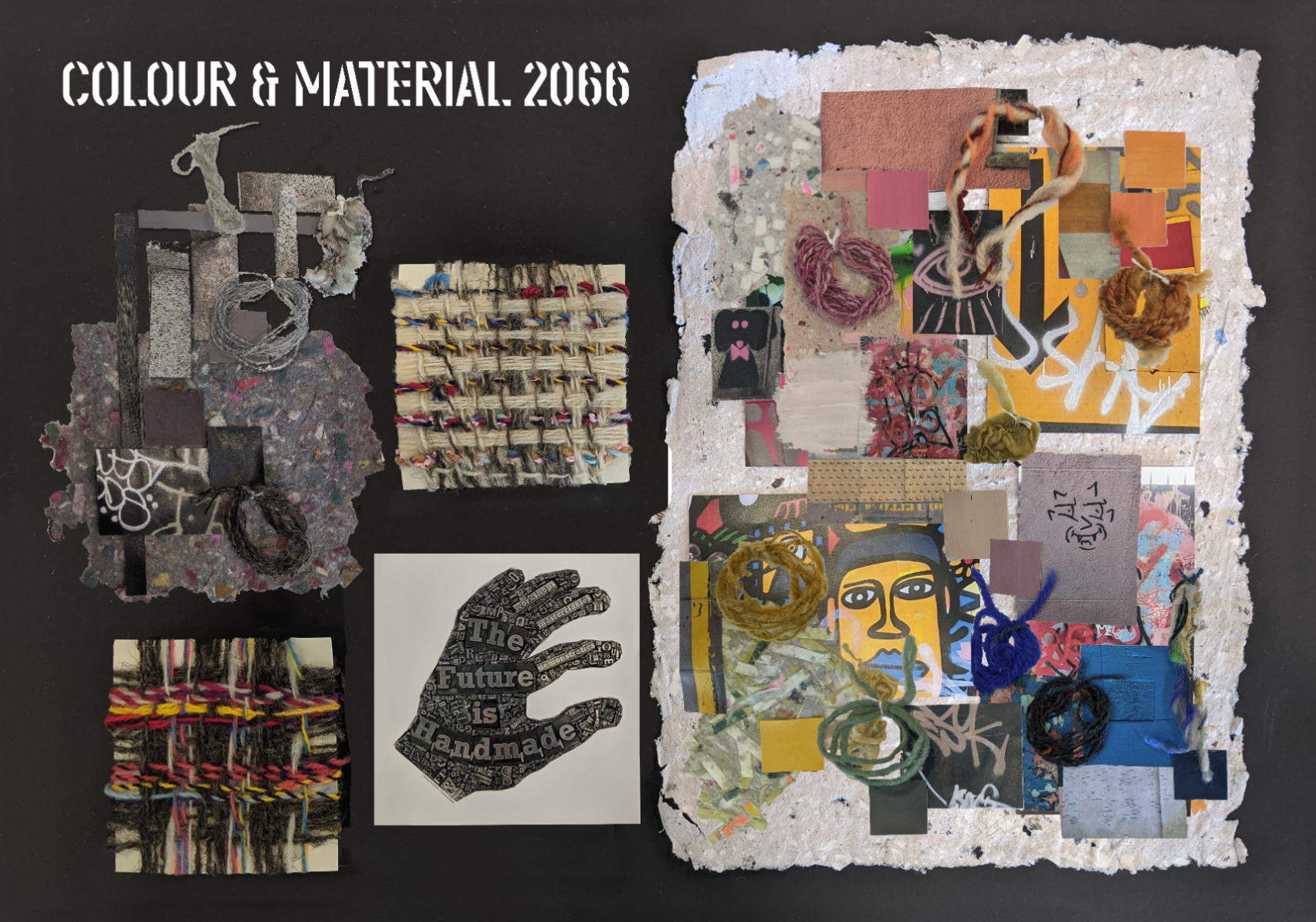
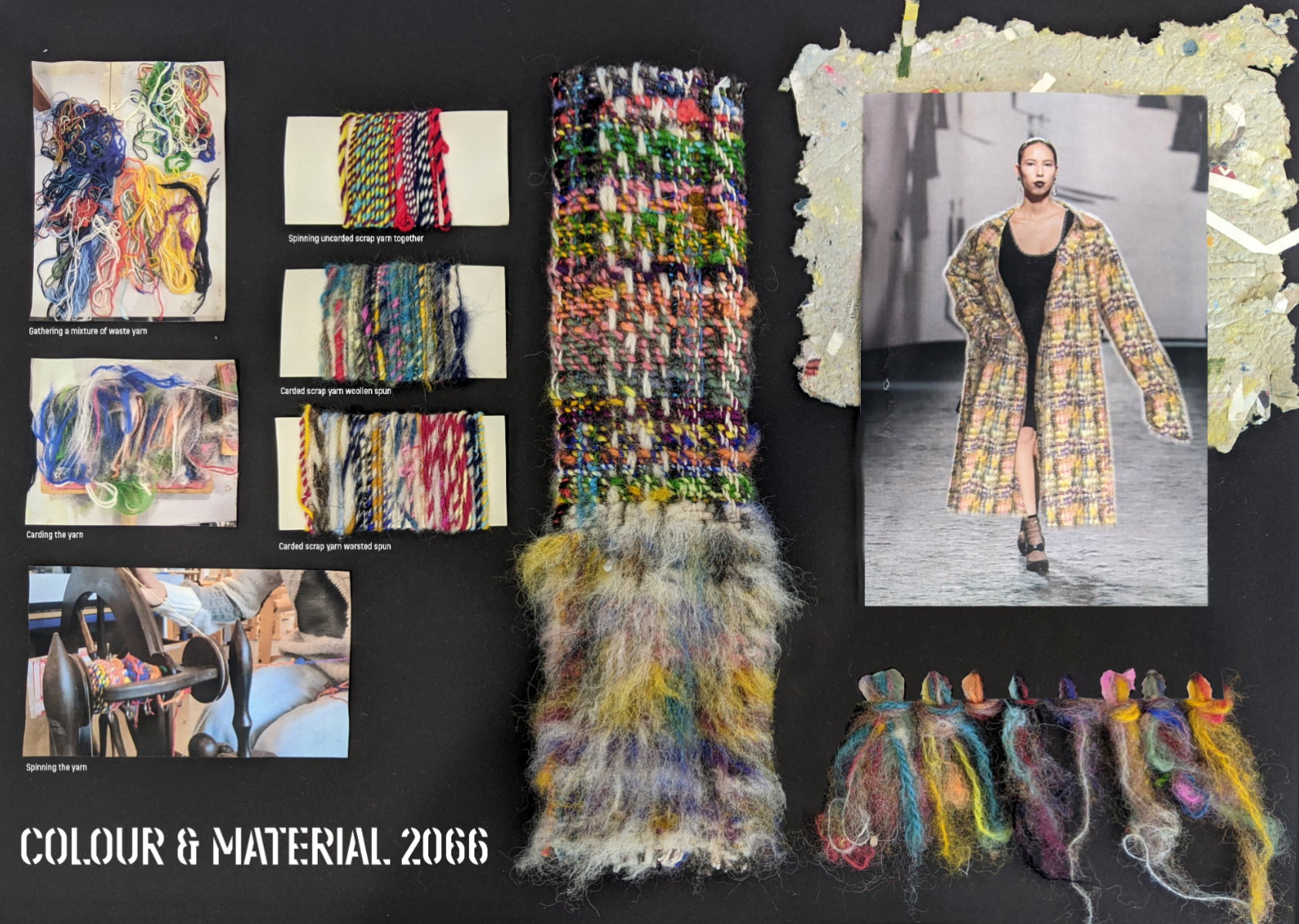
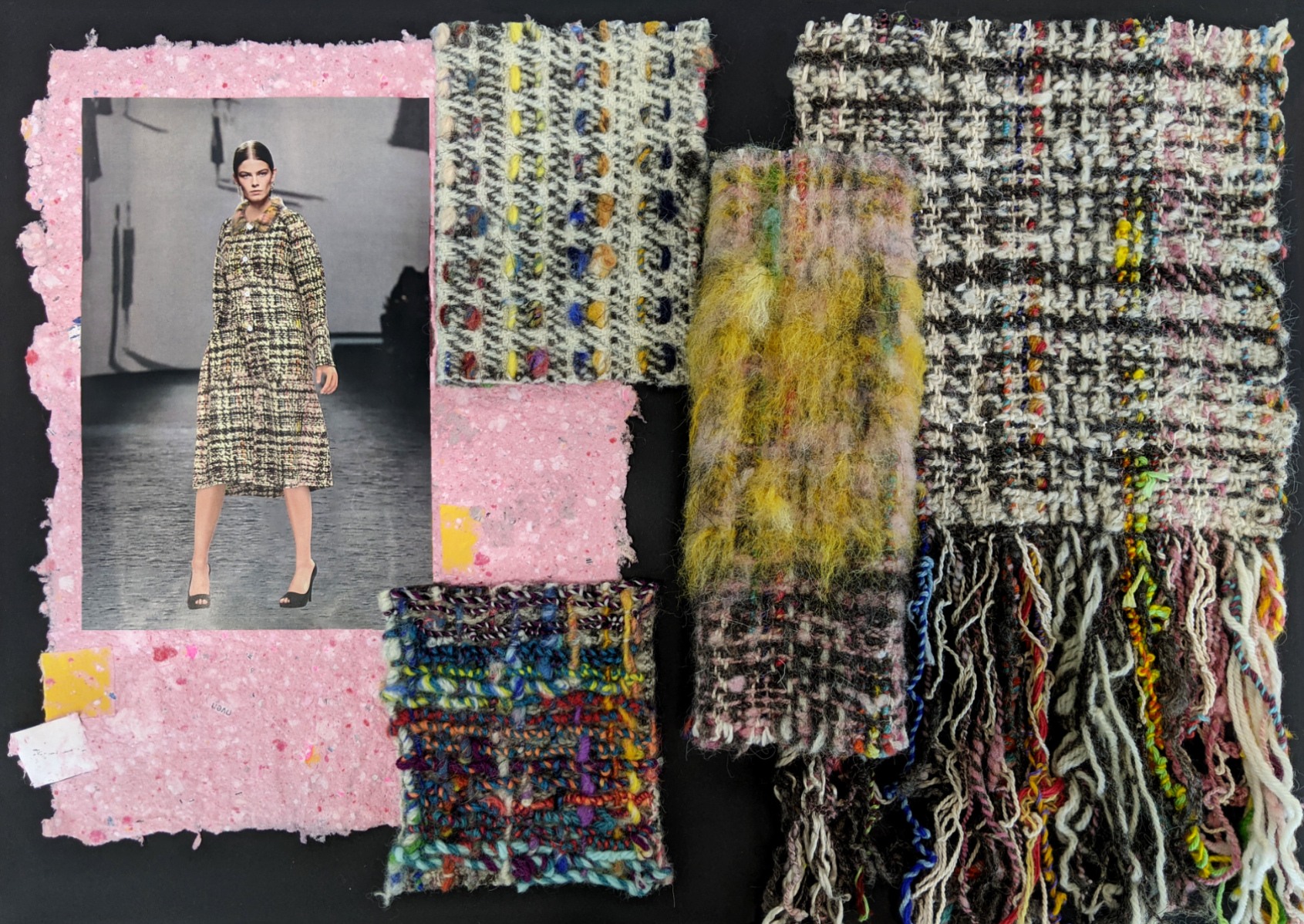
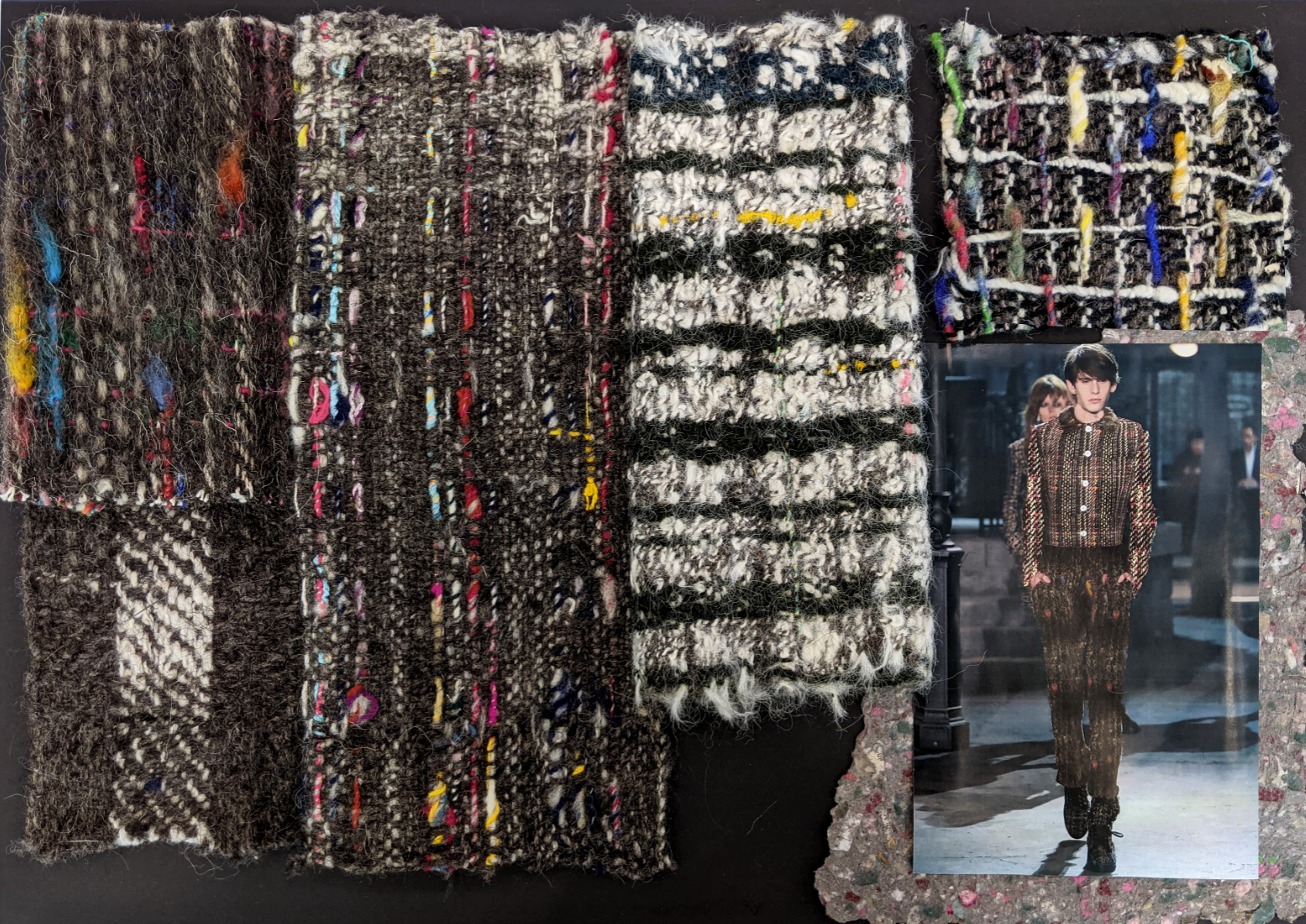
Colour & material 2066
My concept for this project was inspired by urban waste and graffiti and what the world will be like in 2066, I concluded that the world will be in a state of disrepair and all of our textiles will have to be hand-spun using locally sourced materials, such as wool and recycled textiles, as well as coloured with waste products. I extracted colour from food waste and used existing colour on discarded textiles. I experimented dyeing with onion skins, berries, beetroot, cabbage, black beans and rosemary to get a range of colour. I was very aware of using as little water and heat as possible. I tested carding and spinning yarn from scrap yarn bins to bring bursts of colour throughout the weave. I also used the natural colour of Welsh Mountain Balwen fleece, alpaca and Texel fleece I had obtained.
Competitions

Global Design Graduate Show 2023
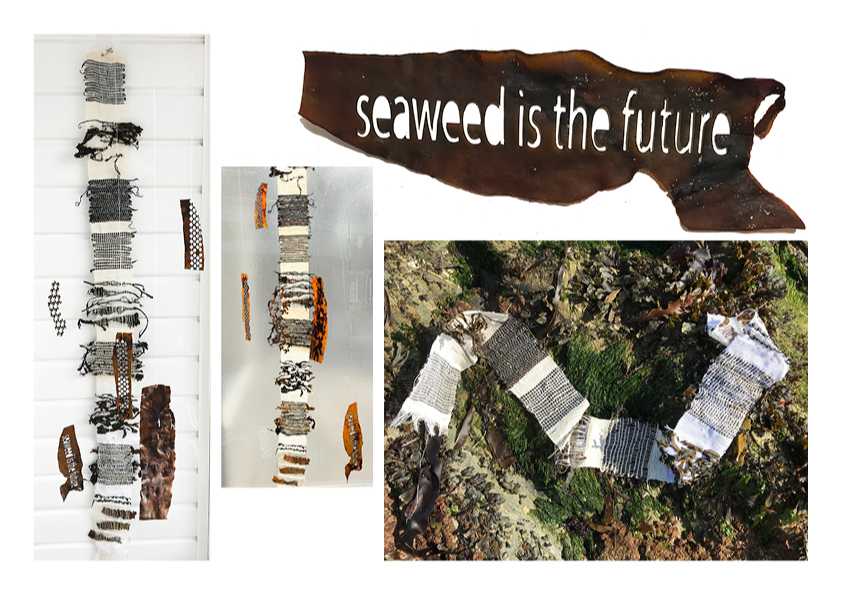
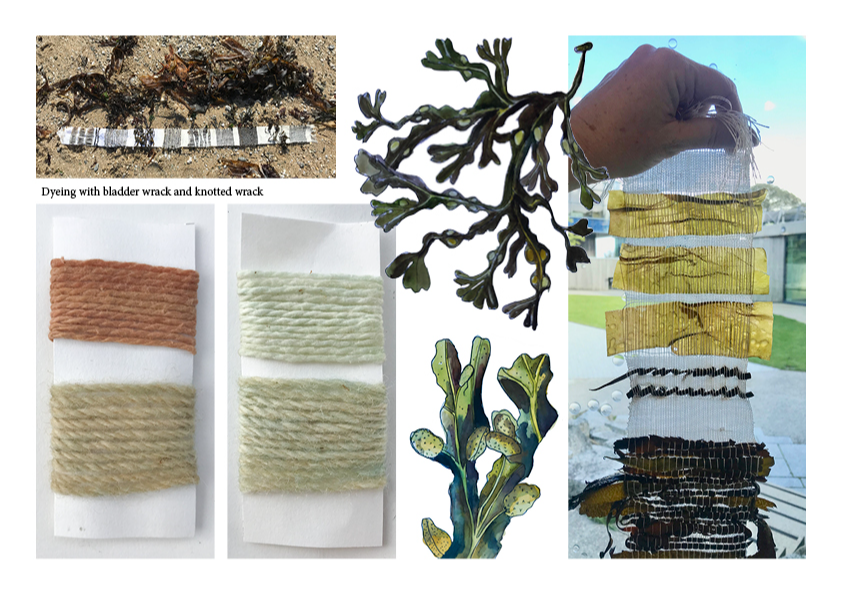
The world is strained and does not have the capacity or resources to continue as we are, therefore our methods need to change: The future of sustainability is seaweed. Many natural fibres will not be able to withstand predicted extreme climates of the future therefore we can’t carry on with this scale of fibre farming. The cotton industry alone uses 20% of the worlds pesticides. Seaweed and algae make up 90% of all plant matter on the planet, they do not need pesticides to grow, are extremely fast growing and it has been discovered that seaweed farming regenerates the oceans. It also absorbs huge amounts of C02. Seaweed arguably has the power to reverse climate change. Today innovative companies such as Algiknit and Seacell are using technology to experiment with making seaweed yarns, with properties ranging from neoprene like fibres to silk. In the future seaweed will be the number one source of material for all textile outcomes. The possibilities of sustainably dyeing with seaweed is also exciting. This project celebrates seaweed and its unprocessed attributes.
Competitions
Global Design Graduate Show 2023
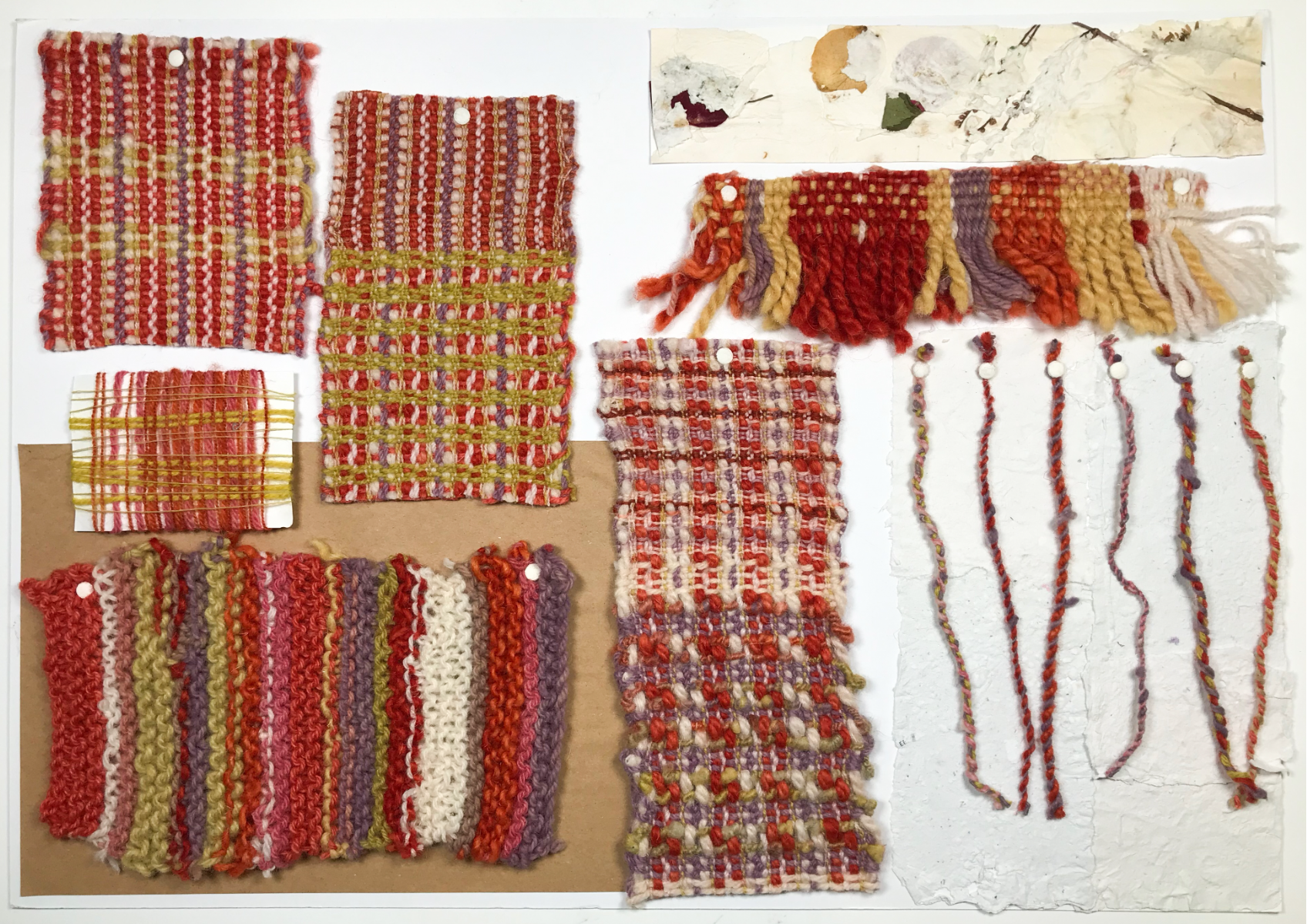
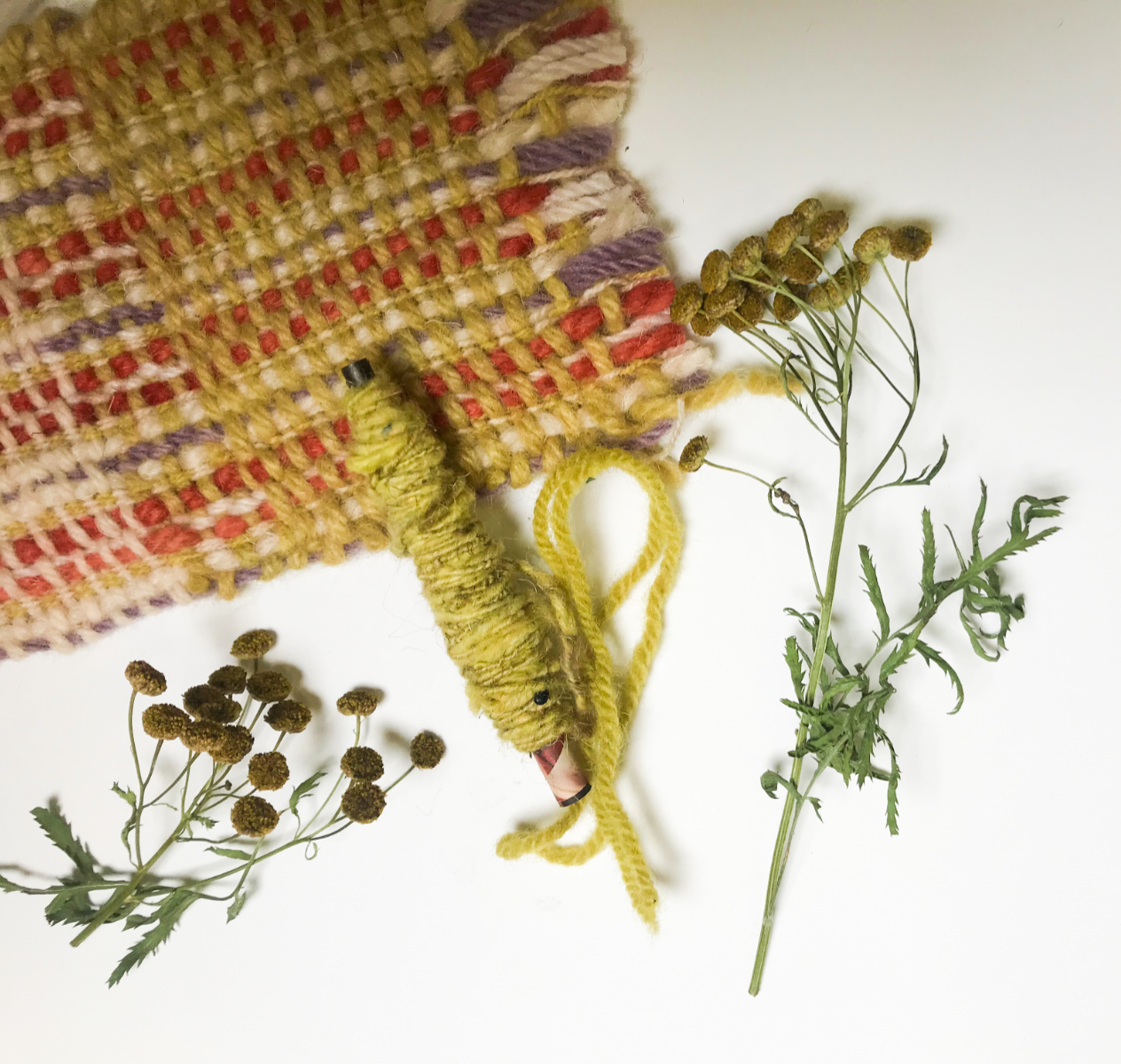
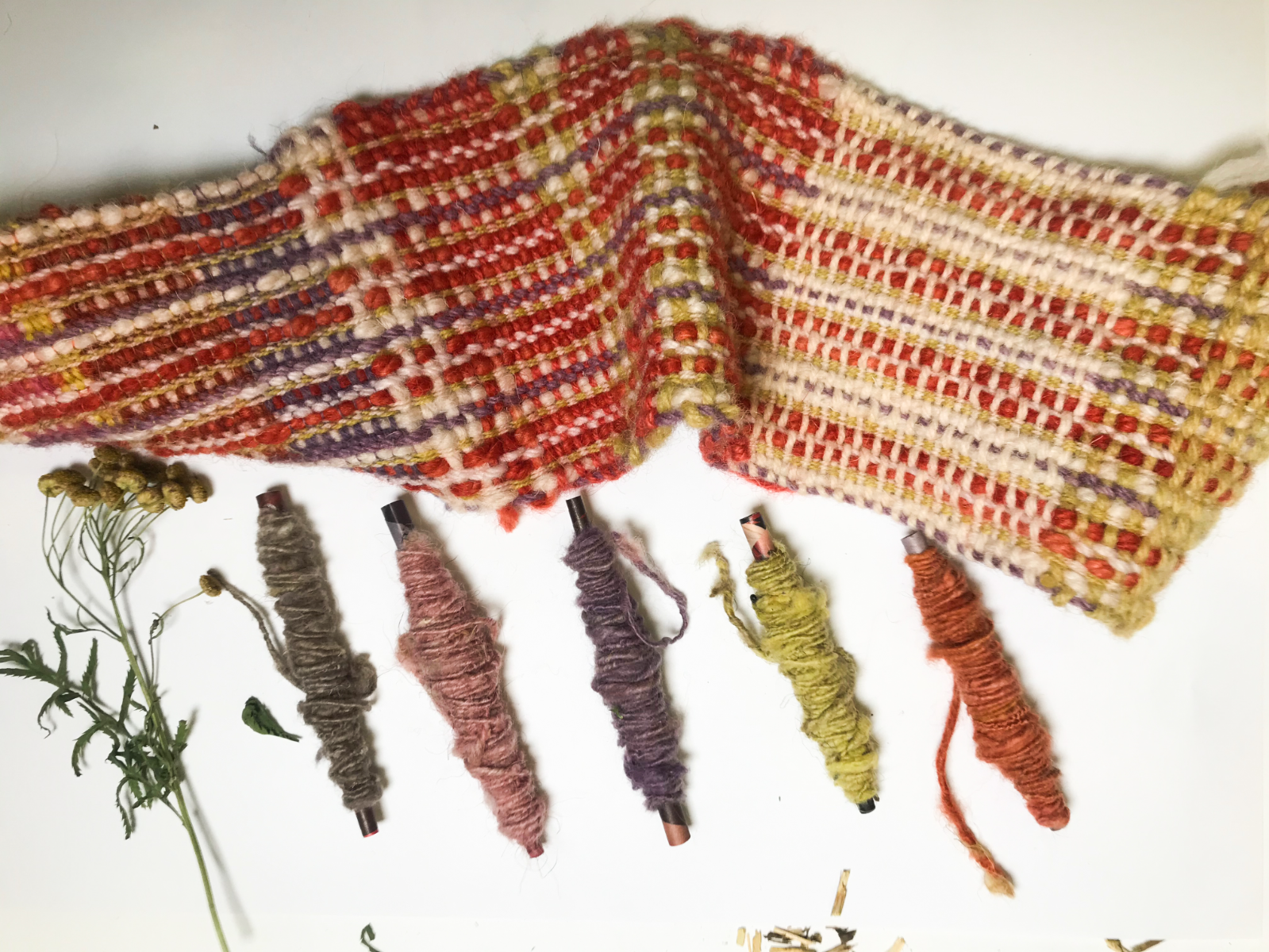
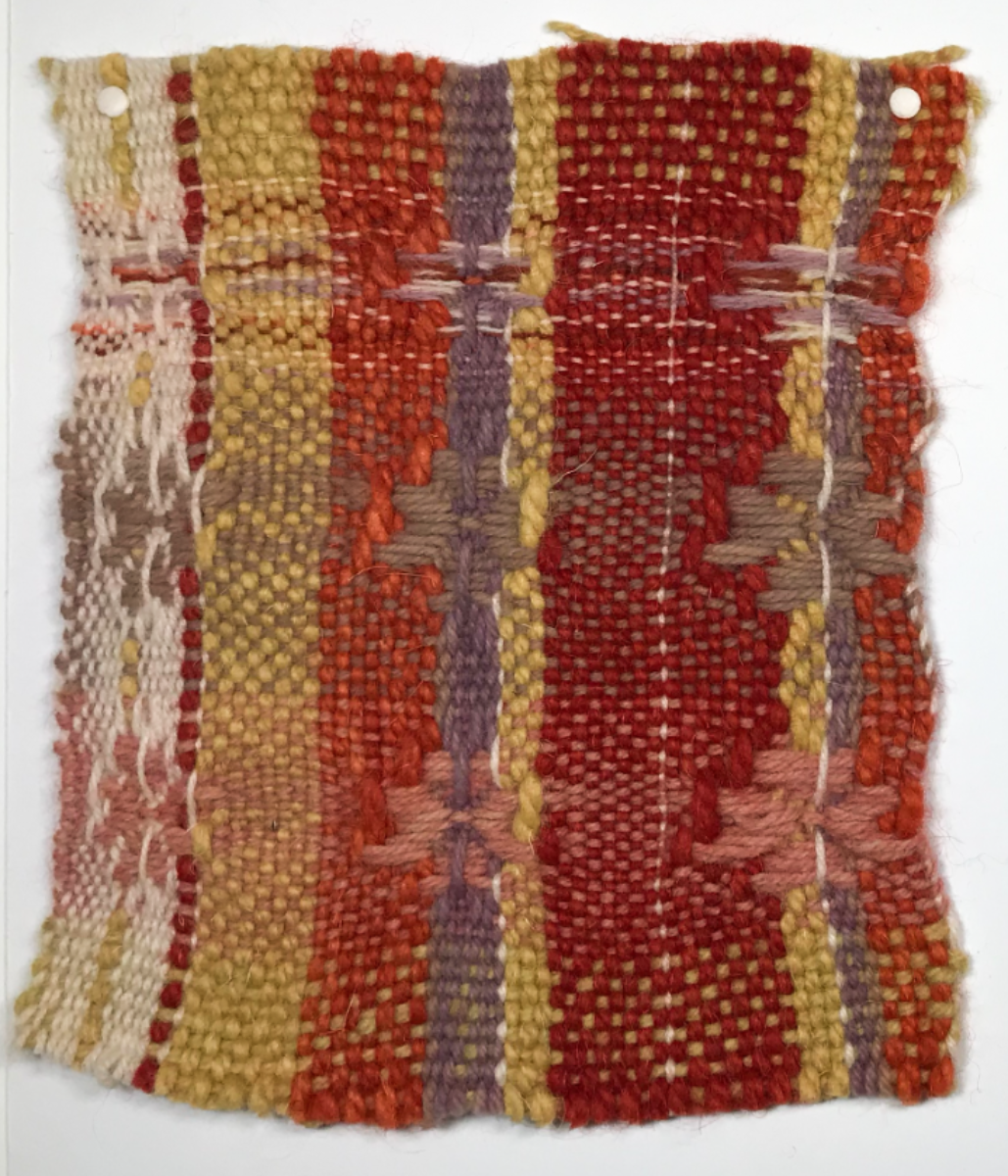
This project was inspired by the fact that 97% of Britain’s wildflower meadows have been lost since WWII. I developed a collection of climate positive yarns that works to regenerate the Cornish landscape and is beneficial to the environment. All the yarns are dyed with flowers and plants that can be grown in Cornwall such as alkanet, tansy, greenweed and st John's wort. The wool is Devon and Cornwall Longwool and Devon Closewool which are both rare and vulnerable breeds of native sheep to Cornwall.