Janiqua _
Product Design BDes
Otago Polytechnic
Specialisms: Product Design / Design for Social Good / Sustainable Design
Location: Dunedin, New Zealand

Janiqua _
First Name: Janiqua
Last Name: _
Specialisms: Product Design / Design for Social Good / Sustainable Design
Sectors:
My Location: Dunedin, New Zealand
University / College: Otago Polytechnic
Course / Program Title: Product Design BDes
About
Kia ora,
I'm a Product Design graduate from Otago Polytechnic in Dunedin, completing my degree with distinction. My work is hands-on, thoughtful, and often carries narrative or meaning. I am drawn to projects that challenge assumptions, improve experiences, or make a positive impact.
Thank you for exploring my portfolio. If you’d like to chat or collaborate, I’d love to hear from you.
Ngā mihi,
Janiqua
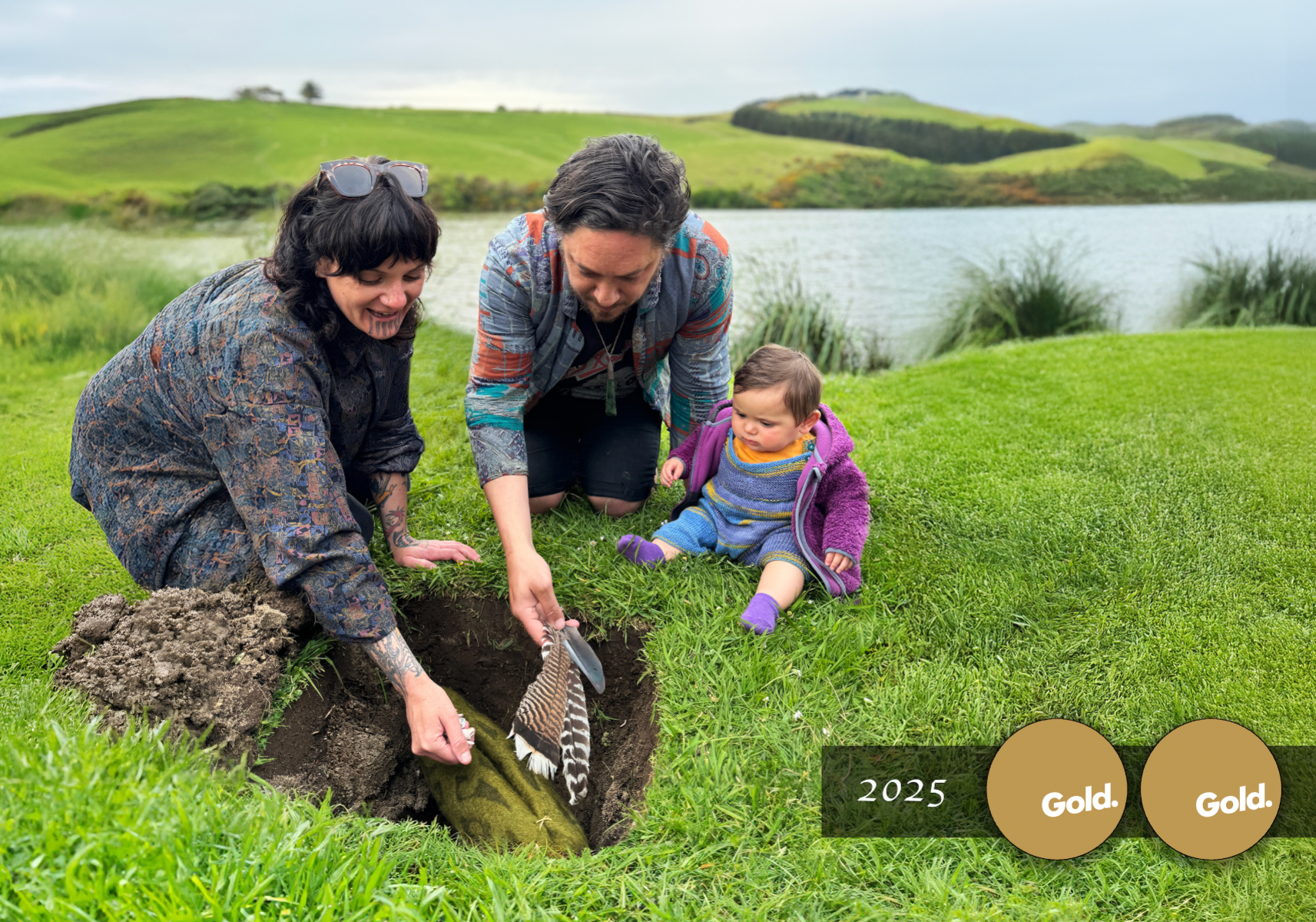
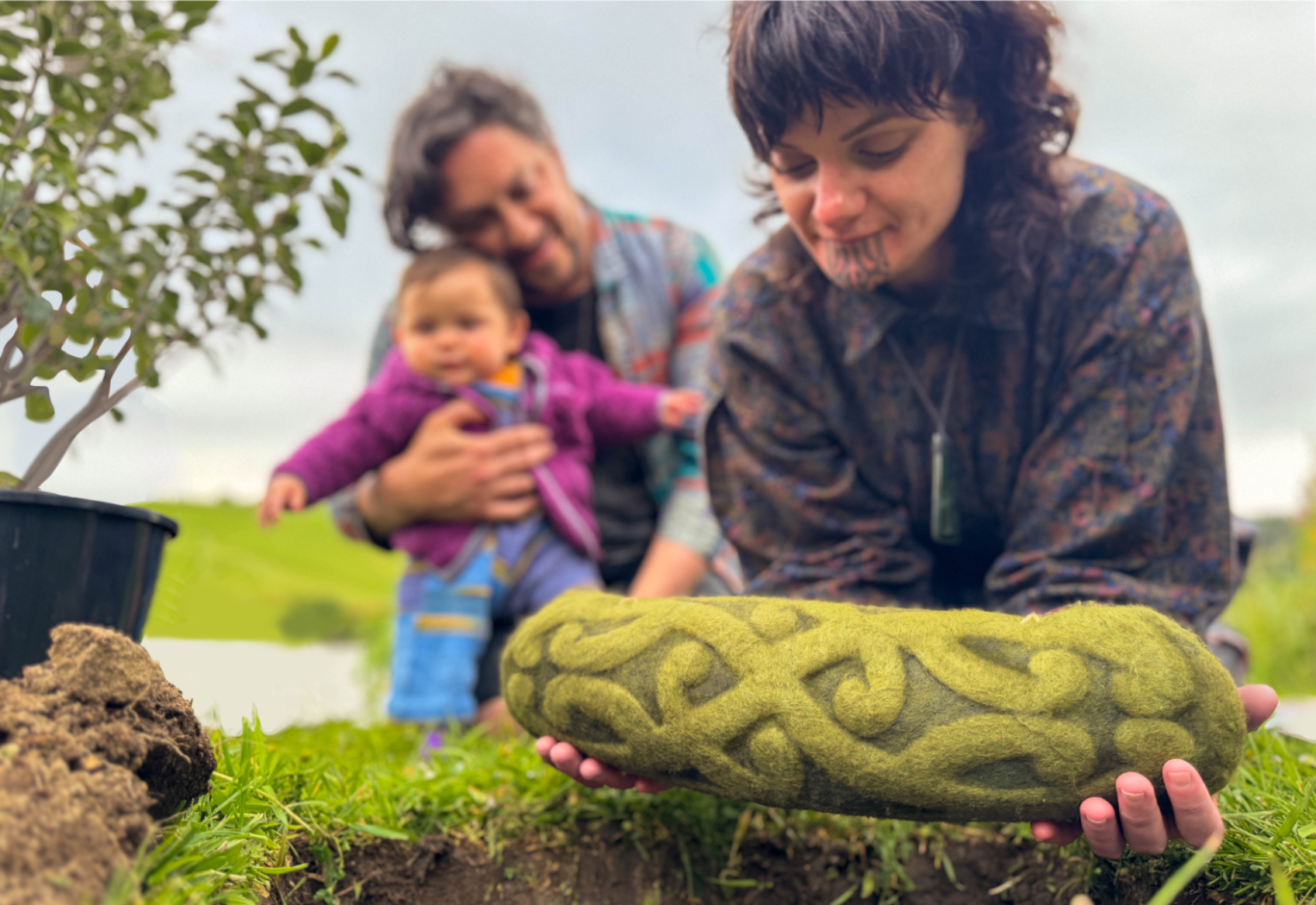
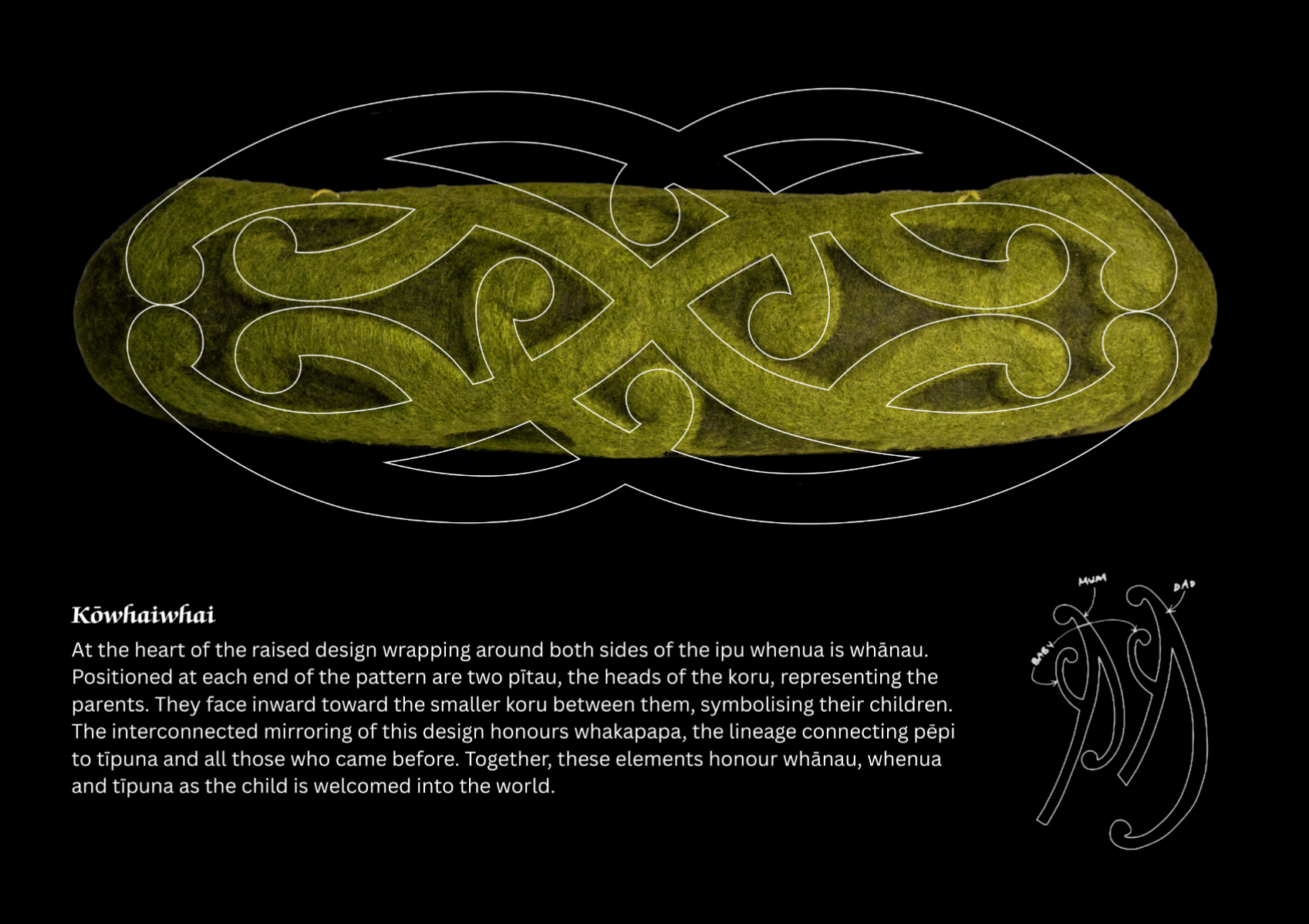
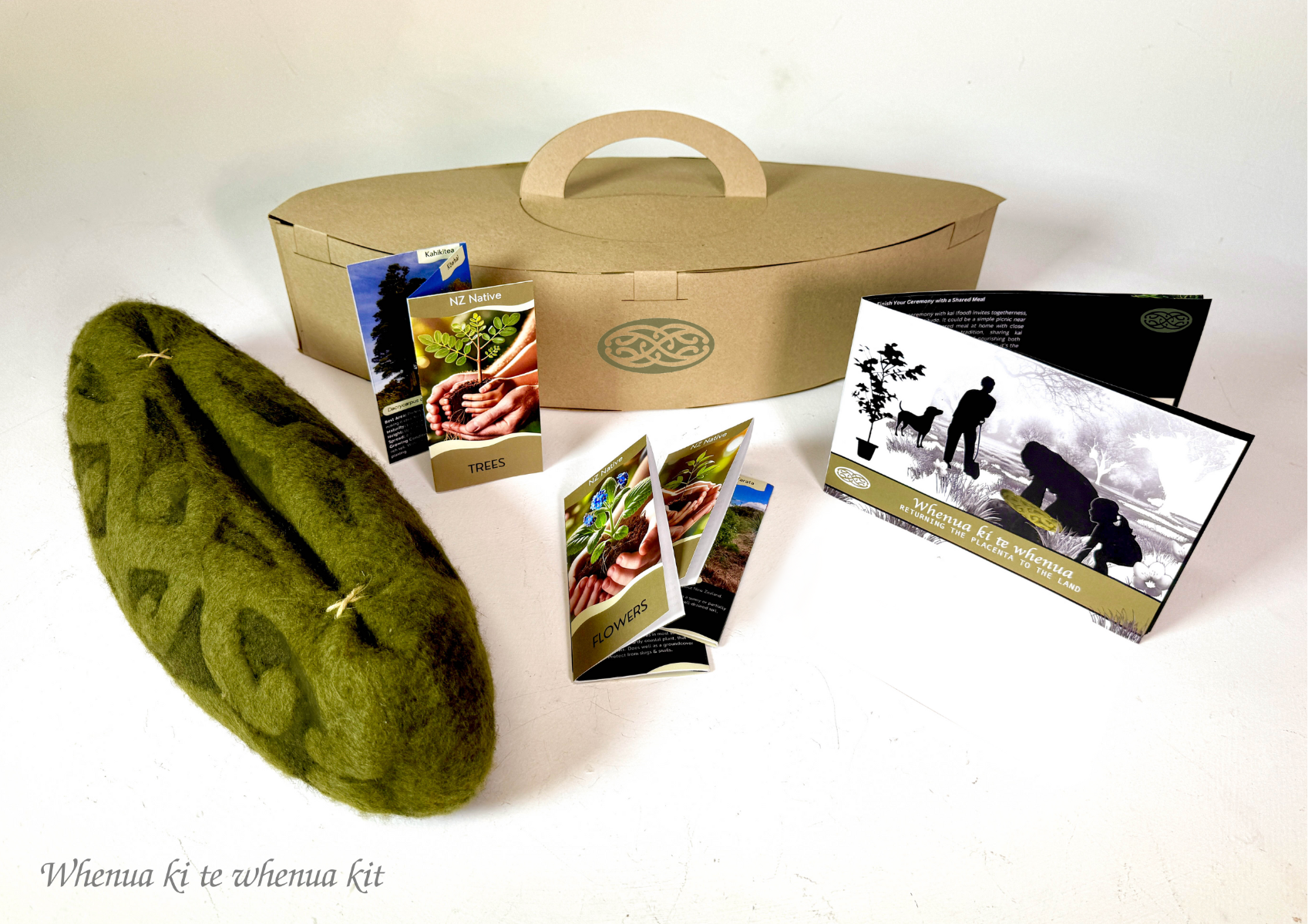
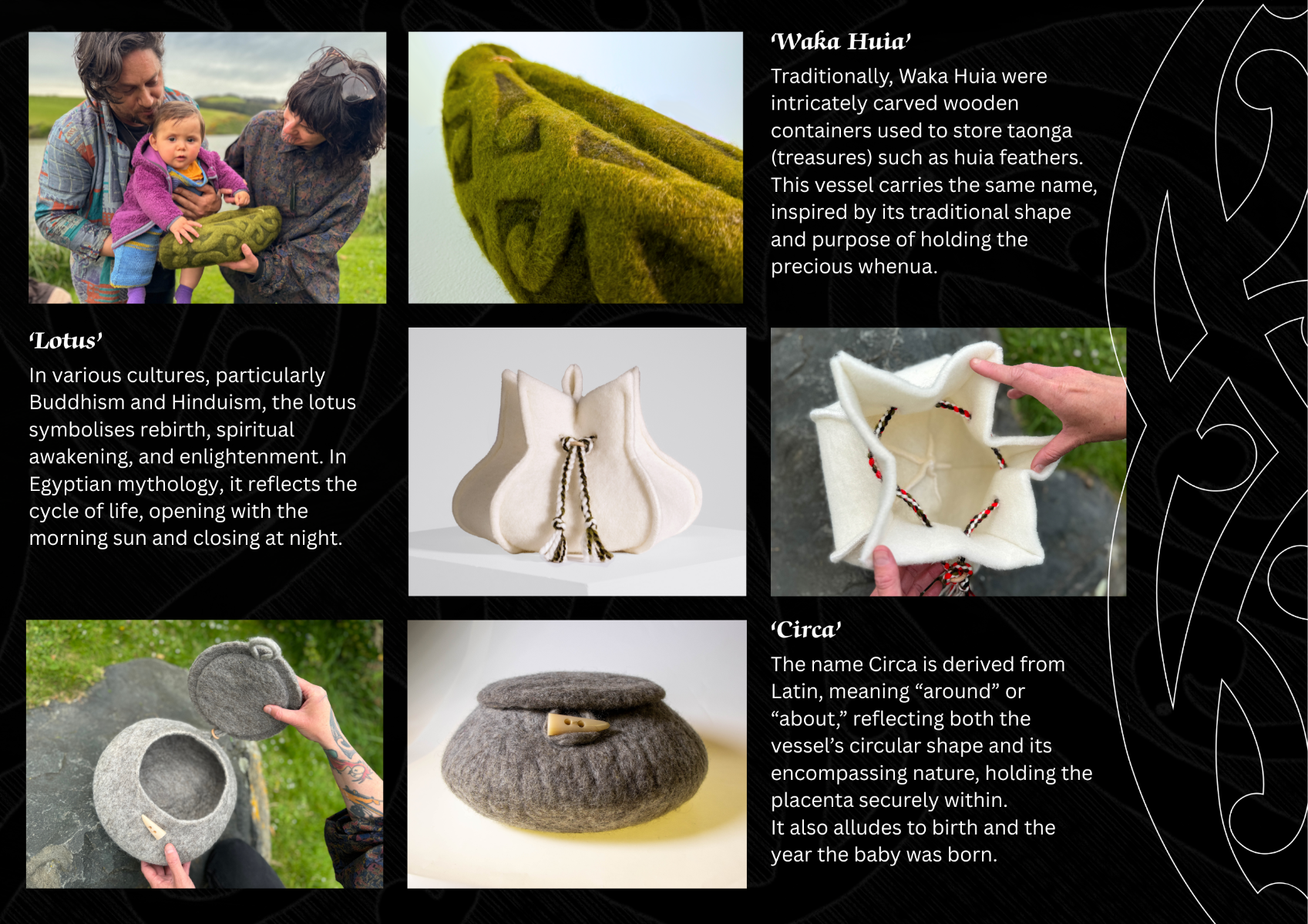
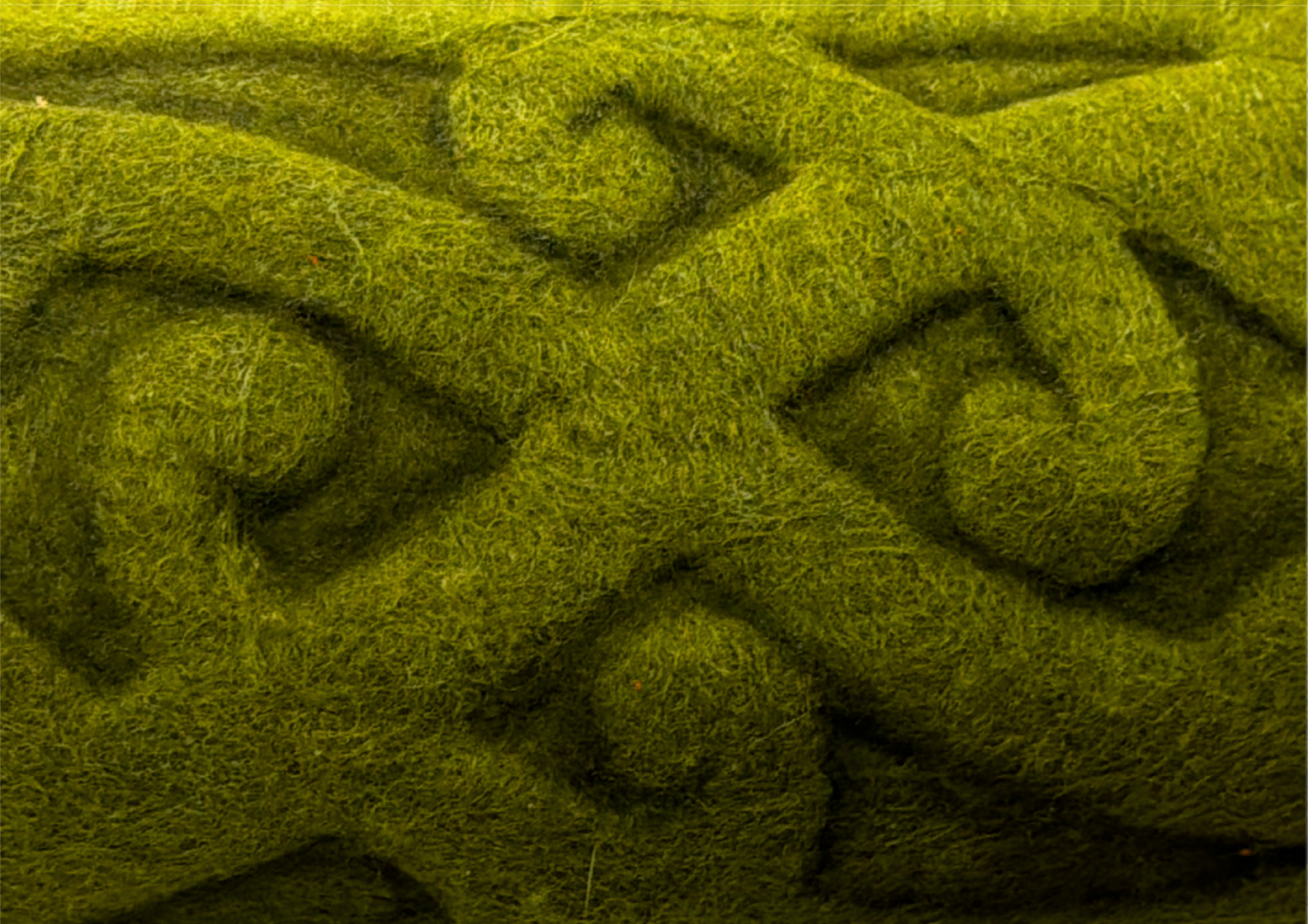
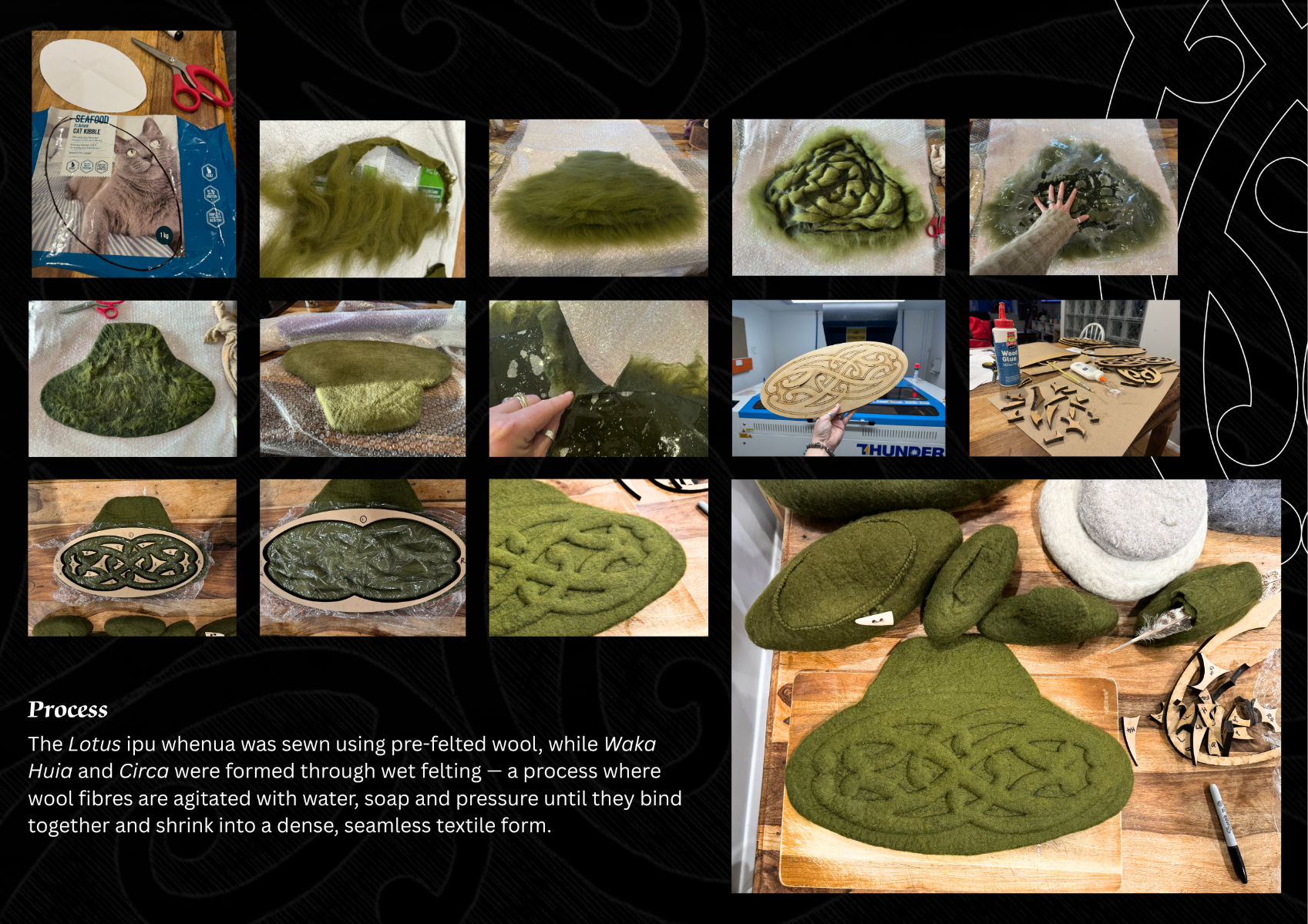
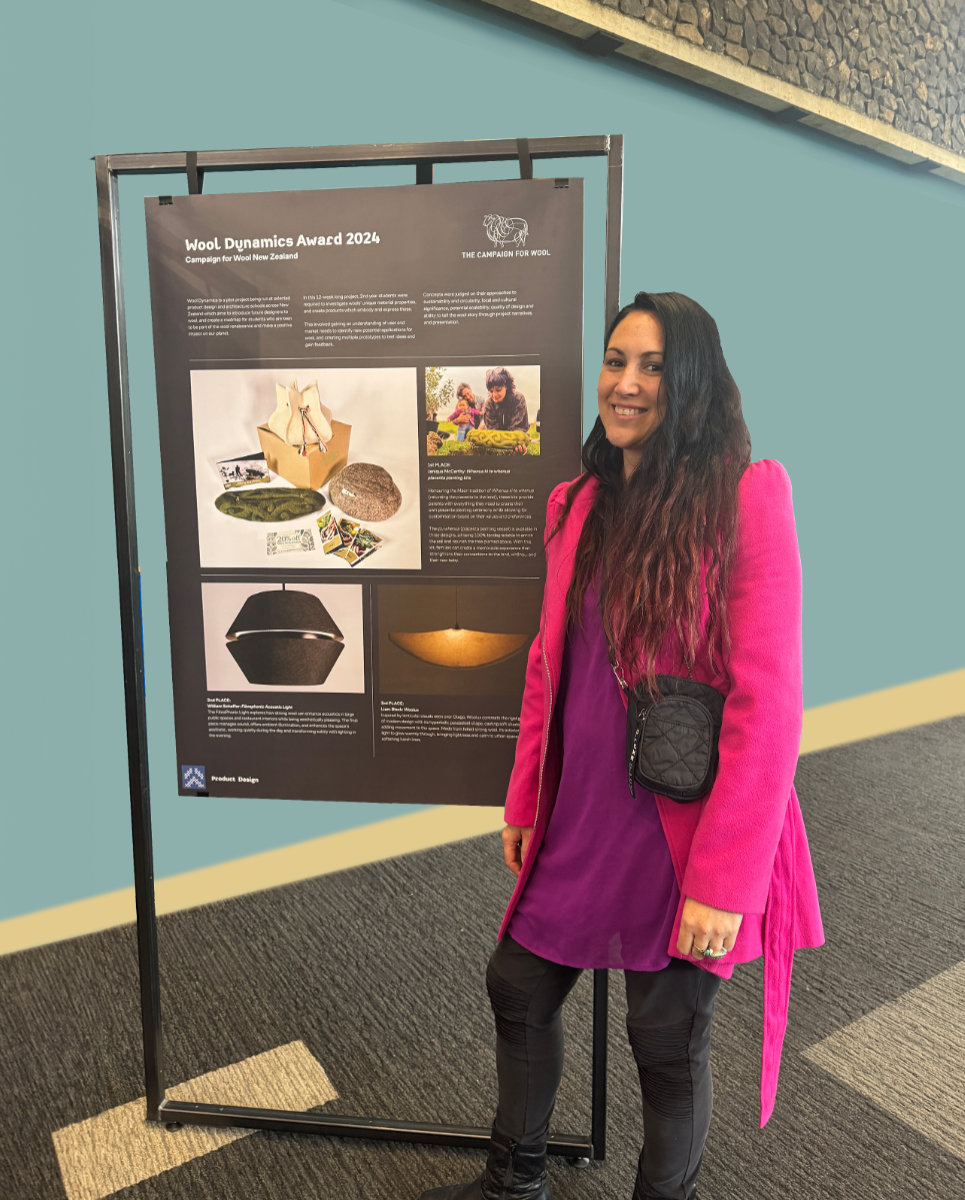
Whenua ki te Whenua is a ceremonial placenta burial kit, inspired by the Māori tradition of returning the placenta (whenua) to the land (also whenua). While originally intended as a deep dive into the remarkable properties of New Zealand strong wool, the project evolved into something deeper through conversations with parents, midwives and cultural advisors. Recognising the diversity of personal and cultural approaches to this ritual, I designed three distinct ipu whenua (placenta vessels), each with its own symbolic form. The biodegradable vessels are made from 100 percent New Zealand strong wool and are supported by booklets that guide families in creating a ceremony that feels right for them. This project became an invitation to honour birth with the same depth and reverence we often reserve for death. Whenua ki te Whenua was awarded a Gold at the Wool Dynamics Student Design Awards (2024) and two Golds at the Best Design Awards (2025). Wool Dynamics judges’ feedback: Recognised for excellence in the innovative use of New Zealand strong wool, cultural relevance and sustainable focus. Best Design Awards judges’ feedback: Celebrated for its refined use of shape and textile, rich storytelling and embodiment of tikanga Māori. Judges described it as a taonga with deep purpose and significance, and a design well deserving of its two Gold awards. Kaitautoko / Contributors Tereinamu Hakopa Deb Beatson Kimberly Smith Kaiwhakaako / Lecturers Tim Armstrong Angus Lewry
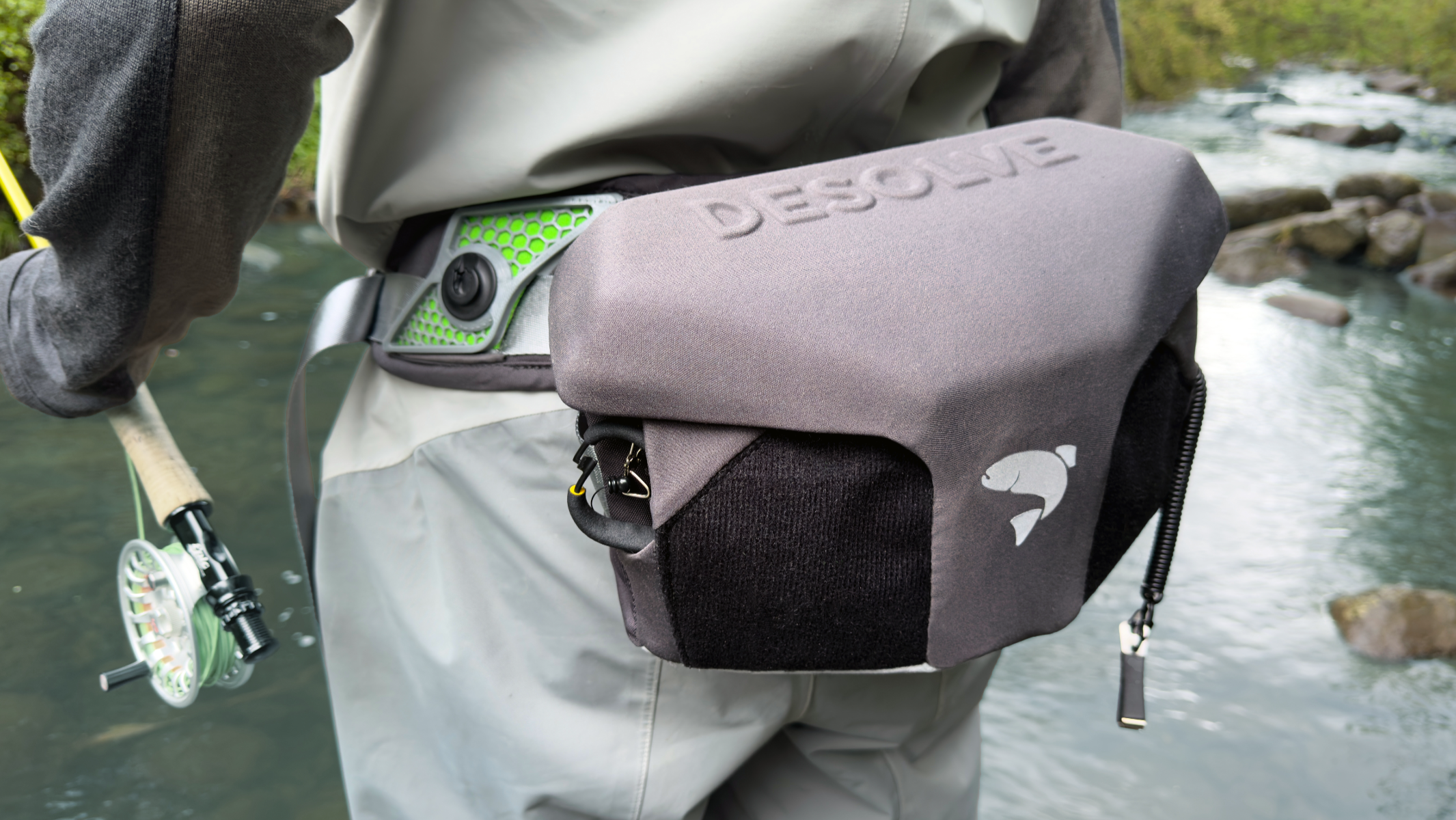
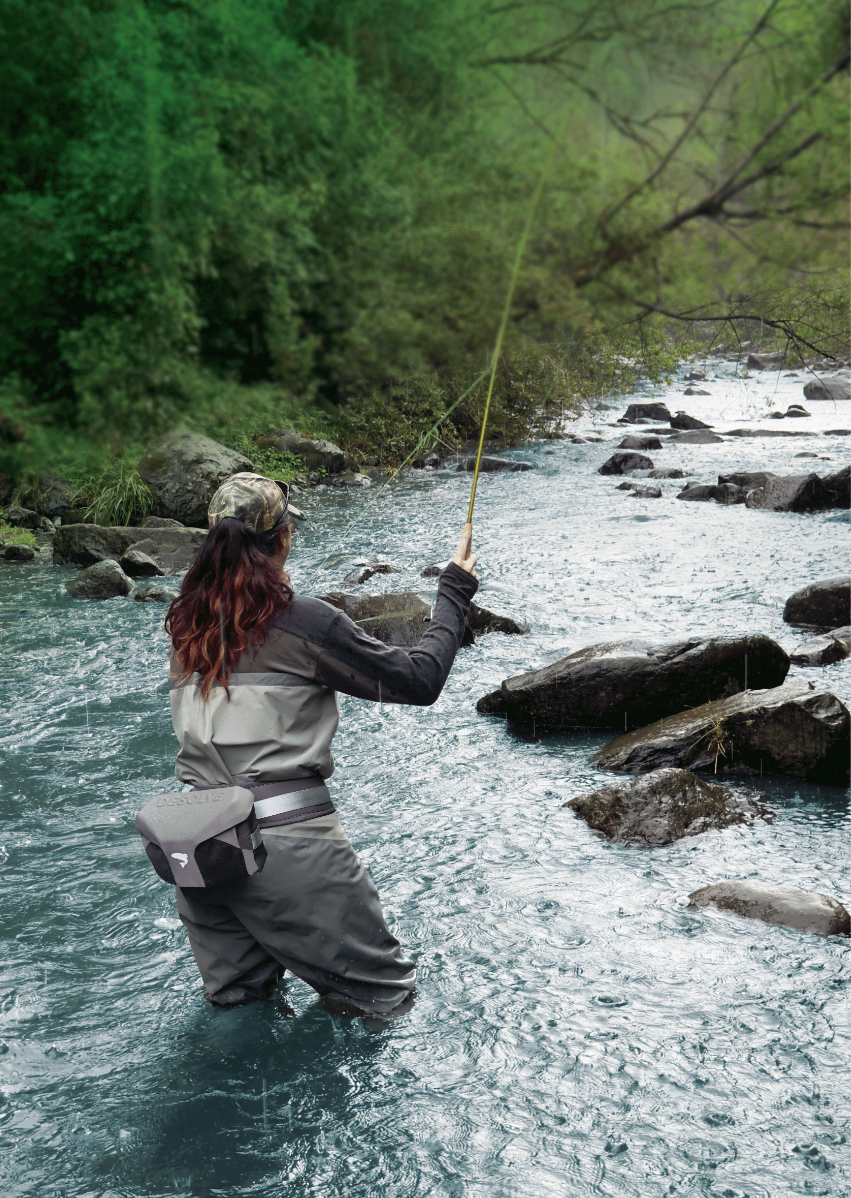
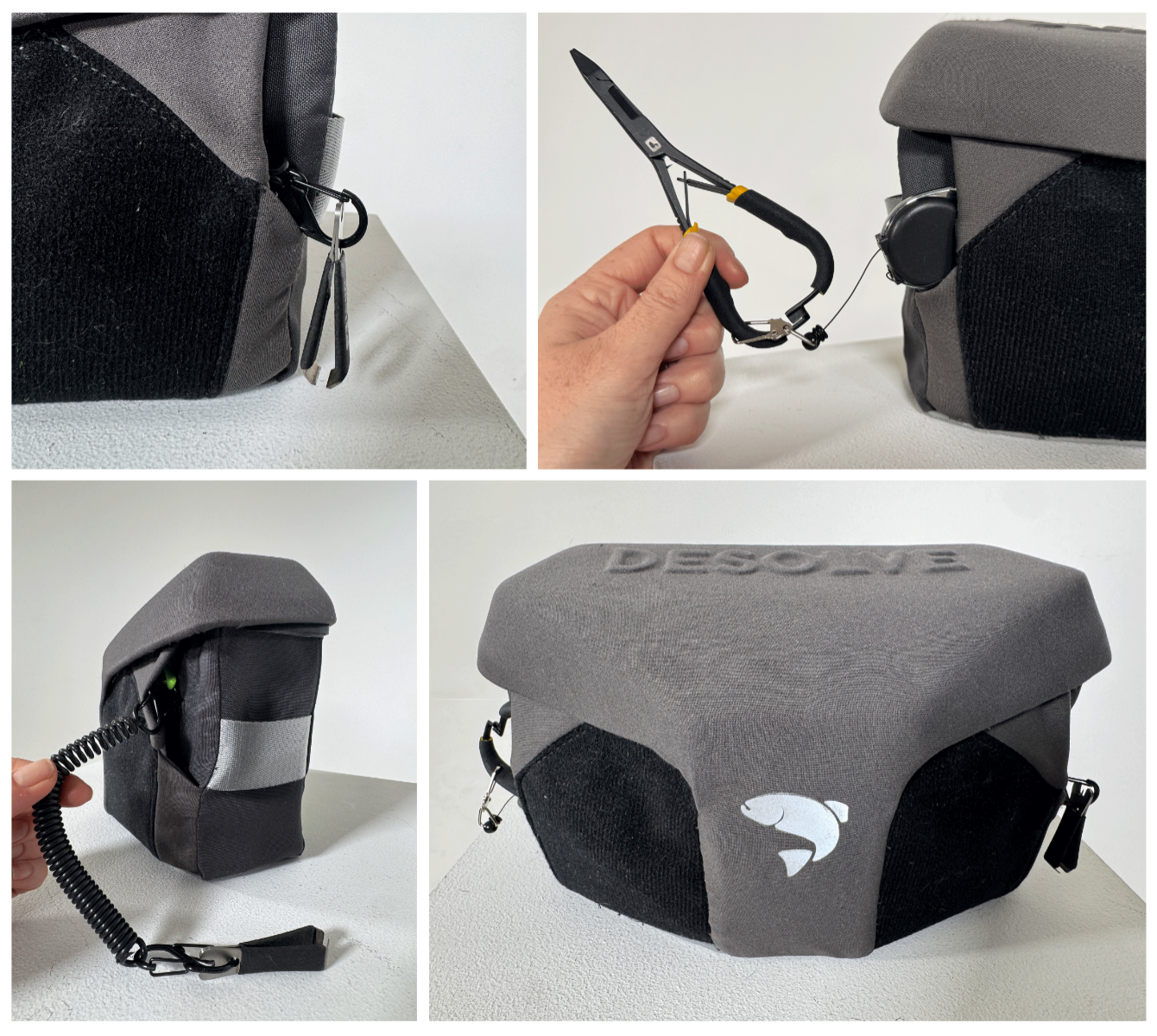
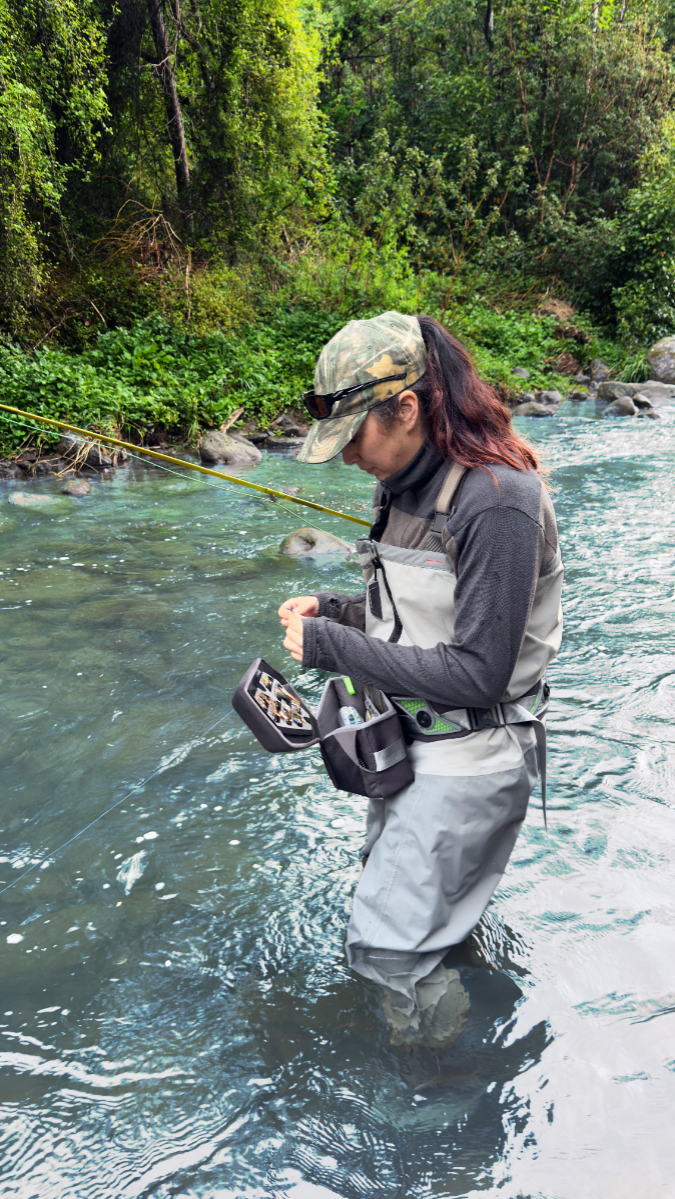
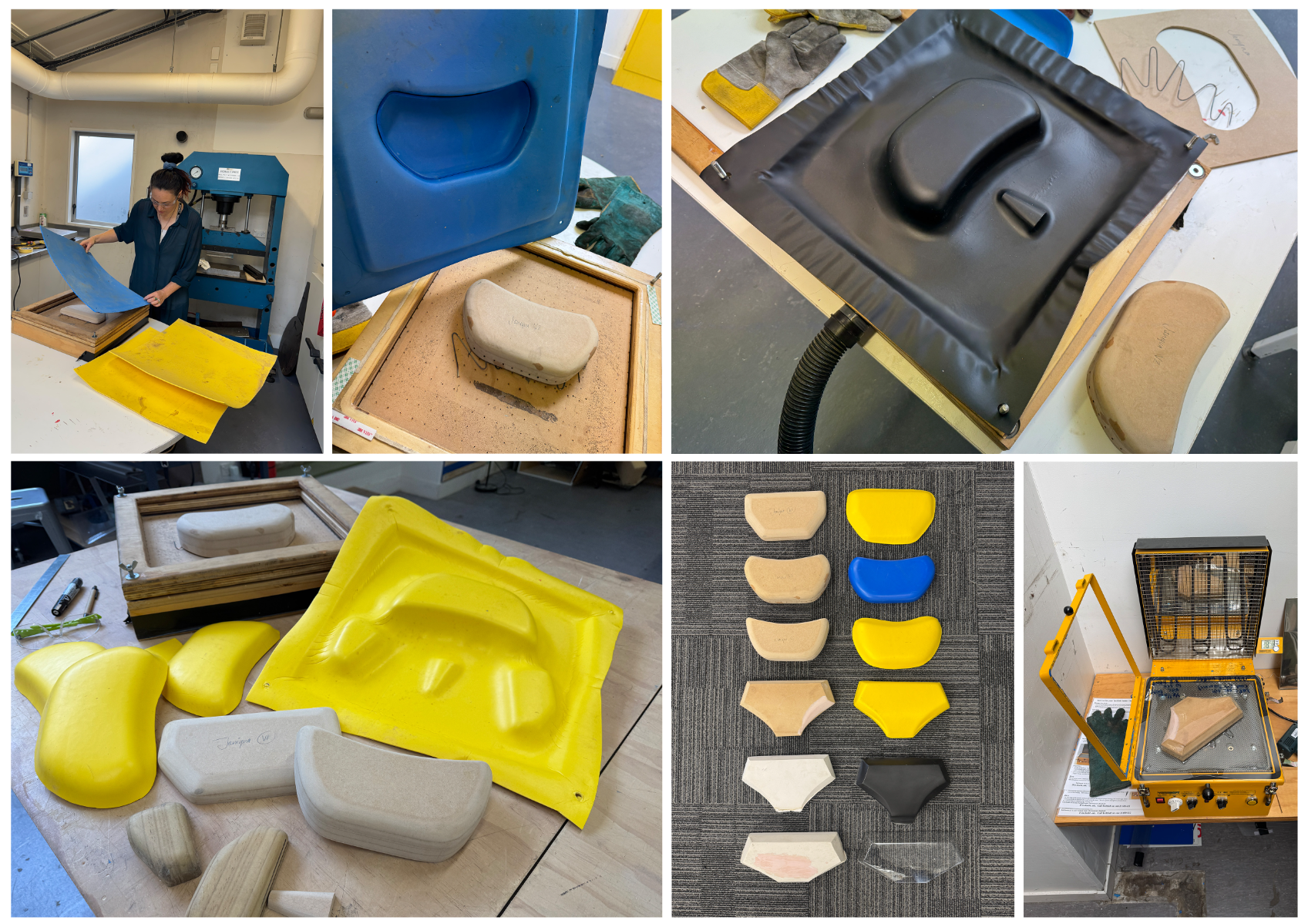
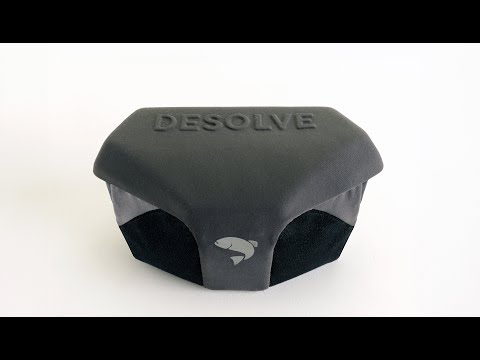
This project was developed for Desolve Supply Co. (Evolve Outdoors) as part of a client brief exploring opportunities within their fly fishing range. As a recreational fly fisher, I’ve often walked into stores excited to find gear I like, only to discover it’s available exclusively in men’s sizes, or that the women’s version has been stripped back, simplified or coloured pink. In the hunting and fishing industry this “shrink it and pink it” approach remains common. Talking with women who fly fish revealed they don’t want different or less. They want equal performance, functionality, visual design, and a fit that works for women’s bodies. Interviews and a survey of New Zealand women fly fishers highlighted how traditional vests can become overloaded, resting heavily on the chest while also blocking visibility of foot placement in the river, increasing the risk of slips and falls. In response, the Axis hip pack provides a more efficient, boob-friendly alternative, with a belt designed for a women-specific fit and a straight-fit option for men. The pack sits comfortably around the hips and rotates one-handed around a fixed belt without snagging on clothing or waders. Modular attachments support different setups, keeping gear secure, organised, and easily accessible so anglers can focus on the fish, not their gear. Kaitautoko / Contributors: Alex Broad Rachel McNae Leigh Johnson Members of Women on the fly Kaiwhakaako / Lecturer: Tim Armstrong
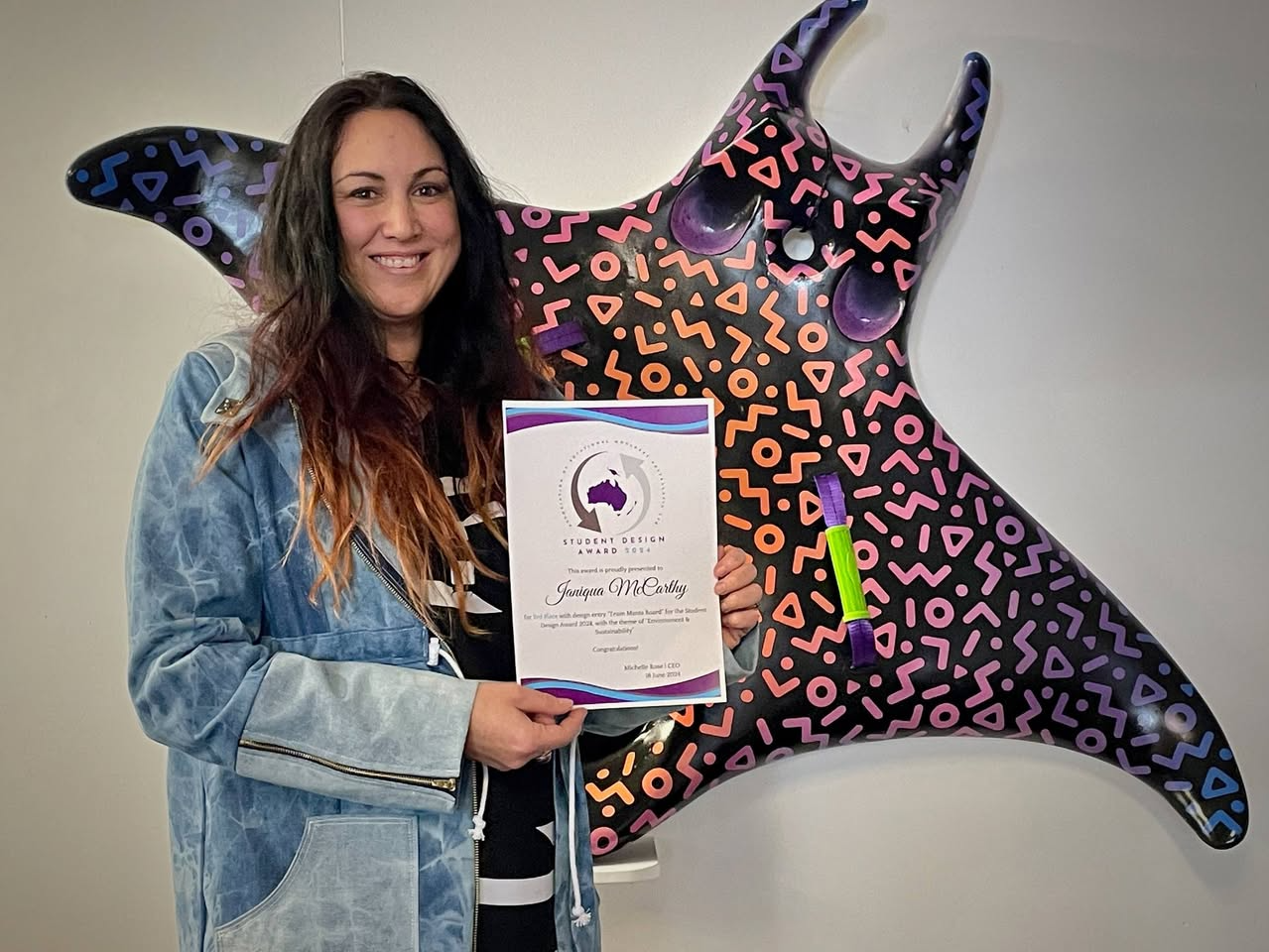
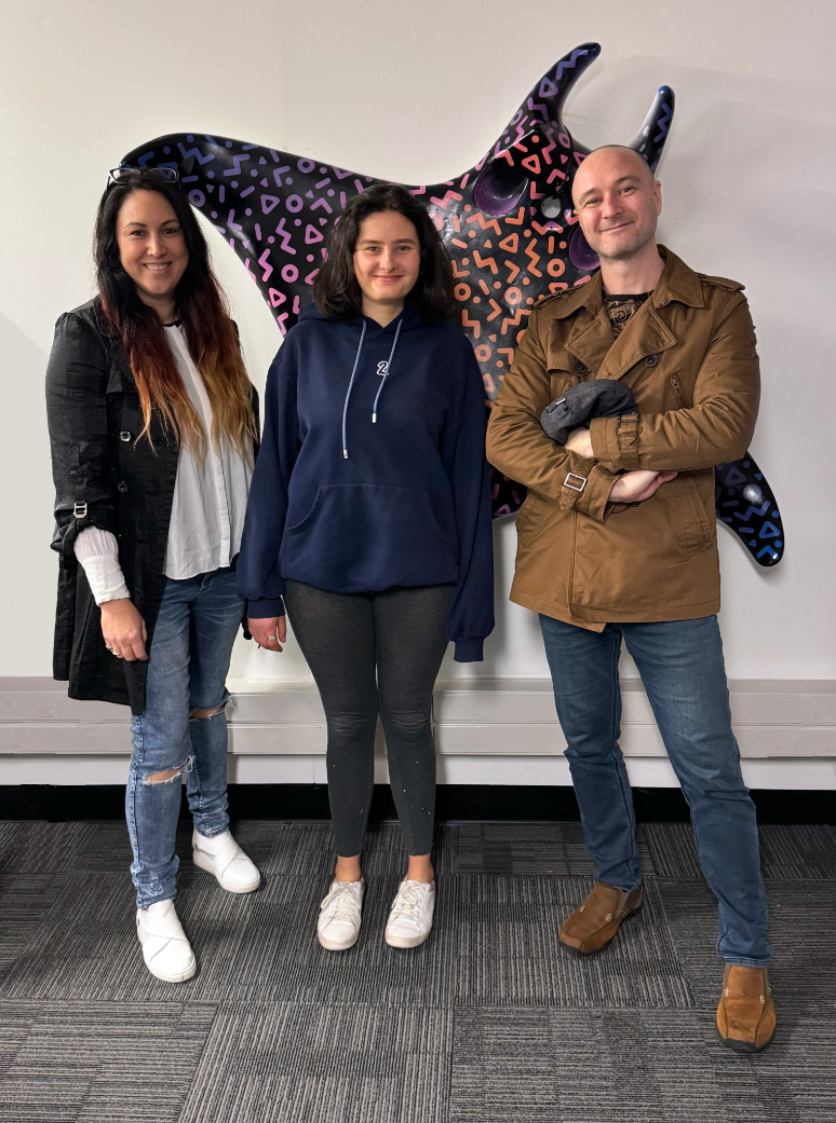
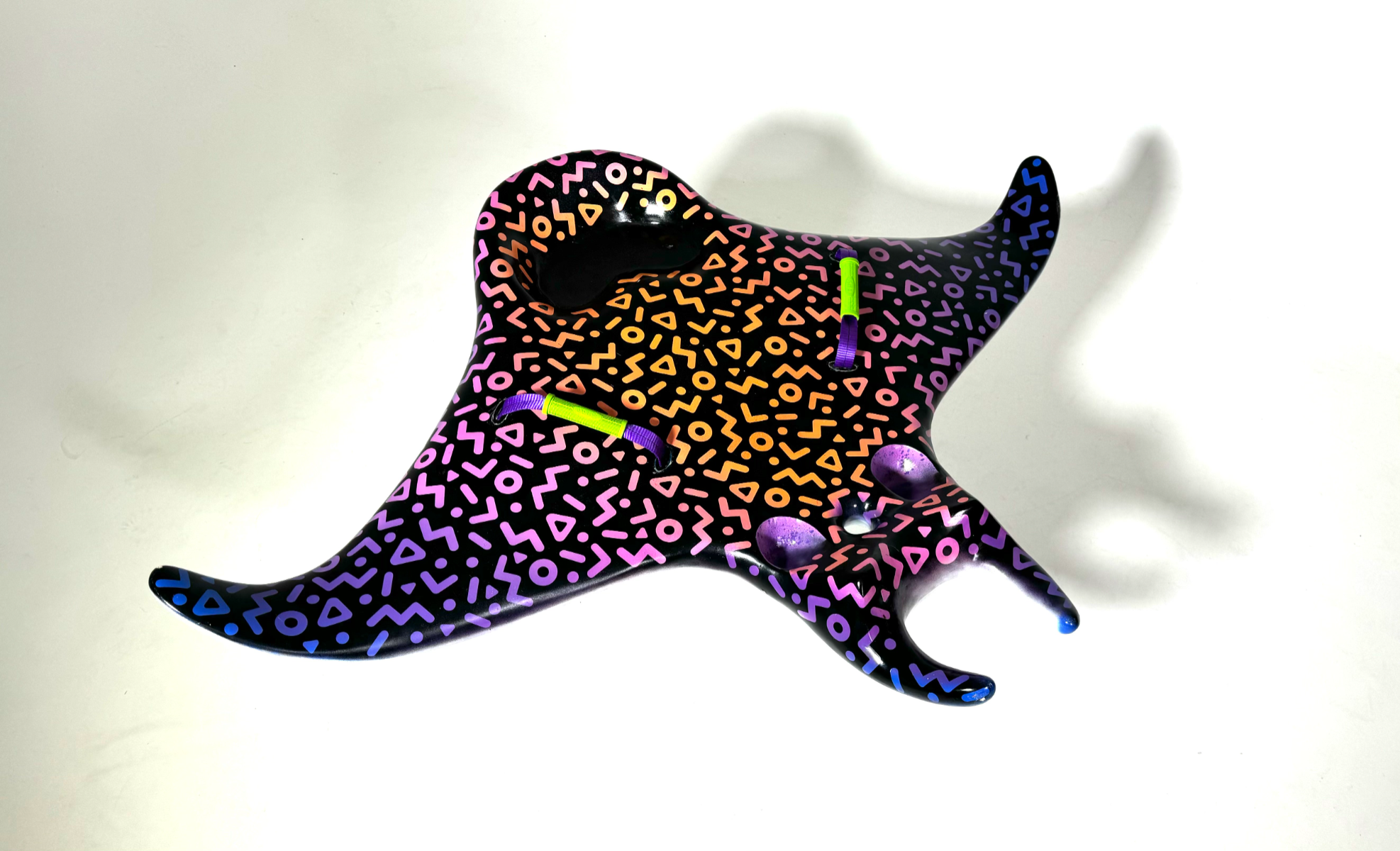
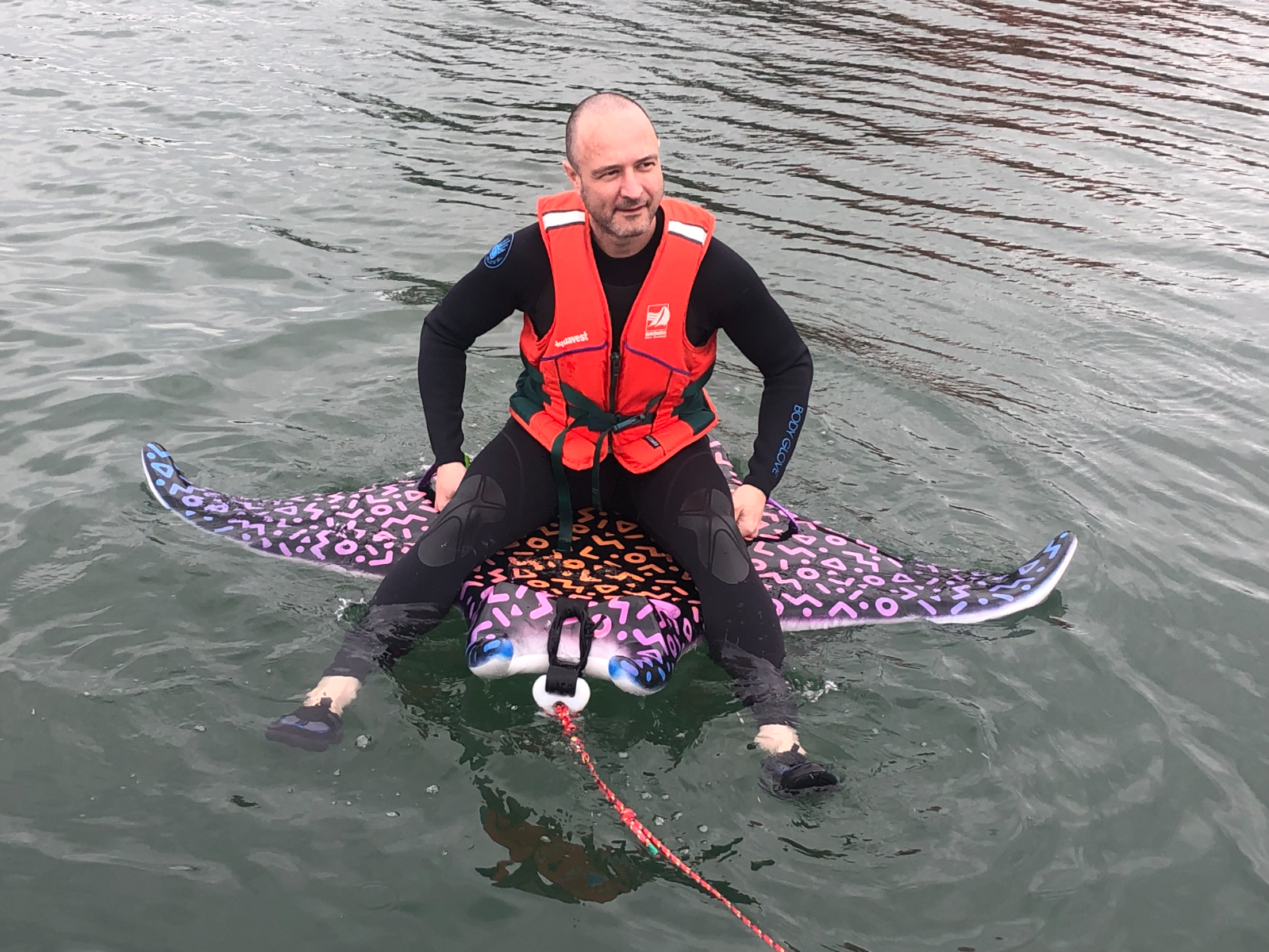

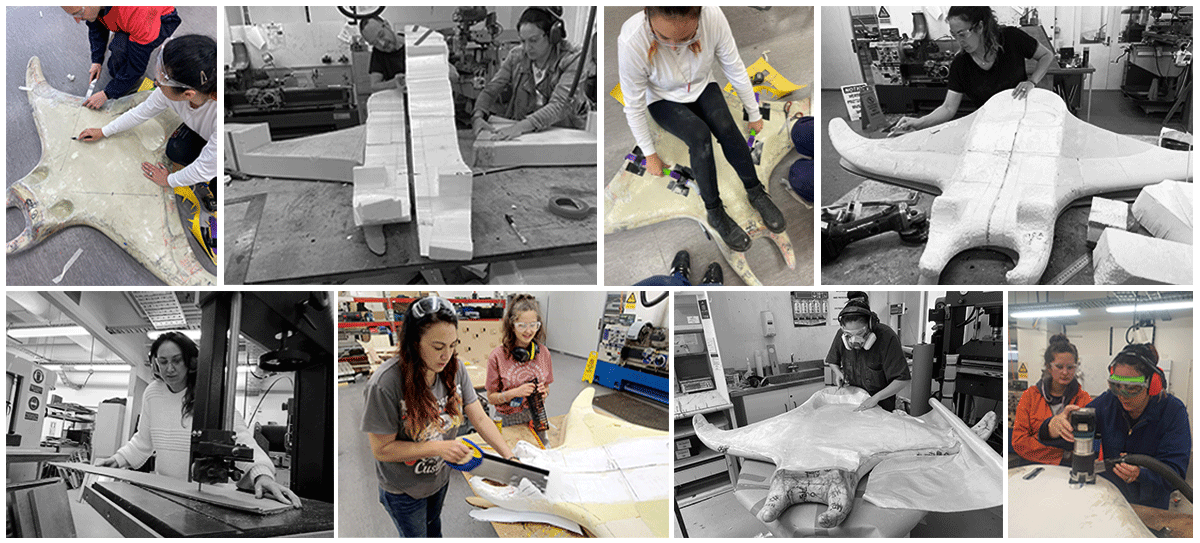
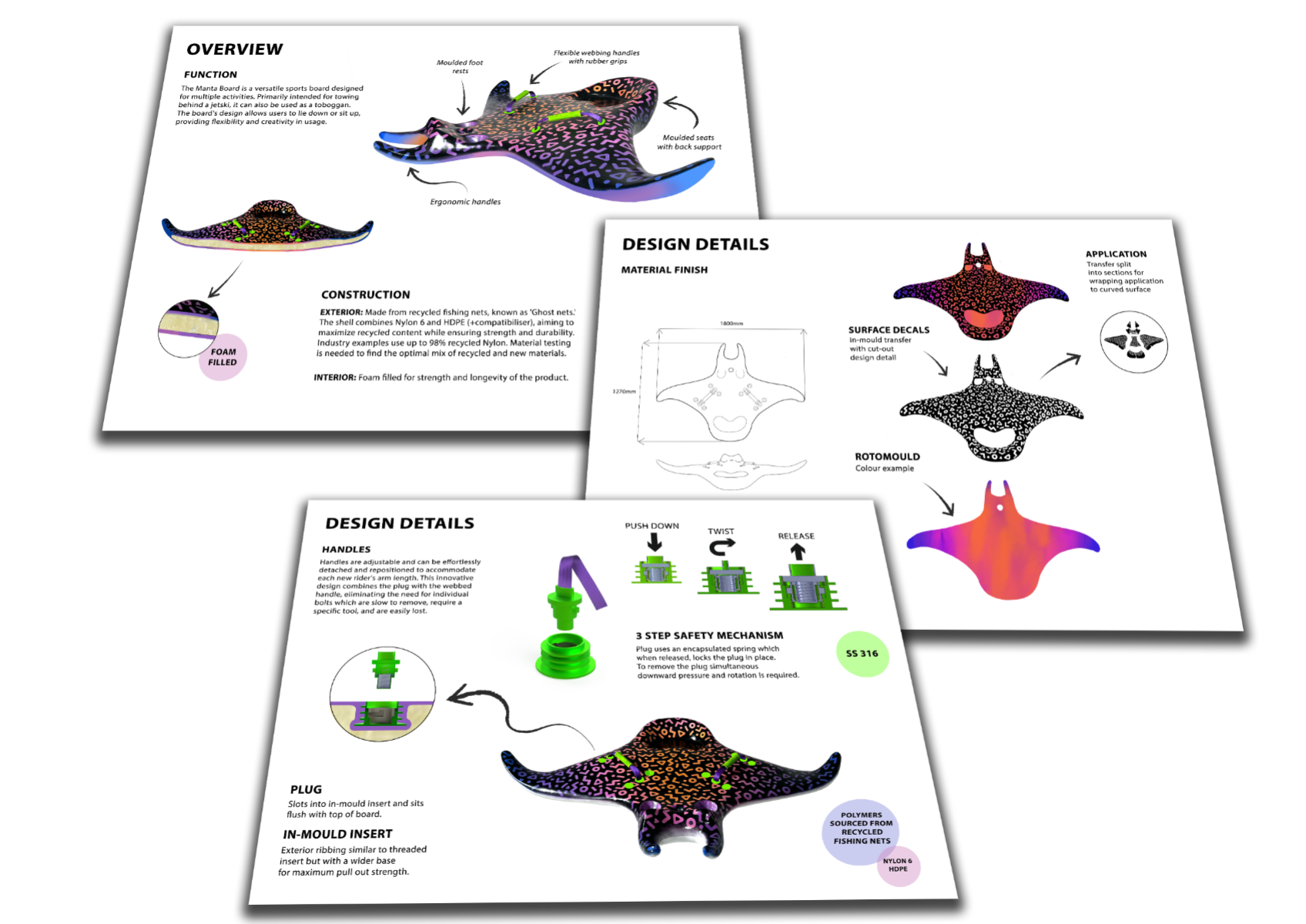
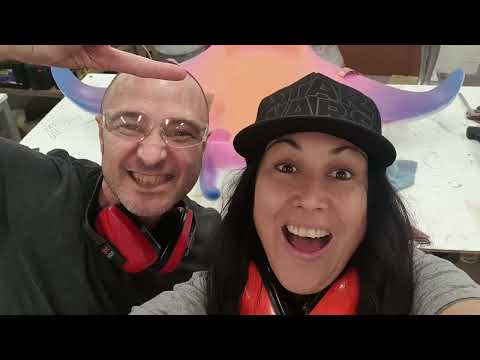
The Manta Board is a multipurpose board inspired by the form of the manta ray. Originally created as a team project exploring composite materials, it was designed for playful versatility, from sliding across snow to being towed behind a jetski. The prototype was successfully tested on water and proved both durable and great fun to ride. I later revisited the concept as a solo project for the 2024 Australasian Rotational Moulding Association student competition, adapting it for rotational moulding with in-mould inserts for adjustable handles, production-friendly decals, and rotomoulding-specific considerations such as wall thickness and generous corner radii. Shifting from hands-on prototyping to designing for manufacture helped me understand how a high-fidelity prototype is refined into a production-ready product. The project placed 3rd overall in the competition and remains one of the most rewarding experiences of my studies. It celebrates teamwork, material exploration, and the satisfaction of turning bold ideas into real outcomes. Team mates: W.S. Scheffer Hannah Gaboda Kaiwhakaako / Lecturer: Andrew Wallace
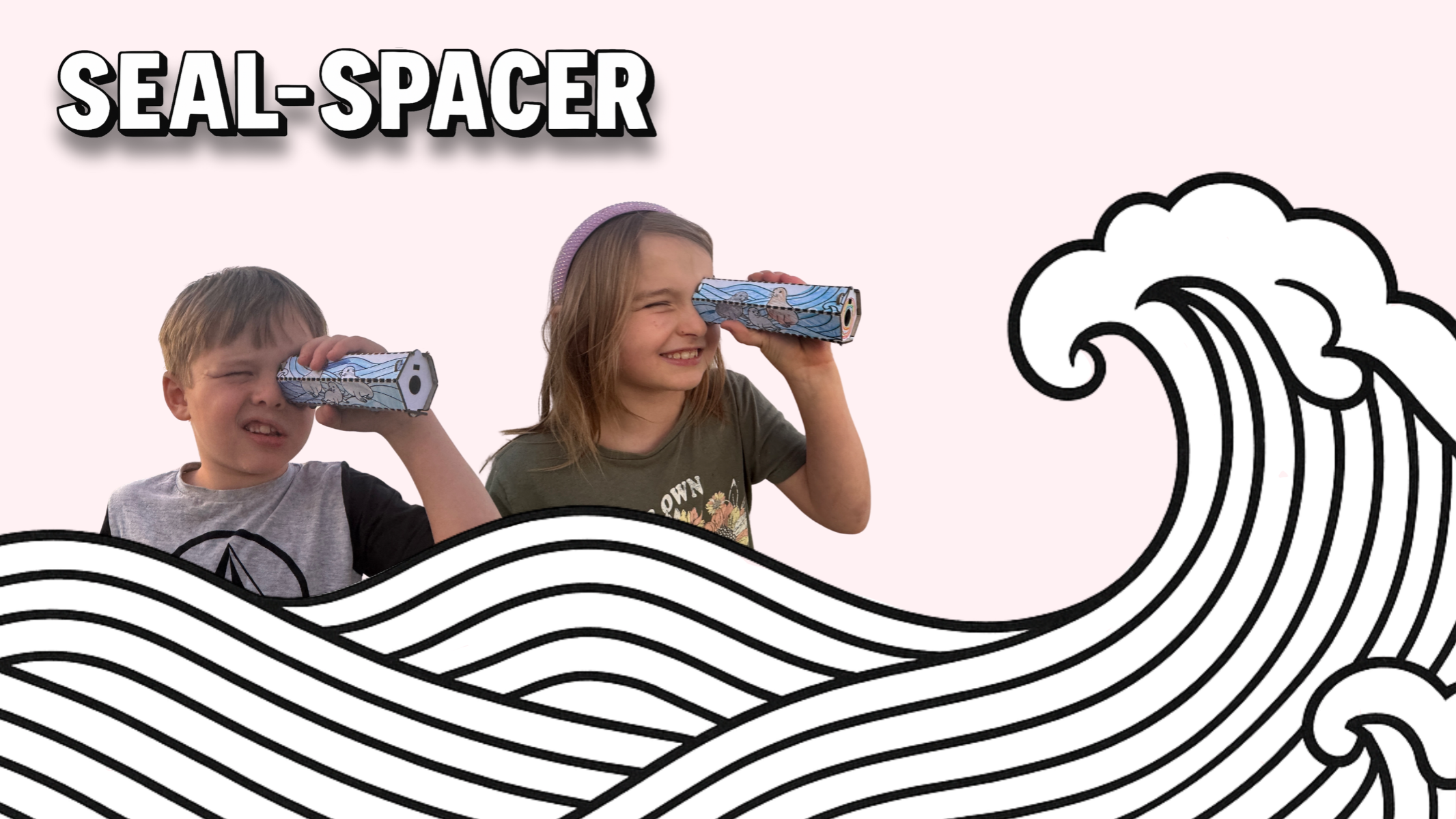
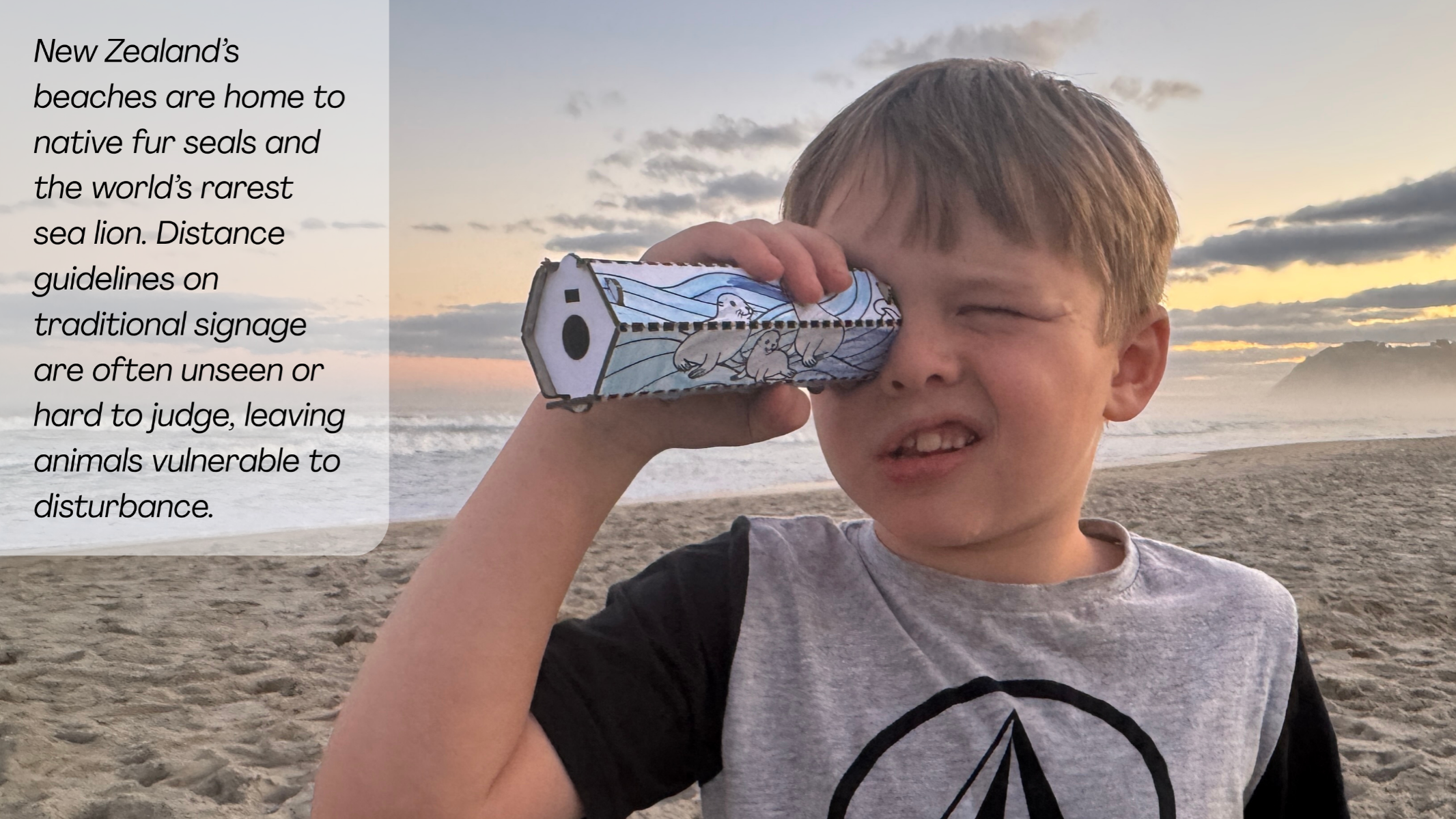
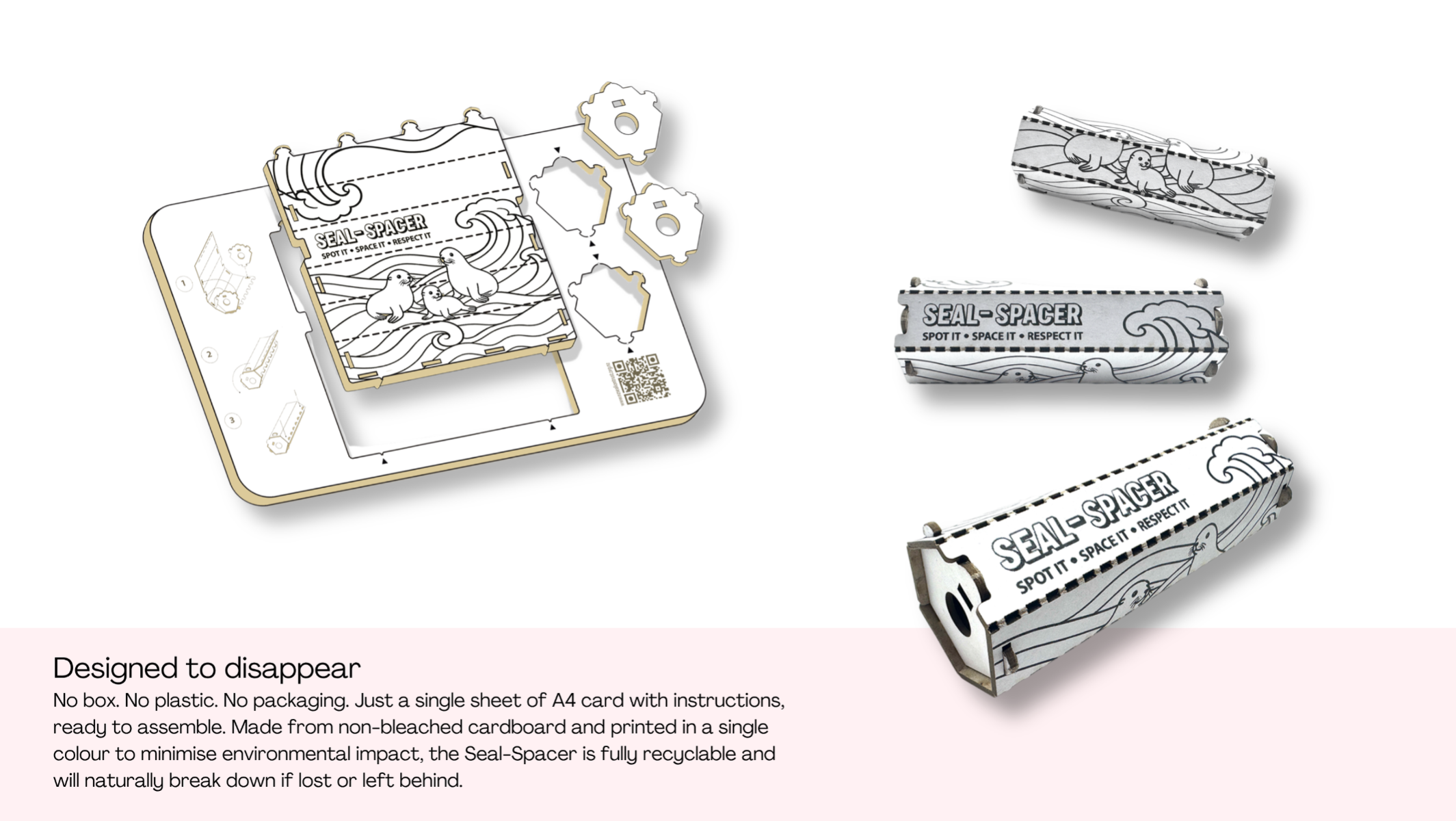
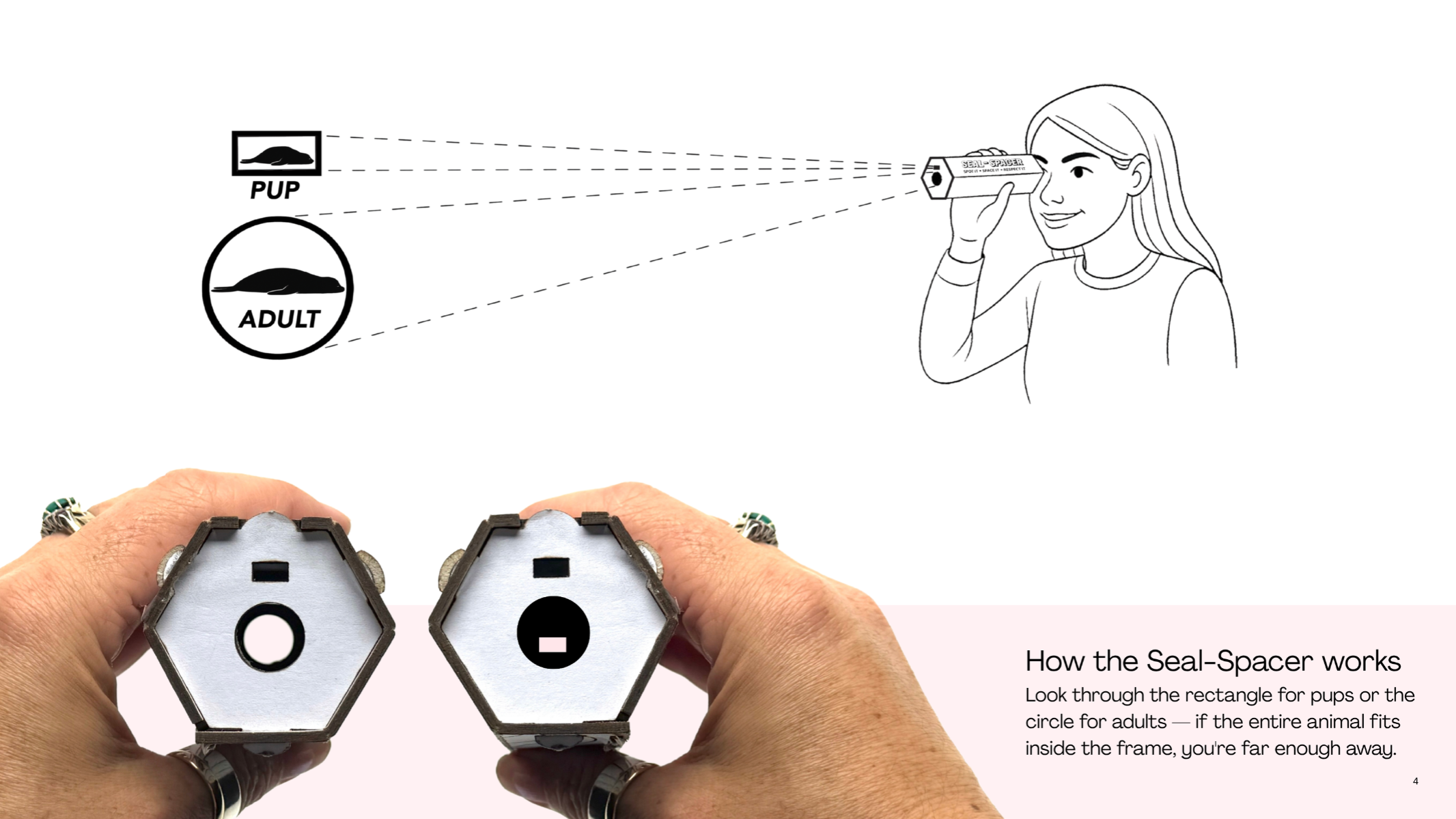
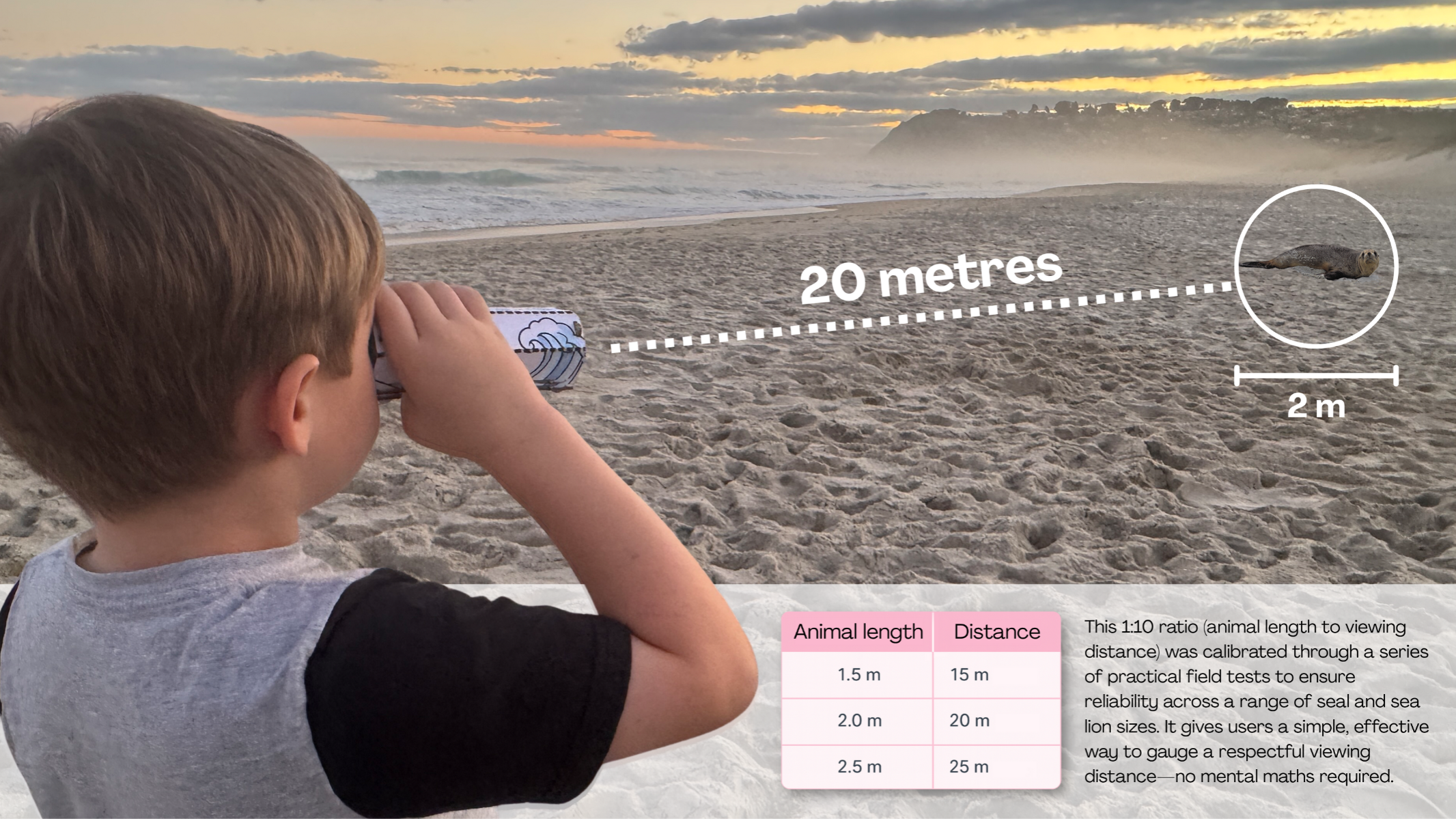
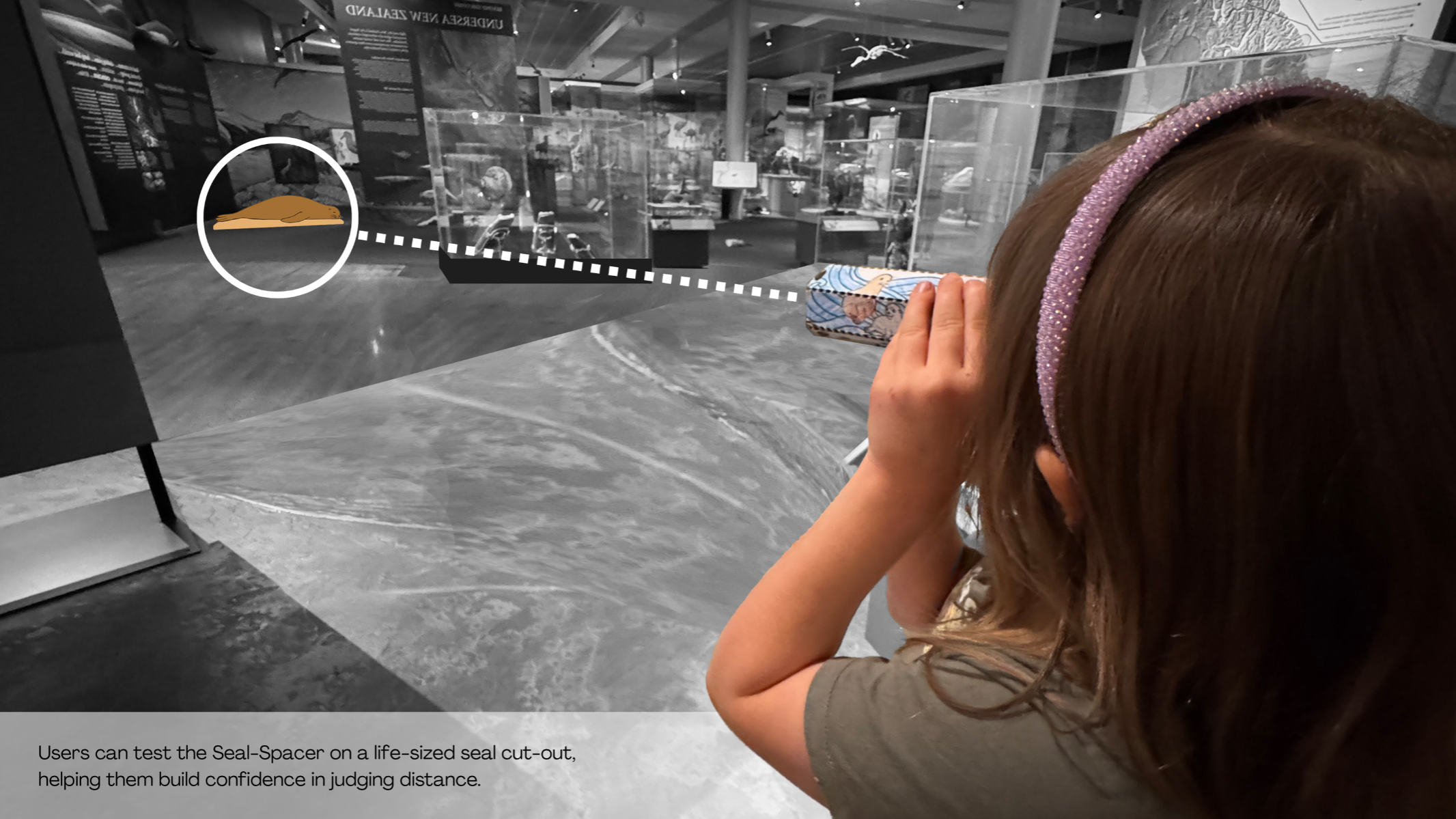
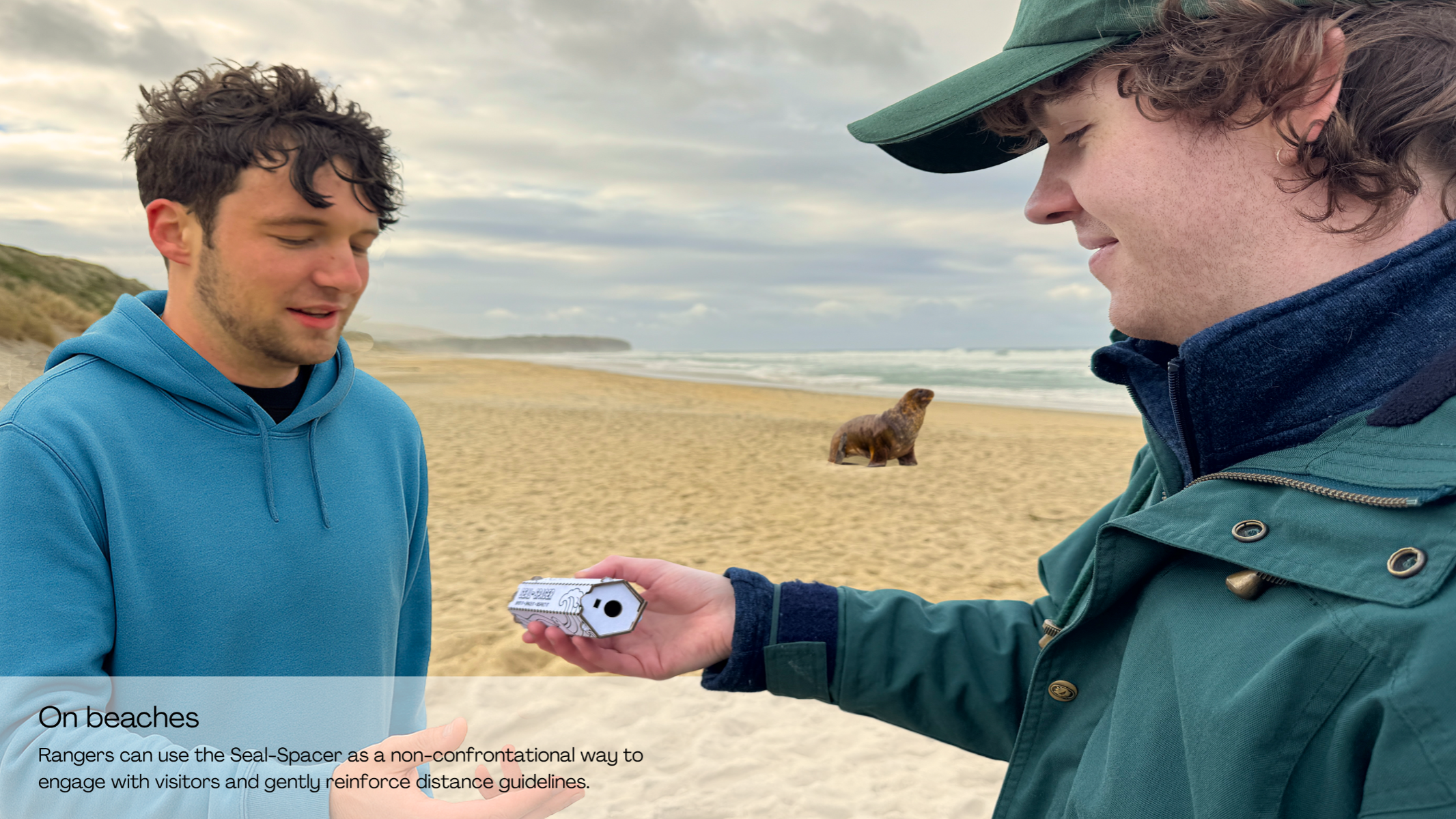
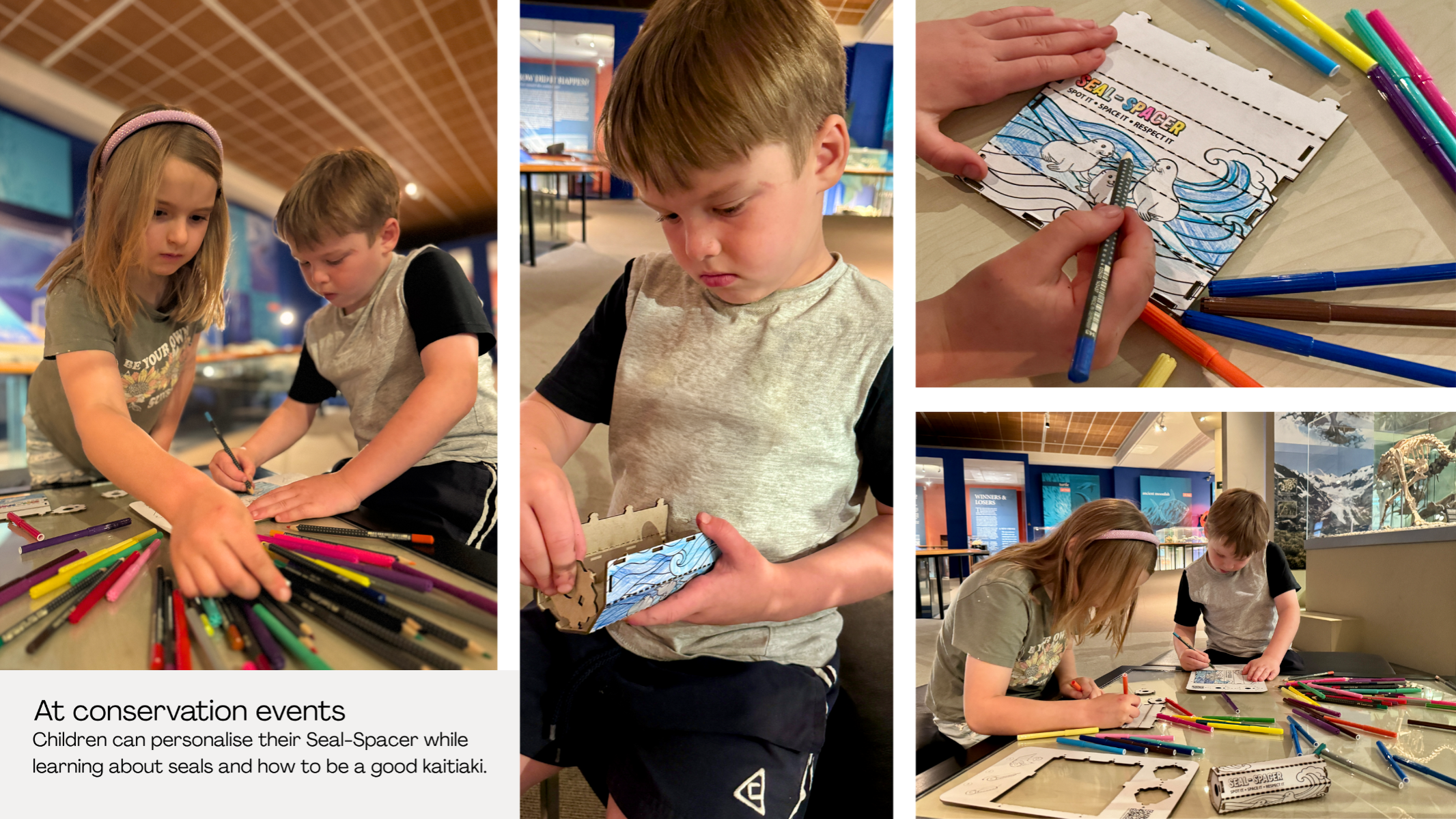
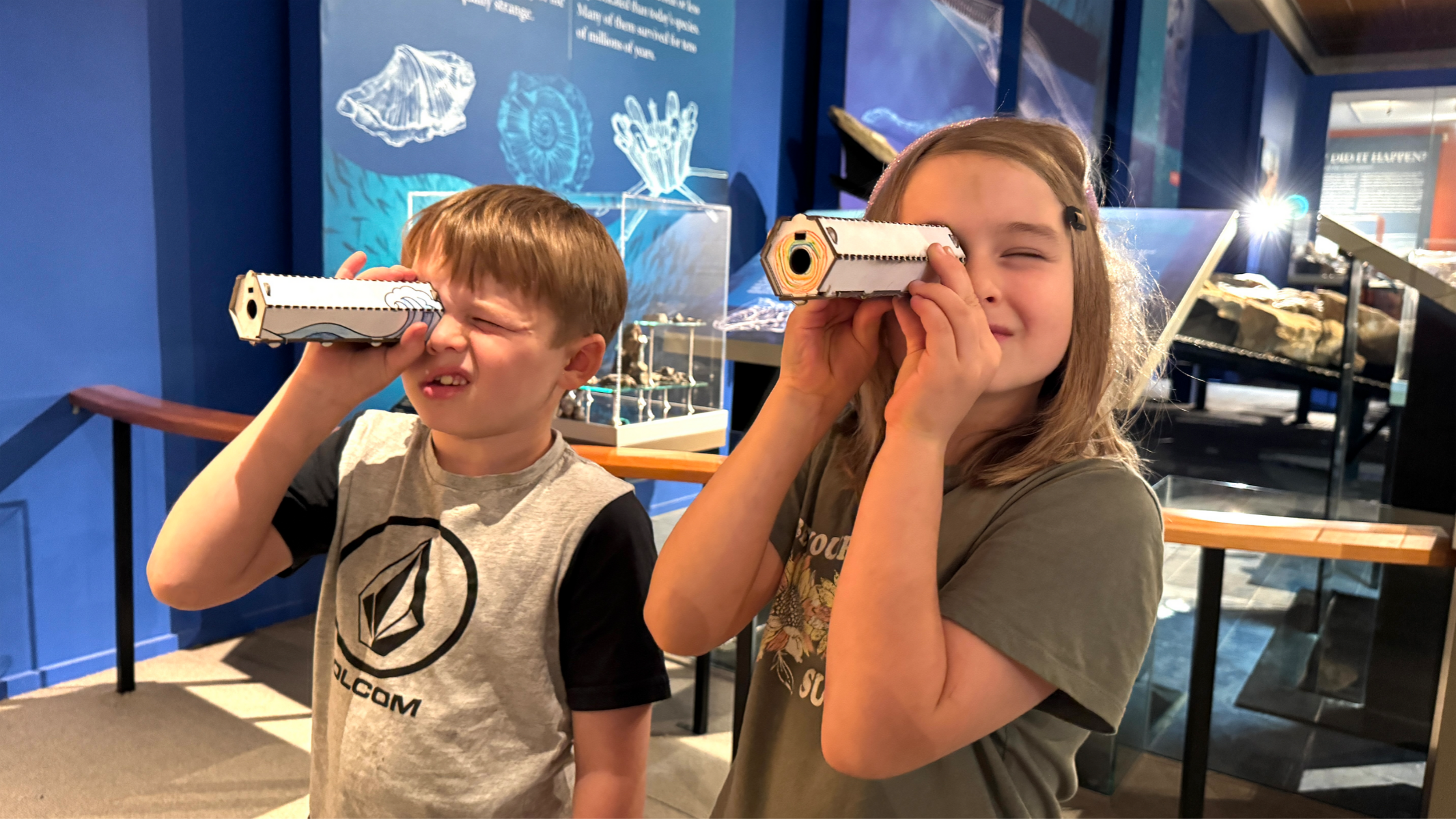
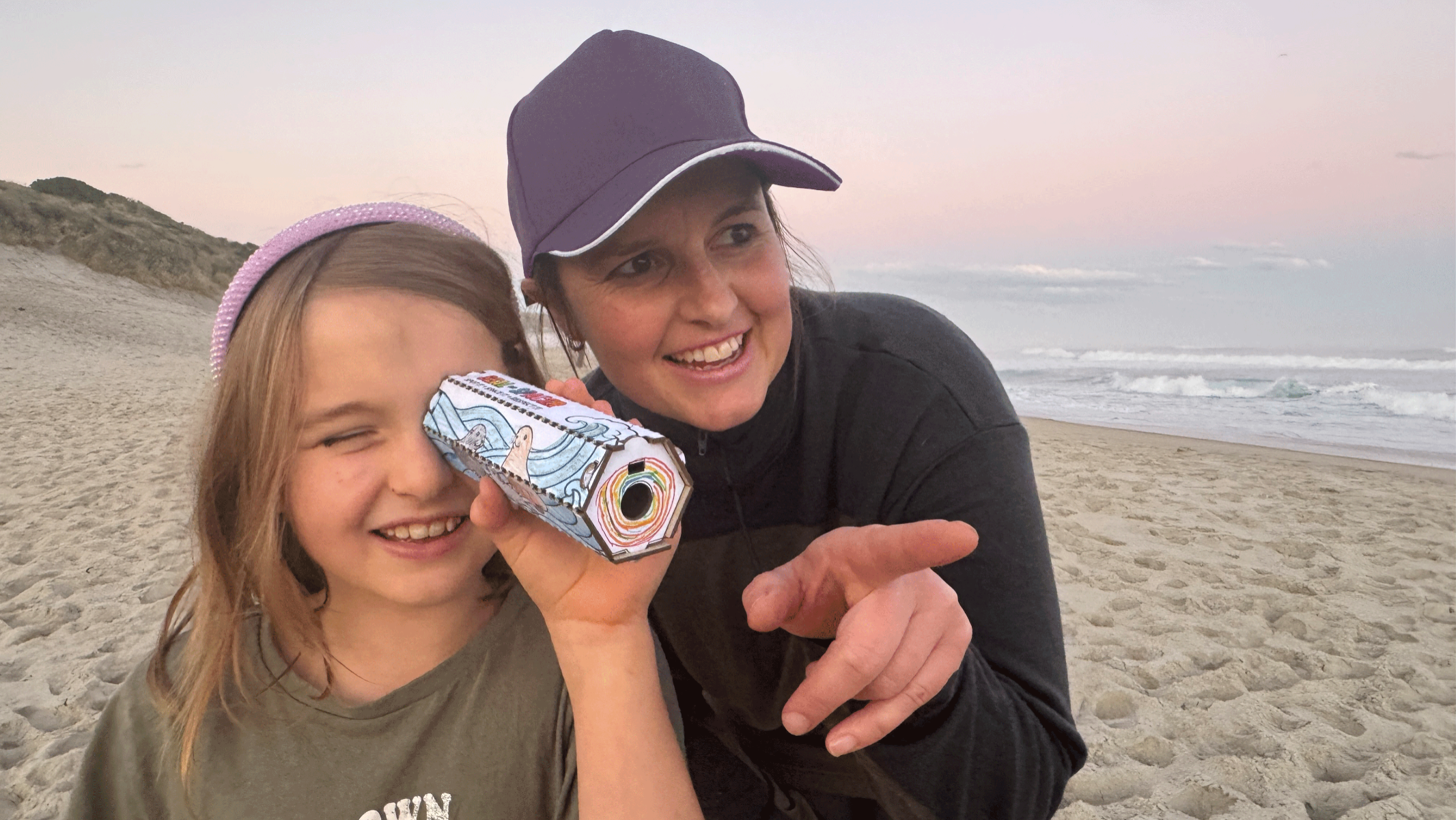
Seal-Spacer is a simple tool designed to help people keep a safe distance from New Zealand sea lions (pakake) and fur seals (kekeno). As these species recover, human disturbance on beaches has become a growing issue, often caused by curiosity or not knowing the rules. People are asked to stay 20 metres back where possible, or at least 10 metres if space is limited. Traditional signs are easy to ignore. Seal-Spacer makes distance visible. The handheld viewer uses two frames: a rectangle for pups and a circle for adults. The adult frame is calibrated to match the size of an average female NZ sea lion as seen from 20 metres away, helping people instinctively stand the right distance without guessing. The flat-pack A4 kit pops out and folds together without glue, making it lightweight, tactile, and suitable for both children and adults. Its wave-inspired exterior invites colouring and customisation, supporting education programmes, school visits, kiosks, and conservation events. Rather than enforcing rules, Seal-Spacer encourages empathy and awareness by turning safe viewing into an interactive experience. Kaitautoko / Contributor: Giverny Forbes (NZ Sea lion trust)
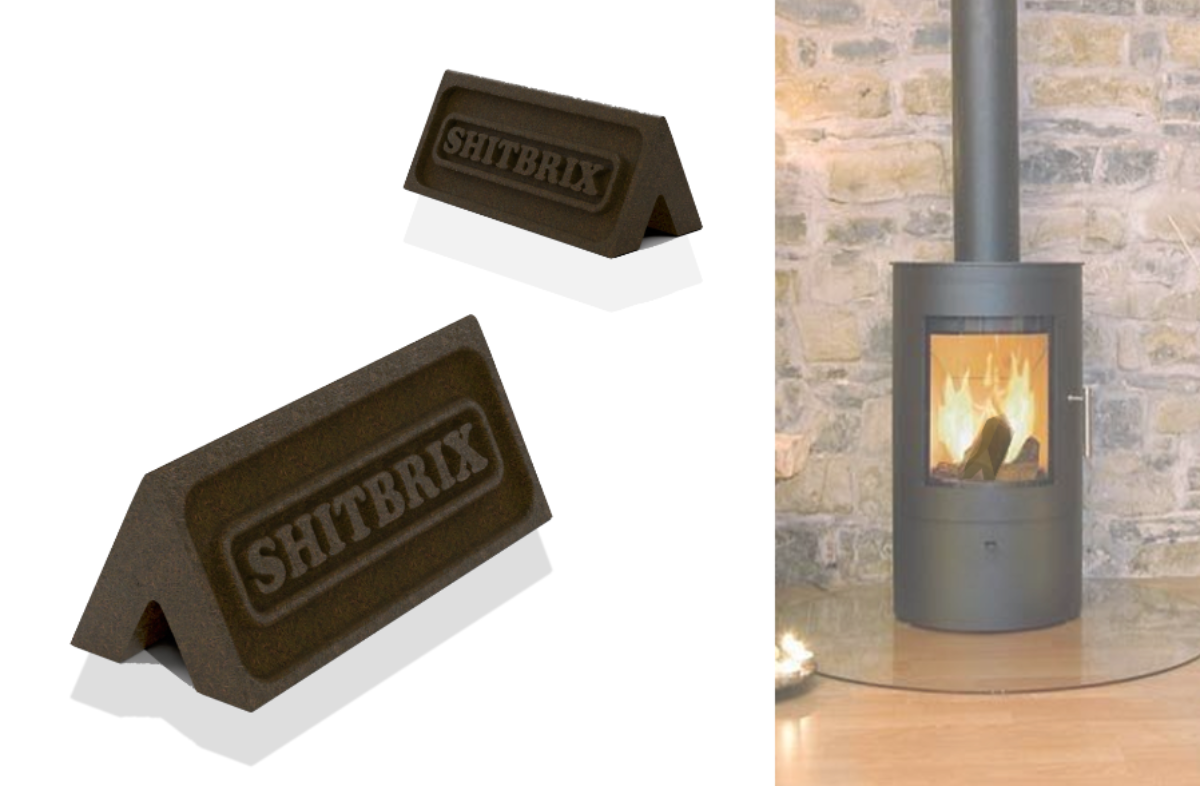
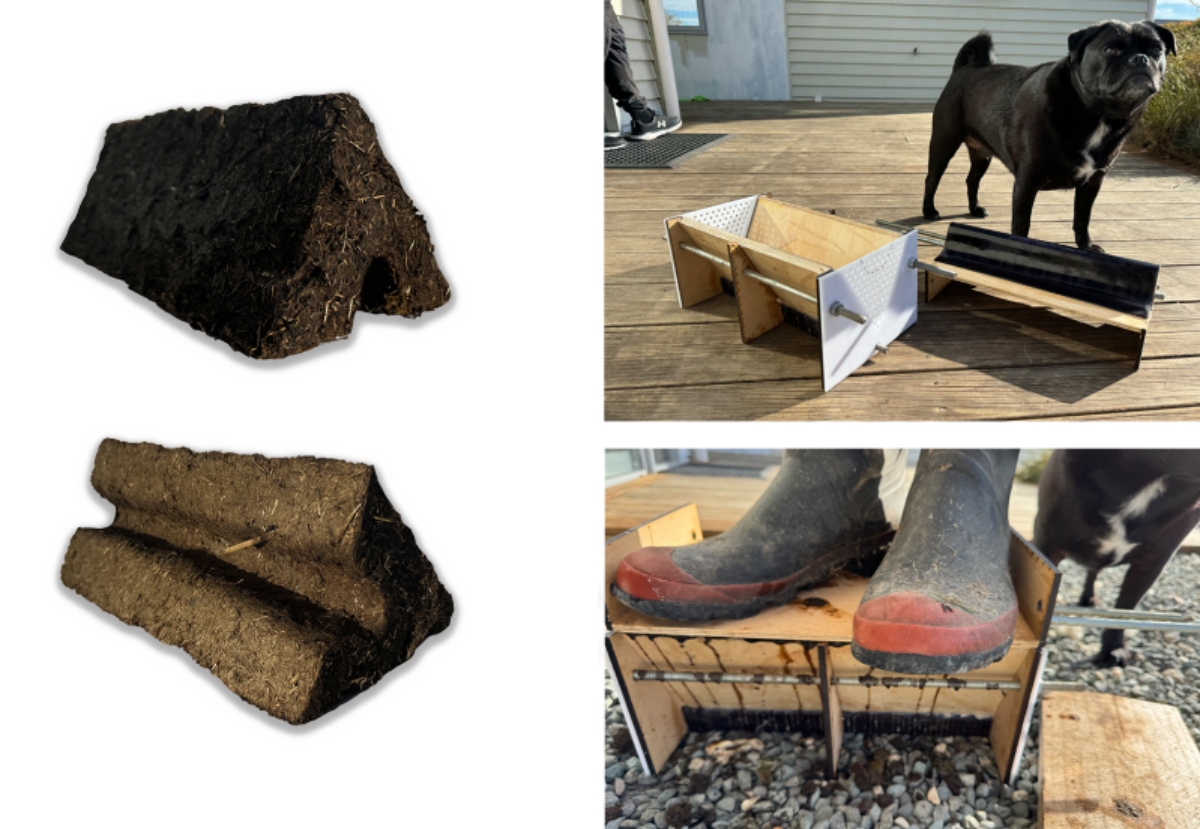
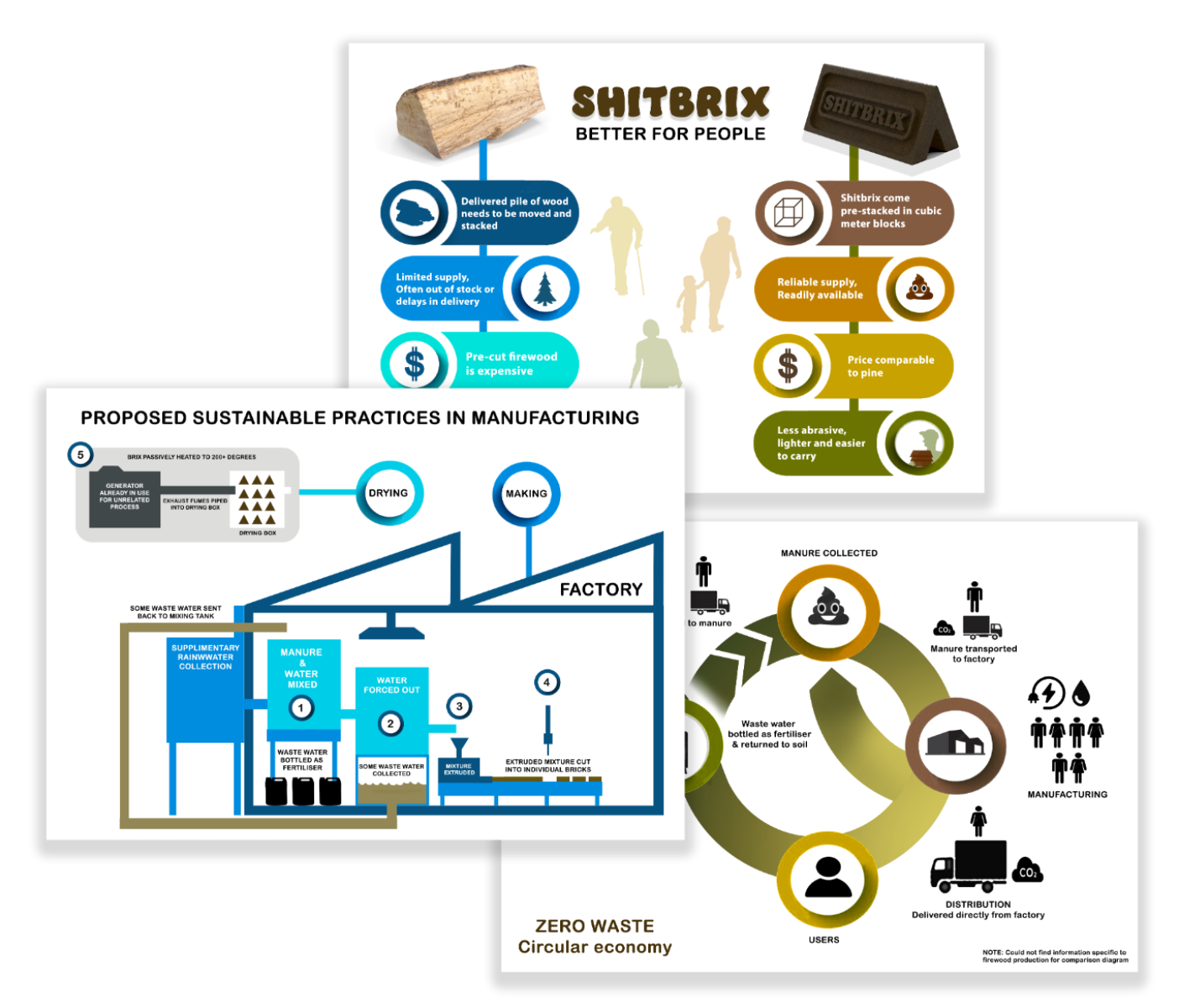
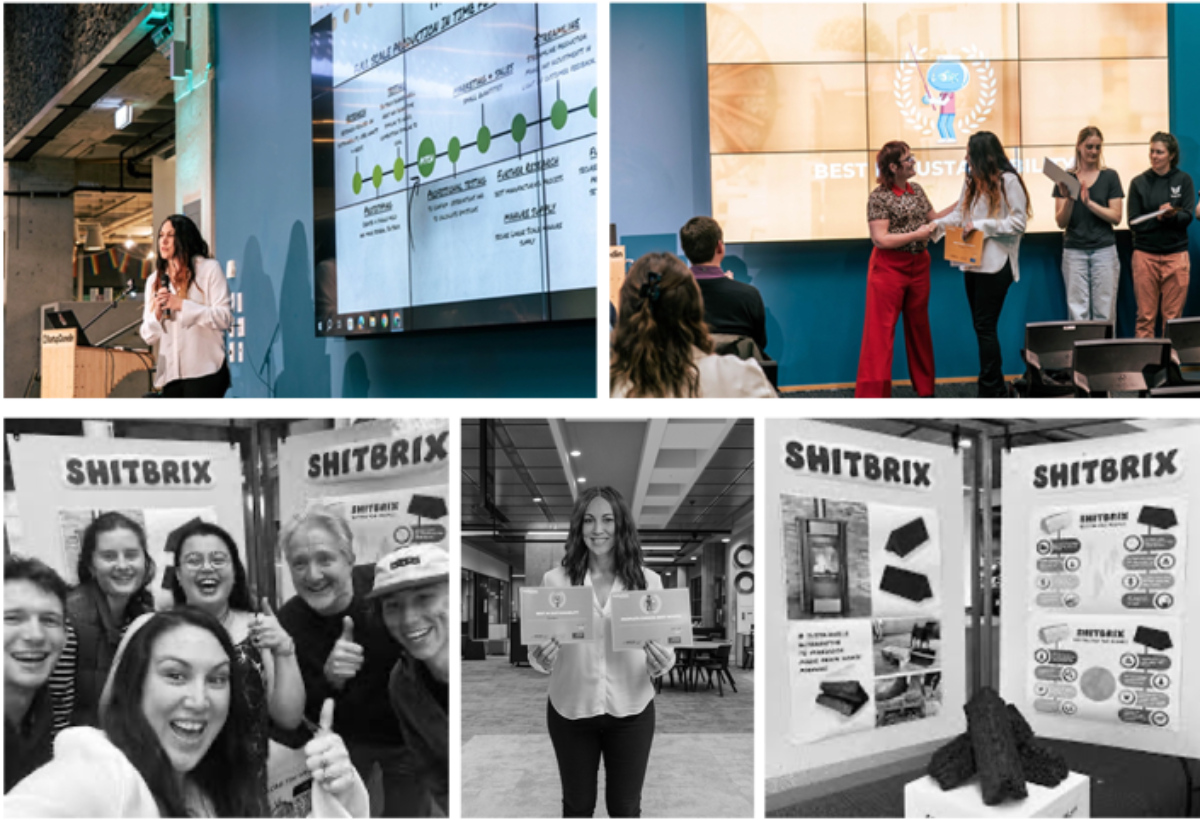
ShitBrix is a bold and unconventional response to the problem of firewood sustainability. Made from dried horse manure, these stackable, burnable briquettes offer a lighter, more accessible, and circular alternative to traditional timber firewood. Each briquette is shaped for airflow and ignition, as well as easy stacking and transport. Rather than reinvent firewood, the project set out to reimagine the system. I explored low-energy drying methods using captured heat from existing agricultural processes, considered water-reuse systems, and explored how the wastewater by-product could be reused rather than discarded. The goal was to challenge what we define as waste and turn something overlooked into something genuinely useful. Initial tests in a standard log burner showed that ShitBrix hold their heat well, comparable to standard timber blocks of a similar size. A question I was frequently asked was, “Do they smell?” Answer: No. Dried horse poo is essentially a mixture of water, grass and hay, and once processed, the briquettes are almost completely scentless. ShitBrix made people laugh, then made them think. It placed second overall at the 2024 Audacious Student Startup Showcase, winning both Best in Sustainability and People’s Choice, proving that sometimes the weird ideas are the ones worth chasing.