Joanna Cann
Textile Design BA Hons
Chelsea College of Arts UAL
Specialisms: Textile Innovation/Textile Art / Fine Art / Sustainable Fashion/Textiles
Location: London, United Kingdom

Joanna Cann
First Name: Joanna
Last Name: Cann
Specialisms: Textile Innovation/Textile Art / Fine Art / Sustainable Fashion/Textiles
Sectors: Fashion/Textiles/Accessories / Fashion/Textiles/Accessories
My Location: London, United Kingdom
University / College: Chelsea College of Arts UAL
Course / Program Title: Textile Design BA Hons
About
BA Hons Textile Design, Chelsea College of Arts. Specialising in textile arts and sustainable textile design
Foundation Diploma in Art and Design, Central Saint Martins. Specialising in Painting
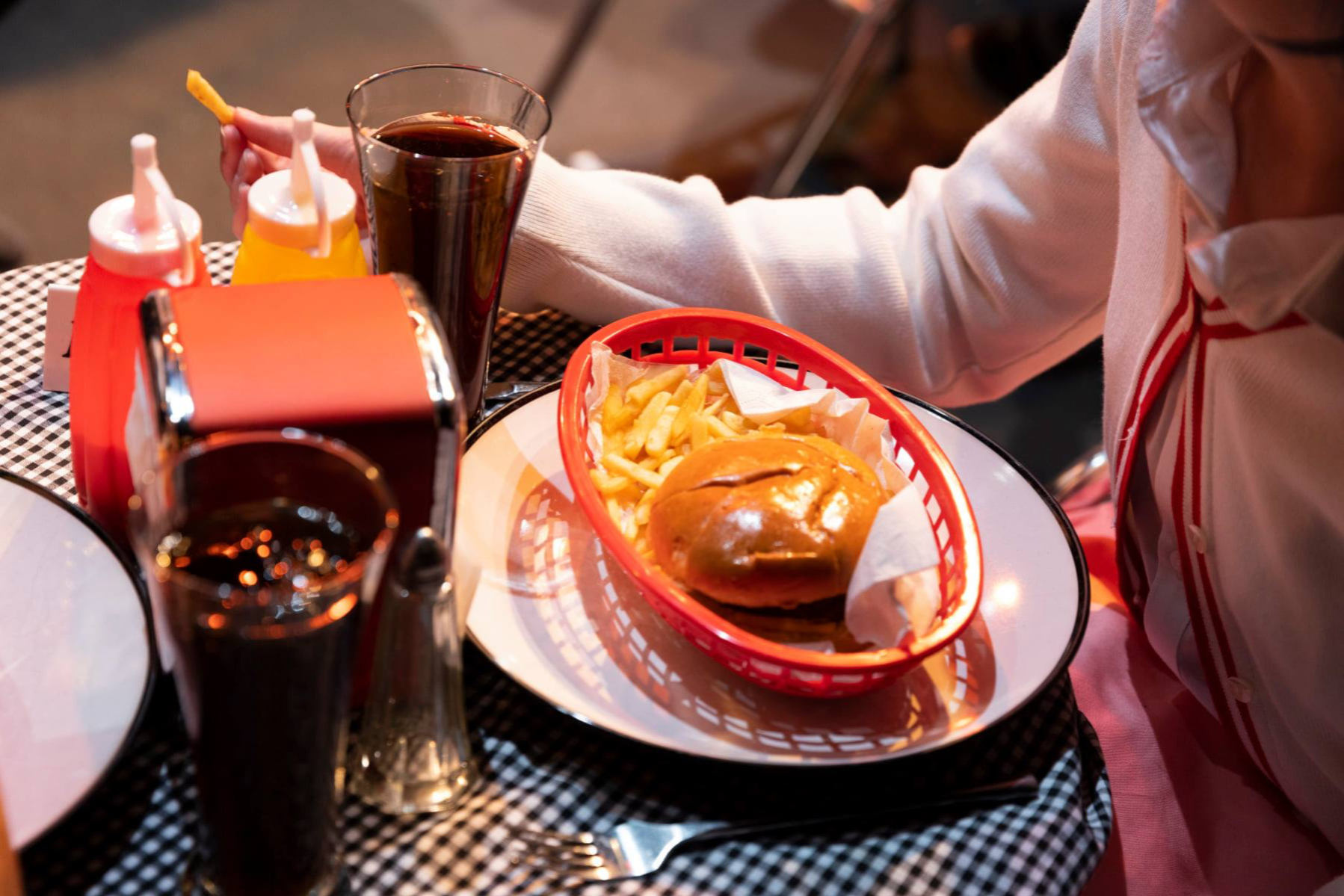
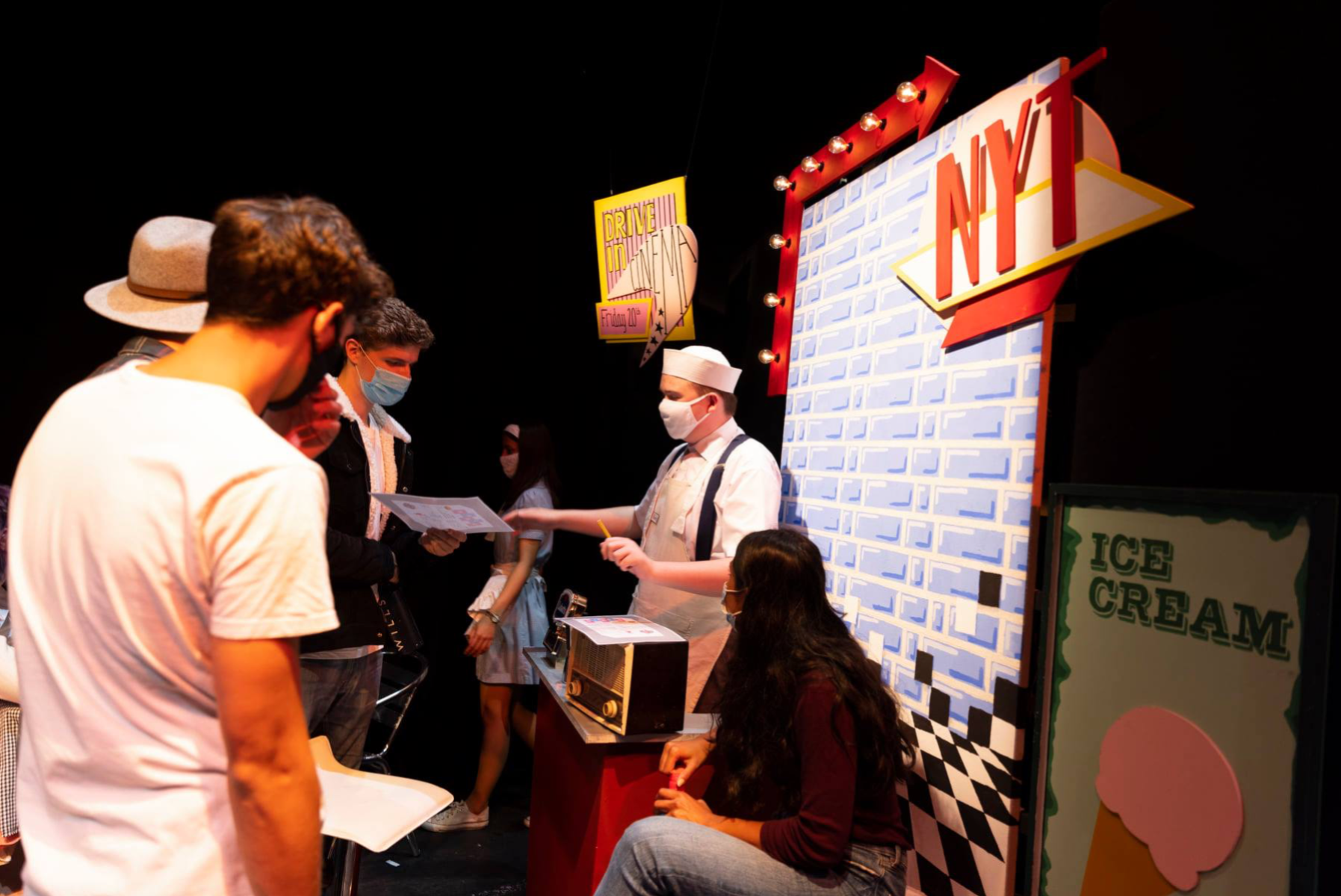
70's American Diner Costume Design for National Youth Theatre production
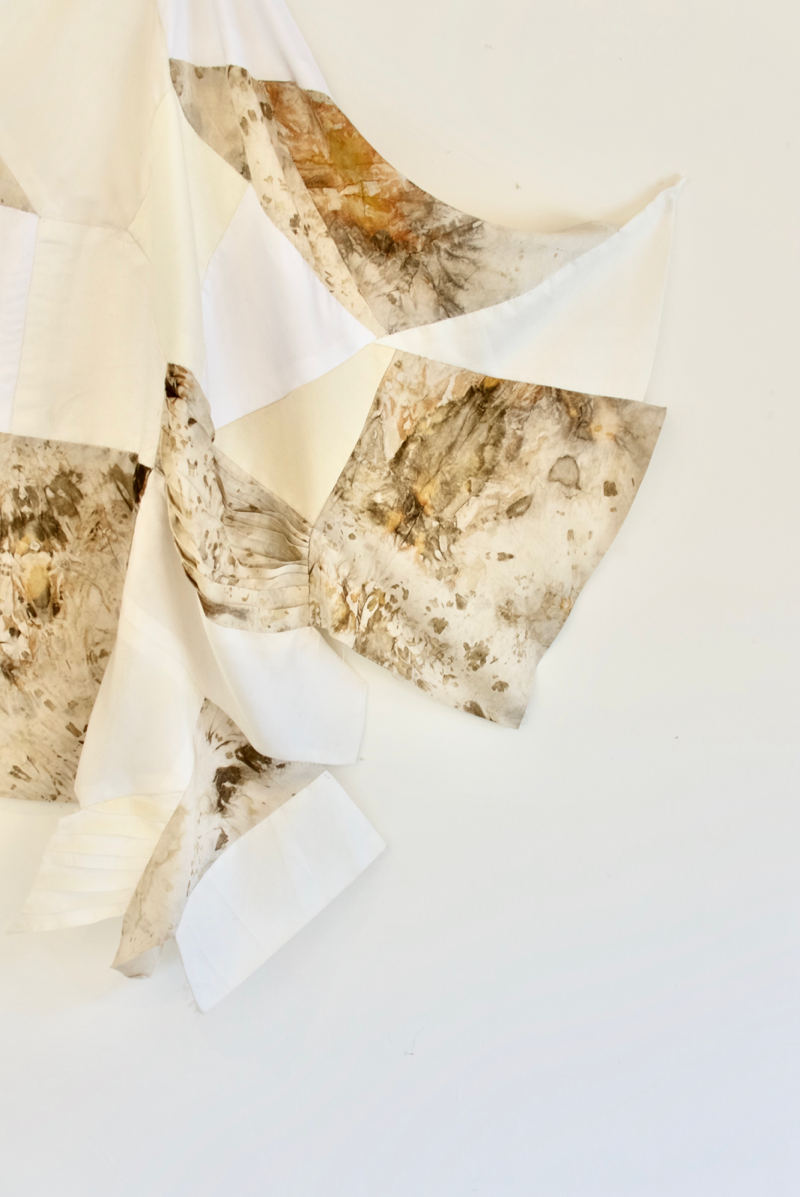
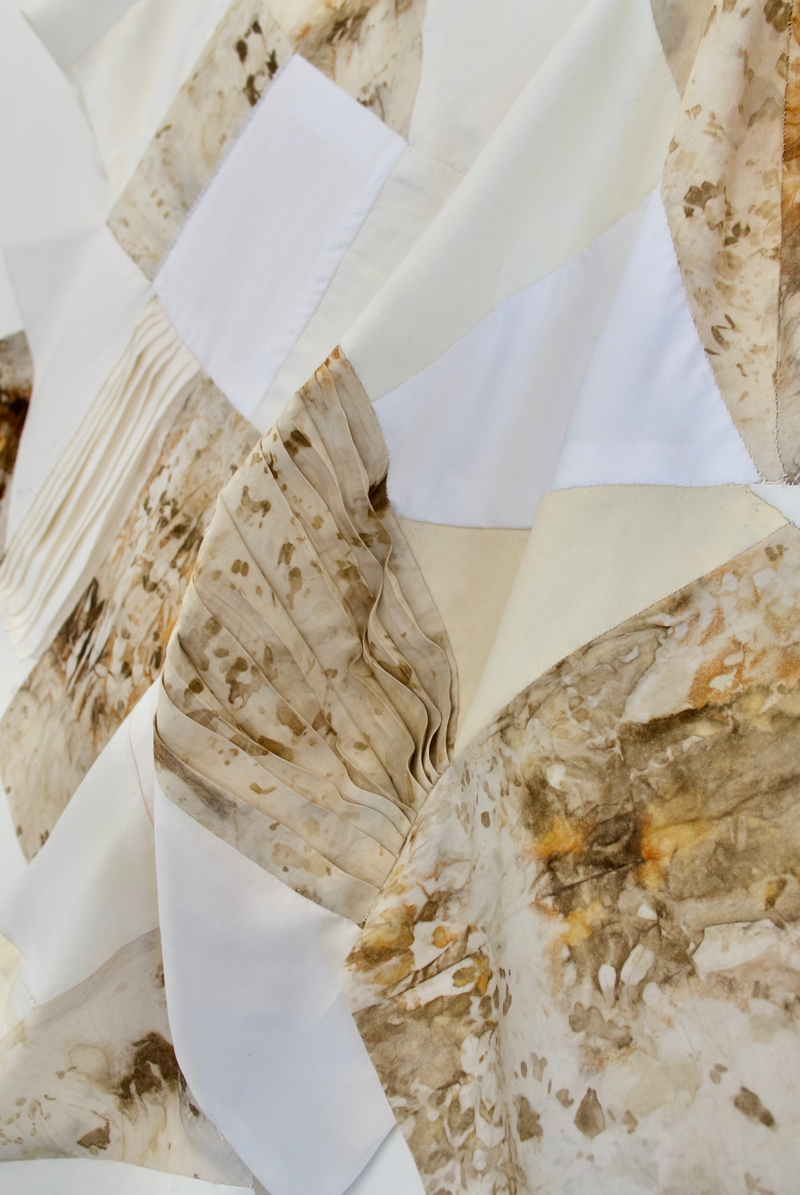
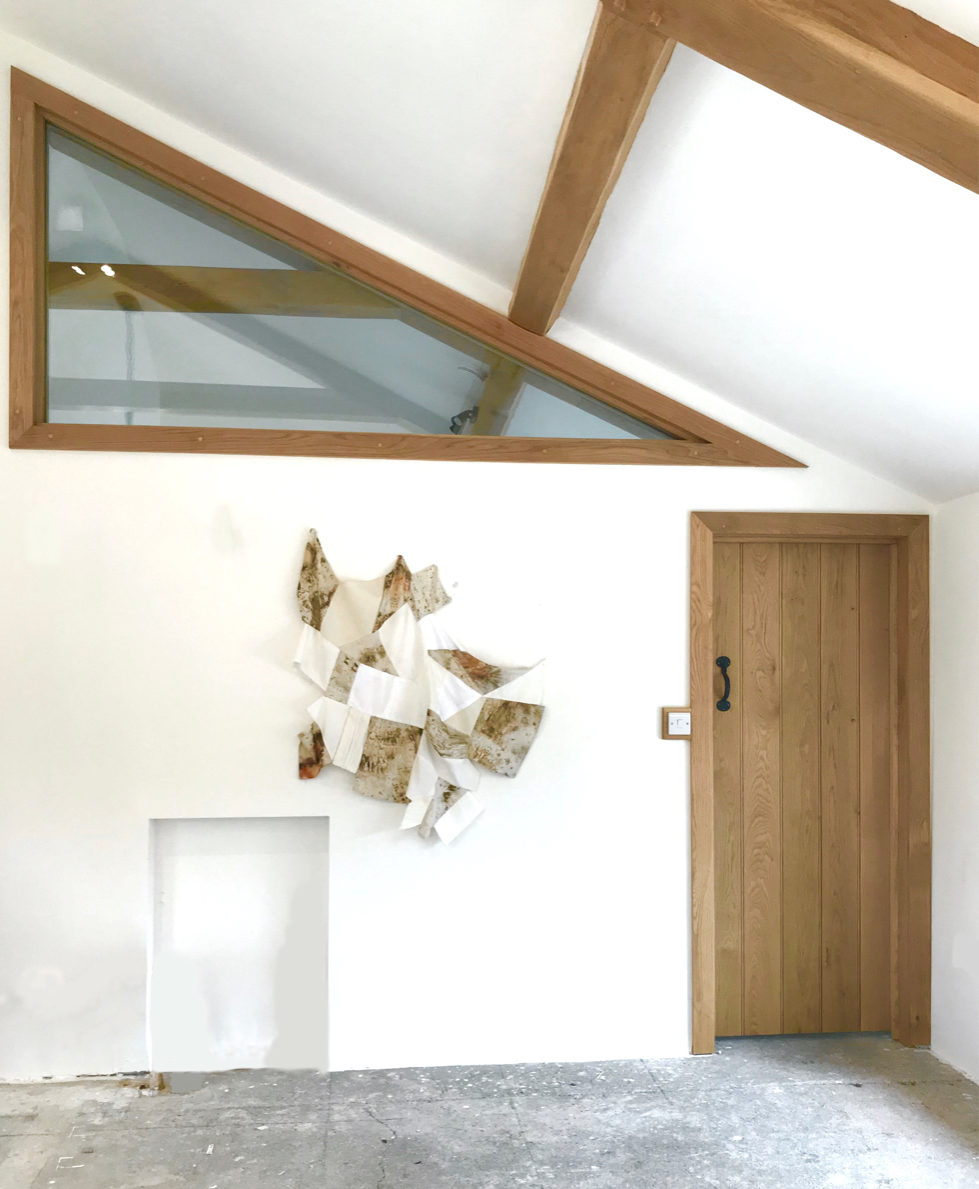
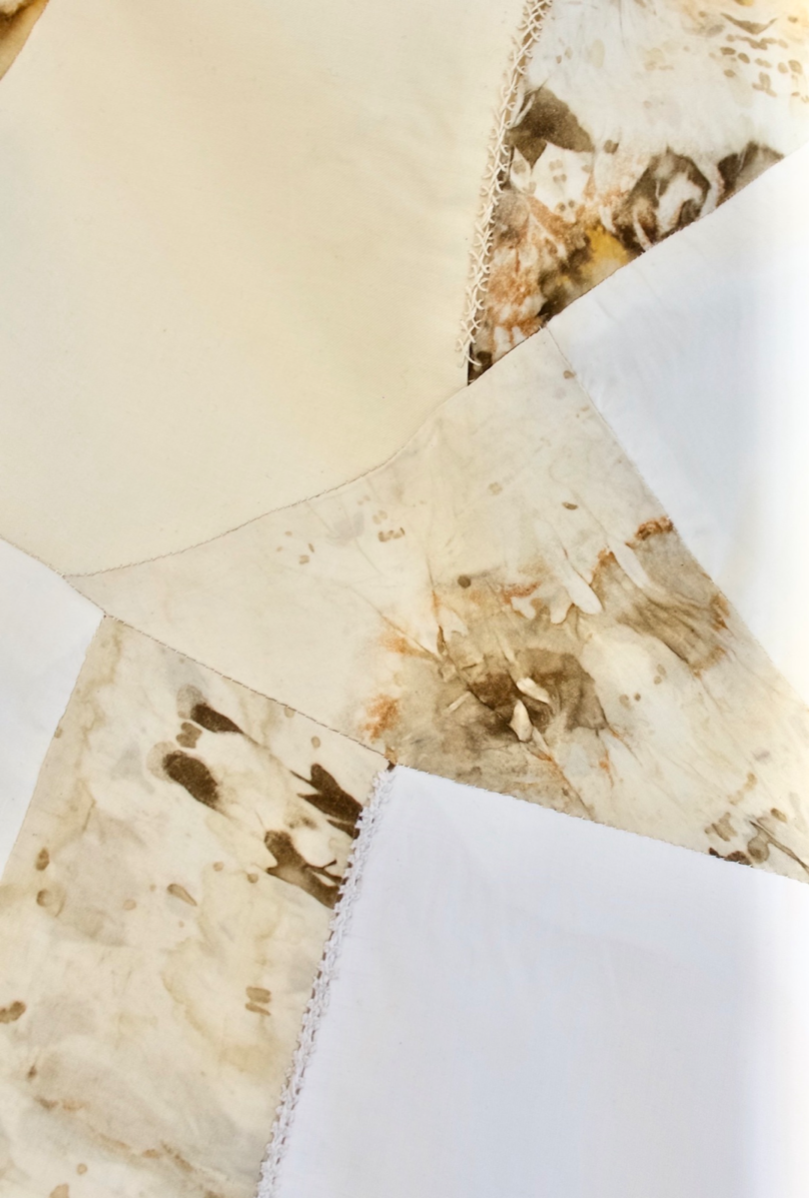
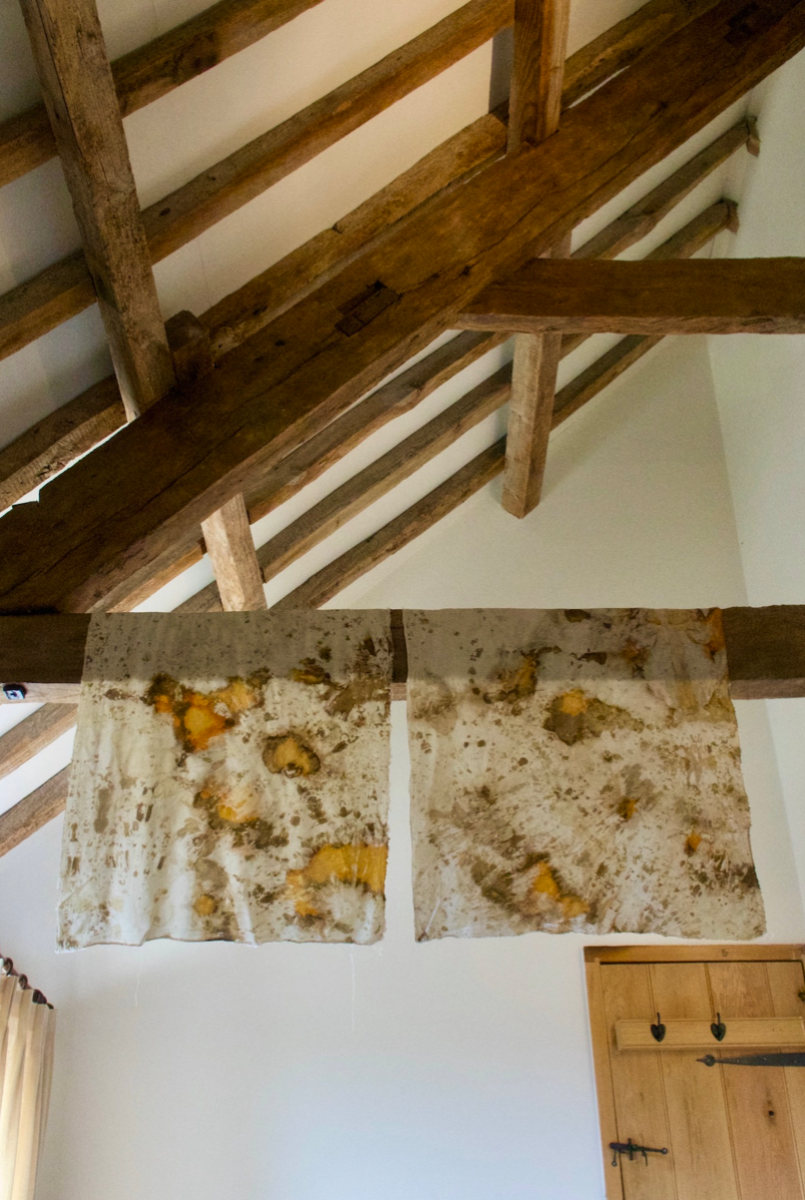
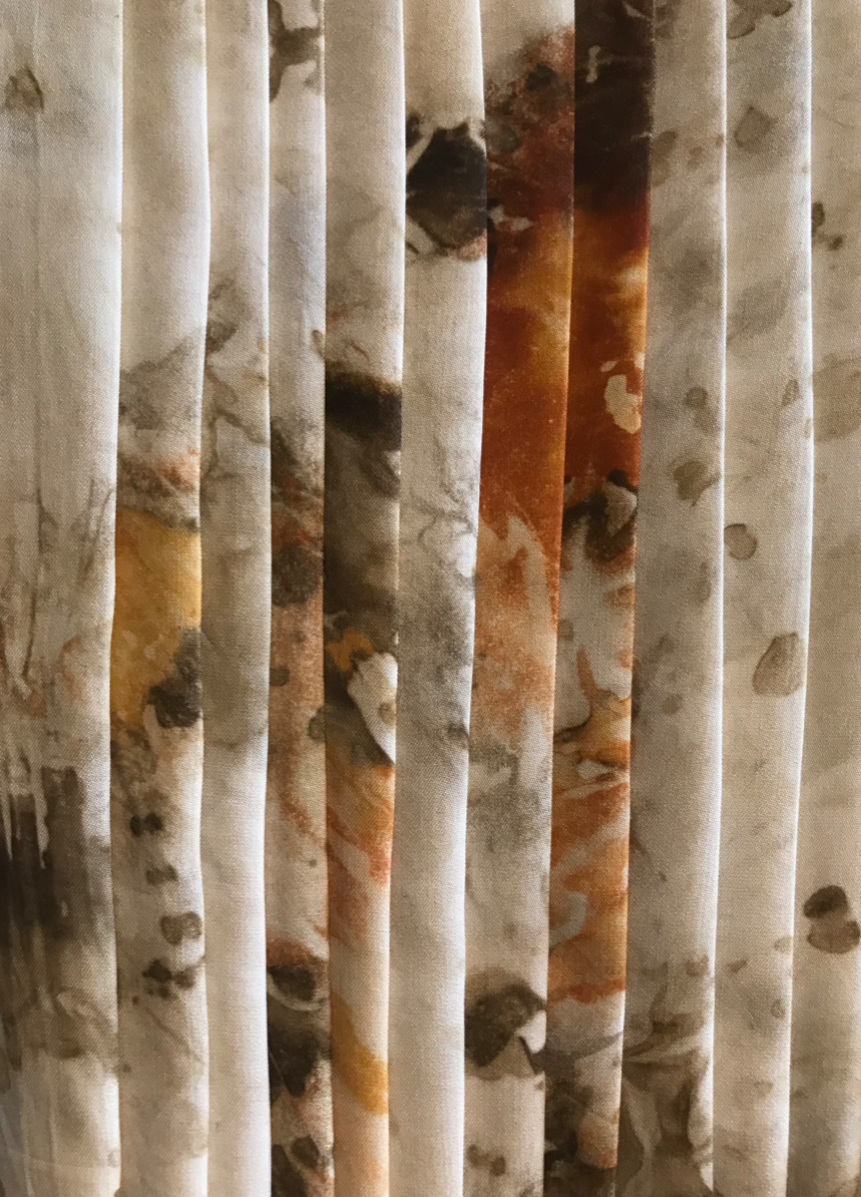
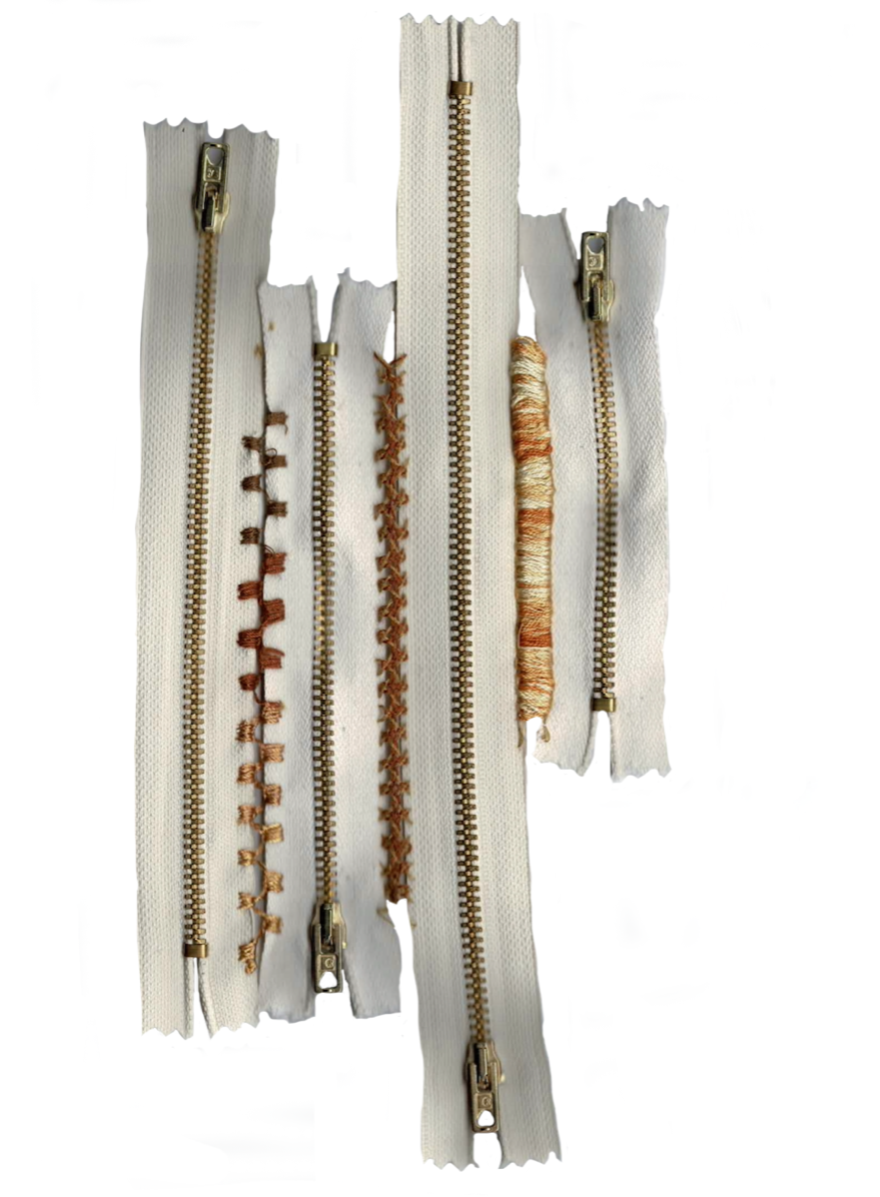
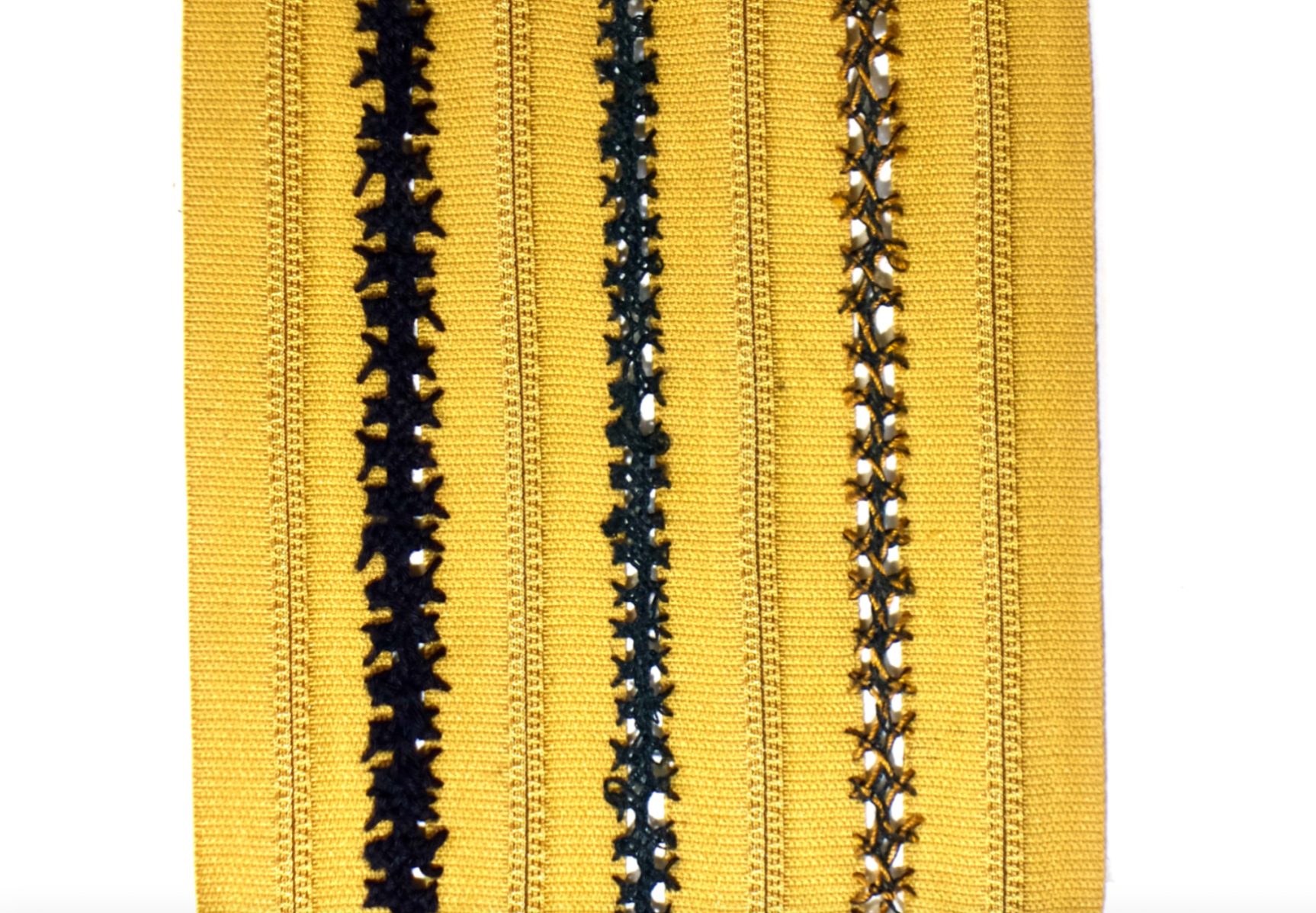
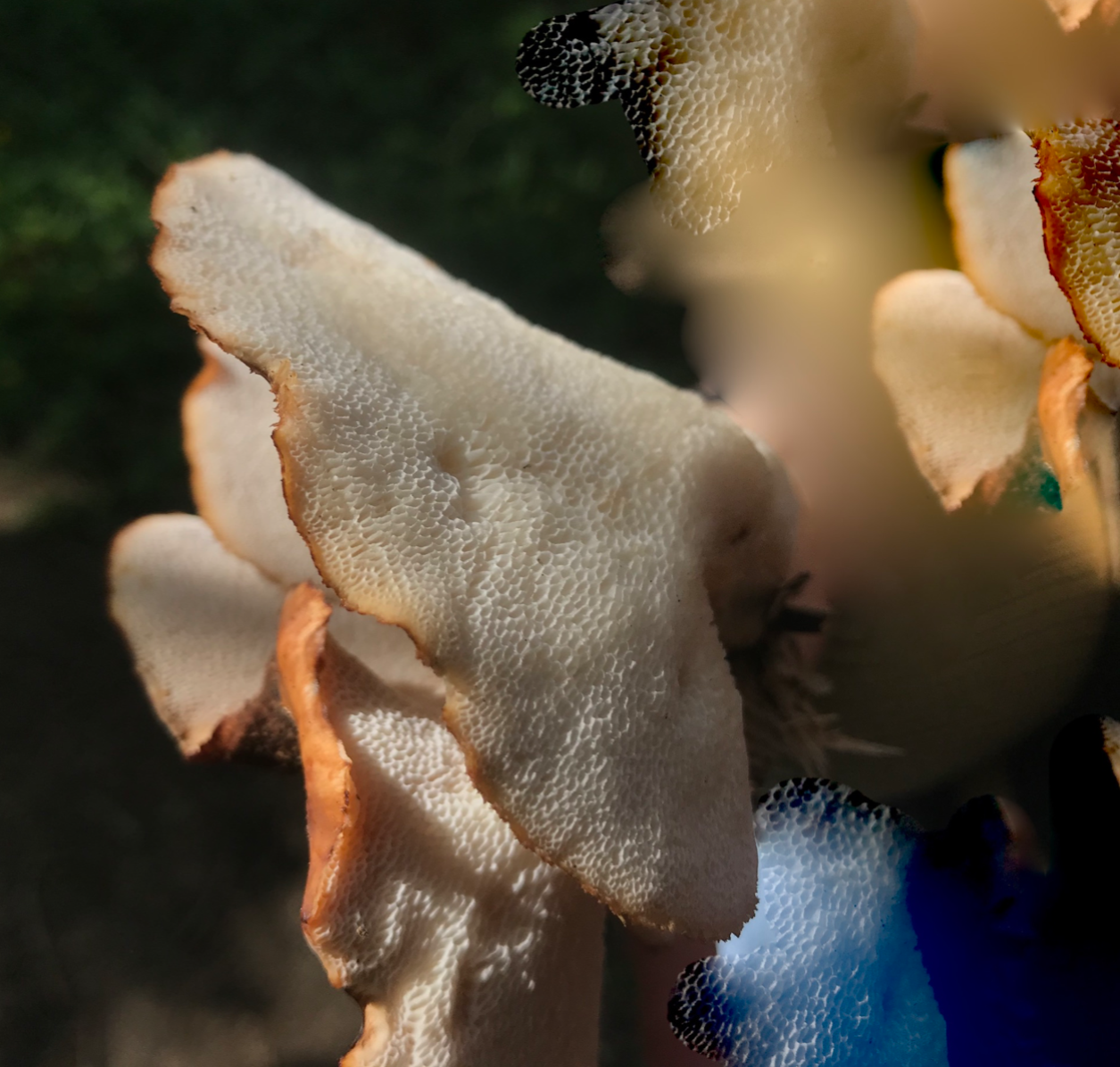
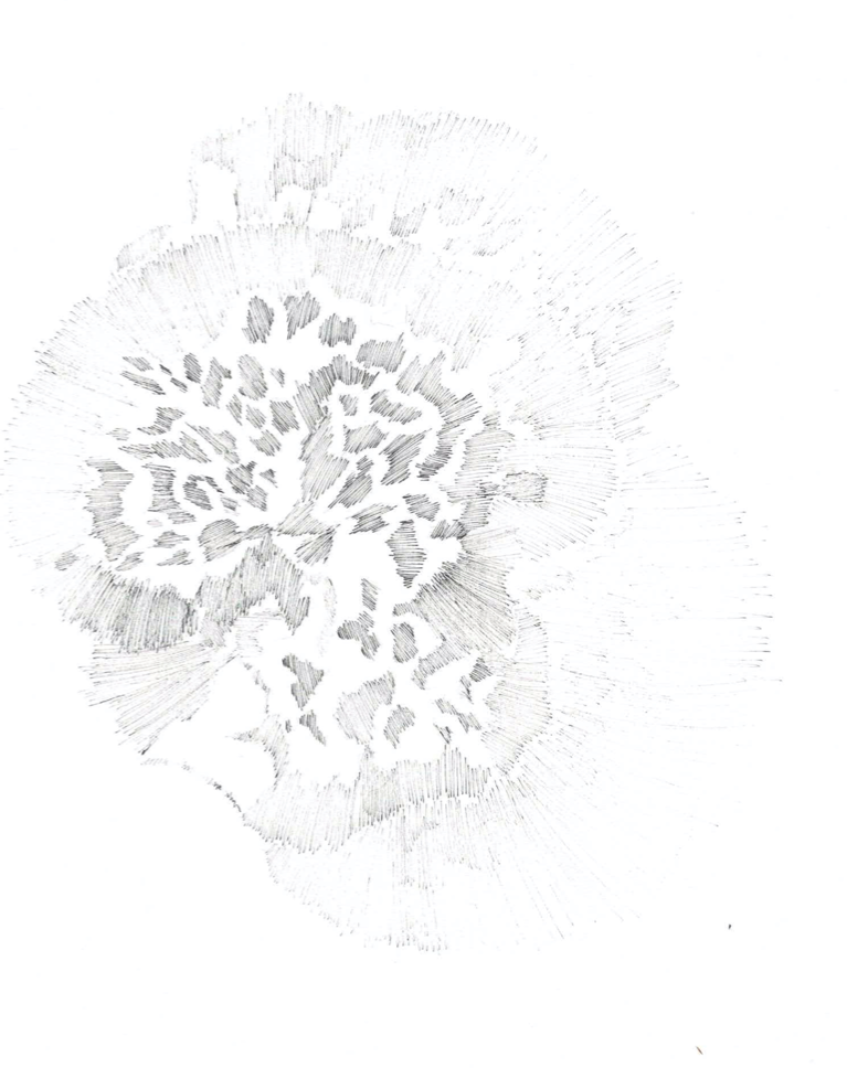
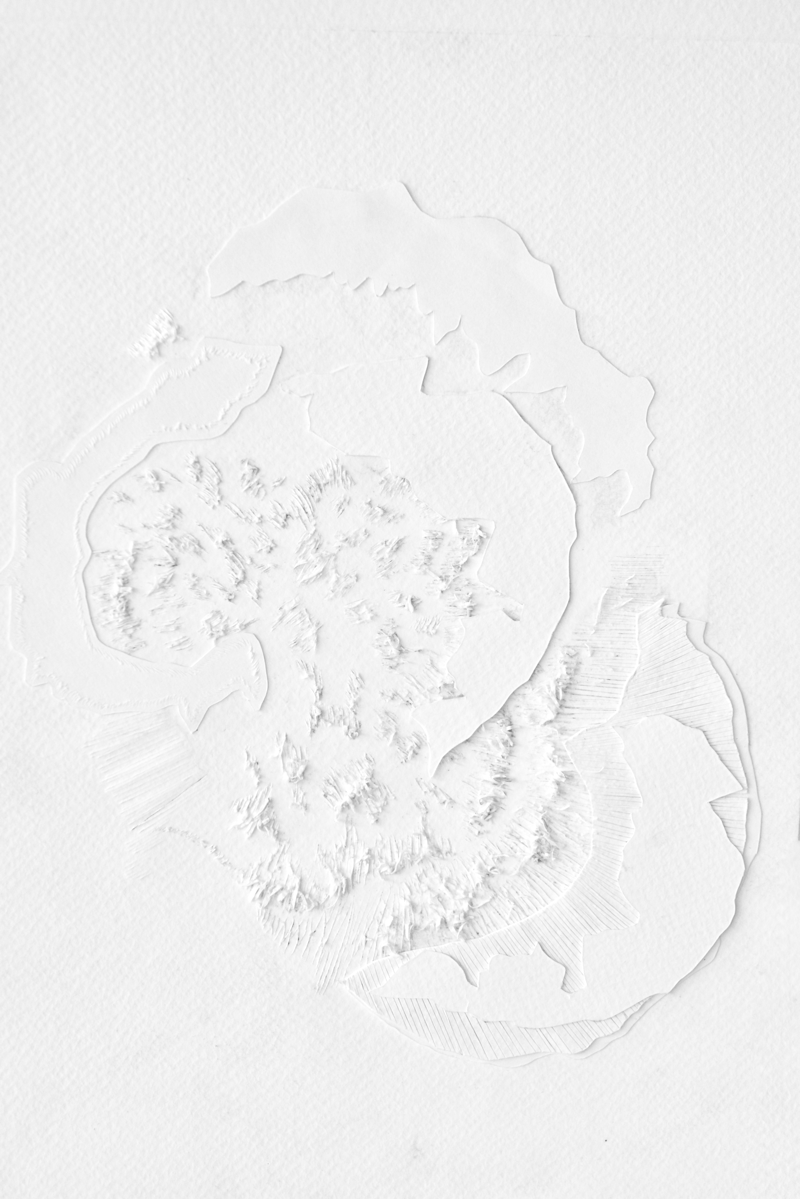
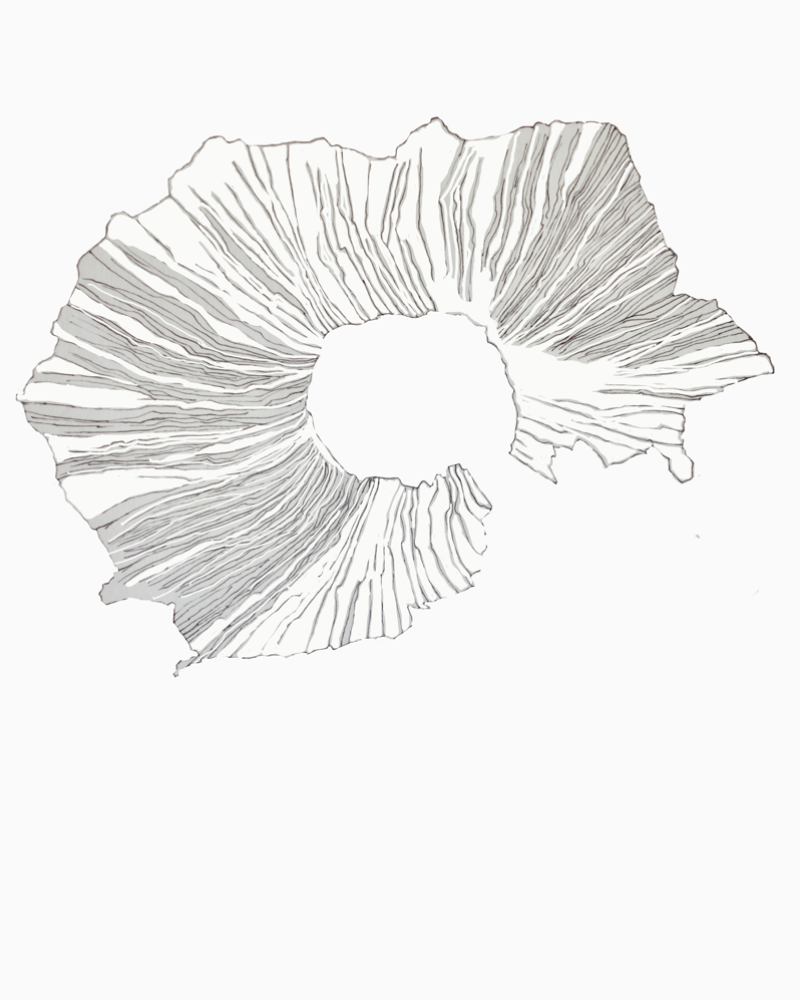
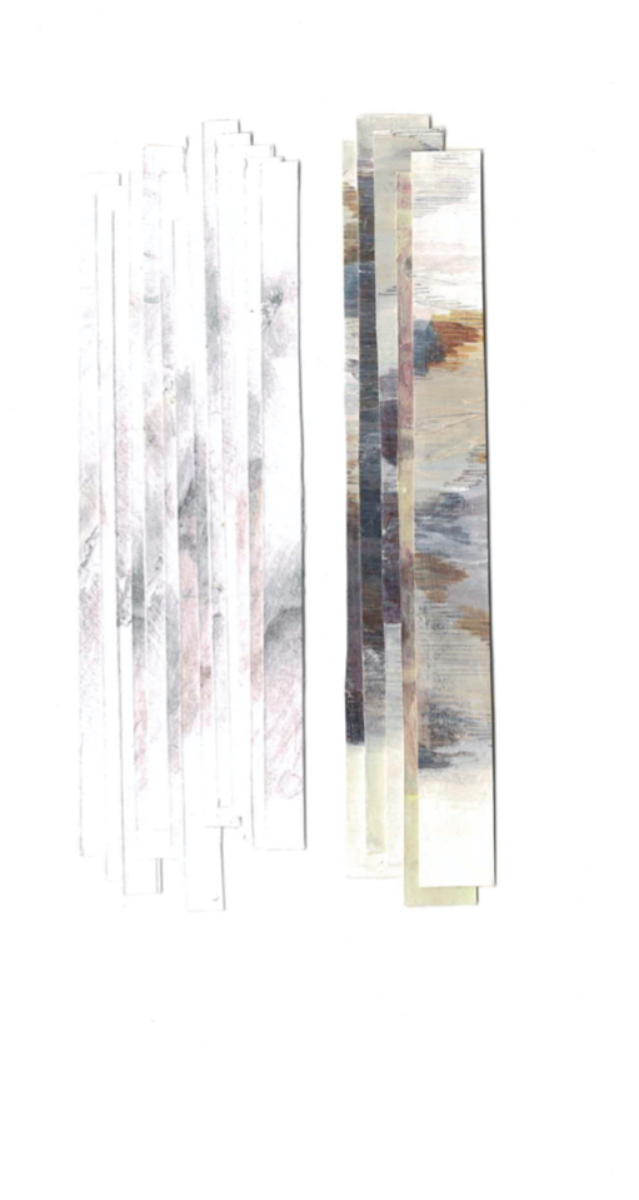
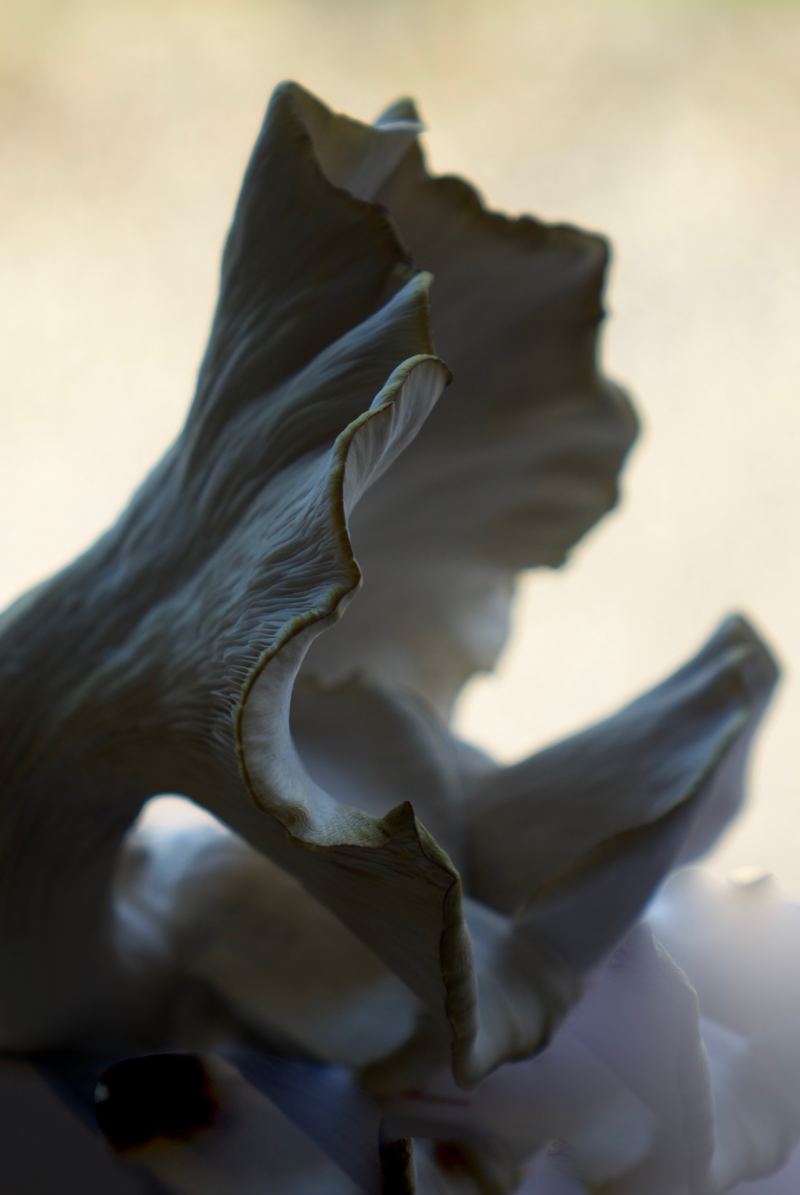
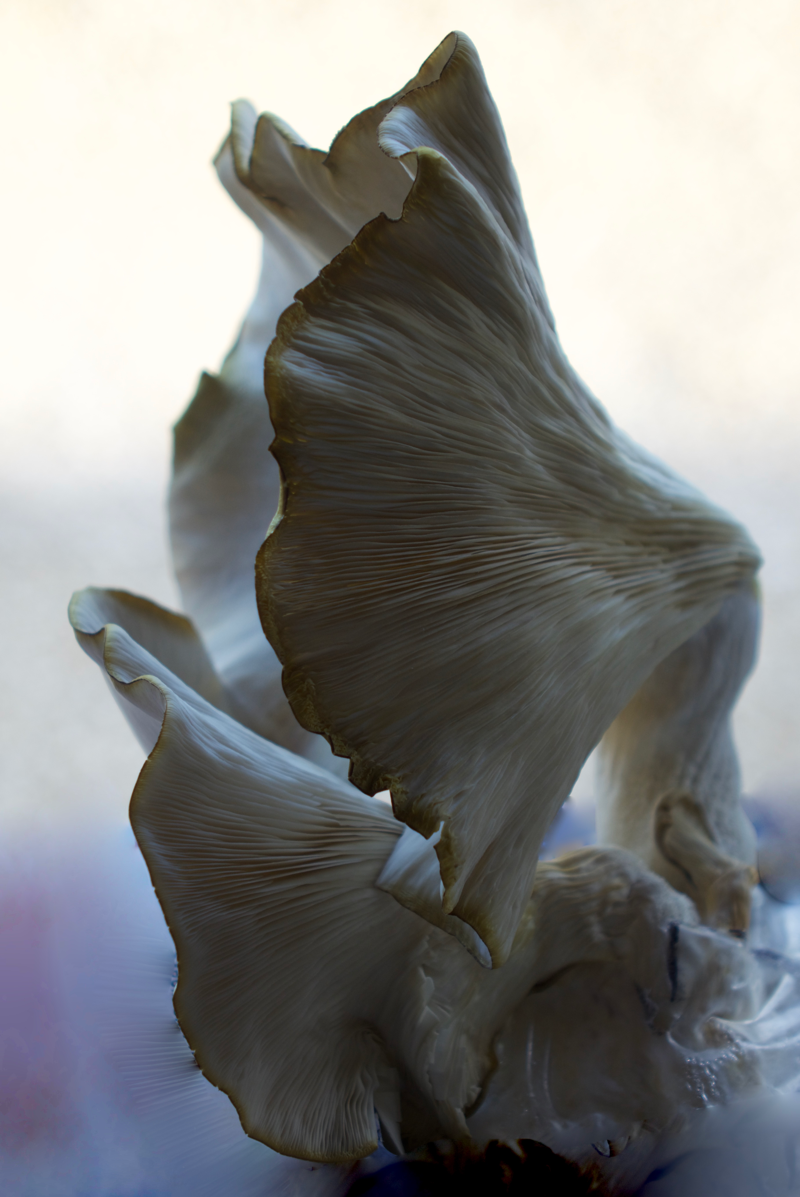
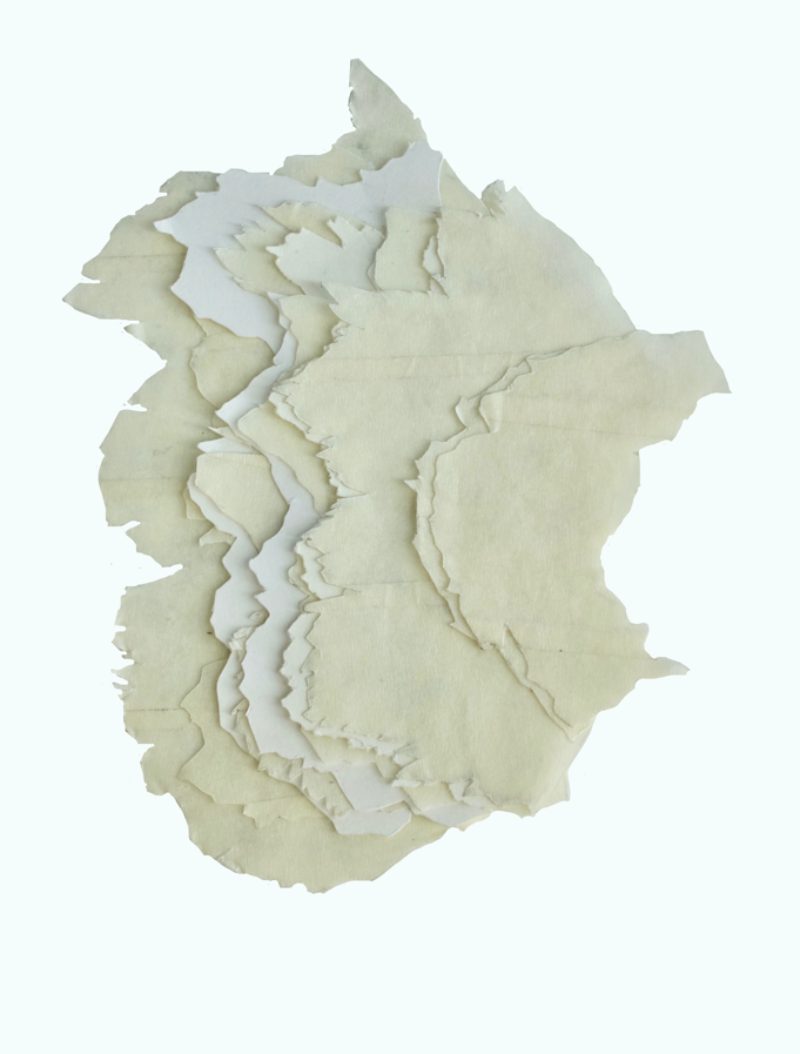
A textile-based luxury fabric outcome that is nature-derived to address the environmental impact of the fashion and textiles industry, working locally and carbon neutrally using sustainable textile processes from fabric waste. Luxury fabrics and clothing rarely have an environmental lifecycle of; natural fibres, no use of chemical dyes, locally and fairly sourced materials and consideration of waste materials. During COVID-19, the question of what we define as luxury and what is essential became prominent. It was also a time when most industries paused and thus an opportunity to try to do things differently. In textiles and fashion, beginning with resourcing and production. Working locally reinforces the practice of working carbon neutrally, with less access to machinery and resources, it has been an opportunity to work innovatively with the craftsmanship and sustainable textile processes. My visual research and influences are drawn from wild mushrooms found locally, I used natural fibred fabric waste, natural dyes and handcraft techniques. The use of domestic craft techniques such as patchwork and decorative mending stitches utilise the fabric waste. I have used copper mordant from found rusted nails, wild mushroom natural dye and subtle fabric manipulation techniques to bring a new life and potential to waste fabric.
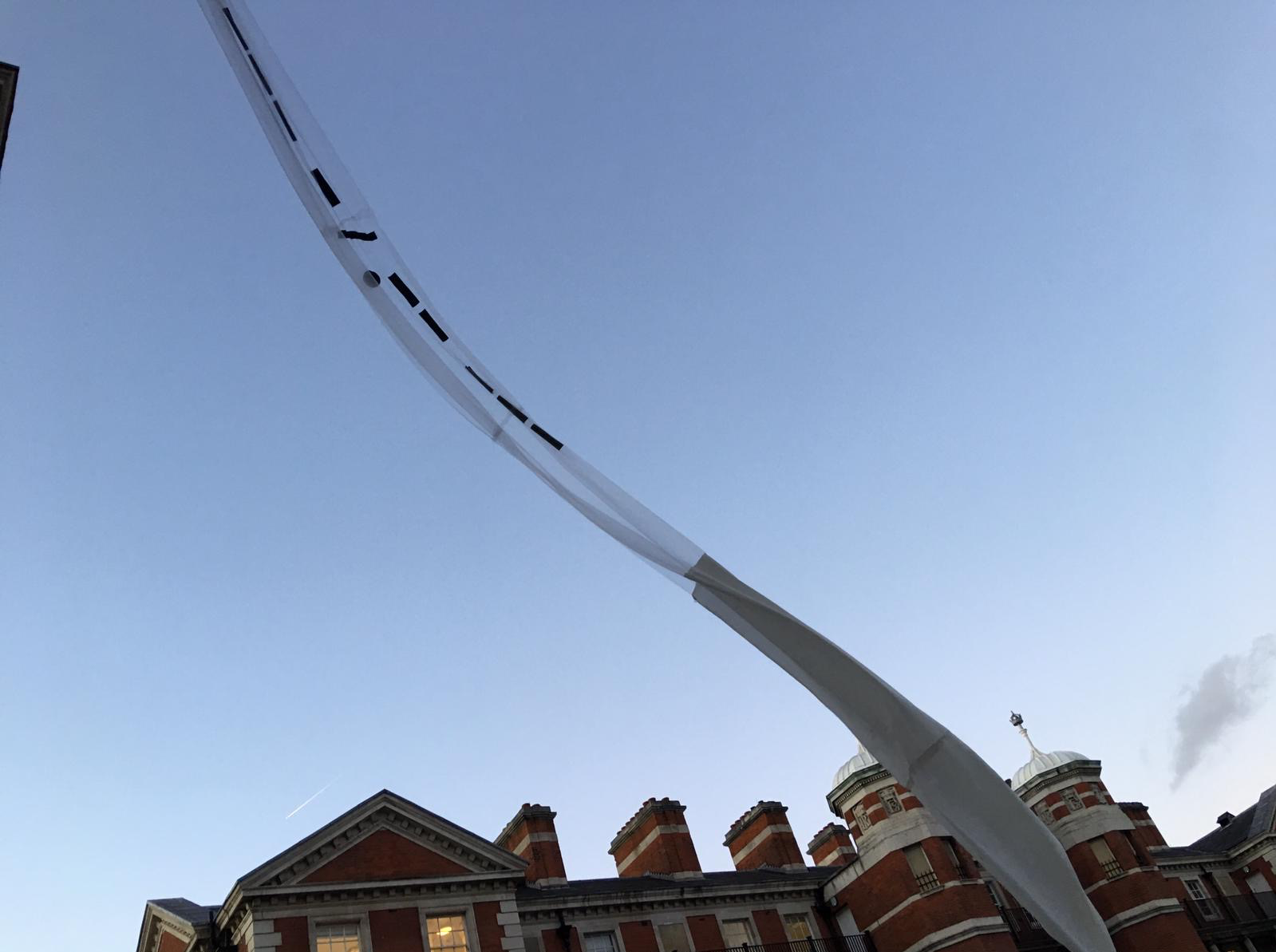
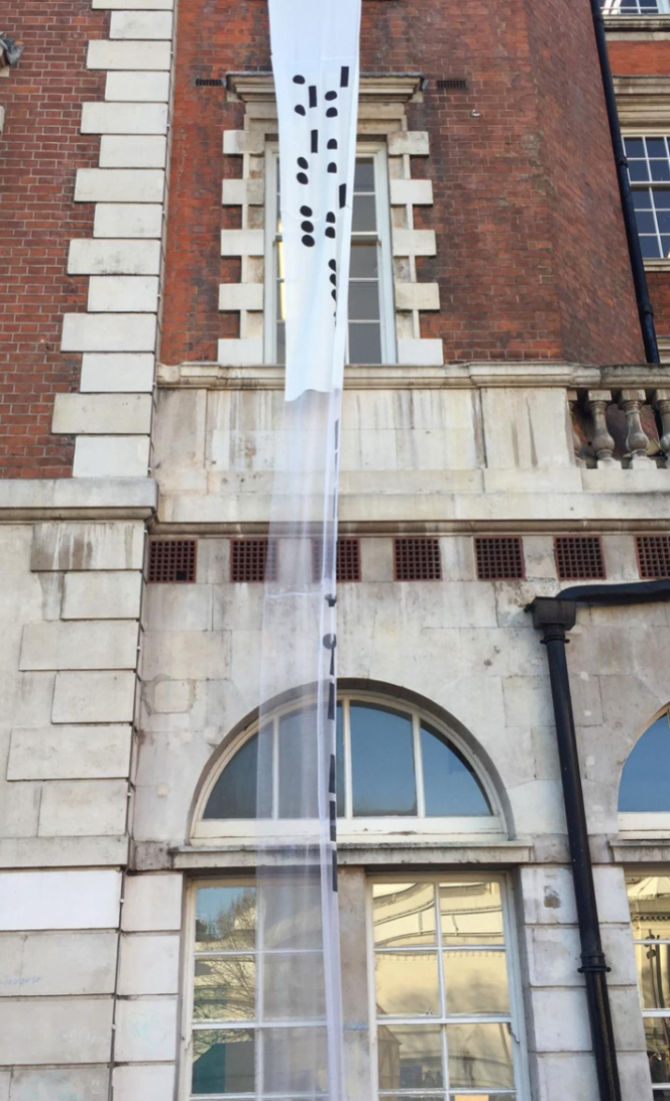
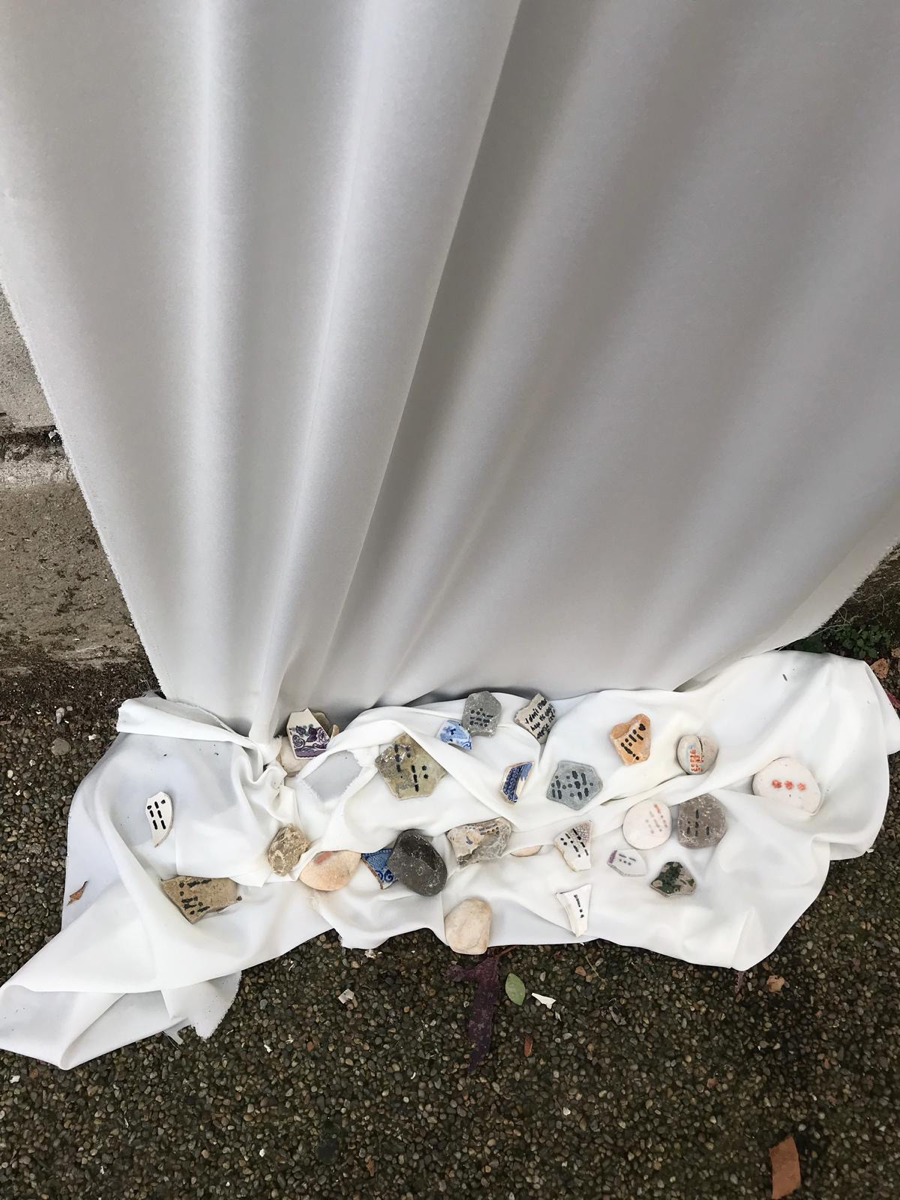
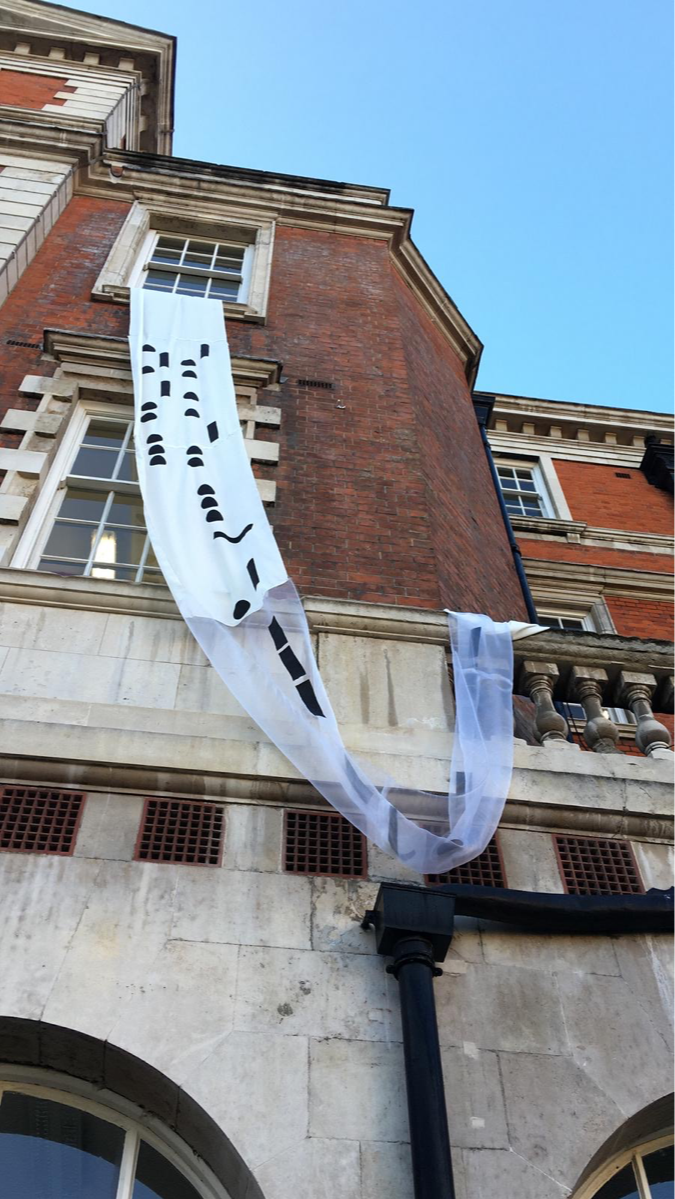
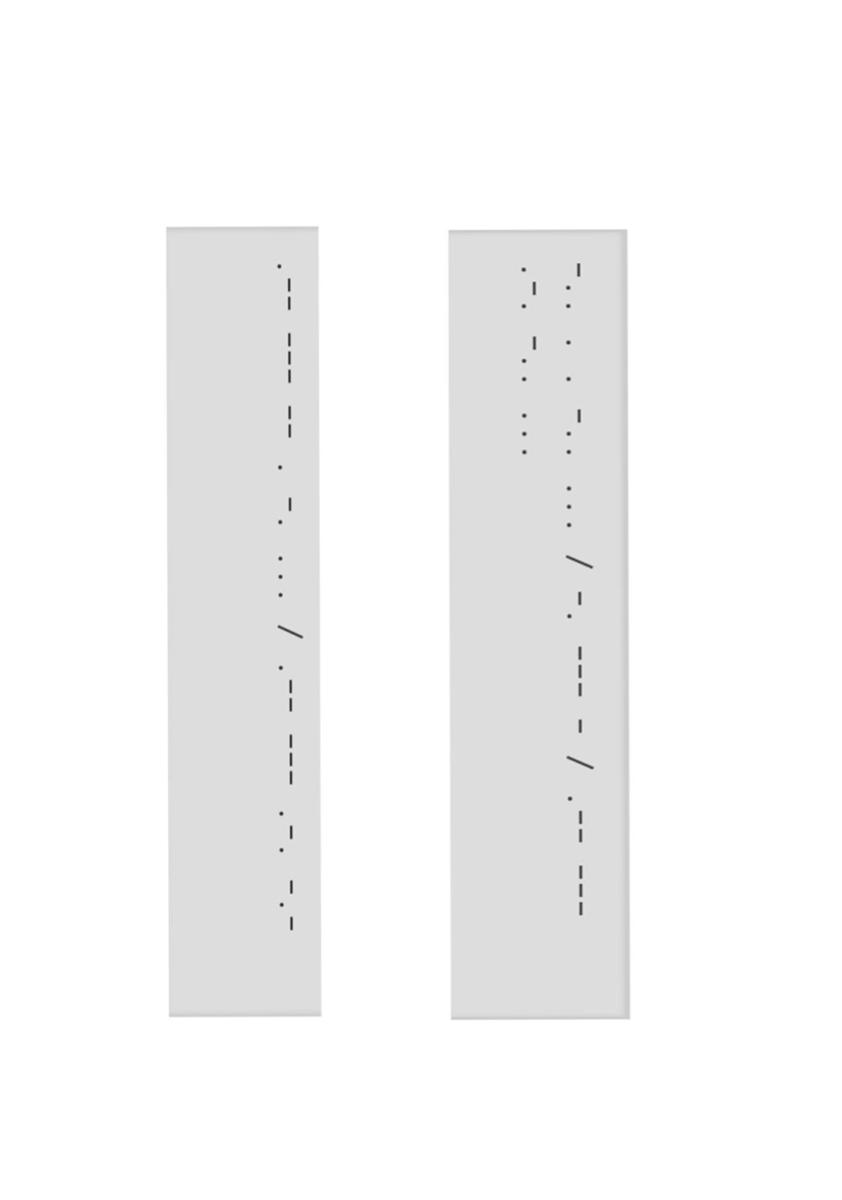
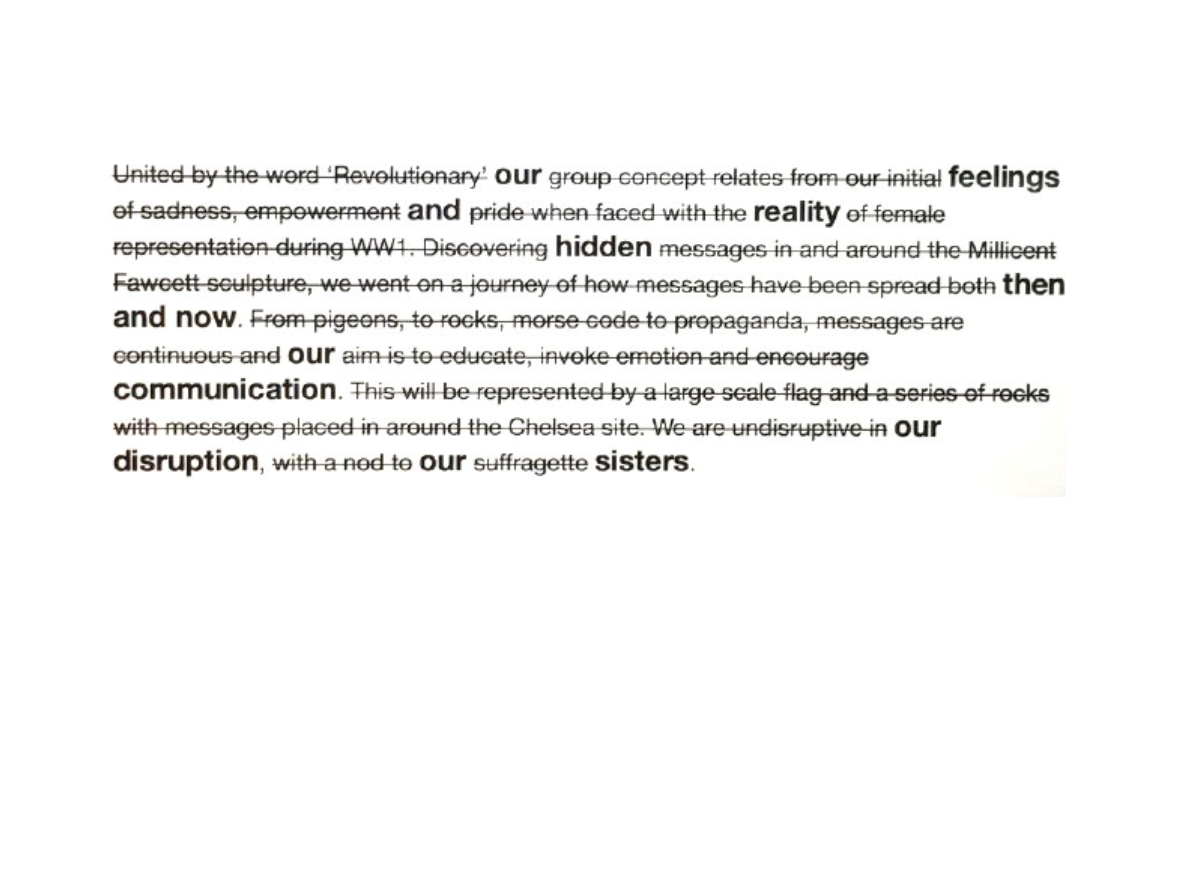
Womens work group show In the beginning of our research, we visited existing artworks and memorials of WW1 across London. As a group of six young women, we felt it significant and were drawn to the only female statue in parliament square, the memorial of Millicent Fawcett. We discovered rocks in the flowerbeds surrounding the statue, these hidden messages were an echo and representation of those thrown at parliamentary buildings during the suffragette movement often inscribed with messages of their demands. The rocks we found today read ‘WPIYPO’ or ‘we paid in you paid out’ messaging of the Waspi campaign (Women against state pension inequality). Our findings of the rocks spurred our interest into hidden messages, women roles in WW1 and the suffragette movement. The Imperial War Museum of London gave further insight and informed us of the significance of flags in messaging in WW1 as well as morse code. As women, we felt united by the word ‘Revolutionary’ and our feelings of sadness, empowerment and pride when faced with the reality of female representation during WW1. We created a large-scale flag held with a series of rocks. The flag and rocks had hidden messages. The flag, in morse code, read ‘Women's work’, ‘Deeds not words’. The rocks were collected from the Thames shoreline in Westminster and inscribed with messages of the suffragette movement and were hidden in and around the Chelsea College of Arts Parade ground.
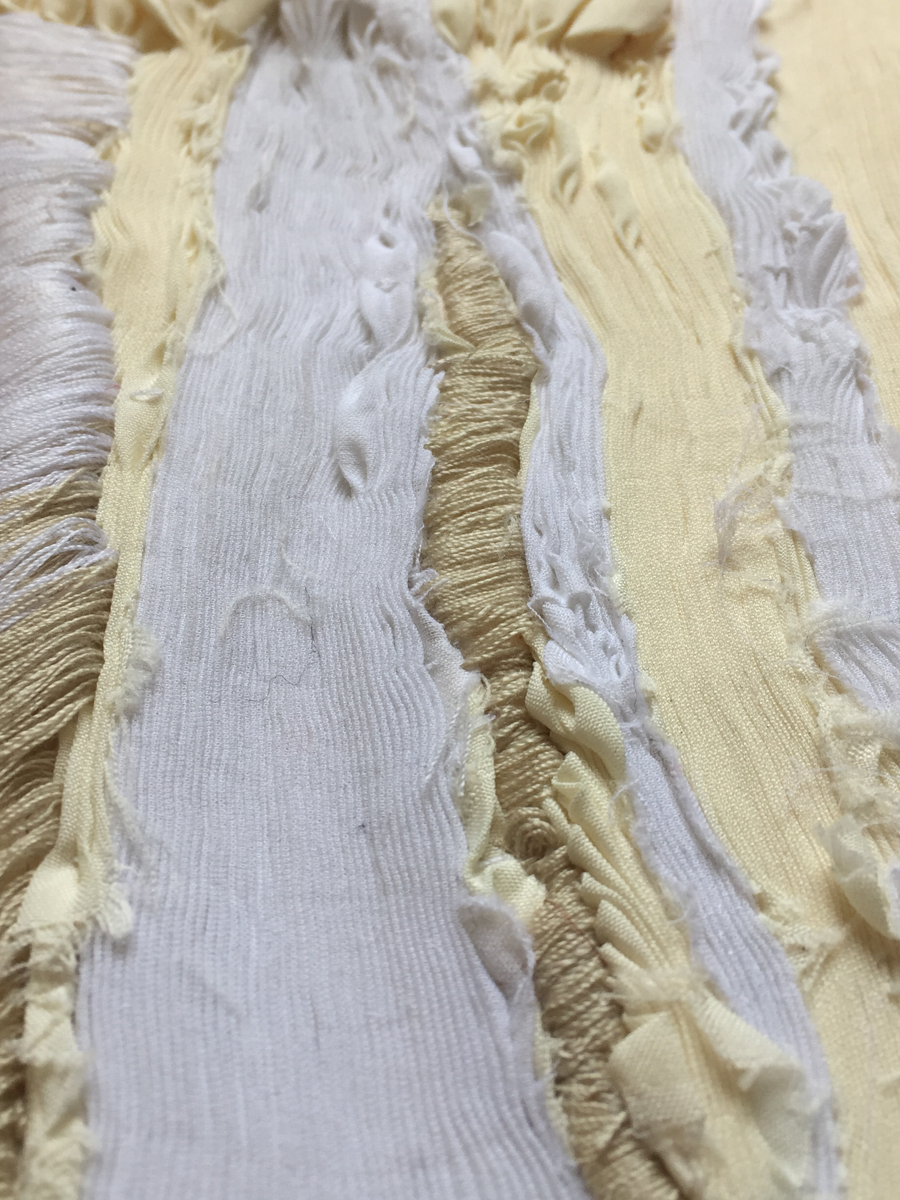
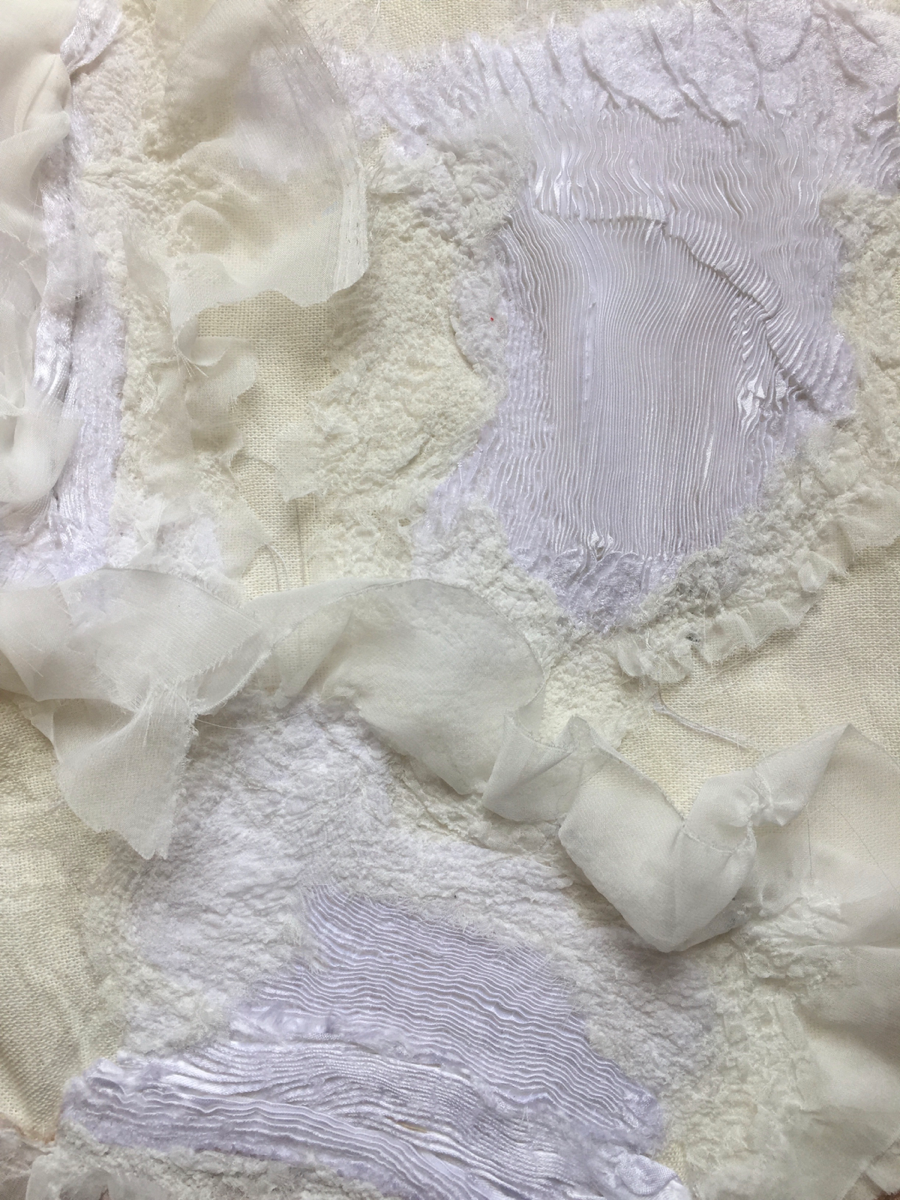
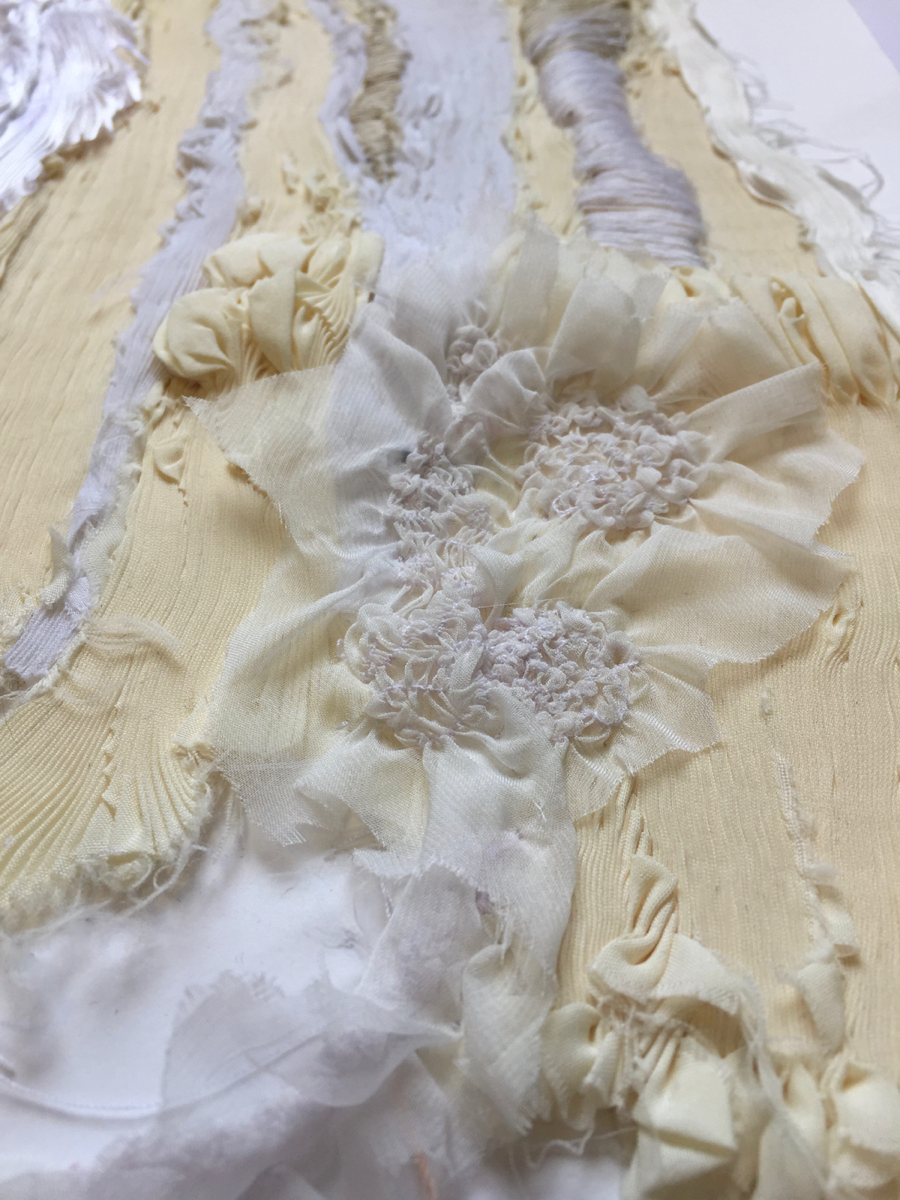
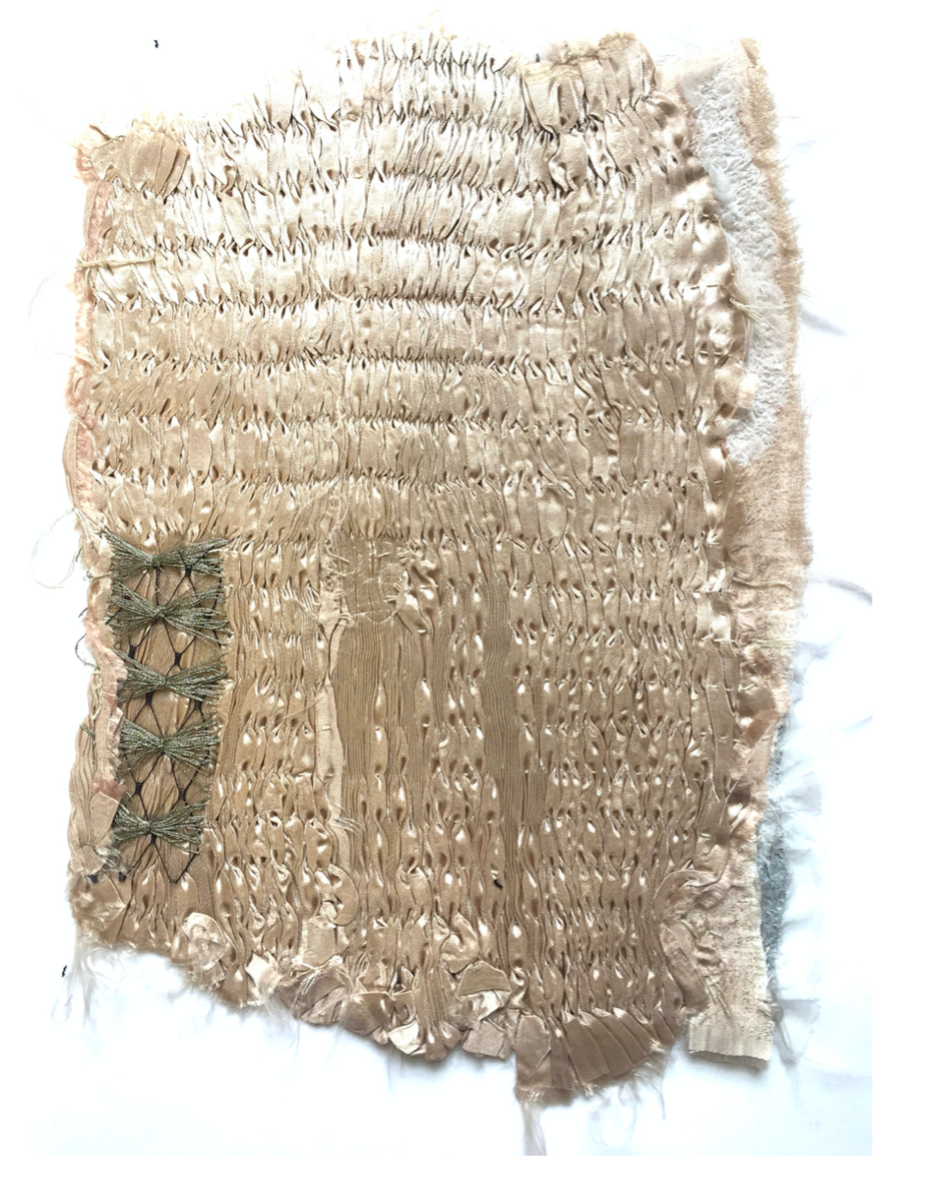
Fabric Designs for fashion and interiors showed at international fashion and textiles trade show Premiere Vision, Paris. A project on 'Revelry' exploring an eccentric, performative character; the Countess Virginia Oldoini. She was known as the mysterious 'selfie' queen of 19th C Parisian society and was Napoleon III mistress. The queen was regarded as narcissistic, continuously capturing herself in frivolity and glamour and 'wedding cake' style luxurious dresses. To materialise the qualities of self-indulgence and tainted glamour I created a dishevelled ‘wedding style' cake with a black decaying inside as a nod towards the sinister nature of her notoriety and decadence. The cake is also a play on the famous quote; 'Let them eat cake' supposedly spoken by the later notorious figure in French society, Marie Antoinette. I experimented with a mixture of robust, rich and delicate fabrics such as corduroy, silk and organza to respond to the layers and qualities of the cake.
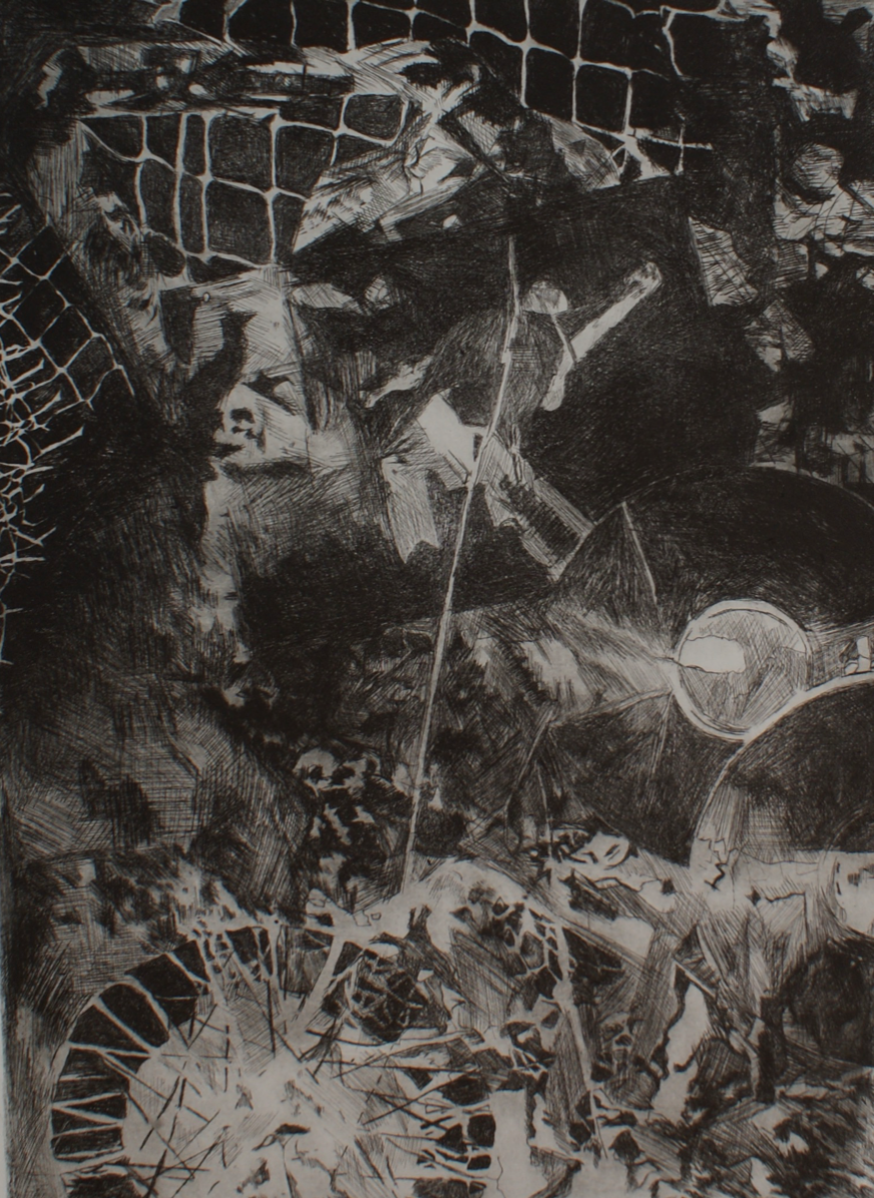
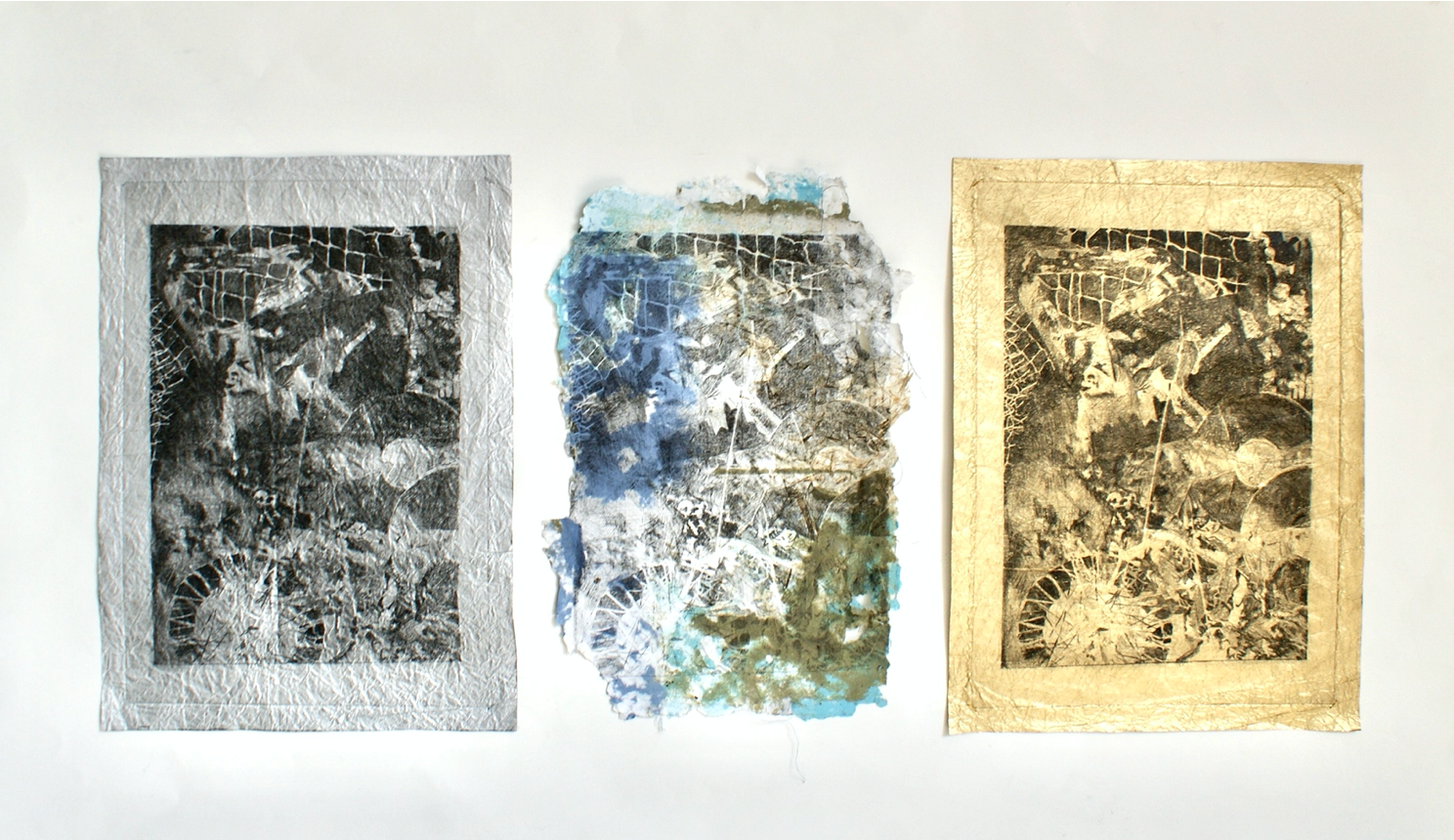
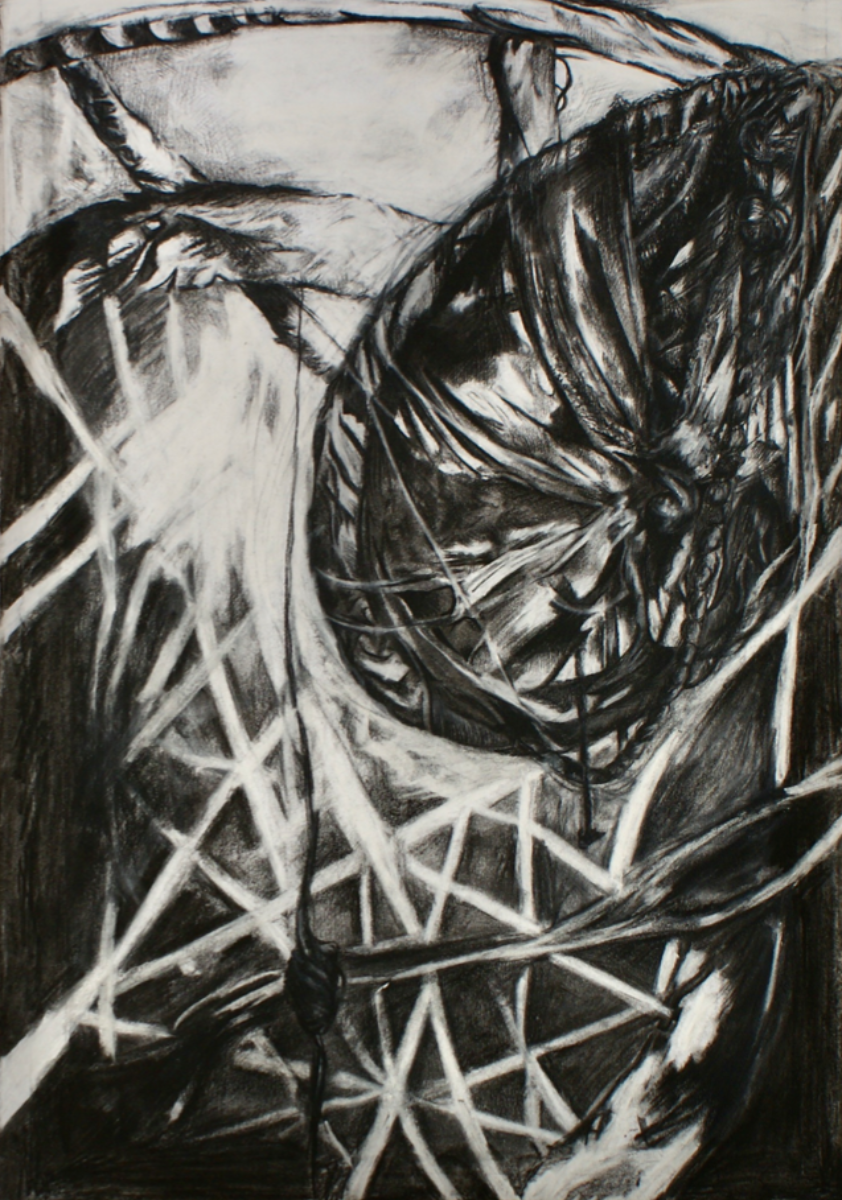
Dry point prints and charcoal drawing
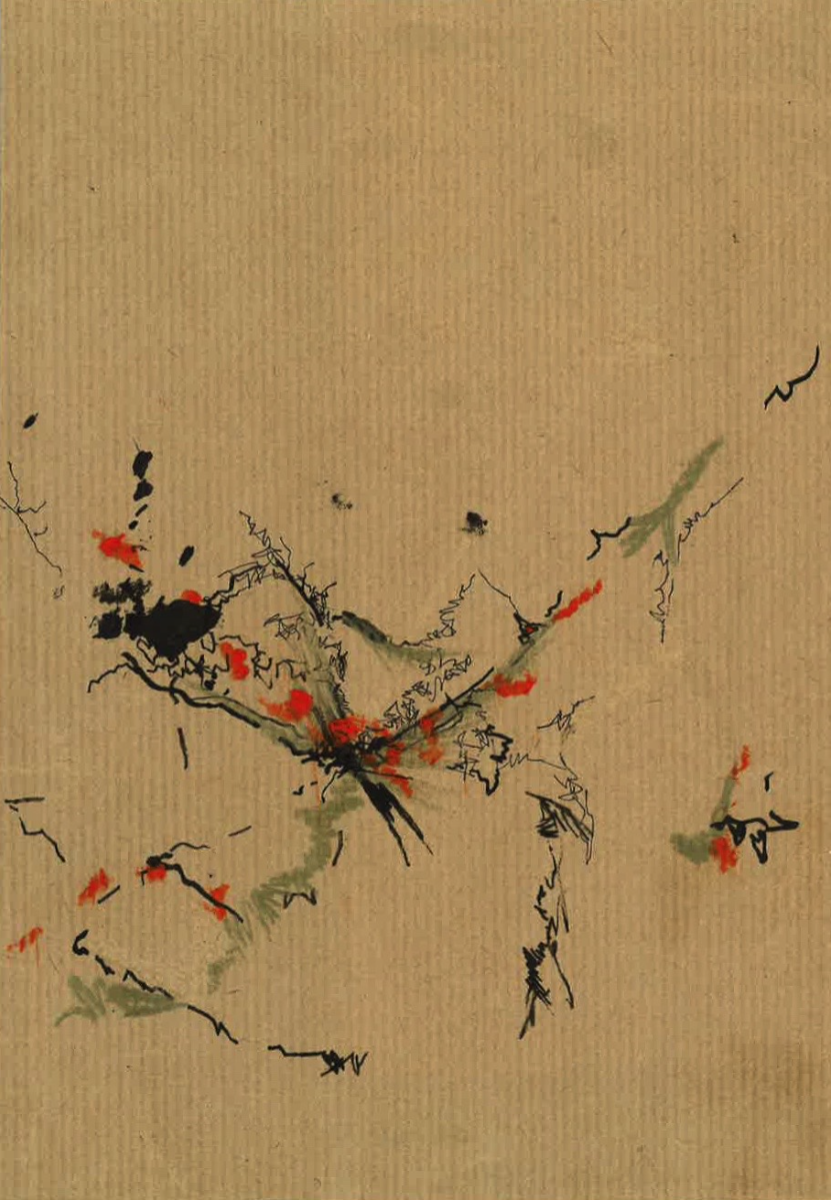
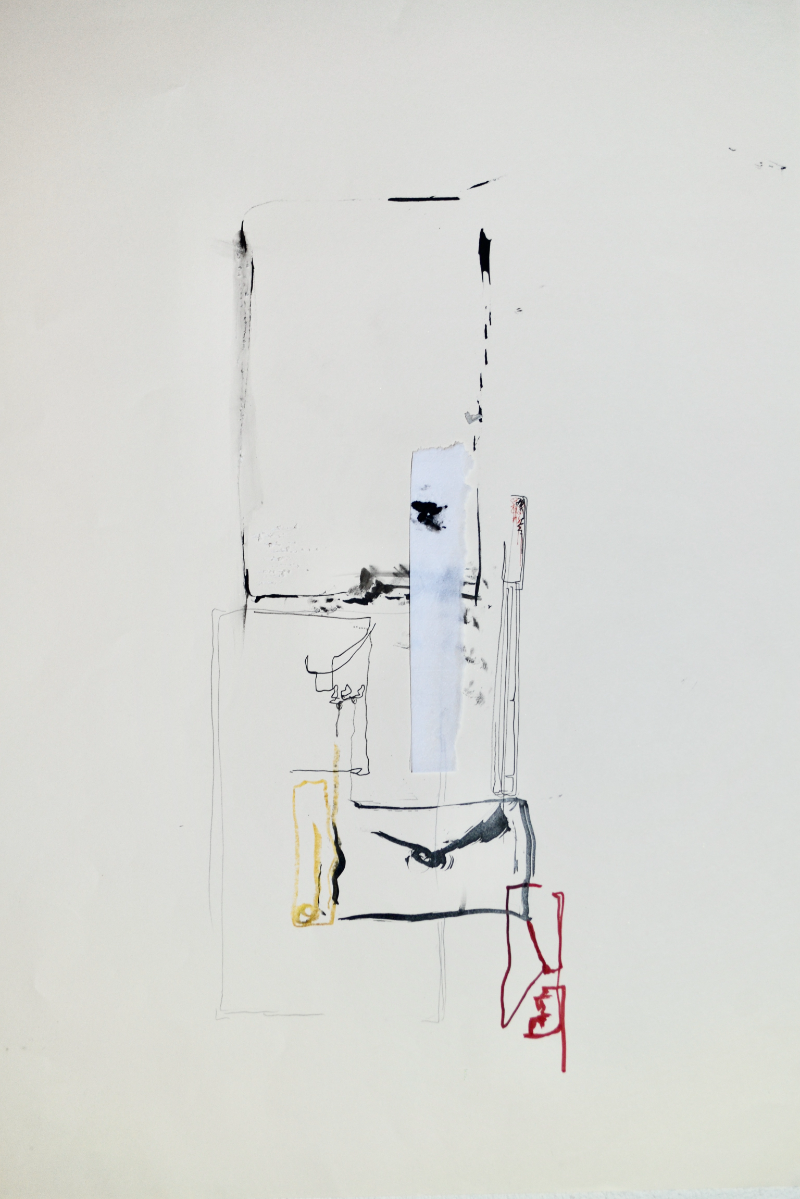
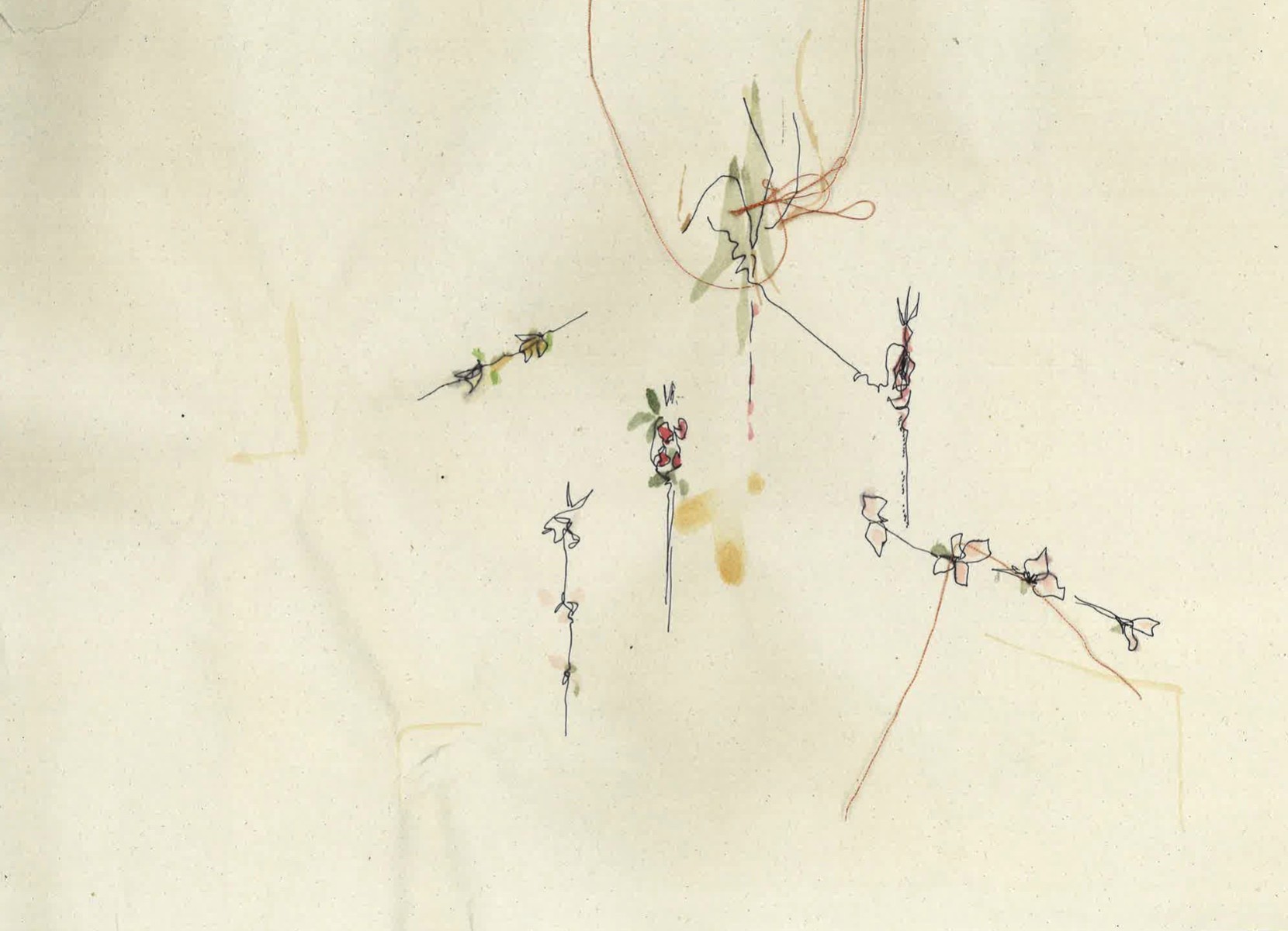
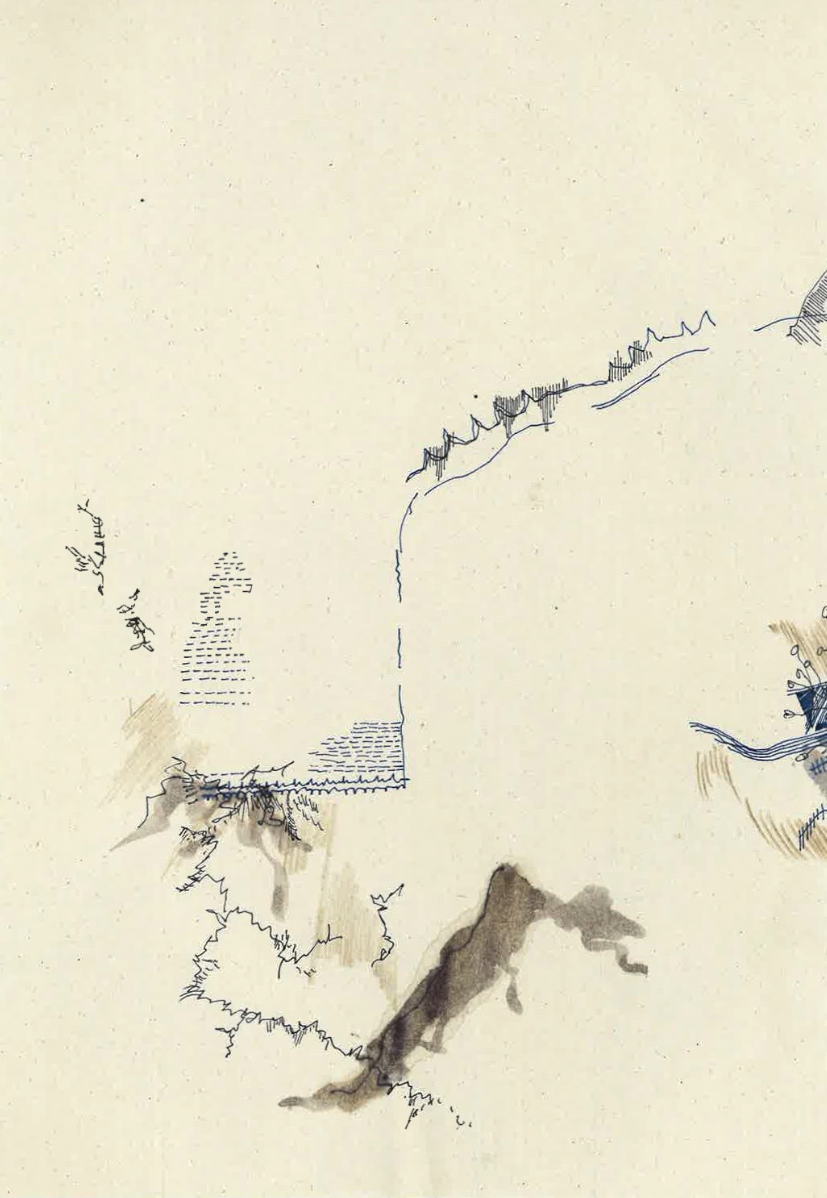
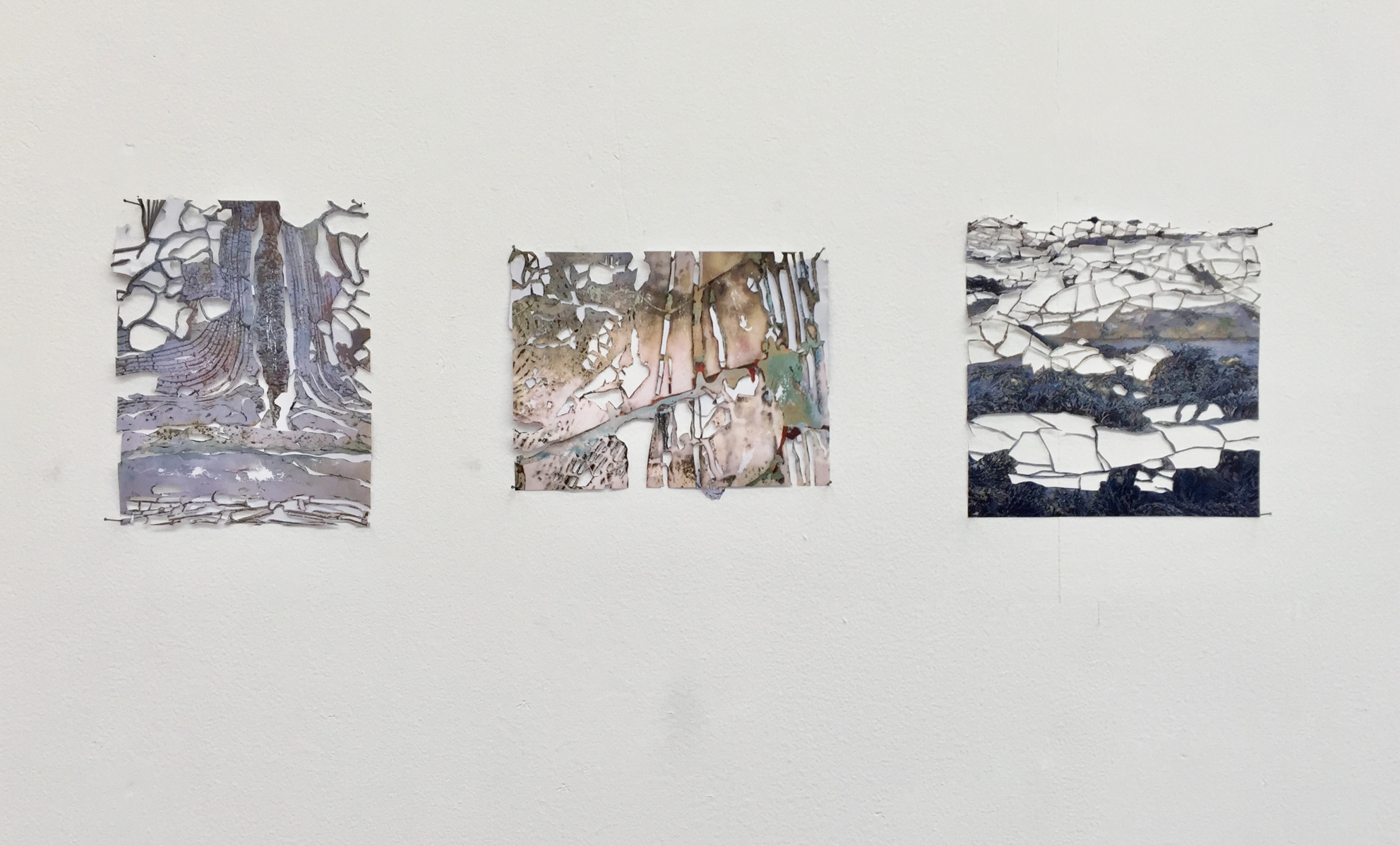
Drawings and sketchbook pages
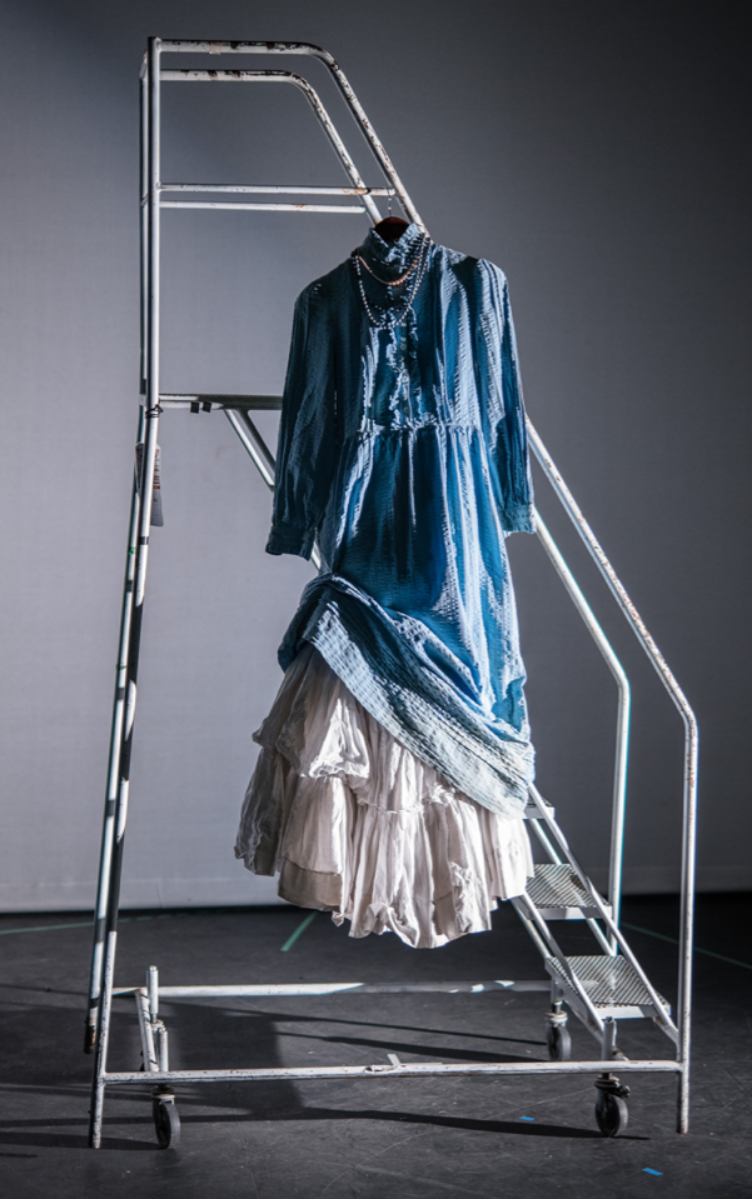
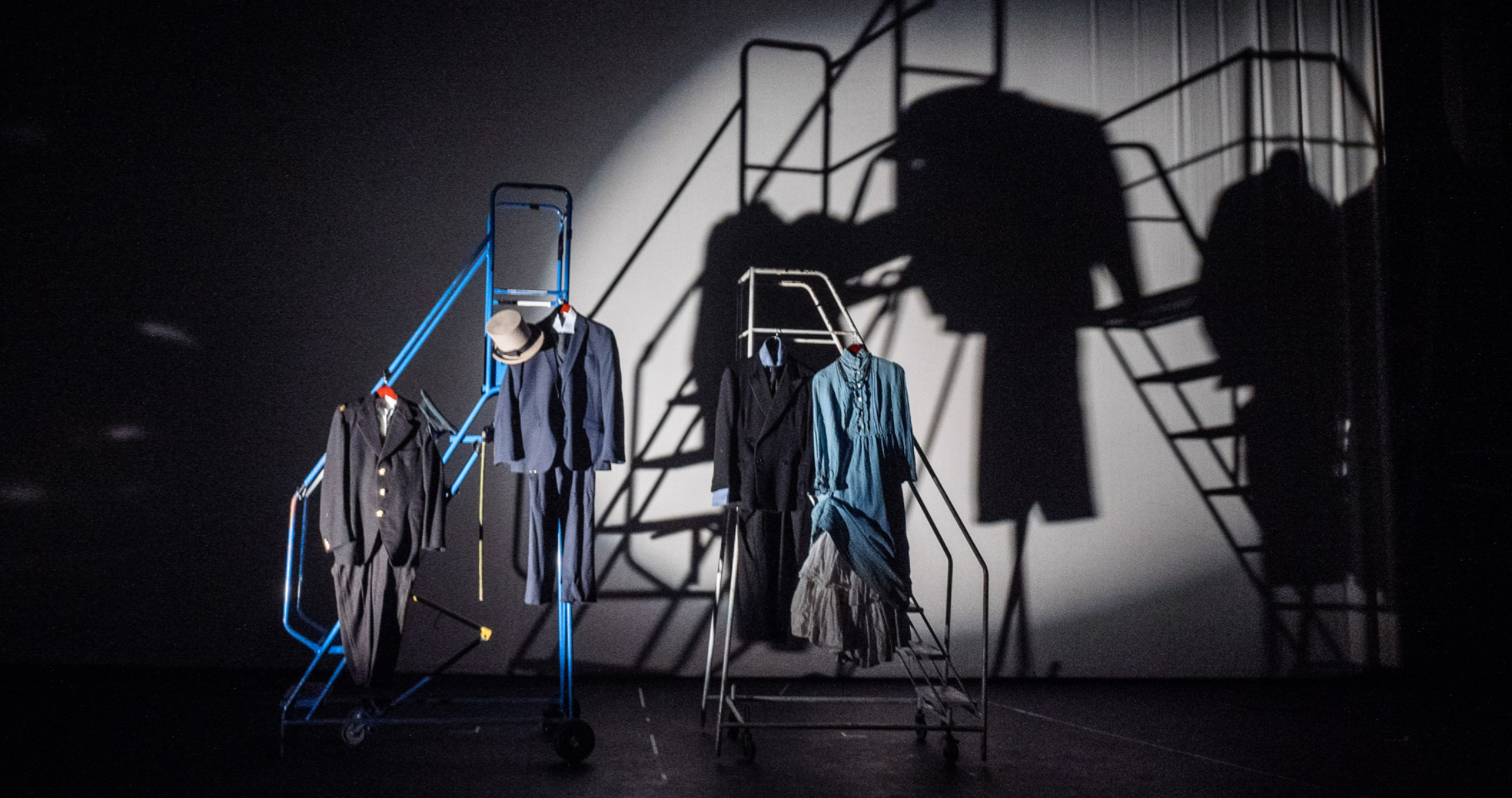
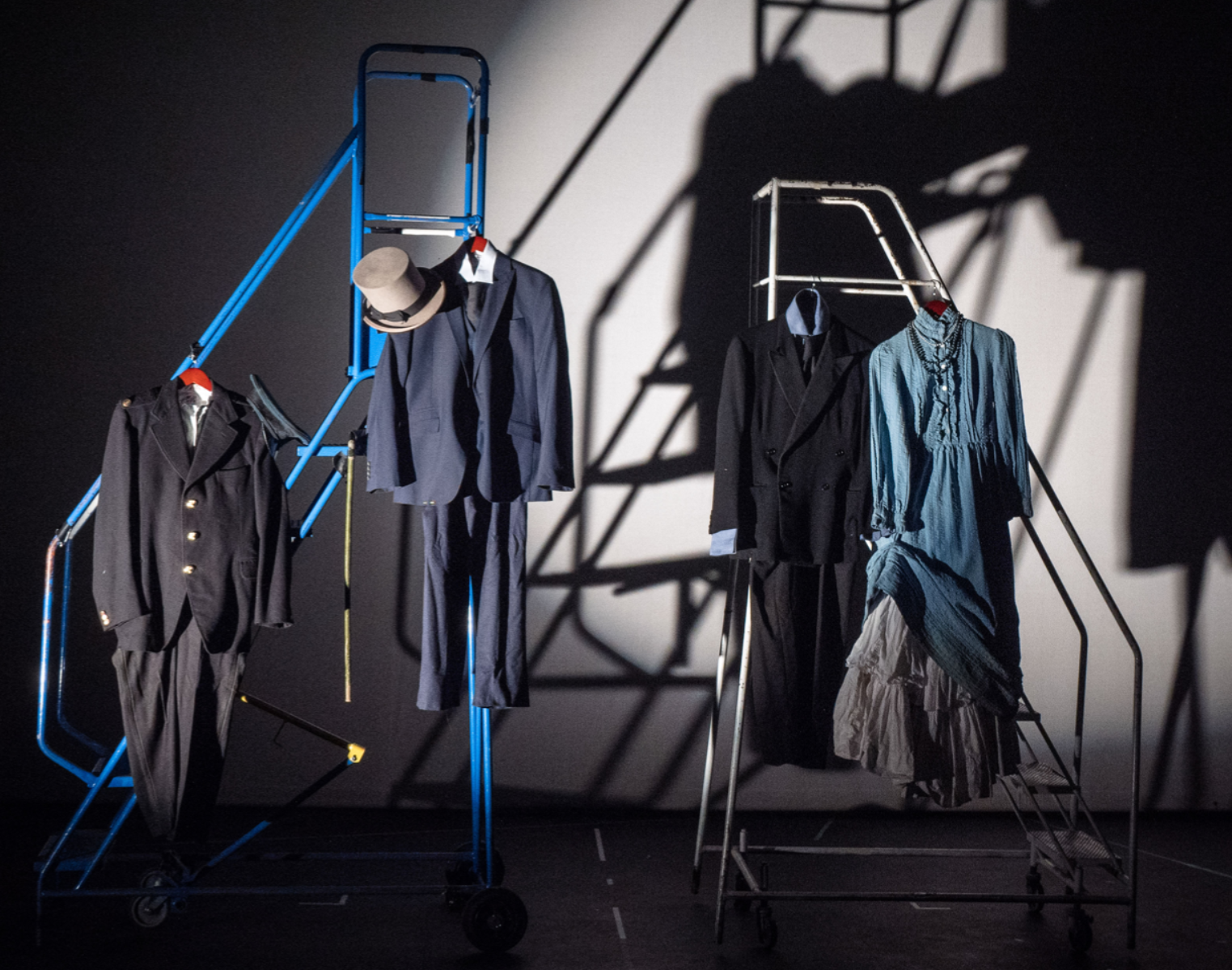
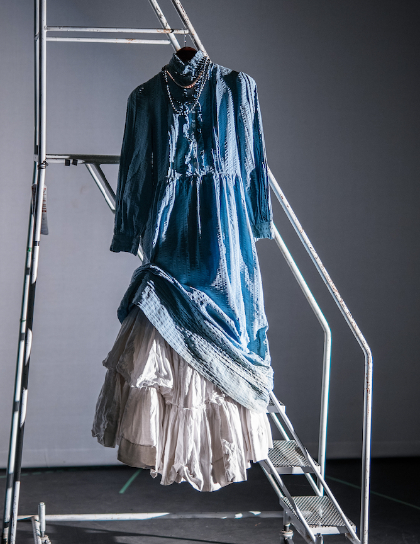
Set and Costume Design for Henrik Ibsen's An Enemy of The People, Wickham Theatre, Bristol. Costume Design - Jordanna Seal and Joanna Cann Photography - Pete Wiccomb Sound Design- Chephren Parker and Woody Cook Set Design - Jordanna Seal, Joanna Cann, Jasmine Wittcomb and Emma Lightening Design - Zihan and Pete Wiccomb DSM - Sophia Jordana Seal and I created costumes for the characters of the Mayor, Dr Stockman, Mrs Stockman and Captain Horster. We chose traditional clothing of the 1880's in which the play was written and originally staged. We chose a sustainable approach to costuming in using pre-used costumes but re-realising the garments through fabric manipulation, hand- dying and sewn on additions. We used a colour palette of blue tones to compliment the lighting and set design. The modern and industrial ladders juxtapose the traditional 1880's costume reflecting how the political and social themes of the play of freedom of speech and abuse of power are prevalent today. The set design elevates the characters and their conflict. The ladders are reminiscent of Es Devlin's set design of cubes for Kayne West and Jay Z's Watch the Throne Tour. They elevate the artist showing their isolation in power and influence creating an interesting spectacle of characters that become an enemy of the people.
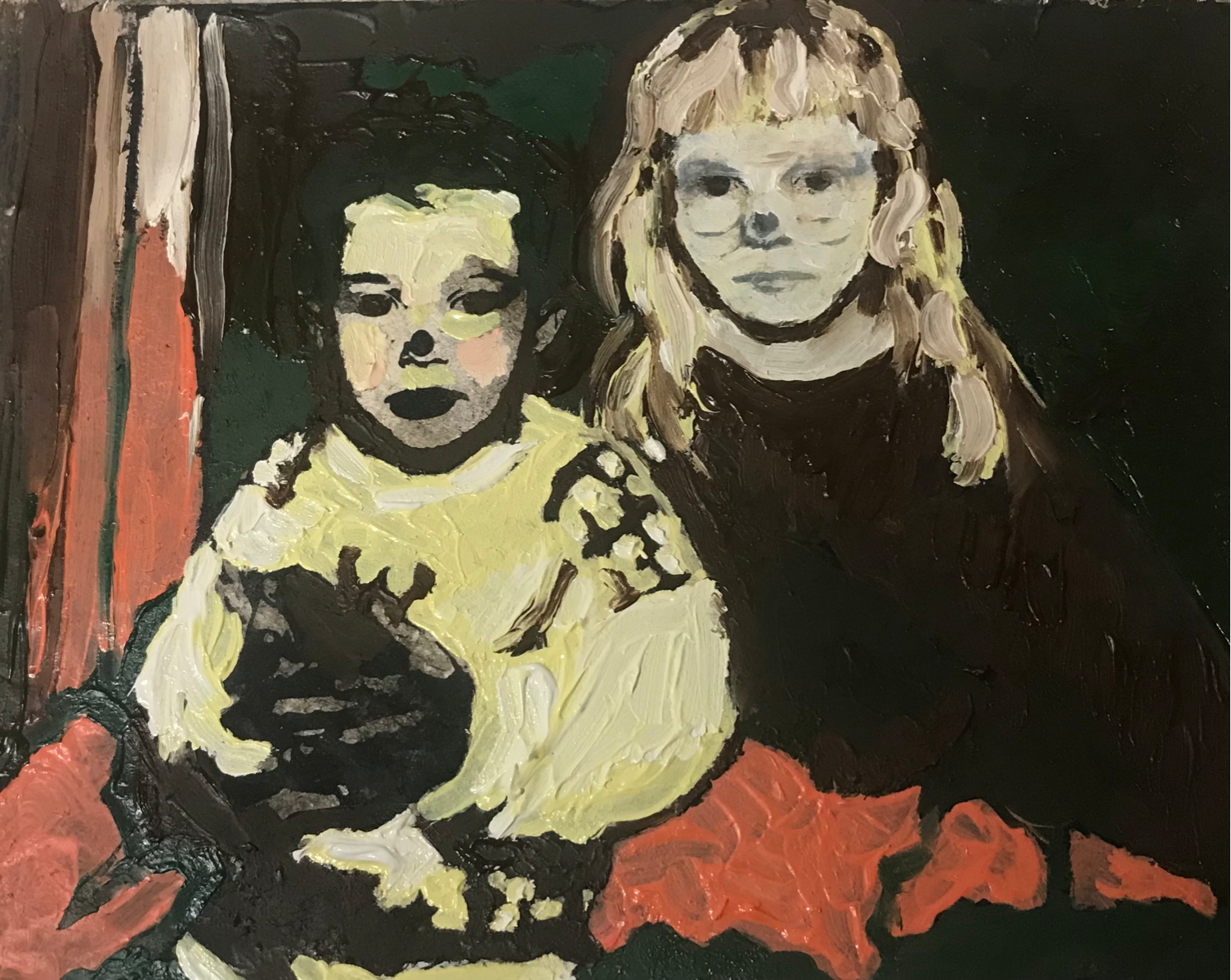
Oil paint on wood