Kaia waite
Fine Art BA Hons
Massey University College of Creative Arts
Specialisms: Fine Art / Painting /
Location: Wellington, New Zealand
Kaia waite
First Name: Kaia
Last Name: waite
Specialisms: Fine Art / Painting
Sectors:
My Location: Wellington, New Zealand
University / College: Massey University College of Creative Arts
Course / Program Title: Fine Art BA Hons
About
Kaia Waite (Ngāpuhi, Ngāi Tahu)
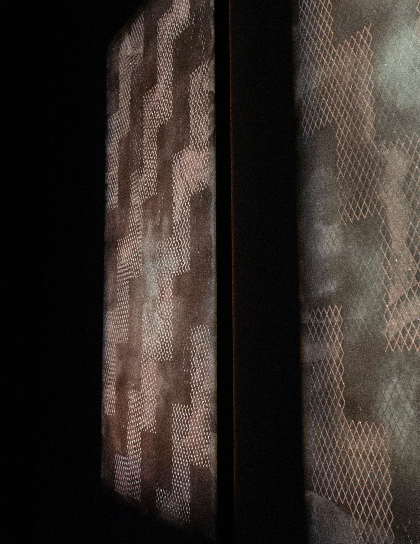
I am a painter based in Pōneke, originally from Waihi. My practice is bound by whakapapa, unfolding as an ongoing journey of cultural reclamation and identity exploration. Within the framework of mātauranga Māori, I critically engage with my creative processes through a kaupapa Māori methodology that prioritises Māori values, ethics, and worldviews. This approach acknowledges the interconnectedness of people, place, and history, positioning my work as both a personal and collective act of reconnection.
In dialogue with customary toi Māori, I employ contemporary methods and technologies to interpret customary forms in ways that speak to the experience of being Māori today. I draw from tukutuku, kākahu, and taonga such as my grandfather’s tokotoko, reworking these forms as vessels for memory and inheritance. Light, surface, and repetition are central to my mahi—they conceal and reveal, mirroring the layered, often fragmented paths of reclaiming identity.
By engaging with patterns, symbols, and narratives from my whakapapa, I pursue a visual language that activates a conversation between past and present. The whakataukī “Ka mua, ka muri”—a reflection on the cyclical nature of time, meaning “walking backwards into the future”—resonates deeply within my practice, drawing attention to the convergence of contemporary and customary ideas. This perspective reflects my evolving identity and contributes to broader conversations about contemporary toi Māori.
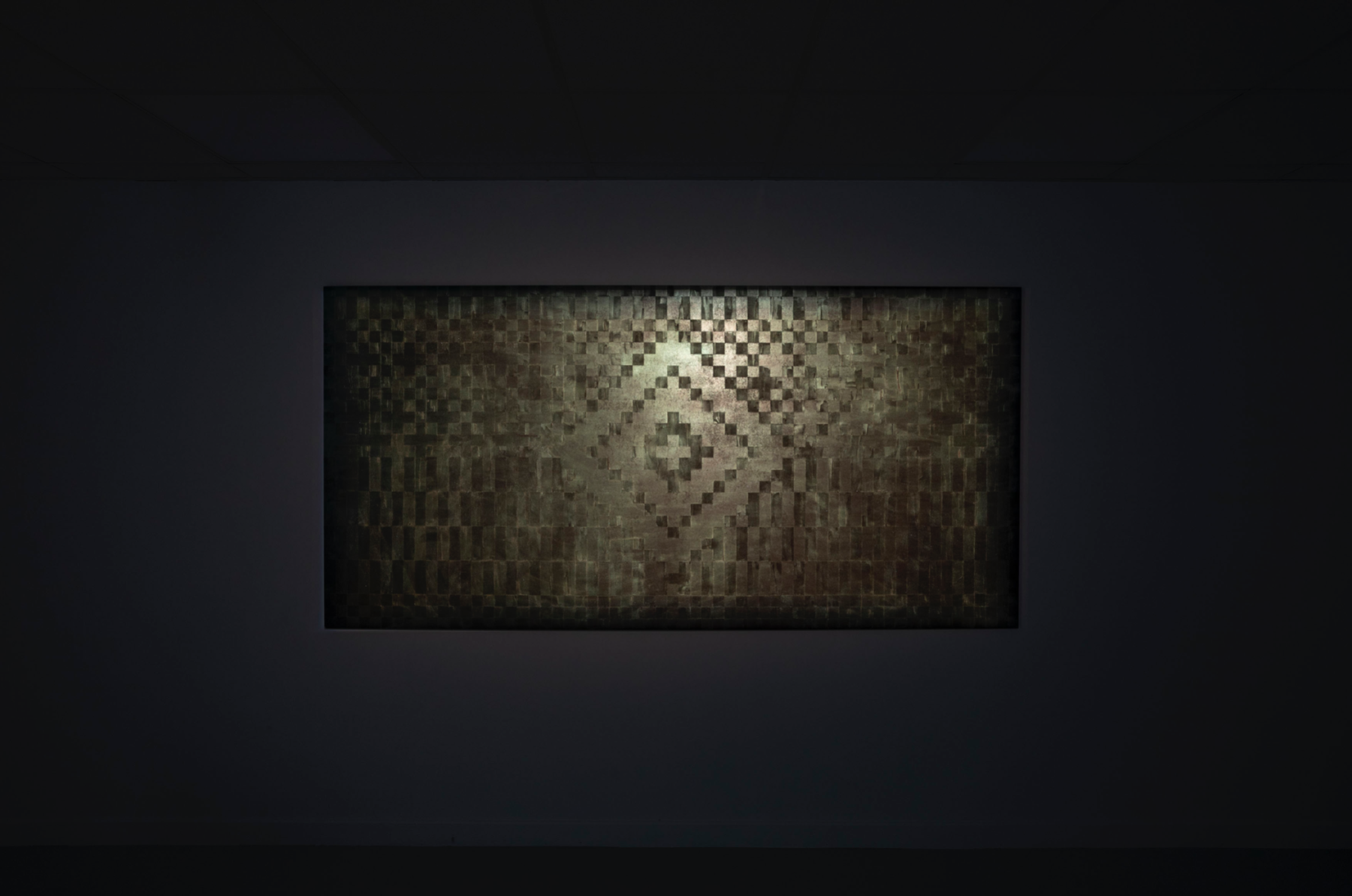
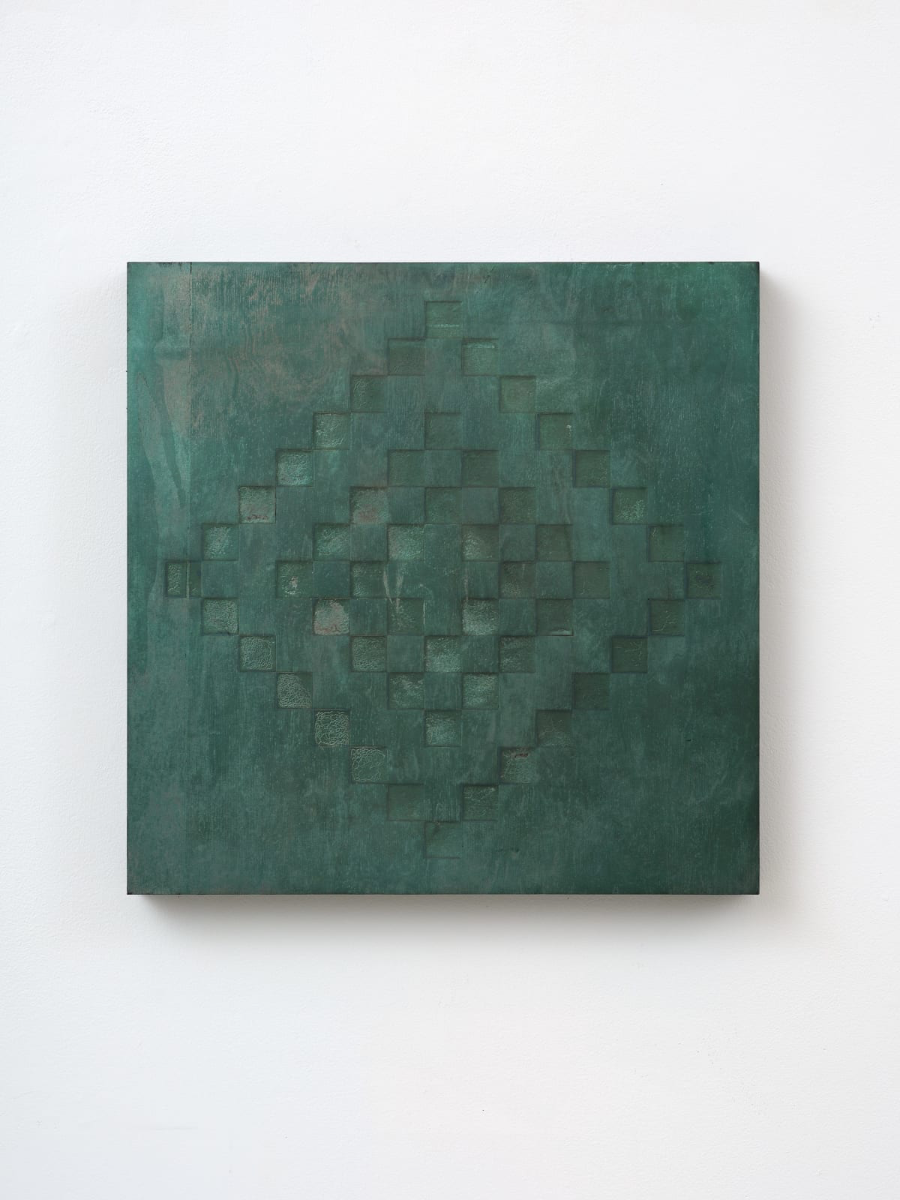
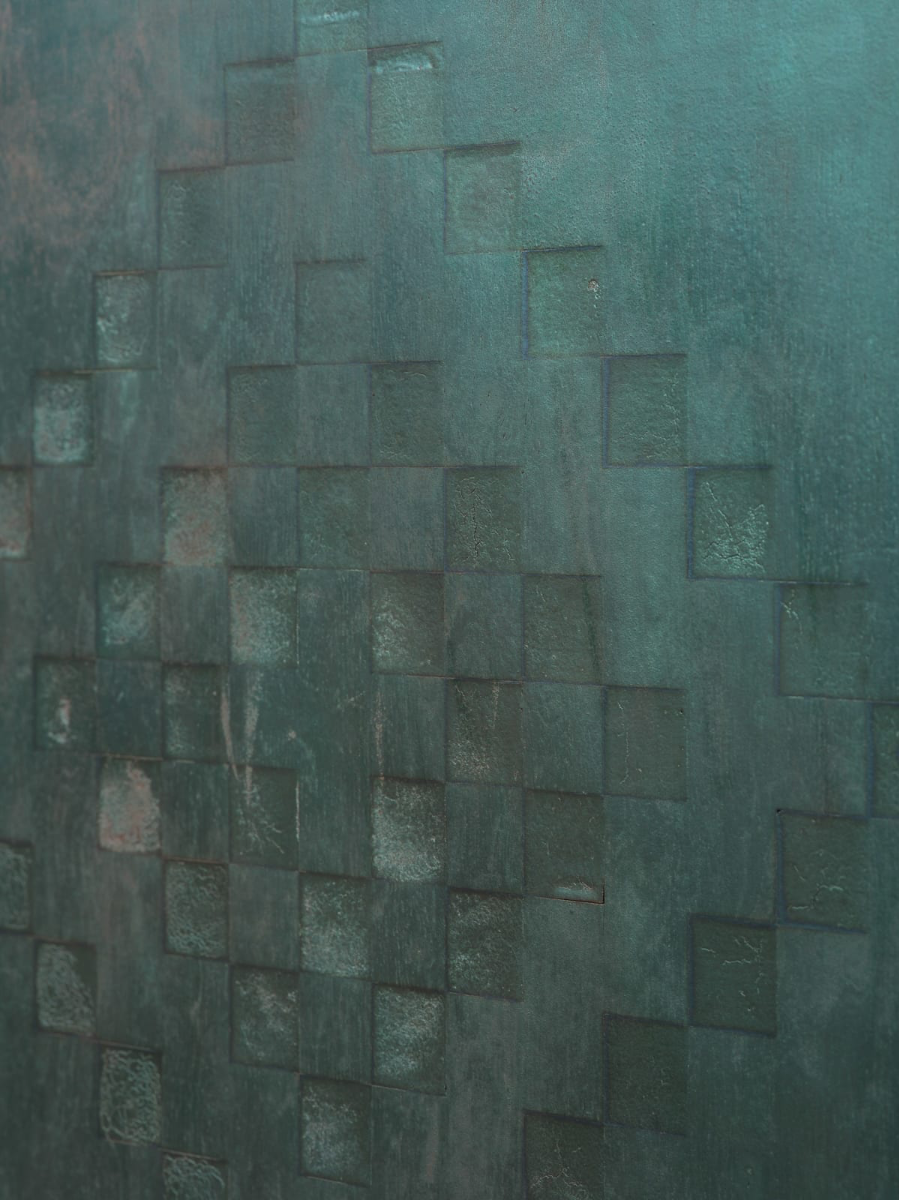
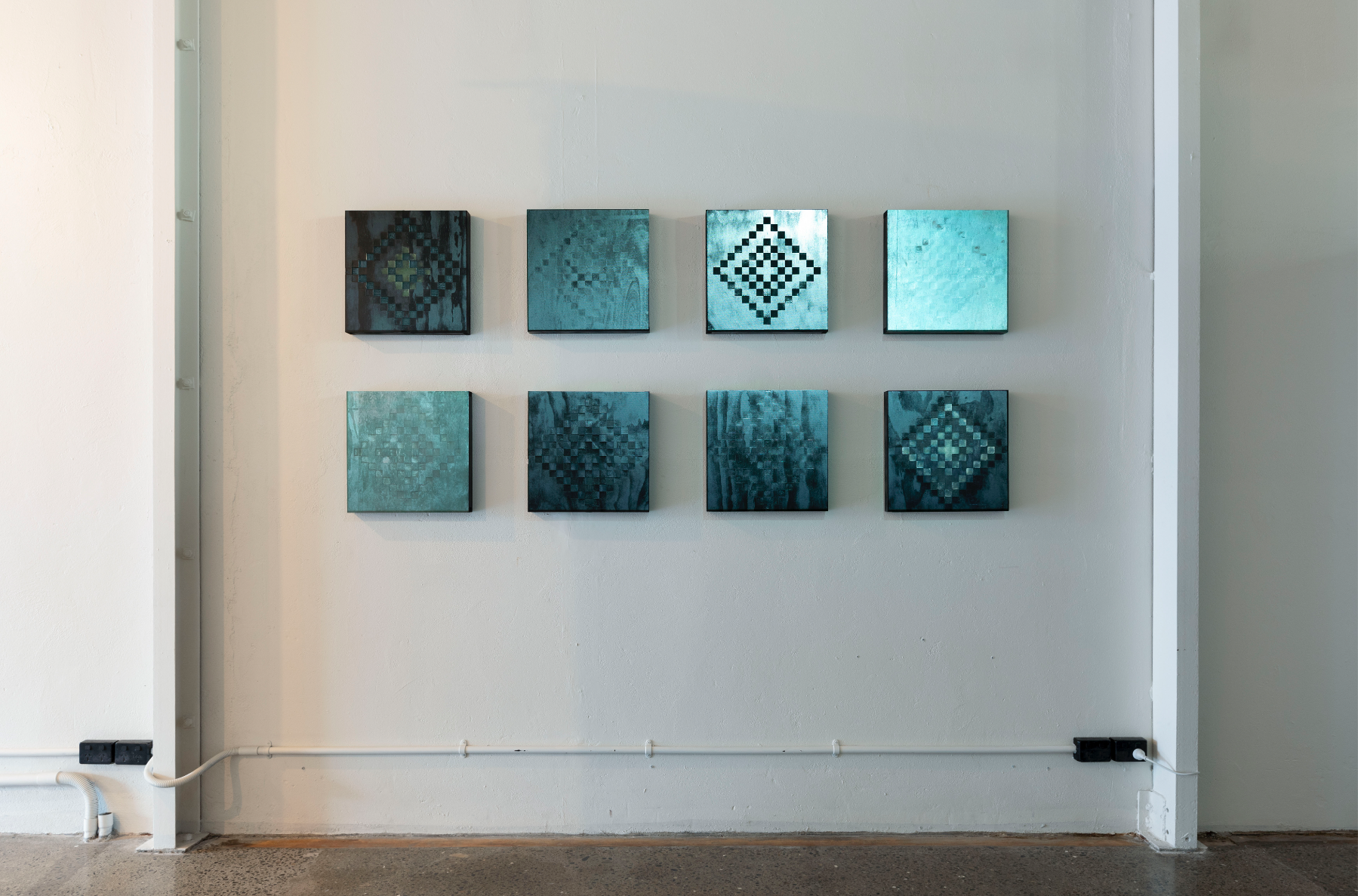
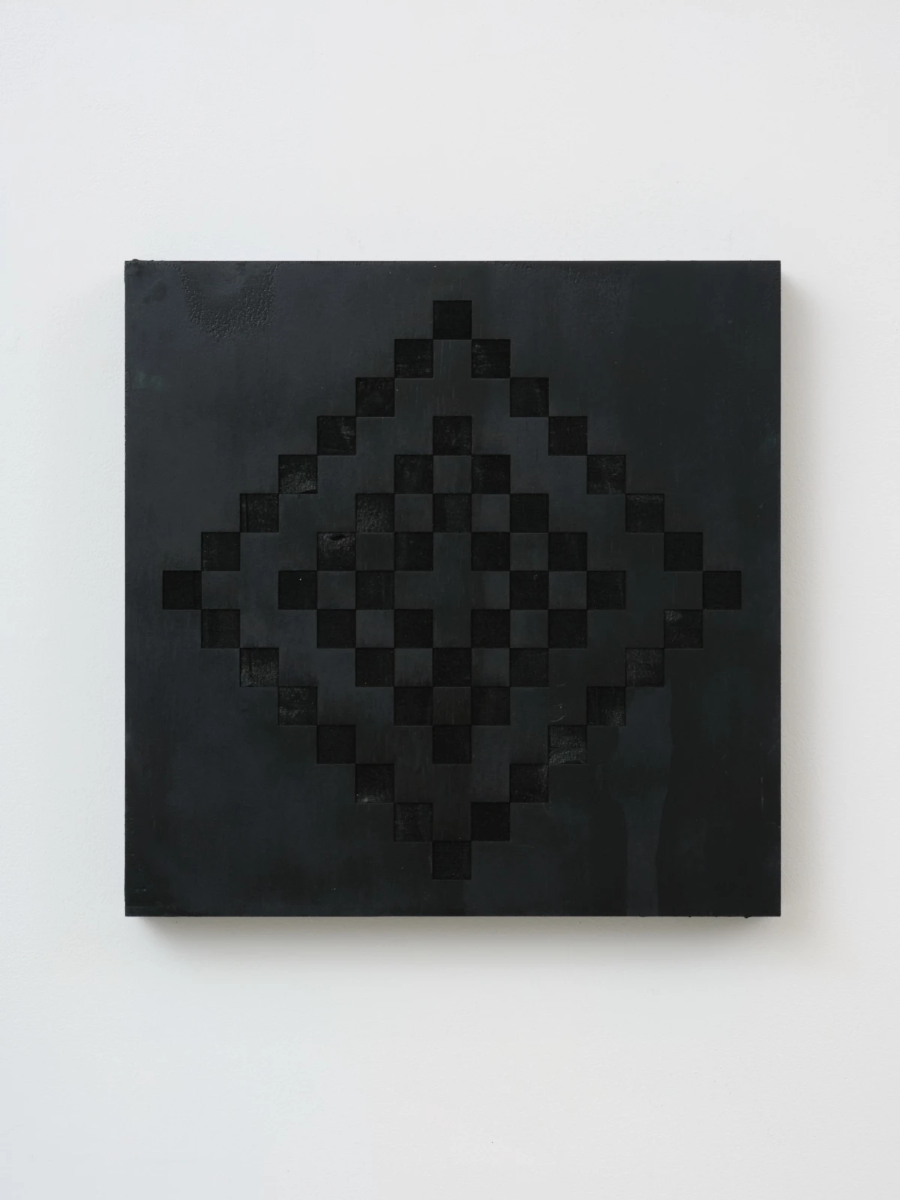
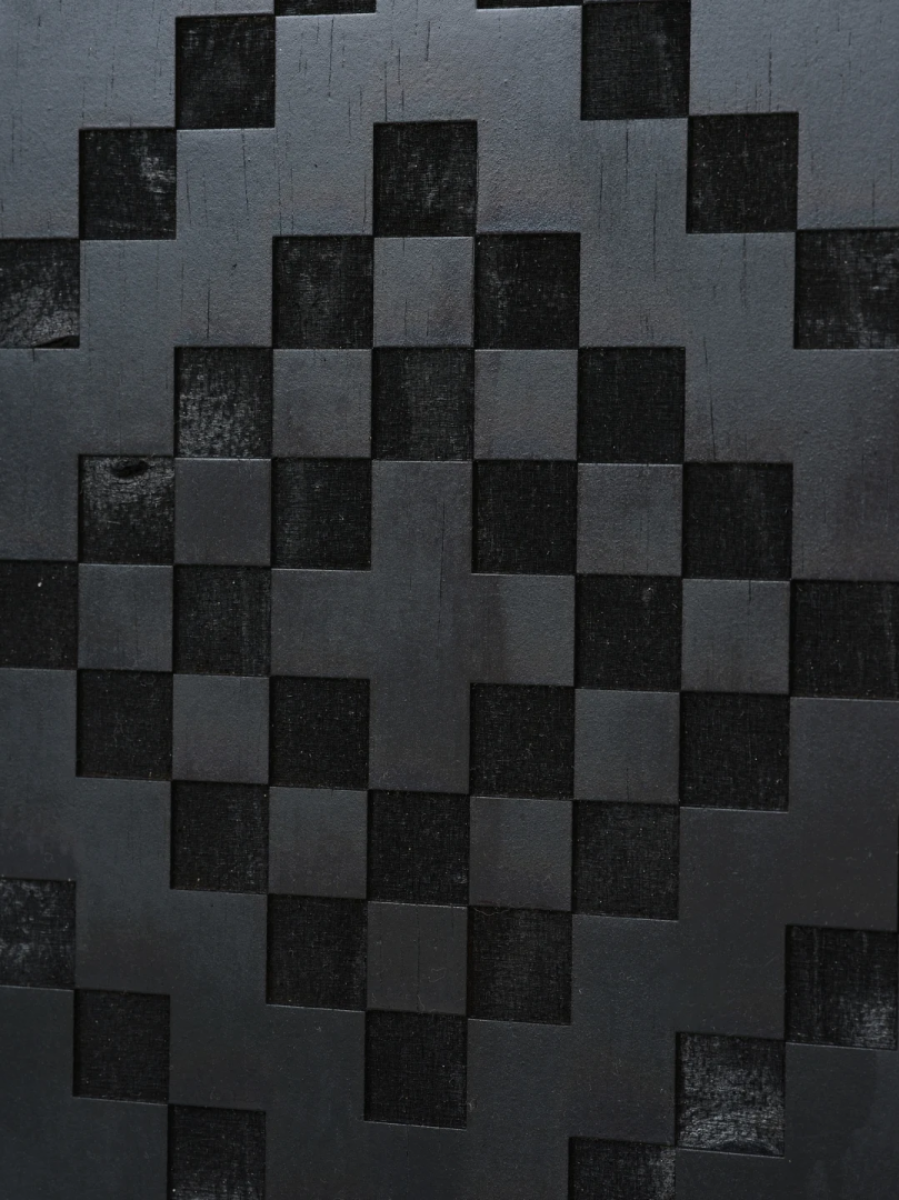
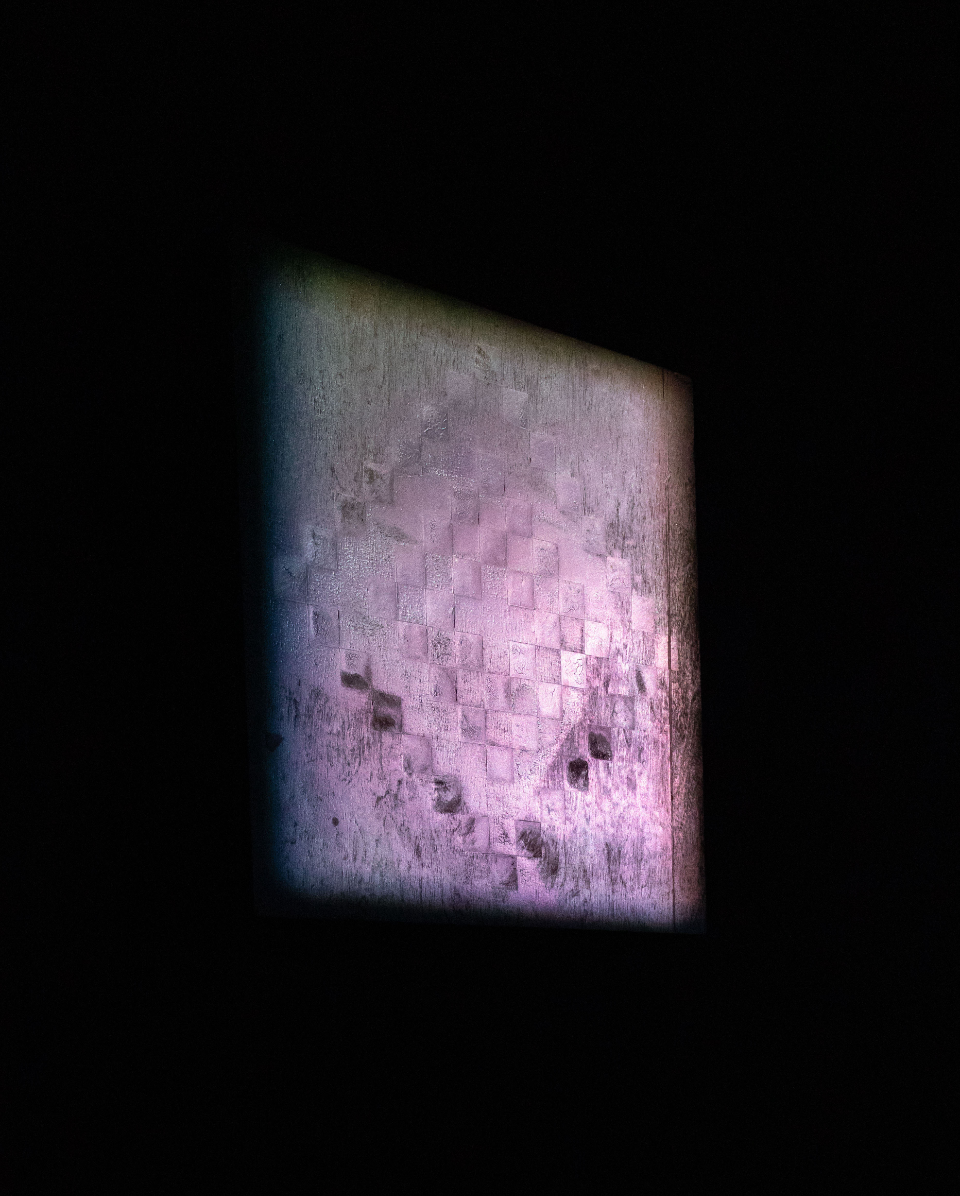
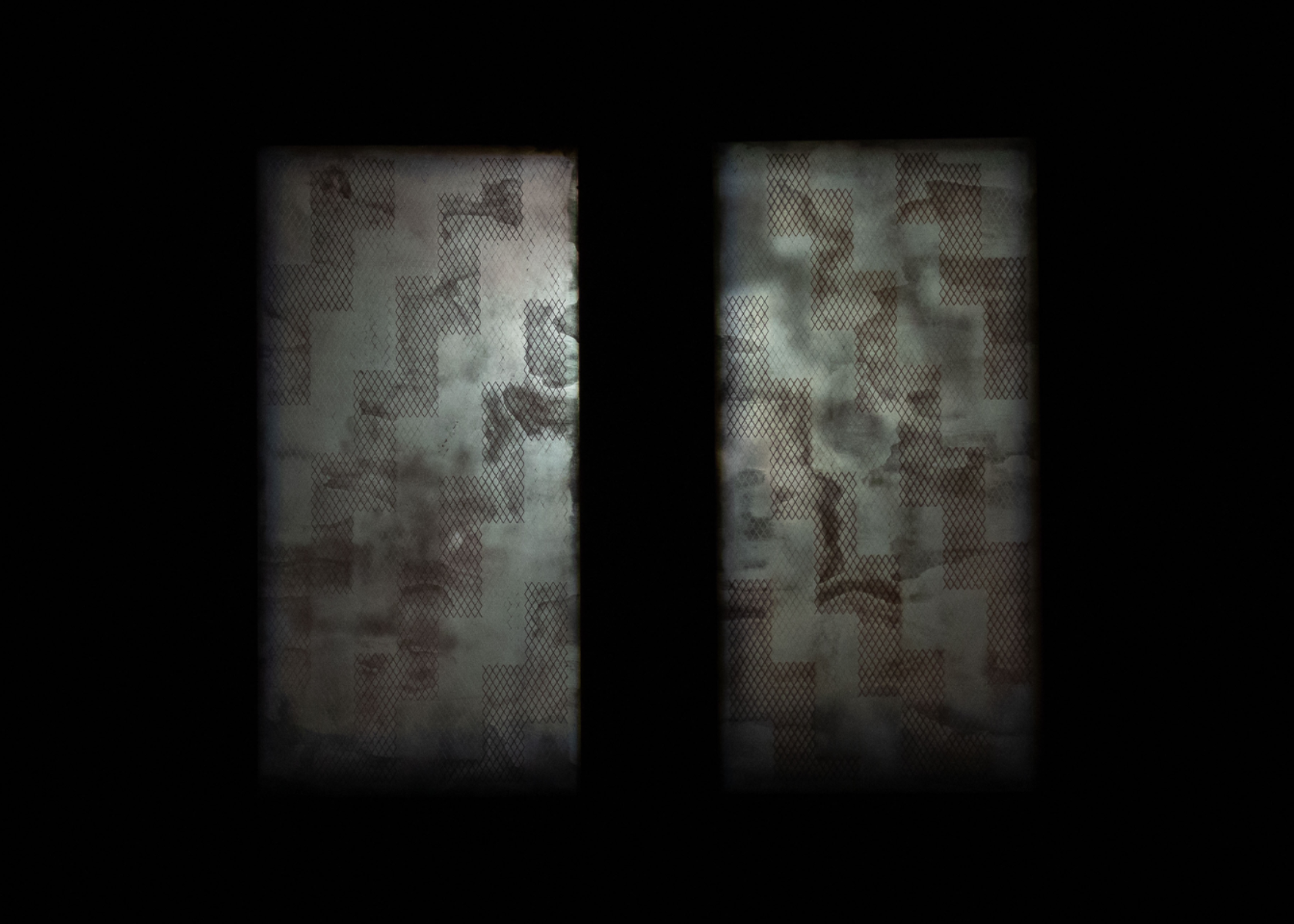
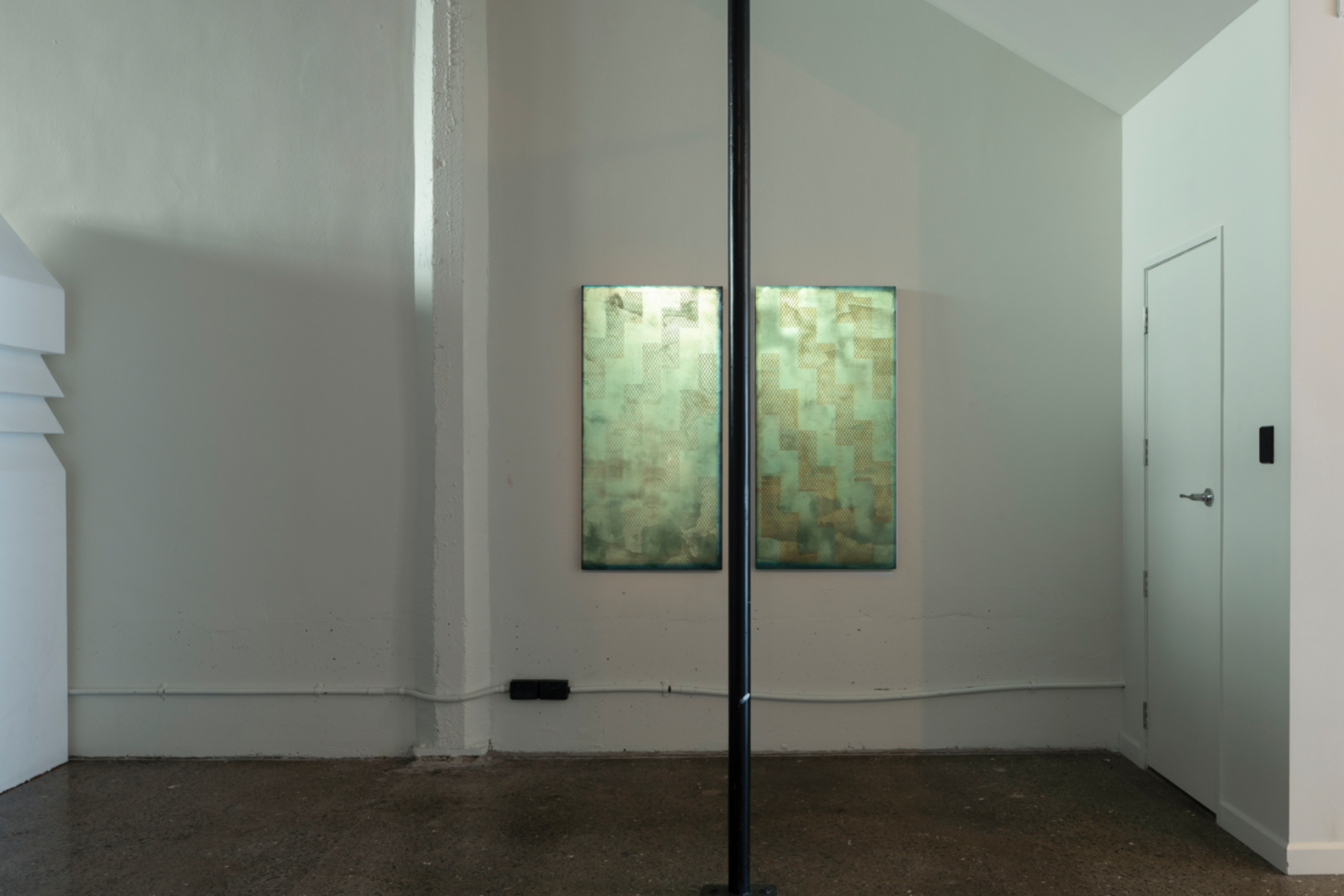
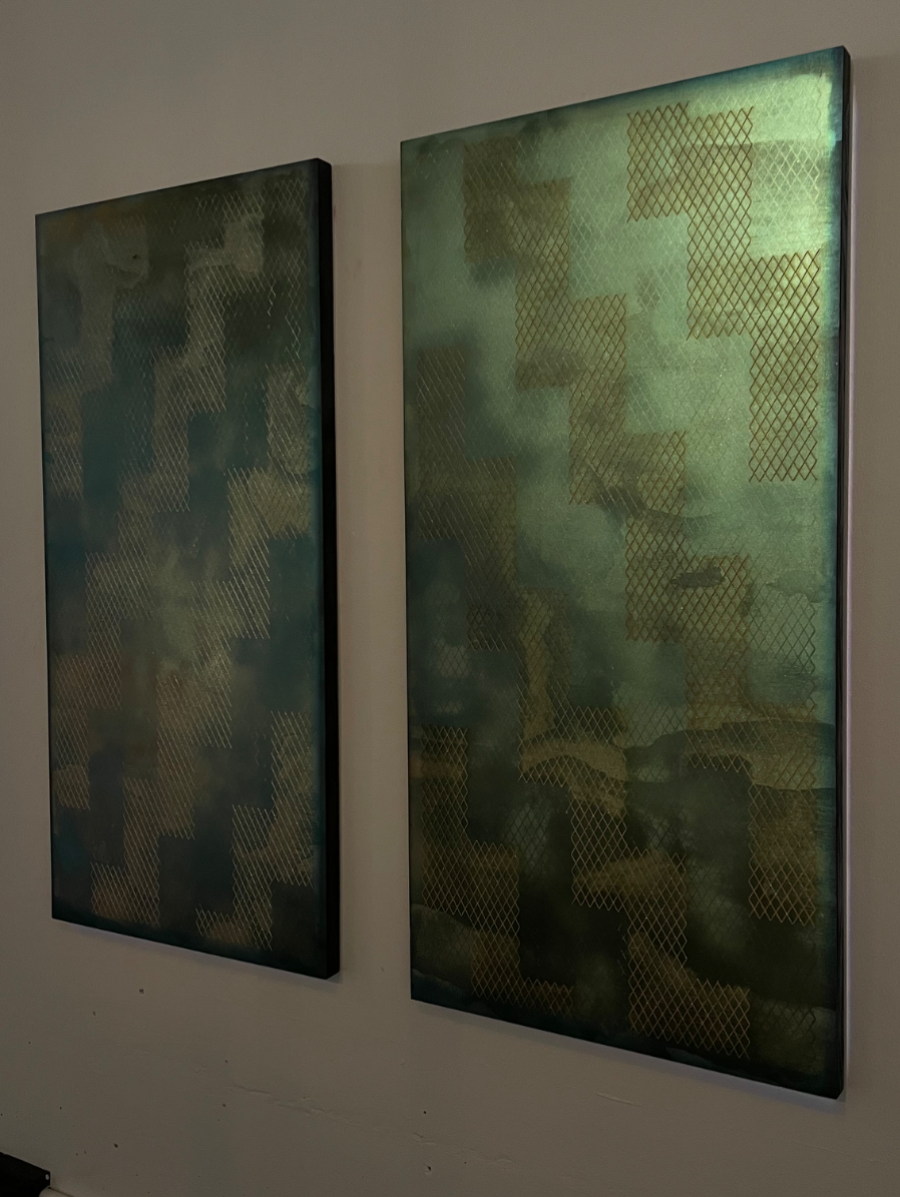
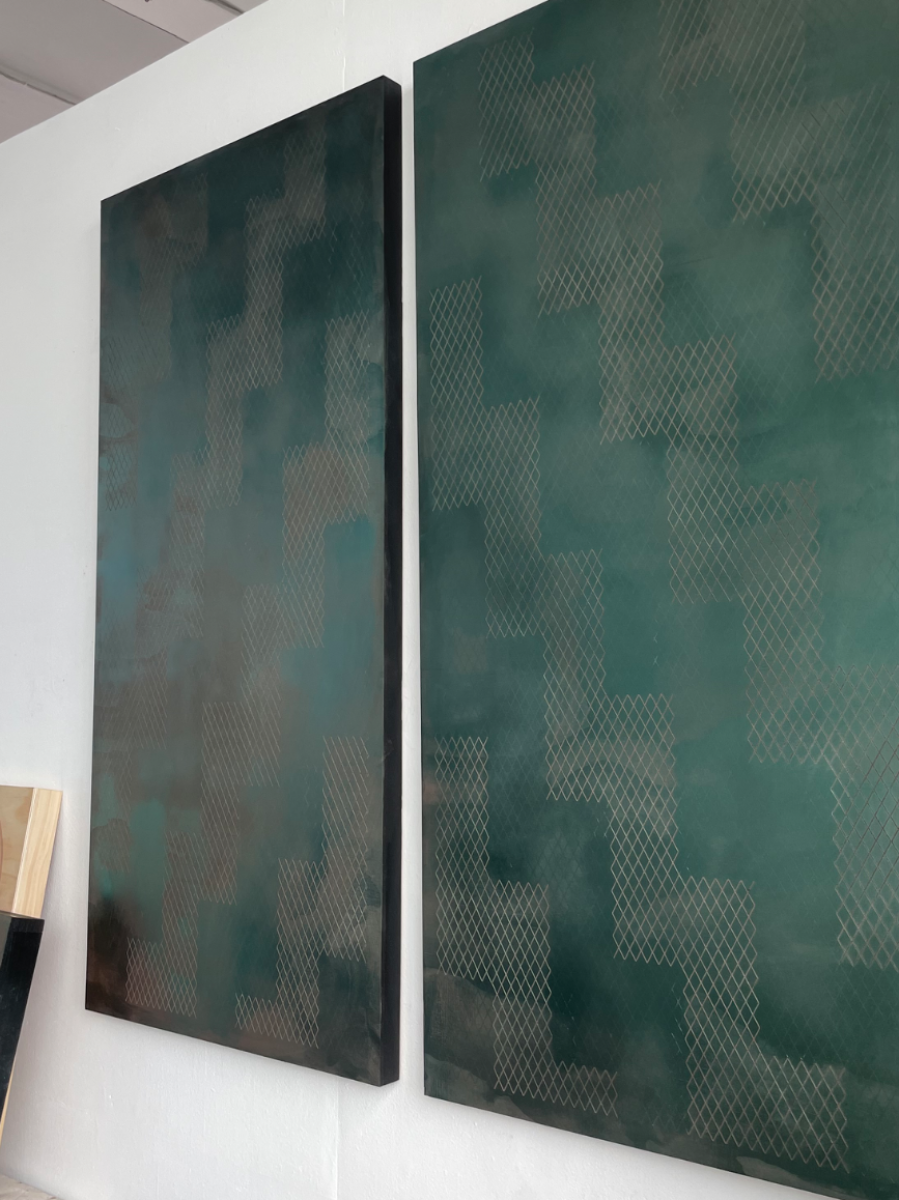
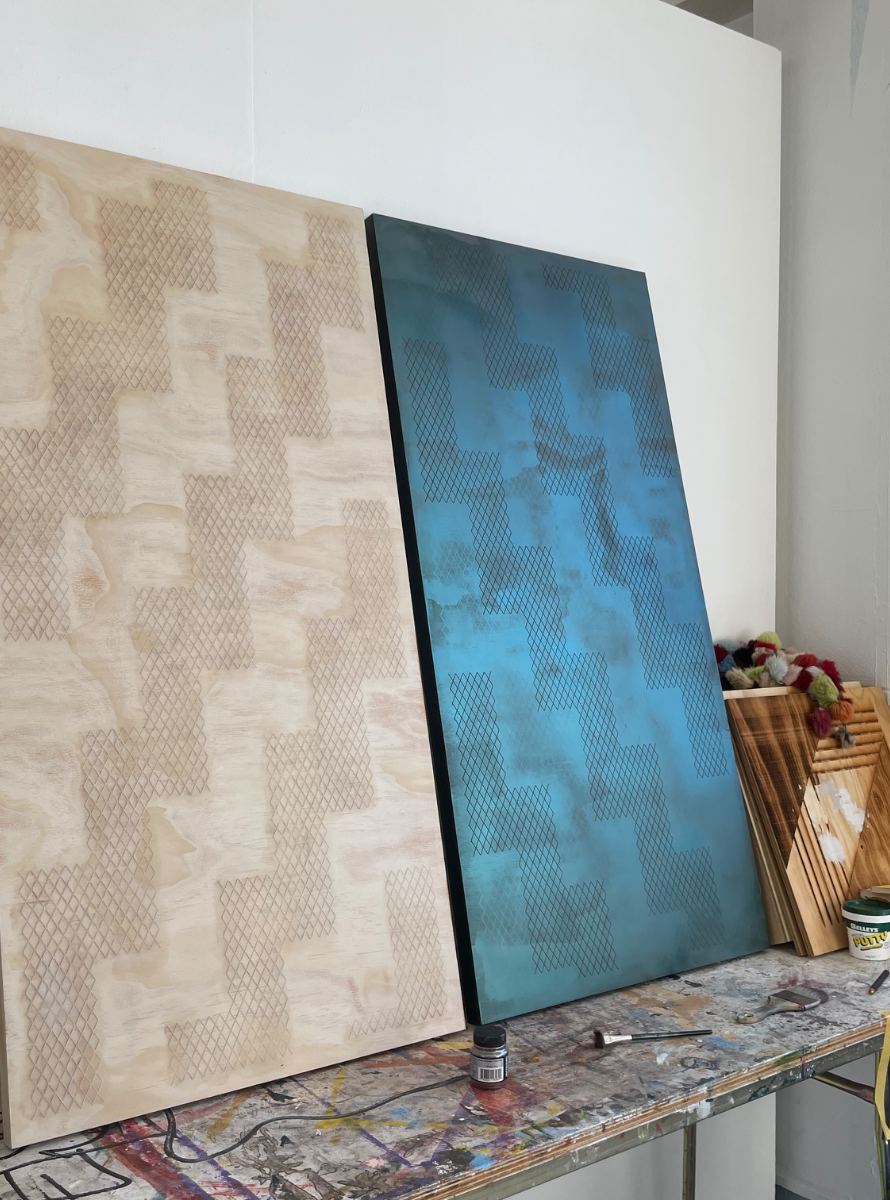
My practice, grounded in whakapapa, explores cultural reclamation and identity through a kaupapa Māori framework that honours Māori values, ethics, and worldviews. I work with painting and laser-etched woodwork, drawing from tukutuku, kākahu, and taonga such as my grandfather’s tokotoko as vessels for memory and inheritance. Light, surface, and repetition conceal and reveal, echoing the layered, often fragmented process of reclaiming identity. By reinterpreting customary forms with contemporary methods, I create a visual language that bridges past and present. Guided by the whakataukī “Ka mua, ka muri”, my work becomes both personal reflection and part of the wider conversation on contemporary toi Māori.
Competitions