Senuji de Silva
Fashion BA Hons
Northumbria University
Specialisms: Fashion Product Development / Textiles / Womenswear
Location: Newcastle upon Tyne, United Kingdom

Senuji de Silva
First Name: Senuji
Last Name: de Silva
Specialisms: Fashion Product Development / Textiles / Womenswear
Sectors:
My Location: Newcastle upon Tyne, United Kingdom
University / College: Northumbria University
Course / Program Title: Fashion BA Hons
About
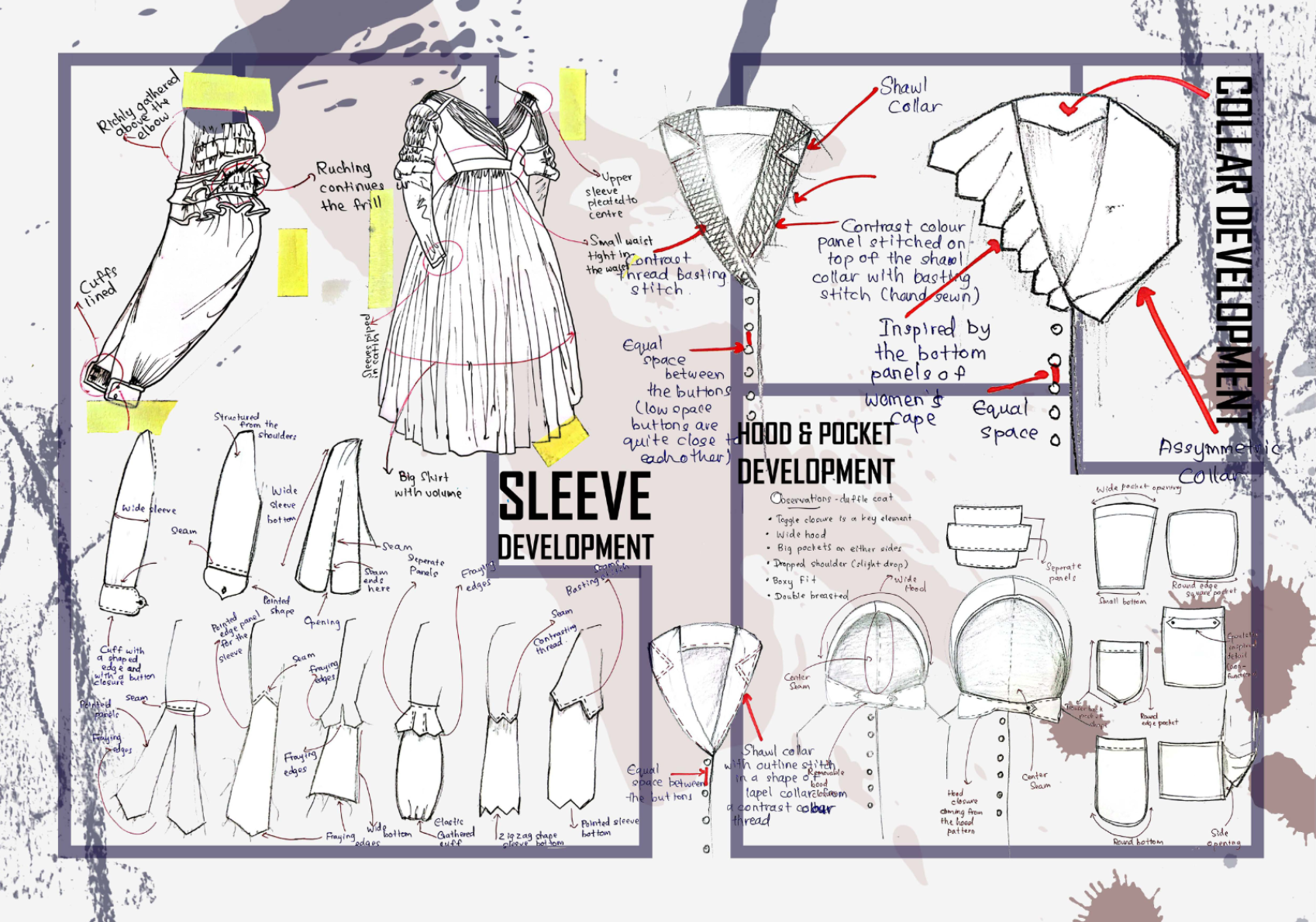
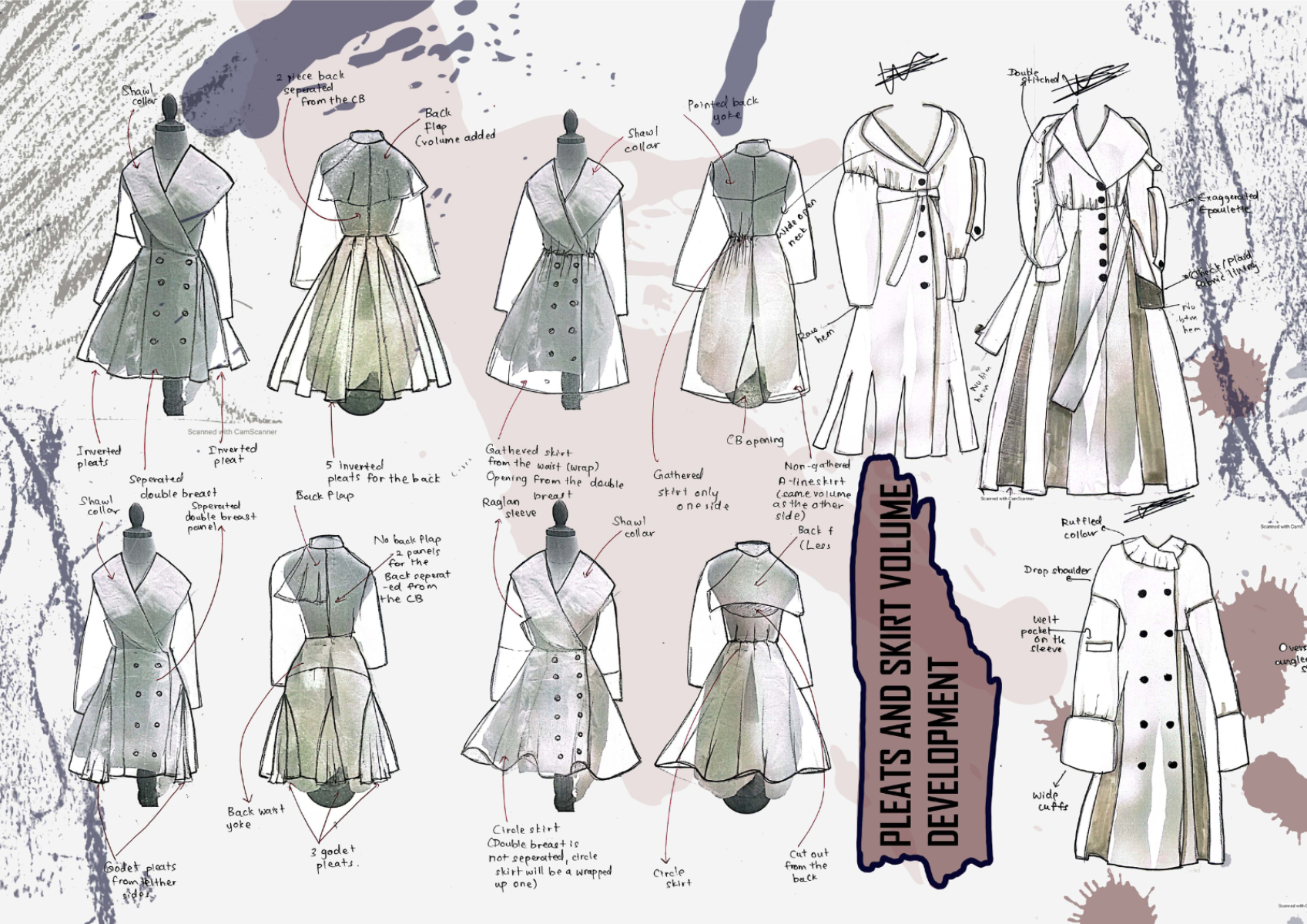
I am currently studying BA (Hons) Fashion at University of Northumbria, United Kingdom where I am specialising in pattern cutting. I’m extremely keen on this industry and I’m from a culturally diverse country which explains my interest on different cultural and traditional wear along with traditional and innovative textile manipulation methods. I love to explore different silhouettes, textile work and construction methods.
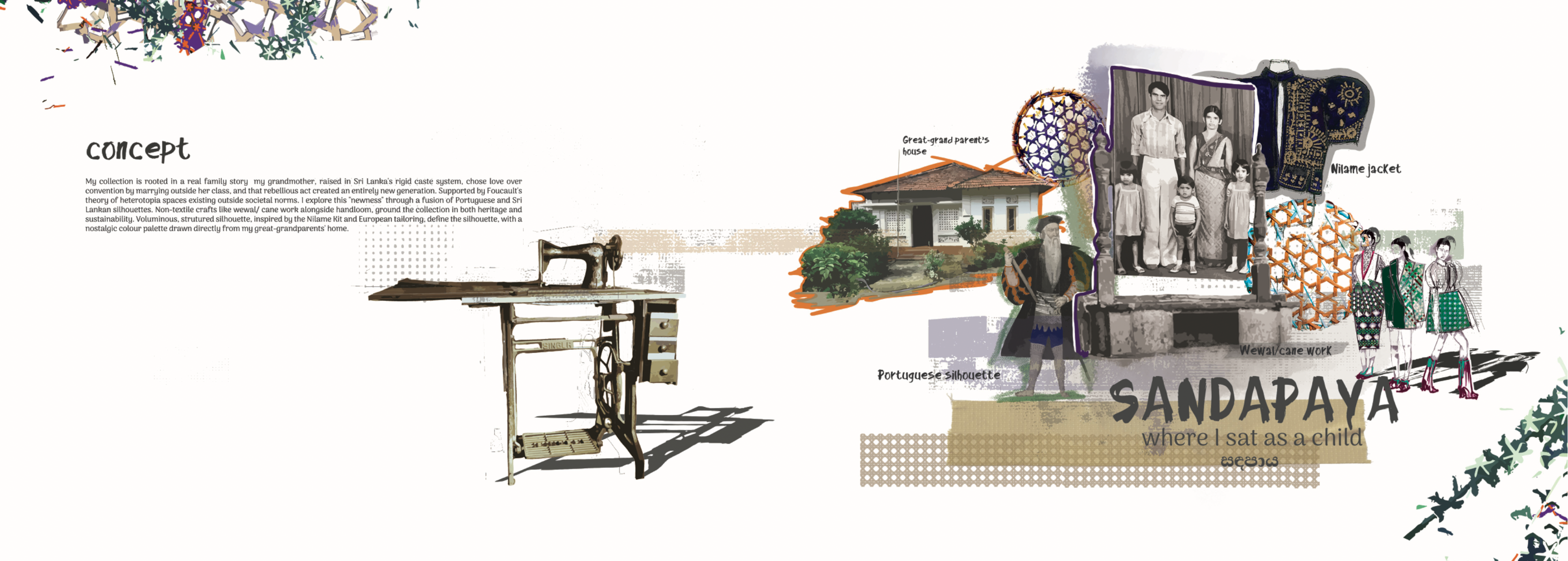
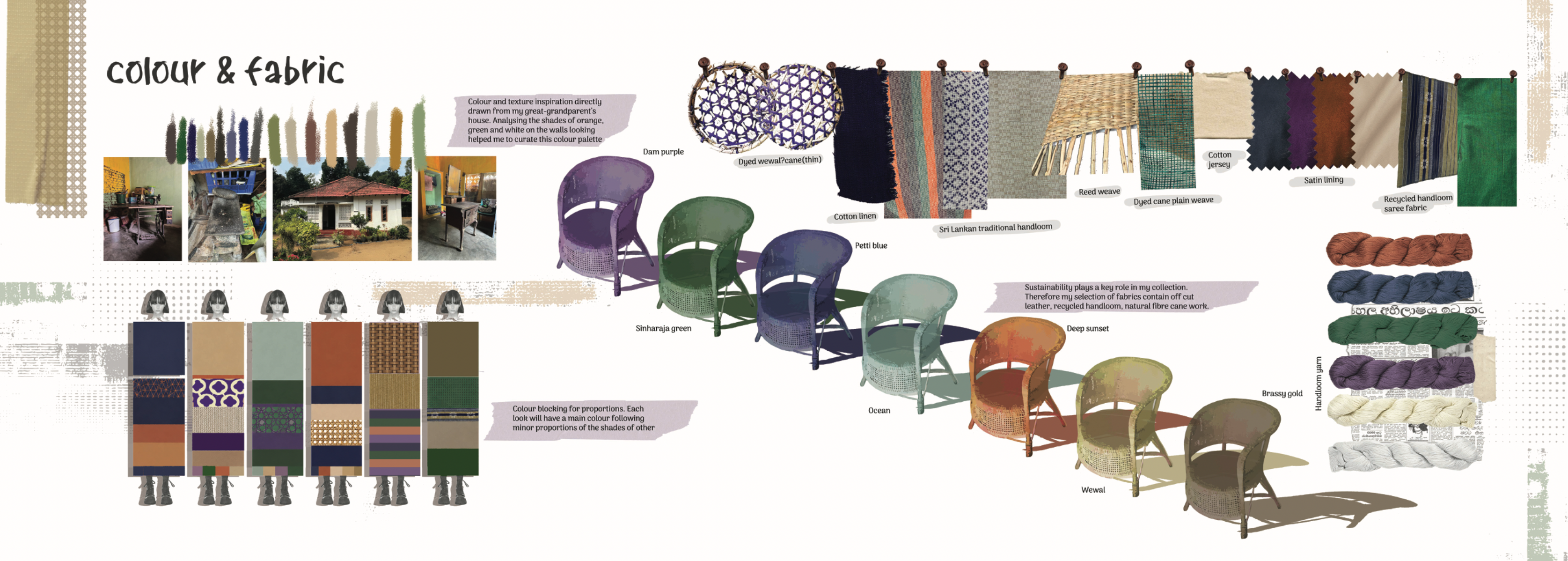
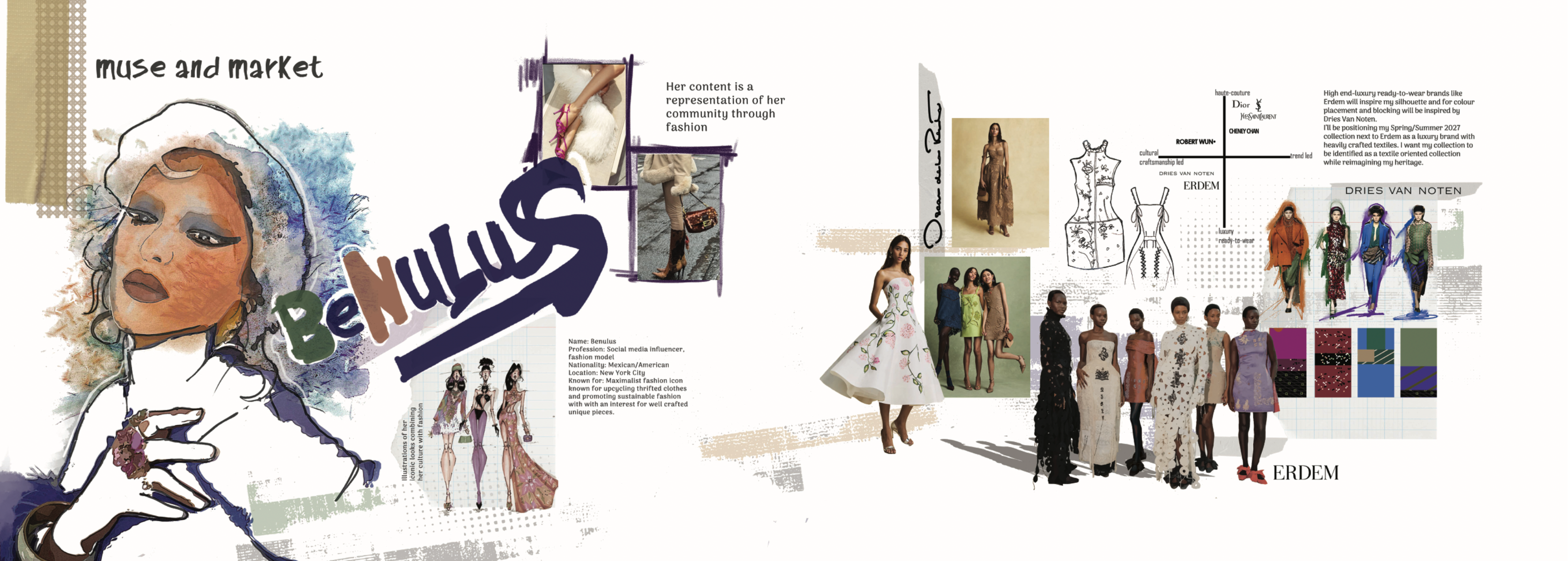
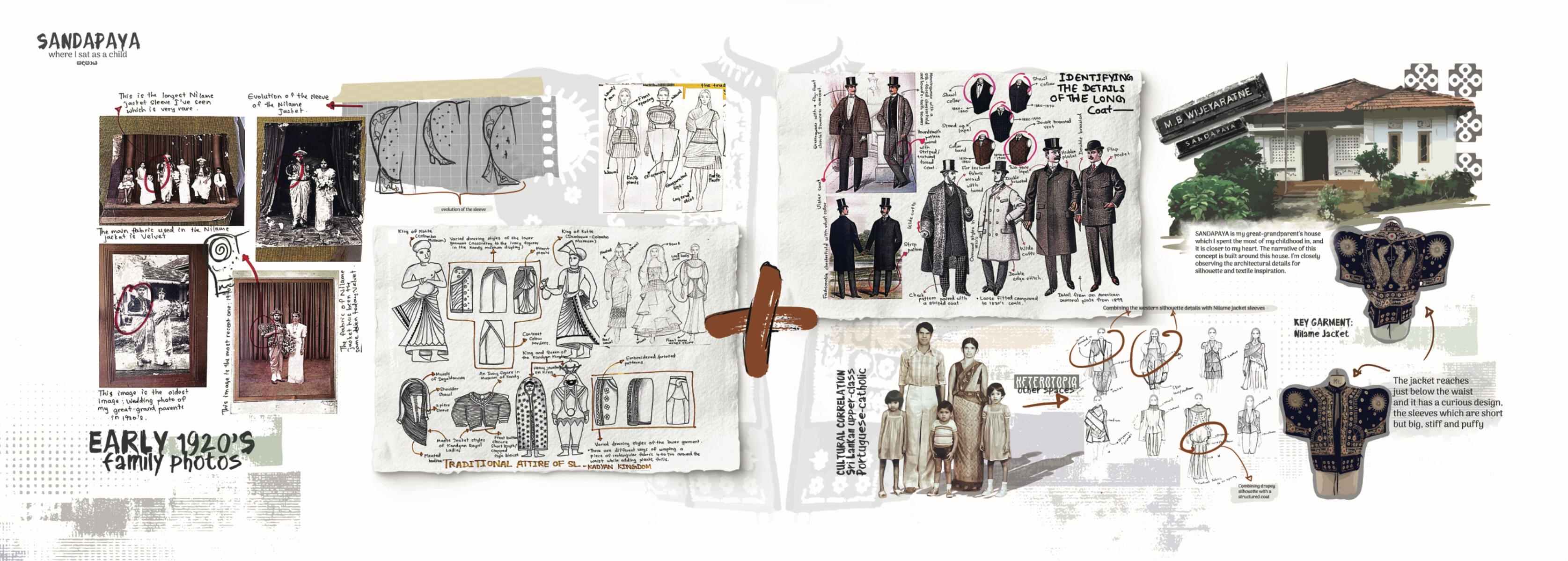
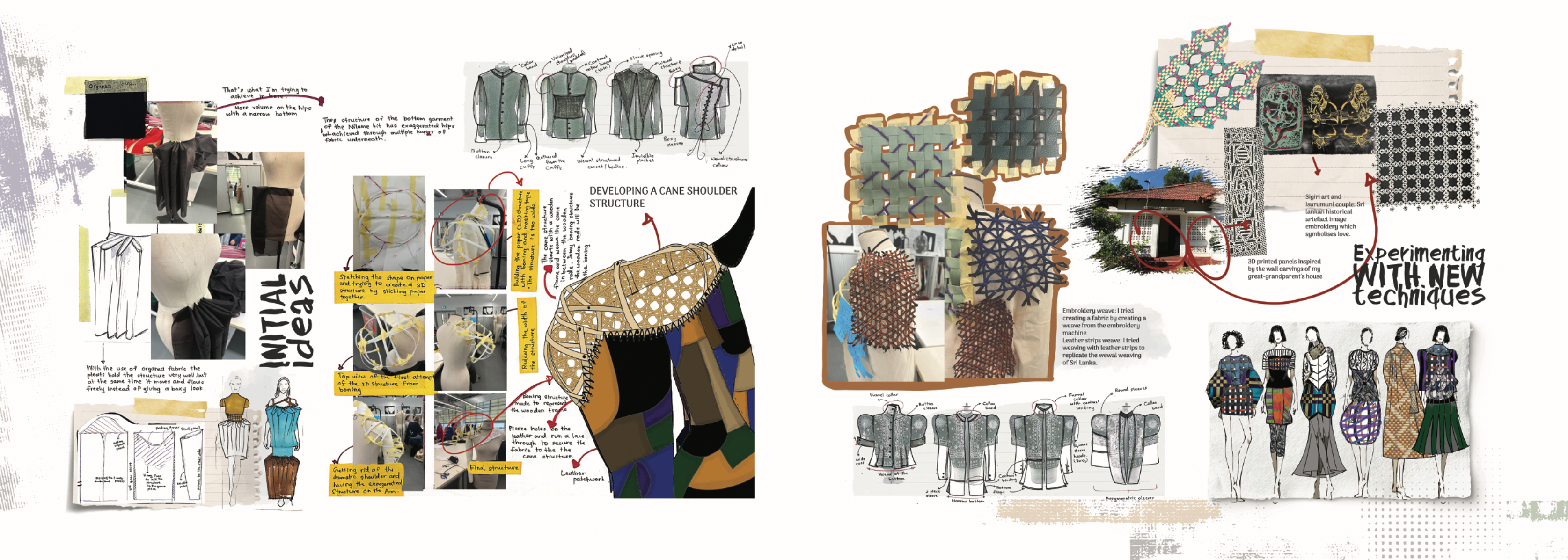
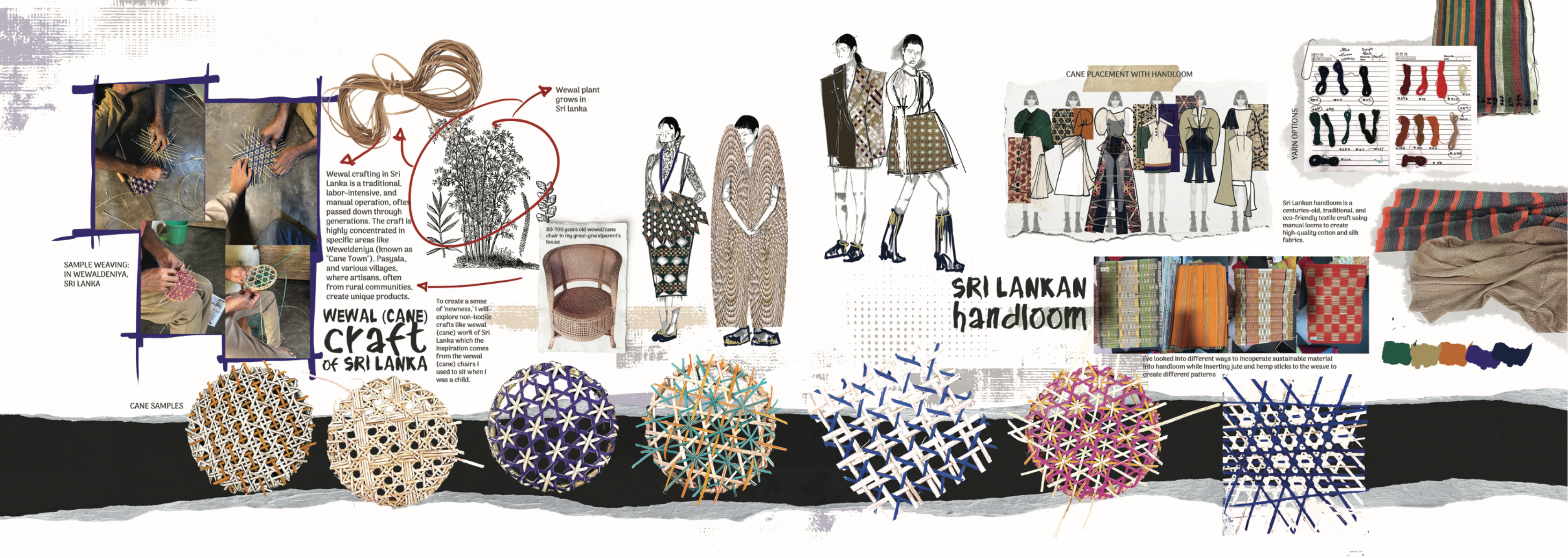
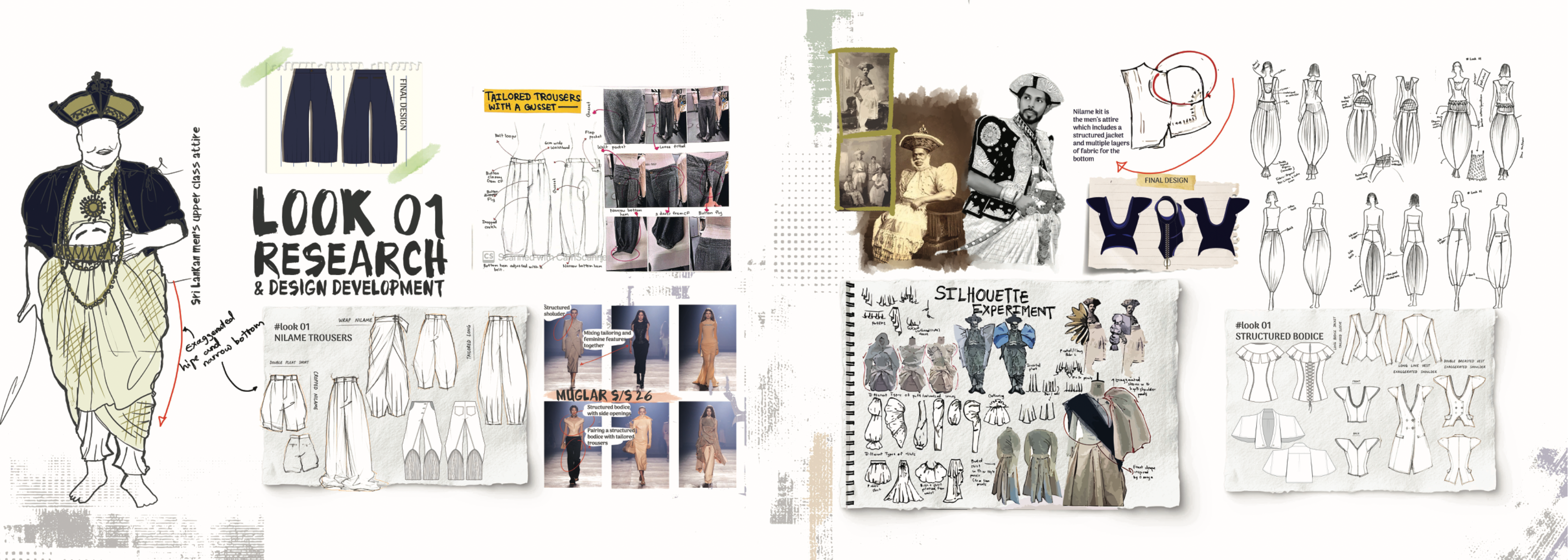
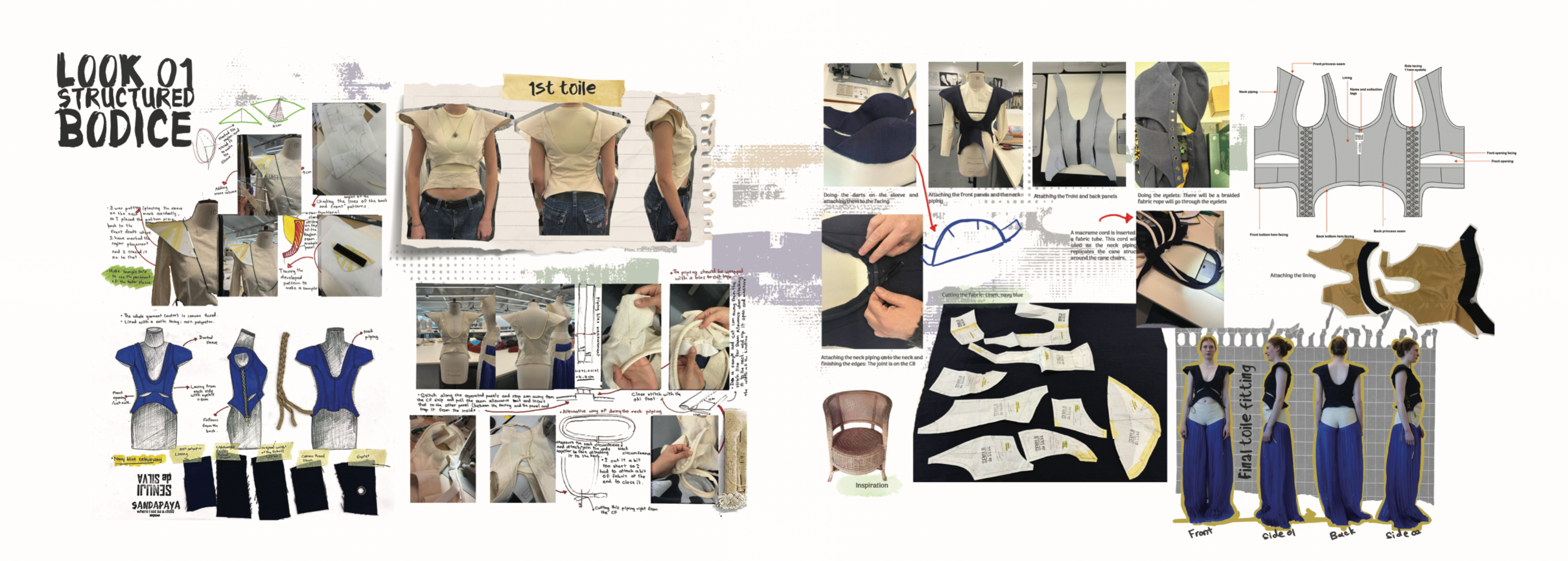
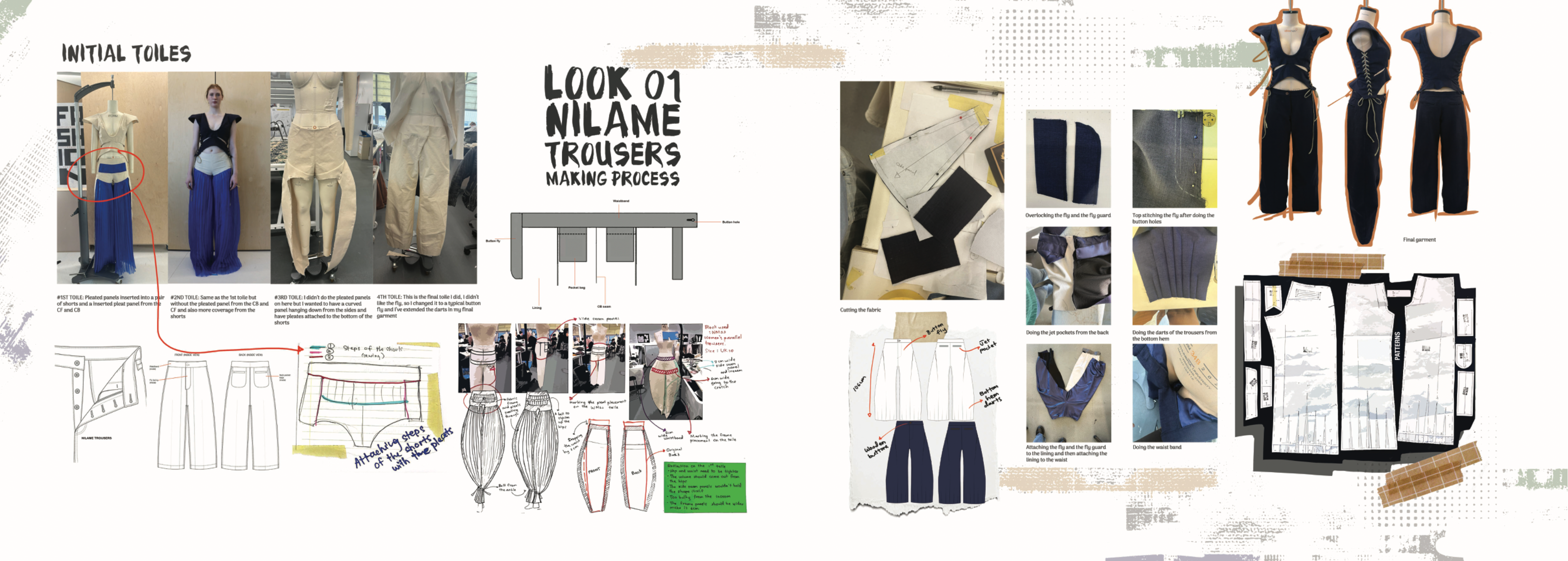
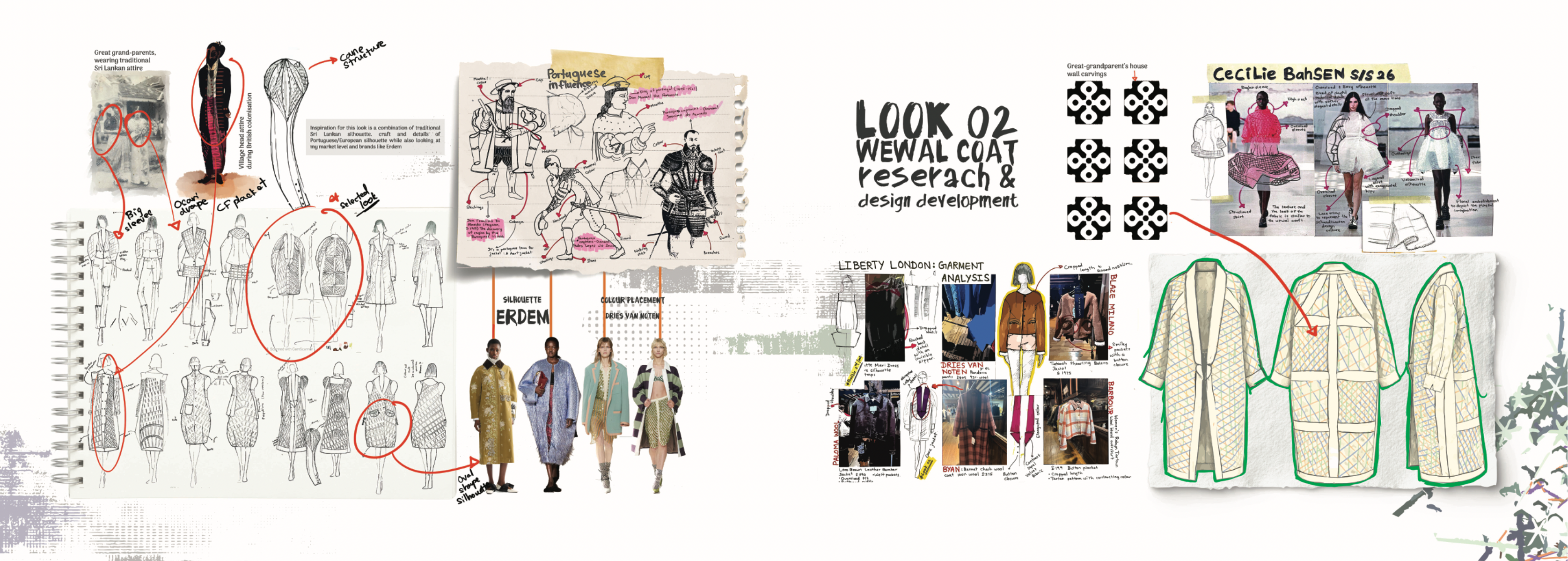
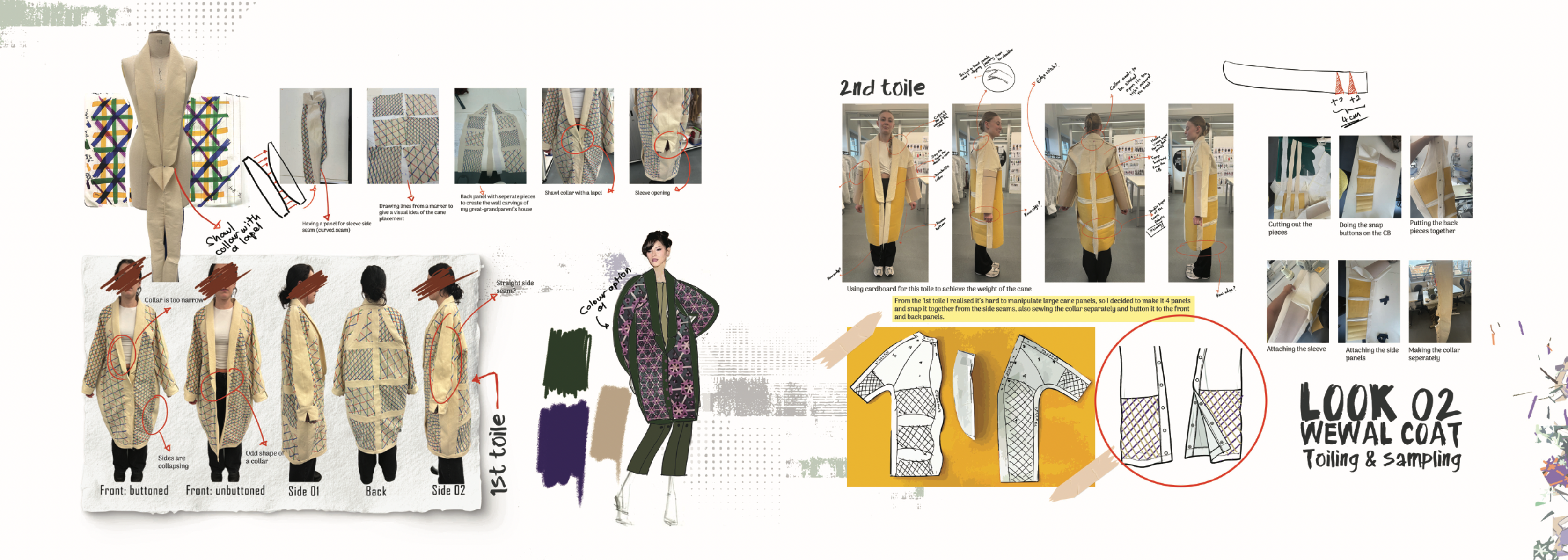
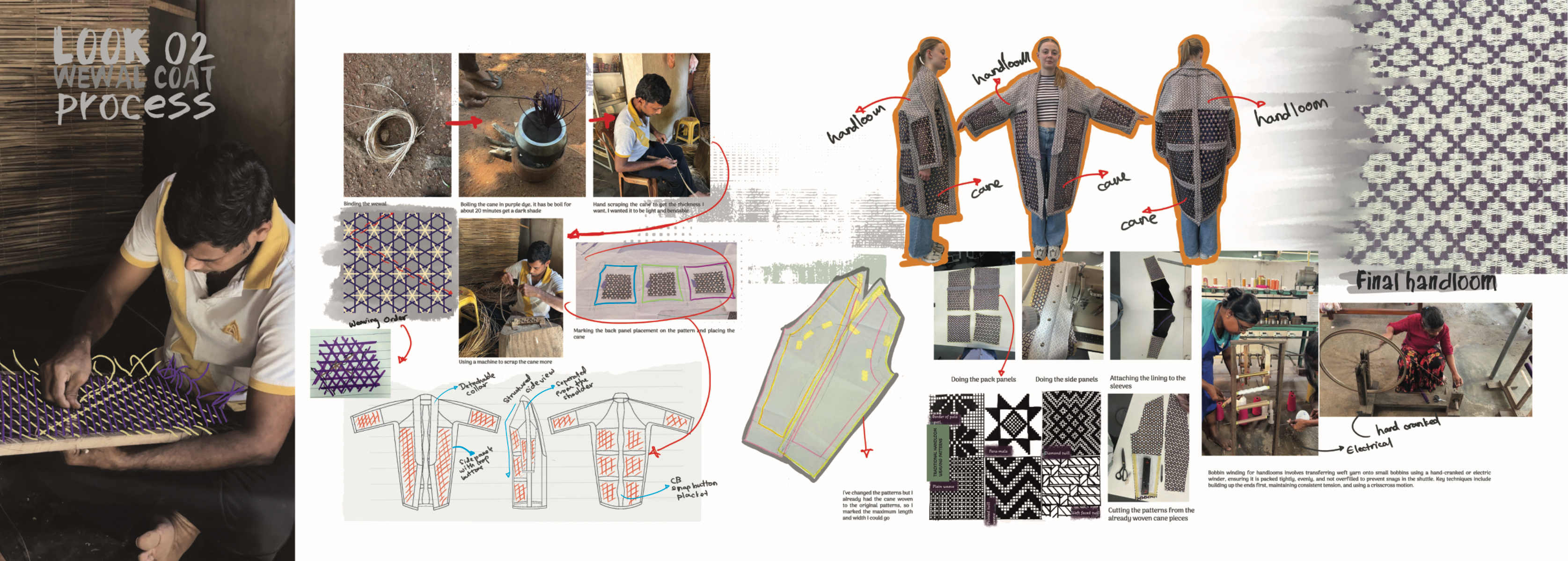
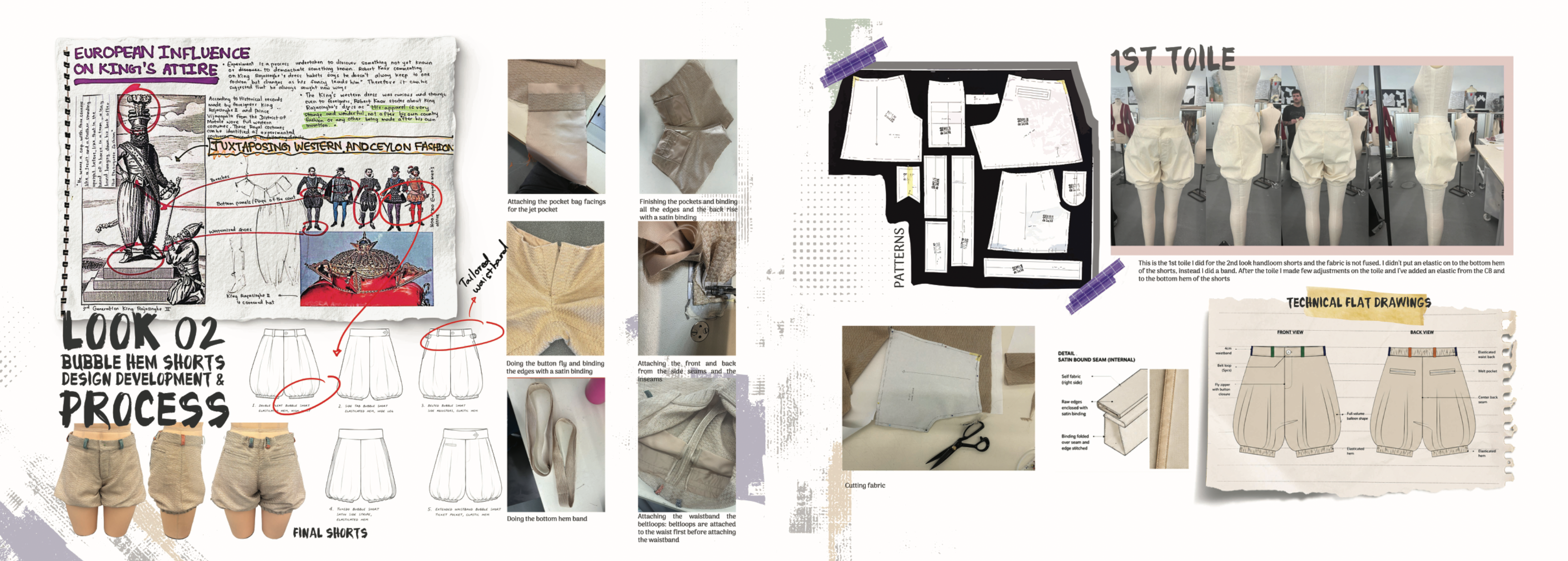
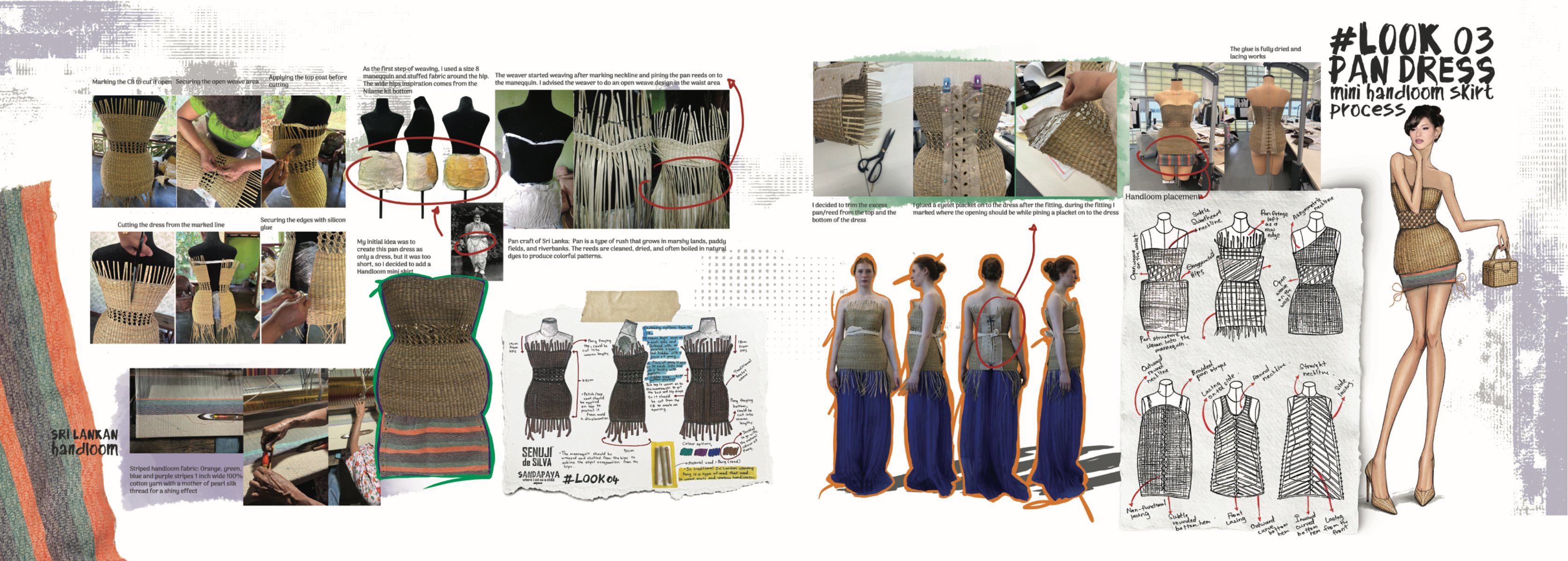
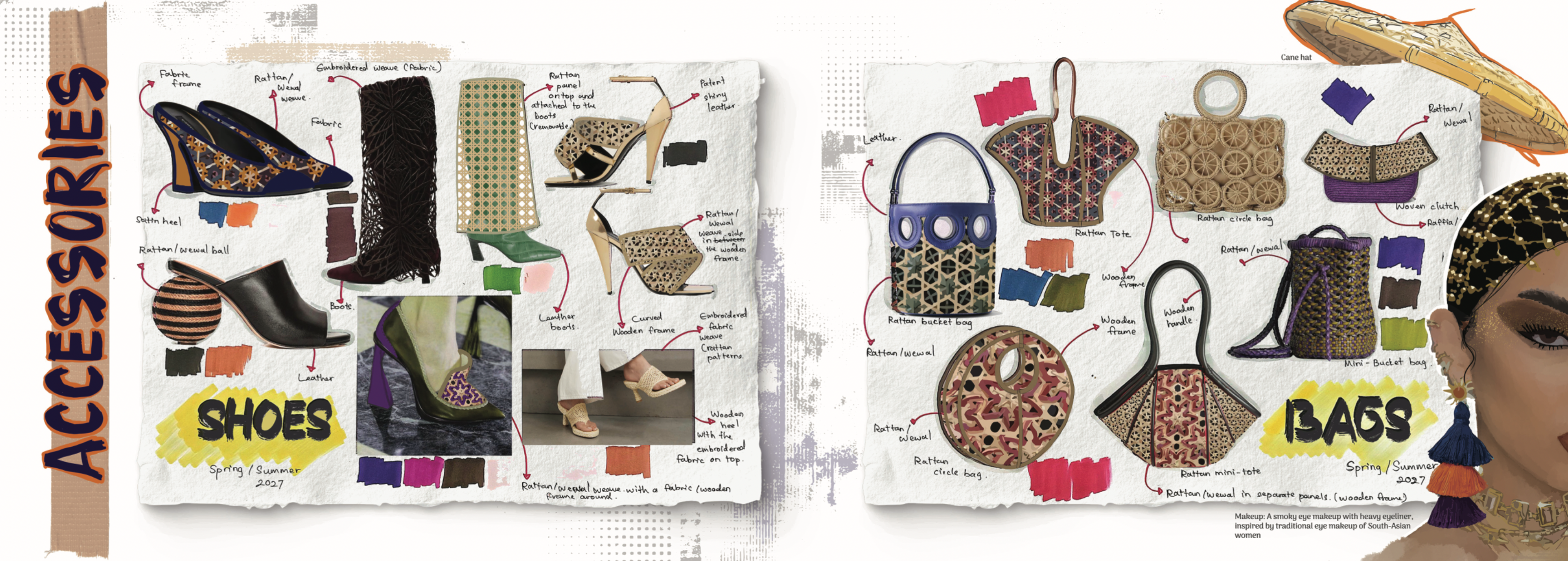
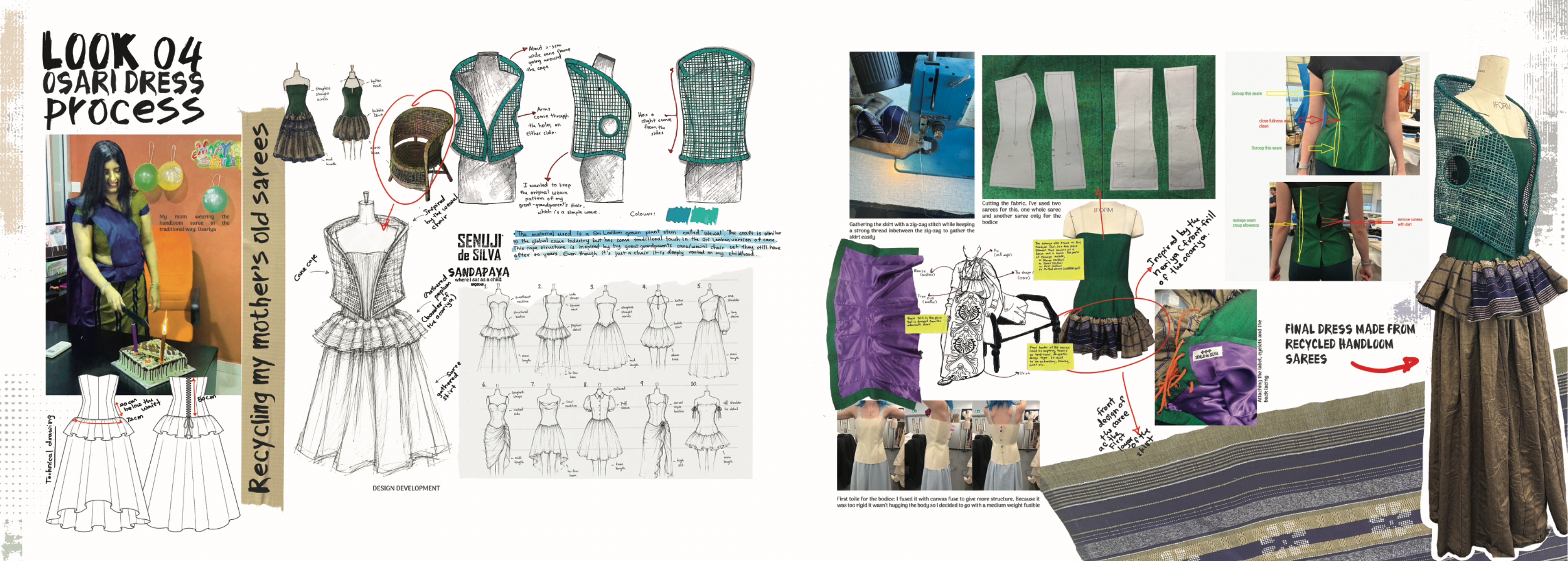
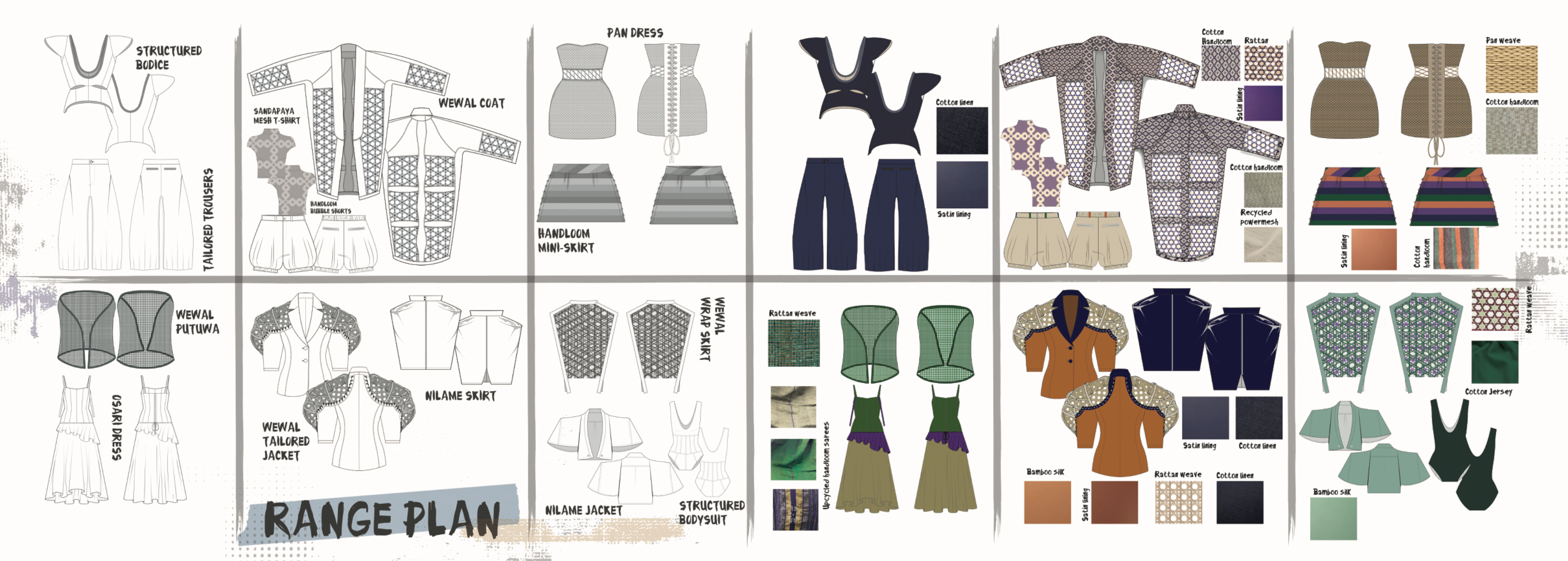
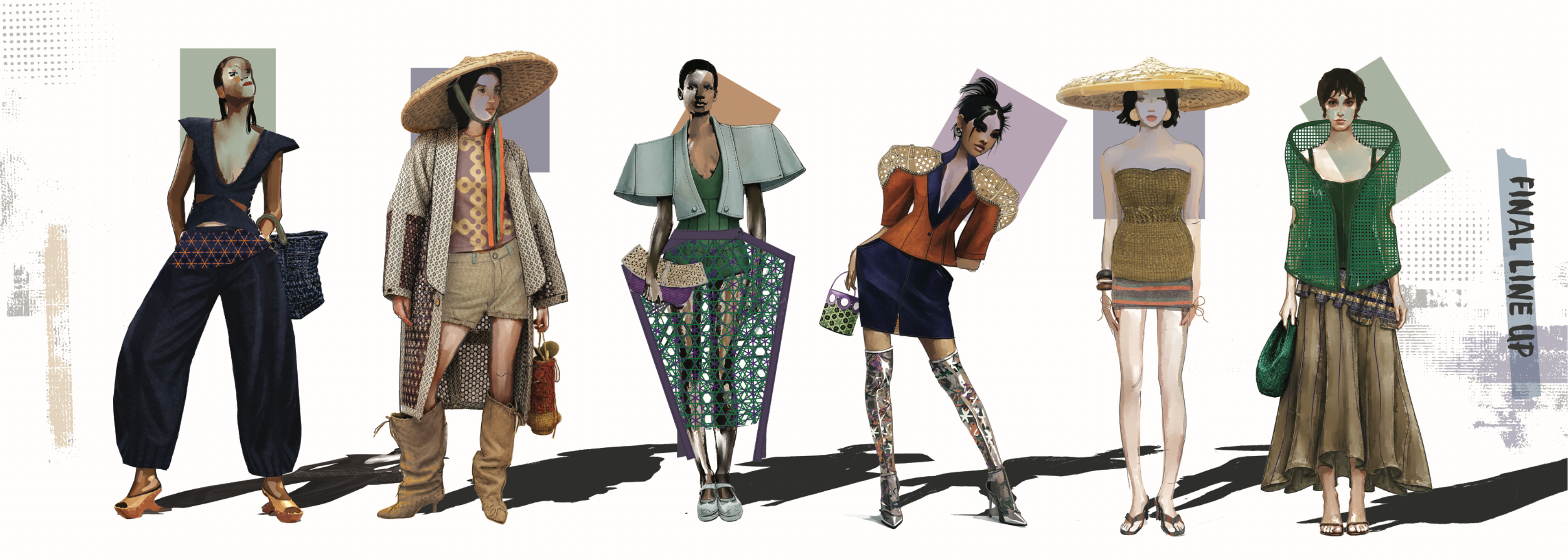
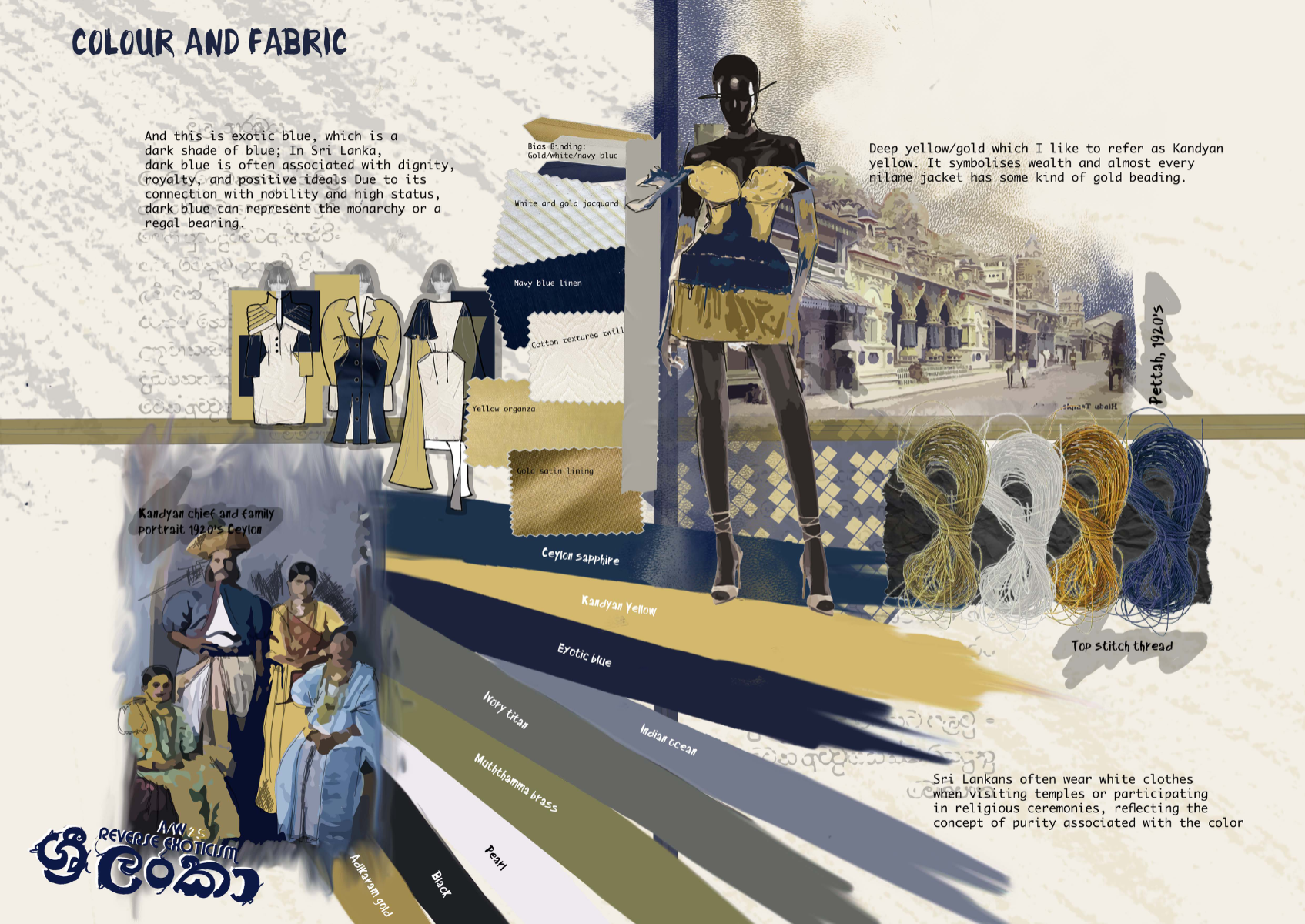
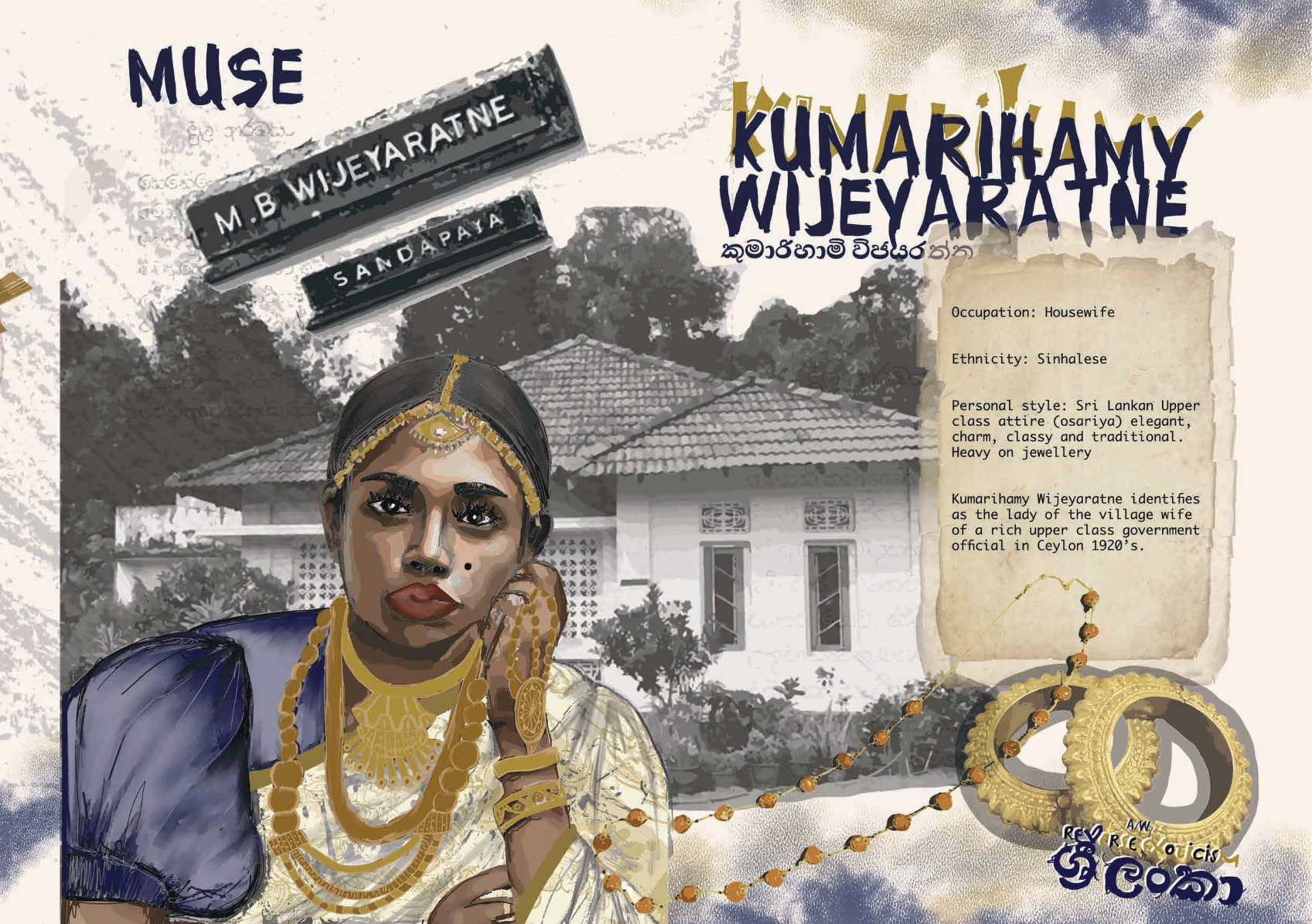
My collection is rooted in a real family story: my grandmother, raised in Sri Lanka's rigid caste system, chose love over convention by marrying outside her class, and that rebellious act created an entirely new generation. Supported by Foucault's theory of heterotopia, spaces exist outside societal norms. I explore this "newness" through a fusion of Portuguese and Sri Lankan silhouettes. Non-textile crafts like wewal/ cane work alongside handloom ground the collection in both heritage and sustainability. Voluminous, structured silhouettes, inspired by the Nilame Kit and European tailoring, define the collection, with a nostalgic colour palette drawn directly from my great-grandparents' home.
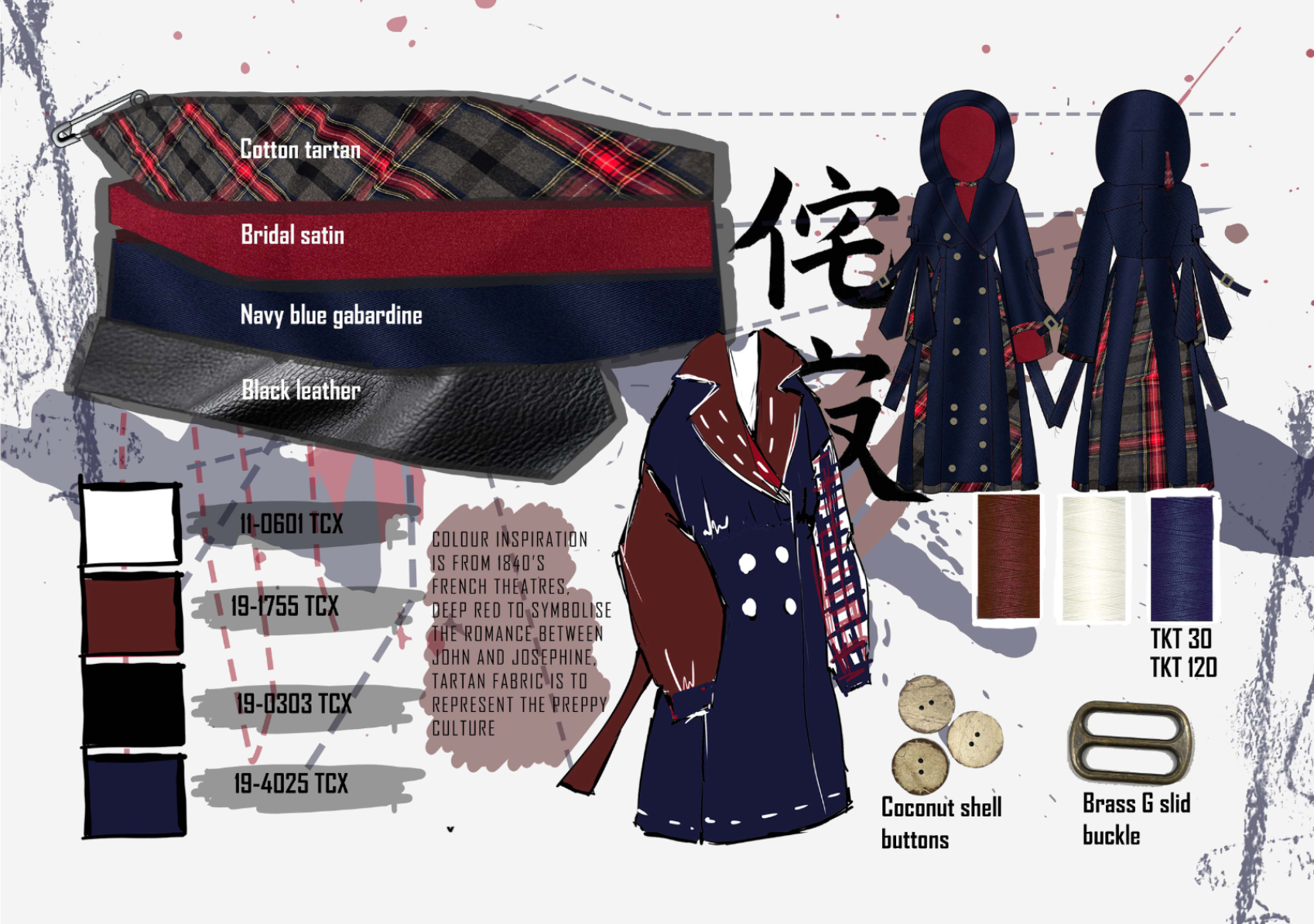
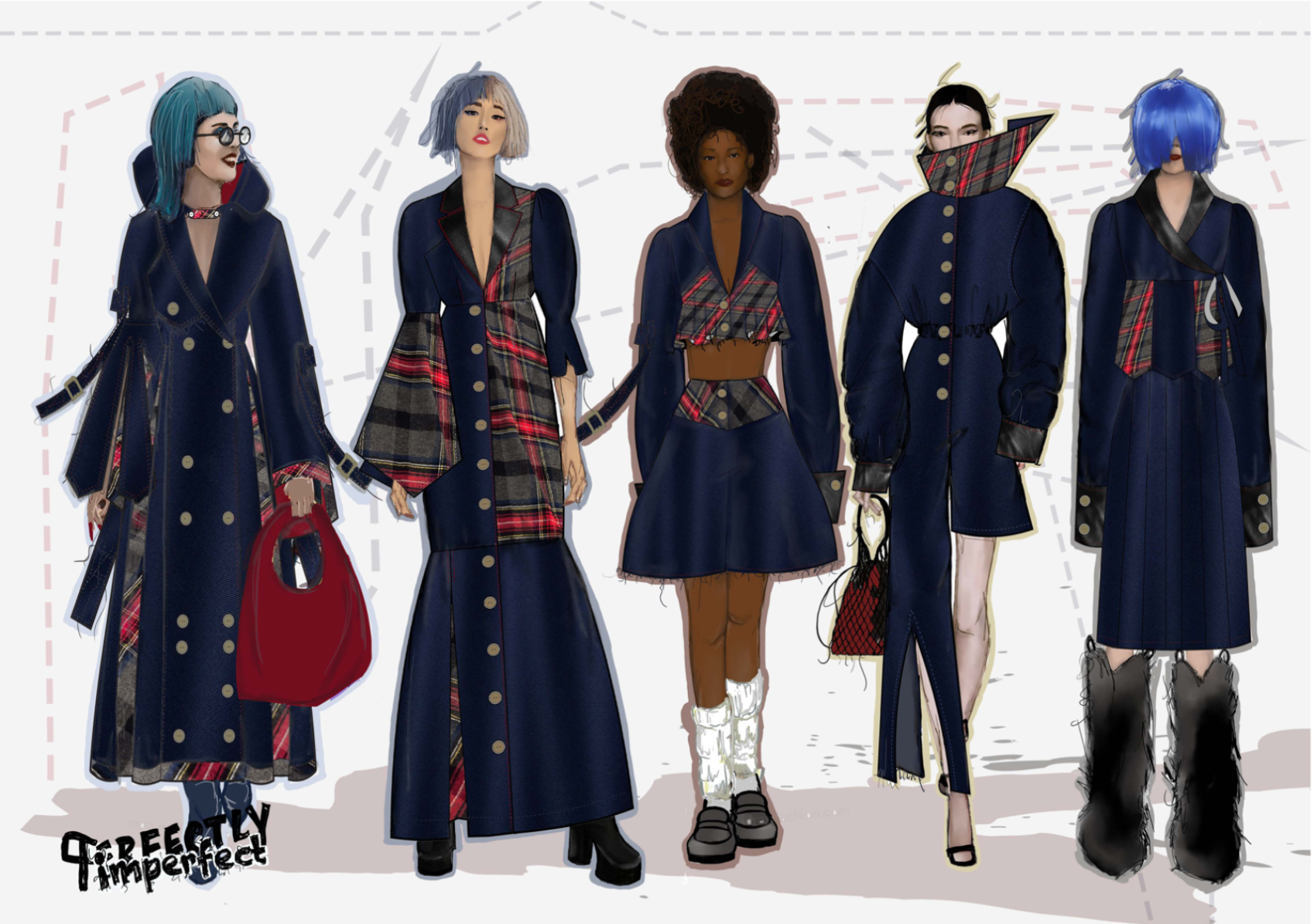
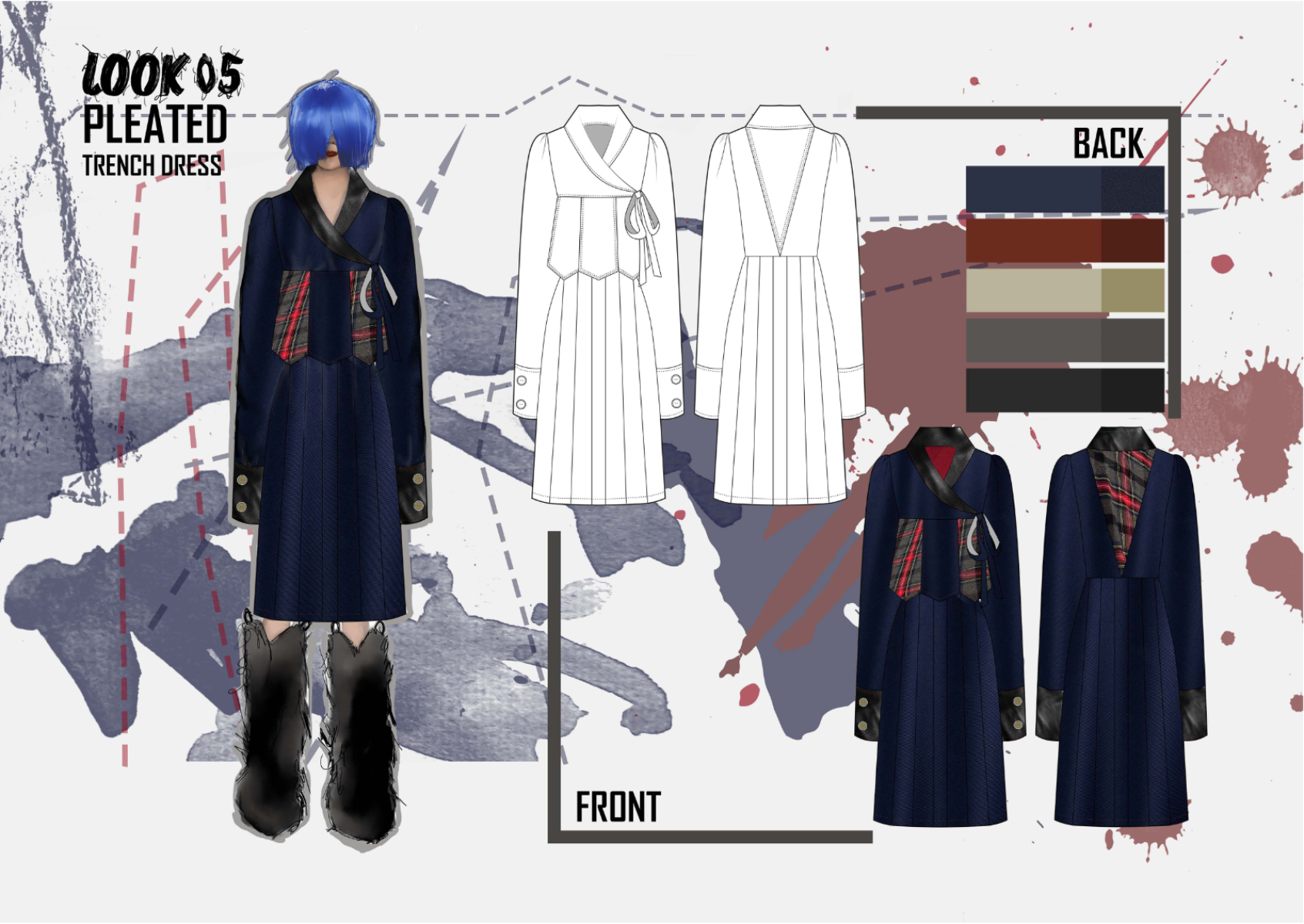
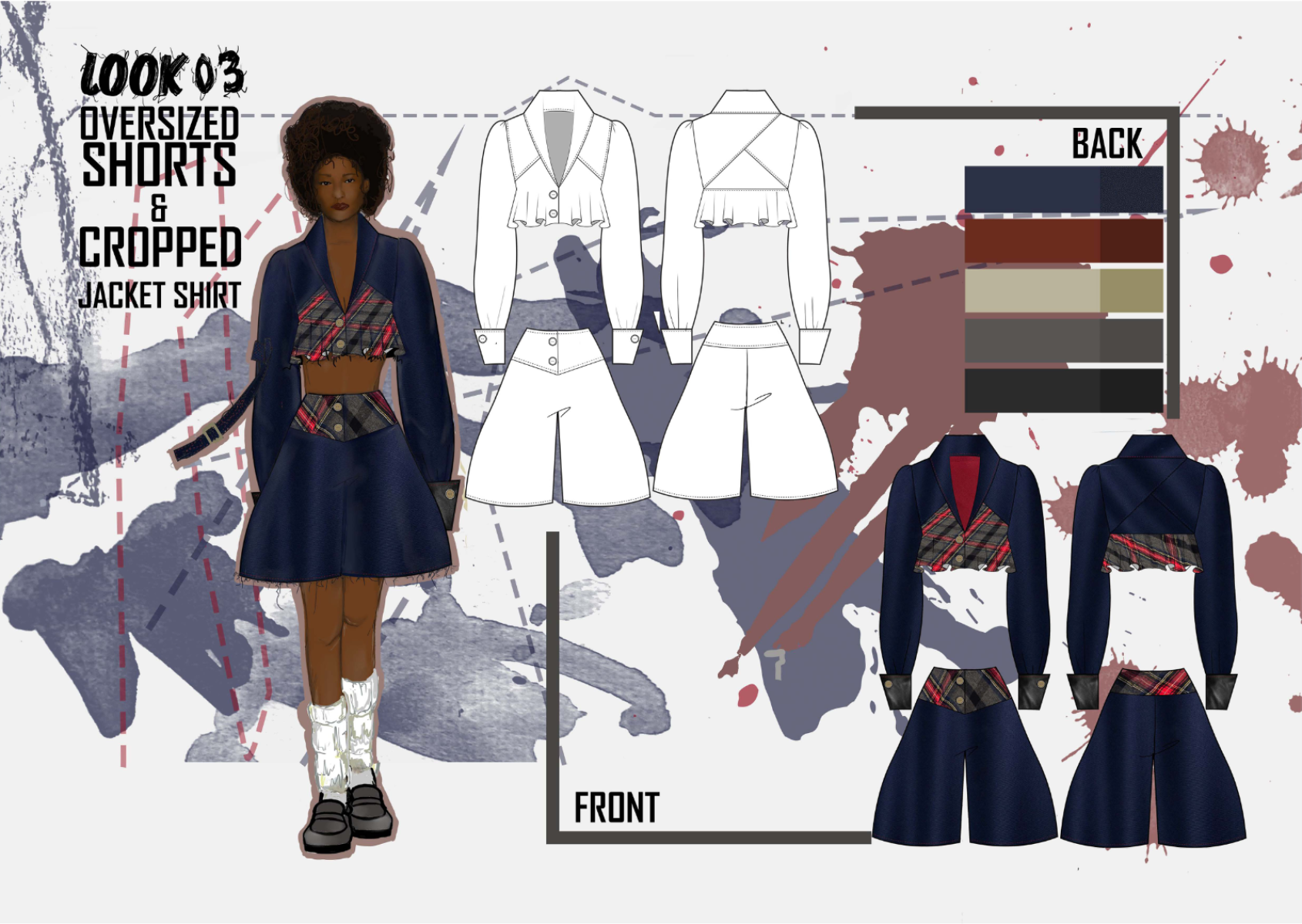
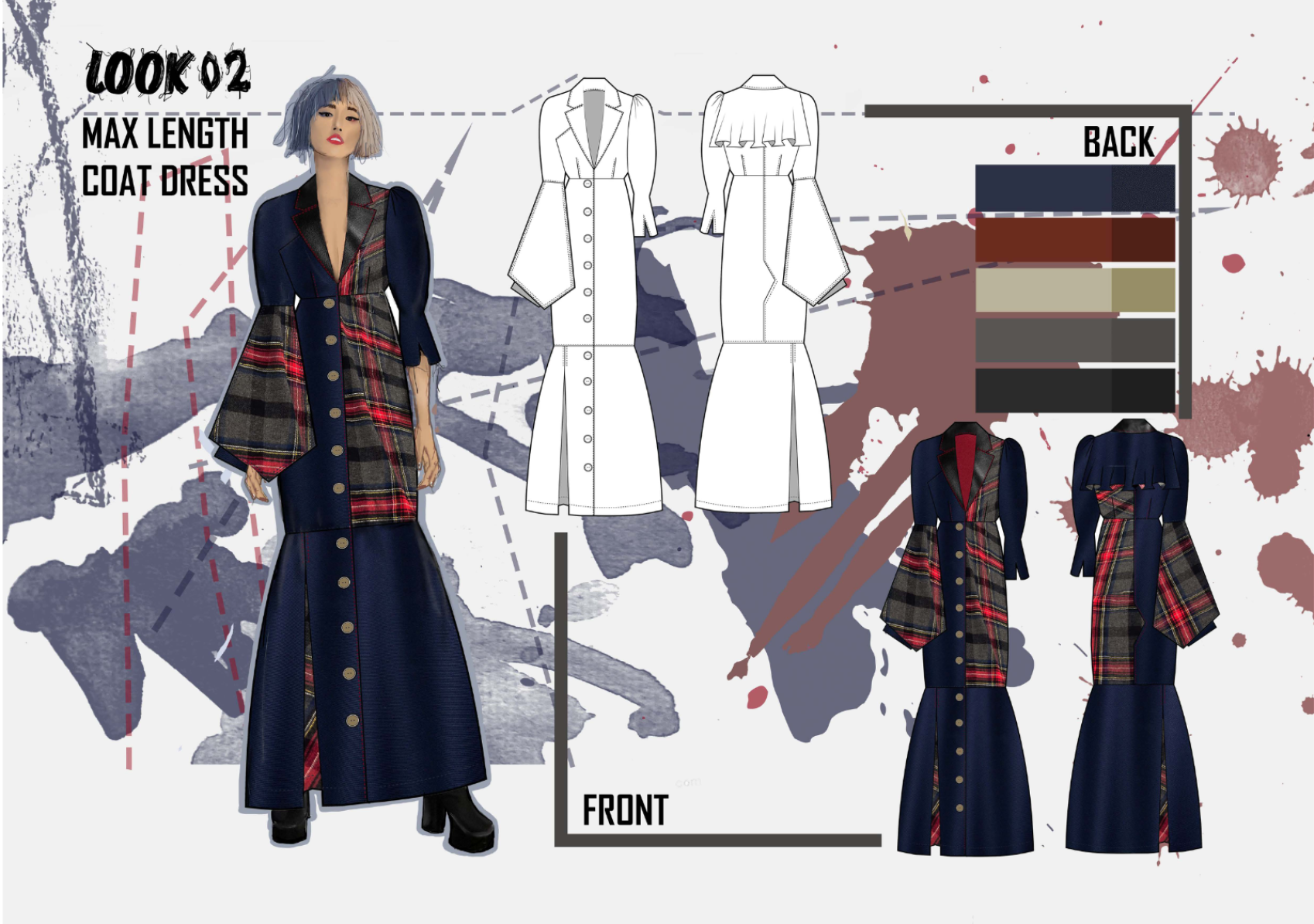
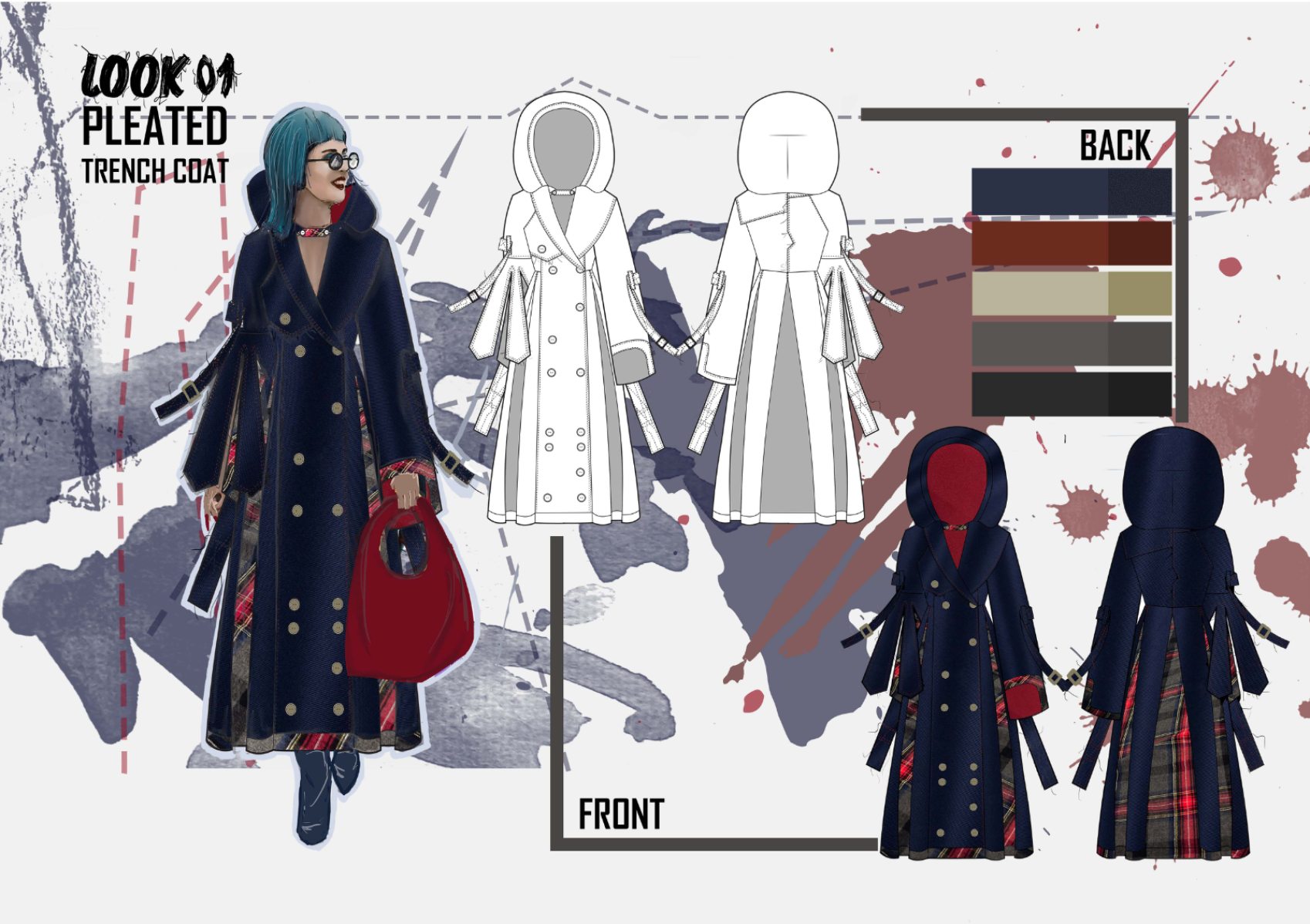
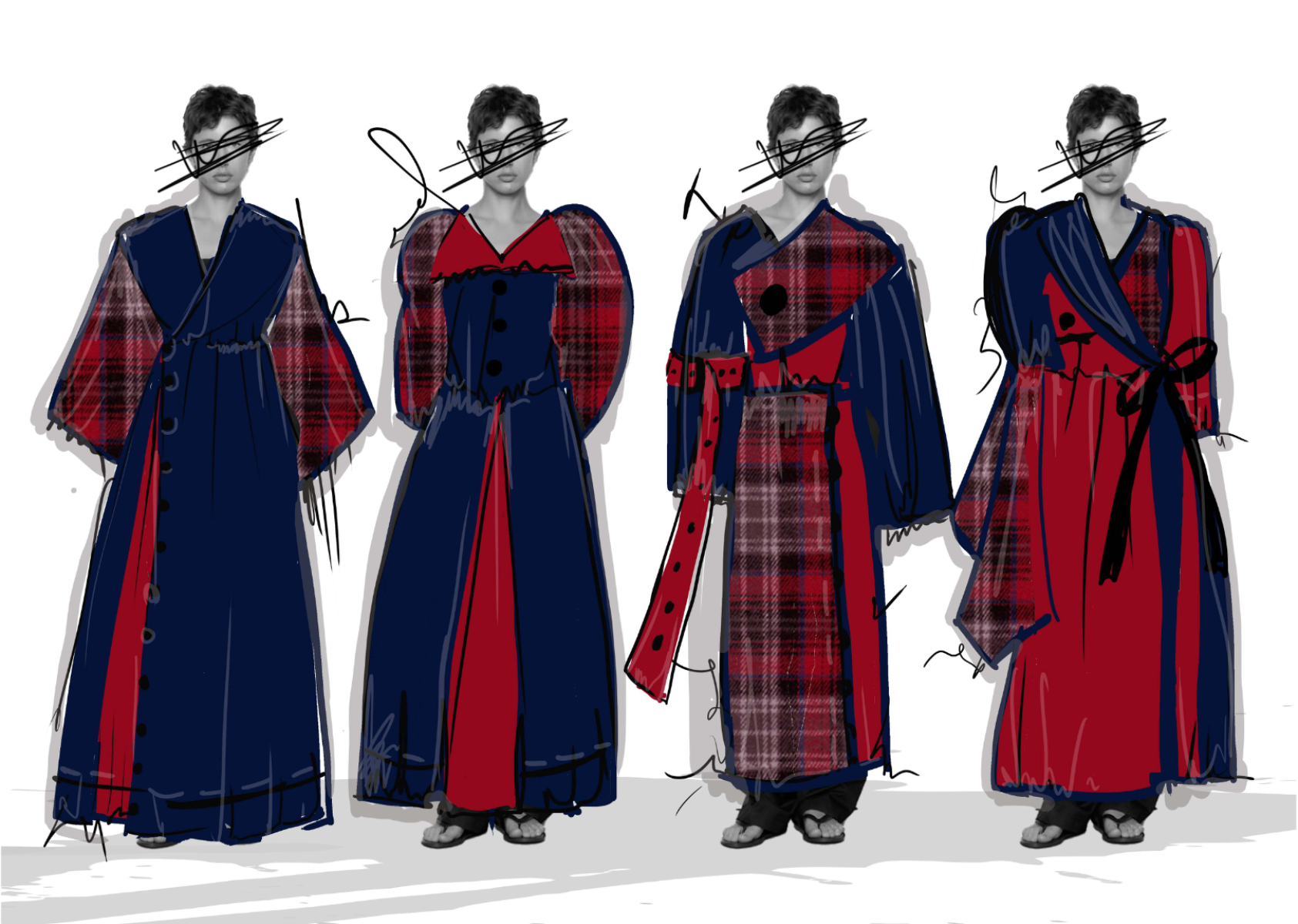
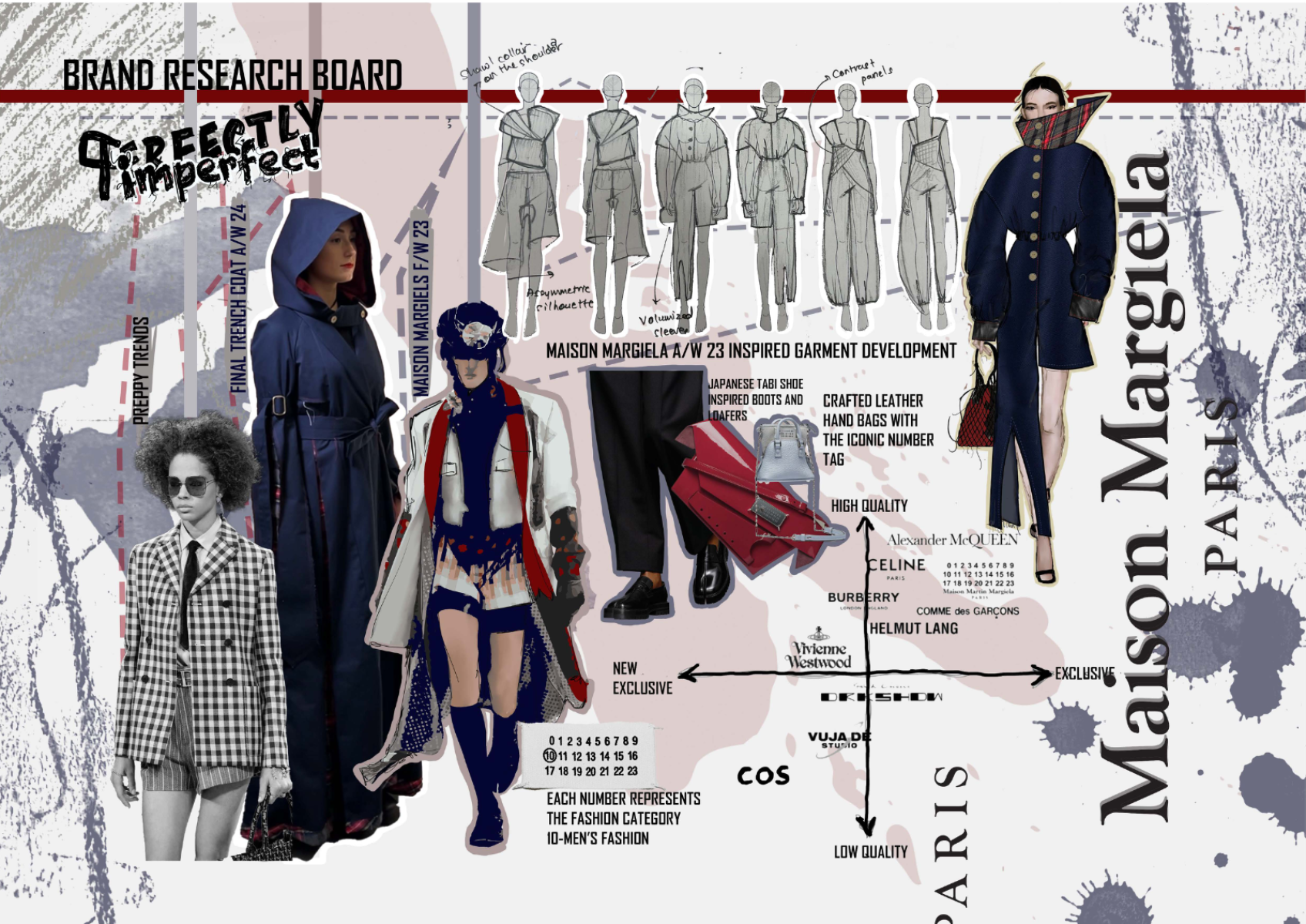
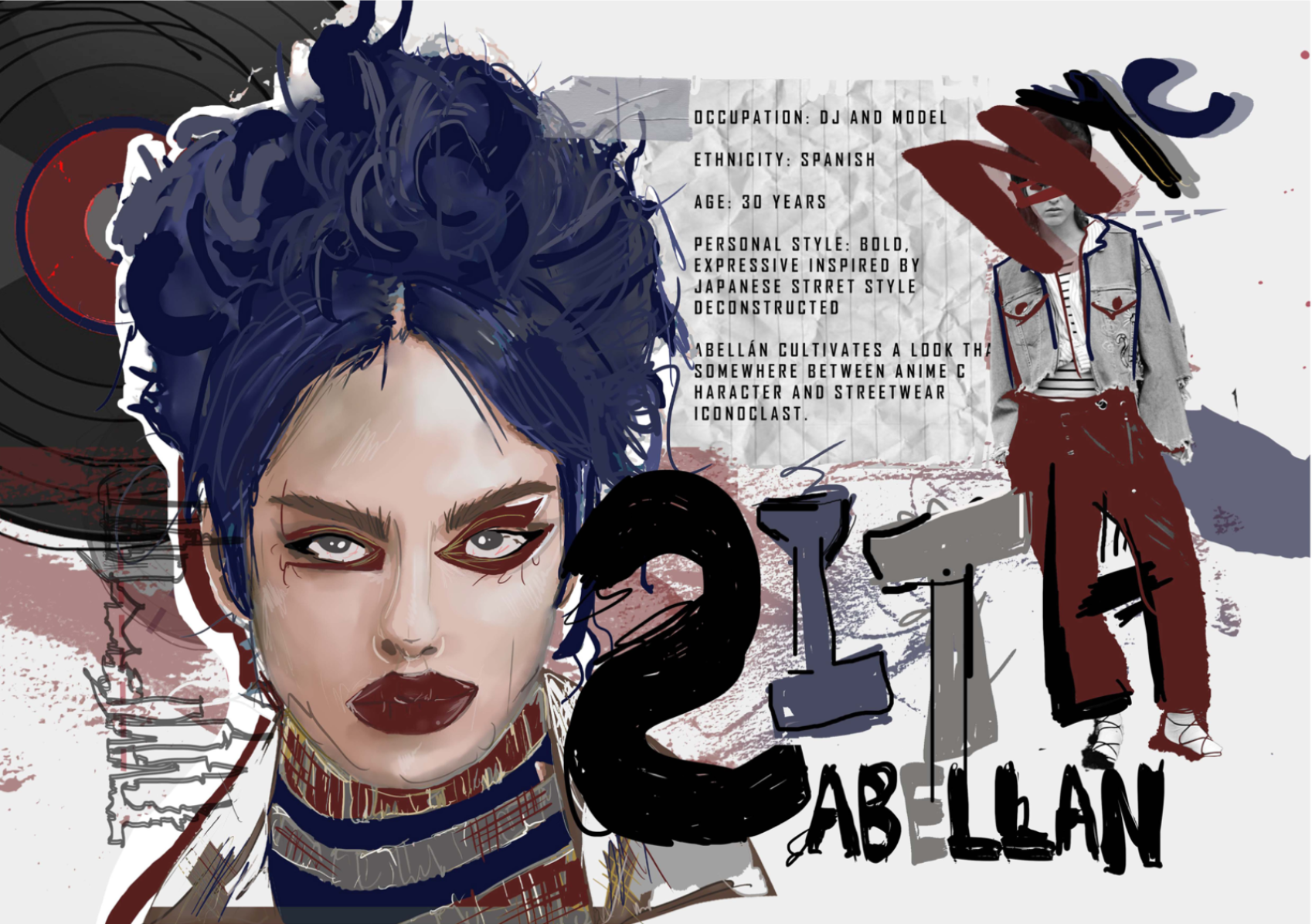
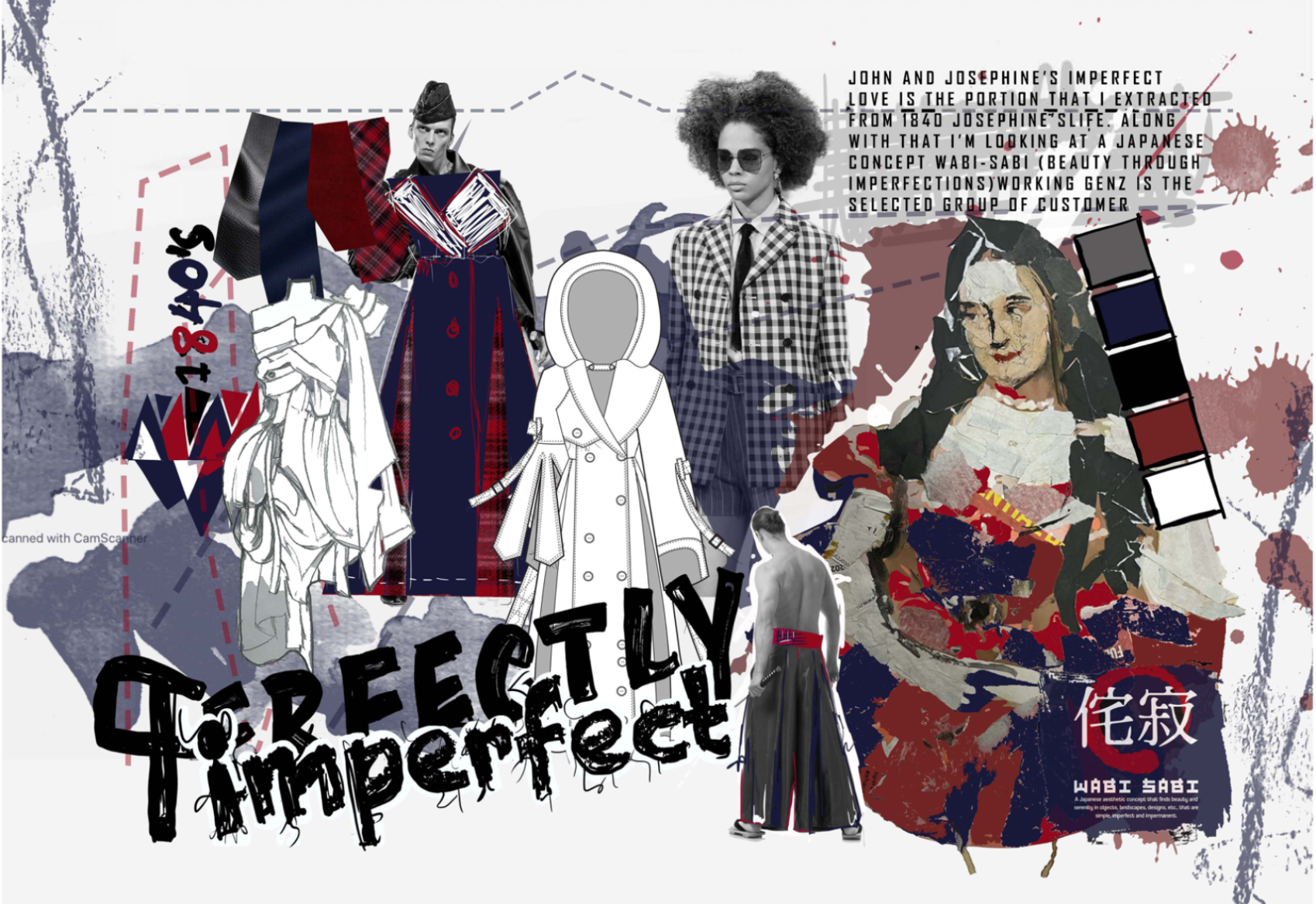
John and Josephine’s imperfect love is the portion that I extracted from 1840 Josephine’s life. Alon with that I’m looking at a Japanese concept WABI-SABI (beauty through imperfections). Wokring Gen-z is the selected group of customer.
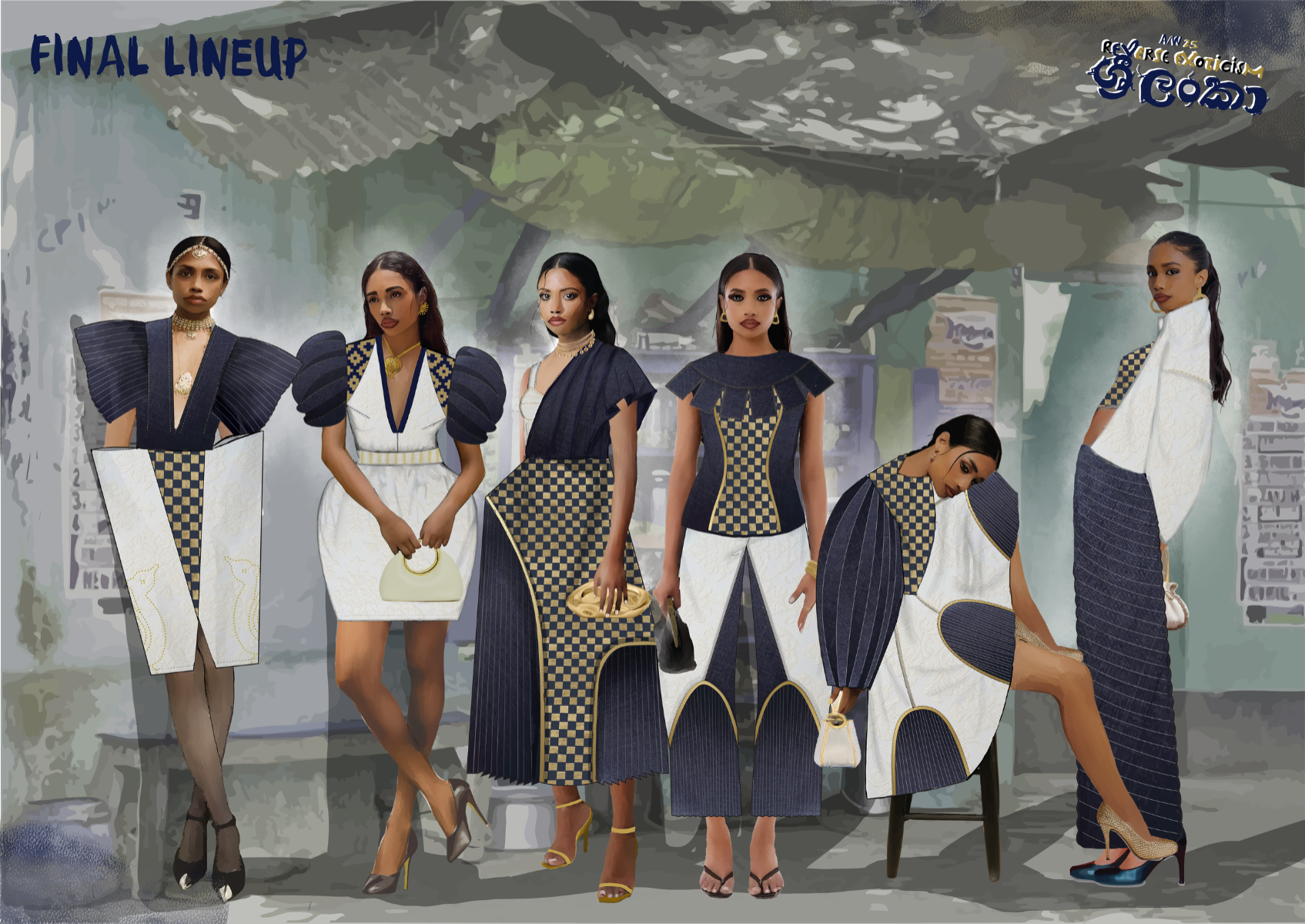
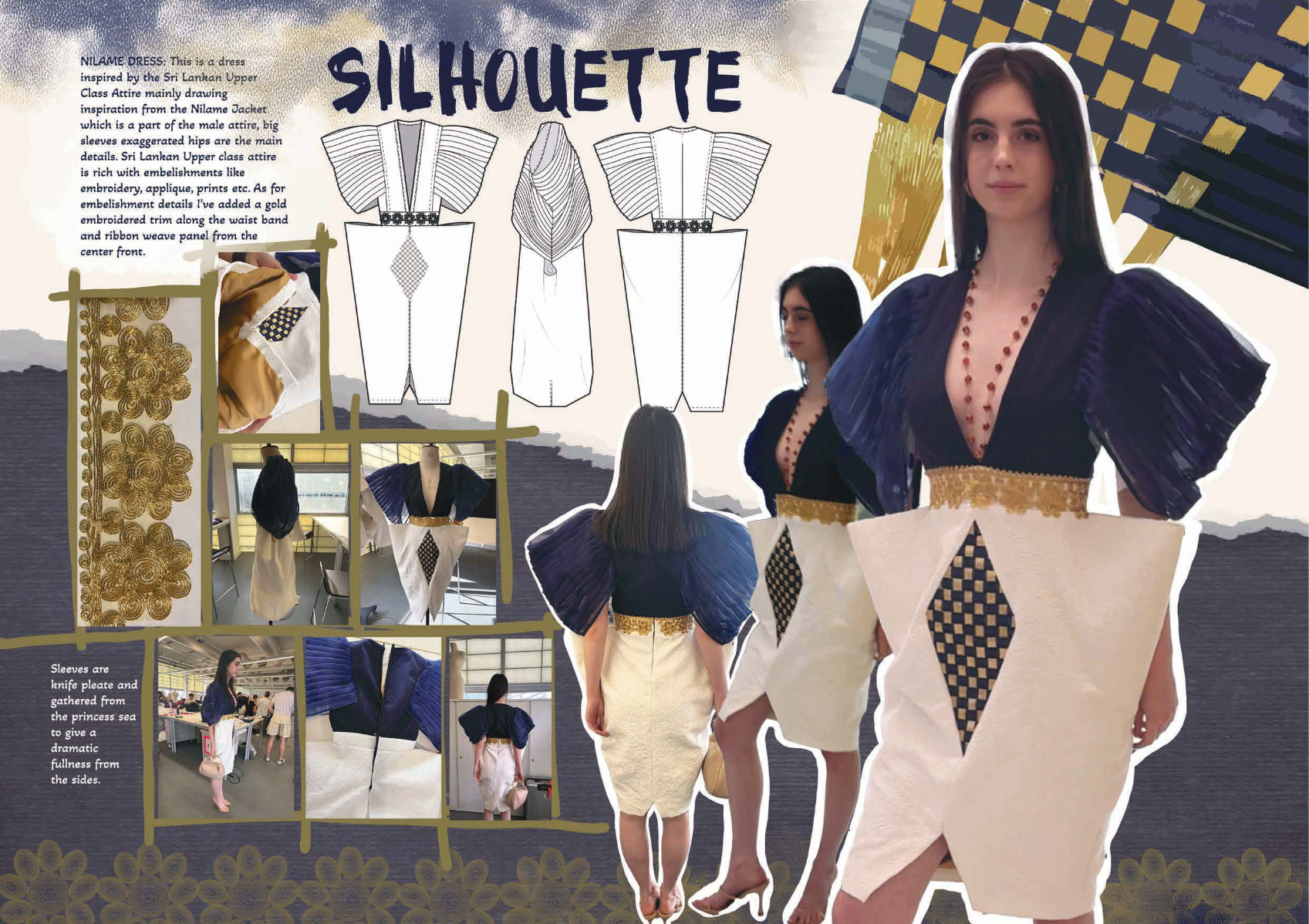
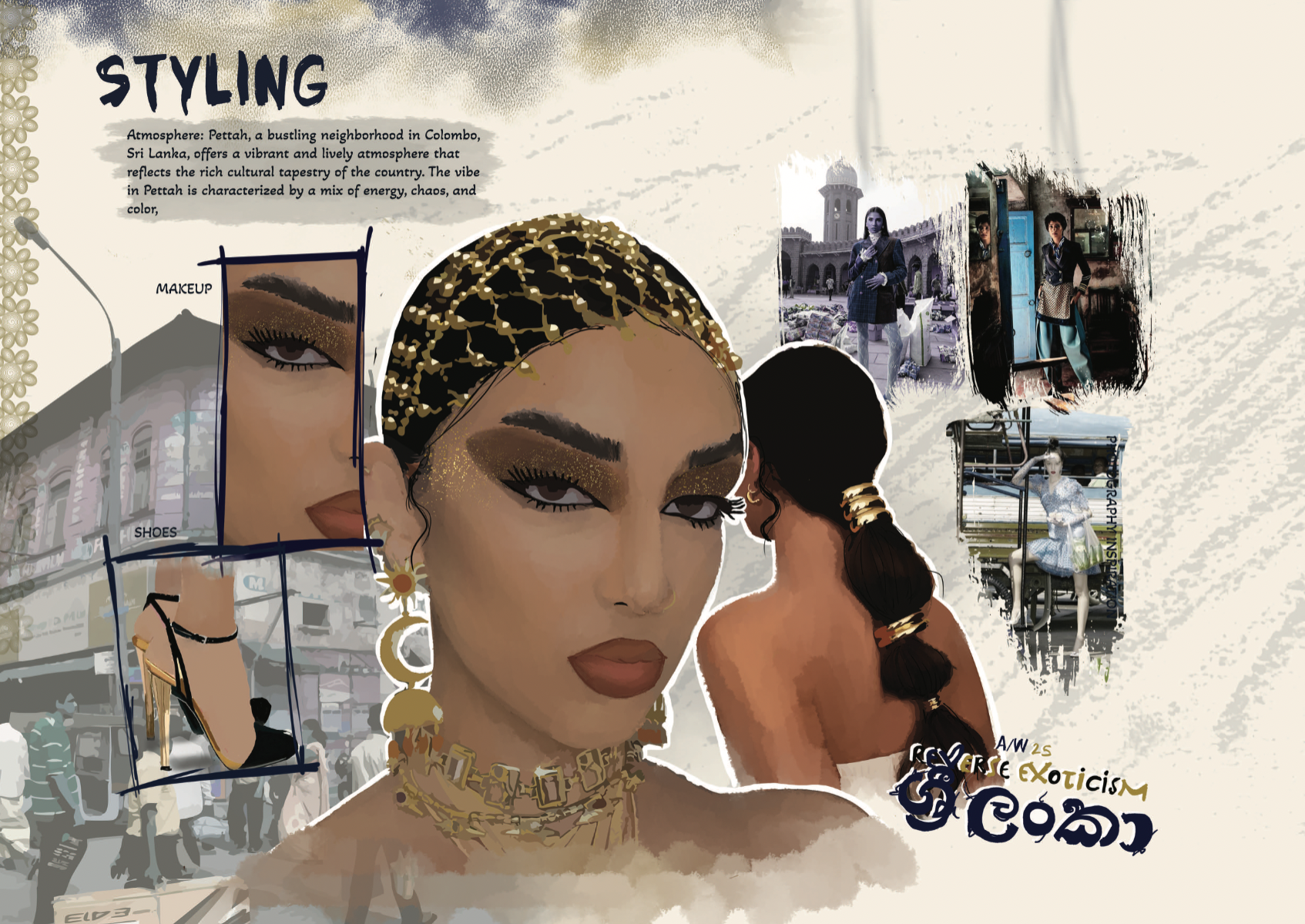
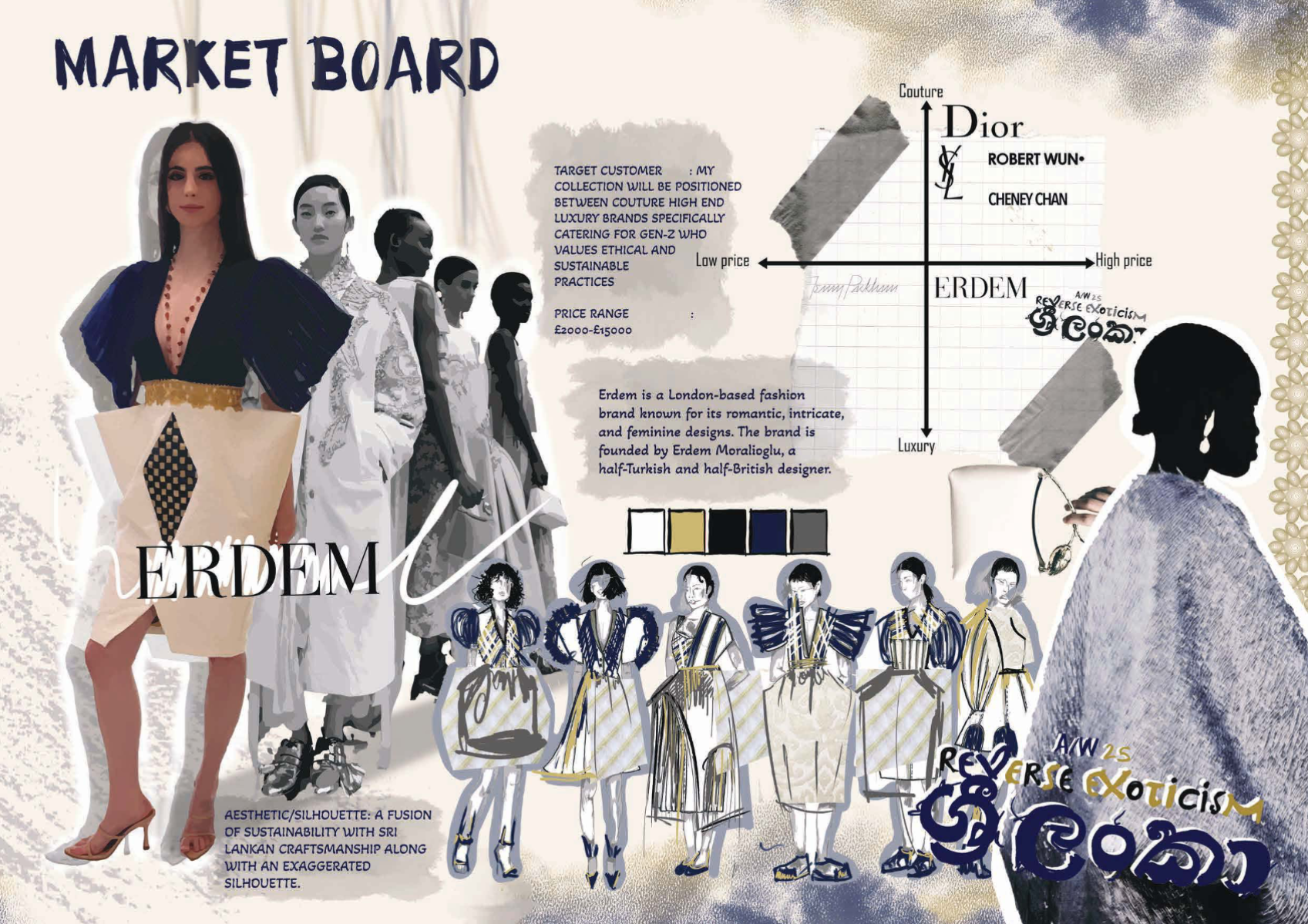
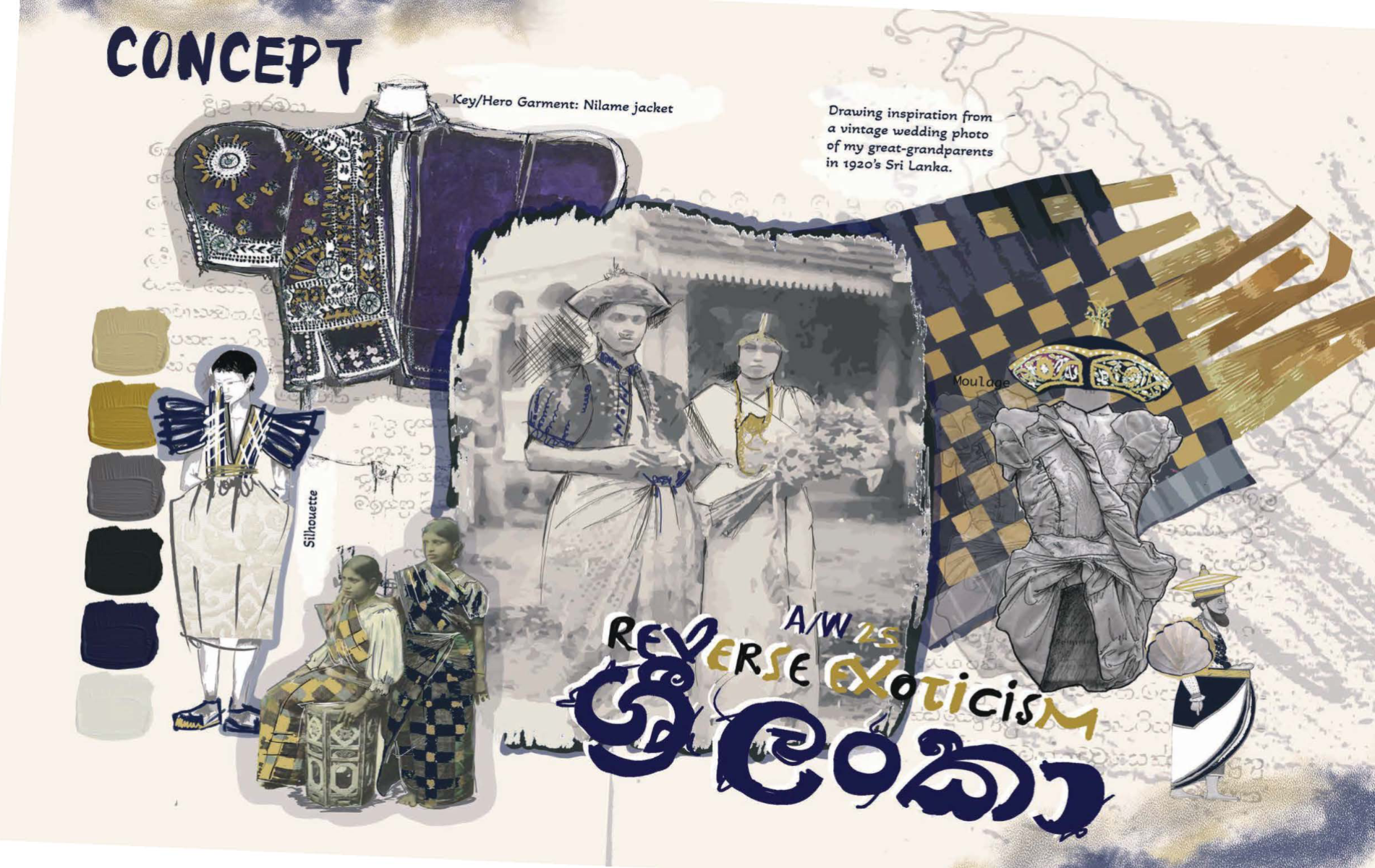
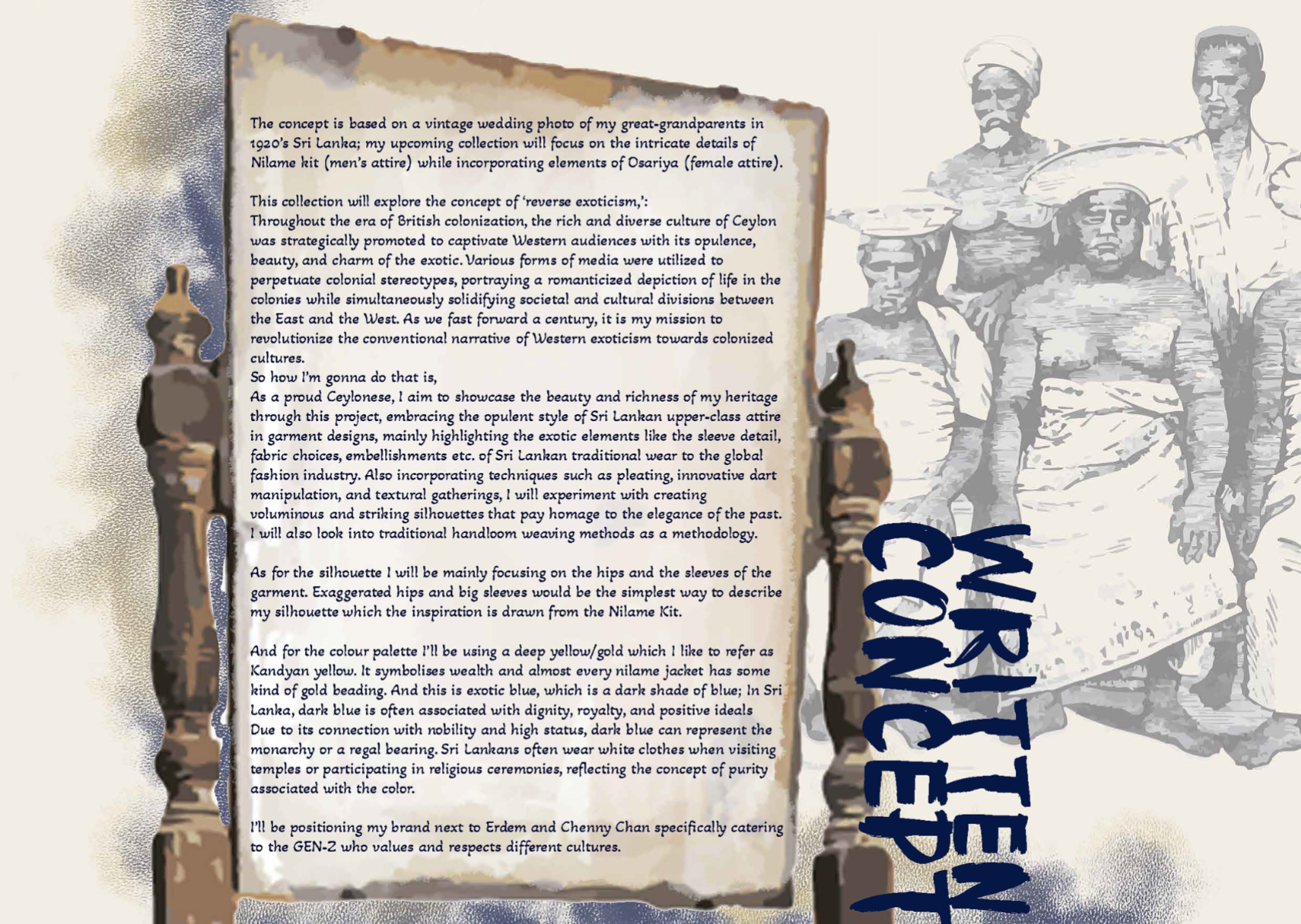
This collection will explore the concept of 'reverse exoticism,: Throughout the era of British colonization, the rich and diverse culture of Ceylon was strategically promoted to captivate Western audiences with its opulence, beauty, and charm of the exotic. Various forms of media were utilized to perpetuate colonial stereotypes, portraying a romanticized depiction of life in the colonies while simultaneously solidifying societal and cultural divisions between the East and the West. As we fast forward a century, it is my mission to revolutionise the conventional narrative of Western exoticism towards colonised cultures.