Yanqiu Yu
Fine Art BA (Hons)
Central Saint Martins UAL
Specialisms: Fine Art / Art History / Installation/Sculpture
Location: London, United Kingdom

Yanqiu Yu
First Name: Yanqiu
Last Name: Yu
Specialisms: Fine Art / Art History / Installation/Sculpture
Sectors:
My Location: London, United Kingdom
University / College: Central Saint Martins UAL
Course / Program Title: Fine Art BA (Hons)
About
For me, making art is a way of translating perceptions into material and spatial experiences. My practice explores the temporal and narrative dimensions of objects, shifting between personal memory and institutional archives. I’m particularly interested in how material culture, from everyday belongings to museum artefacts which accumulates layered histories and changing meanings over time. Working across installation, sculpture, video, and text, I draw from research in art history, archaeology, and object theory. Many of my projects are informed by interdisciplinary independent research and in-depth engagement with collections and archival materials within institutional contexts. Recently, I have become increasingly focused on the act of collecting as a means of shaping subjective time and examining the tension between preservation and reinterpretation. For me, making art is a way of translating perceptions into material and spatial experiences. My practice explores the temporal and narrative dimensions of objects, shifting between personal memory and institutional archives. I’m particularly interested in how material culture, from everyday belongings to museum artefacts which accumulates layered histories and changing meanings over time. Working across installation, sculpture, video, and text, I draw from research in art history, archaeology, and object theory. Many of my projects are informed by interdisciplinary independent research and in-depth engagement with collections and archival materials within institutional contexts. Recently, I have become increasingly focused on the act of collecting as a means of shaping subjective time and examining the tension between preservation and reinterpretation. This body of work traces the development of two interconnected trajectories in my practice: one grounded in intimate, lived experience, and the other engaging critically with historical and institutional narratives. This body of work traces the development of two interconnected trajectories in my practice: one grounded in intimate, lived experience, and the other engaging critically with historical and institutional narratives.
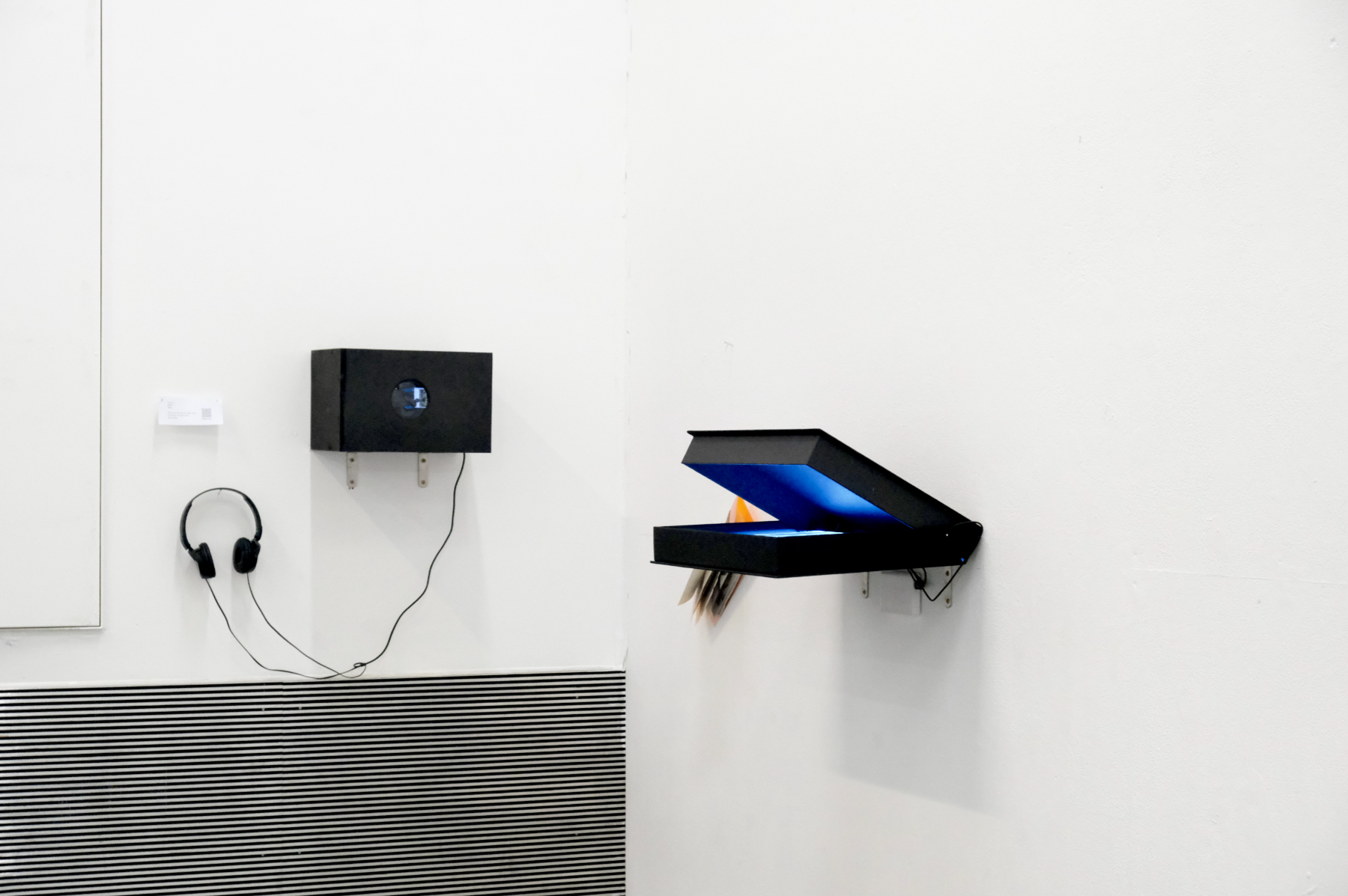
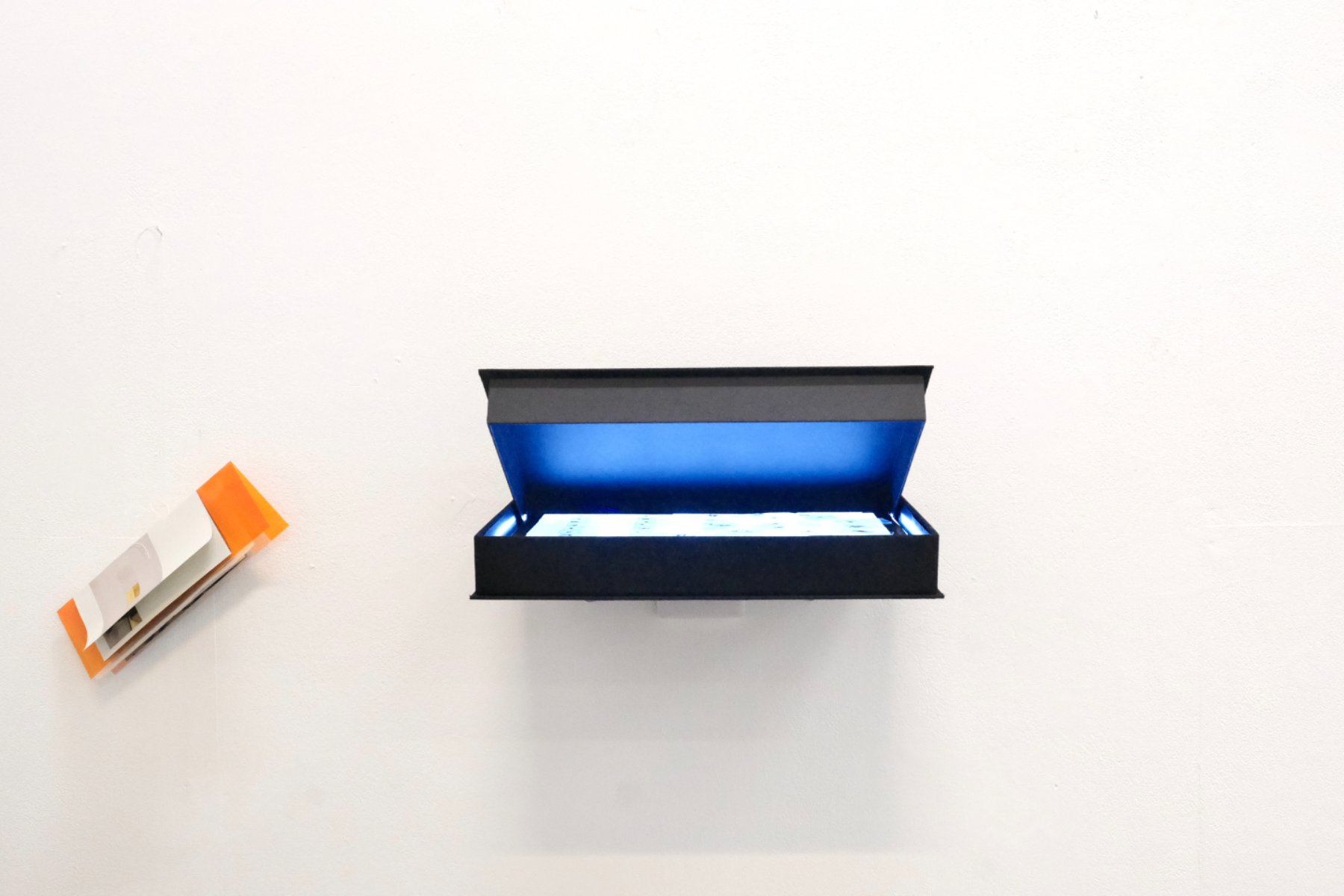
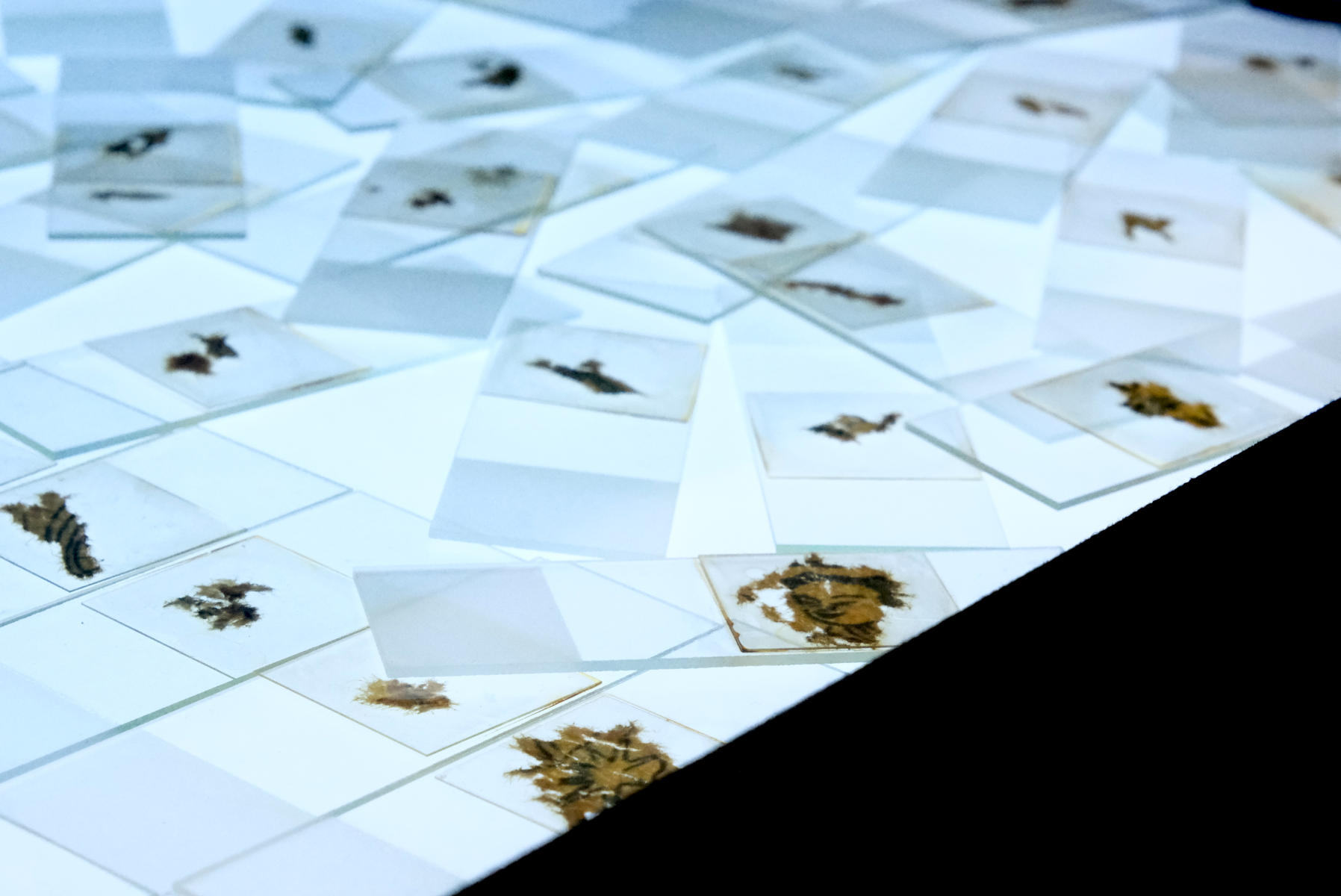
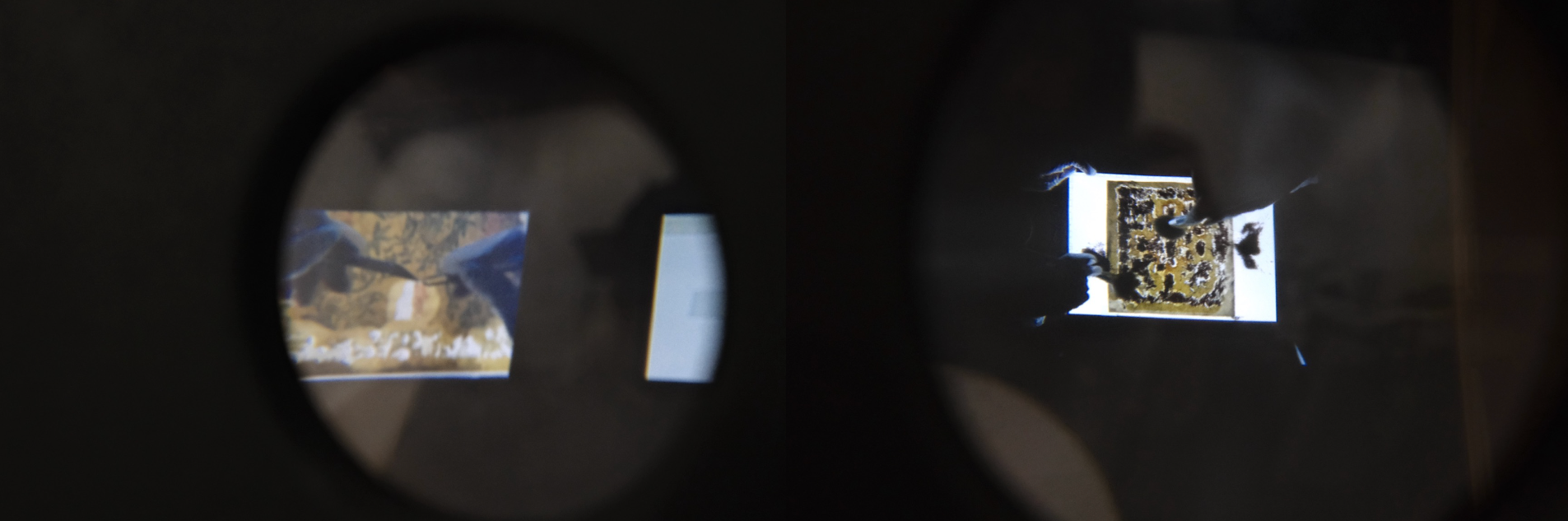
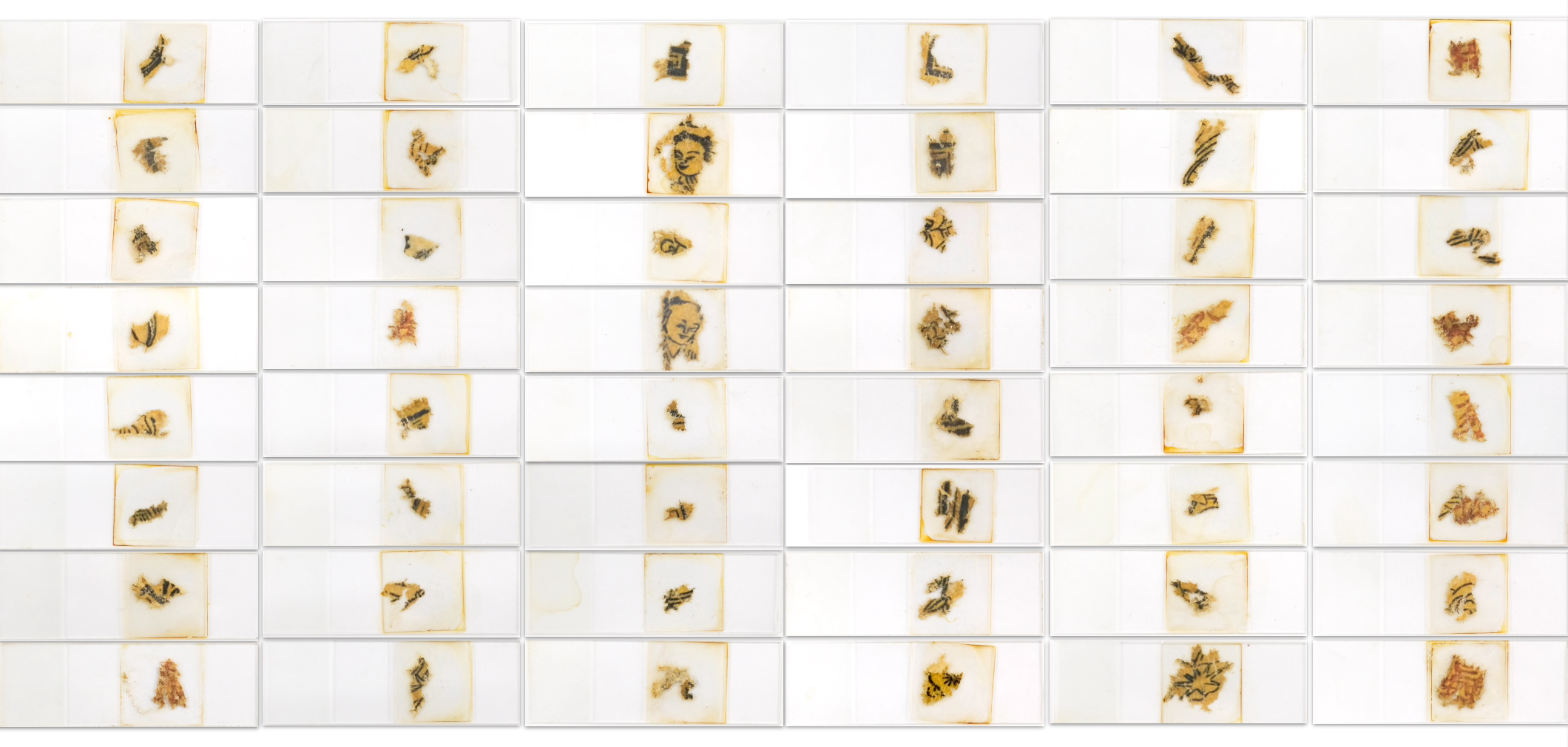
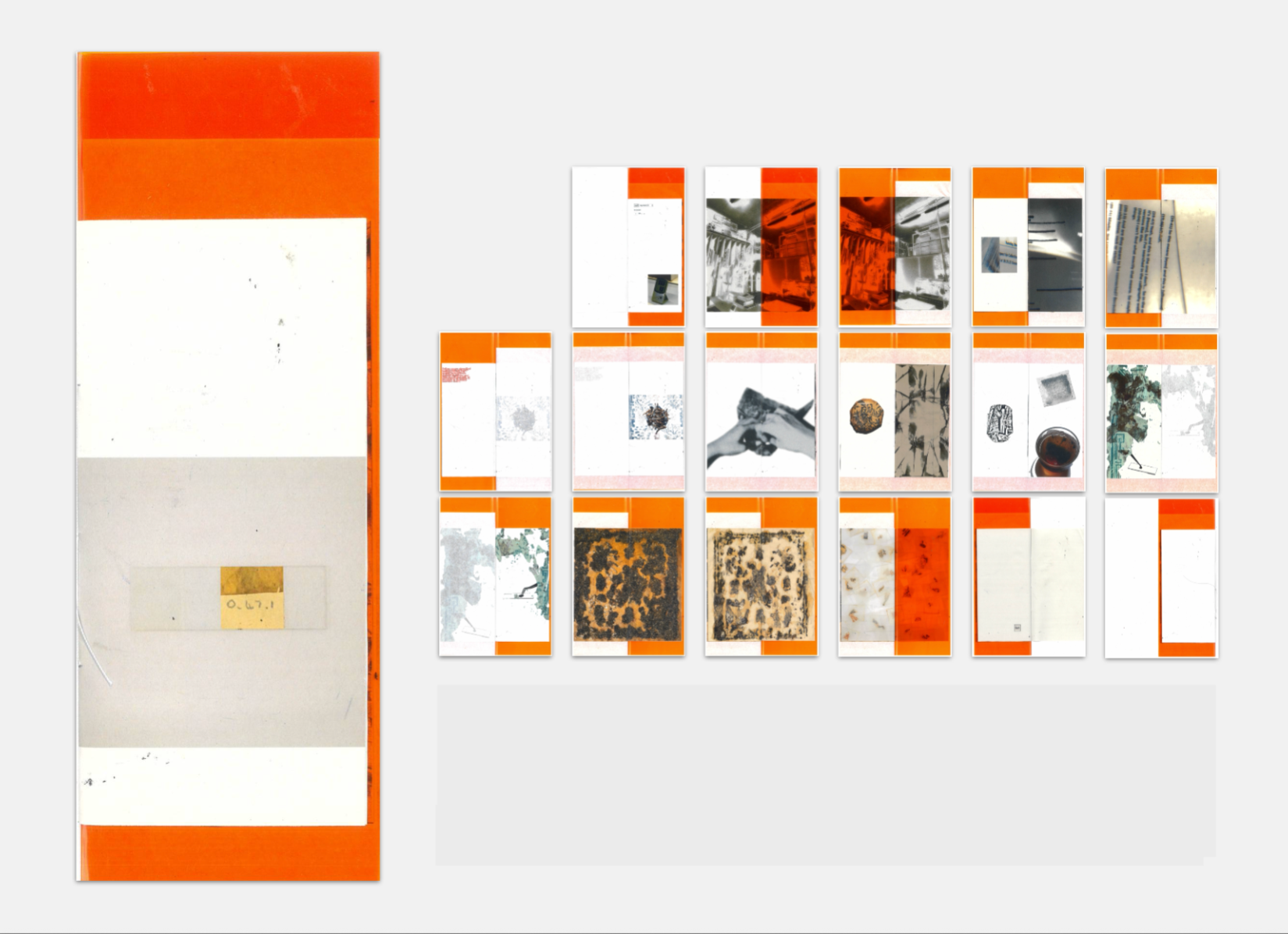
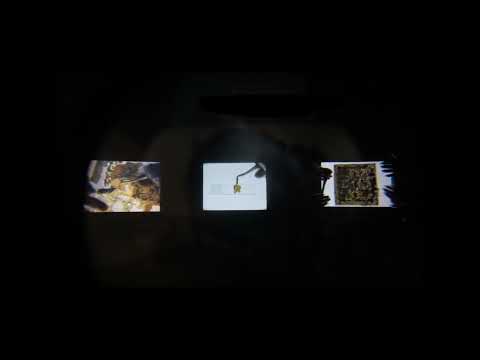
‘O.47.1’ is a response to an 18th-century Chinese tea box label in the Central Saint Martins Museum & Study collection. After serving as a tea label, the object was later reused as a teaching material for its decorative design. Rather than offering a factual reconstruction, this project reimagines the label through a strange, speculative lens - exploring what it might have become across time, and questioning the coherence between what was and what could have been. The project was also documented through a short publication.
Competitions
Global Creative Graduate Showcase 2025
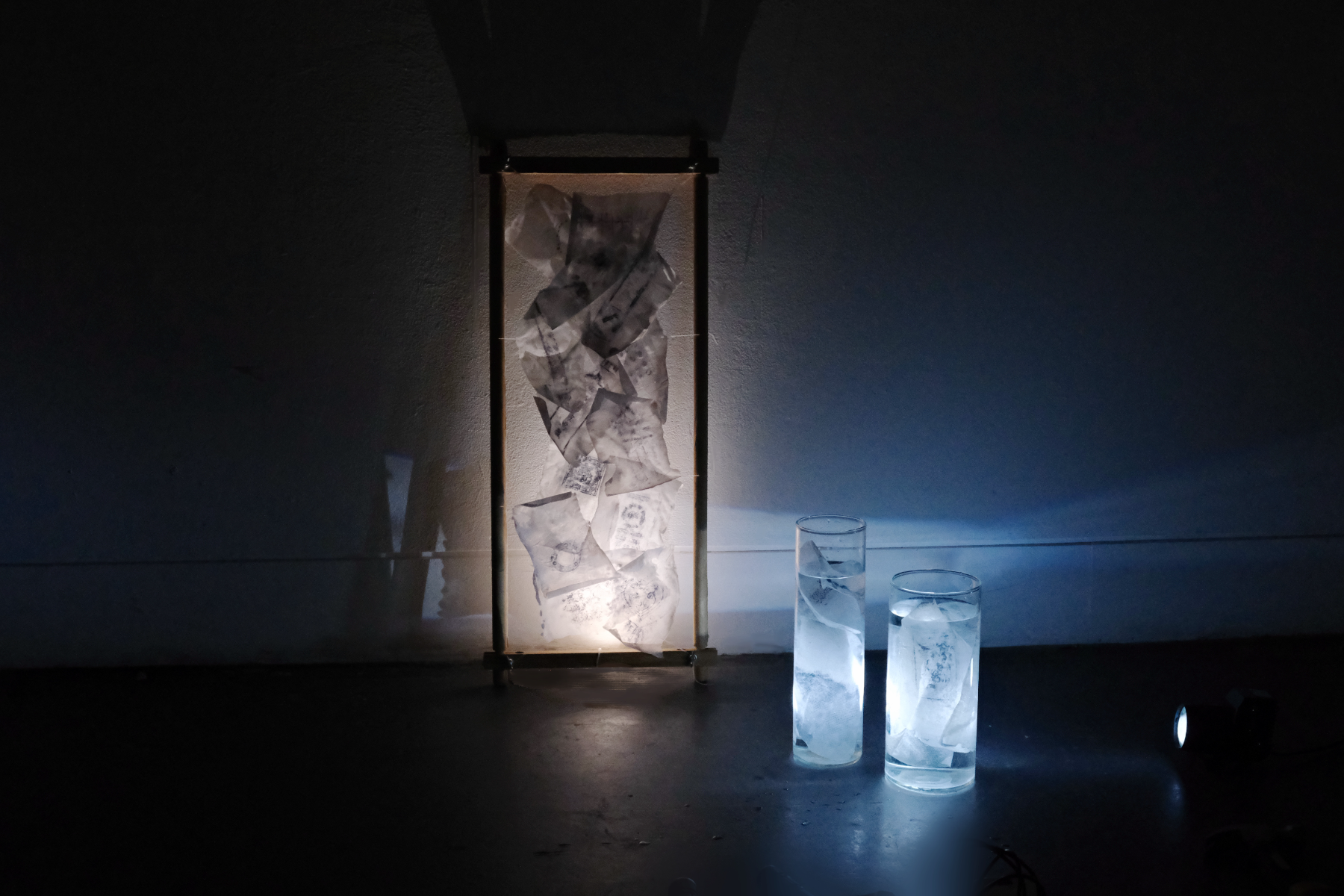
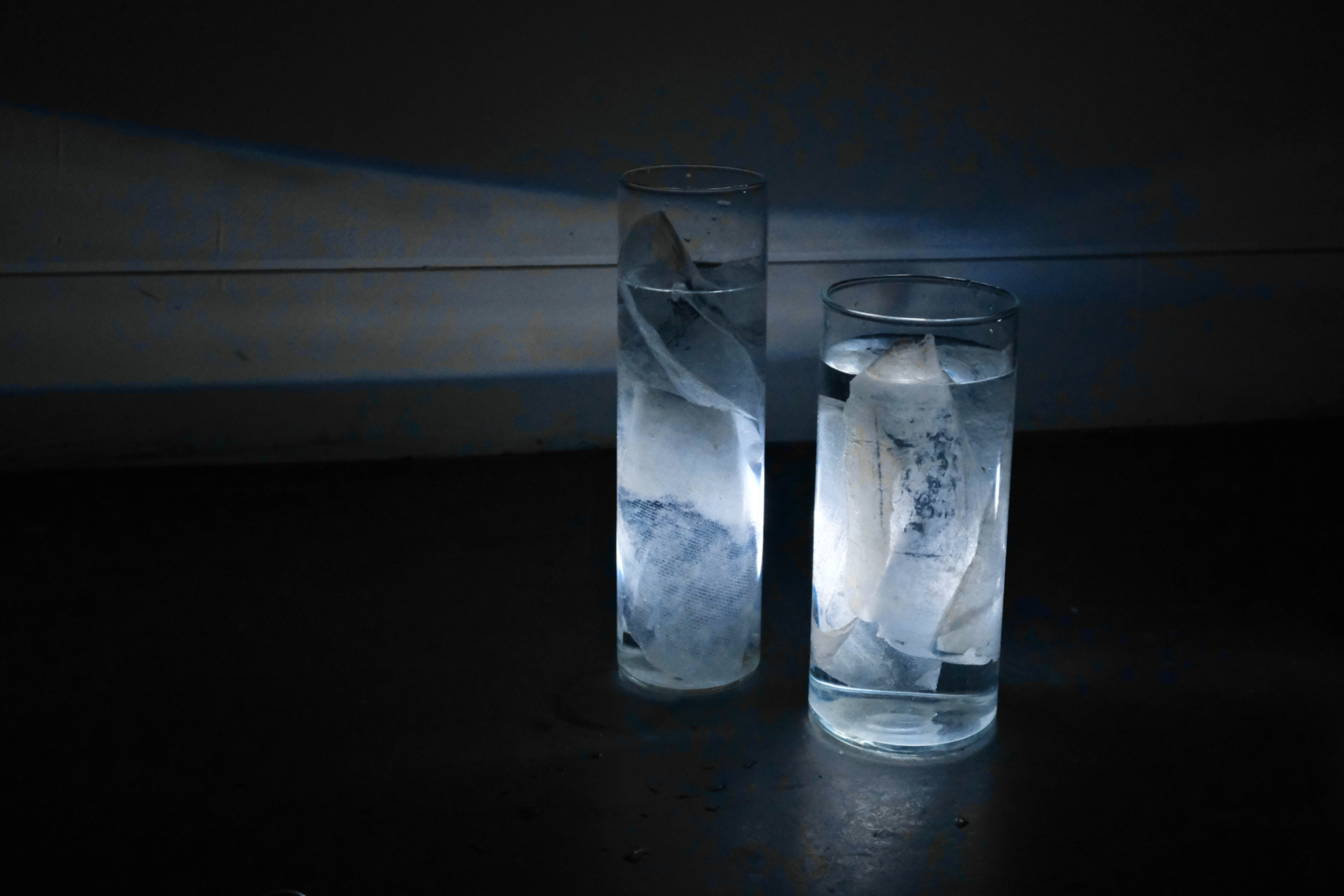
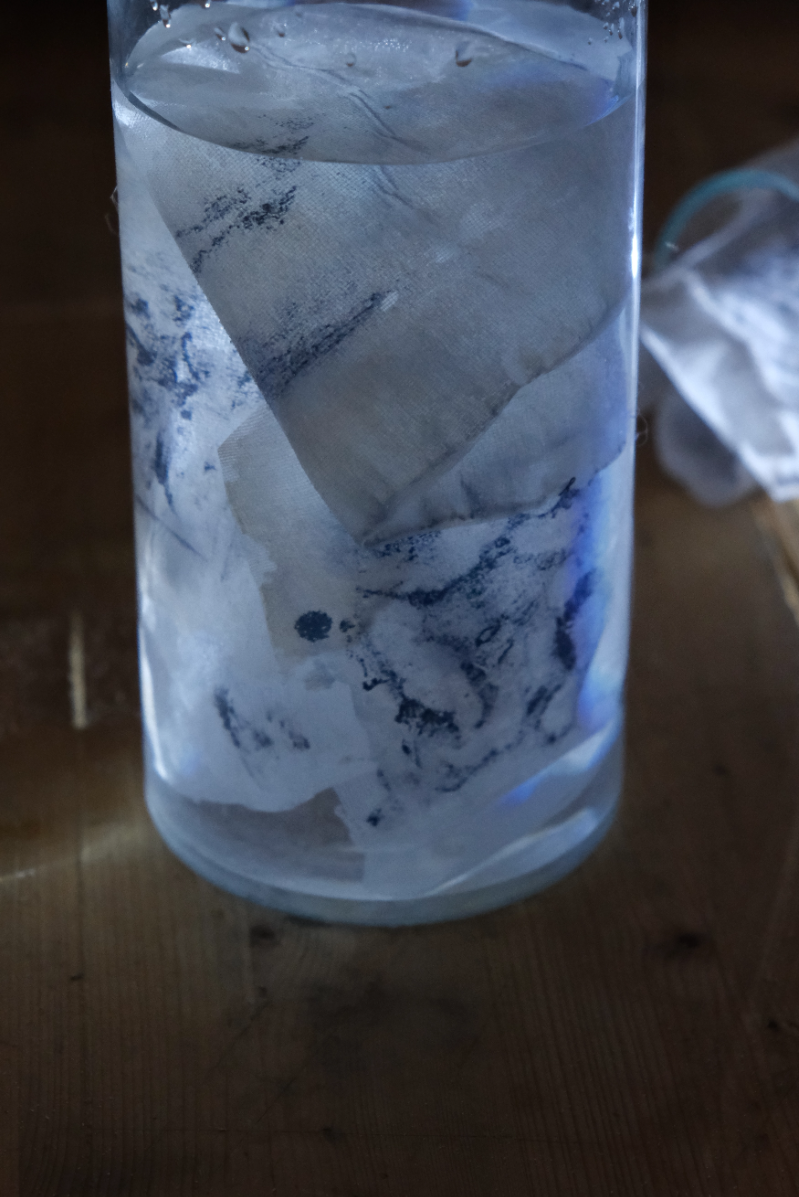
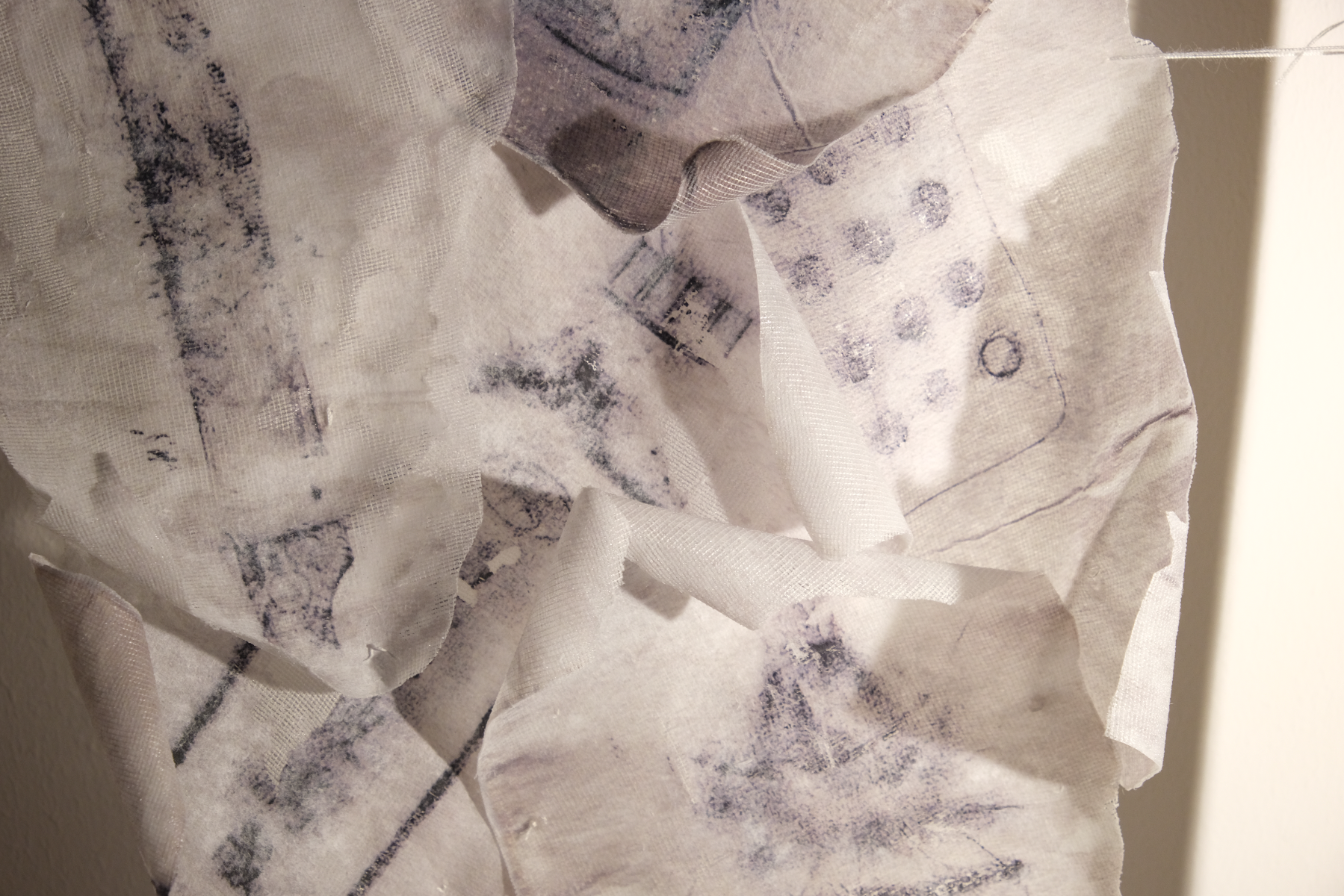
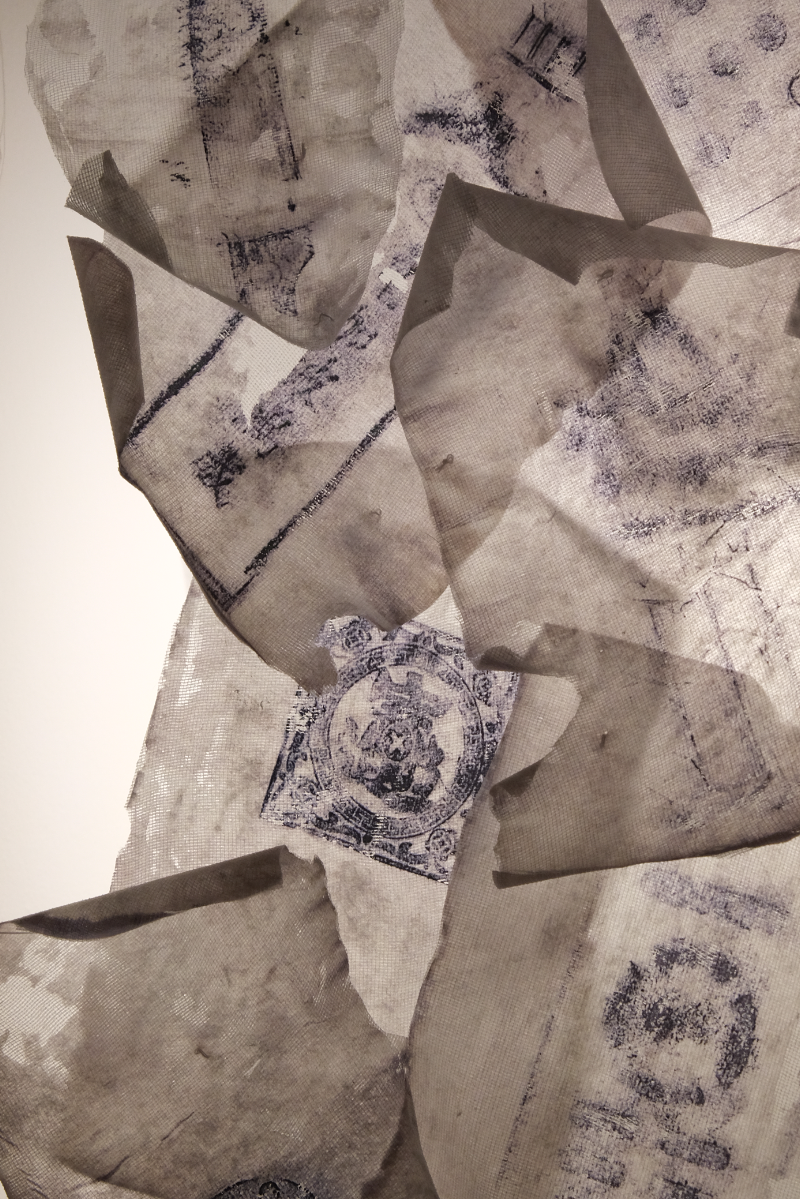
Aftershape reflects on relocation and its impact on memory by recreating objects from past living spaces. These traces form a set of ‘soft archives’. In this work, they appear in two forms. In the glass container below, the fabric is submerged in water. Water gives a sense of cleanliness and represents a path connecting two places. The fragments do not dissolve, but slowly absorb and deform in the liquid. Through material transformation, these pieces preserve emotional residues and function as ‘non-human witnesses’ to fading time. The work emerges from an impulse to commemorate overlooked traces of domestic life that anchor a sense of orientation.
Competitions
Global Creative Graduate Showcase 2025
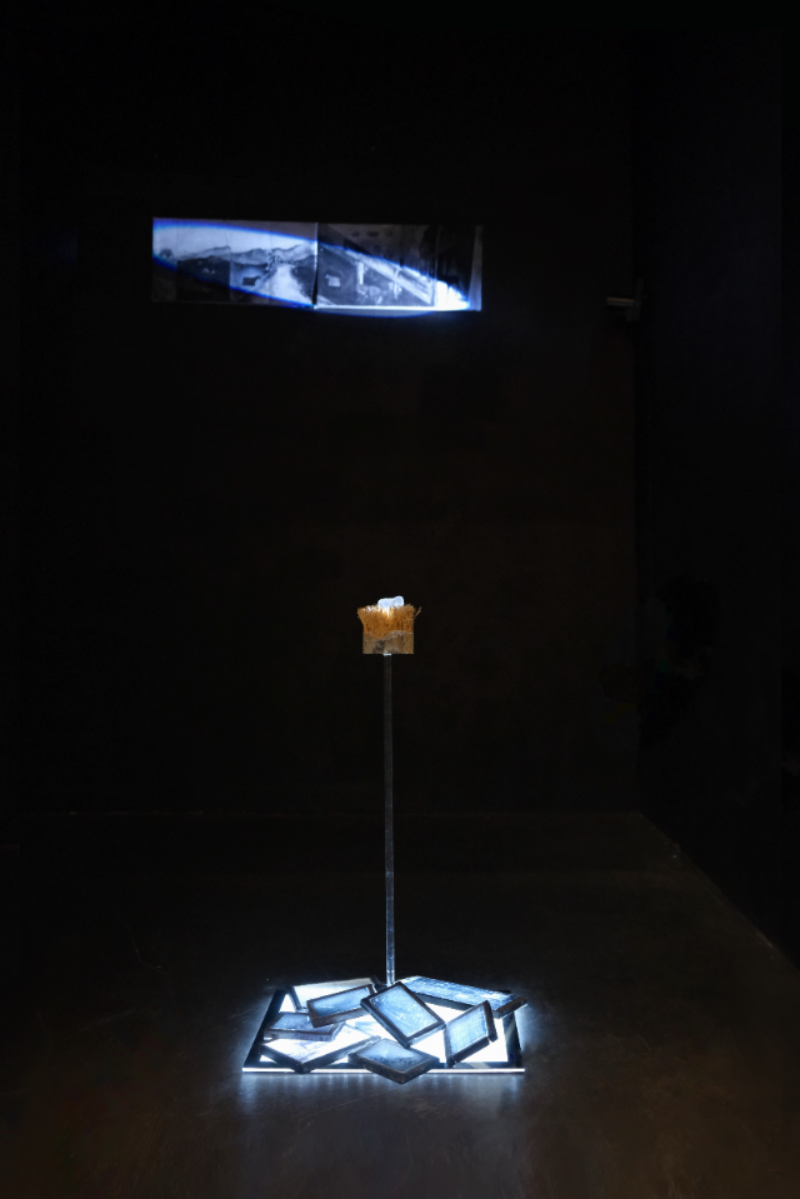
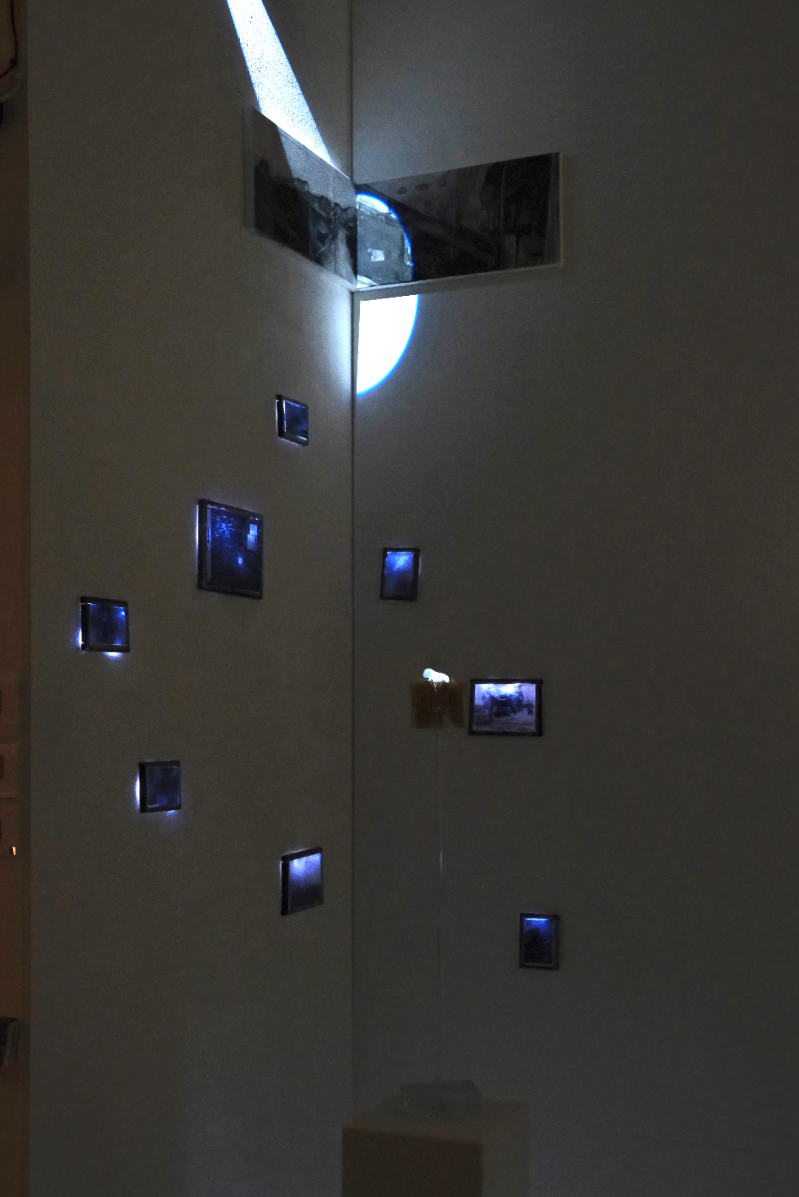
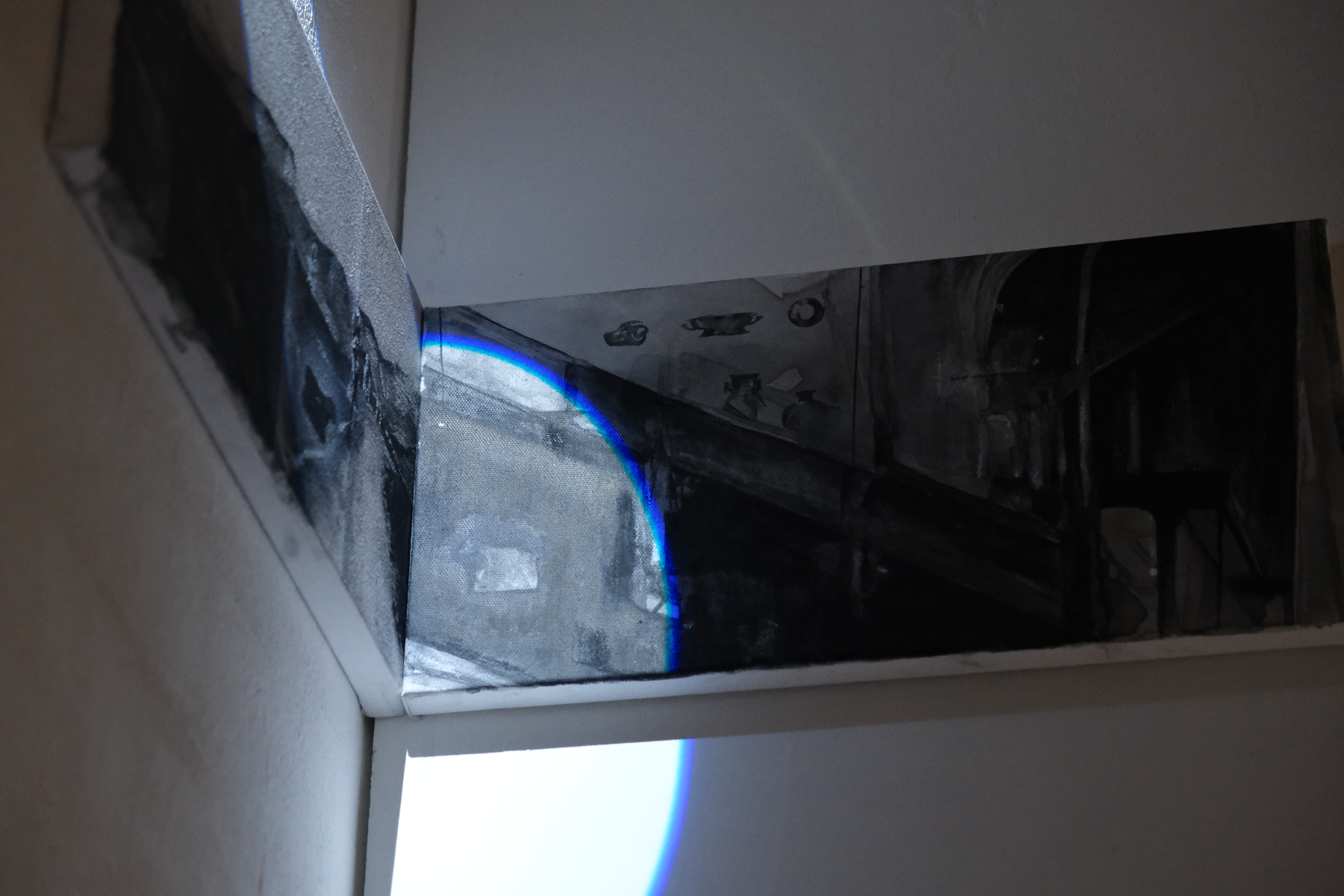
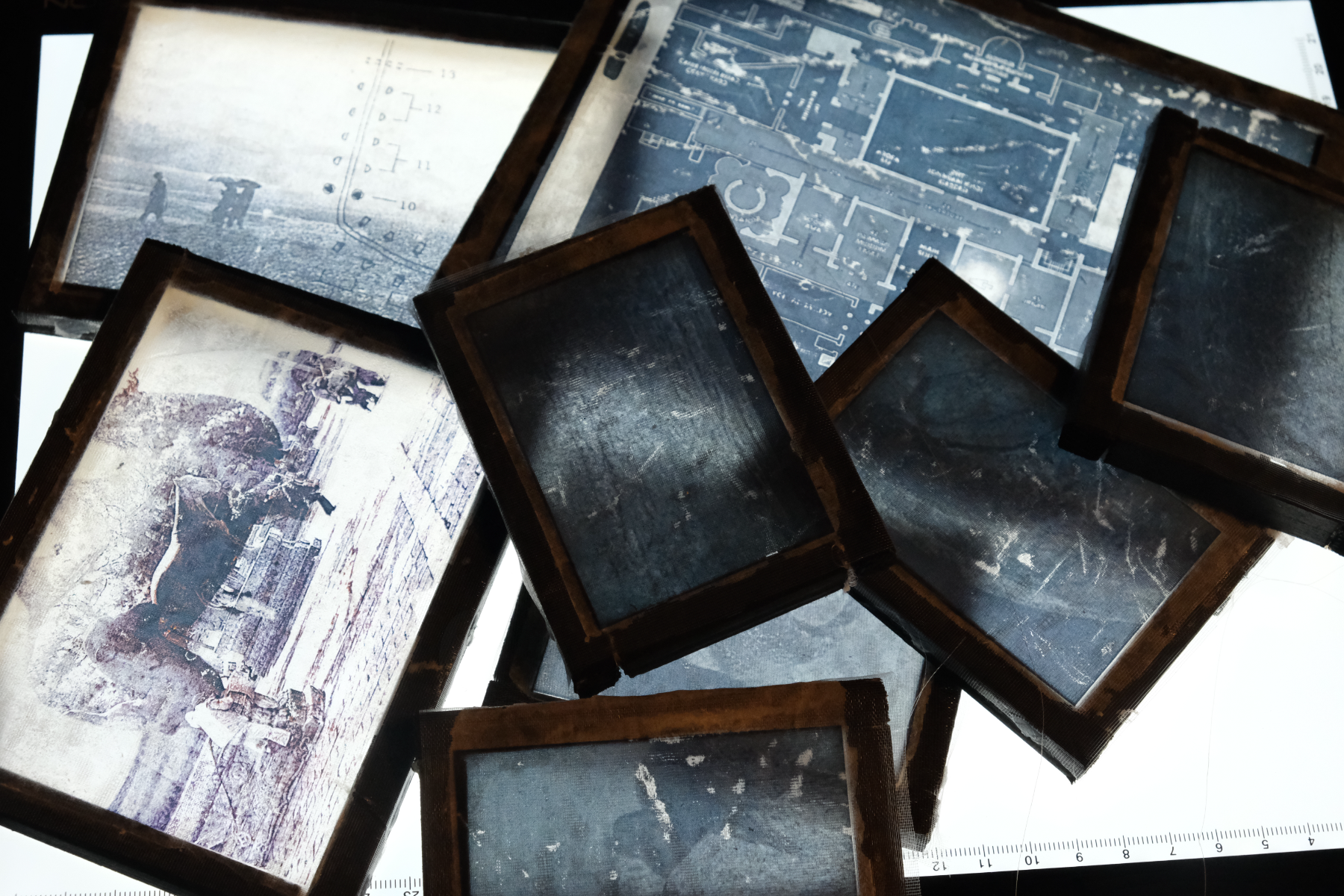
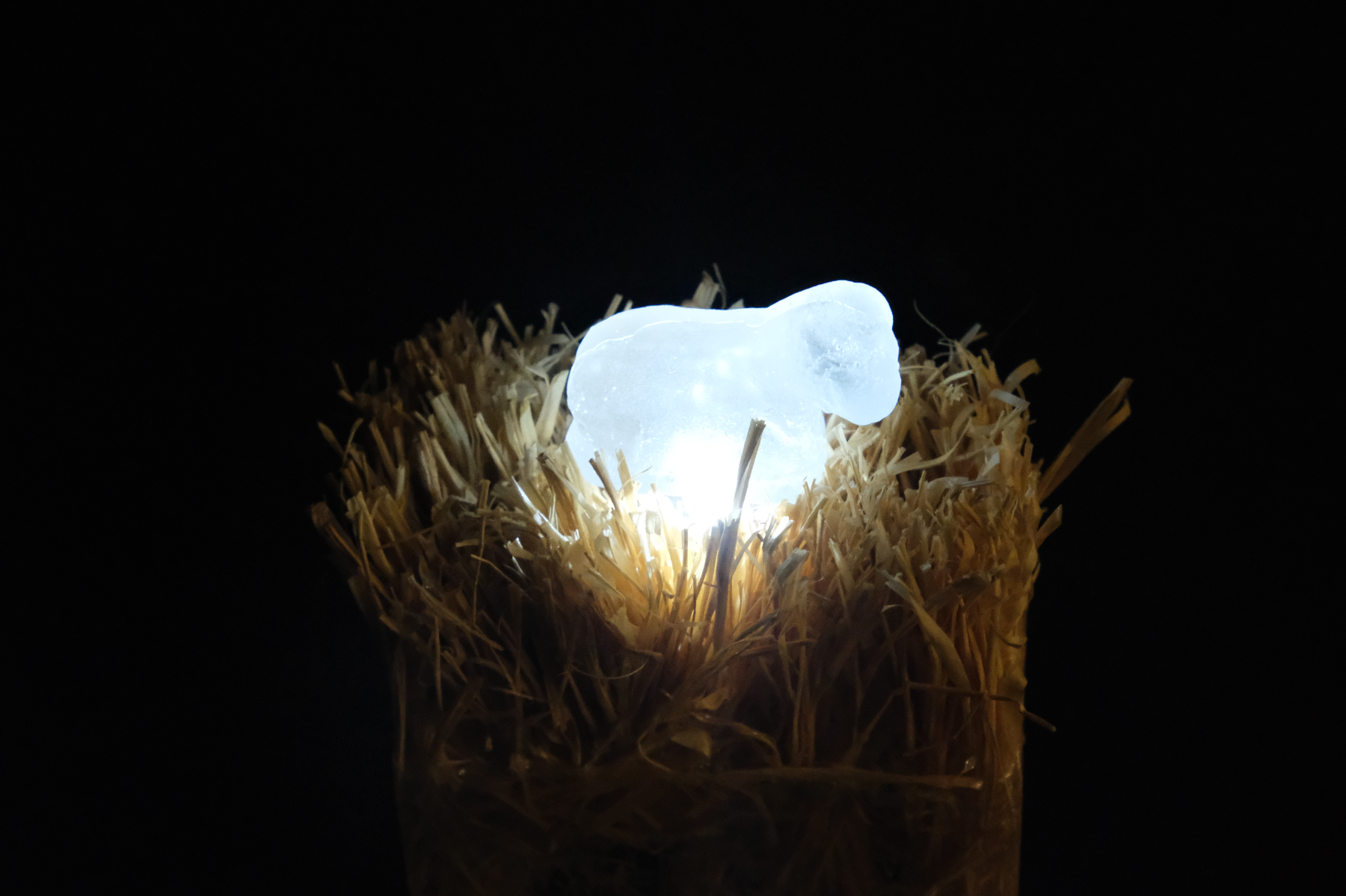
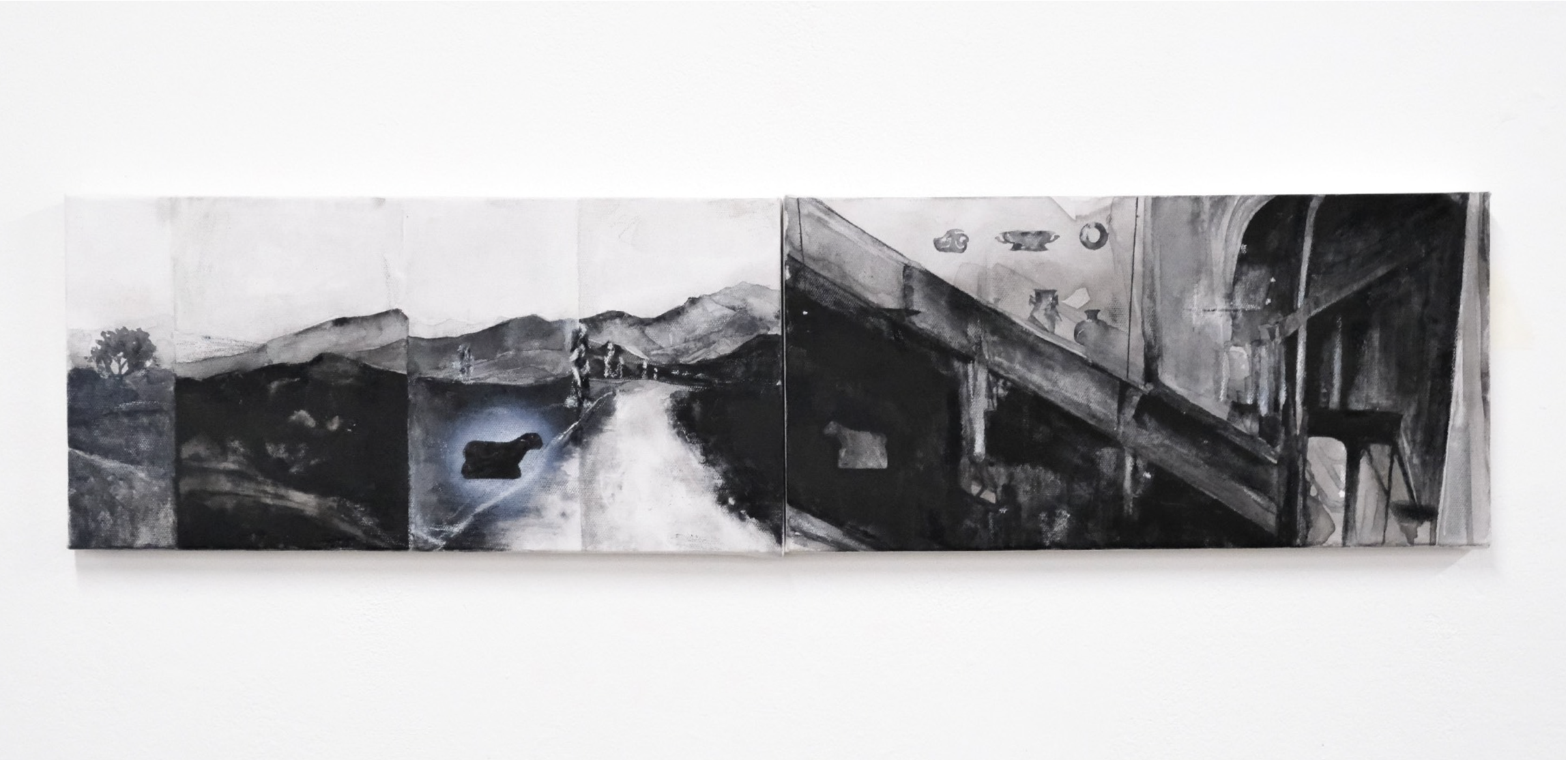
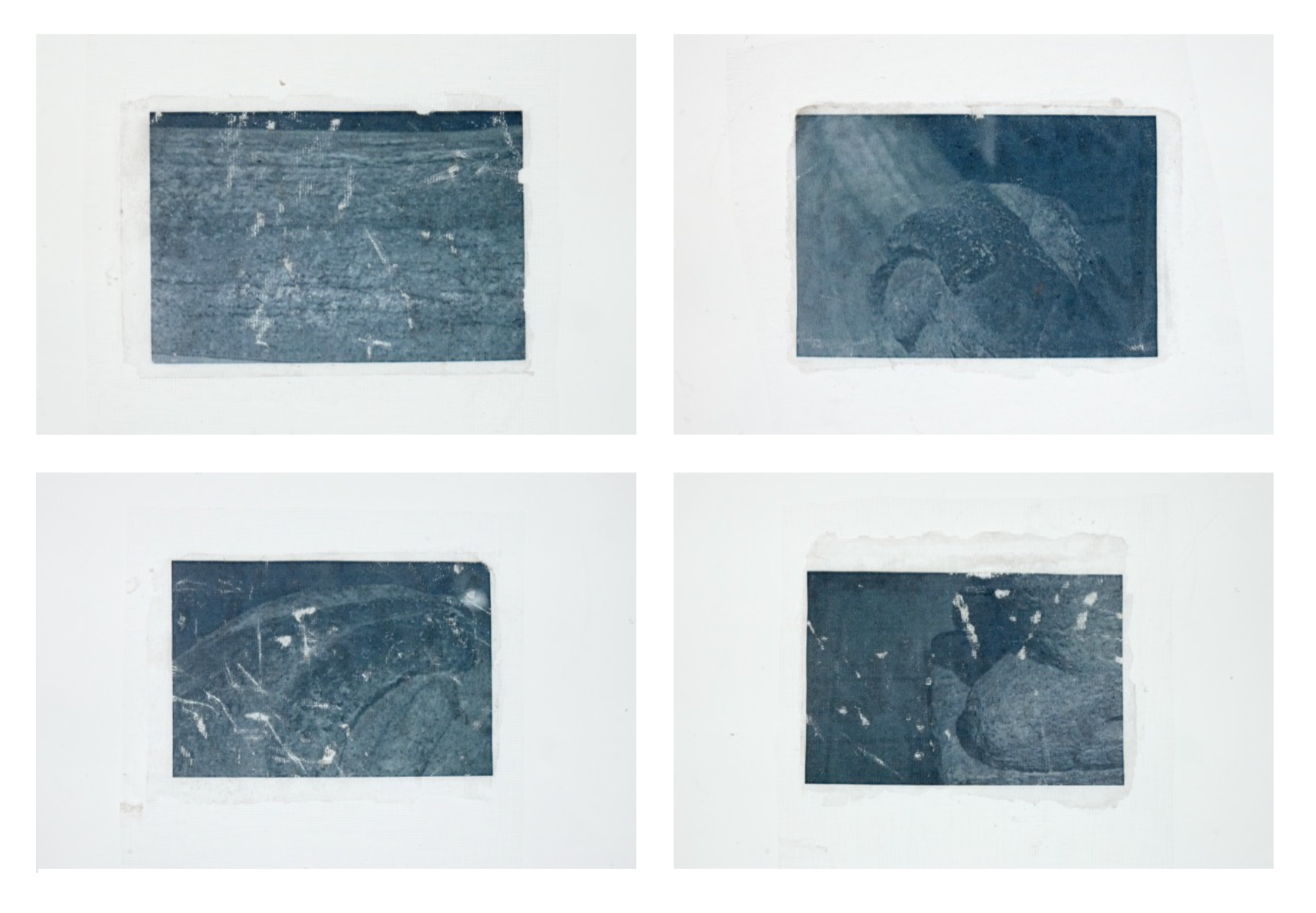
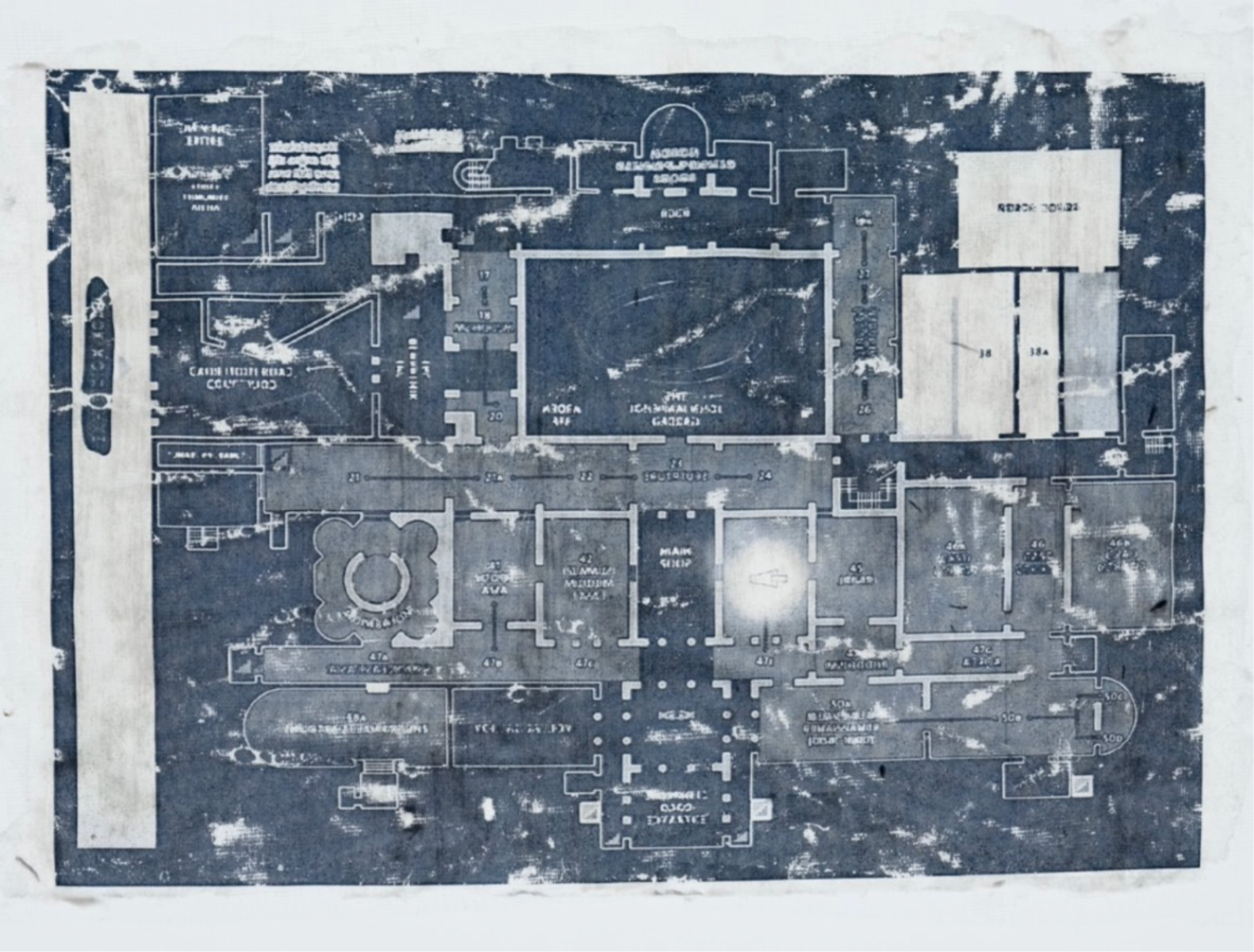
A.1-1928 responds to a stone ram statue in the Victoria and Albert Museum, reconstructed through firsthand research and historical archives. It examines the gap between official narratives and fragmentary realities, turning archival references and archaeological discourses into open frameworks for re-reading institutional objects.
Competitions
Global Creative Graduate Showcase 2025
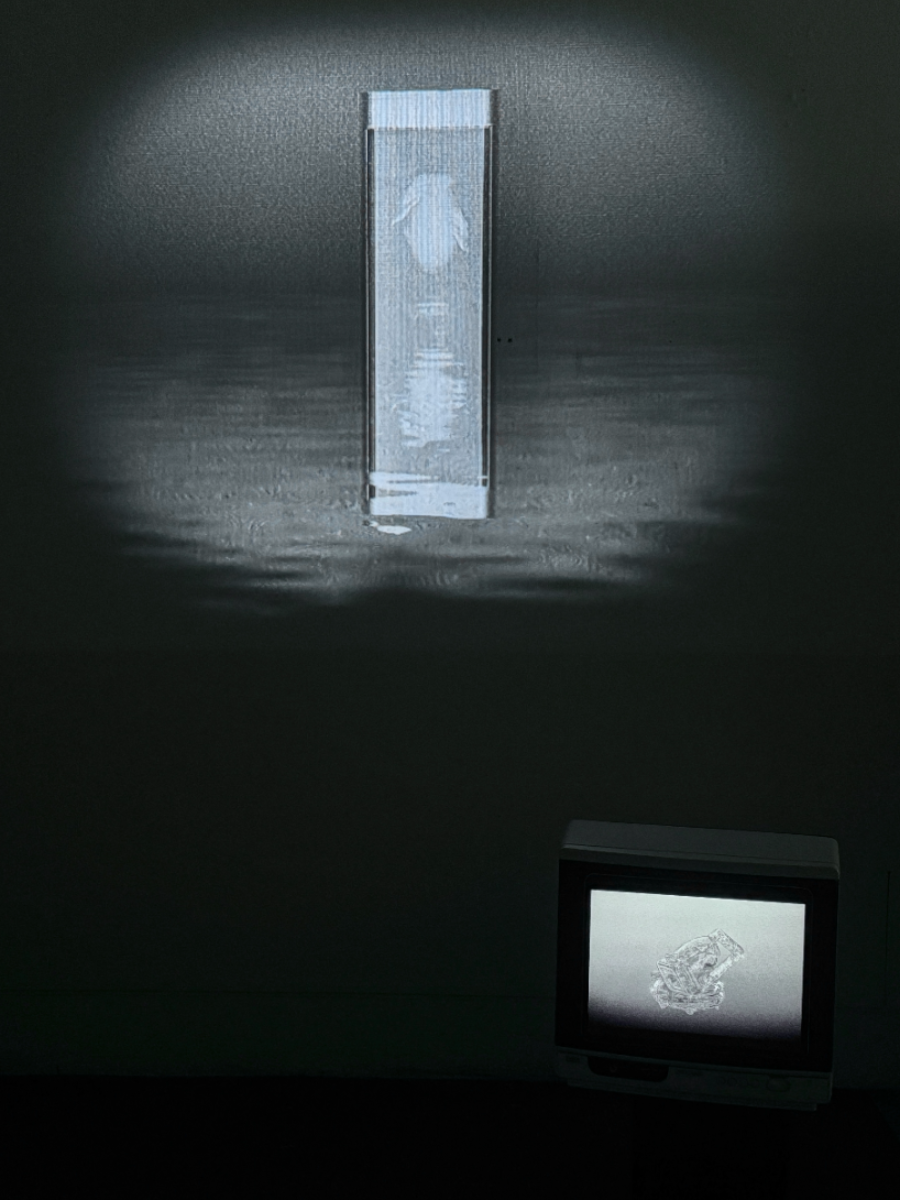
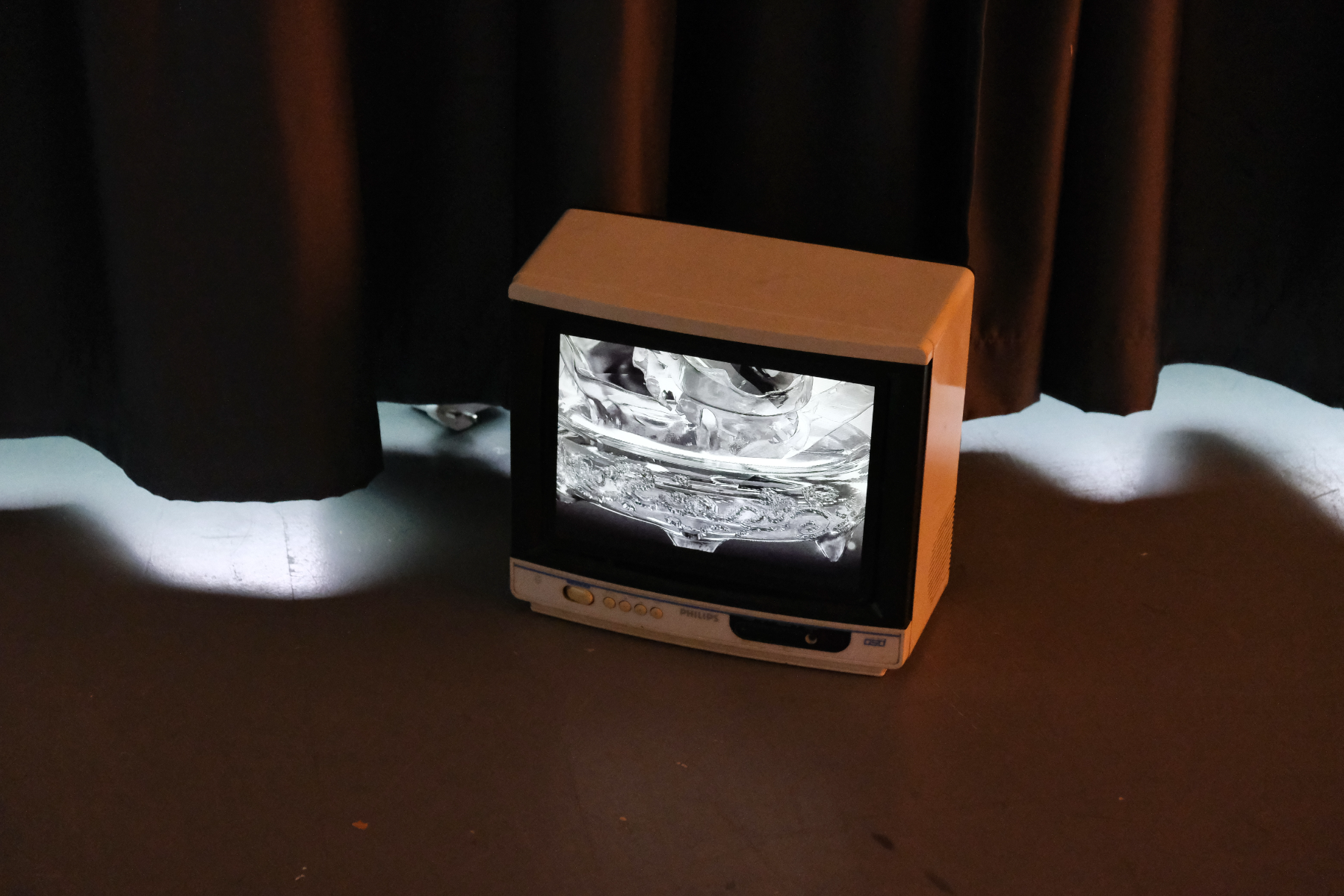
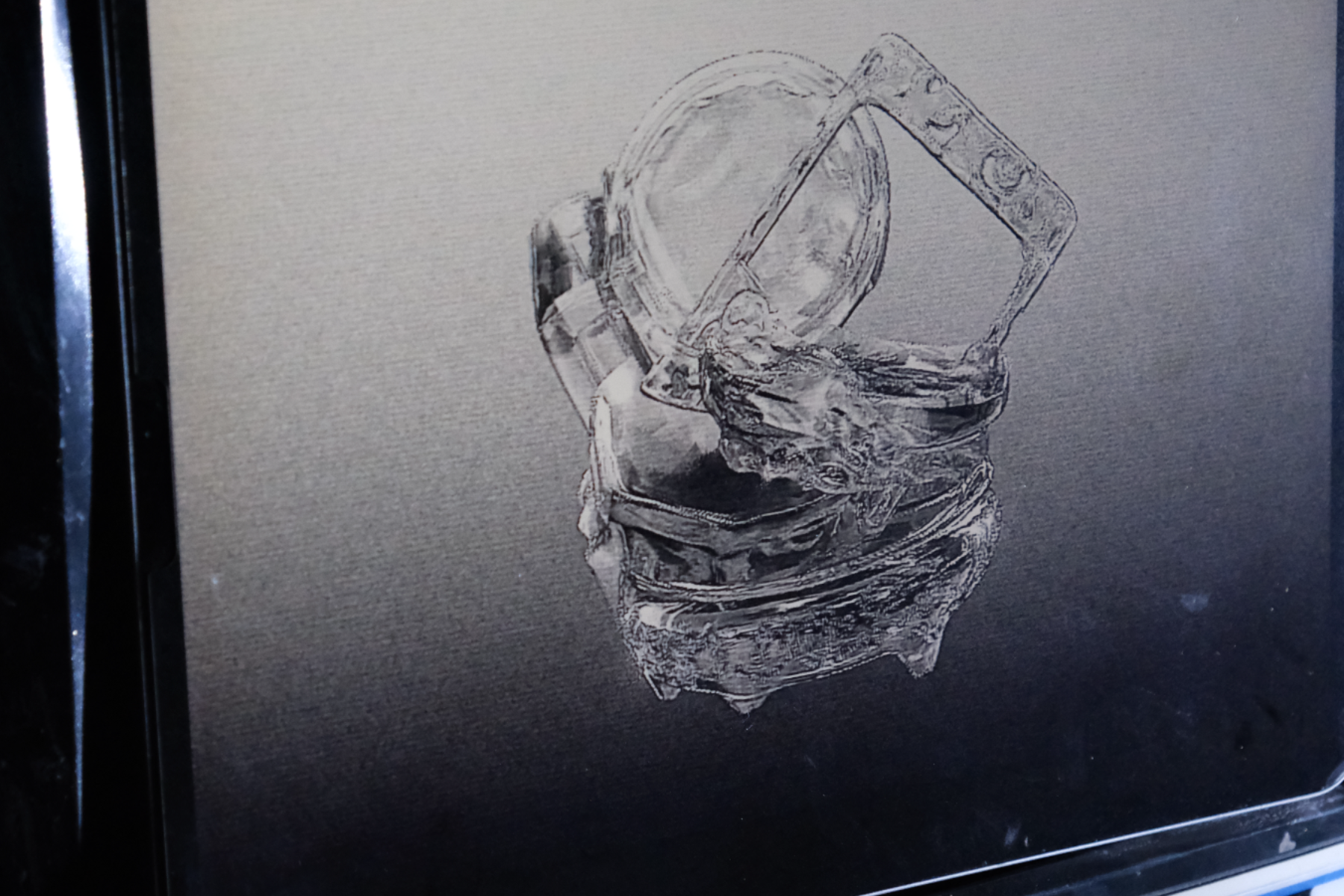
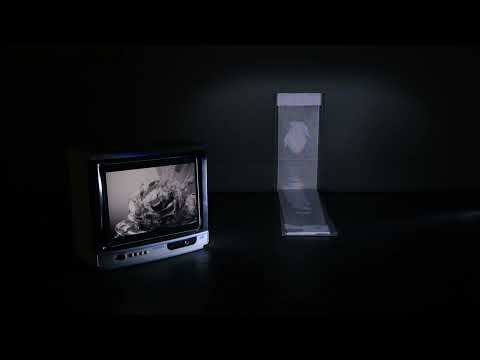
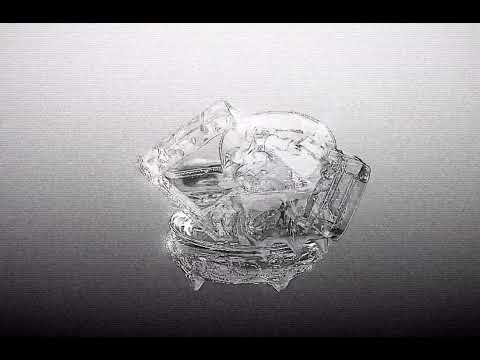
The Collector’s Prosthesis continues this trajectory by focusing on the act of collecting itself. Inspired by Chinese antiquarian paintings, the work shifts attention to marginal elements - bases, stands, and other ‘prosthetic’ supports - that shape the way objects are viewed and valued. As an ‘extension’ of the collector’s hand, the pedestal or stand supports and shapes value of the collected object. These overlooked structures carry symbolic weight, extending the collector’s will andforming the unseen grammar of display.
Competitions
Global Creative Graduate Showcase 2025
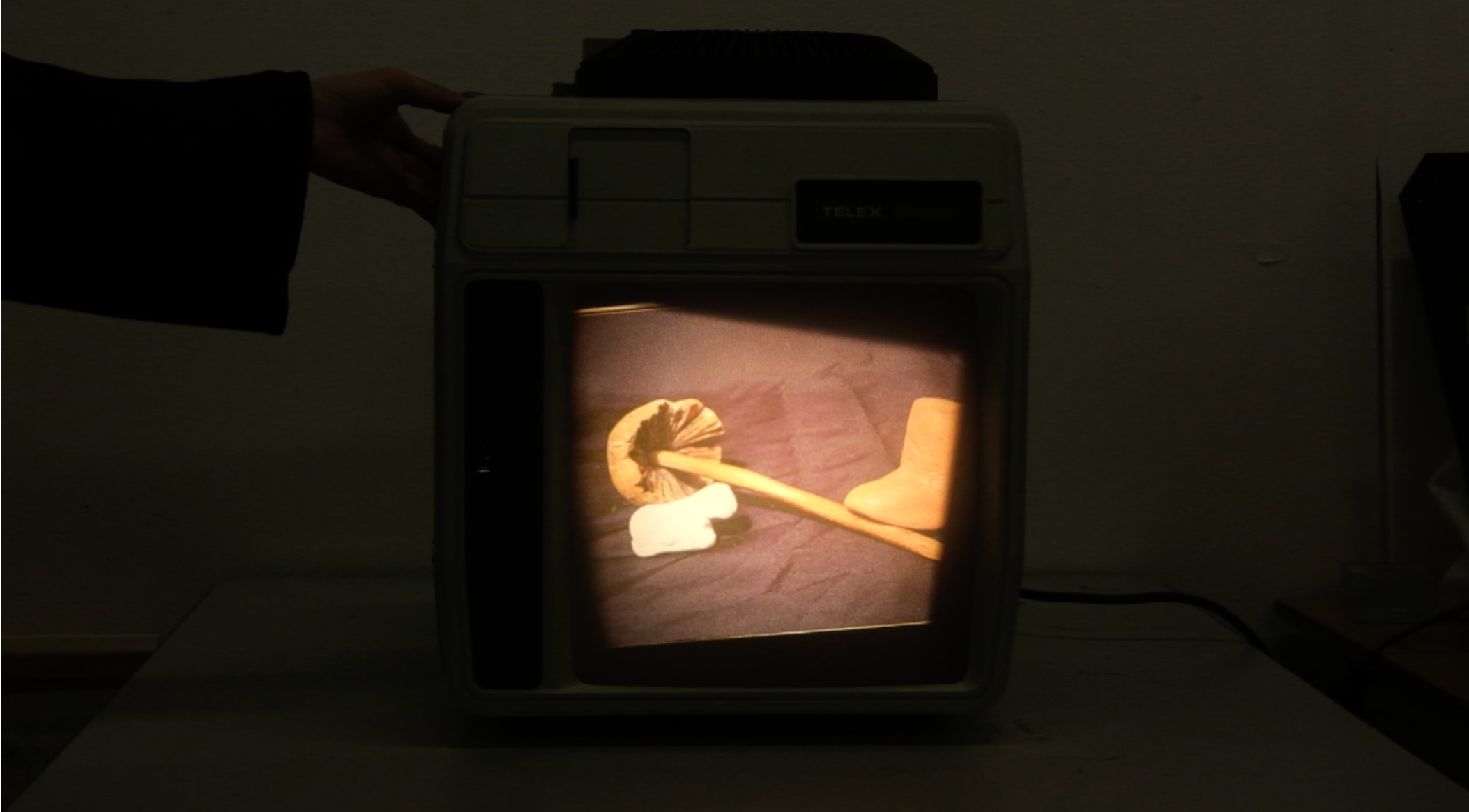
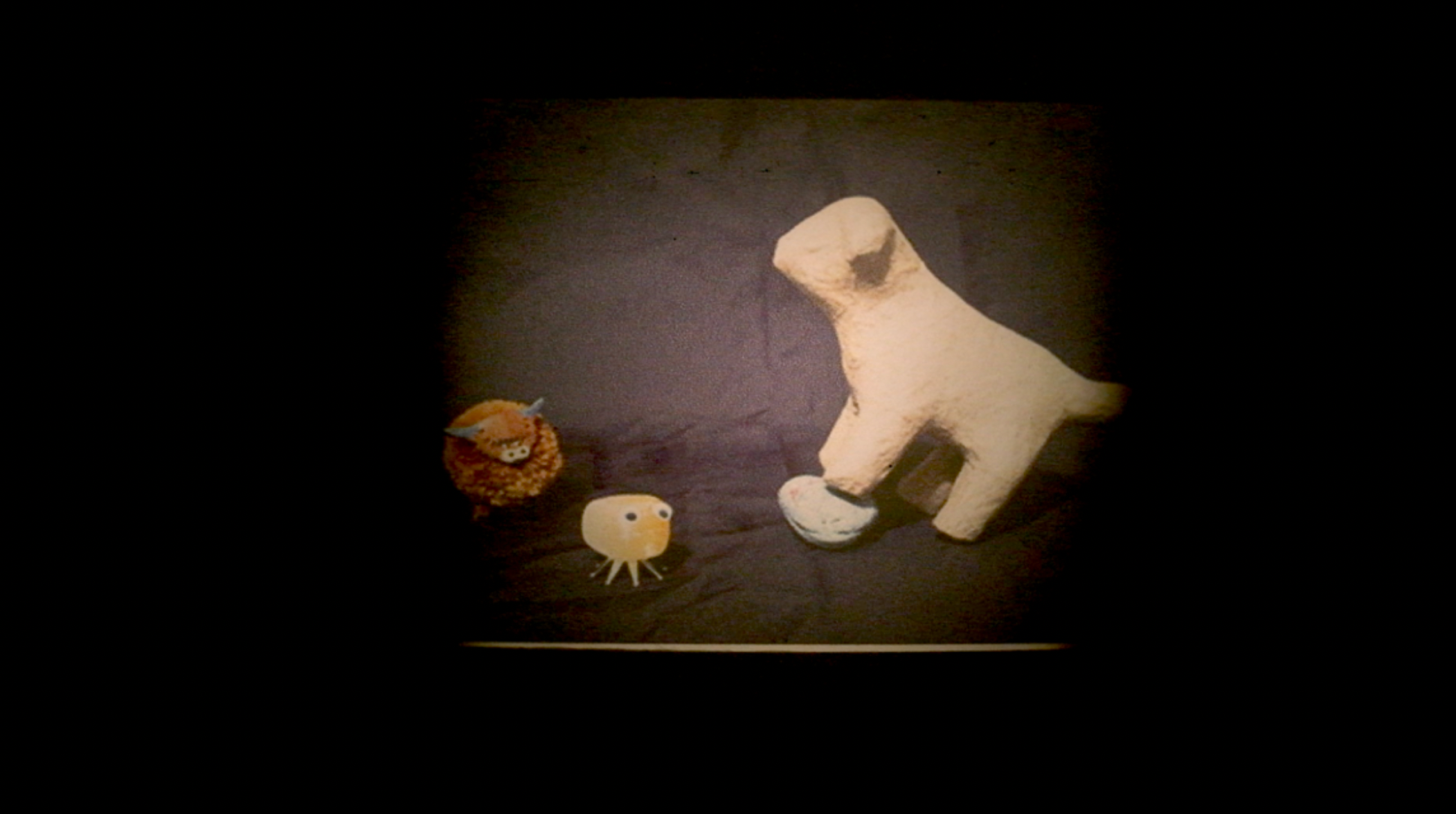
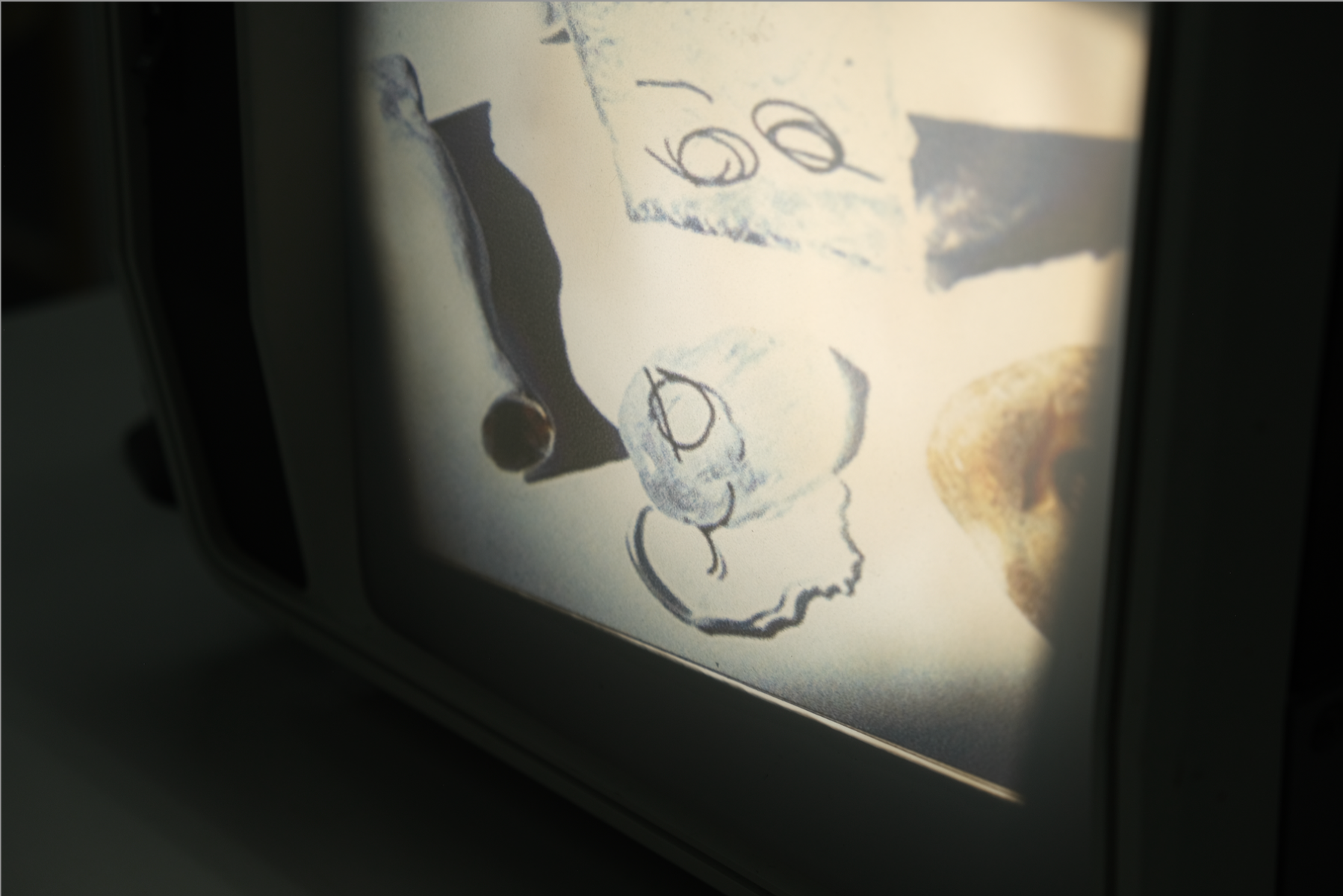
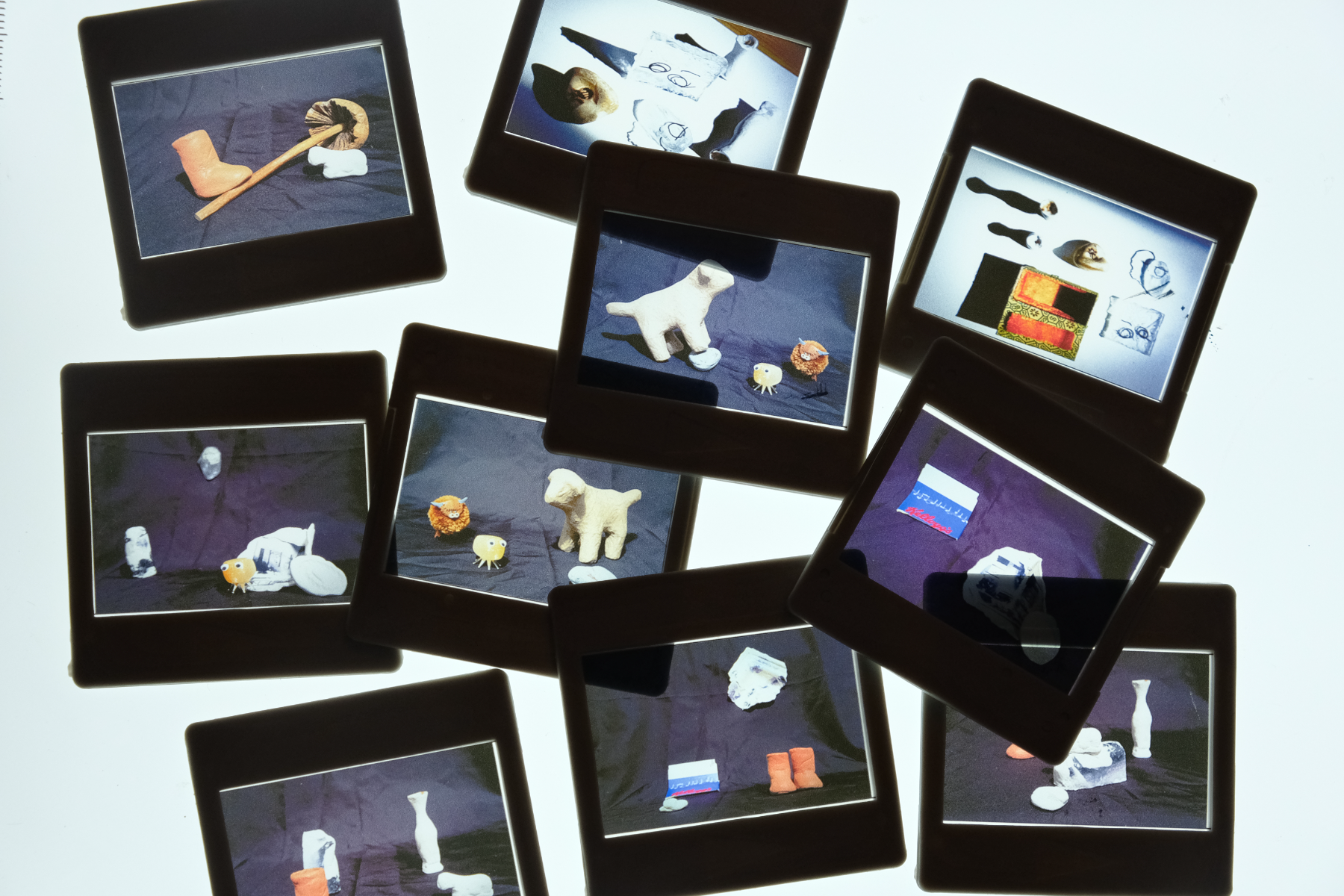
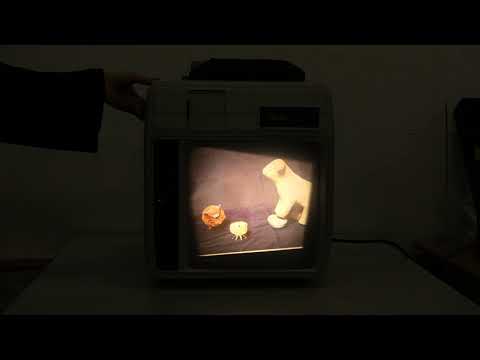
Collecting may have always been part of my practice. I often begin with small objects; however, they are often too small and easily excluded from what is typically considered ‘proper work’. Beyond the digital archive, I hope that these objects can be seen as independent entities that have their own logic. They should not be fixed in a single context, but can be freely combined and ‘composed’. The work doesn’t focus on the meaning of each object on its own, but on the relationships and structure between them - a way of expression built on intuition, order, and connection. Documenting through slide film, this newly obsolete medium creates a sense of mystery and distance, turning the scenes into quiet moments of attention.
Competitions