Yasamin Shaikhi
Design MFA
VCUarts Qatar
Specialisms: Product Design / Interior Design / Material Innovation
Location: Doha, Qatar


Yasamin Shaikhi
First Name: Yasamin
Last Name: Shaikhi
Specialisms: Product Design / Interior Design / Material Innovation
Sectors:
My Location: Doha, Qatar
University / College: VCUarts Qatar
Course / Program Title: Design MFA
About
Yasamin Shaikhi is an interdisciplinary designer with a BFA in Interior Design and an MFA in Design from Virginia Commonwealth University. Her work centers on material exploration and hands-on experimentation, using existing materials in new ways to challenge conventional boundaries and spark unexpected outcomes. She has worked on a range of interior design projects, from exhibition design to residential and hospitality spaces, as well as material research focused on biobased formation and, most recently, product design. Driven by a deep interest in sustainability, she is committed to making it more than just a conversation—transforming it into functional, tangible design solutions. Yasamin treats materials as collaborators, giving them their own voices and pushing them beyond expected limits.
Born and raised in Qatar, Yasamin’s sense of place and identity is shaped by a personal archive of memory. Nostalgia plays a central role in her practice. She draws from the textures, stories, and objects of childhood to revive fading designs and reimagine them with new purpose. In doing so, her work becomes a quiet act of remembrance and translation. It becomes an invitation for others, especially those unfamiliar with these pasts, to inhabit them anew.
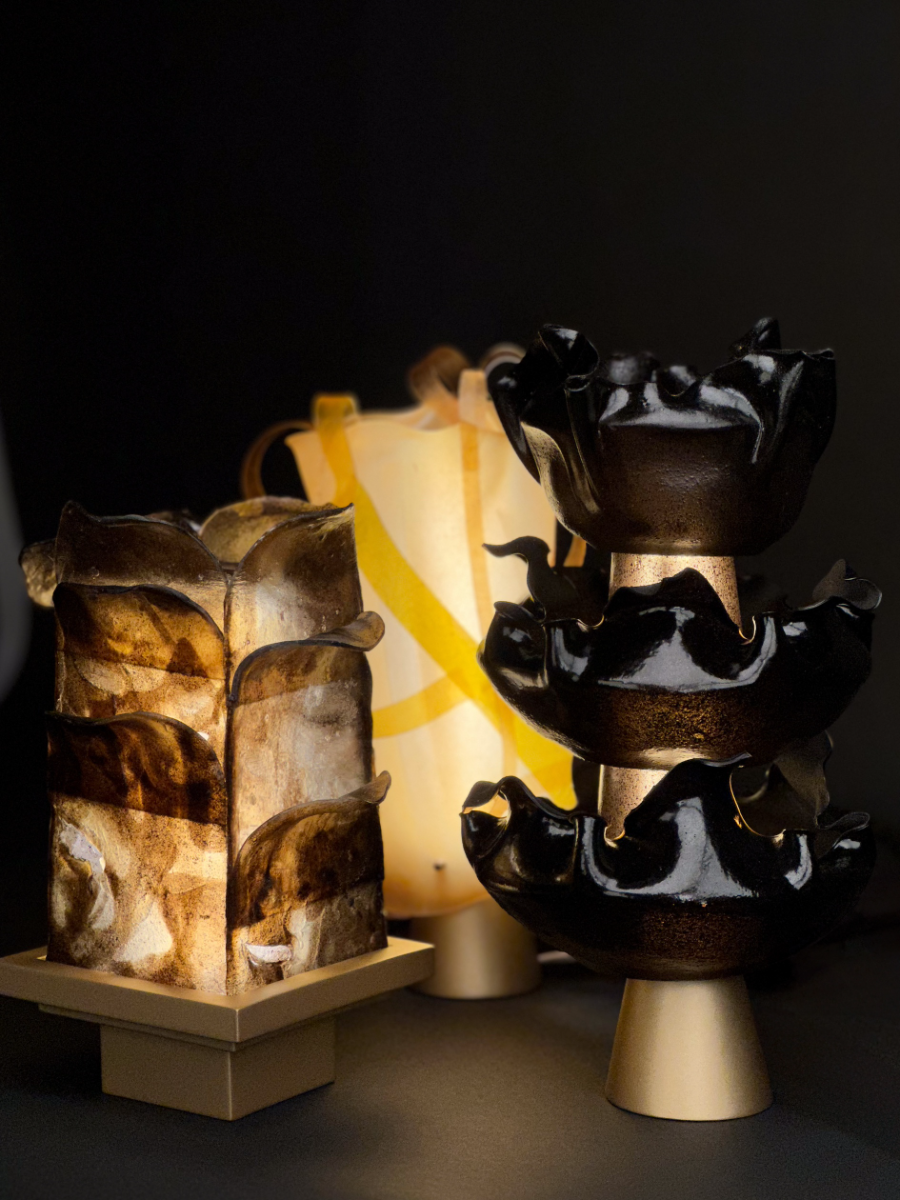
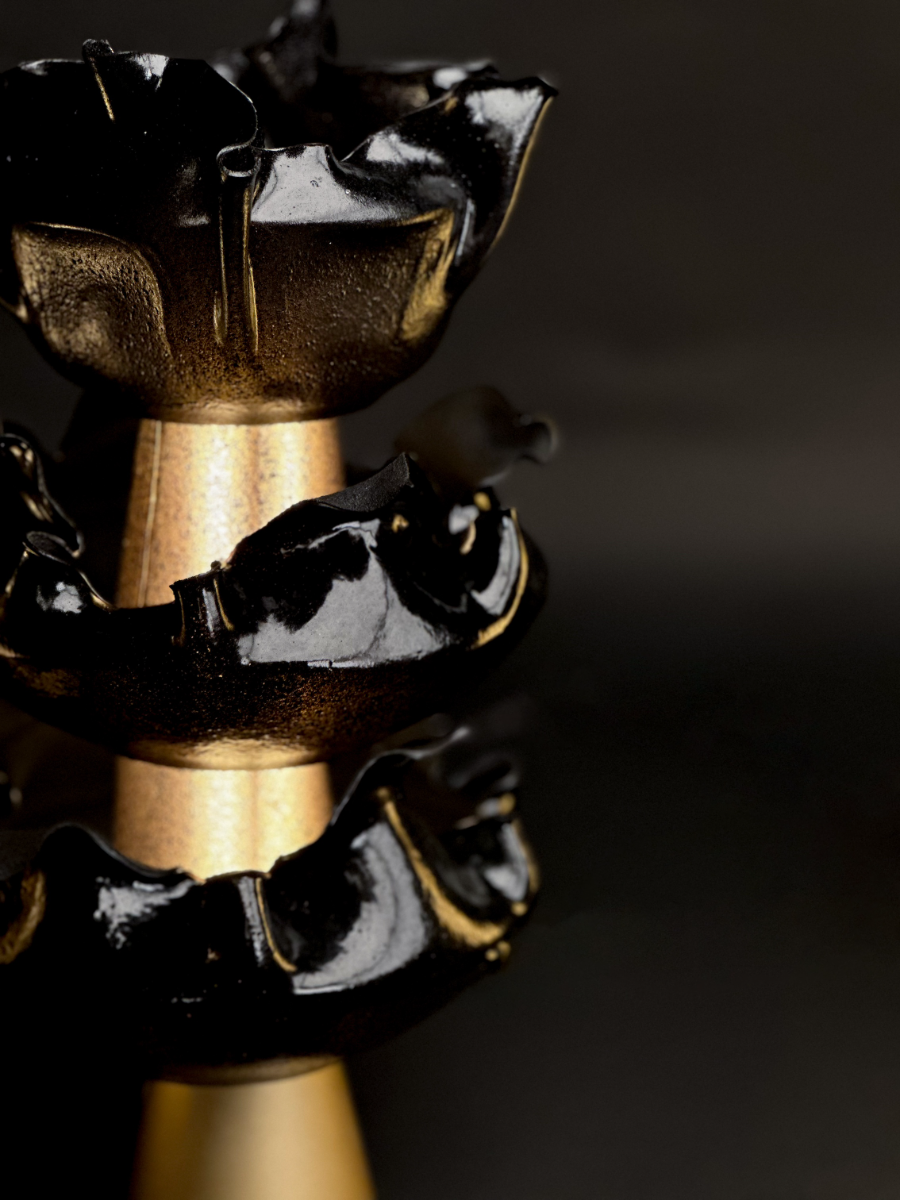
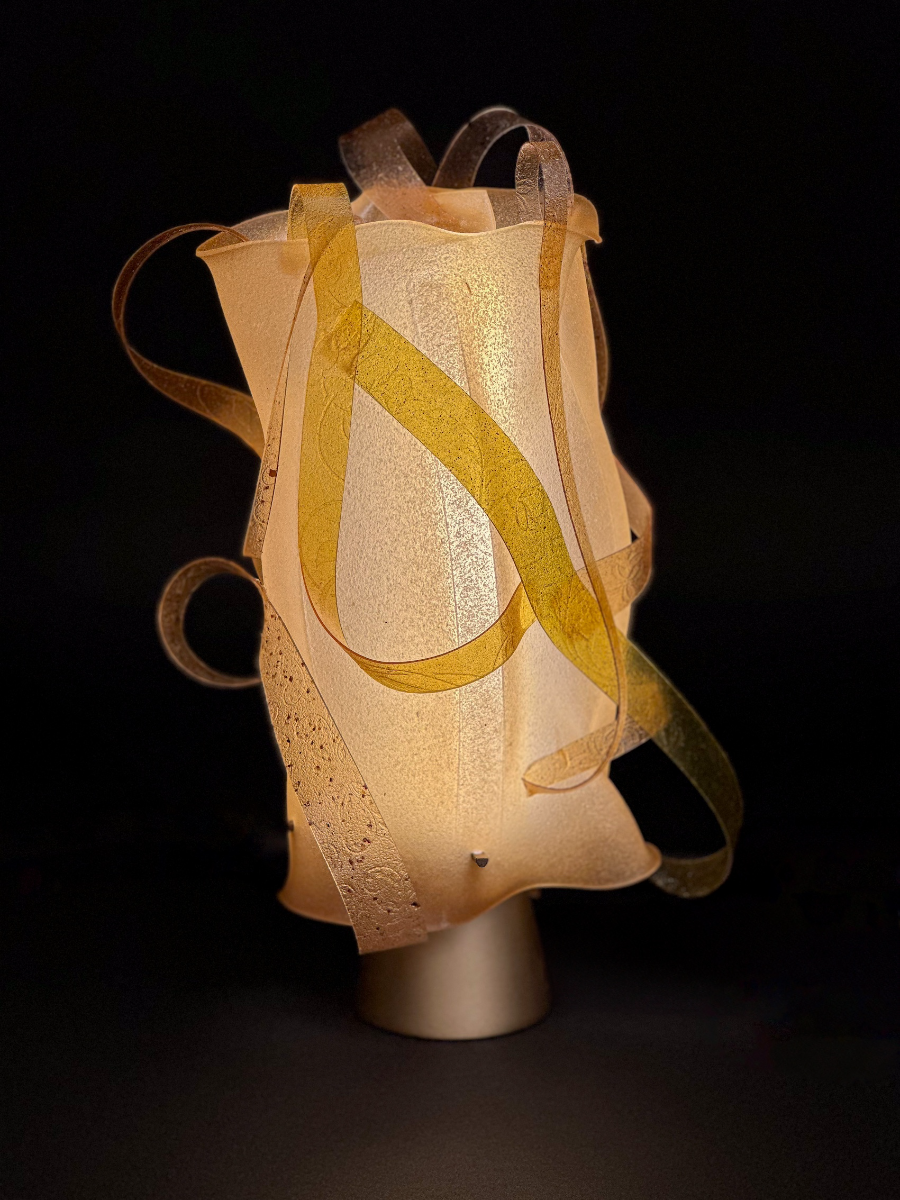
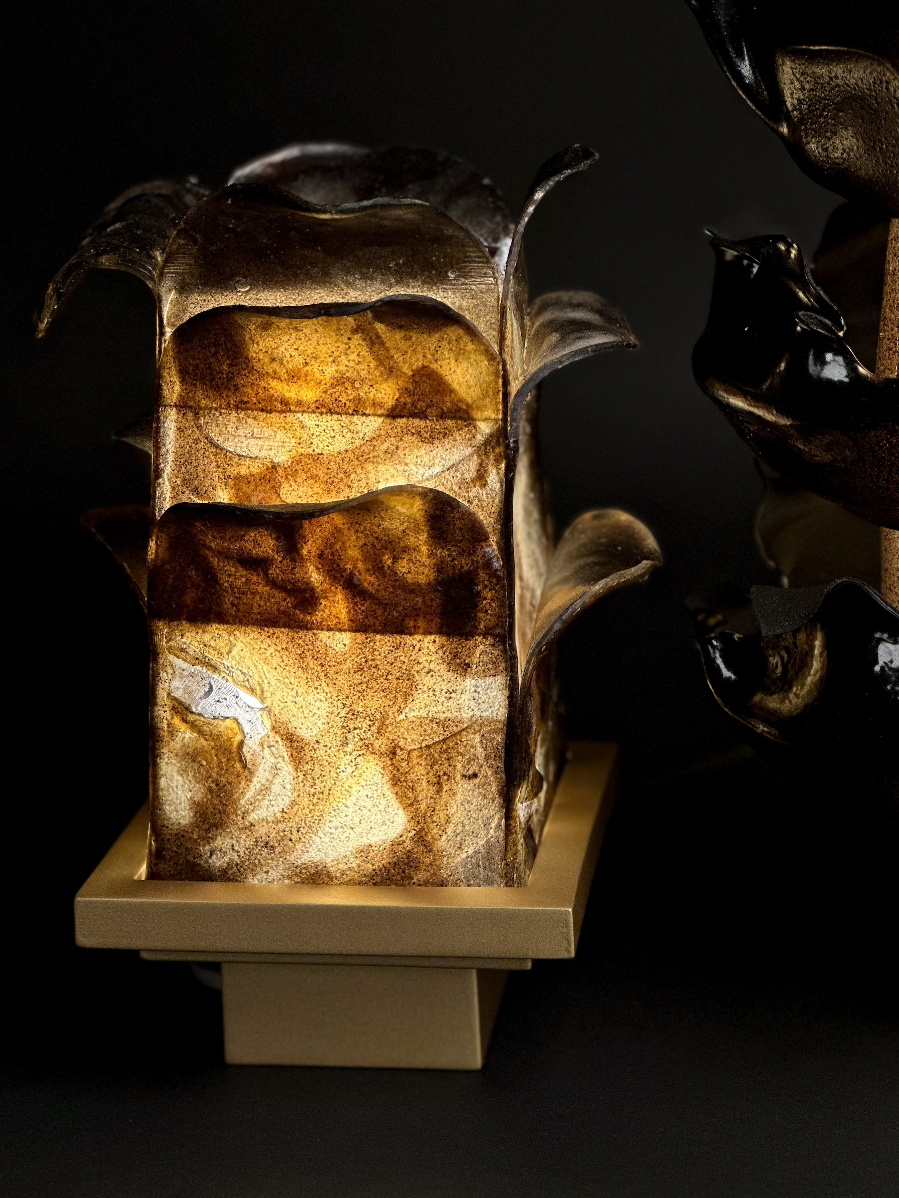
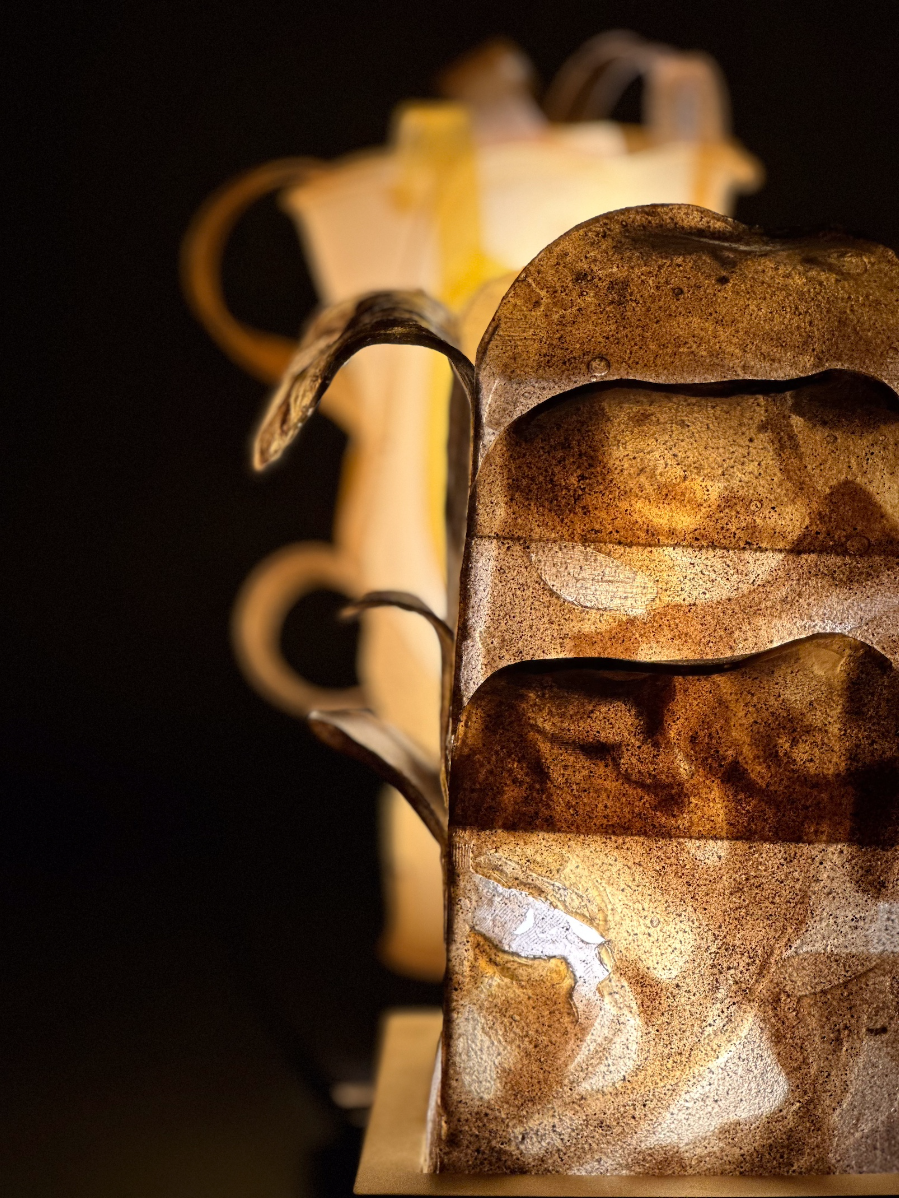
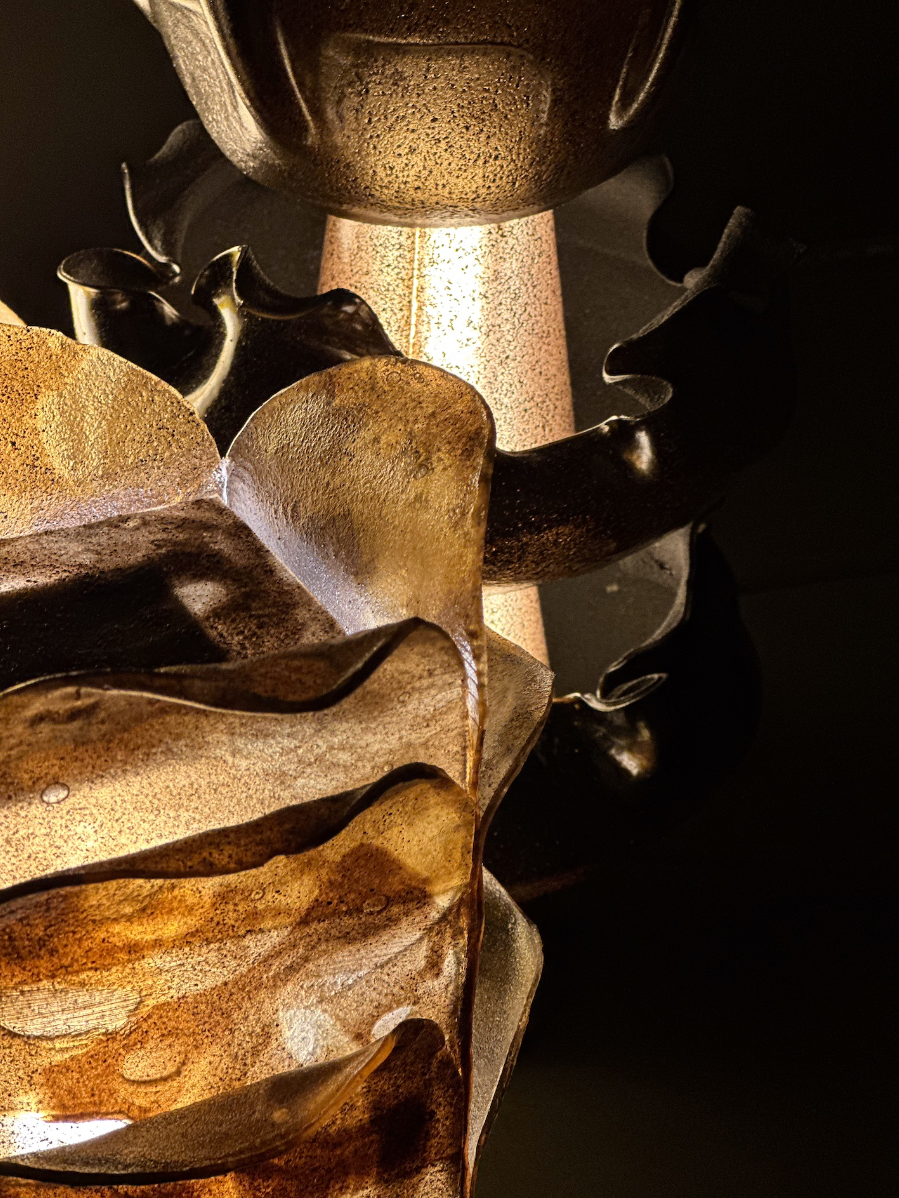
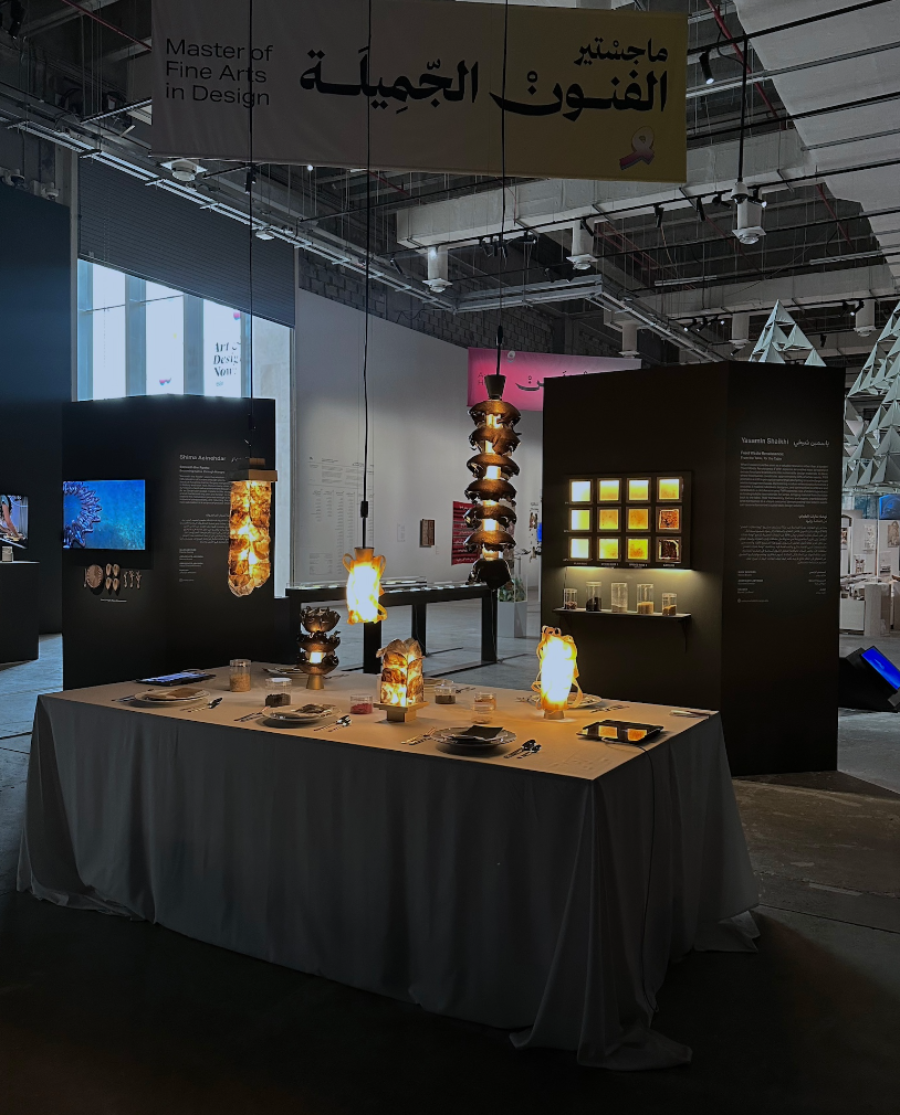
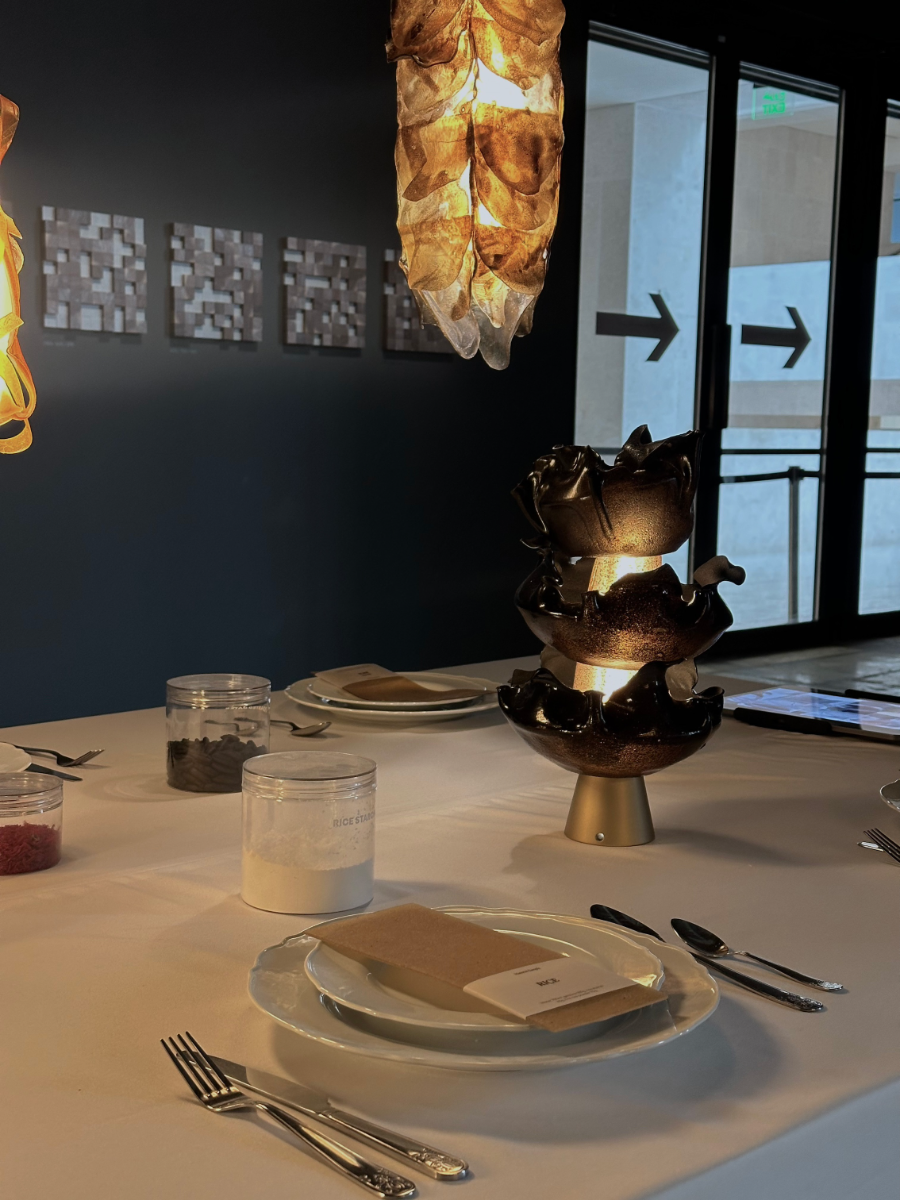
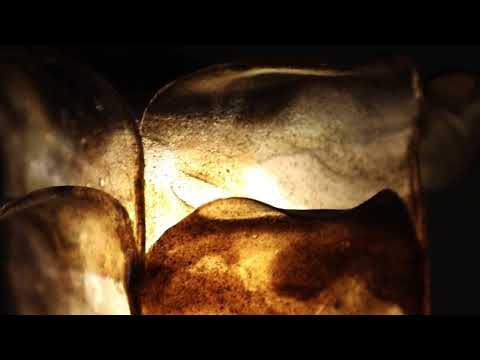
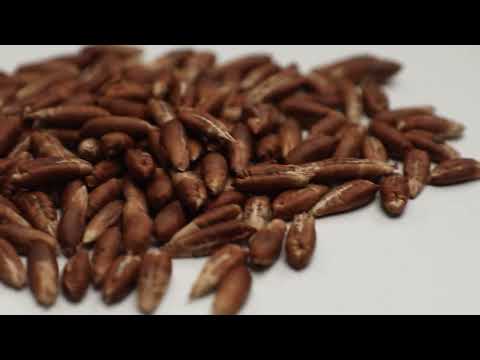
What if waste could be seen as a valuable resource rather than a burden? Food Waste Renaissance (FWR) explores innovative ways to transform excess food and byproducts into sustainable design materials. In Qatar, where food waste constitutes approximately 60% of urban waste, FWR promotes a shift in perception rather than attempting to resolve large-scale waste management issues. By fostering a culture where surplus becomes a resource, it inspires individuals, designers, and communities to embrace and contribute to a circular economy. FWR examines rice and date byproducts as biodegradable raw materials for lamps, bringing material from the table back to the table. Their translucency, texture, and organic unpredictability lend themselves to a unique outcome, demonstrating how today’s waste can become tomorrow’s sustainable design solutions.
Competitions