Zachary Berry
Innovation Design Engineering MA
Royal College of Art
Specialisms: Design and Technology / Product Design / Design for Social Good
Location: London, United Kingdom

Zachary Berry
First Name: Zachary
Last Name: Berry
Specialisms: Design and Technology / Product Design / Design for Social Good
Sectors:
My Location: London, United Kingdom
University / College: Royal College of Art
Course / Program Title: Innovation Design Engineering MA
About
Multidisciplinary creative technologist and design engineer with over four years of commercial experience specialising in AI visualisation, rapid prototyping, wearable robotics, and virtual reality development. Awarded a dual master's degree with distinction in Innovation Design Engineering from Imperial College London and the Royal College of Art. Obtained a merit-based scholarship which funded the degree from the Royal Commission for the Exhibition of 1851. Winner of multiple international awards, holder of a filed patent in prosthetics, and published in a renowned academic journal.
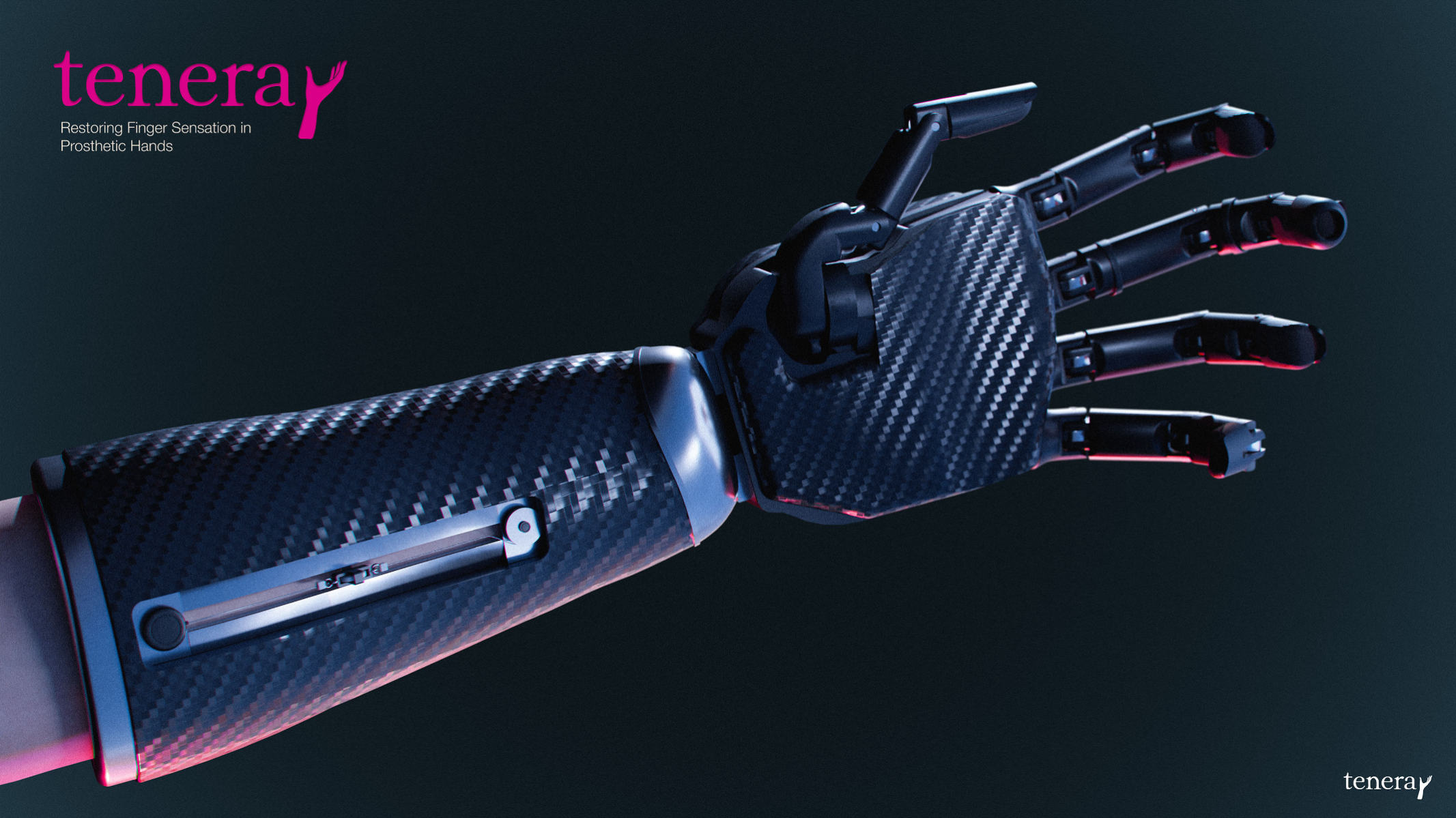
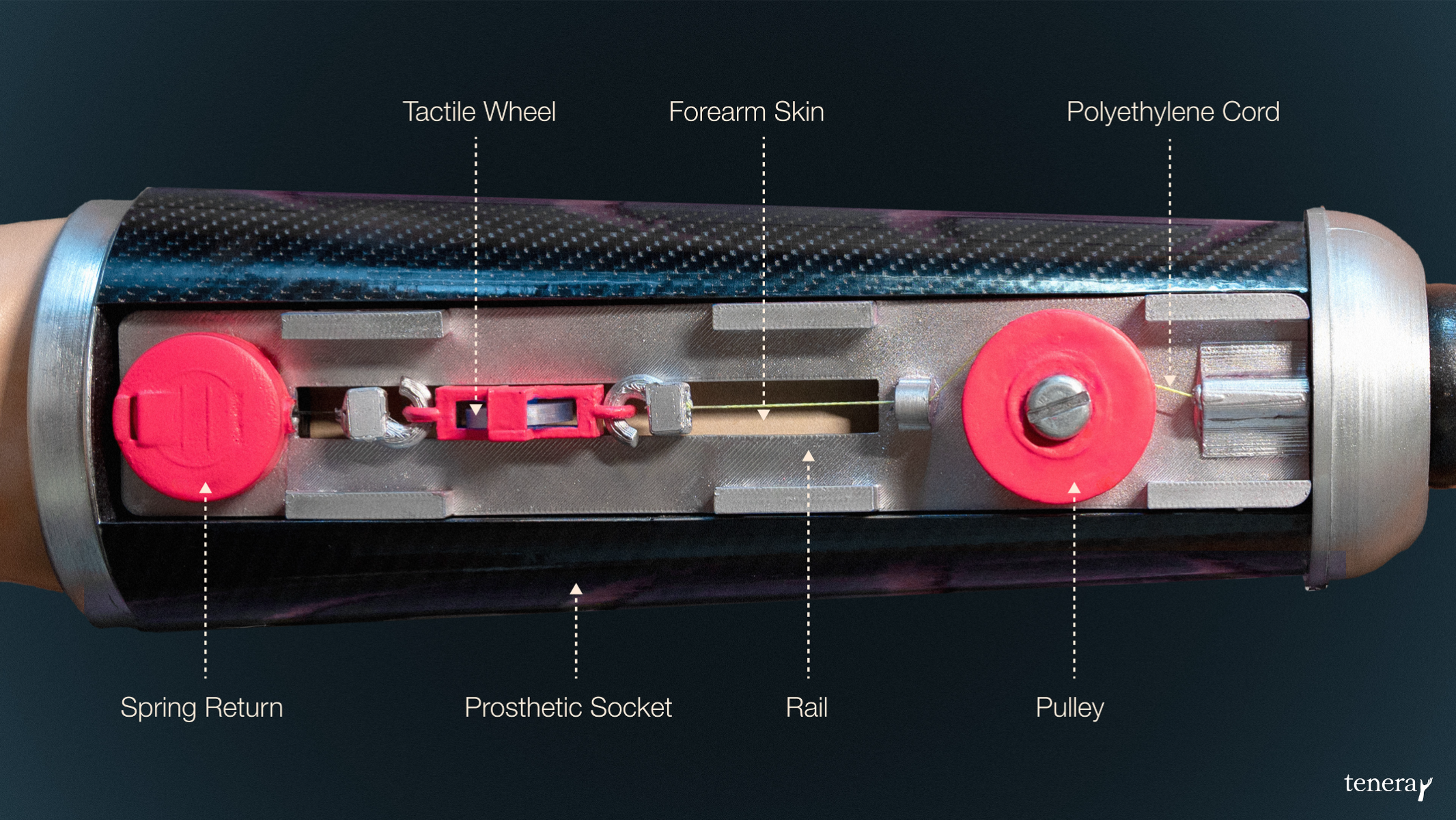
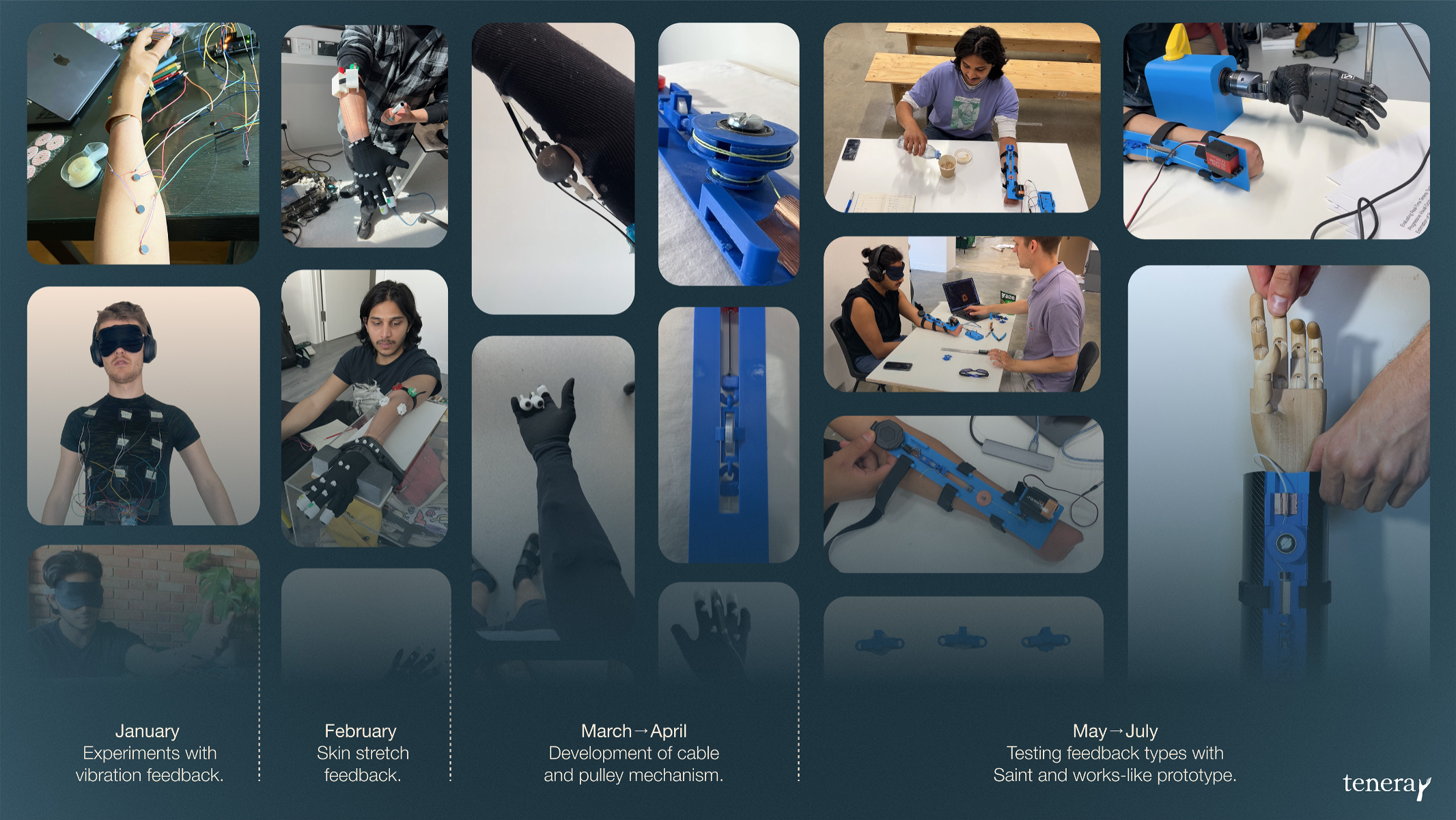
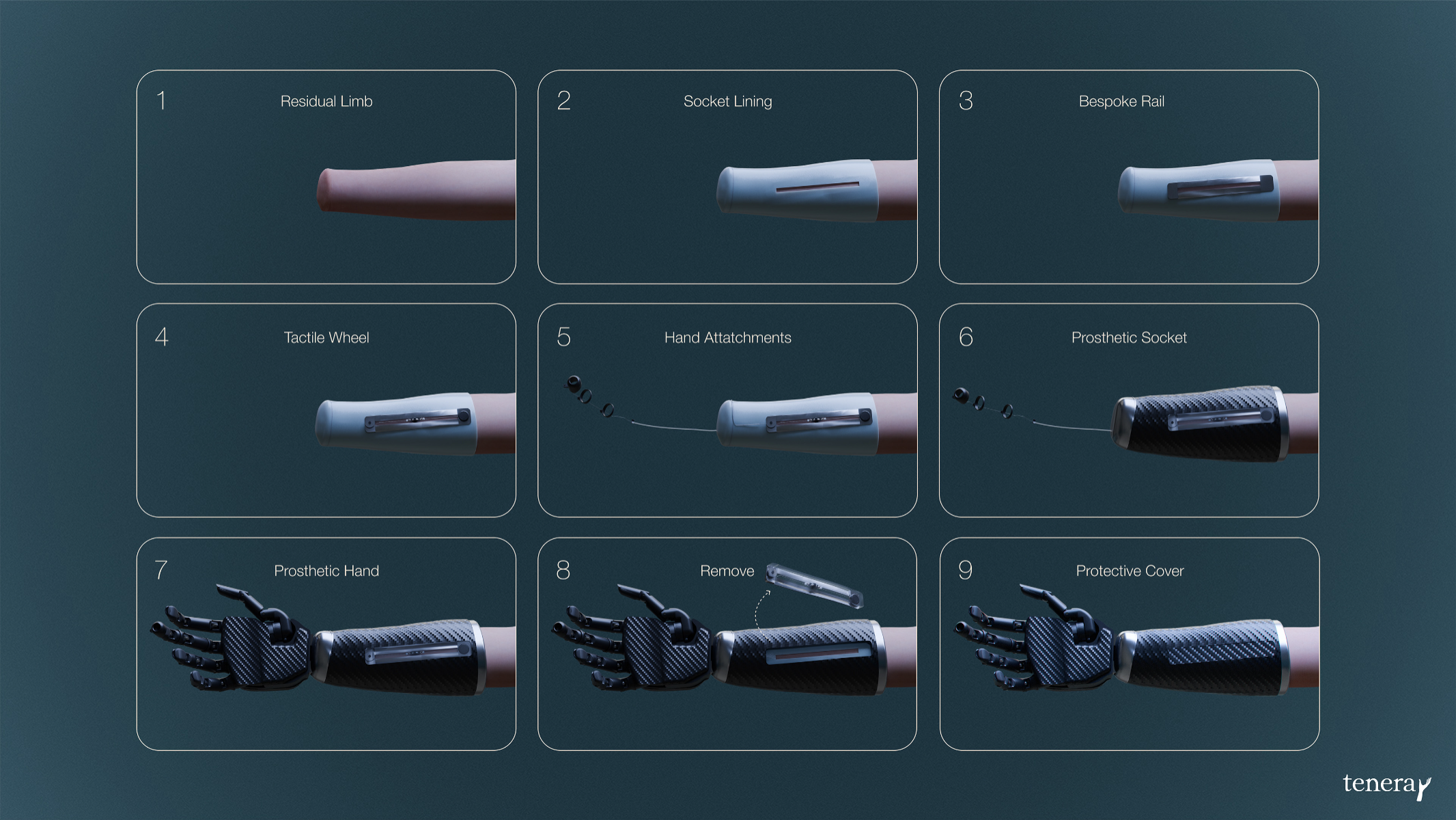
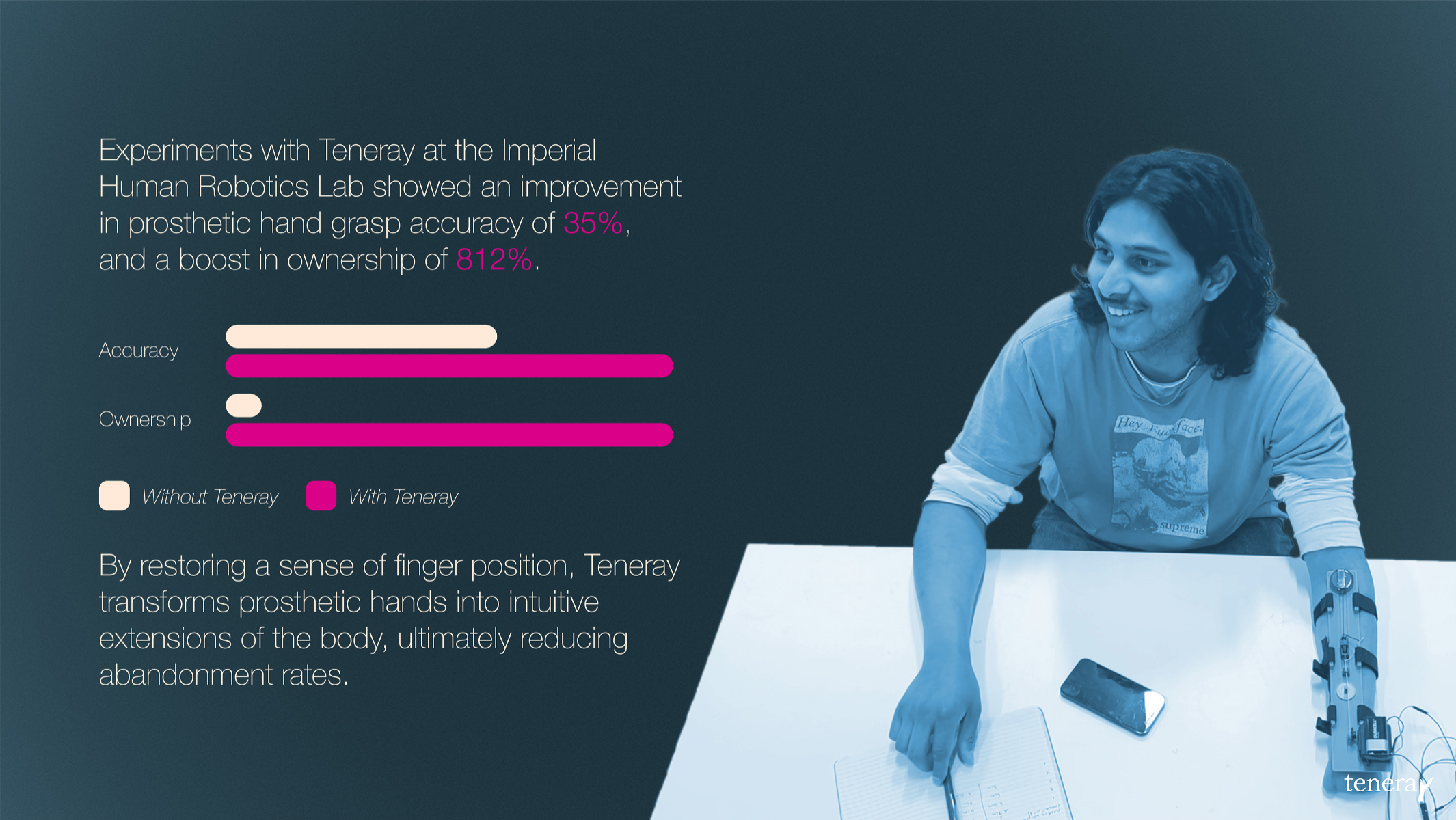
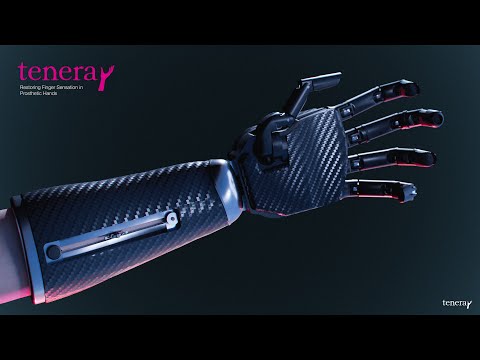
Teneray was created to tackle a critical issue: 25% of users abandon their muscle-controlled, myoelectric prosthetic hands because they cannot sense their finger position. Without this feedback, daily tasks feel frustrating and exhausting. Existing solutions involve costly surgical implants or bulky electronics. Teneray is different: it offers a purely mechanical approach to restore sensation. When a finger flexes, cable tension rotates the pulley, causing a small wheel to roll along the hairless, sensitive skin of the lower forearm. With zero electronics, Teneray eliminates hassle with wearing and charging heavy batteries, ensures no feedback latency or noise, and costs under £5 in materials per unit. By providing immediate, intuitive feedback, Teneray improves coordination in everyday tasks, reduces fatigue, and ultimately decreases prosthetic hand abandonment rates.
Competitions
Global Creative Graduate Showcase 2025
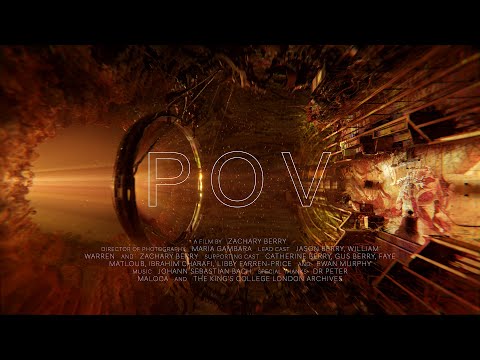
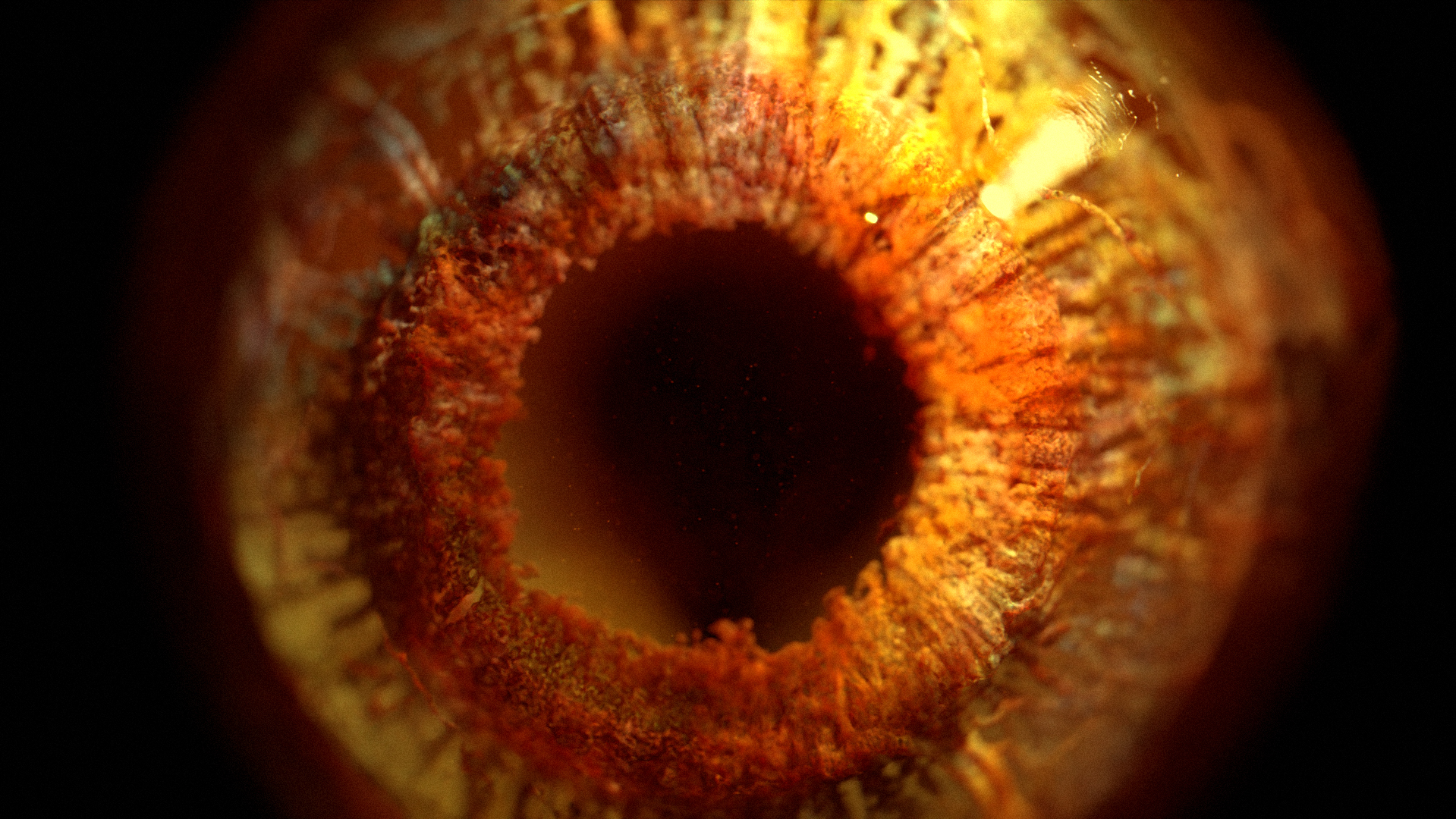
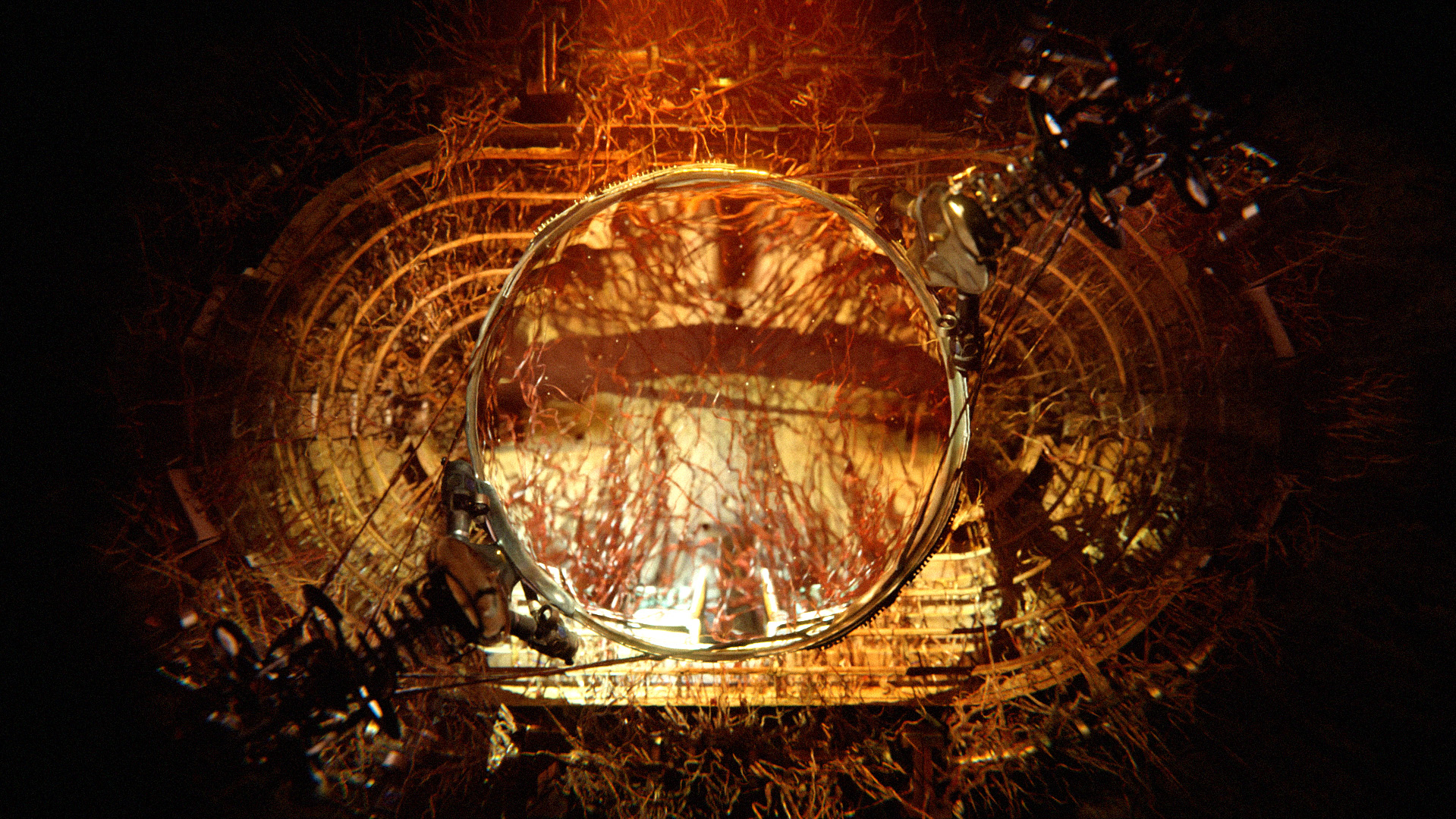
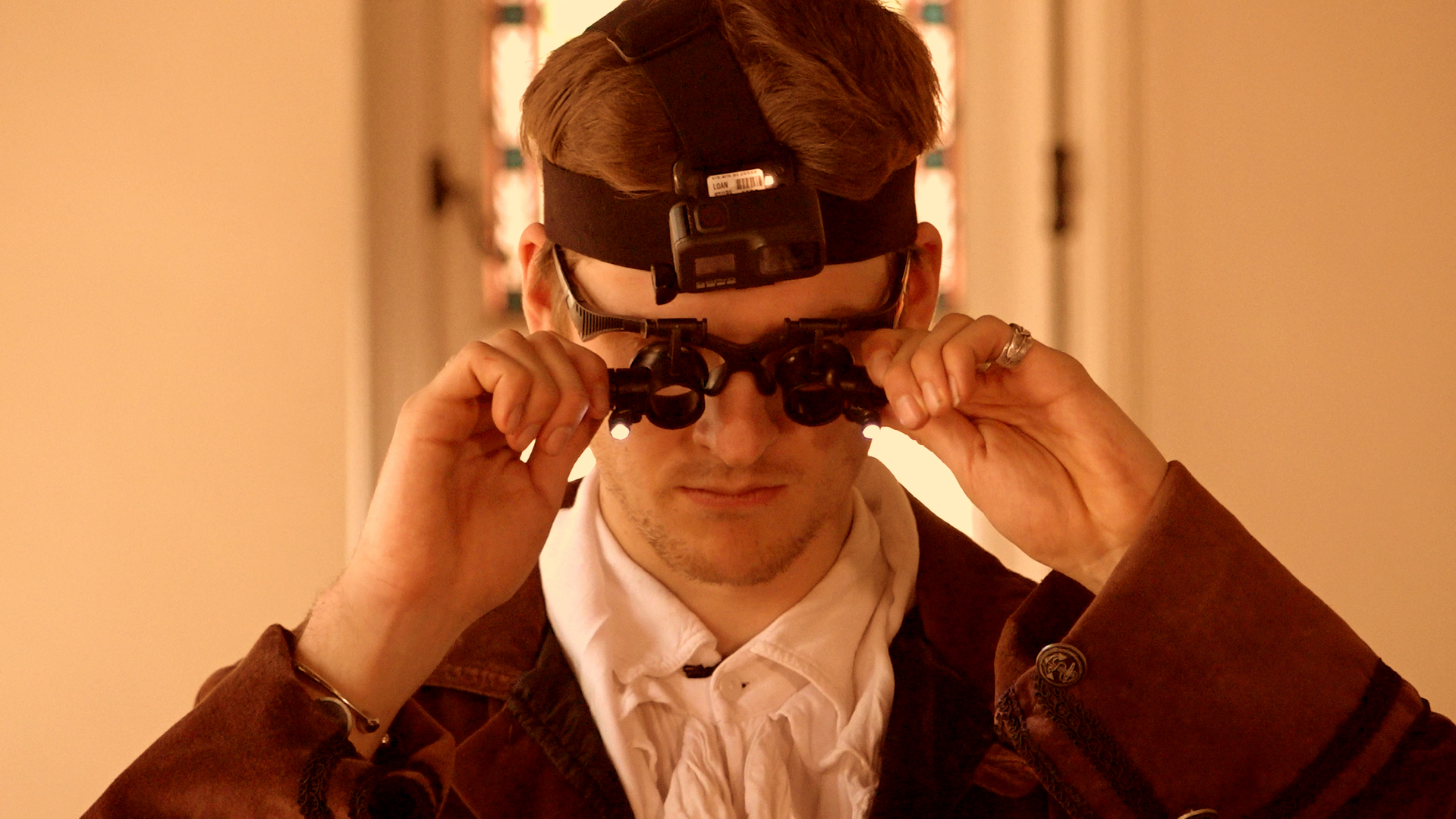
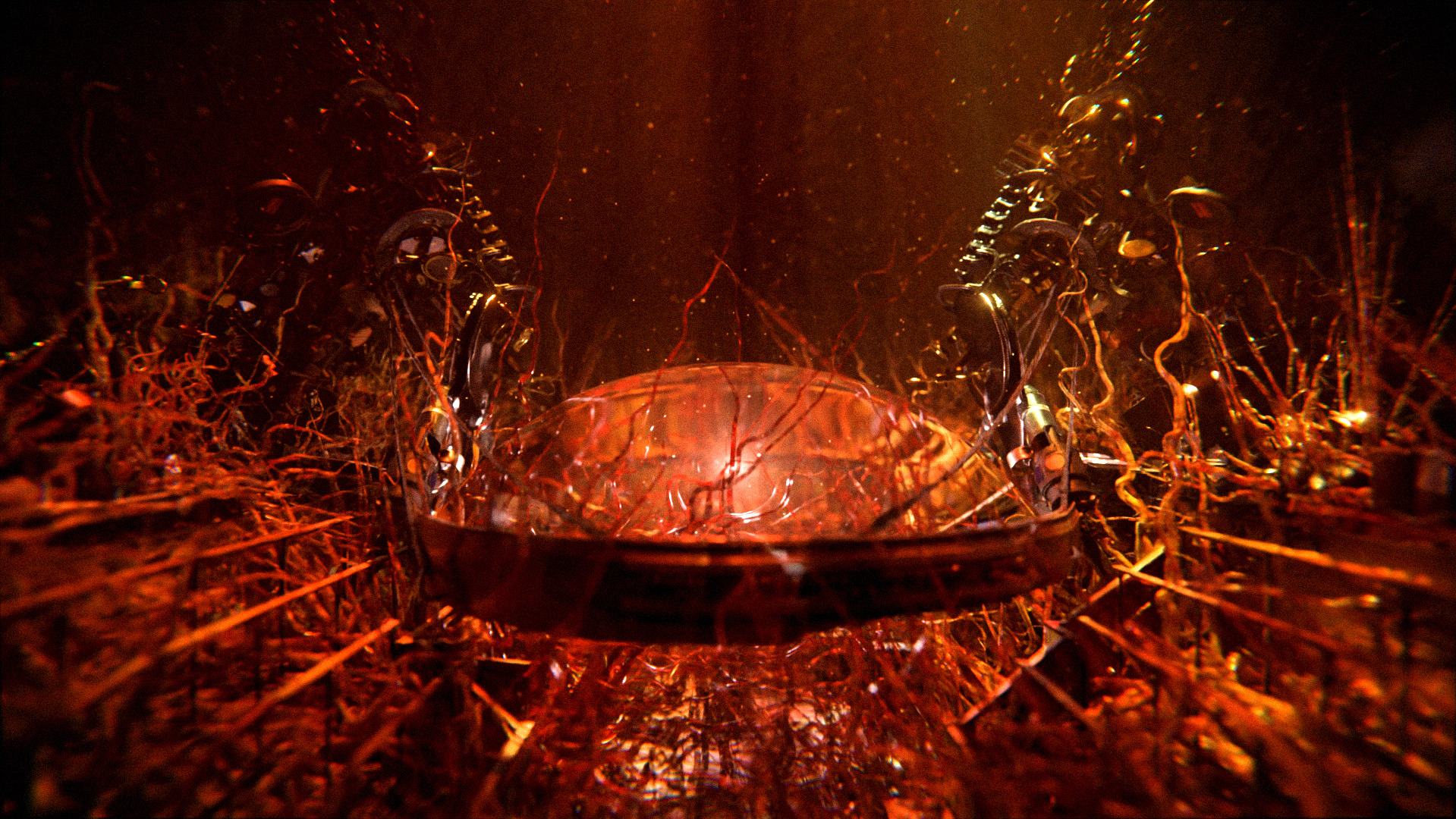
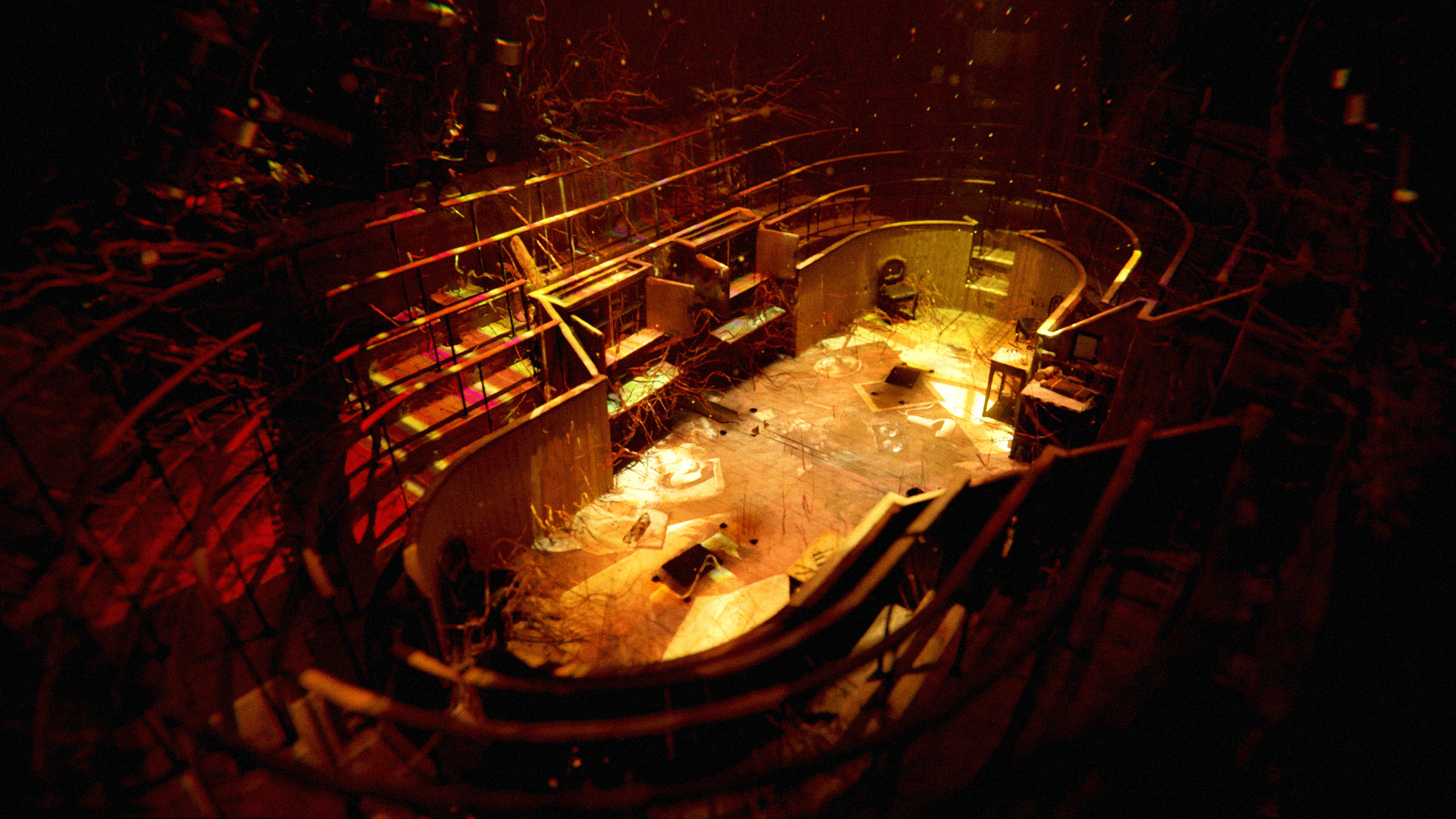
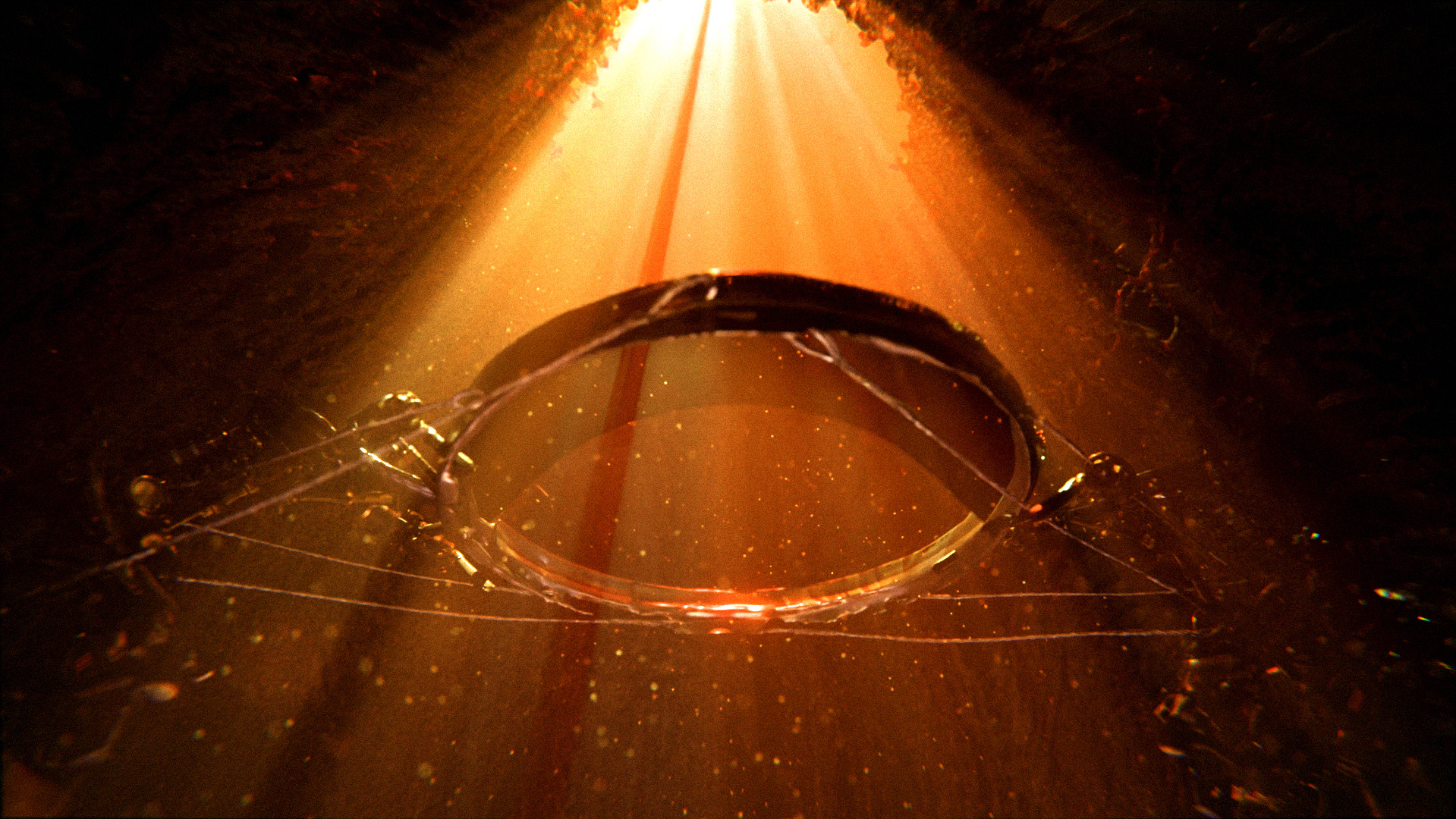
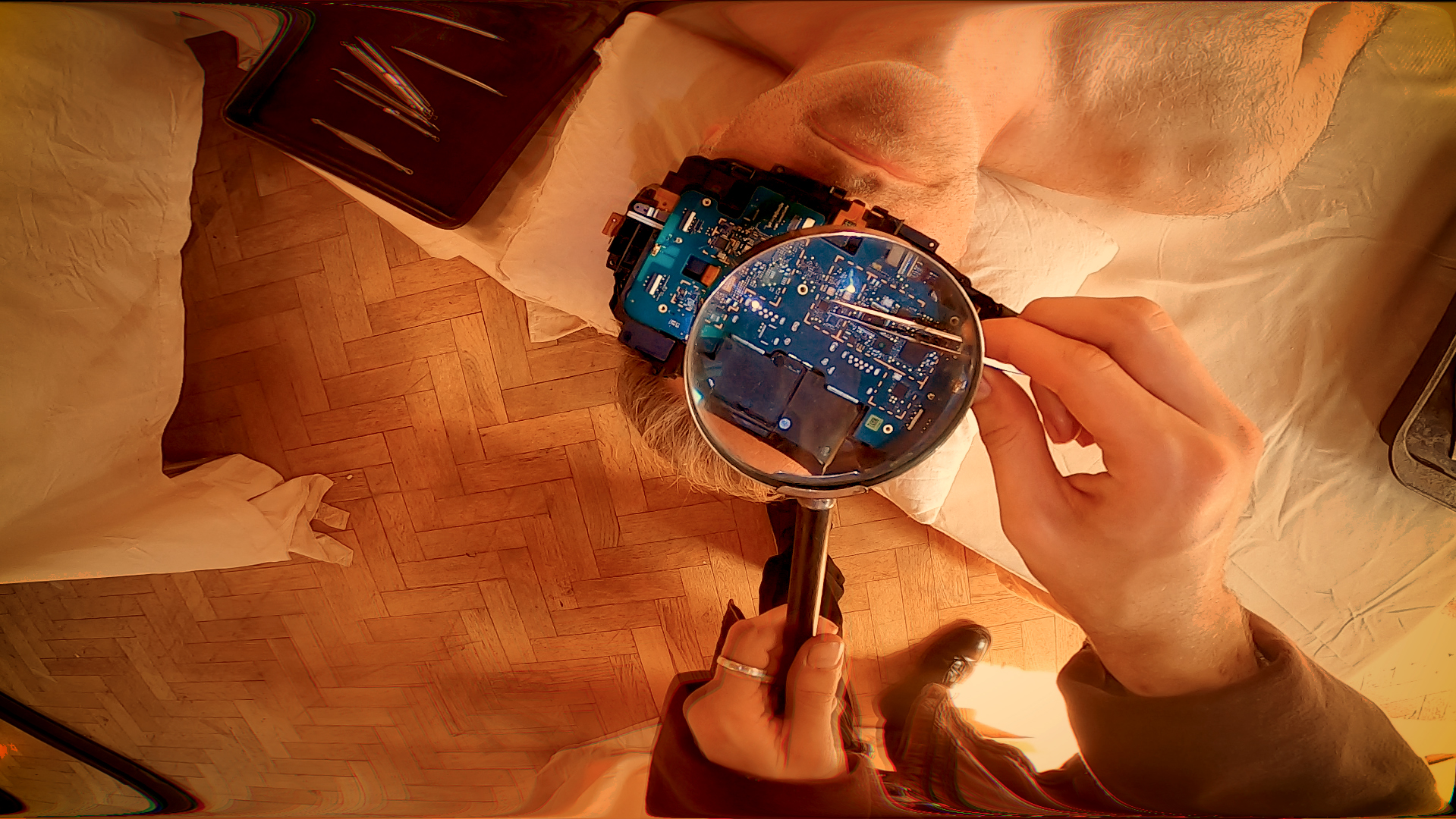
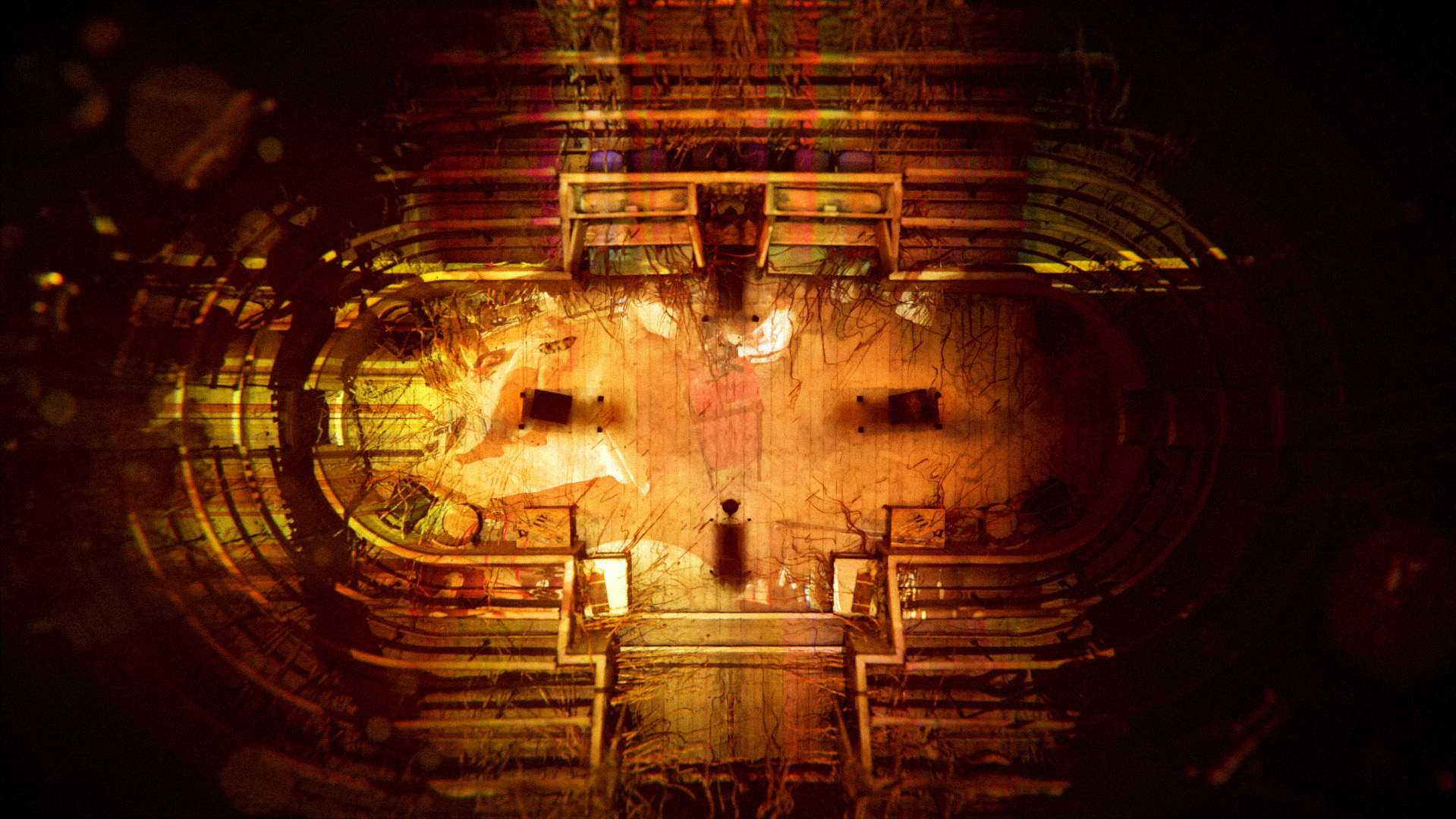
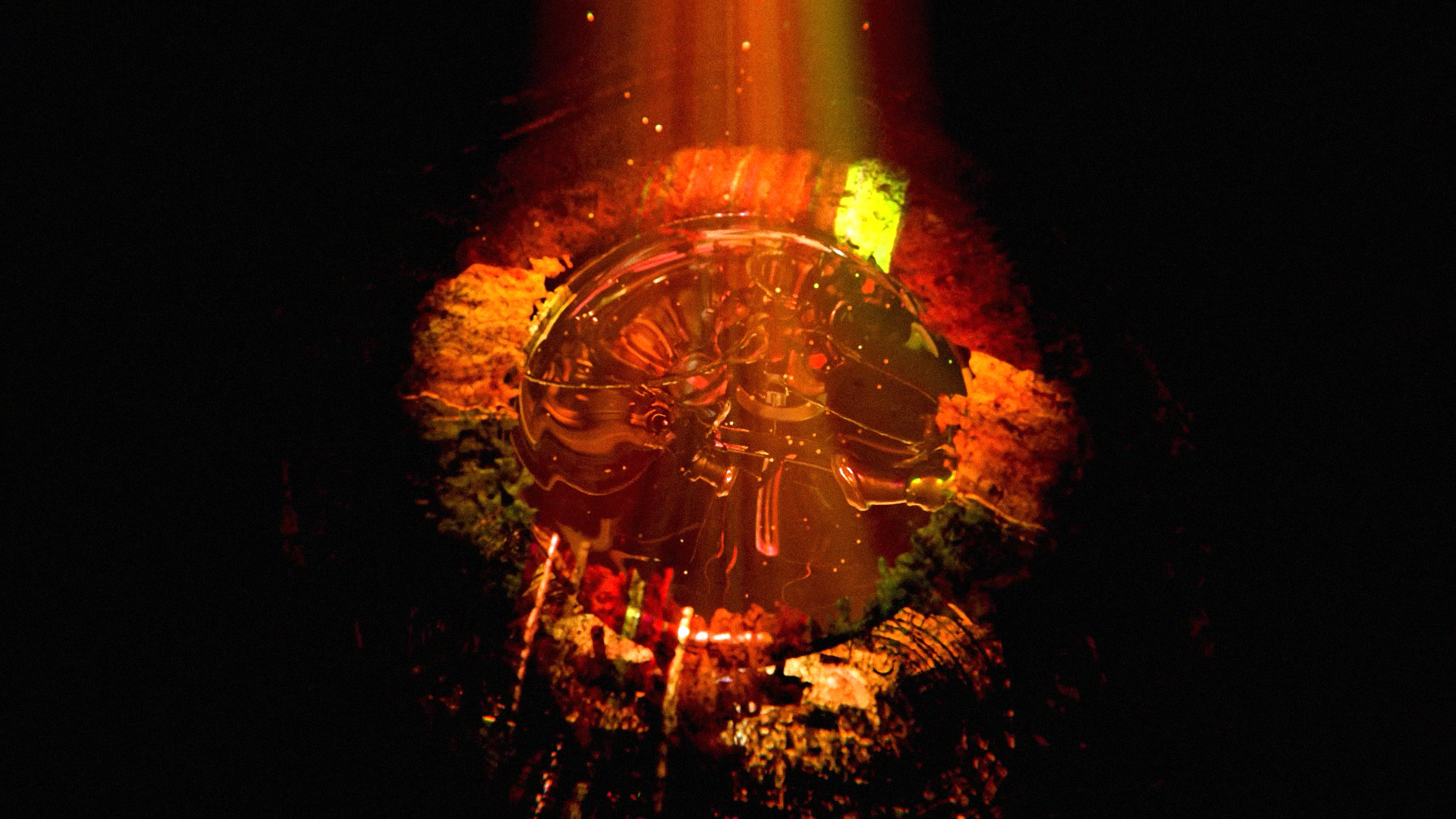
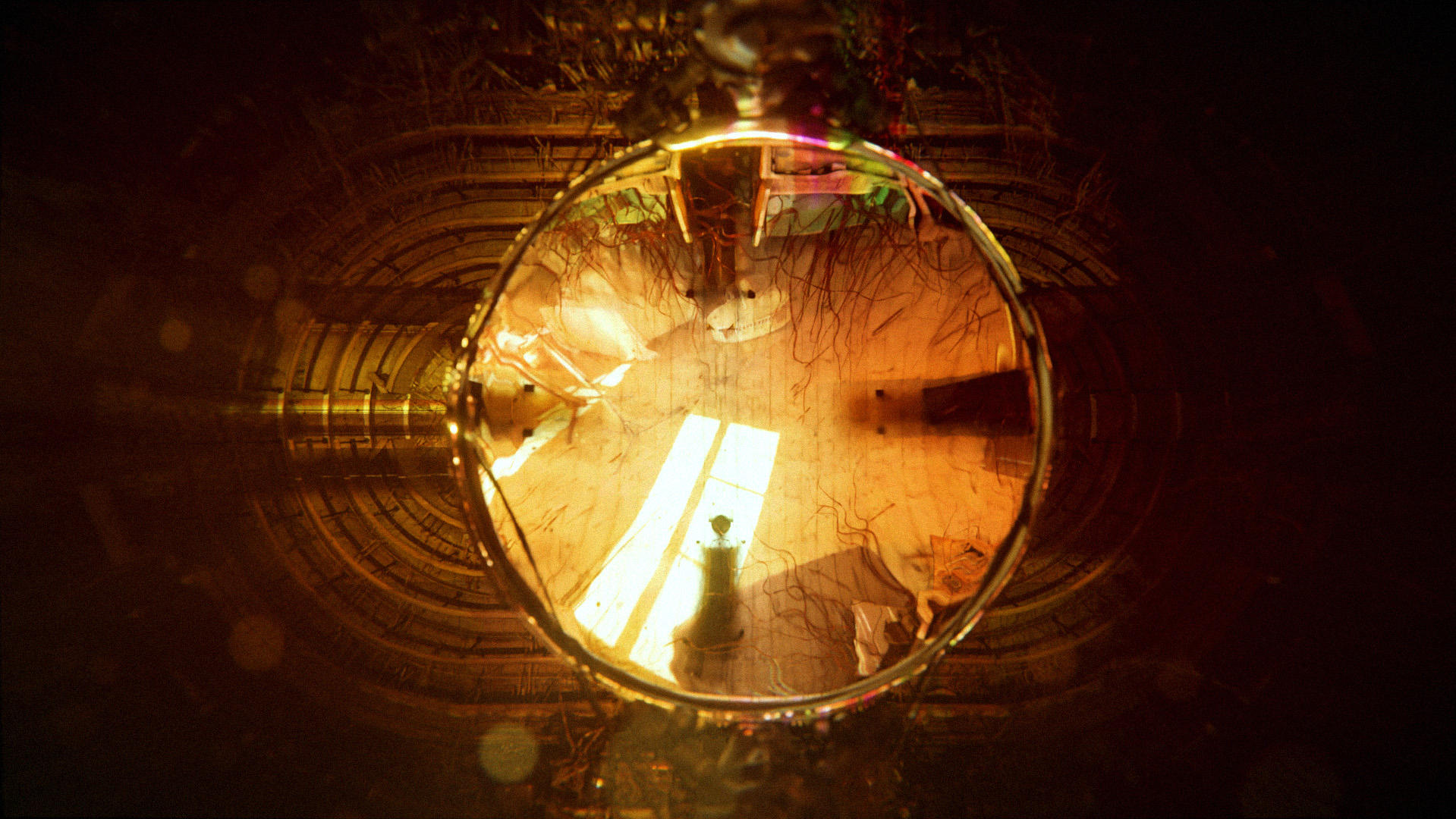
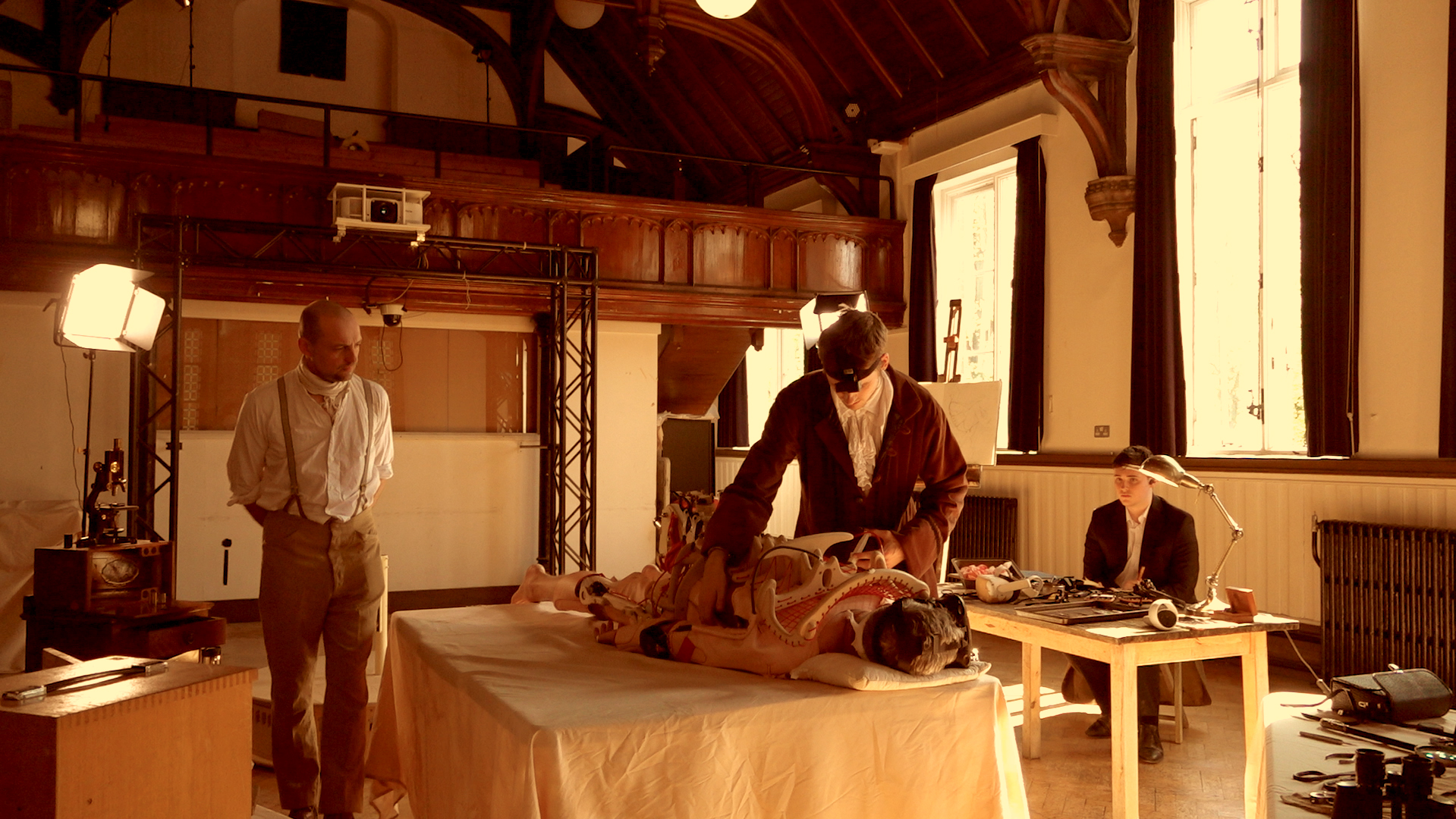
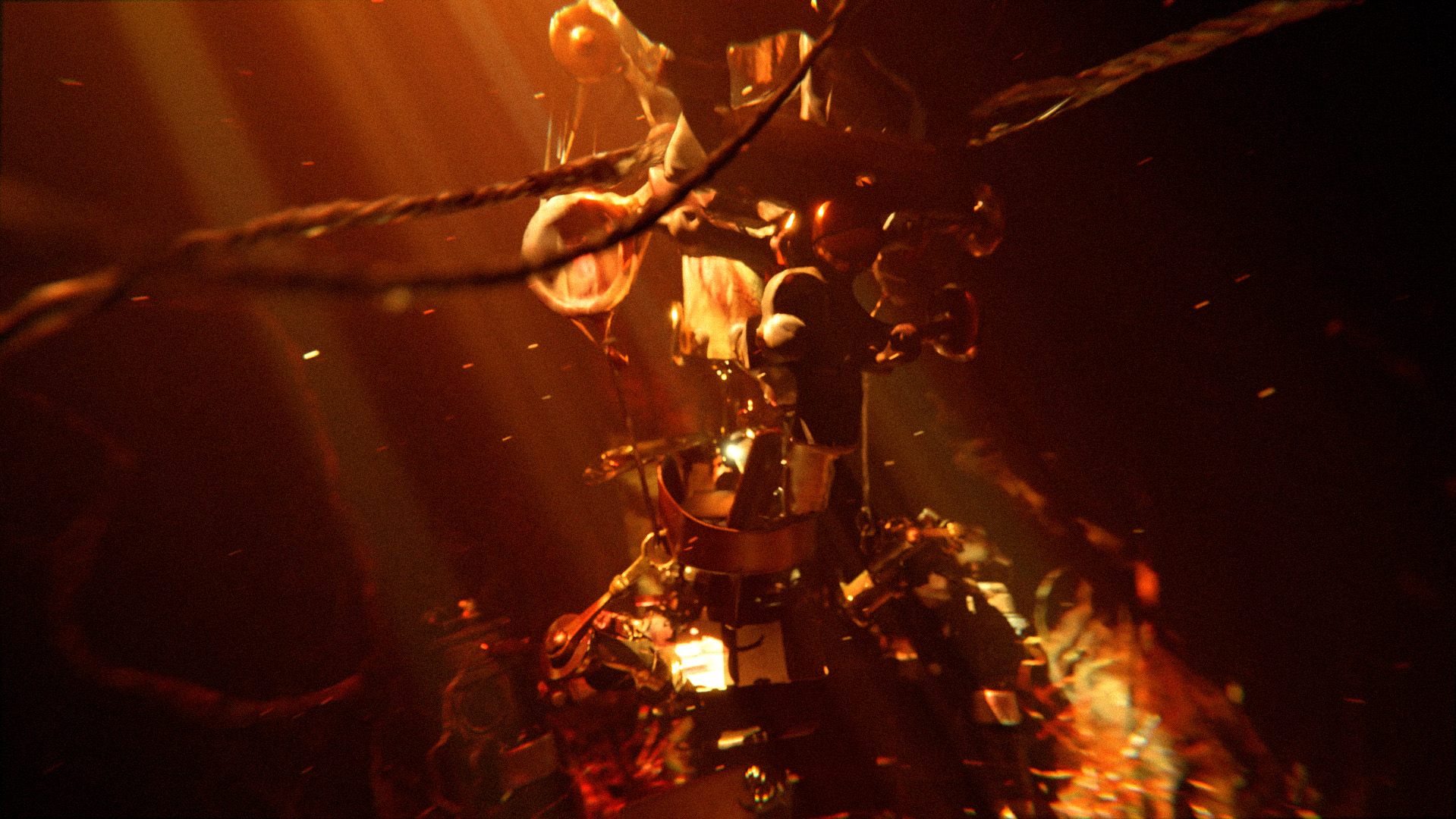
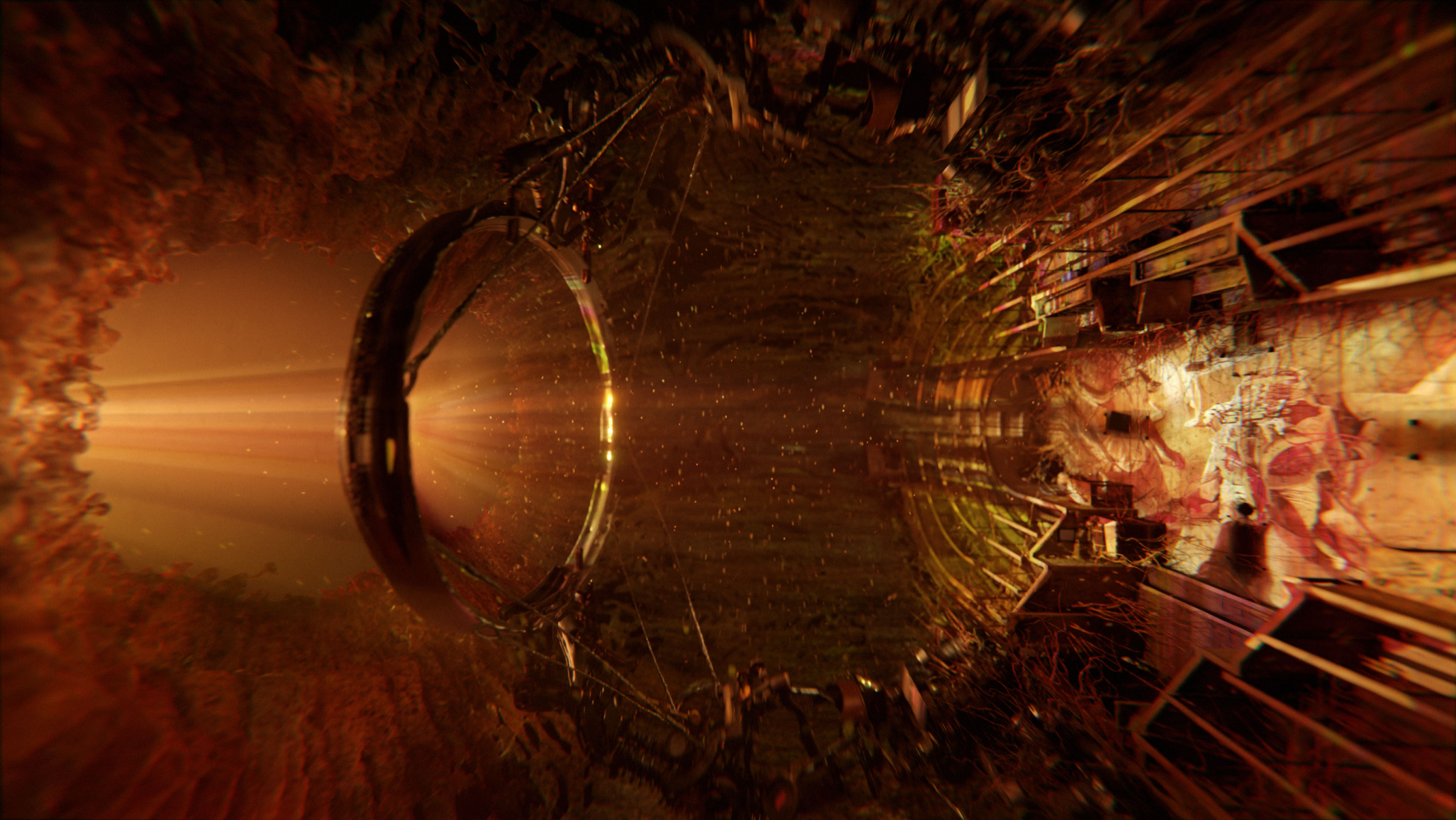
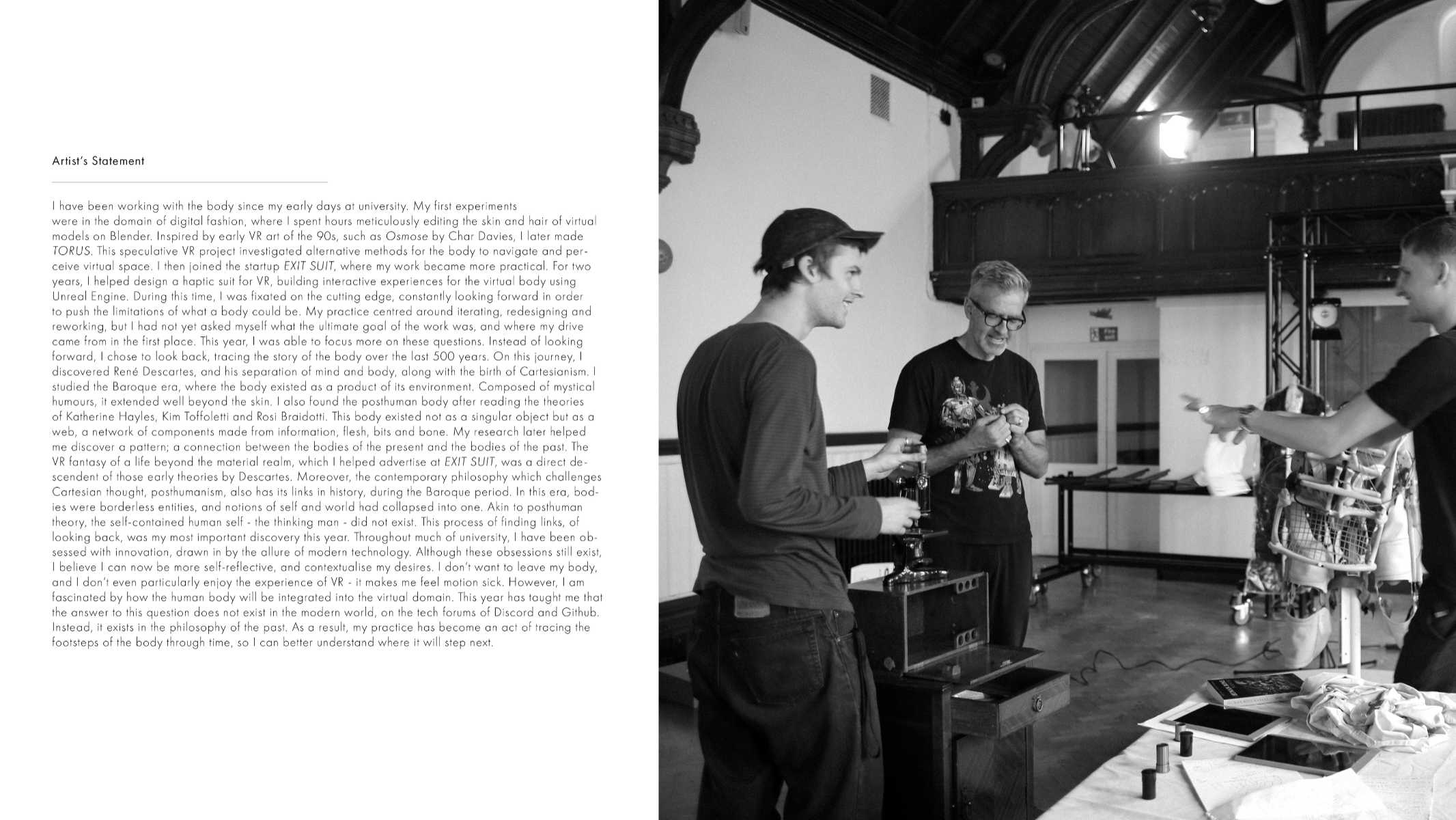
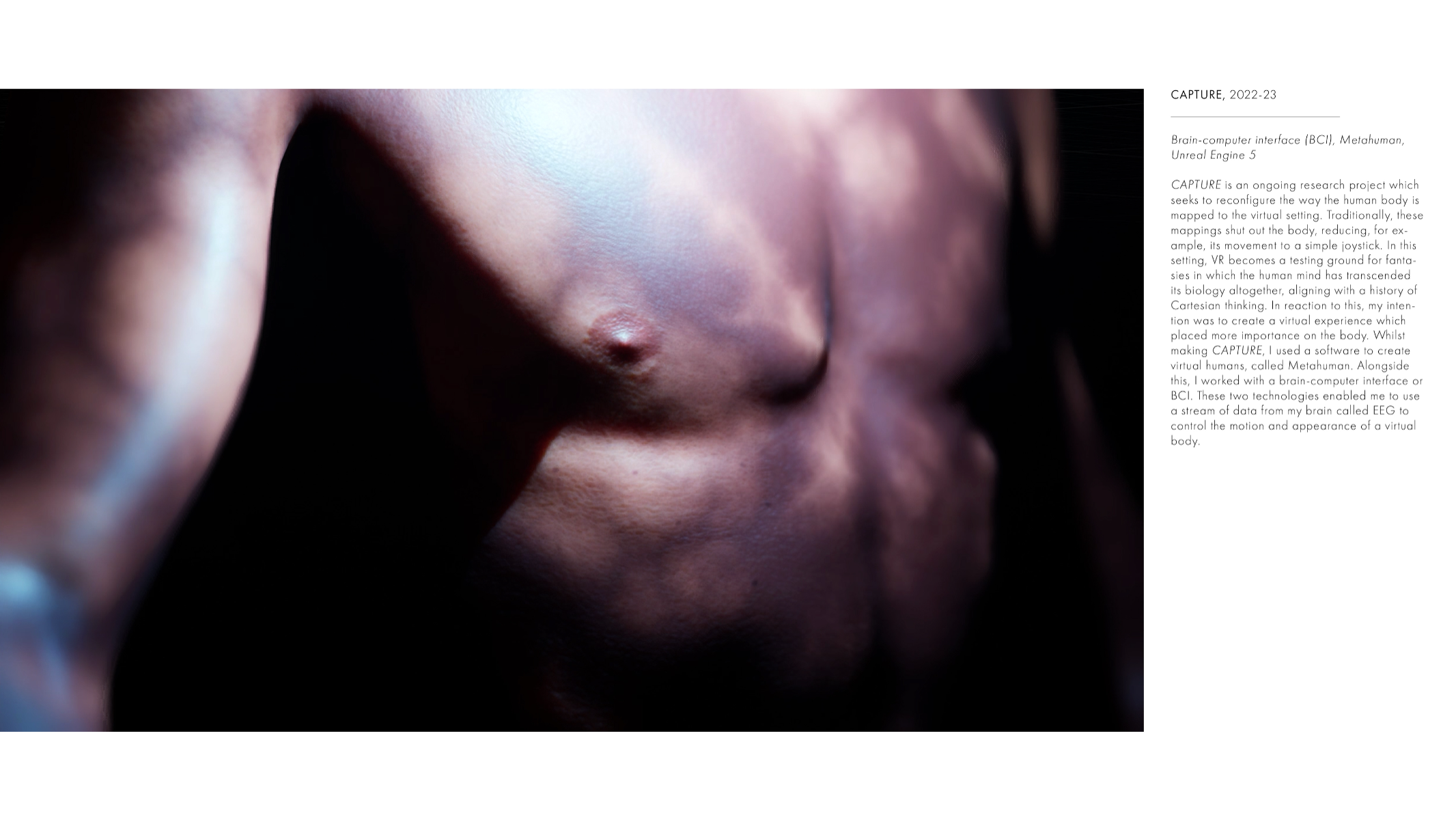
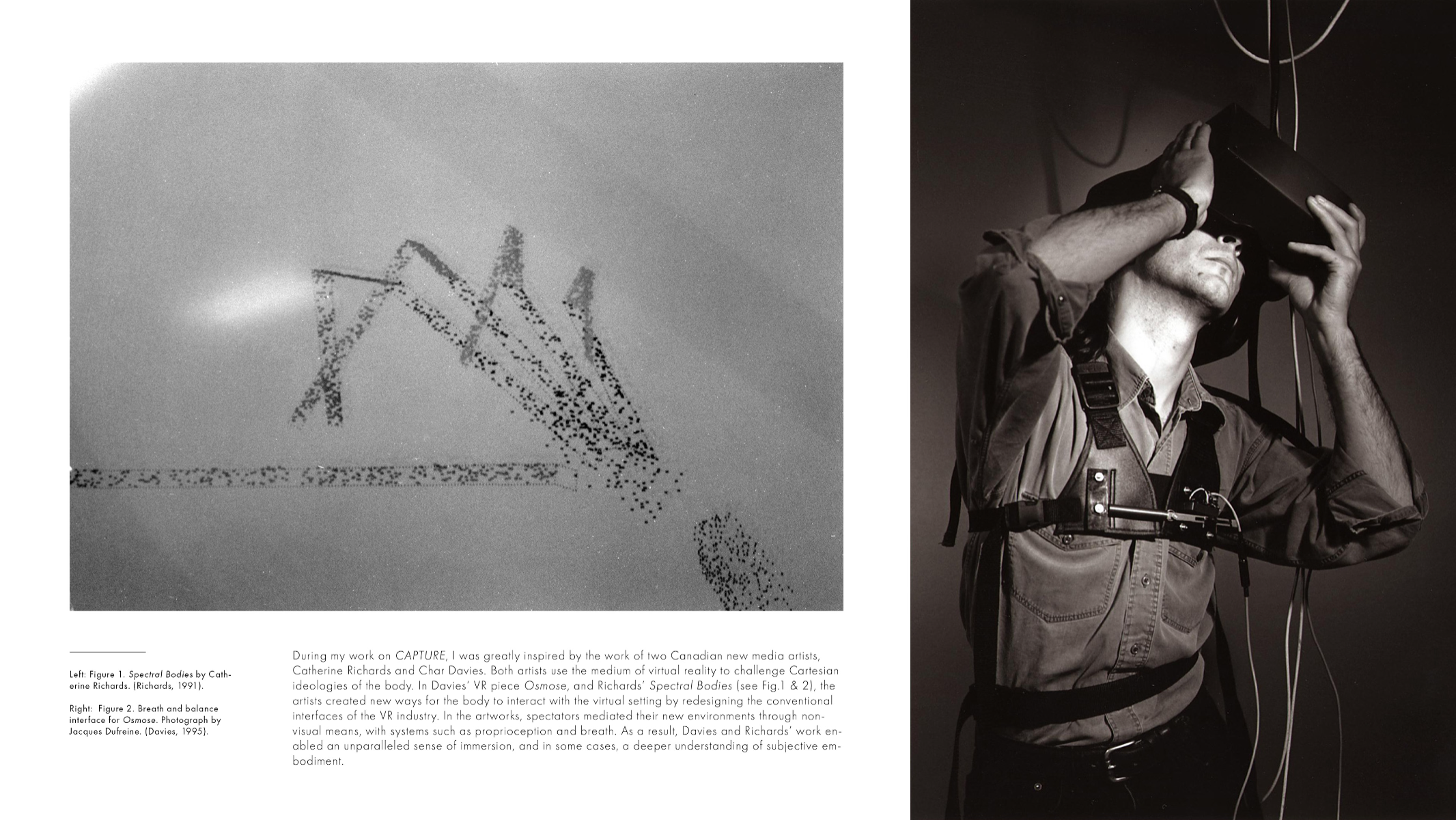
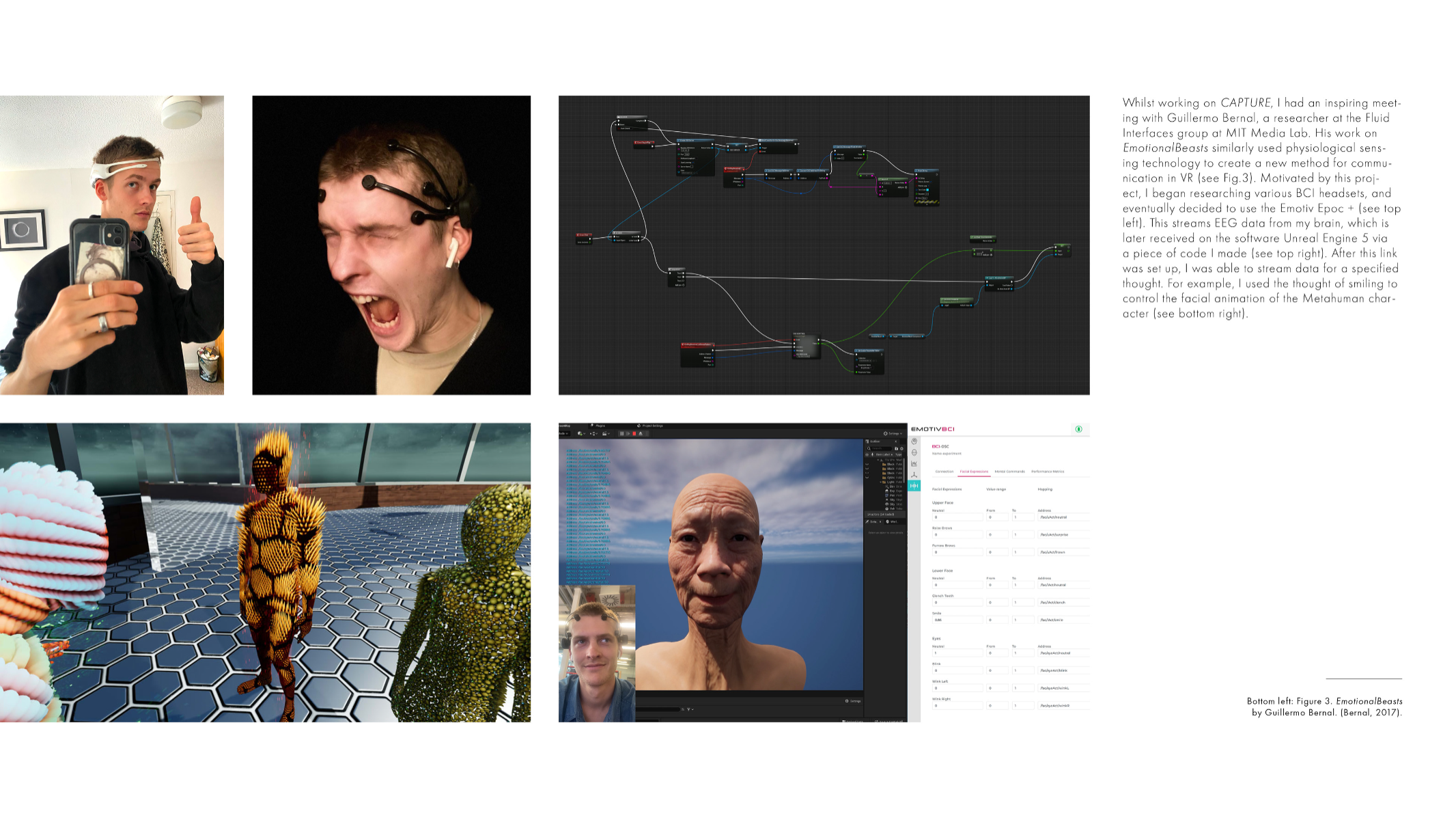
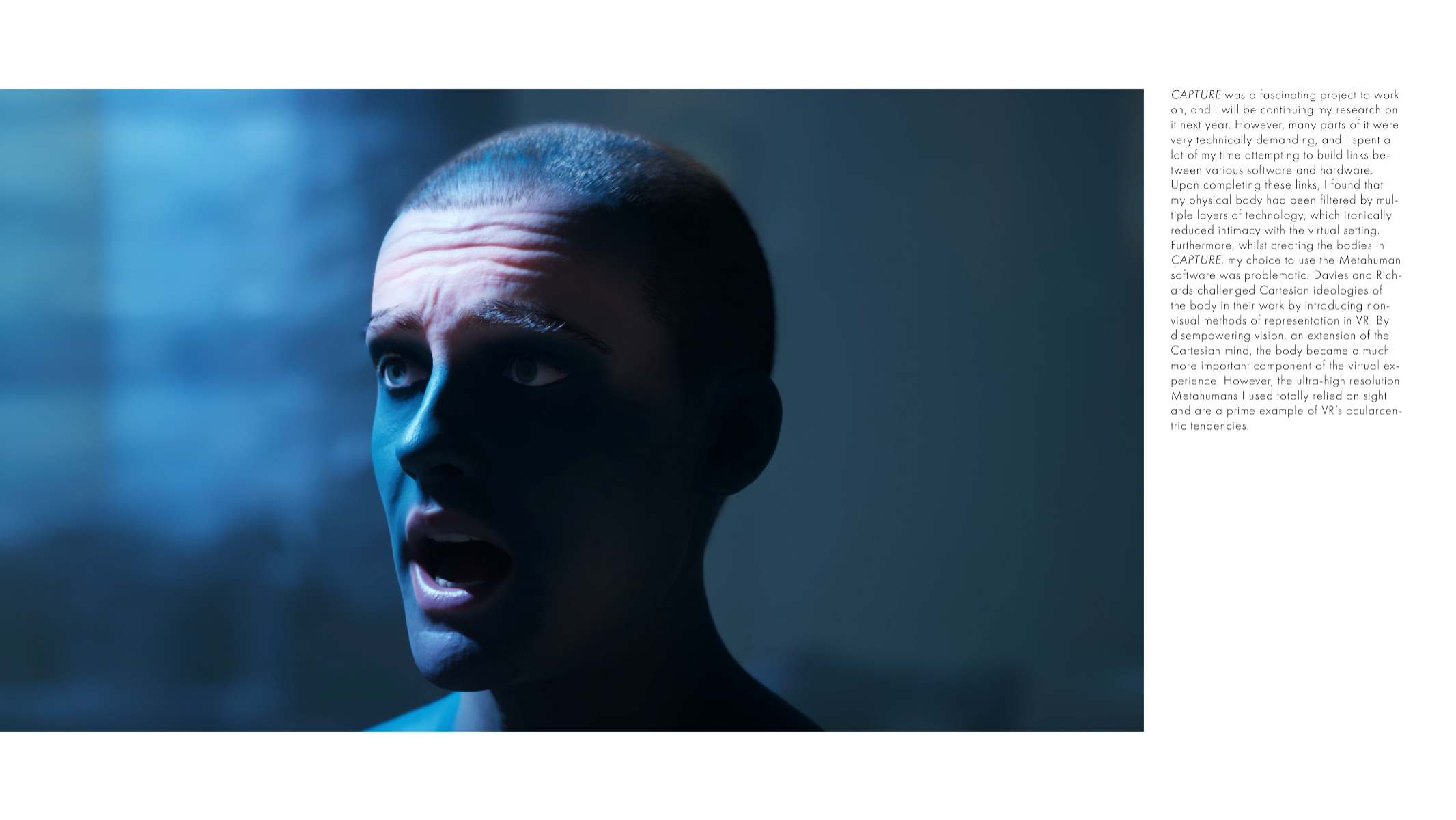
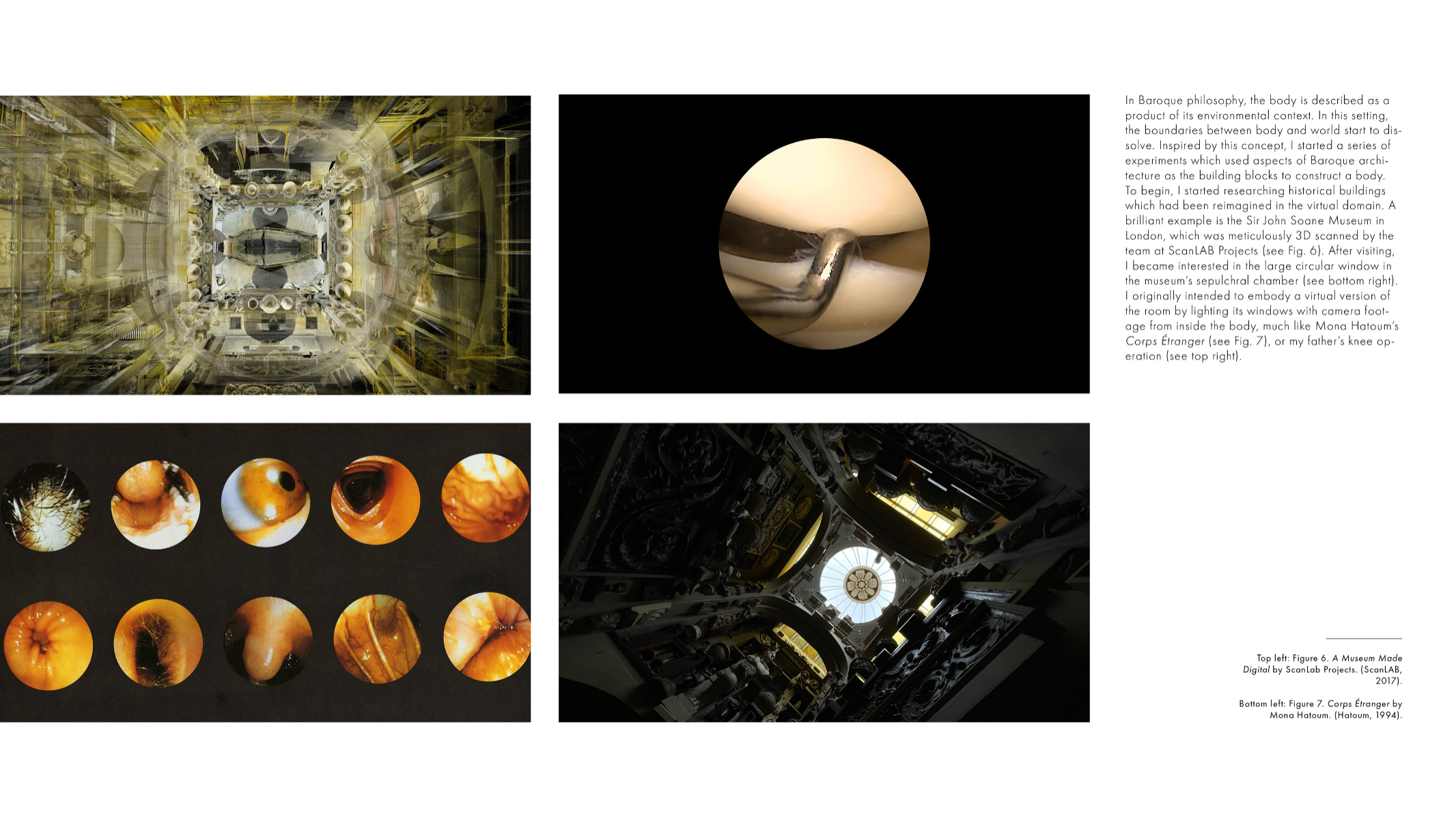
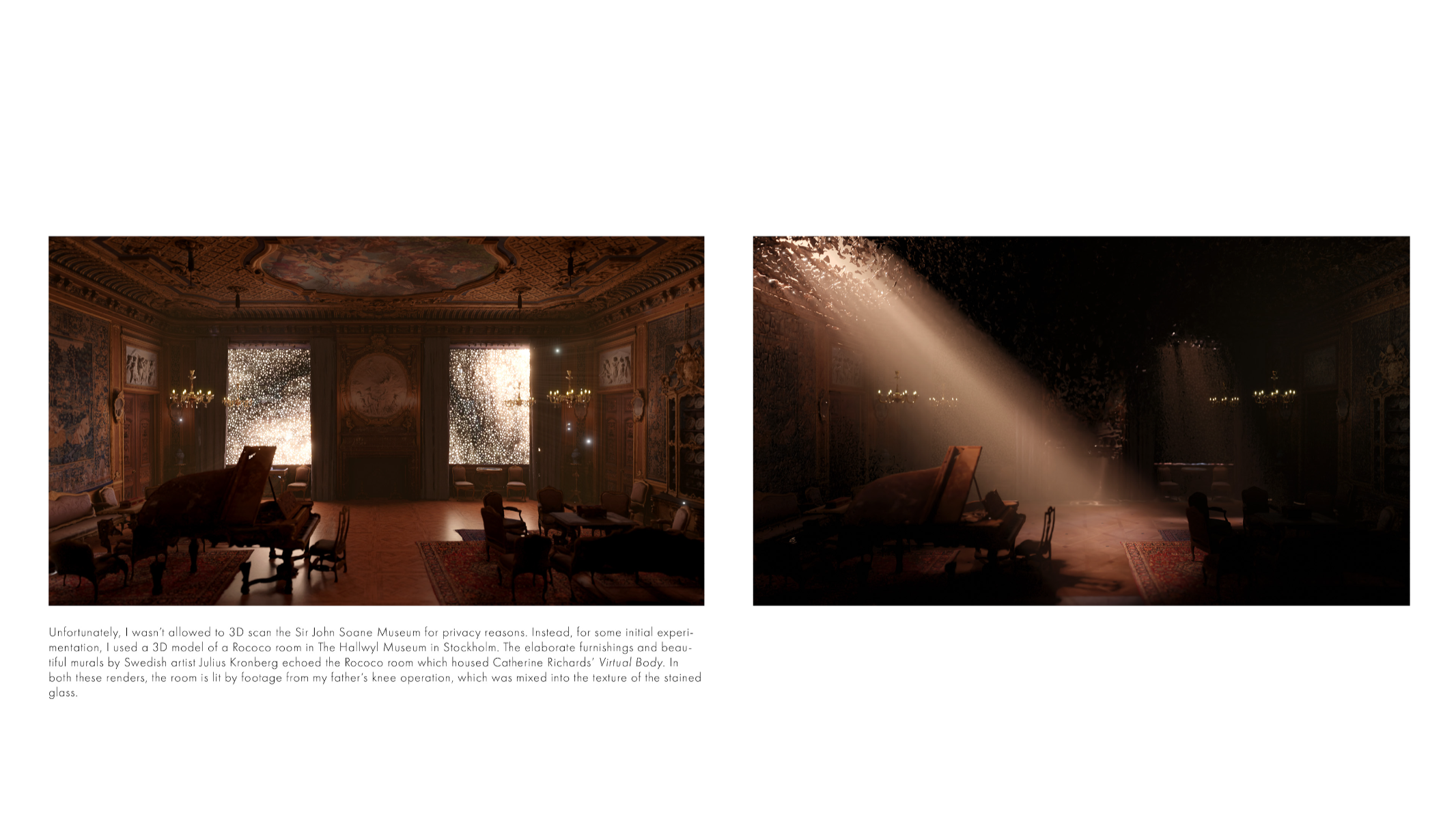
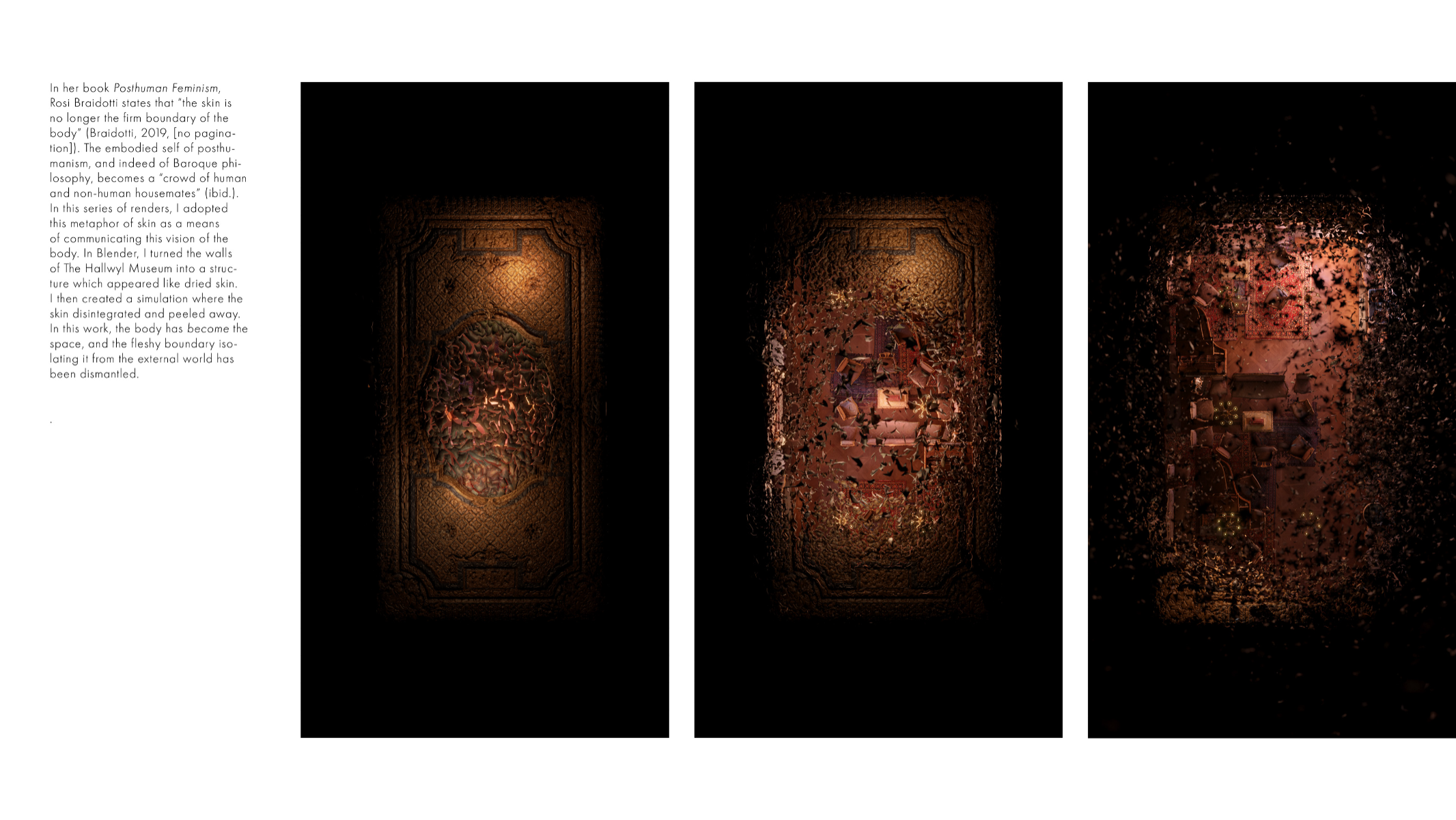
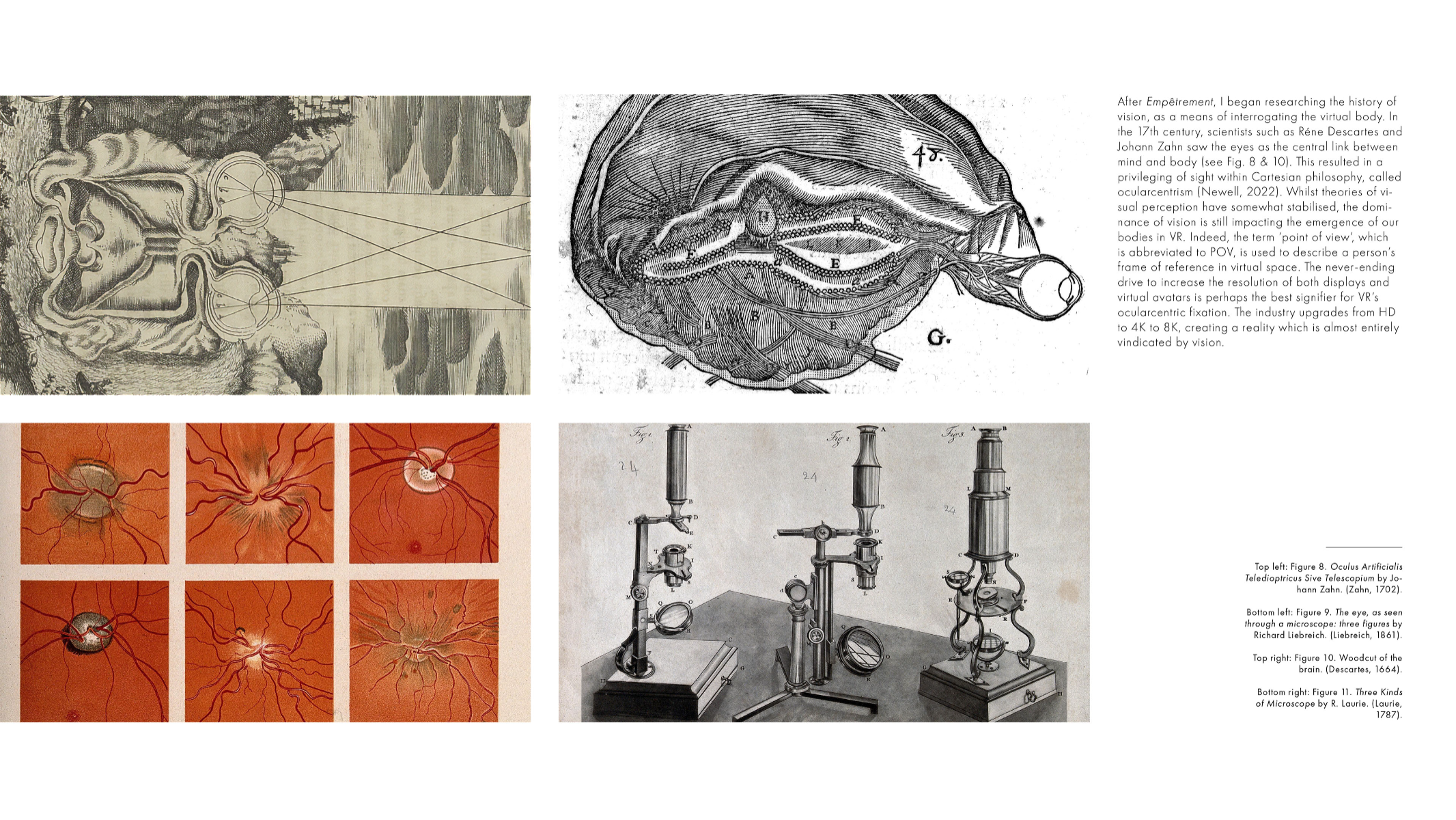
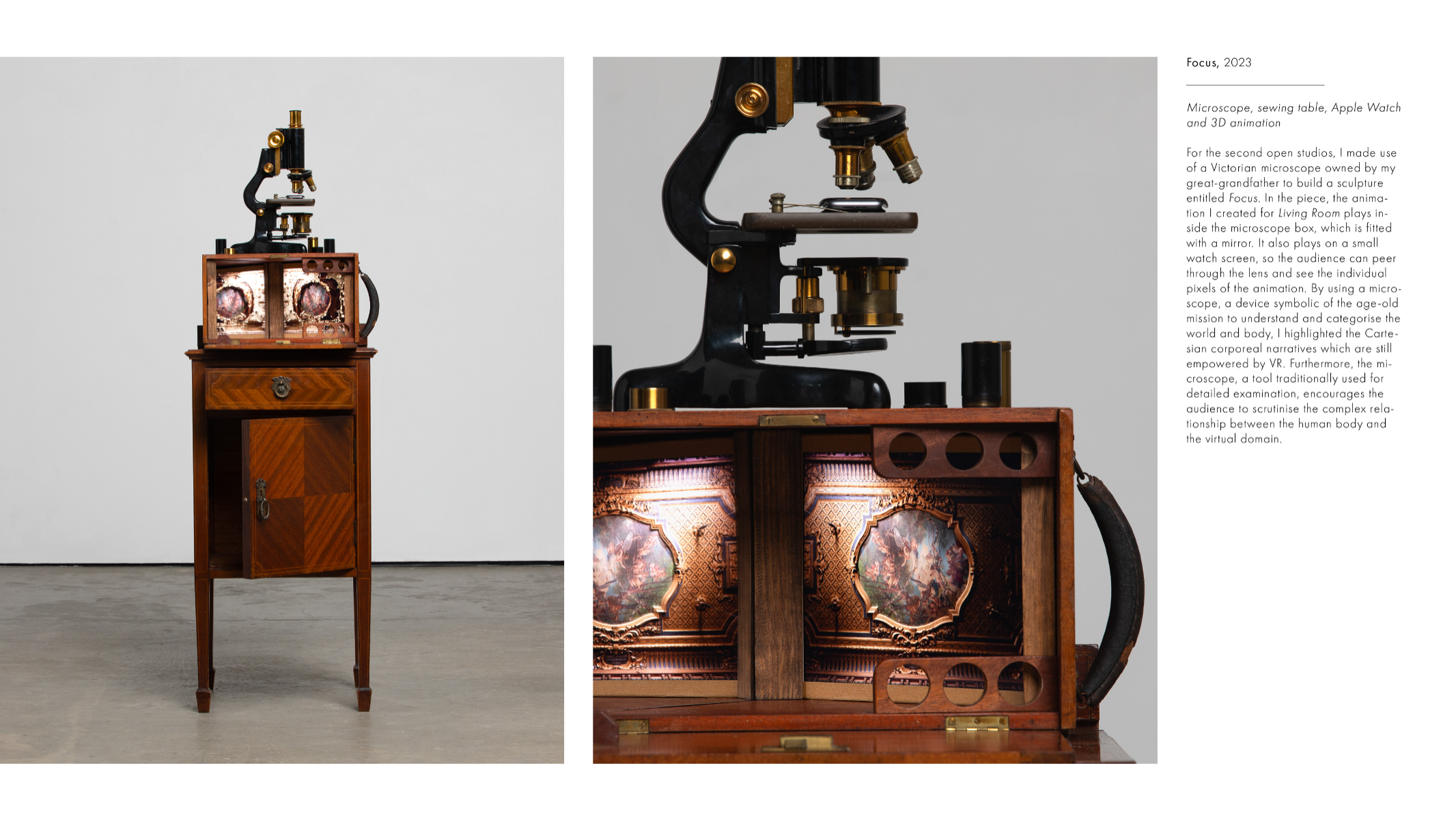
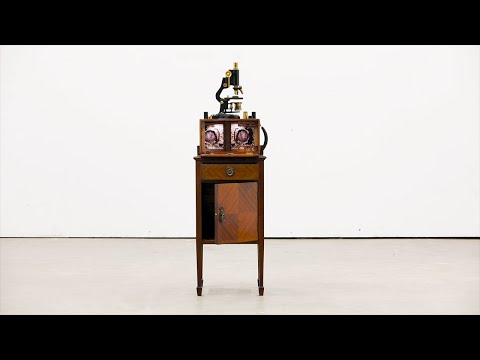
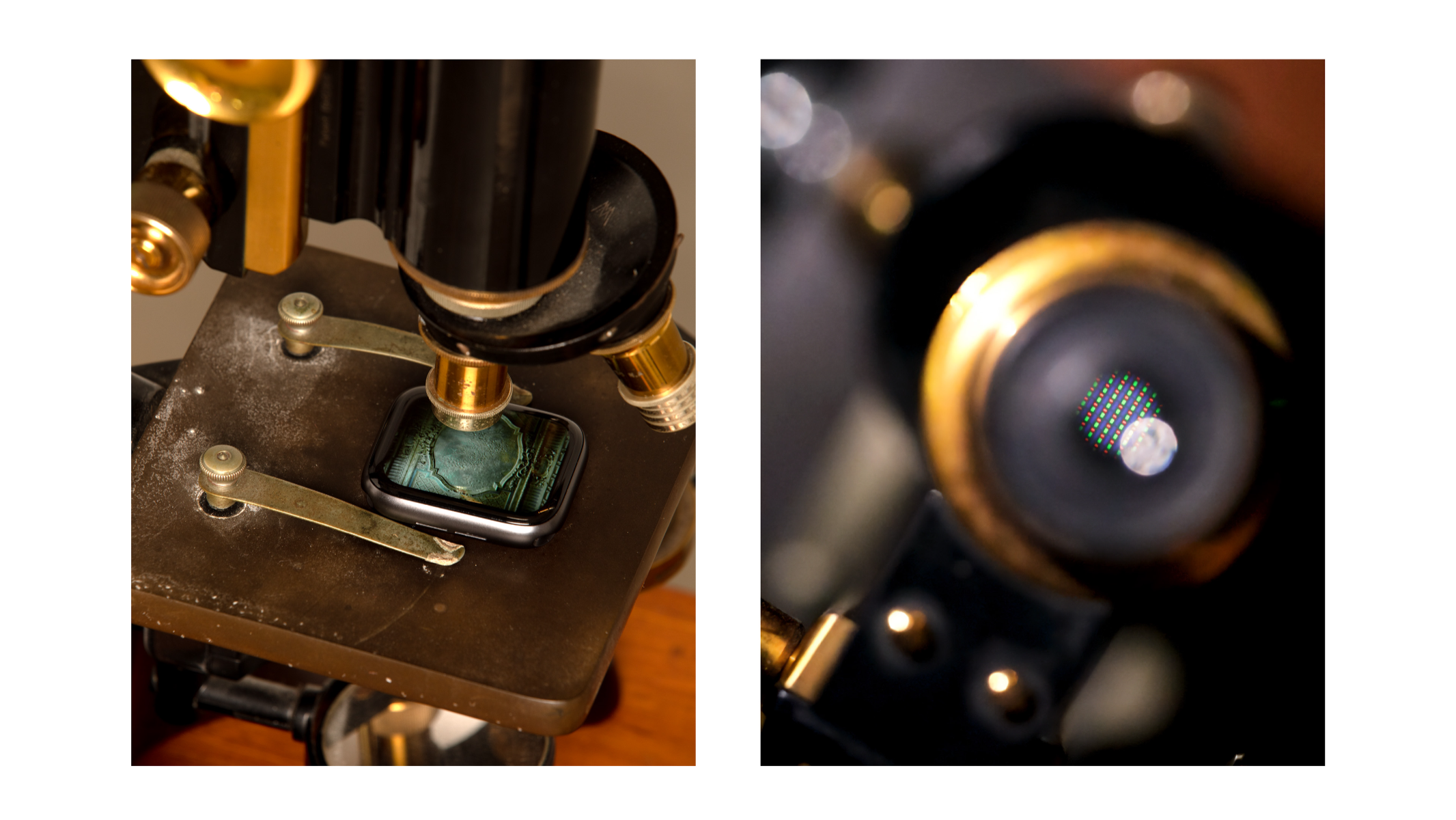
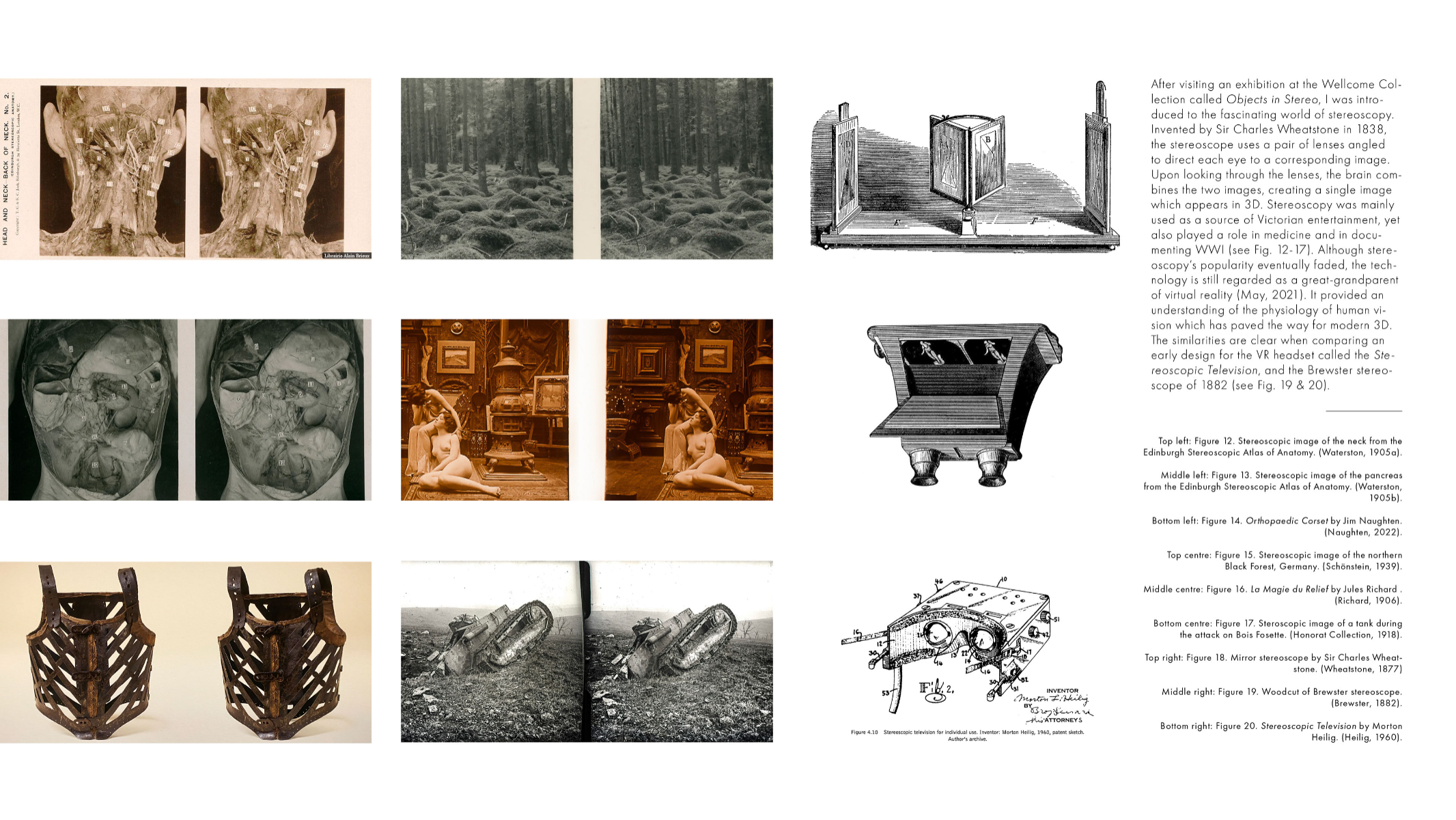
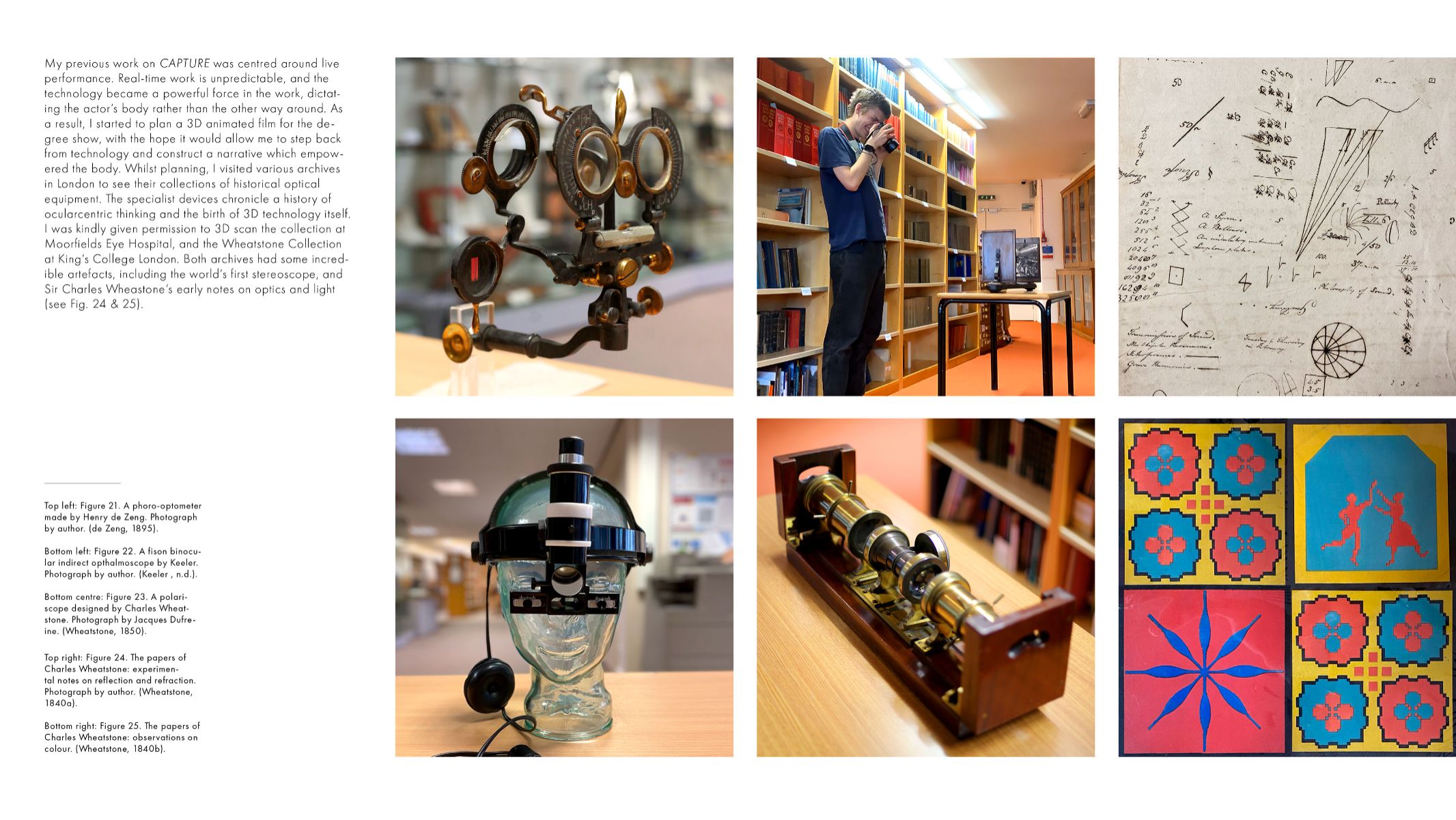
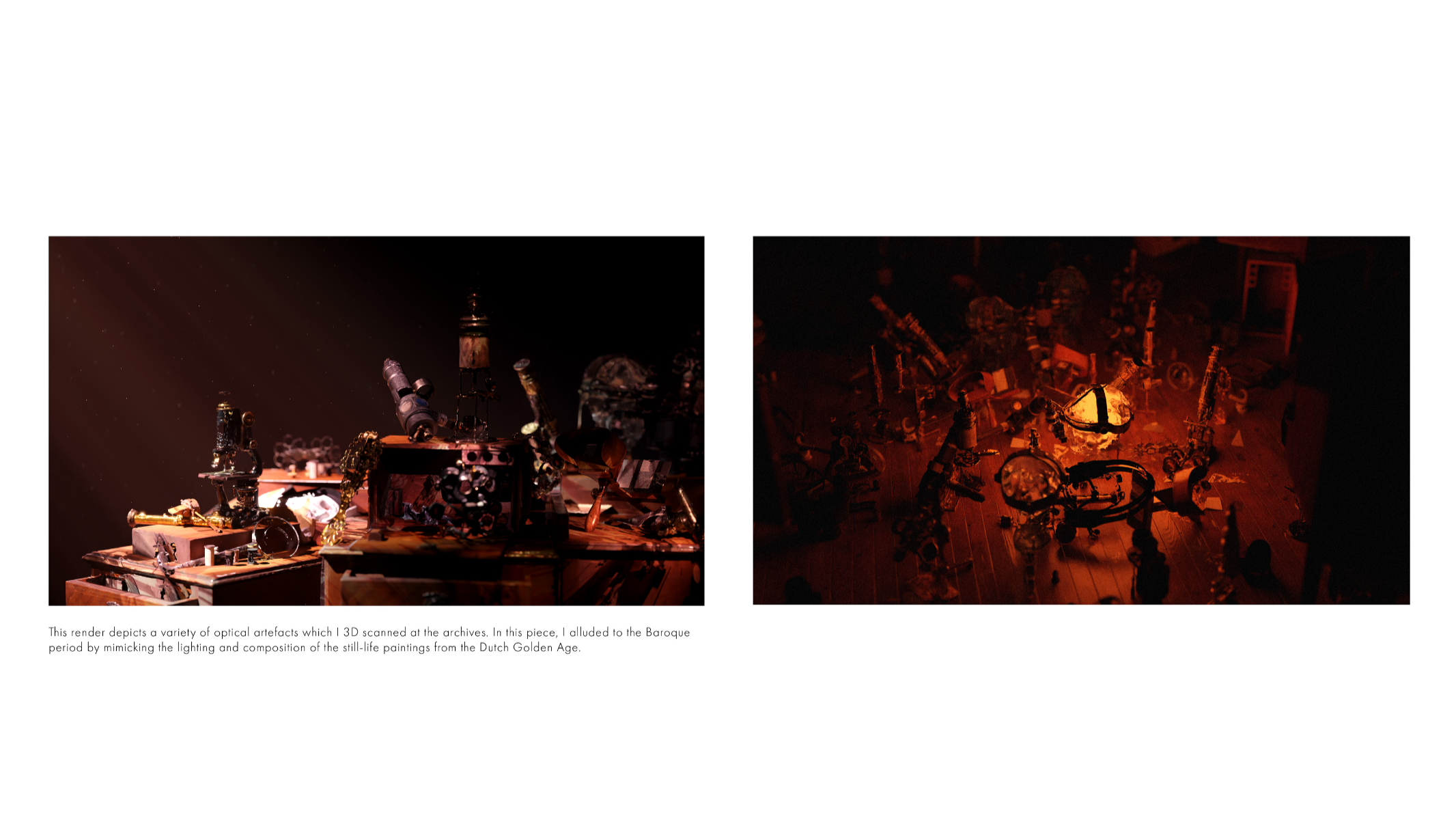
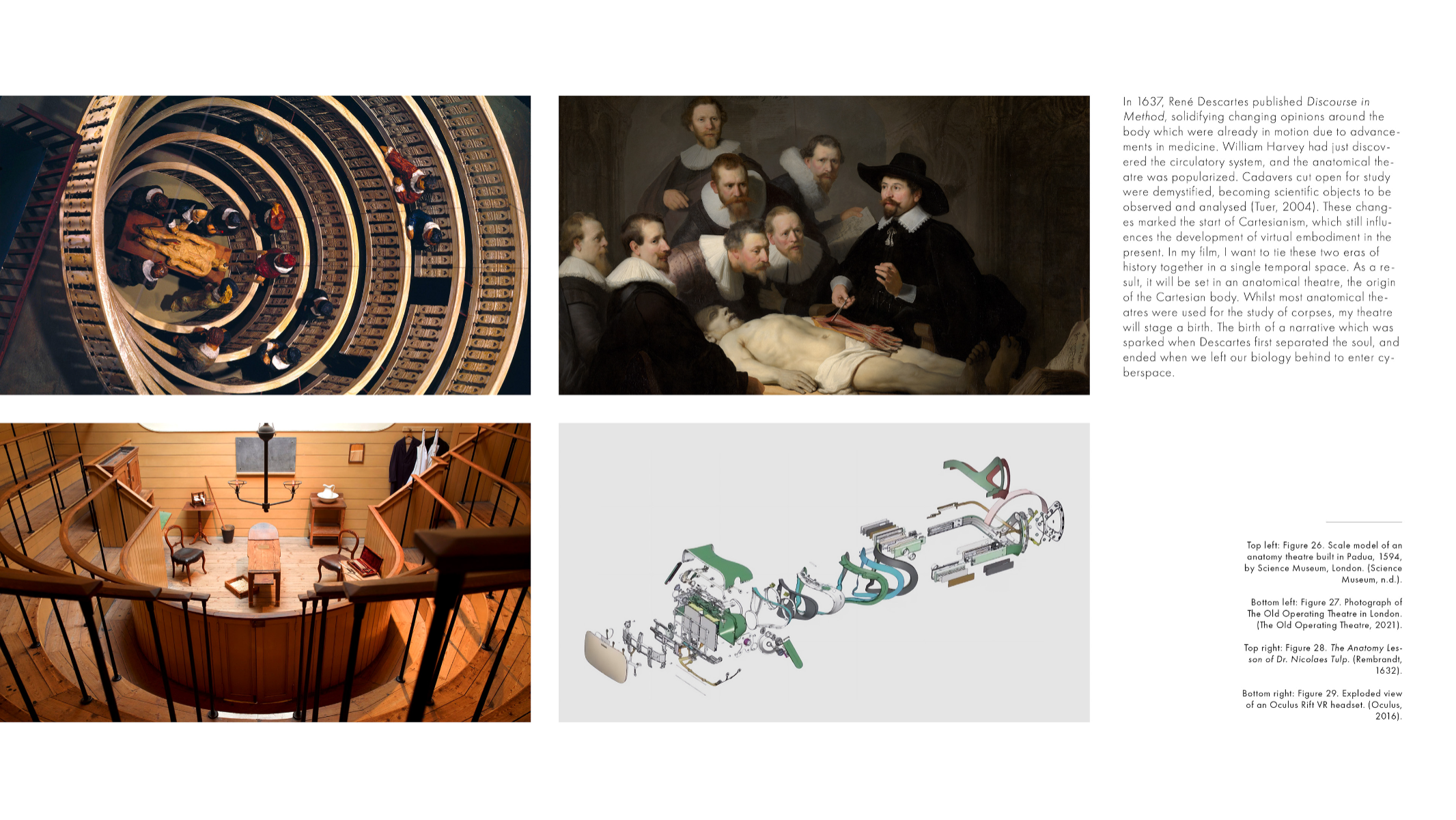
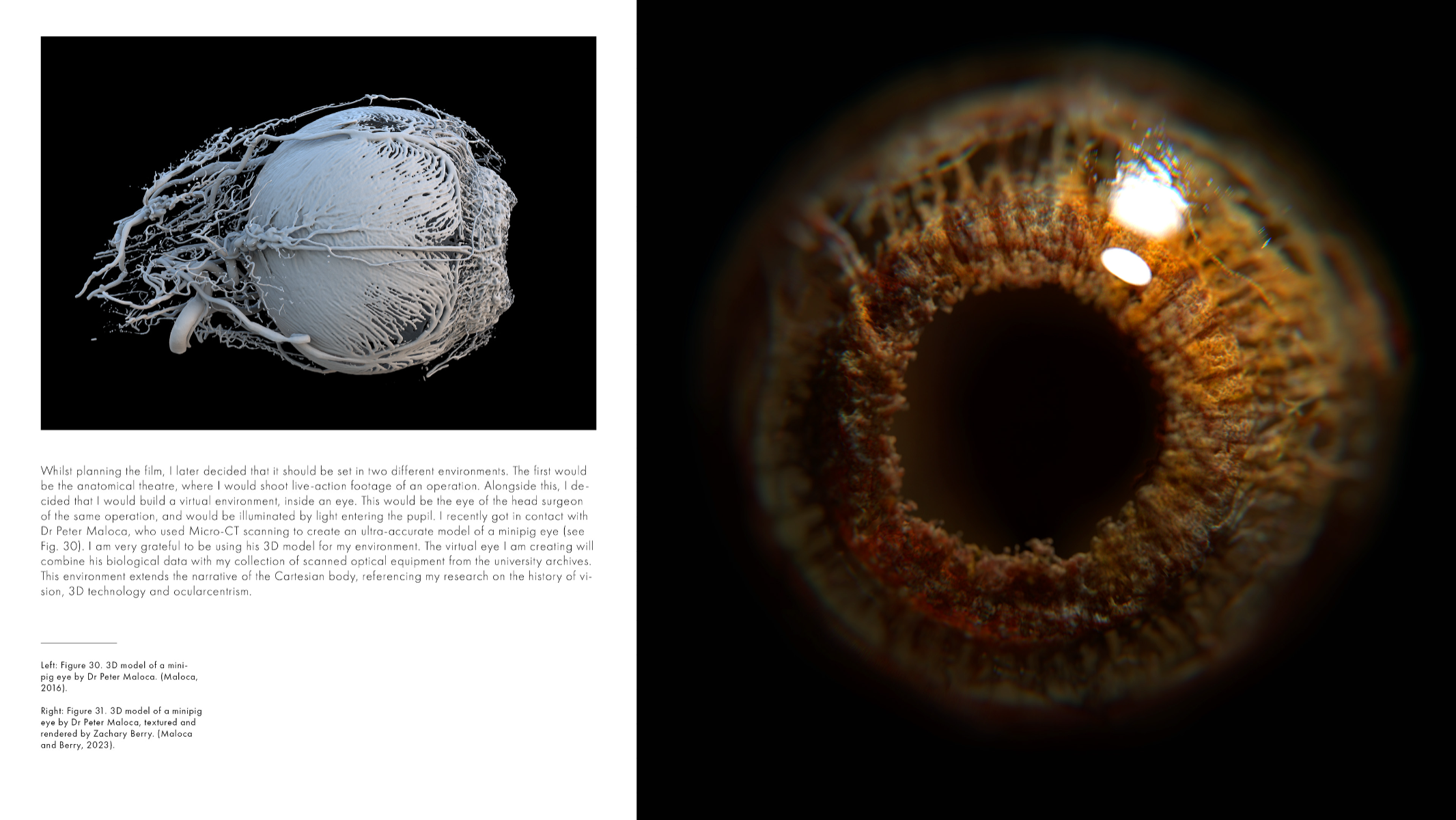
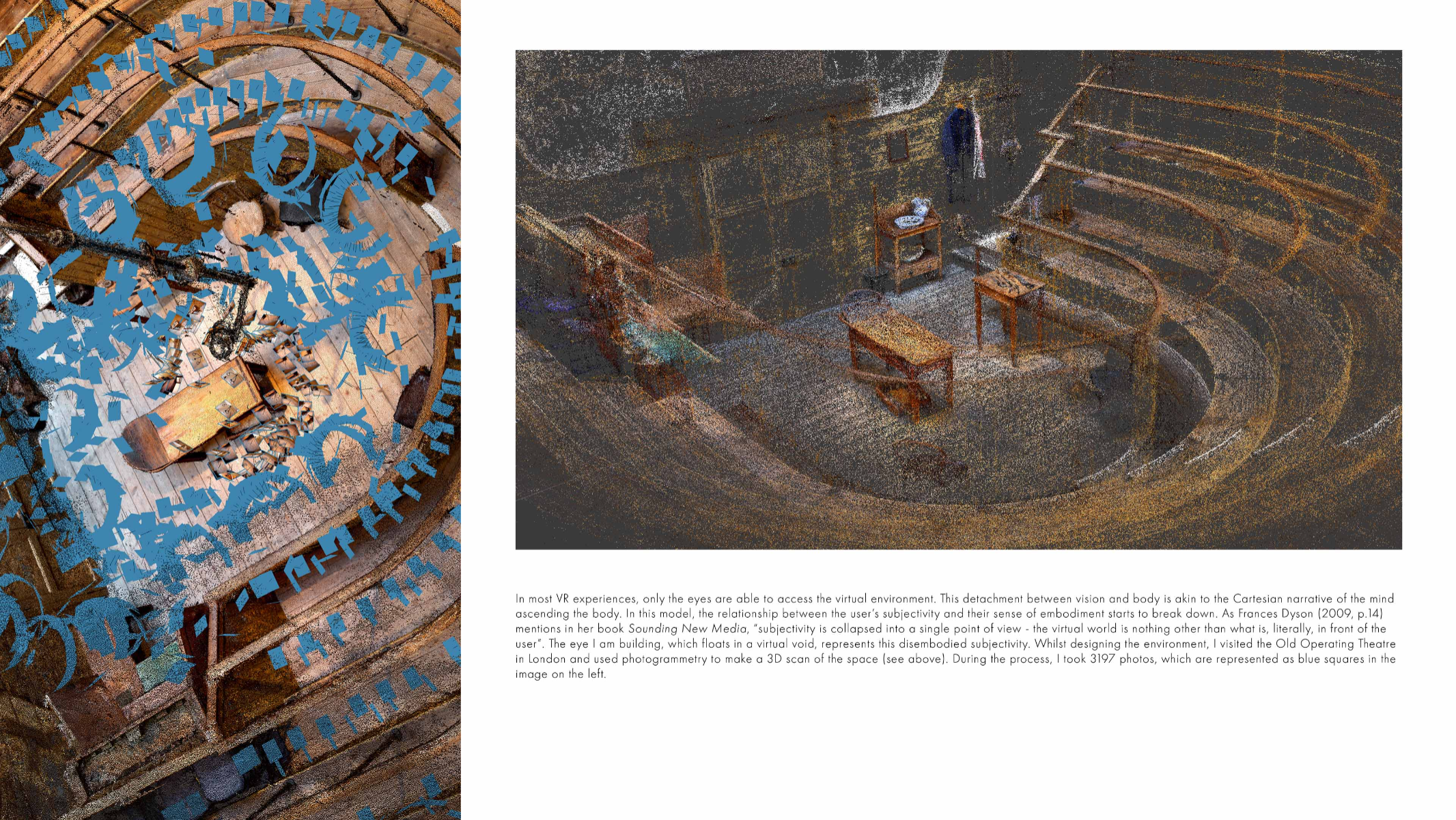
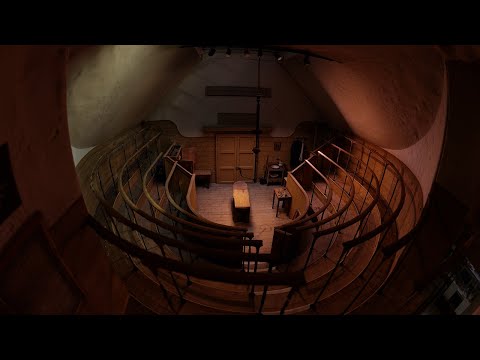
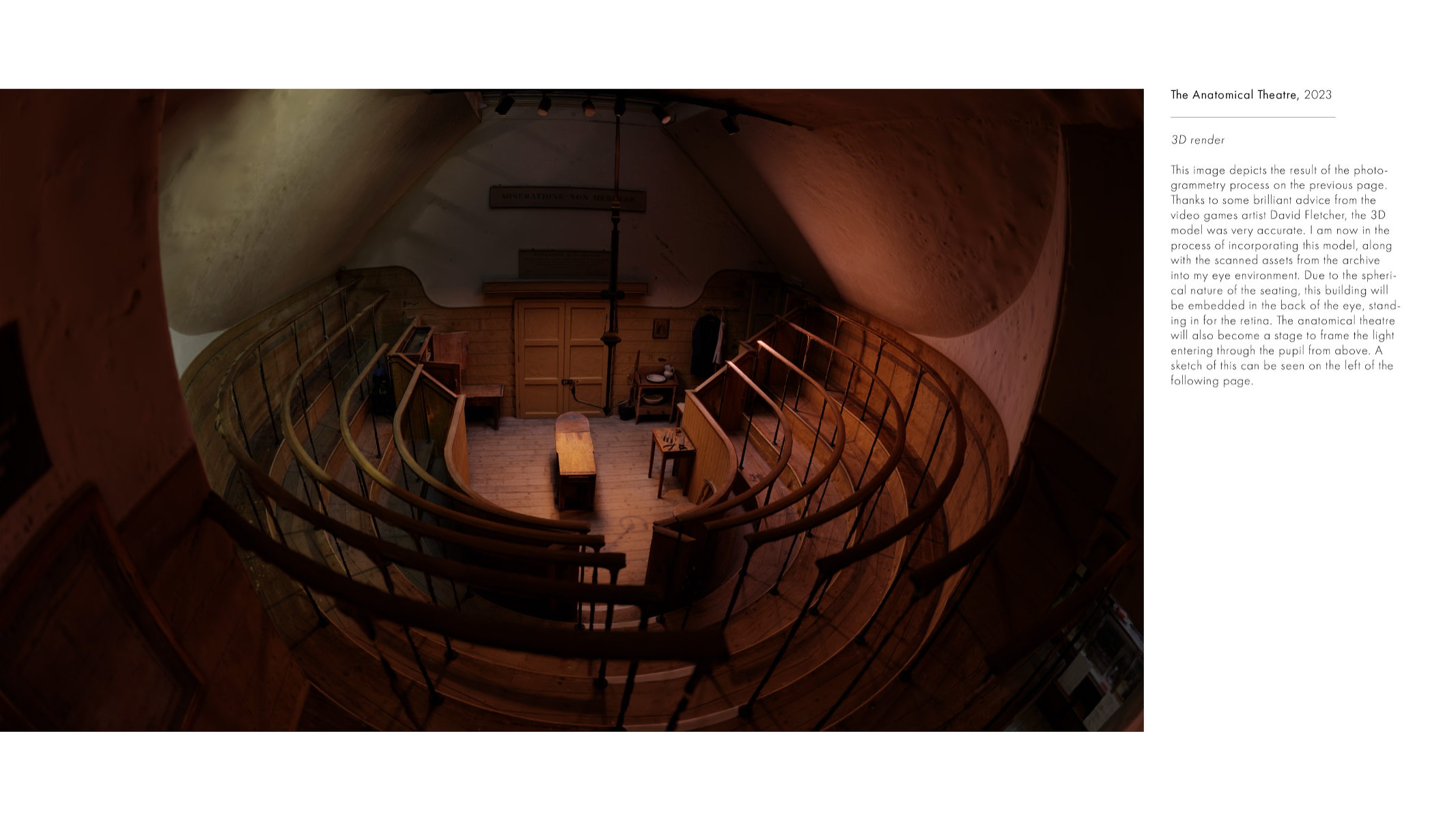
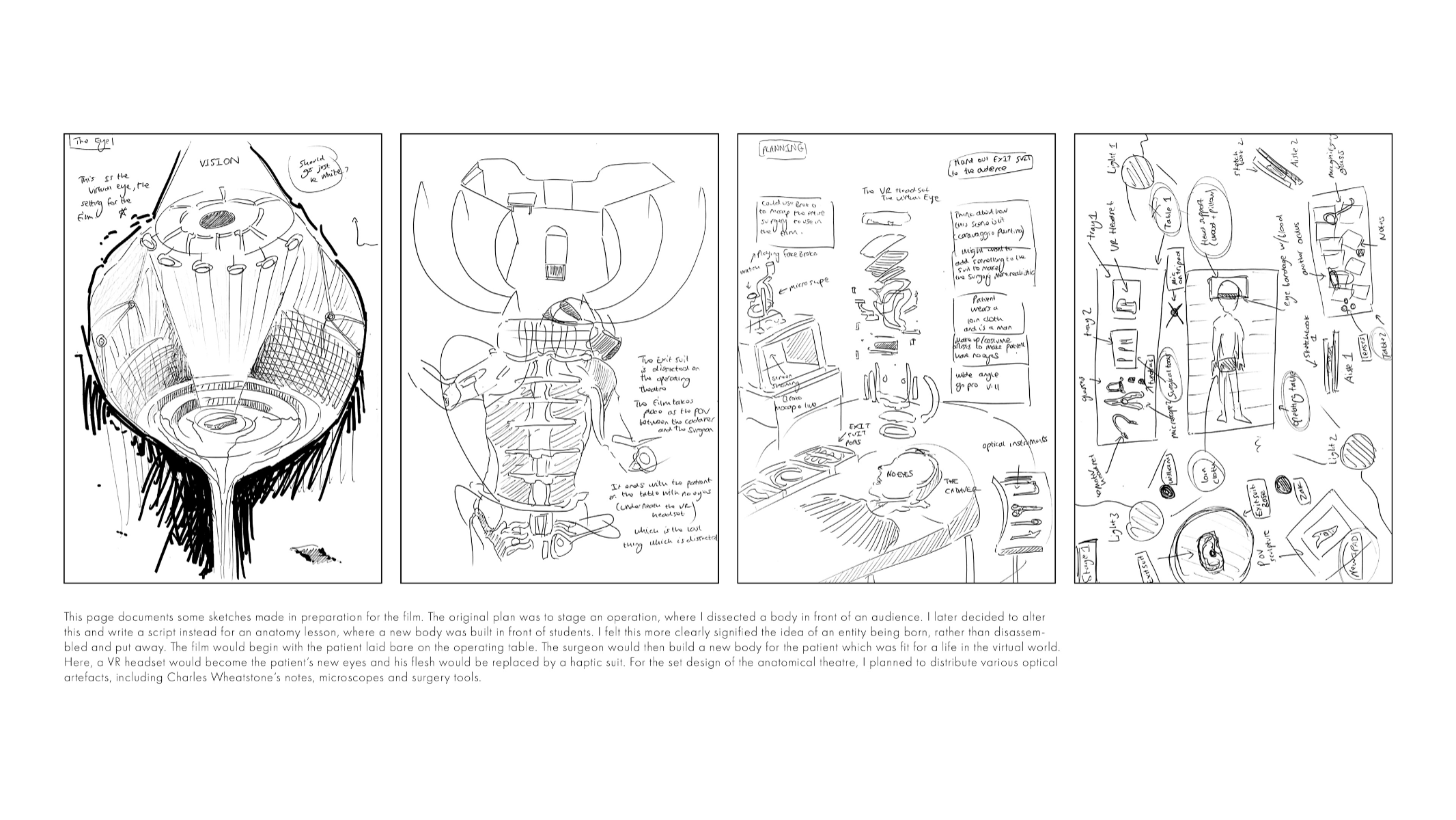
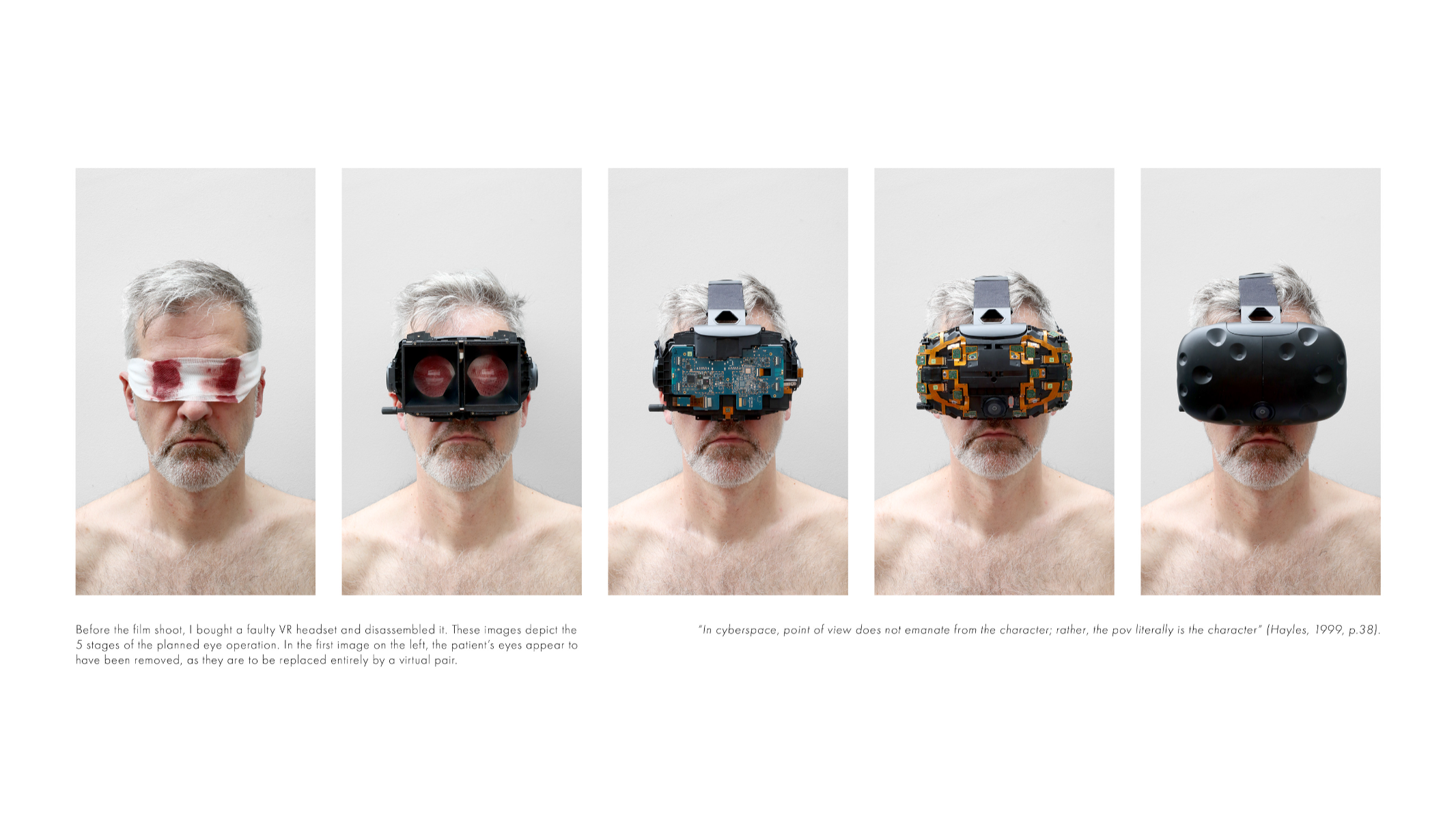
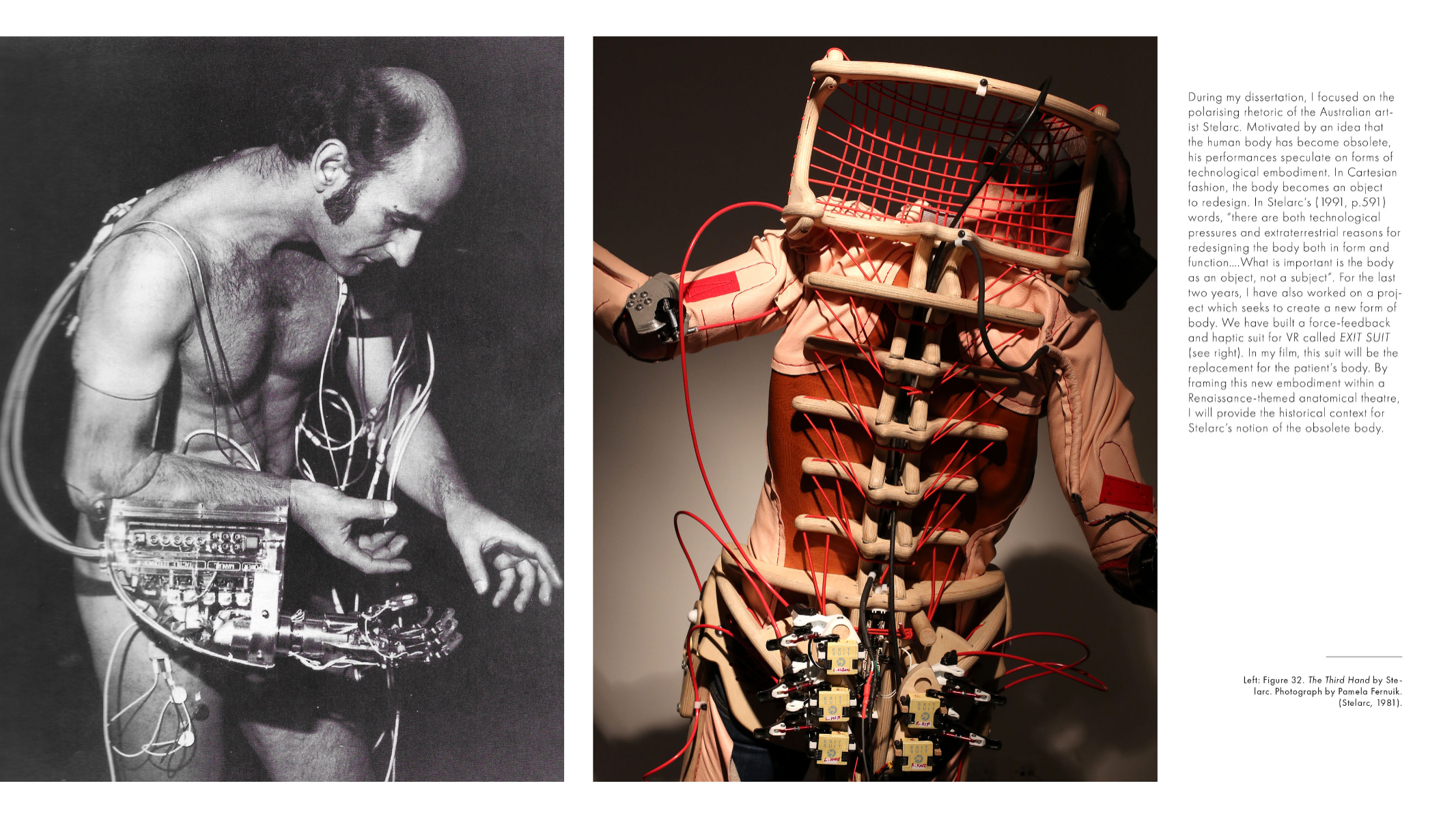
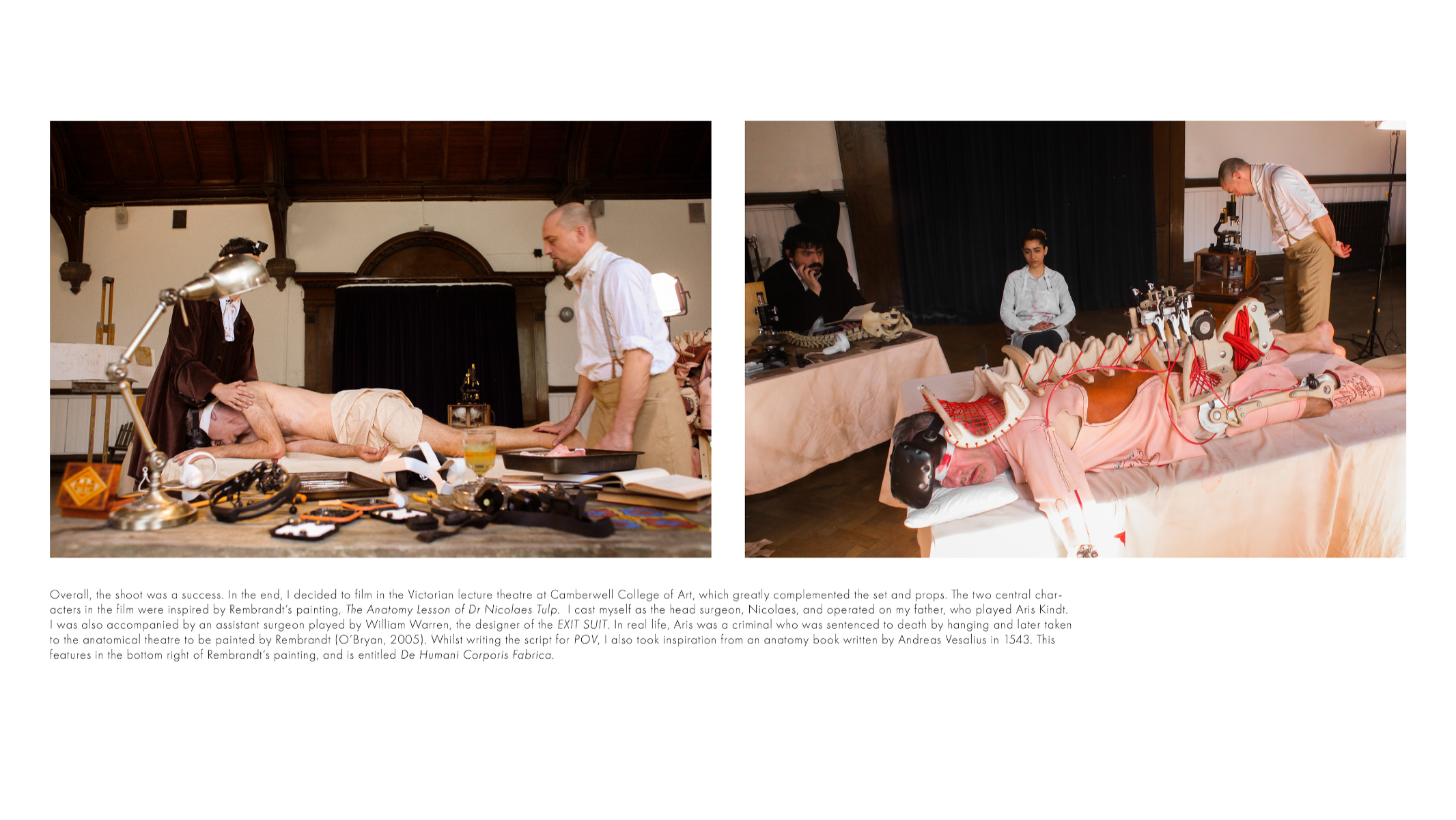
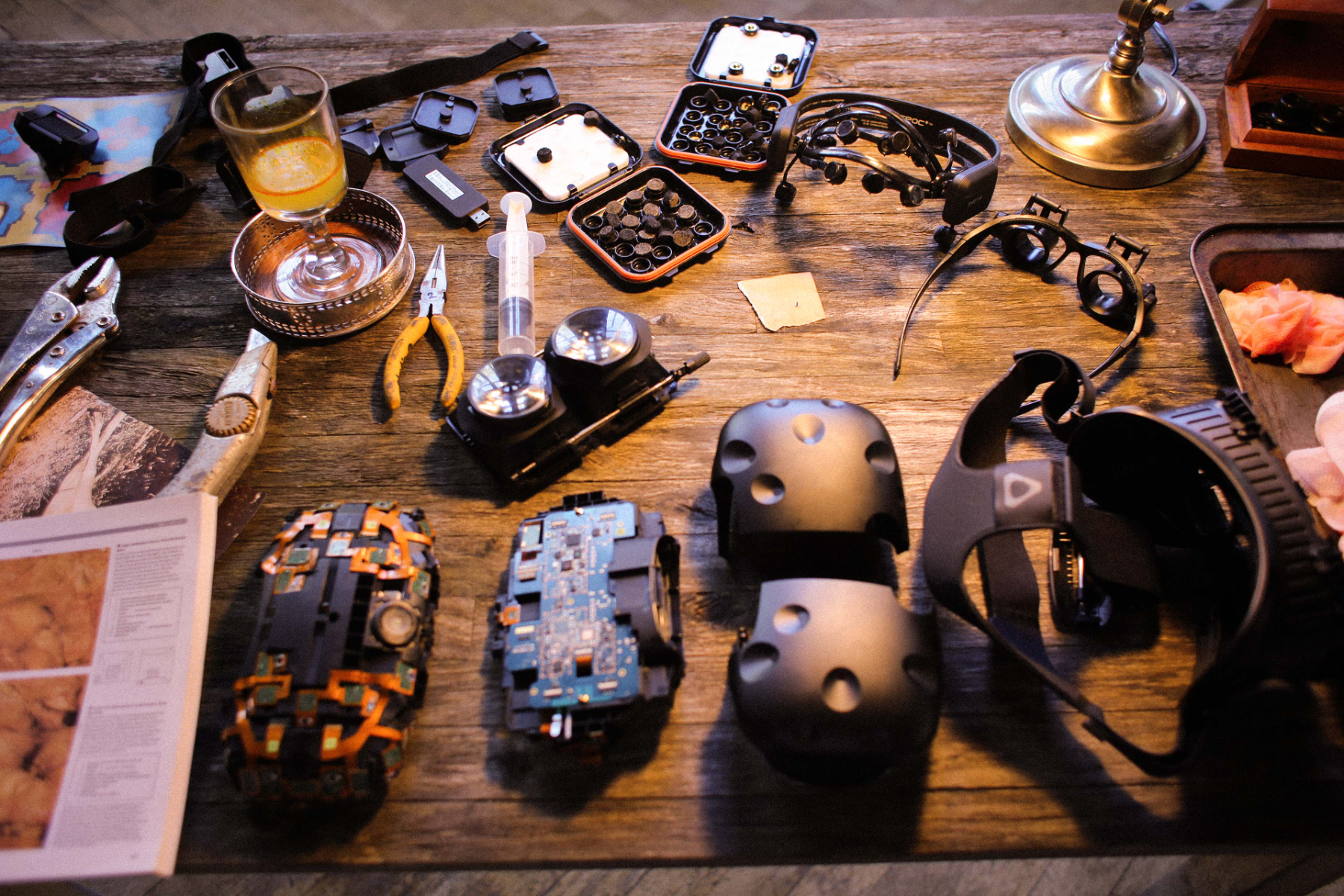
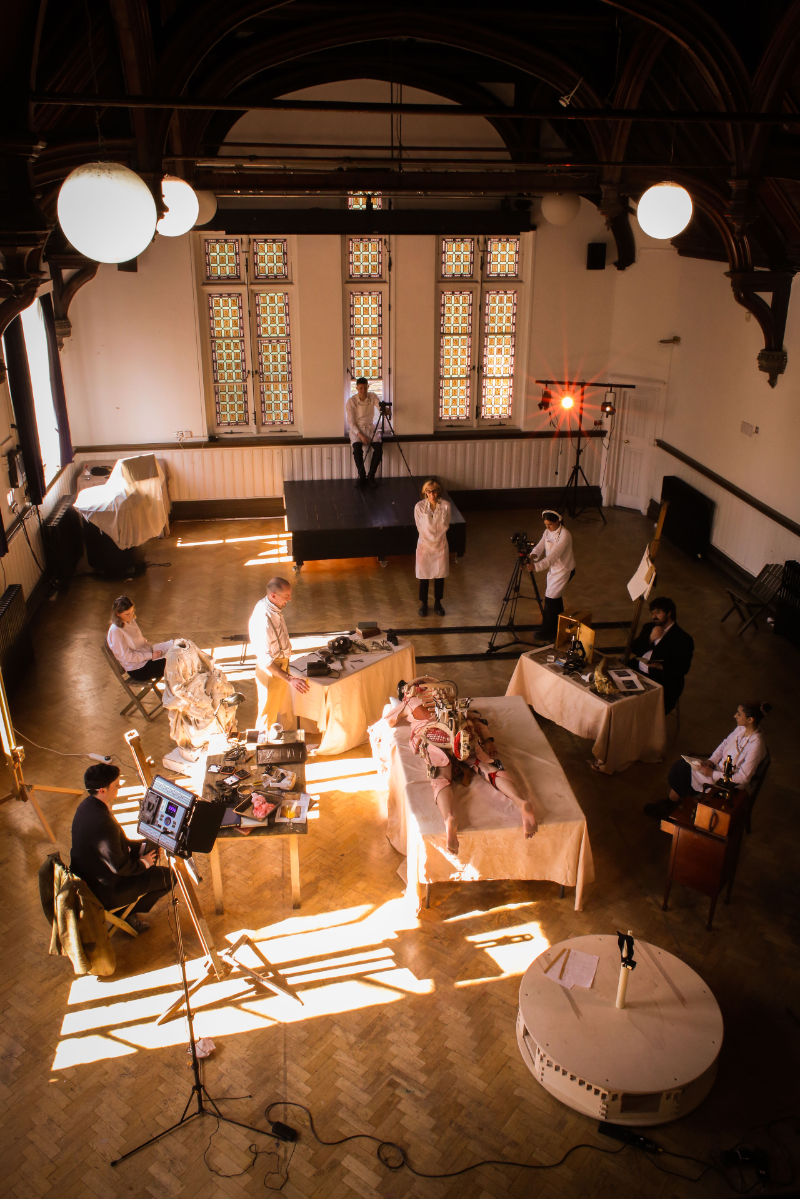
A film by Zachary Berry Director of photography - Maria Gambara Lead cast - Jason Berry, William Warren and Zachary Berry Supporting cast - Catherine Berry, Gus Berry, Faye Matloub, Ibrahim Charafi, Libby Farren-Price and Ewan Murphy Music - Cello Suite No. 5 in C Minor, BWV 1011: I. Prélude by Johann Sebastian Bach Special thanks to the Moorfields Eye Hospital Museum, the Wheatstone Collection at King’s College London and Dr Peter Maloca In 1637, René Descartes published Discourse in Method, solidifying changing opinions around the body which were already in motion due to advancements in medicine. William Harvey had just discovered the circulatory system, and the anatomical theatre was popularised. Cadavers cut open for study were demystified, becoming scientific objects to be observed and analysed. These changes marked the start of Cartesianism, which still influences the development of virtual embodiment in the present. One of the largest effects of Cartesian thinking on the virtual body is the privileging of sight or ocularcentrism. In the 17th century, thinkers such as Johann Zahn saw the eyes as the central link between mind and body. Whilst theories of visual perception have somewhat stabilised, the dominance of vision is still impacting the emergence of our bodies in VR. Indeed, the term ‘point of view’, which is abbreviated to POV, is used to describe a person’s frame of reference in virtual space. The never-ending drive to increase the resolution of both displays and virtual avatars is perhaps the best signifier of VR’s ocularcentric fixation. The industry upgrades from HD to 4K to 8K, creating a reality which is almost entirely vindicated by vision. In POV, the contemporary virtual body and its Cartesian history are tied together in a single temporal space. As a result, the film is set in an anatomical theatre, the origin of Cartesian thinking. In this theatre, an operation takes place, in which a surgeon builds a new body for a patient which is fit for life in the virtual world. Here, a VR headset becomes the patient’s new eyes and a haptic suit replaces his flesh. Whilst most anatomical theatres were used for the study of corpses, the theatre in POV depicts a birth. The birth of a narrative around the body which was sparked when Descartes first separated the soul, and ended when we left our biology behind to enter cyberspace. Many of the scenes in POV are shot from the perspective of a camera inside an eye. This eye belongs to the head surgeon of the operation. The light entering through the pupil is a film of the operation, seen from the surgeon’s perspective. This light moves through the scene before hitting an anatomical theatre, which represents the eye’s retina. Whilst building this virtual environment, I am grateful to have worked with Dr Peter Maloca, who created a 3D model of the eye using Micro-CT scanning. In many of the shots, a giant mechanical lens can be observed focusing light onto the retina. When designing this structure, I was kindly given permission to 3D scan some amazing historical optical equipment at Moorfield’s Eye Hospital, and the Wheatstone Collection at King’s College London. Many of the artefacts from both these archives were used to build the final machine.
Competitions