Ziyuan Wang
Visual Communication MA
Royal College of Art
Specialisms: Illustration / Cartoon & Comic Art / Design for Social Good
Location: London, United Kingdom
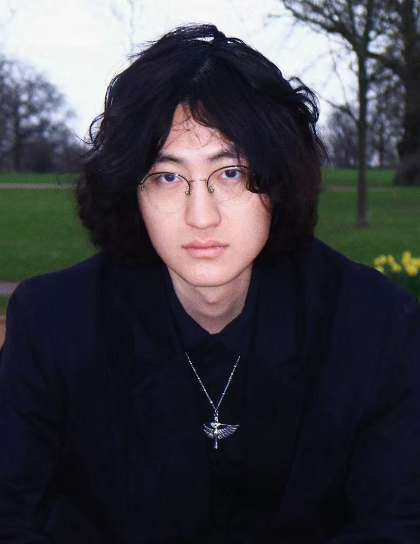
Ziyuan Wang
First Name: Ziyuan
Last Name: Wang
Specialisms: Illustration / Cartoon & Comic Art / Design for Social Good
Sectors:
My Location: London, United Kingdom
University / College: Royal College of Art
Course / Program Title: Visual Communication MA
About
Ziyuan Wang is a visual communication designer and illustrator whose practice explores the intersection between narrative, identity, and the politics of visibility. With a focus on illness, social stigma, and emotional expression, his work transforms research-based interviews into poetic visual forms—ranging from publications and installations to interactive print experiments.
Coming from a non-traditional art background, Wang approaches visual storytelling with both emotional intuition and analytical depth. His recent work investigates how diseases like HIV and depression are metaphorically represented and socially silenced. Through participant-led archives and materials like thermosensitive ink, he invites audiences to engage not only visually, but physically—with stories that are often unheard or unseen.
Wang’s artistic language draws from the raw expressiveness of graphic novels and the cultural undercurrents of subversion. His practice lies between illustration, publishing, and critical social inquiry, aiming to create visual work that is both intimate and reflective.
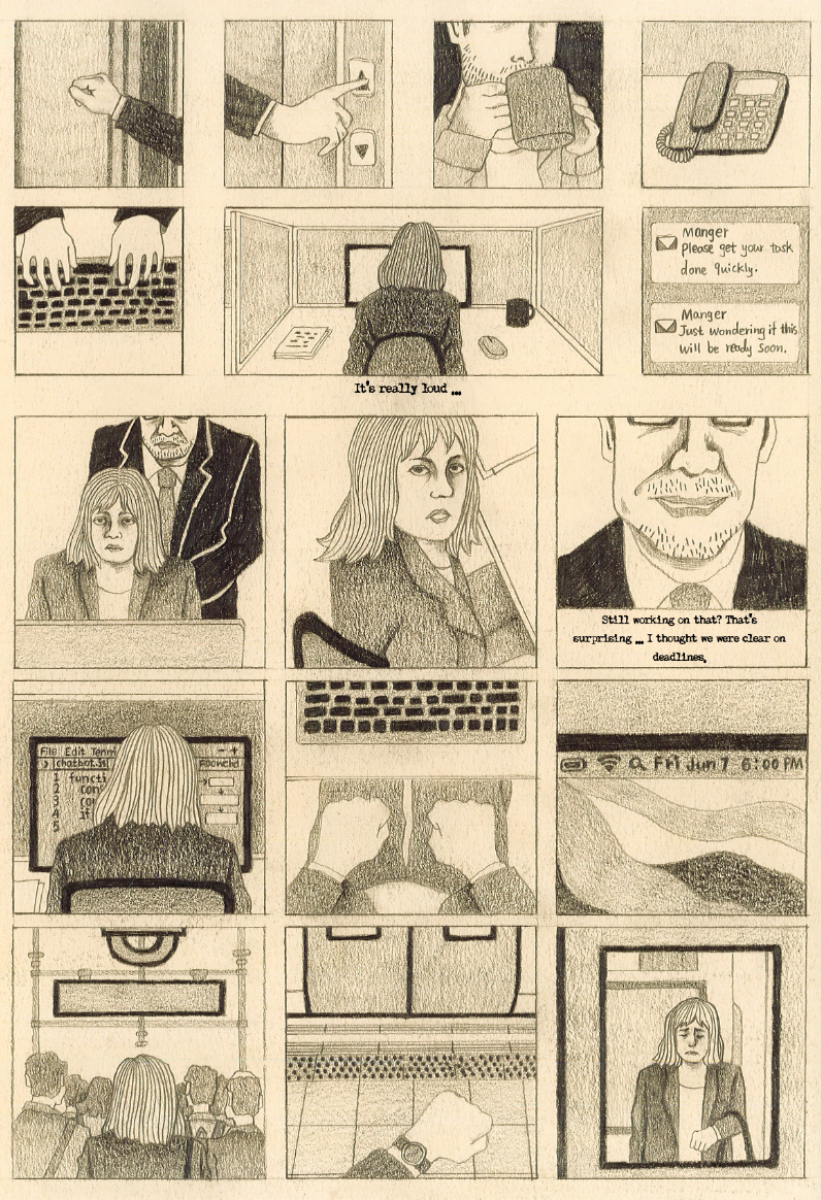
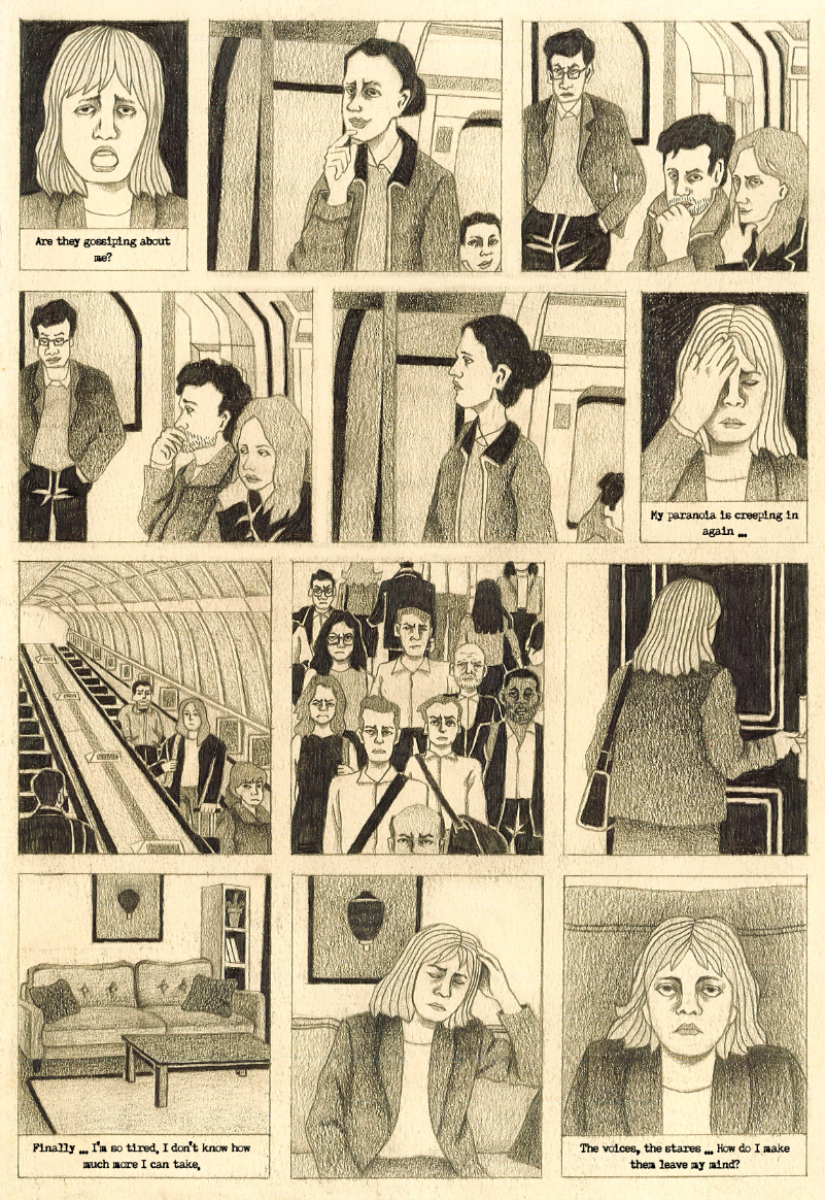
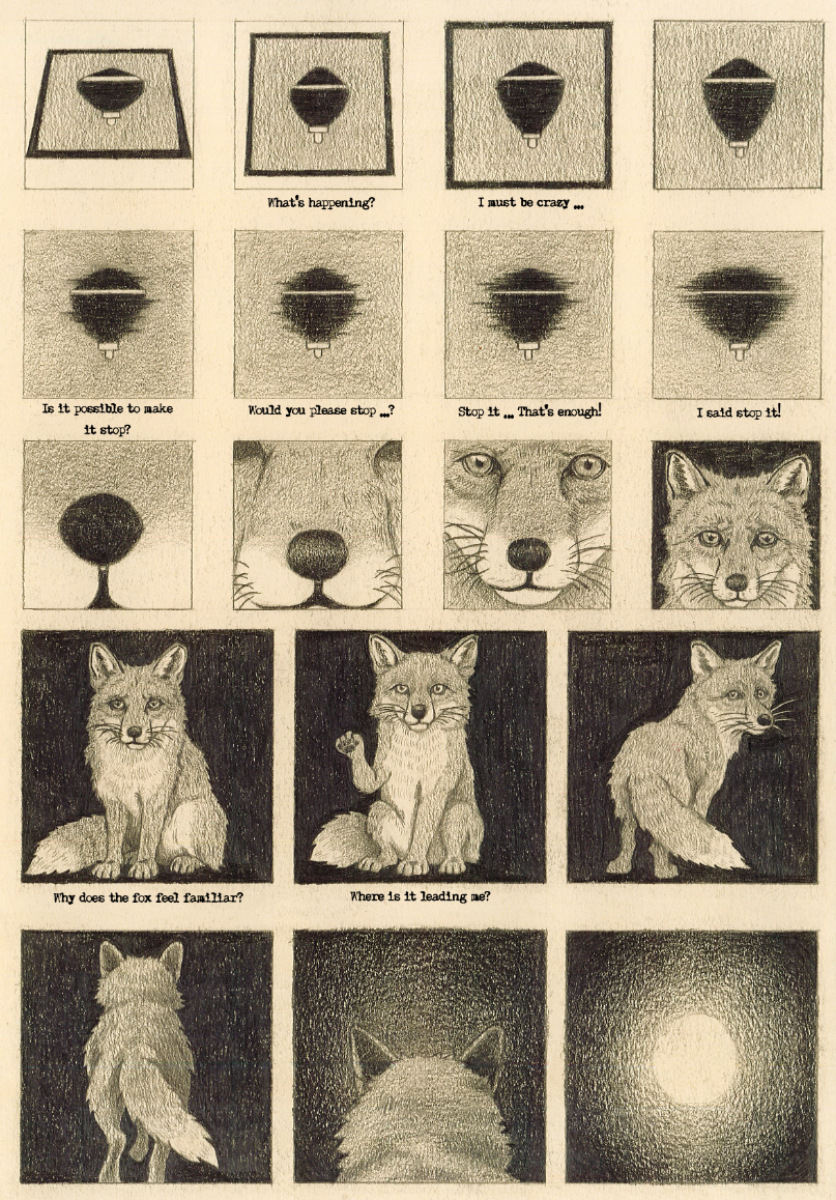
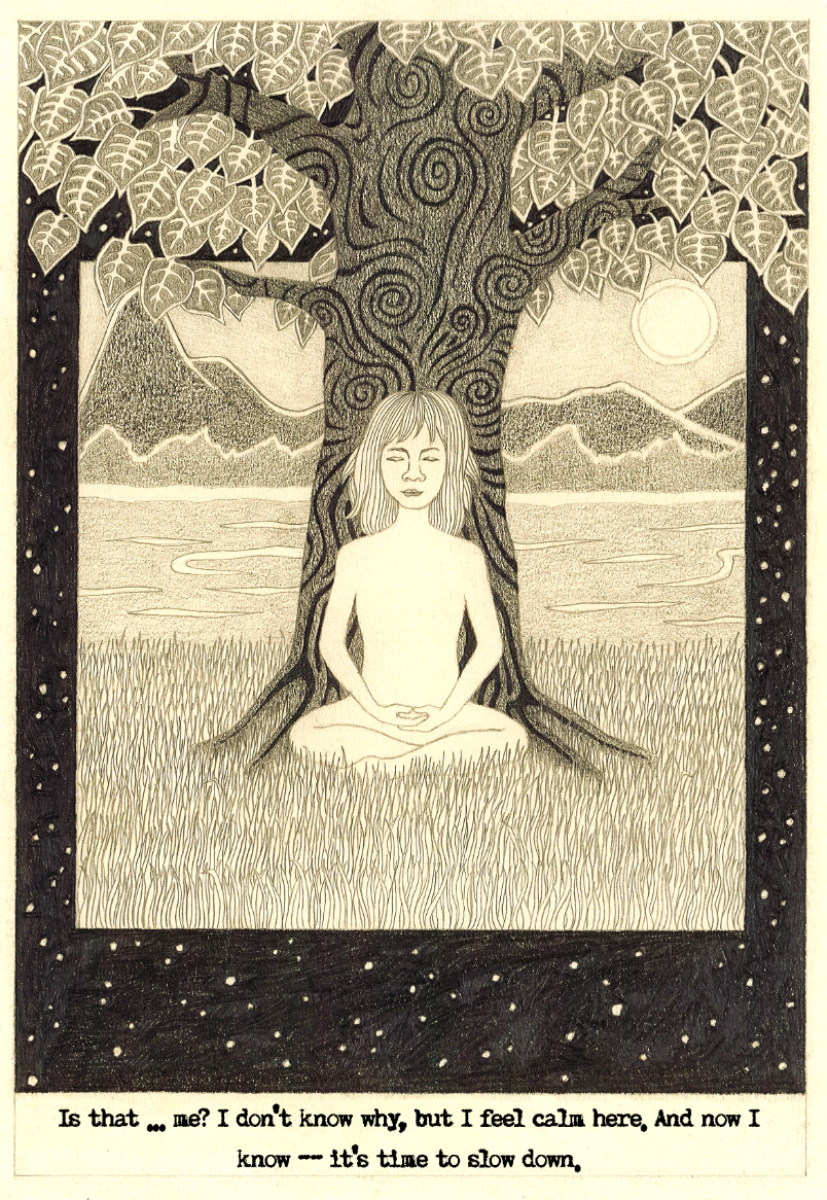
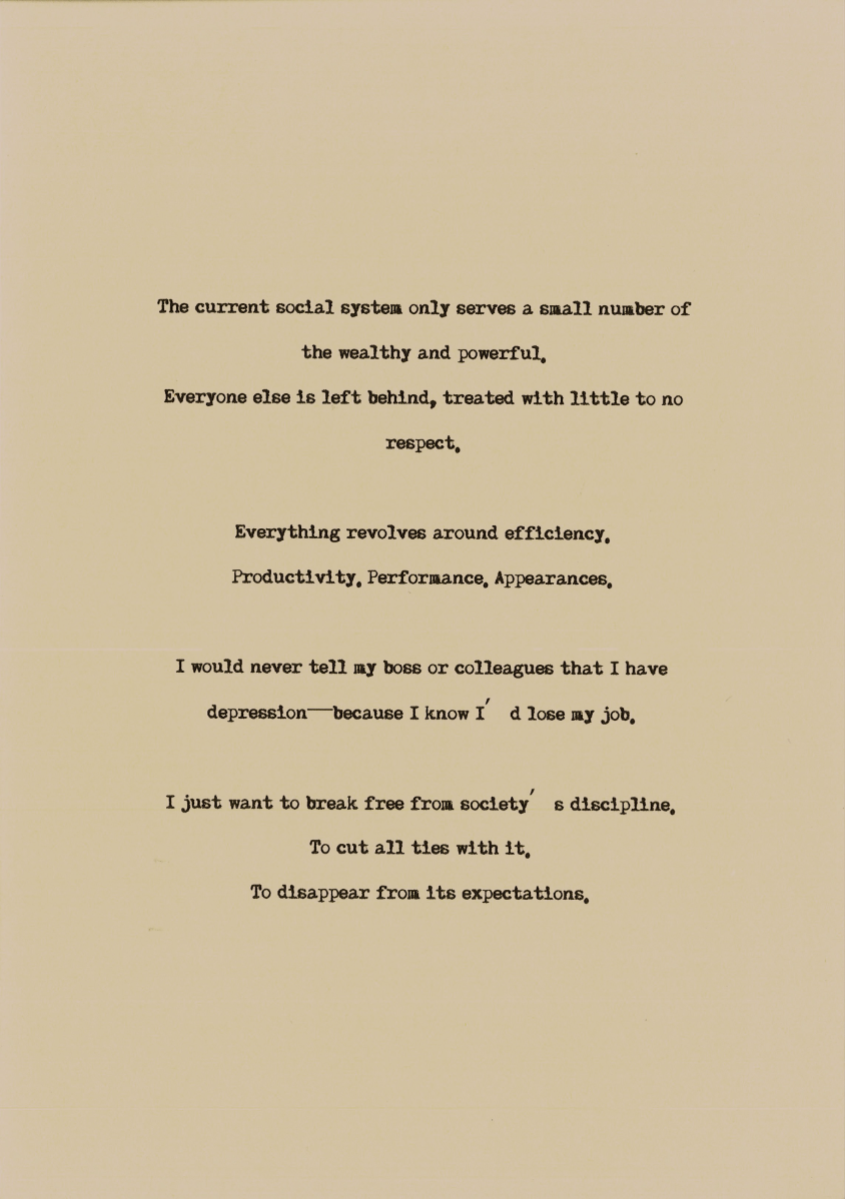
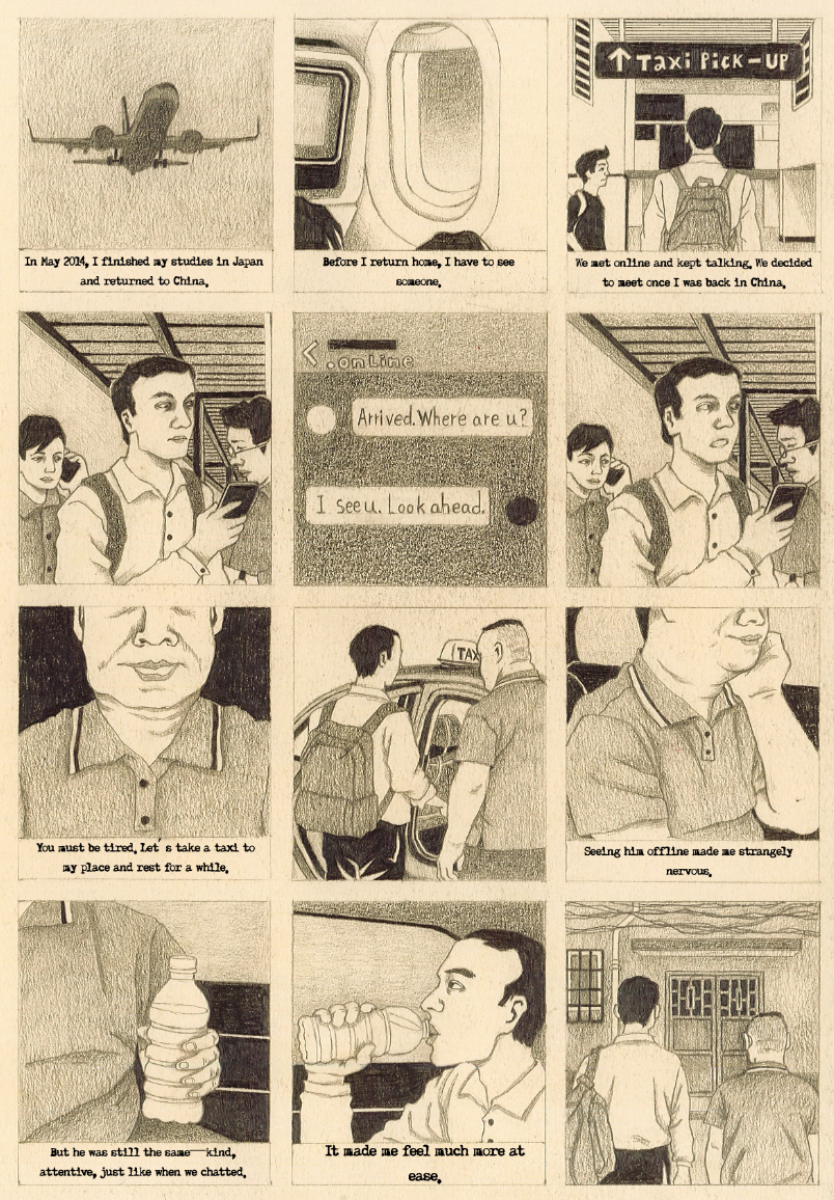
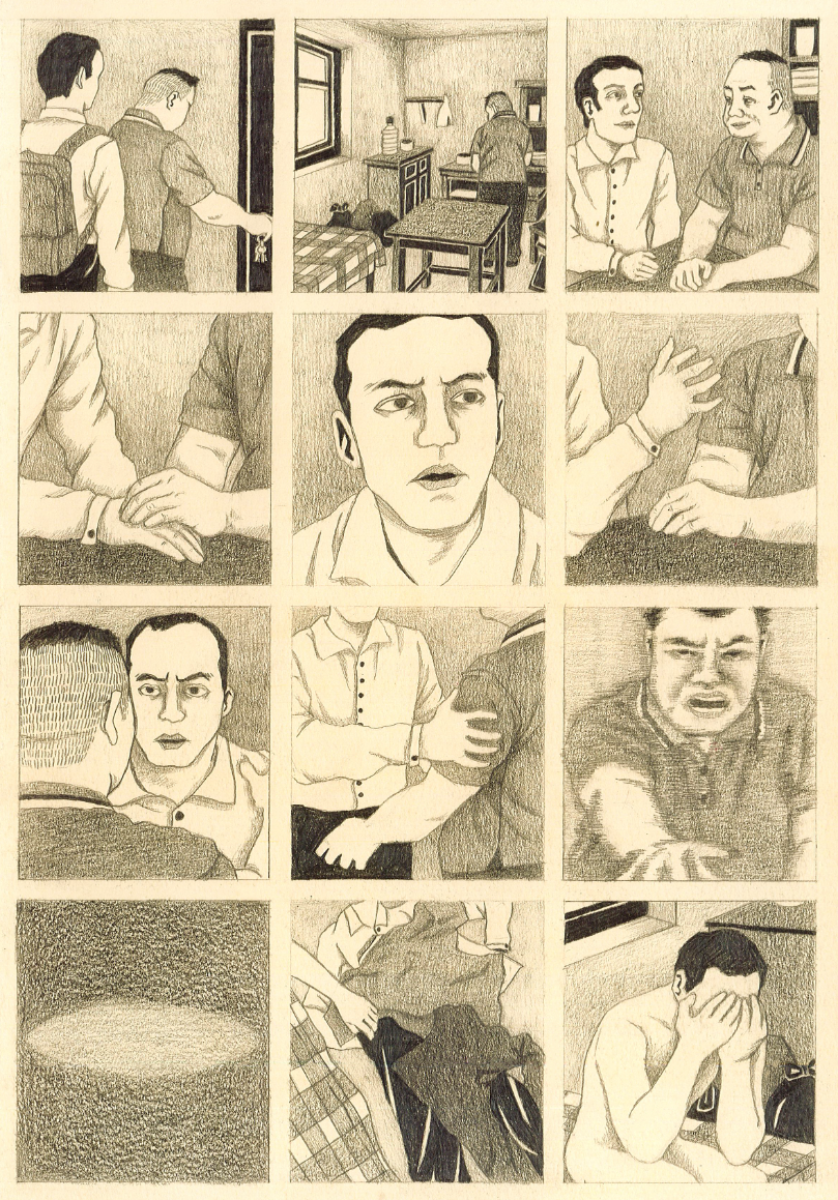
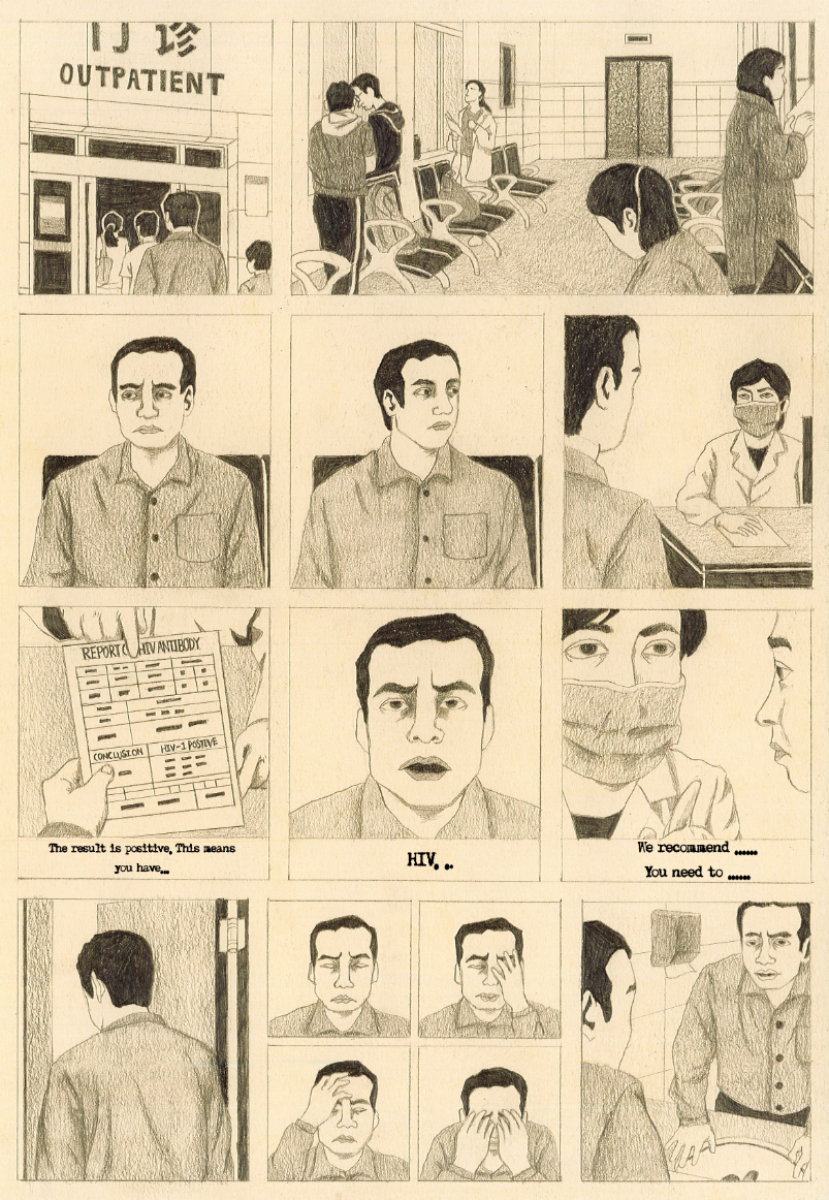
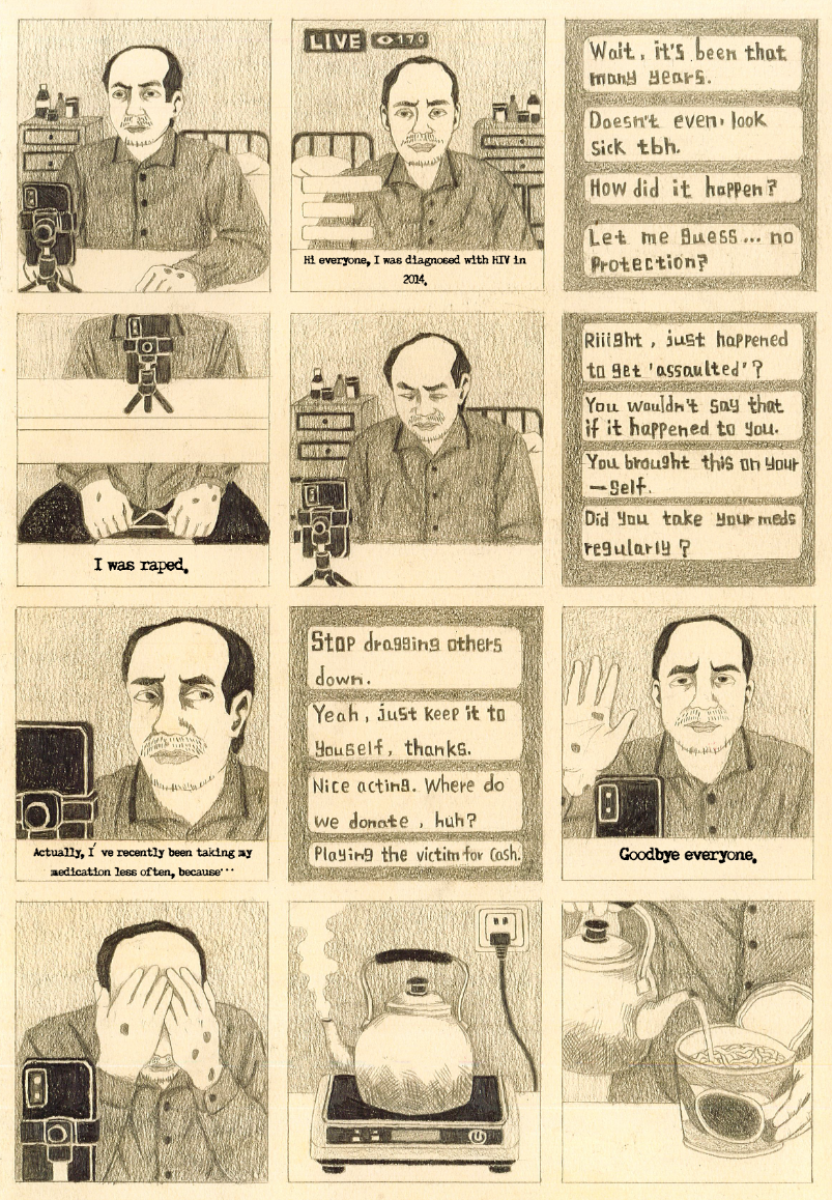
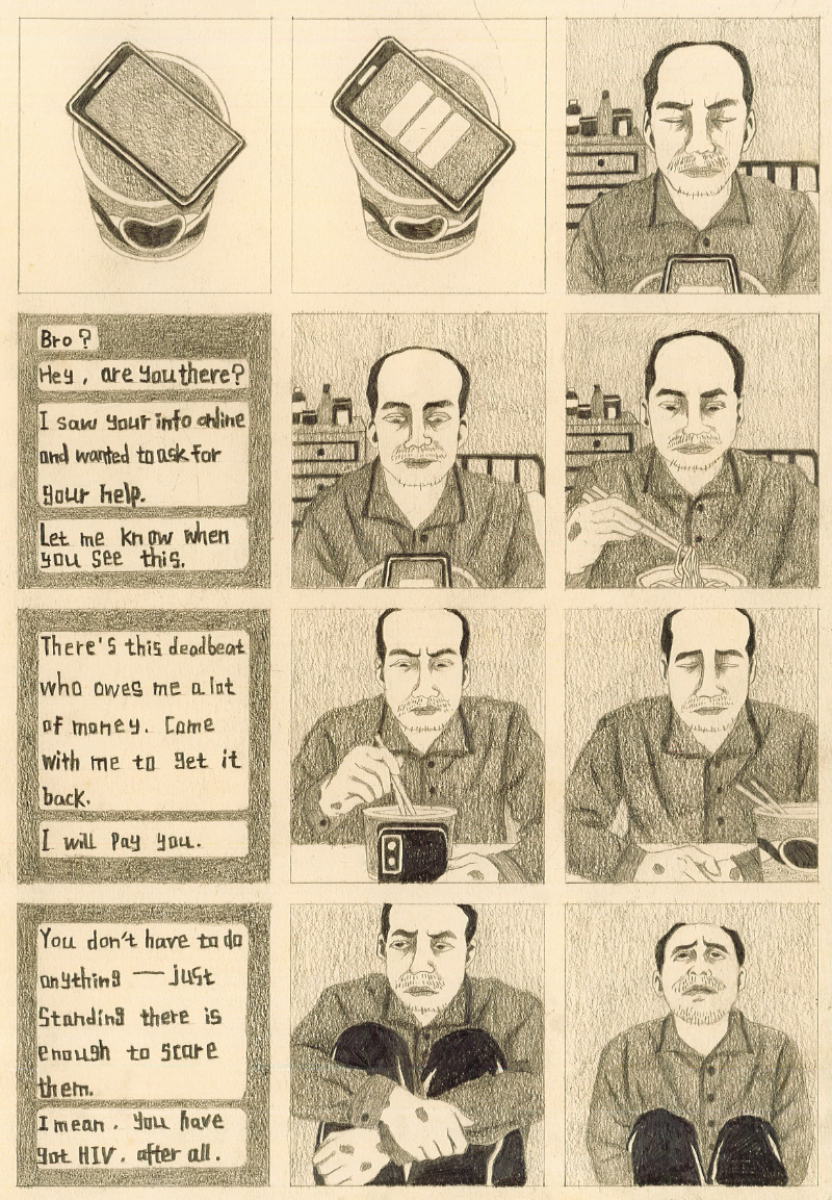
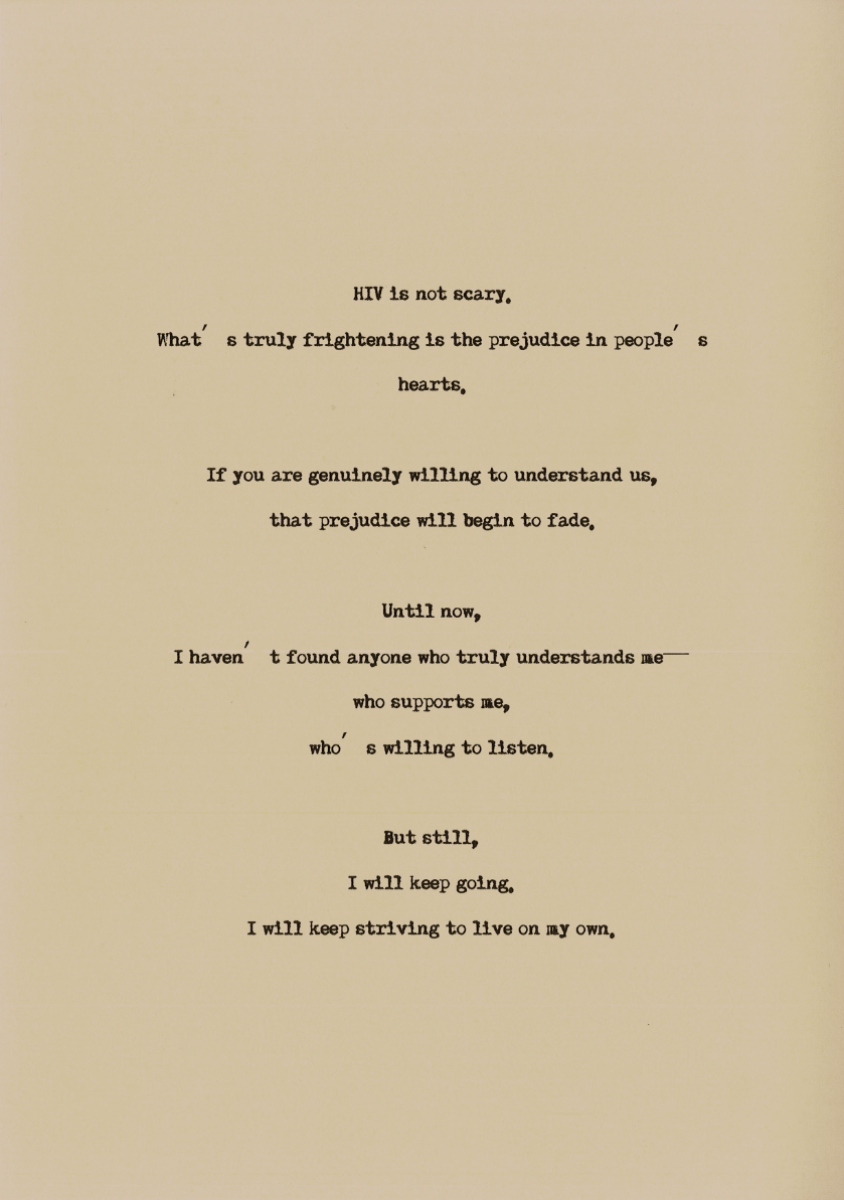
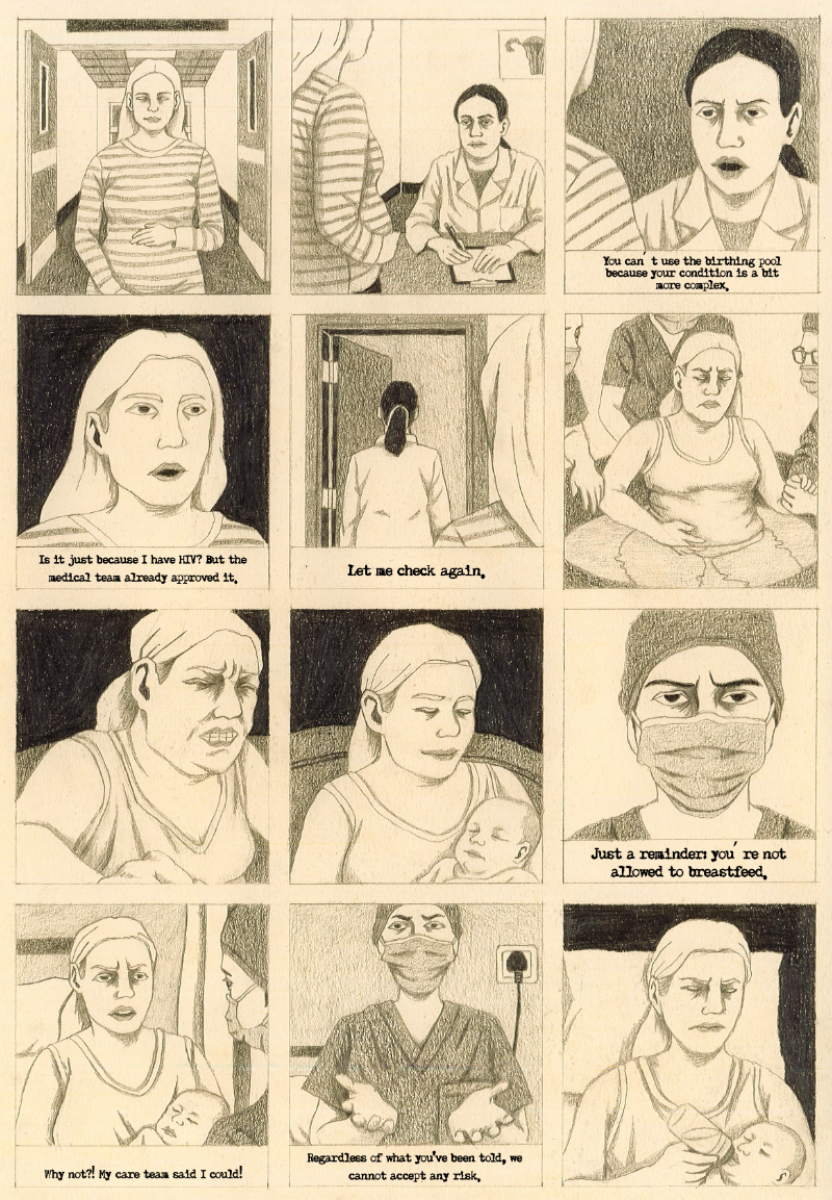
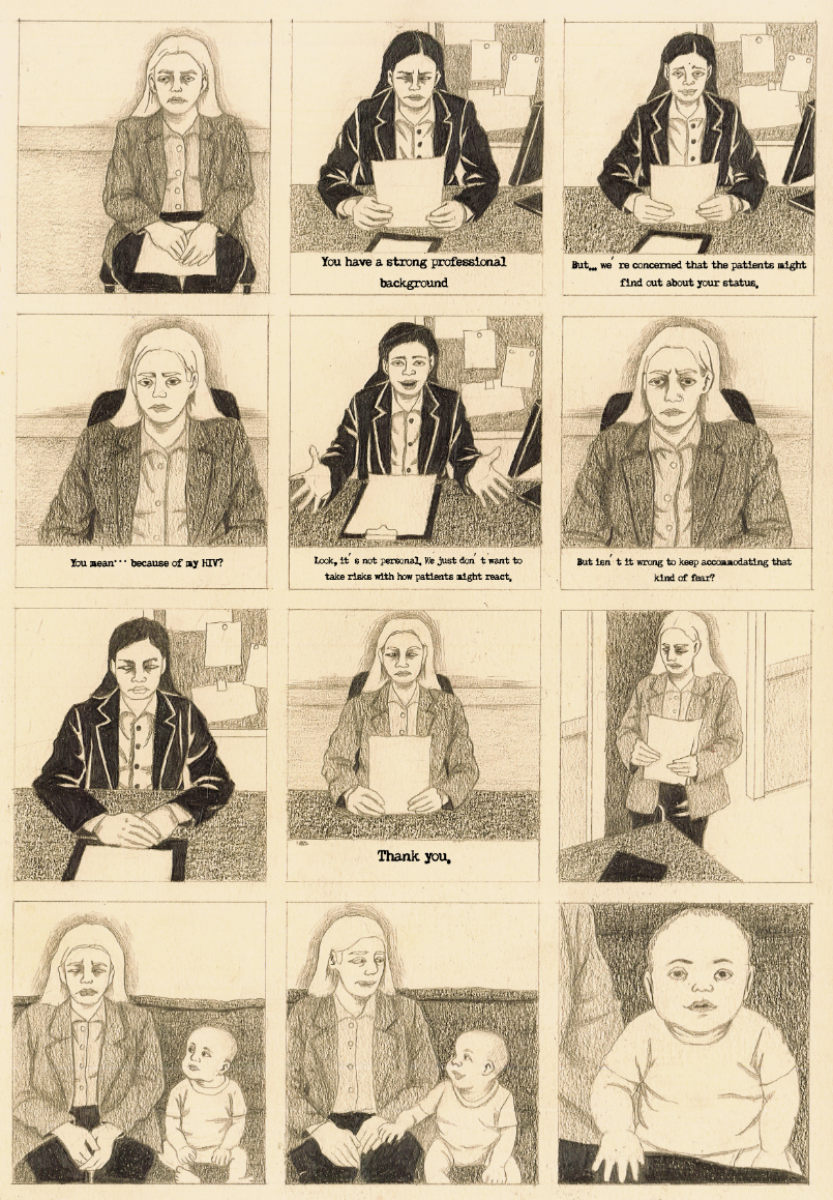
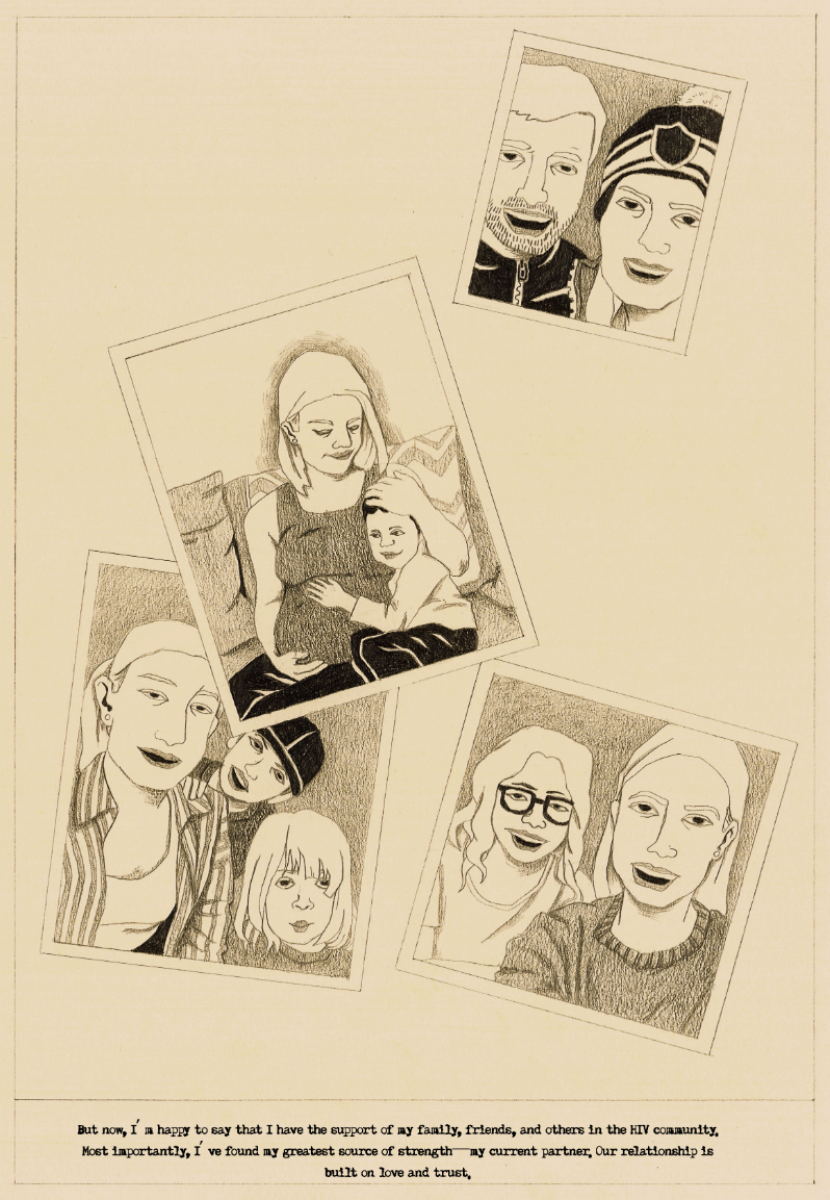
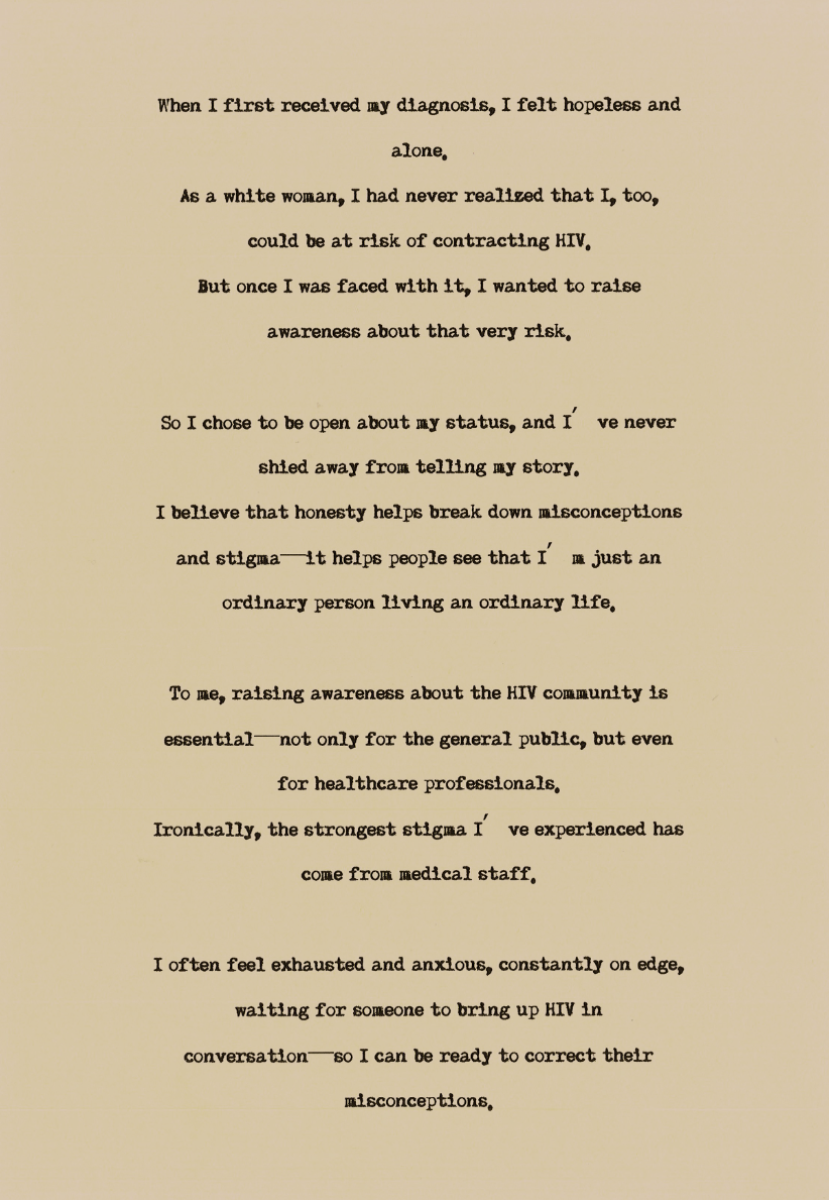
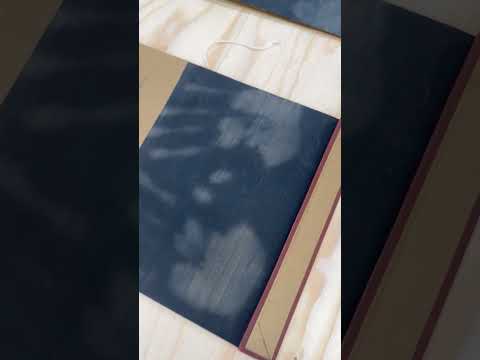
Through the form of visual archive, this project gives presence to the voices and experiences of people living with HIV and depression— voices that are often unseen and unheard. Because their realities are ignored, society fails to understand them, reducing them to fear, stigma, or metaphor. The cover of archival folders use heat-sensitive ink, the work invites viewers to physically touch and reveal these hidden stories-suggesting that understanding is possible, if only we are willing to get close. What is uncovered is not frightening, but human: many of them hurt, longing to be seen not as symbols, but as themselves. This work remains ongoing. I hope to continue listening, recording, and sharing the voices of those who are so often overlooked— on their own terms, and in their own words.
Competitions