Lola Bate
Textiles Innovation and Design BA Hons
Loughborough University
Graduates: 2026
Specialisms: Textiles - Weave / Textiles - Knit / Textiles for Fashion
My location: Loughborough, United Kingdom


Lola Bate
First Name: Lola
Last Name: Bate
University / College: Loughborough University
Course / Program: Textiles Innovation and Design BA Hons
Graduates: 2026
Specialisms: Textiles - Weave / Textiles - Knit / Textiles for Fashion
My Location: Loughborough, United Kingdom
About
I’m a final year Textile Design student with industry experience from my placement year at Sage Automotive Interiors, where I explored the technical side of textile development within the automotive sector.
I’m particularly interested in weave and knit and how these can be applied in innovative and sustainable ways. My approach combines creativity with technical understanding, and I’m keen to challenge conventional methods and push textile design forward.
I’m always open to learning from others in the industry, connecting with fellow students and professionals, and getting involved in opportunities that support my growth as a designer. I’m always keen to connect and be part of meaningful conversations around the future of textiles.
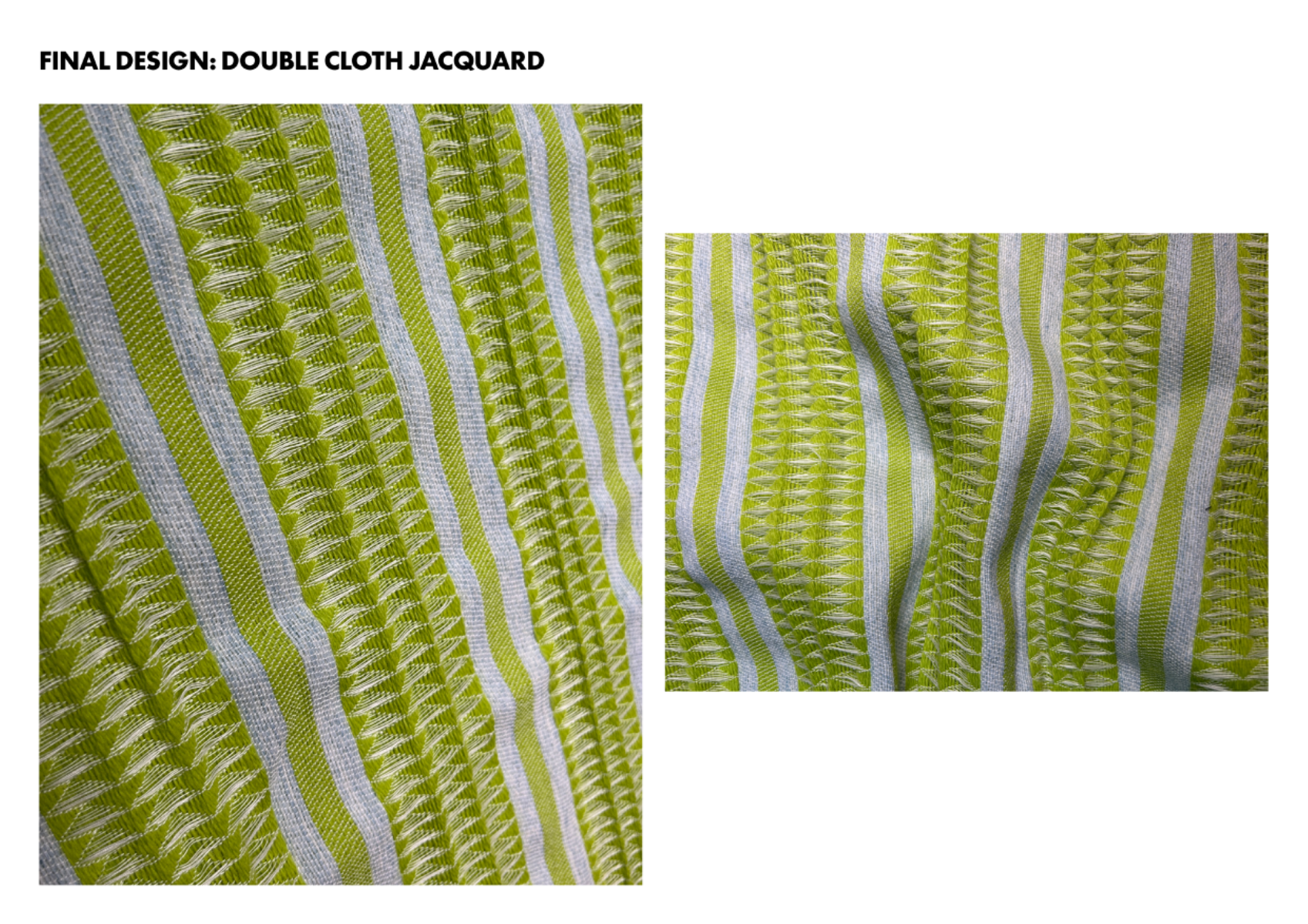
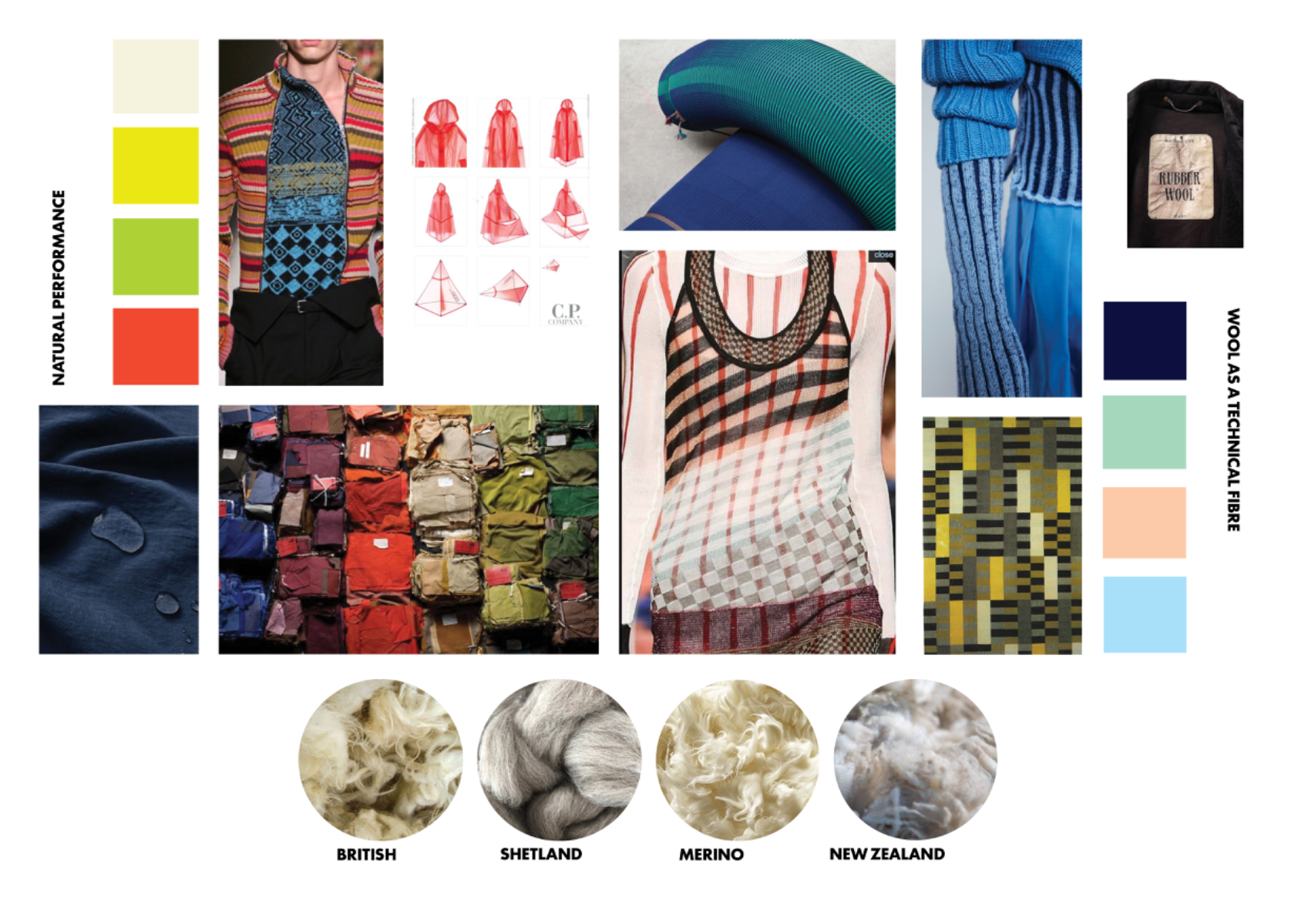
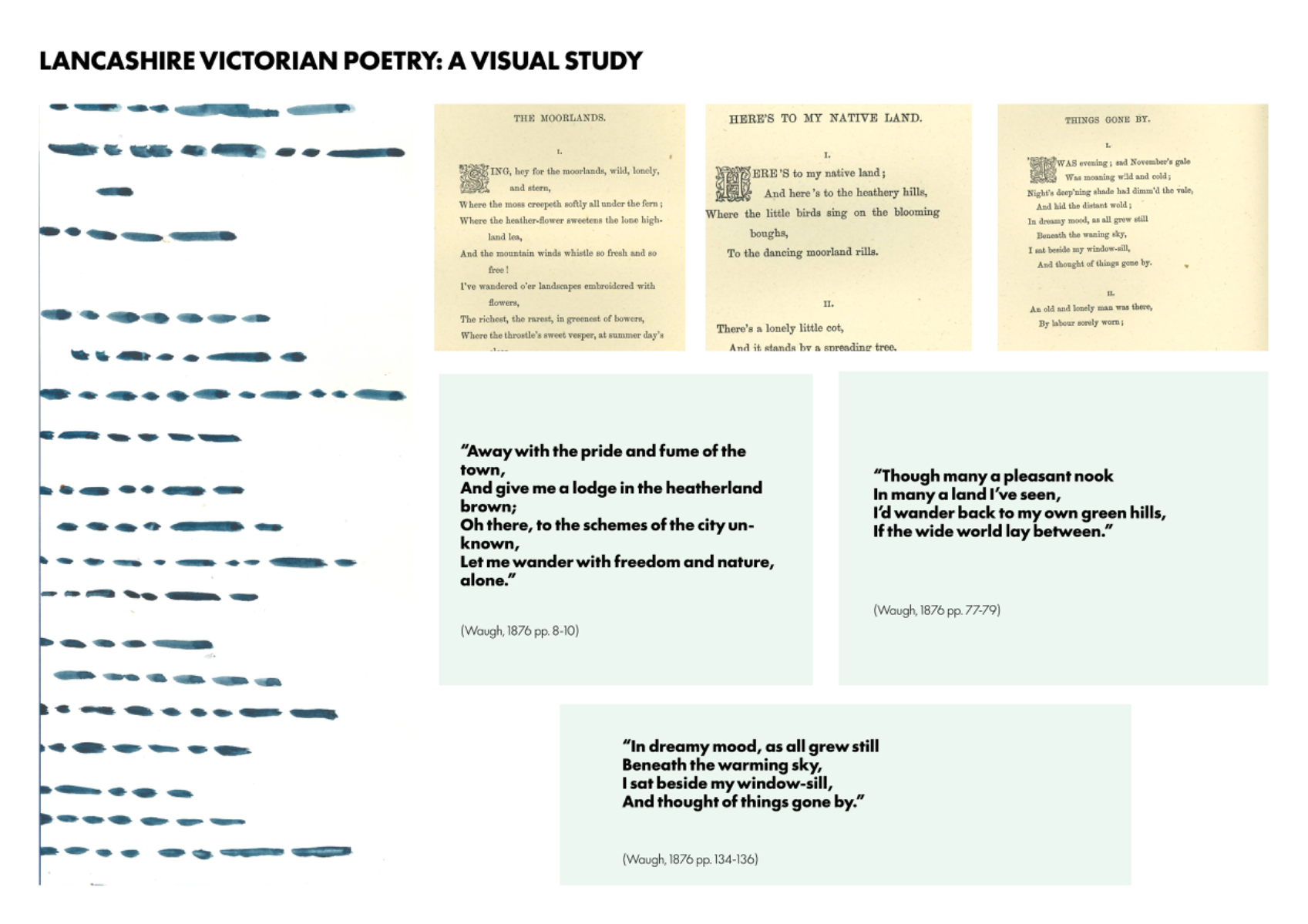
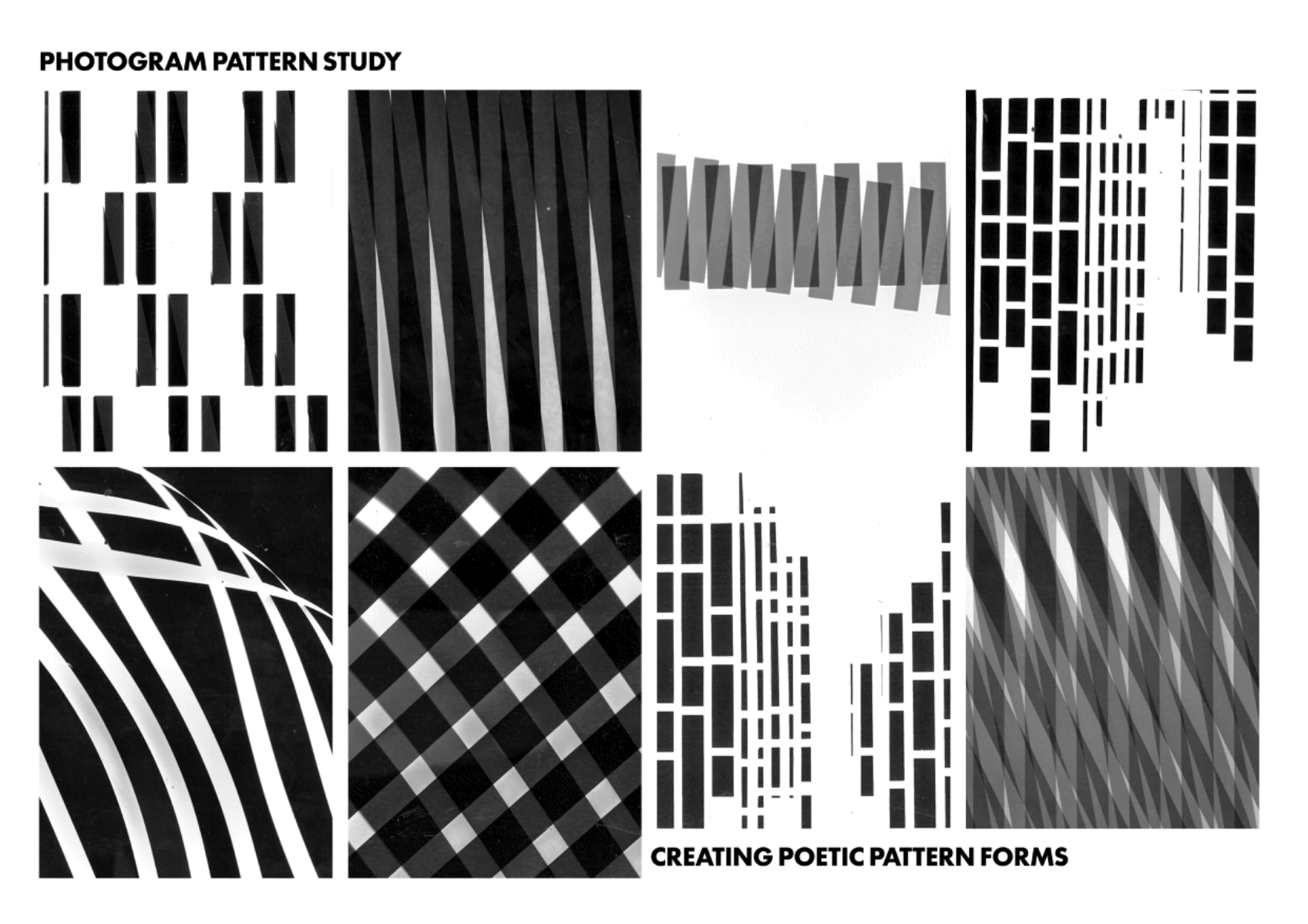
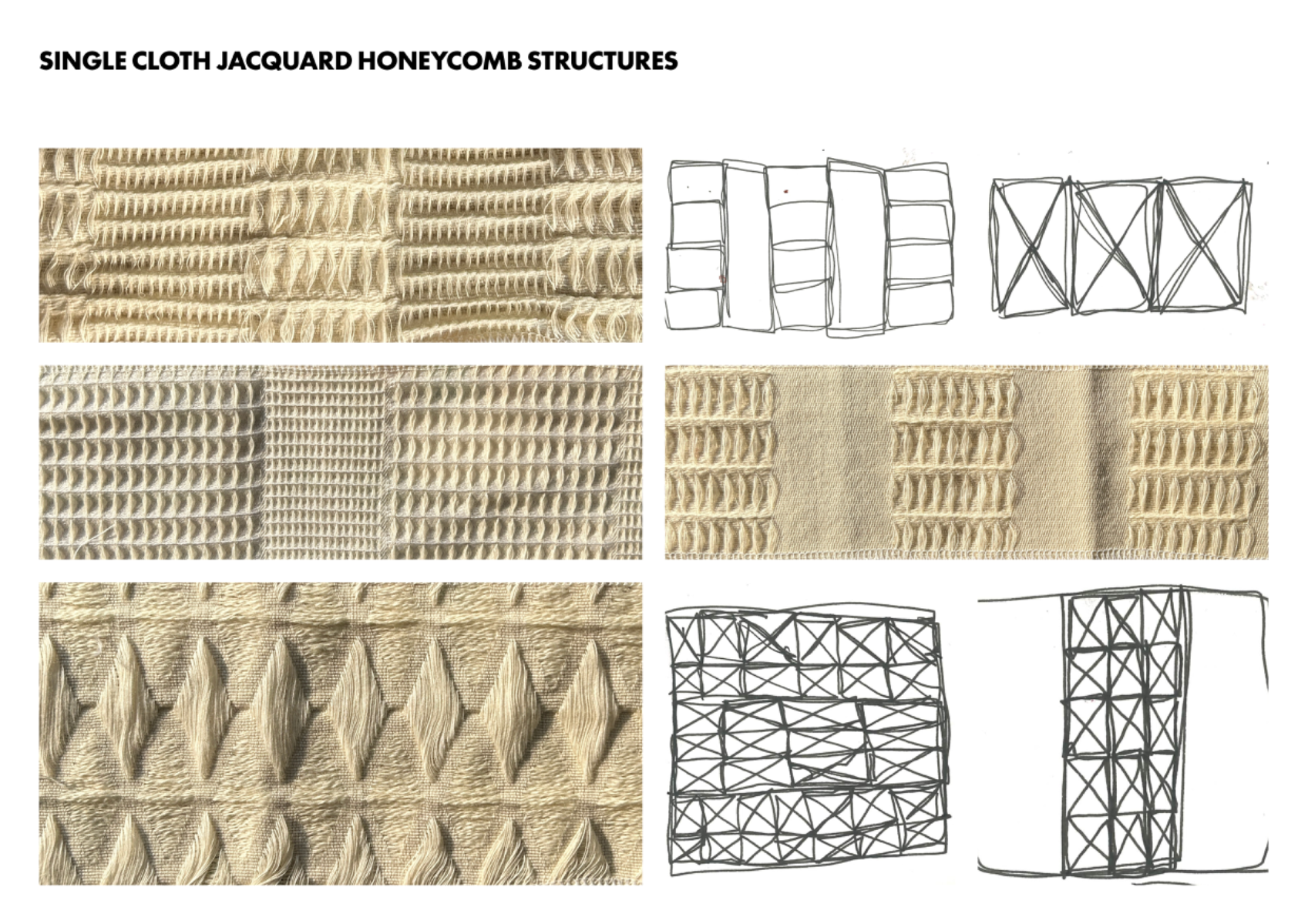
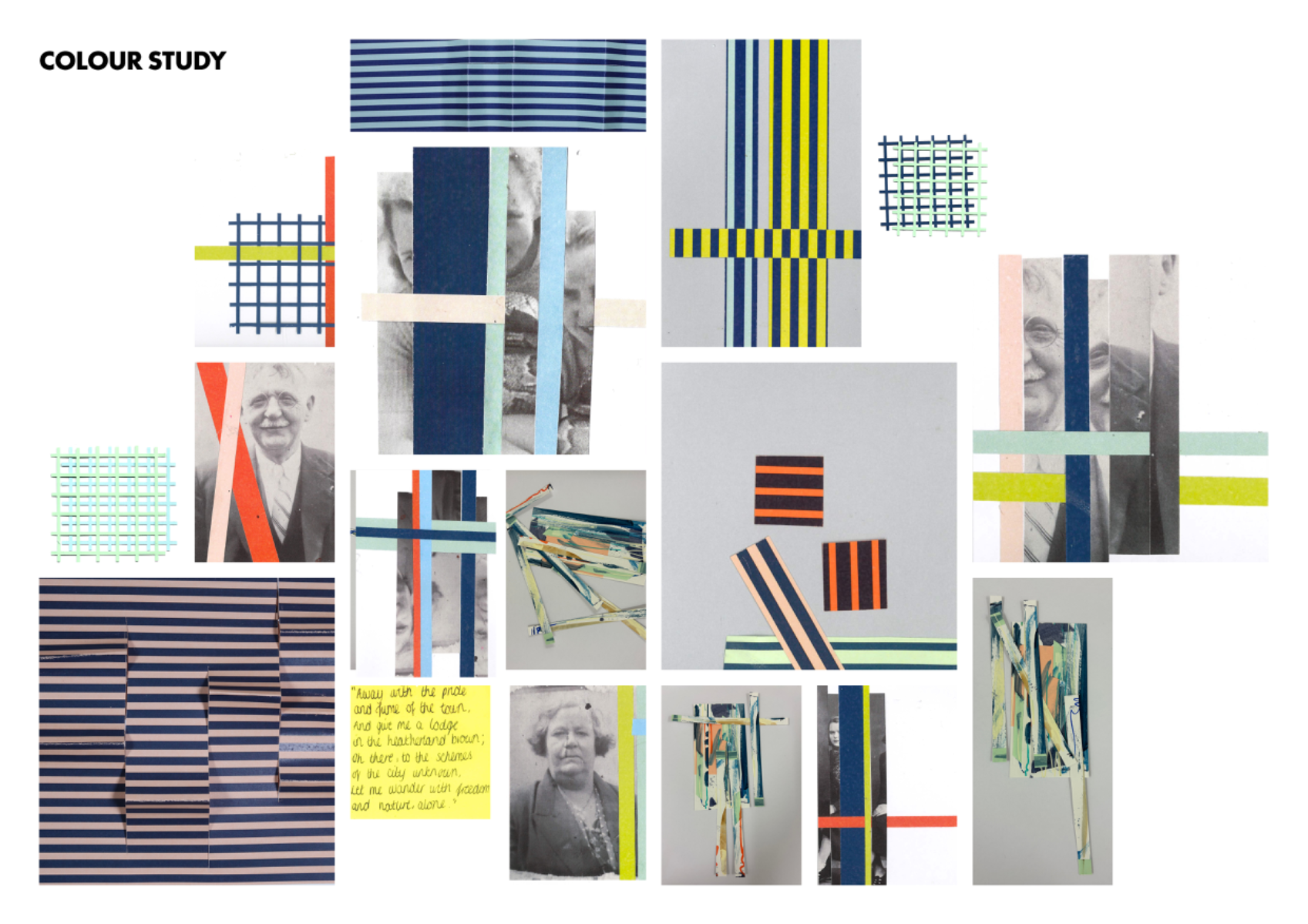
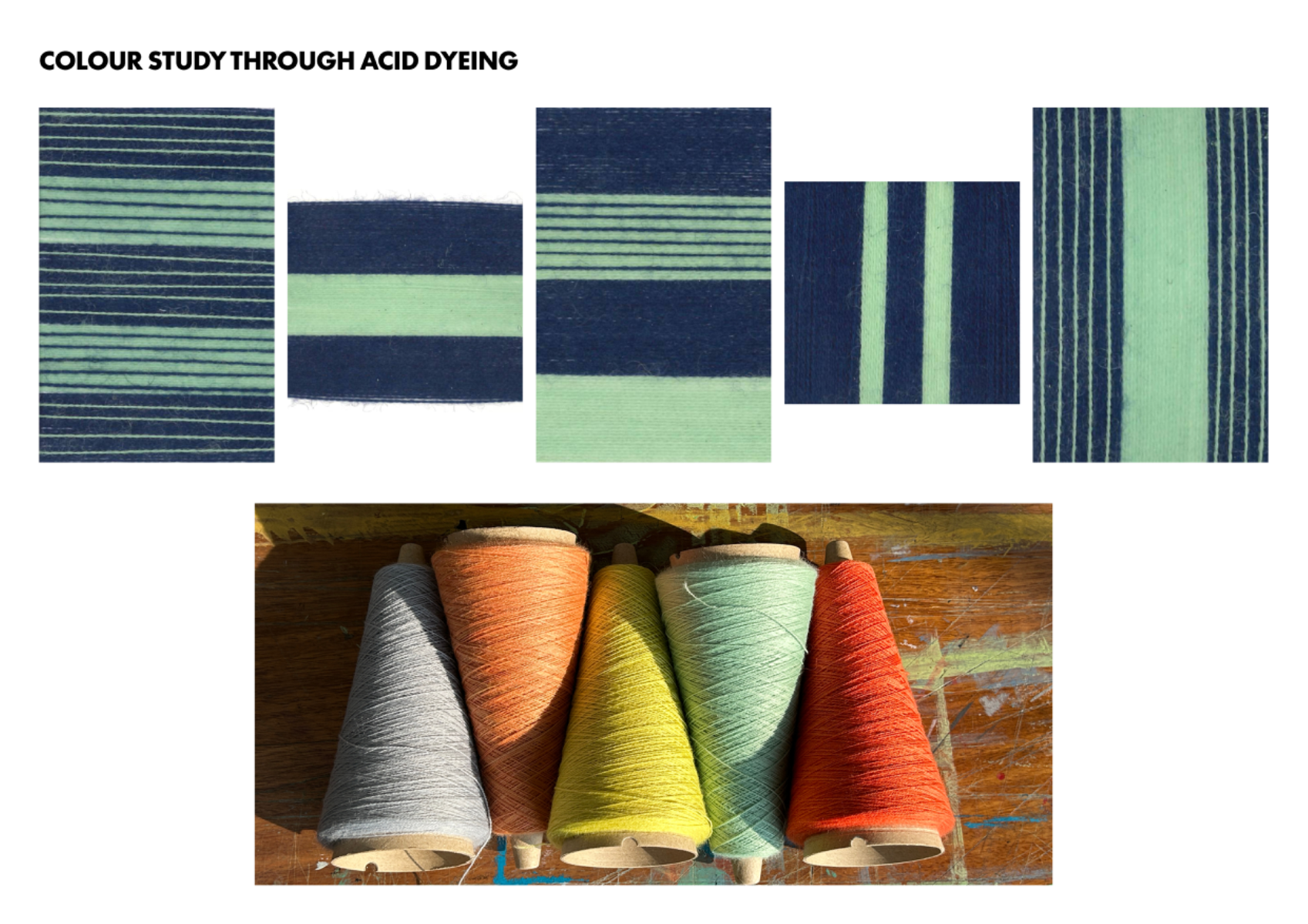
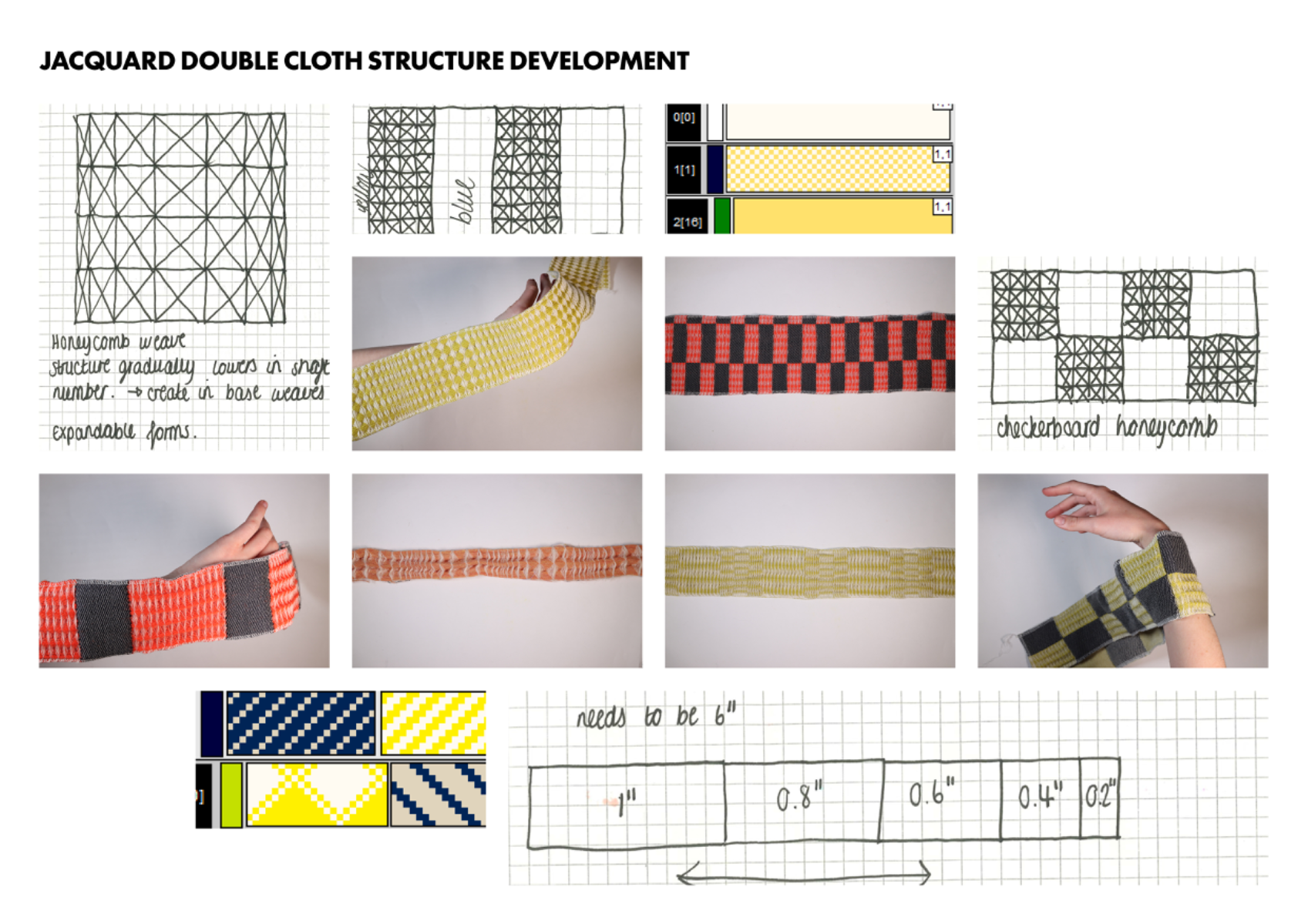
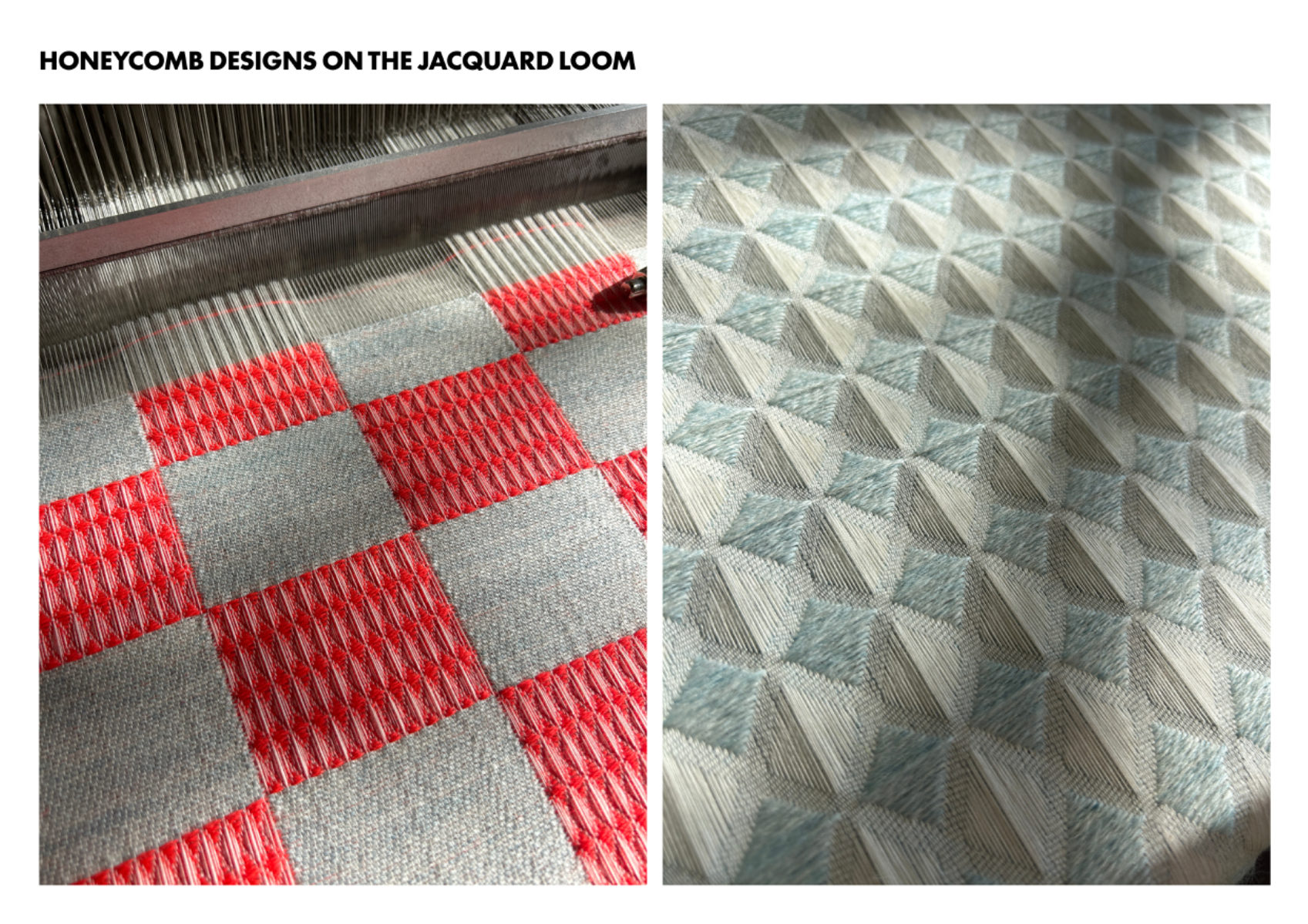
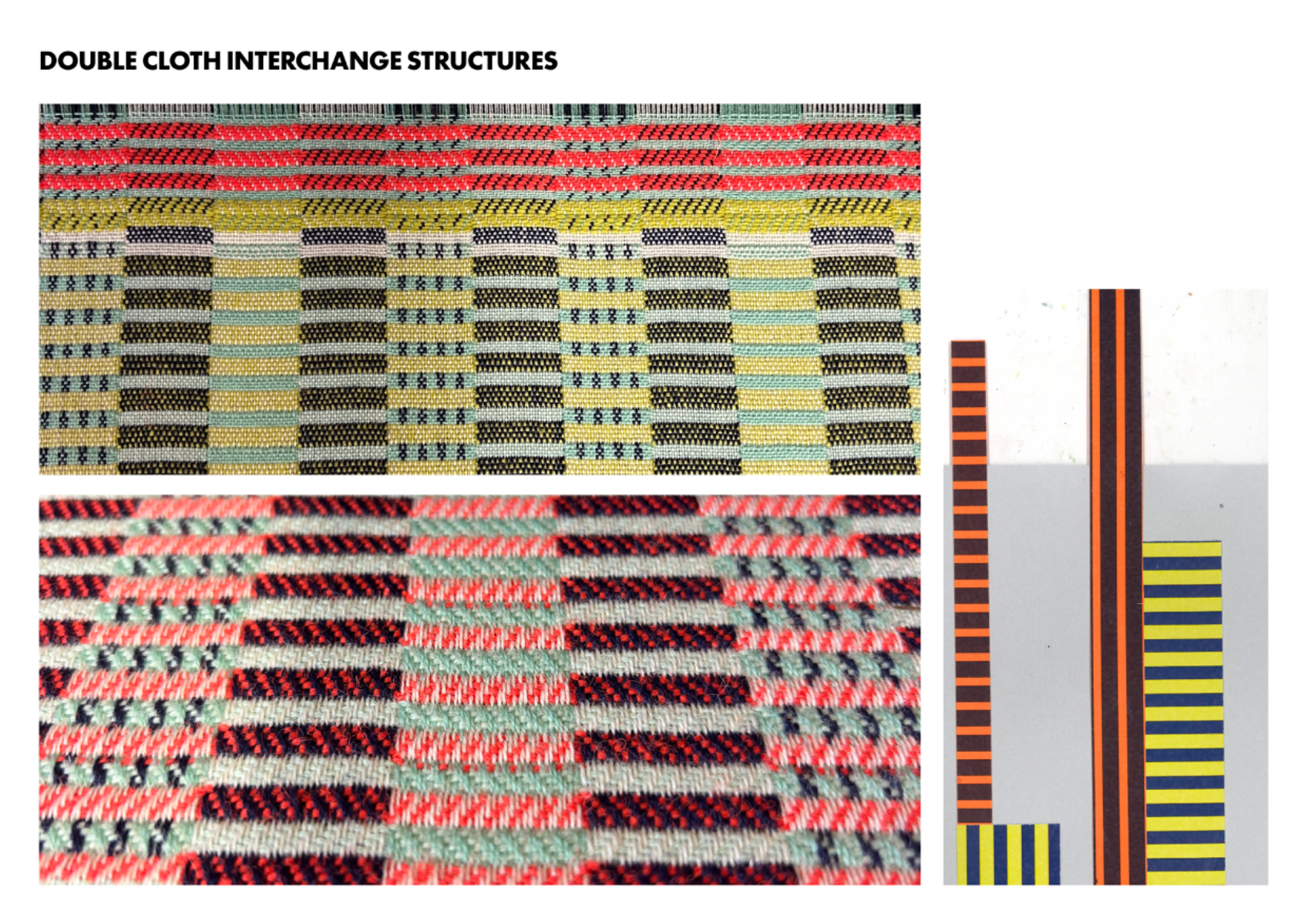
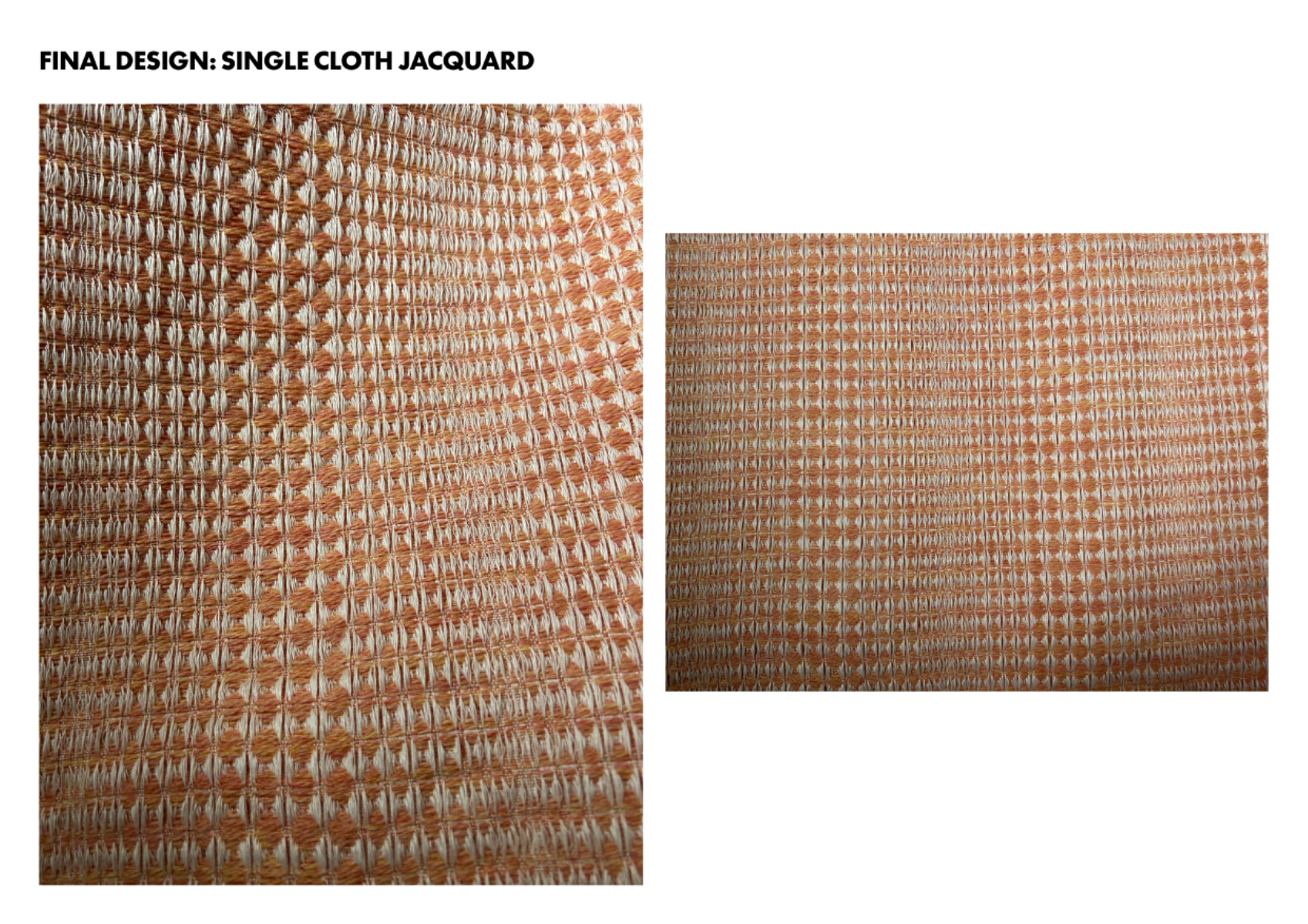
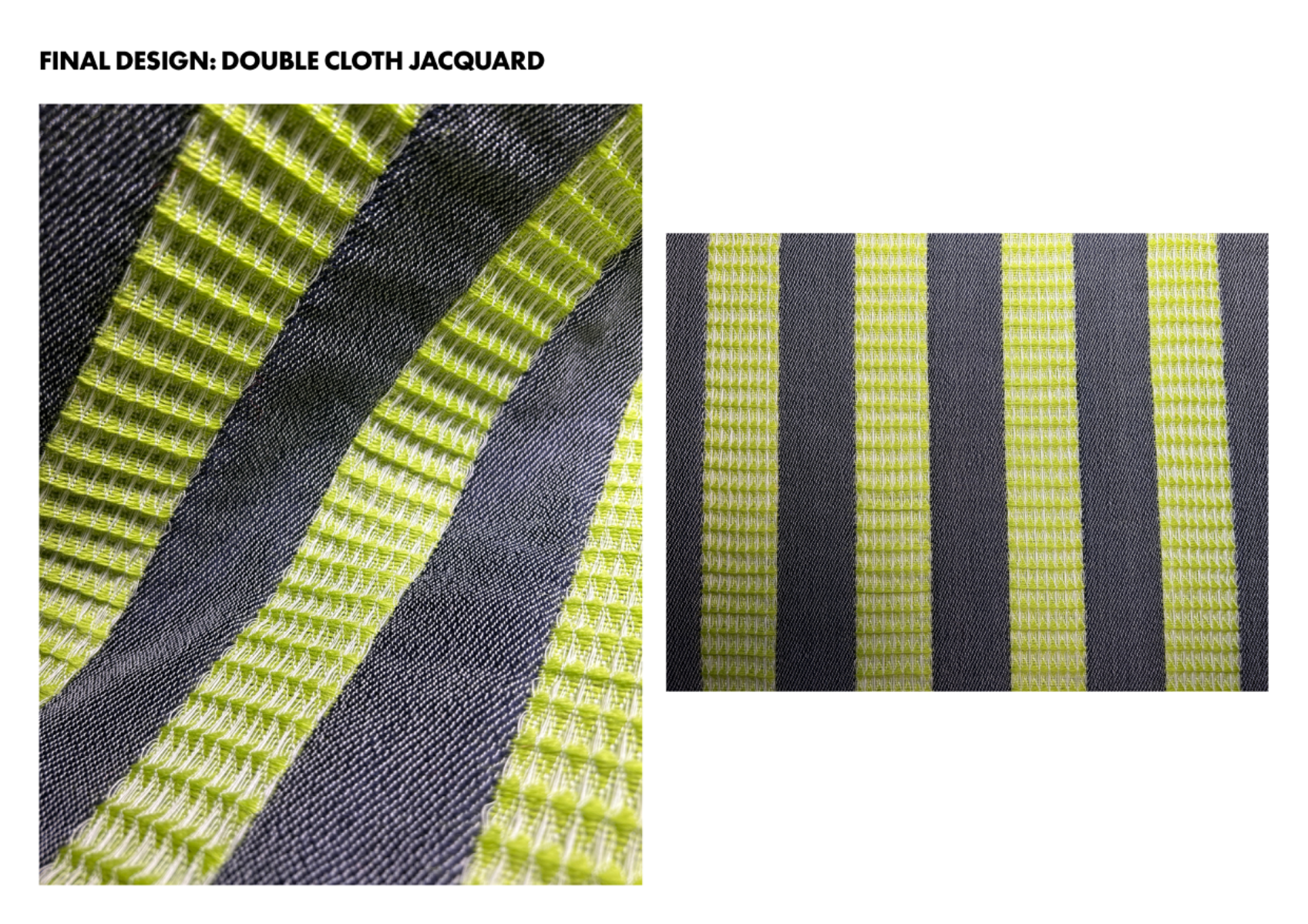
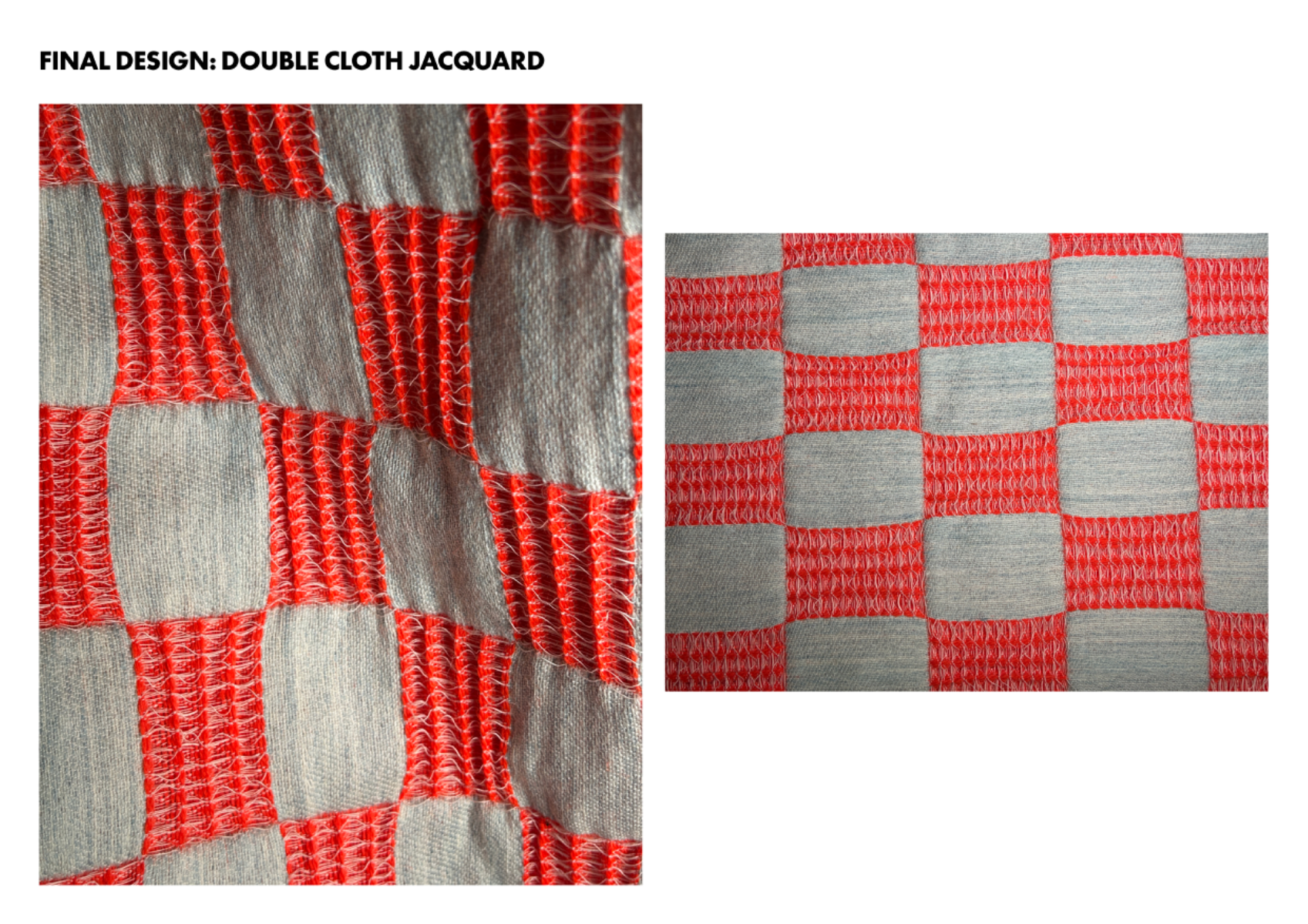
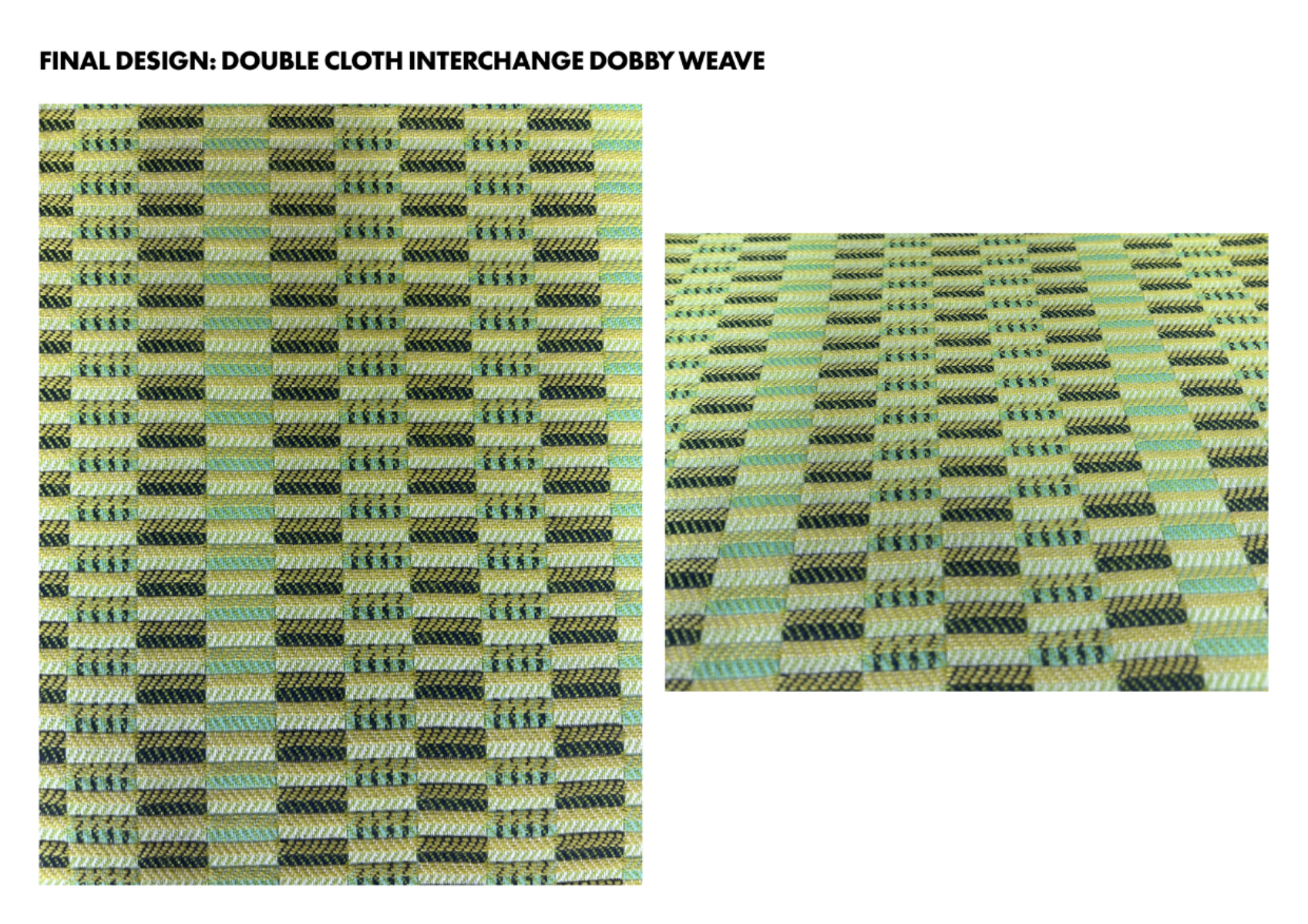
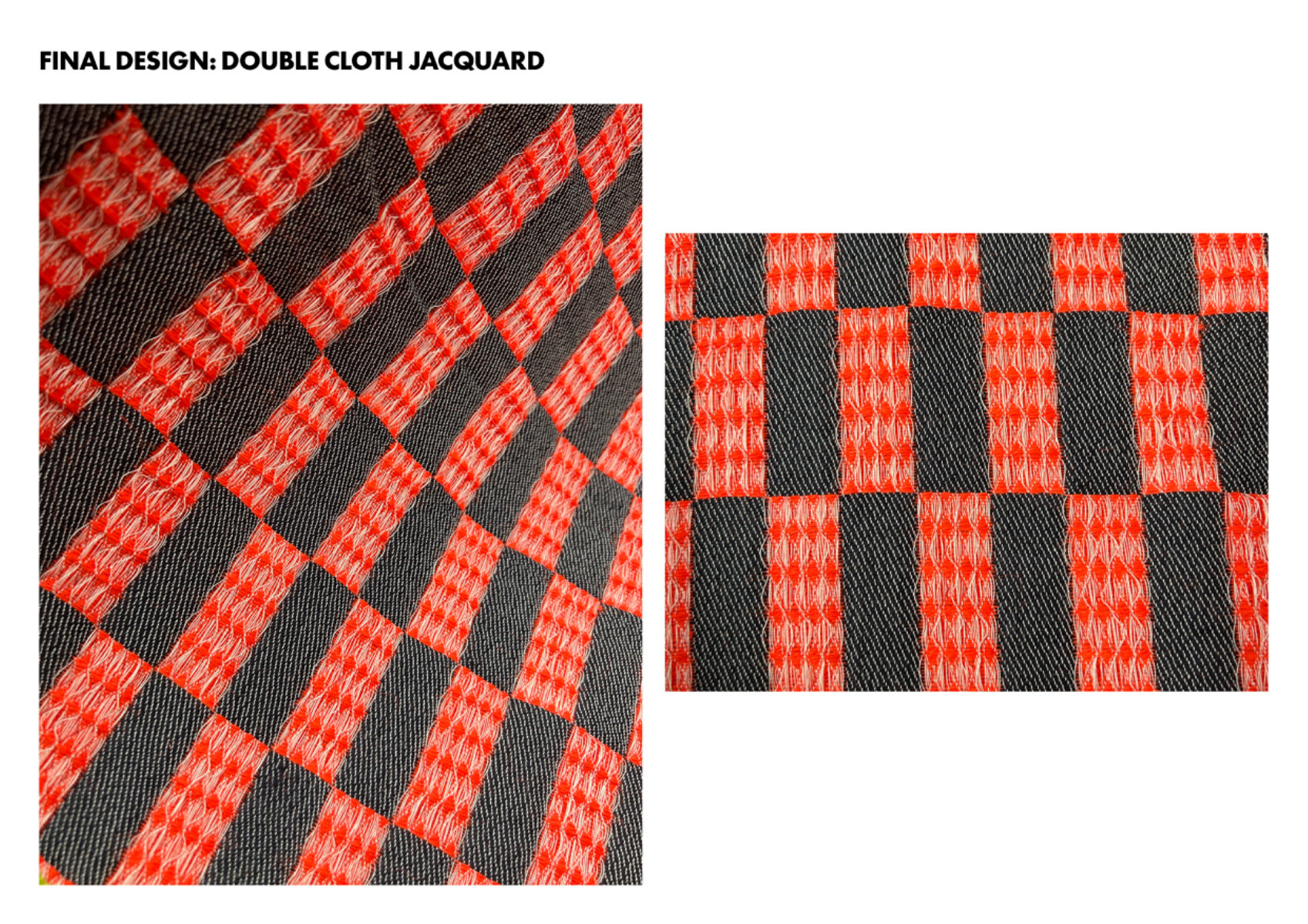
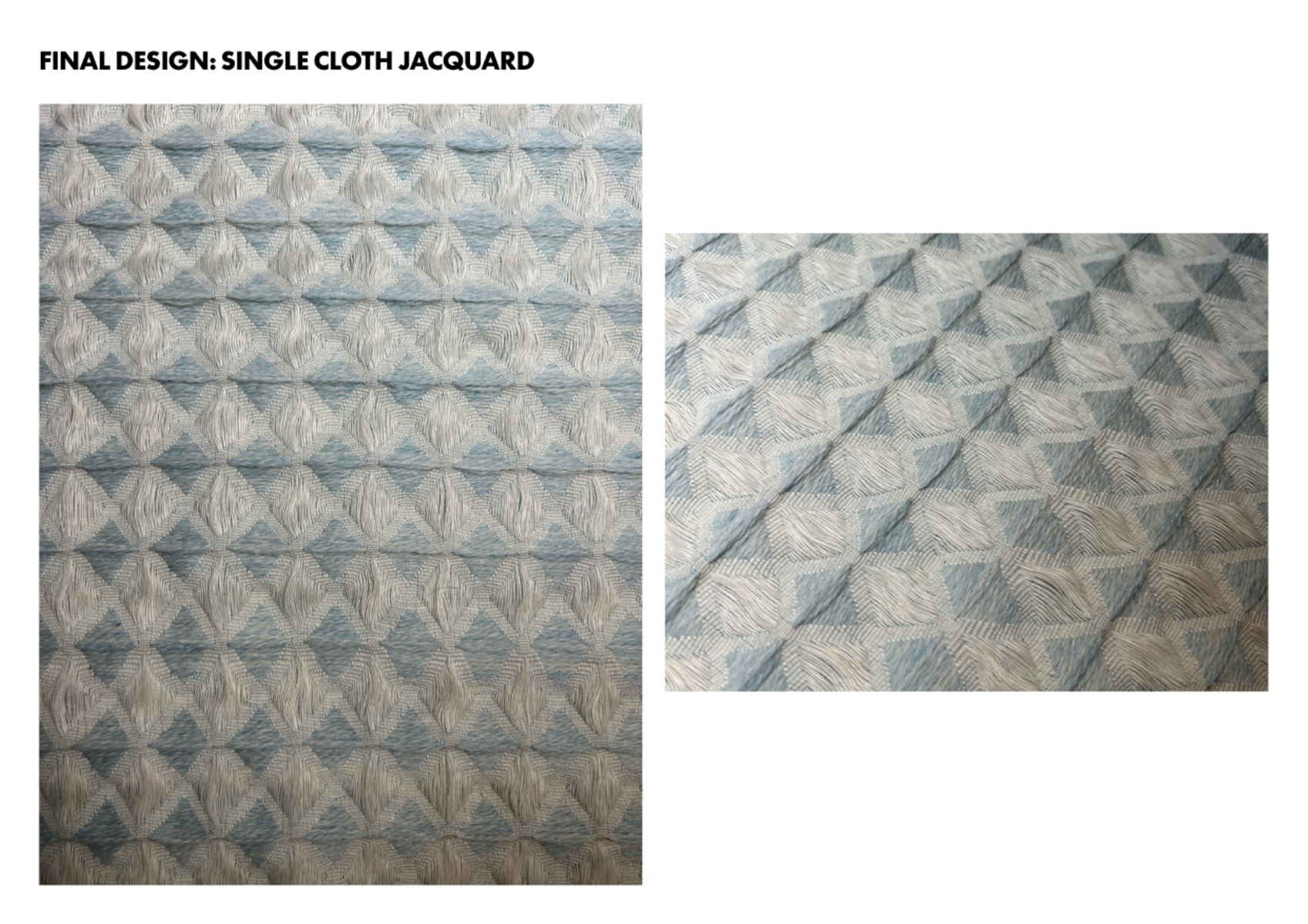
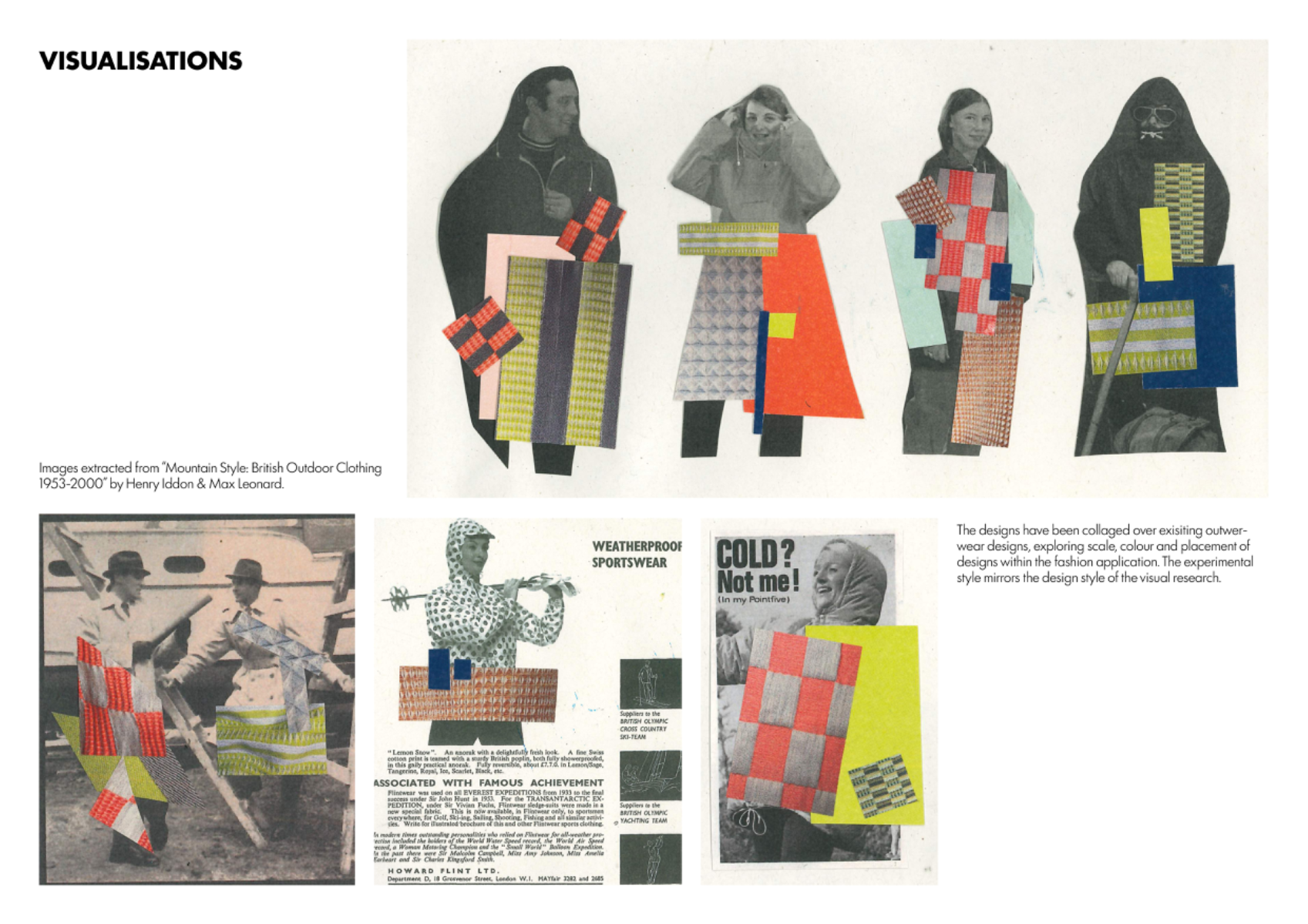
‘Codes of Culture’ is an experimental woven textile collection that investigates the performance of structure. It examines wool as a technical fibre, exploring how different wool types behave and how they can be embedded as a sustainable material value. The project draws on personal heritage, growing up in Lancashire, and explores family history through weaving and lived experiences within industrial textile mills. ‘Lancashire Poetry’ by Edwin Waugh reflects the juxtaposition of industrial life with the surrounding natural landscape. The poetry was analysed through its structure and form, informing experimental approaches to both two- and three-dimensional woven structures. The ‘Pioneers of the Material World’ exhibition in Burnley highlighted the often-overlooked achievements of Lancashire’s textile industry, particularly in performance and outerwear applications. Research into designers such as Massimo Osti situates this collection within a contemporary context, demonstrating how structural innovation continues to shape modern textile design, especially in outerwear. The visual language of the project is influenced by the Bauhaus movement, both politically and through its interplay of form and colour. Bauhaus principles of functional design informed the structural exploration, investigating how woven textiles can generate their own form. The political history of Lancashire’s textile industry parallels that of the Bauhaus, where labour movements contributed to new ways of thinking about design and workers’ rights. The project prioritises structure as a means of understanding form in woven jacquard and dobby design, before introducing colour. Influenced by Johannes Itten and his Bauhaus students, the colour palette is further contextualised through contemporary practitioners such as Massimo Osti and modern colourists. The colours aim to subvert natural tones, reflecting the coexistence of industry and landscape present in Waugh’s poetry and in modern Lancashire. The collection incorporates British, Merino, Shetland, and New Zealand wool, exploring the interaction between fibres and their individual properties. British and Merino wools were sourced in colour, while Shetland and New Zealand fibres were hand-dyed to match the palette.
Competitions