Belén Fernández
Textile design with Creative computing
Chelsea College of Arts UAL
Specialisms: Textiles / Textiles - Concept / Textiles - Weave
Location: London, United Kingdom
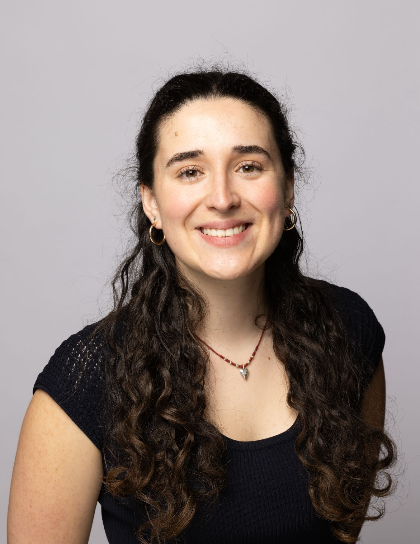

Belén Fernández
First Name: Belén
Last Name: Fernández
Specialisms: Textiles / Textiles - Concept / Textiles - Weave
Sectors:
My Location: London, United Kingdom
University / College: Chelsea College of Arts UAL
Course / Program Title: Textile design with Creative computing
About
Belén Fernández is a designer and materials researcher based in London, working at the intersection of data, craft and cross-disciplinary collaboration. Her practice is rooted in weave and creative computing, using materials as a way to analyse questions about place, community and the systems that shape both. She builds her own tools, collaborates across disciplines, from engineering to craft building networks across engineering, technology and making, and is committed to an open, accessible approach to making, one that challenges how the industry shares knowledge and who gets to participate in it. Her work uses design as a medium for cultural dialogue, asking how our relationship to our surroundings can be understood through our relationship to tools, process and each other.
Vaciada: Los que quedan (The Emptied: Those Who Remain)
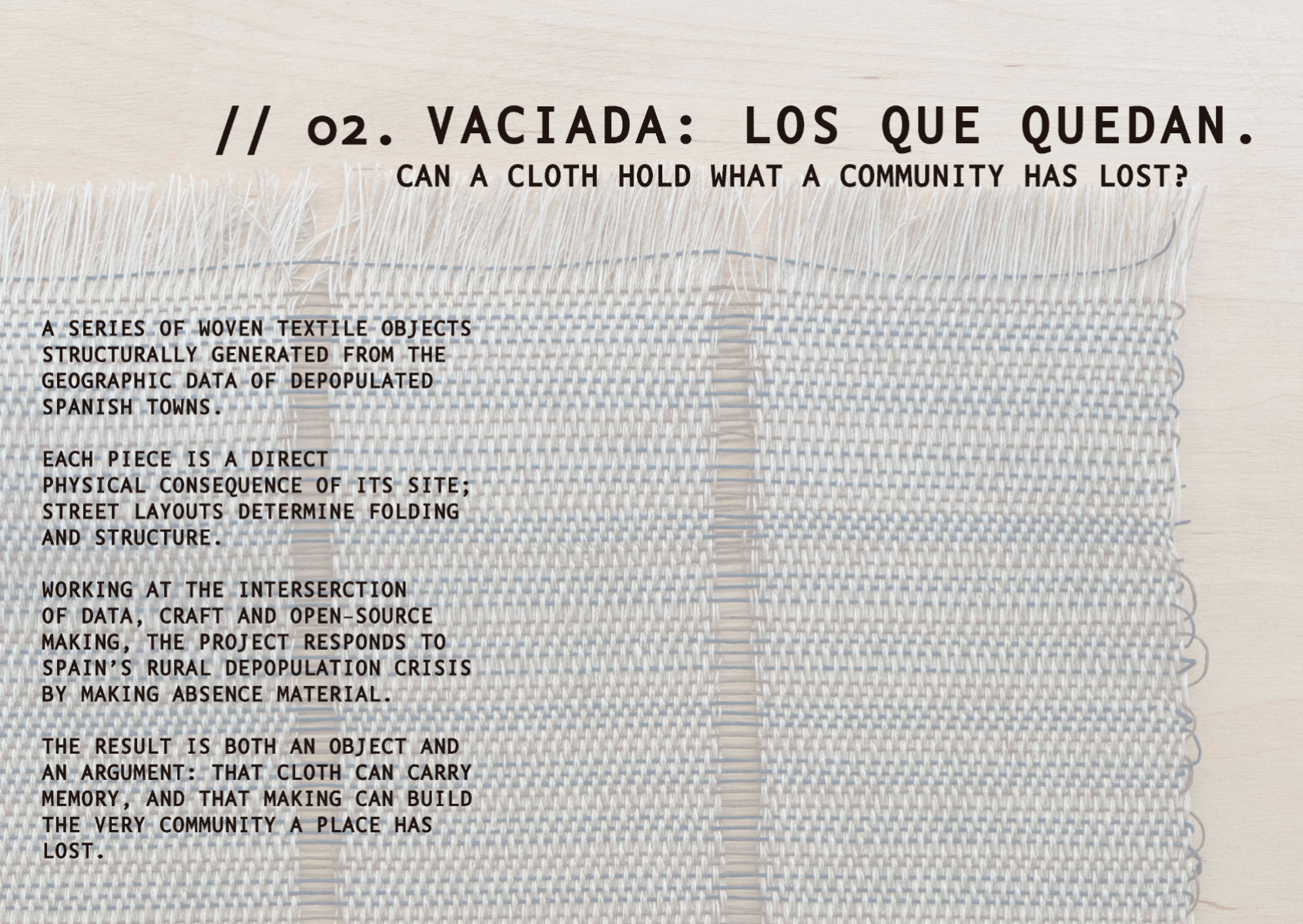
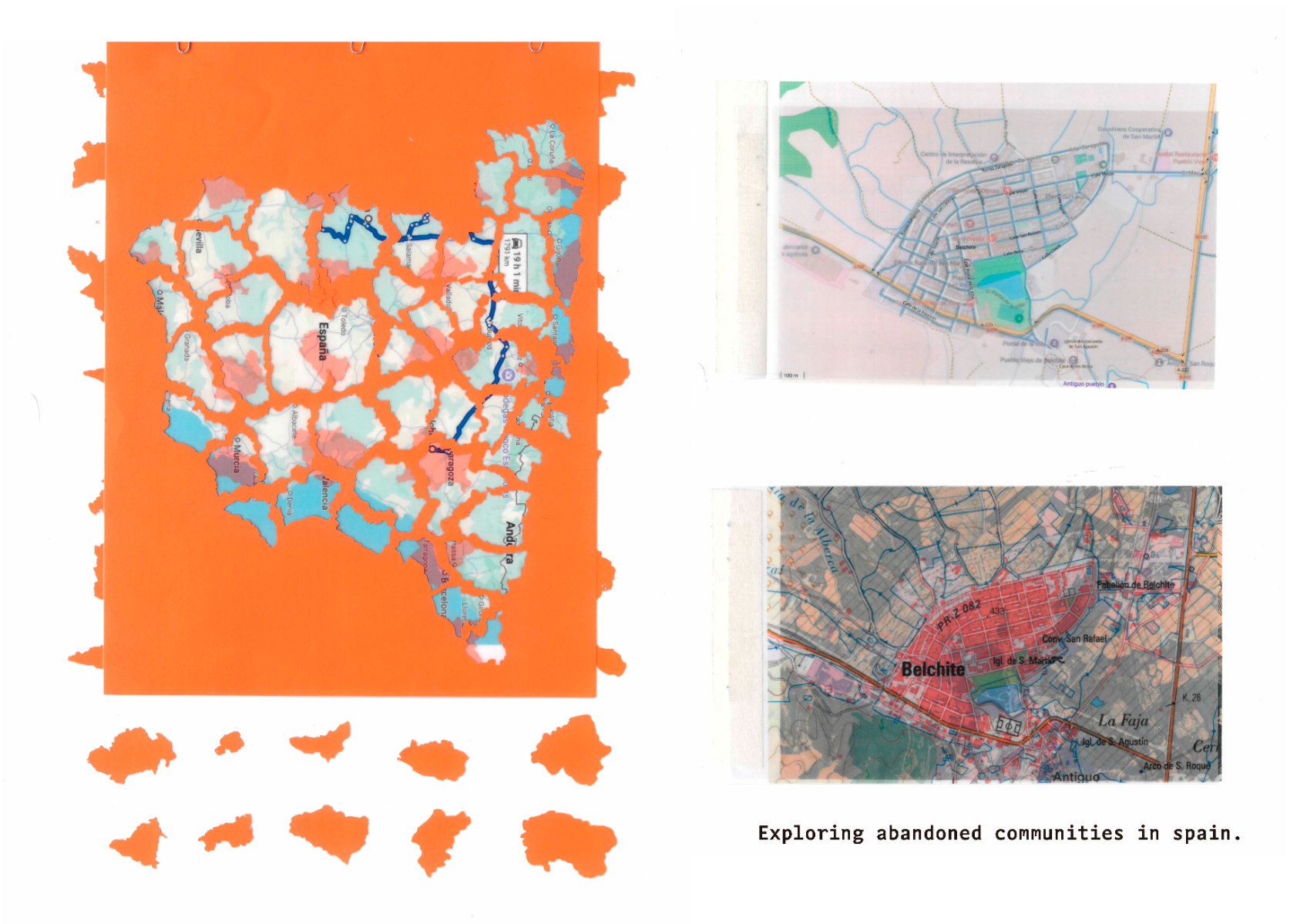
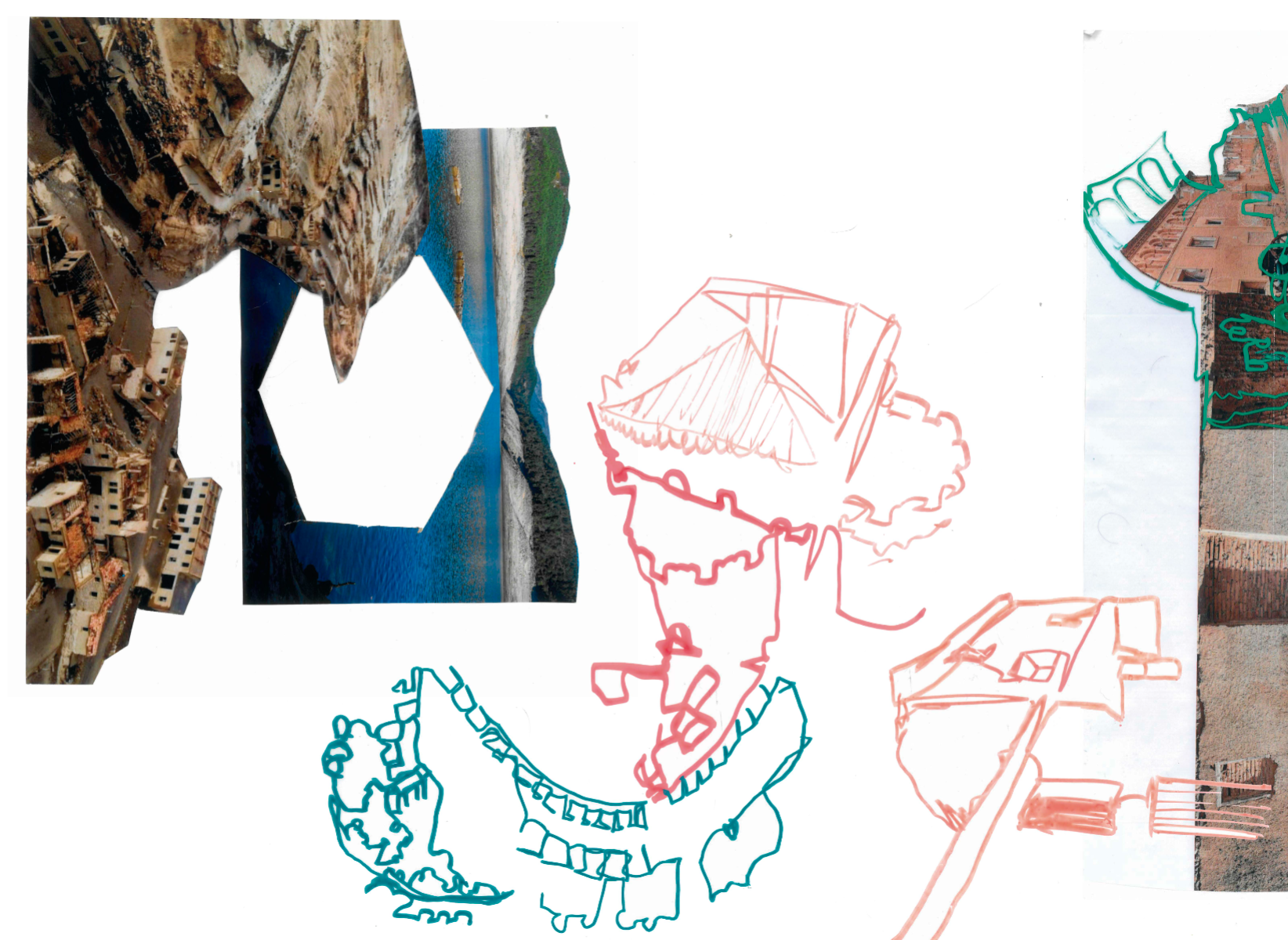
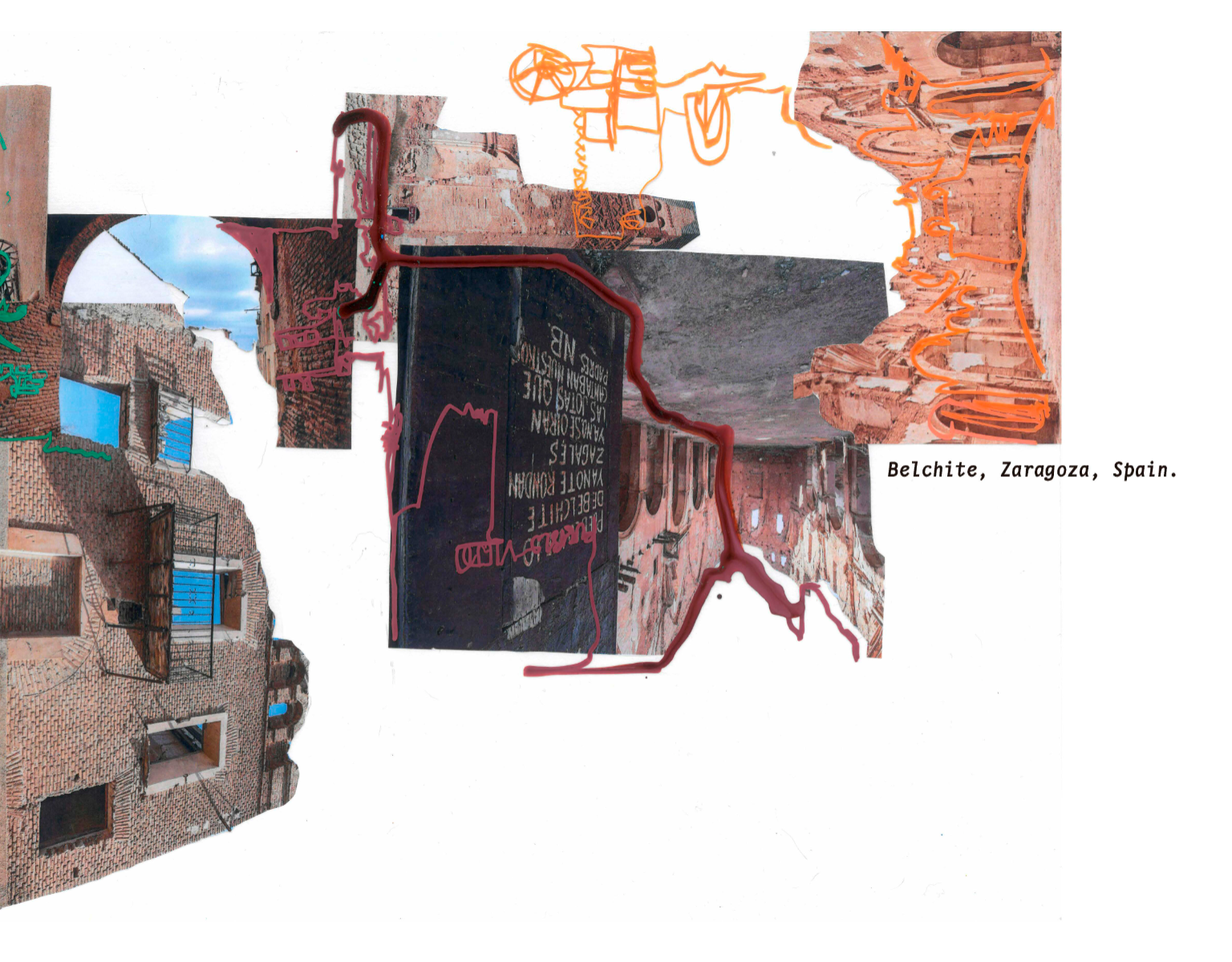
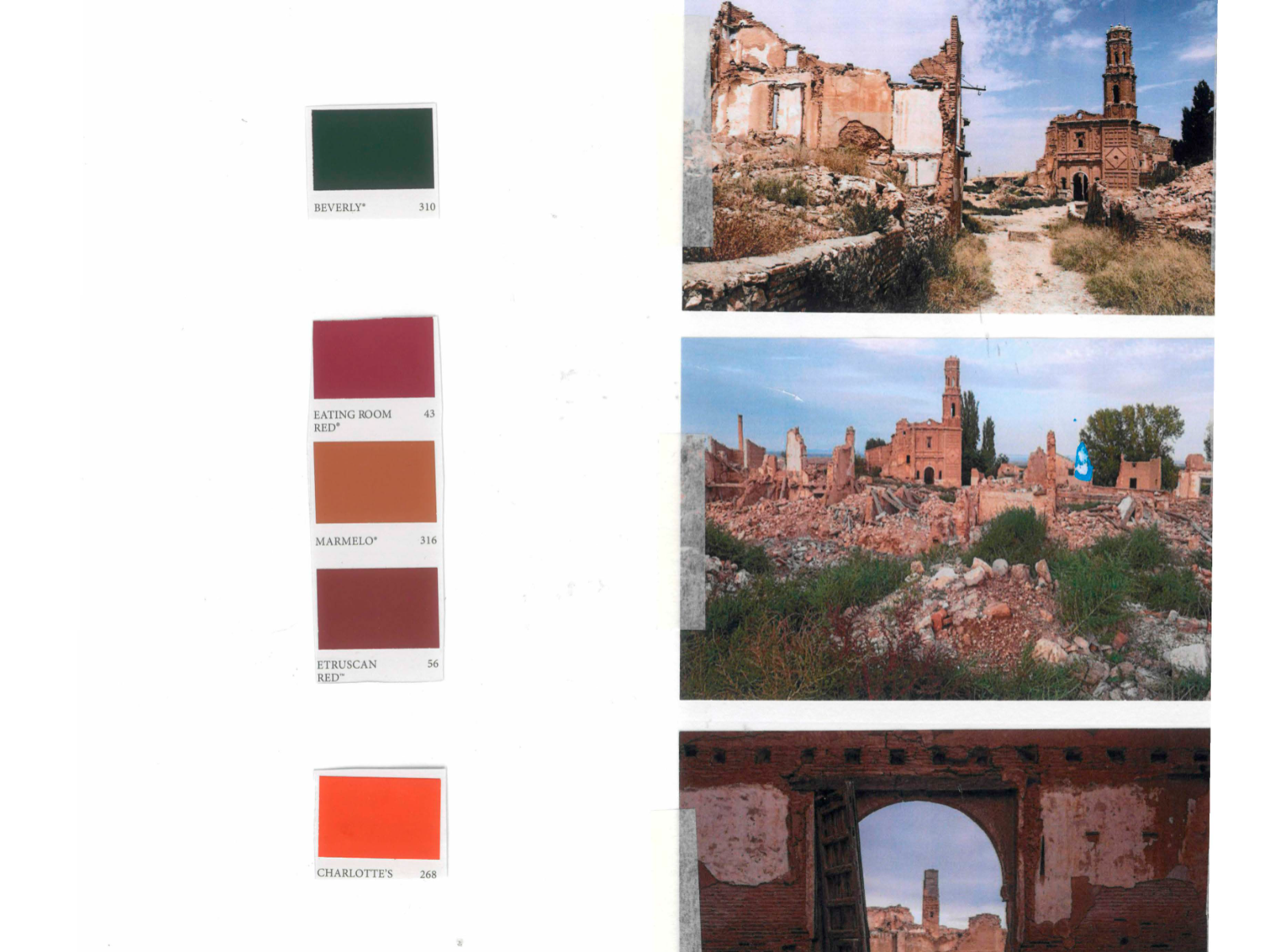
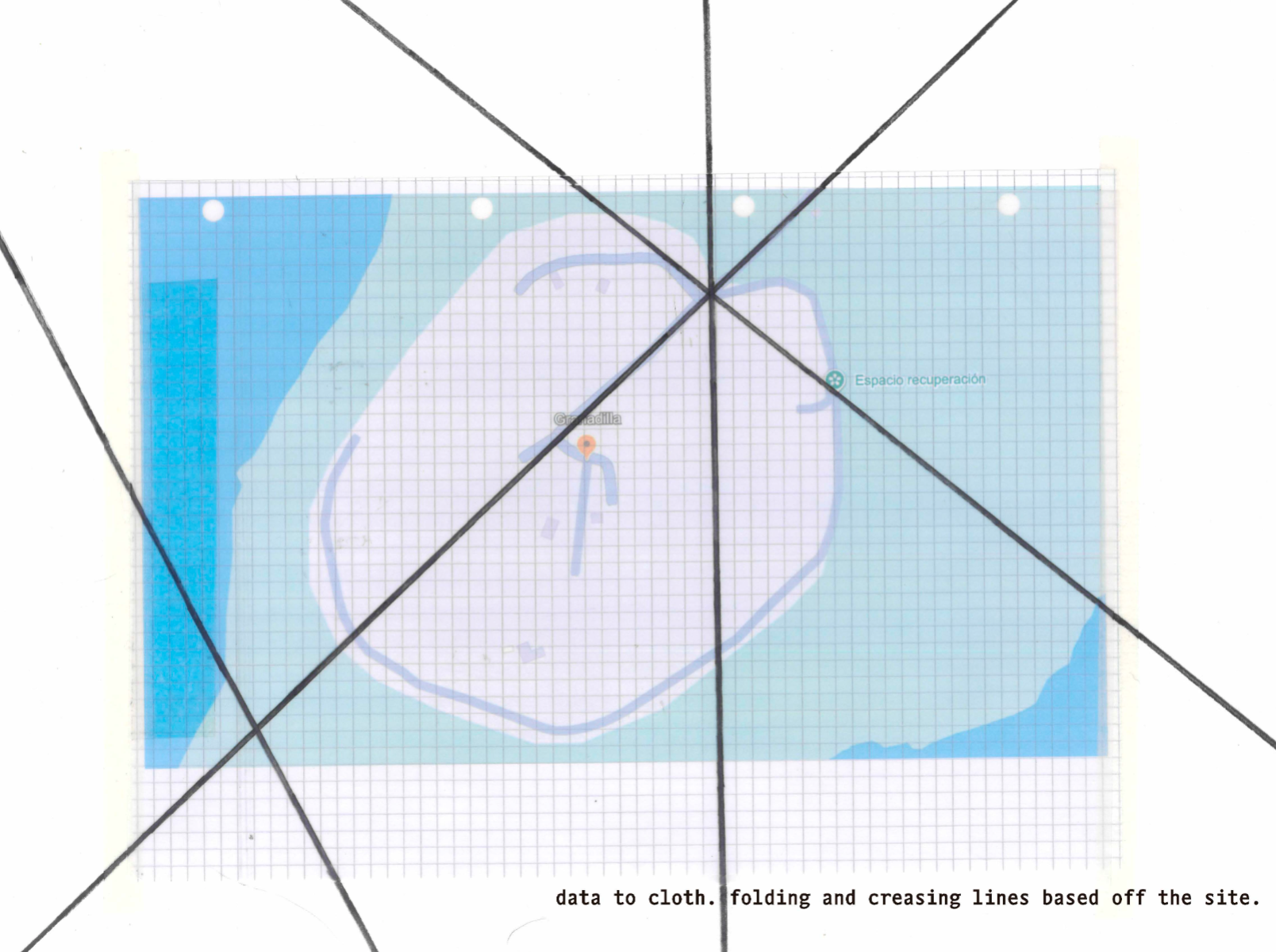
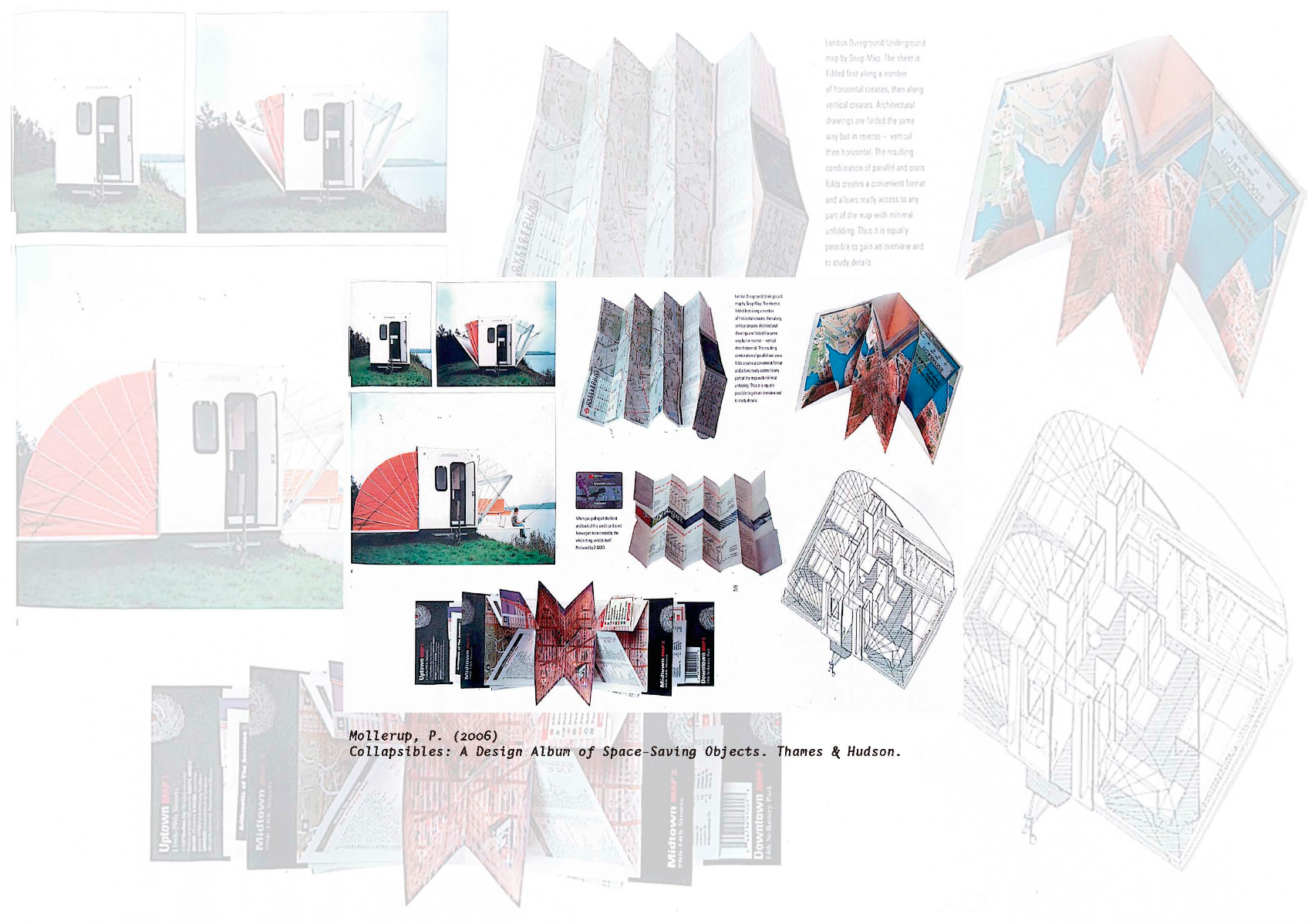
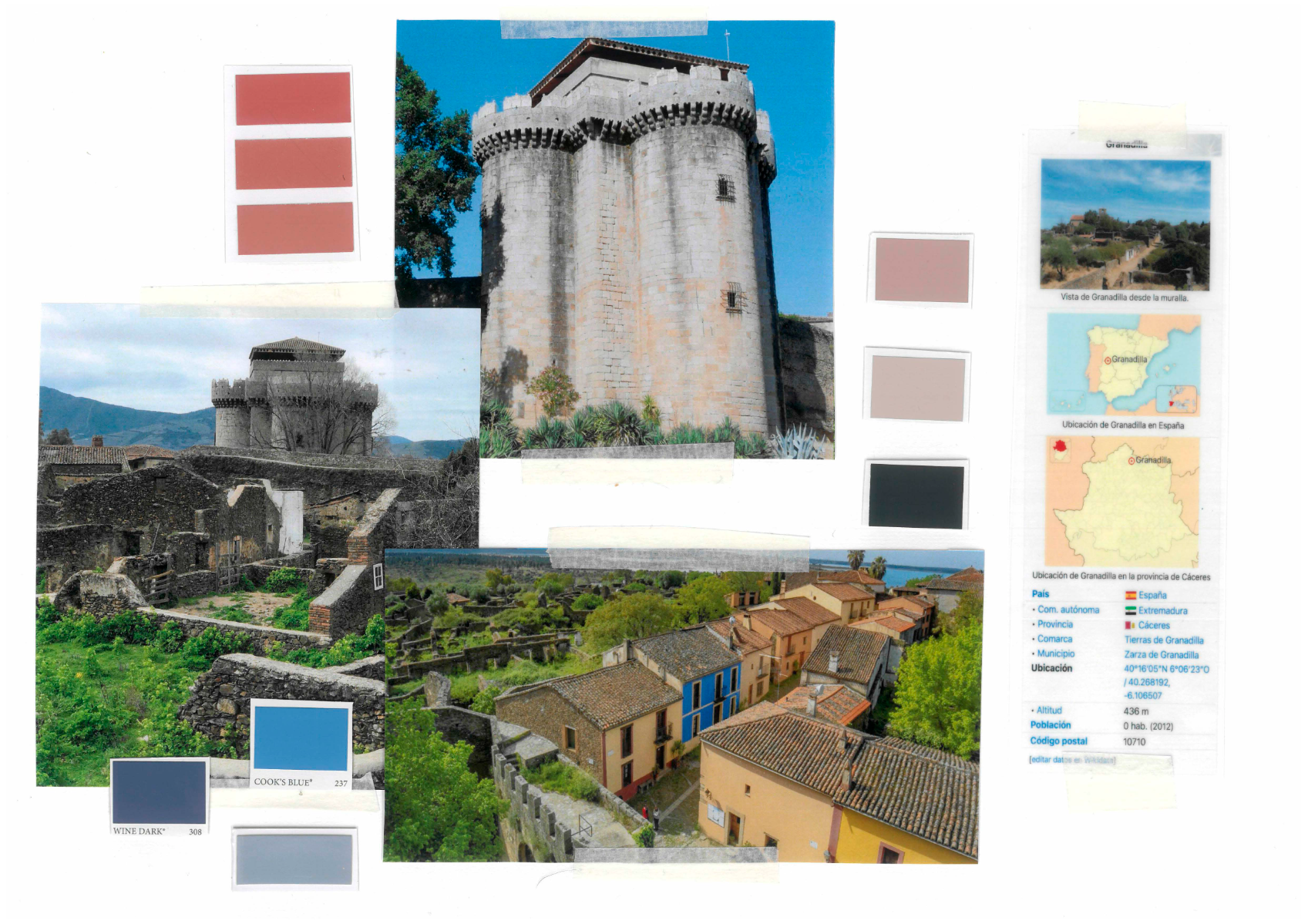
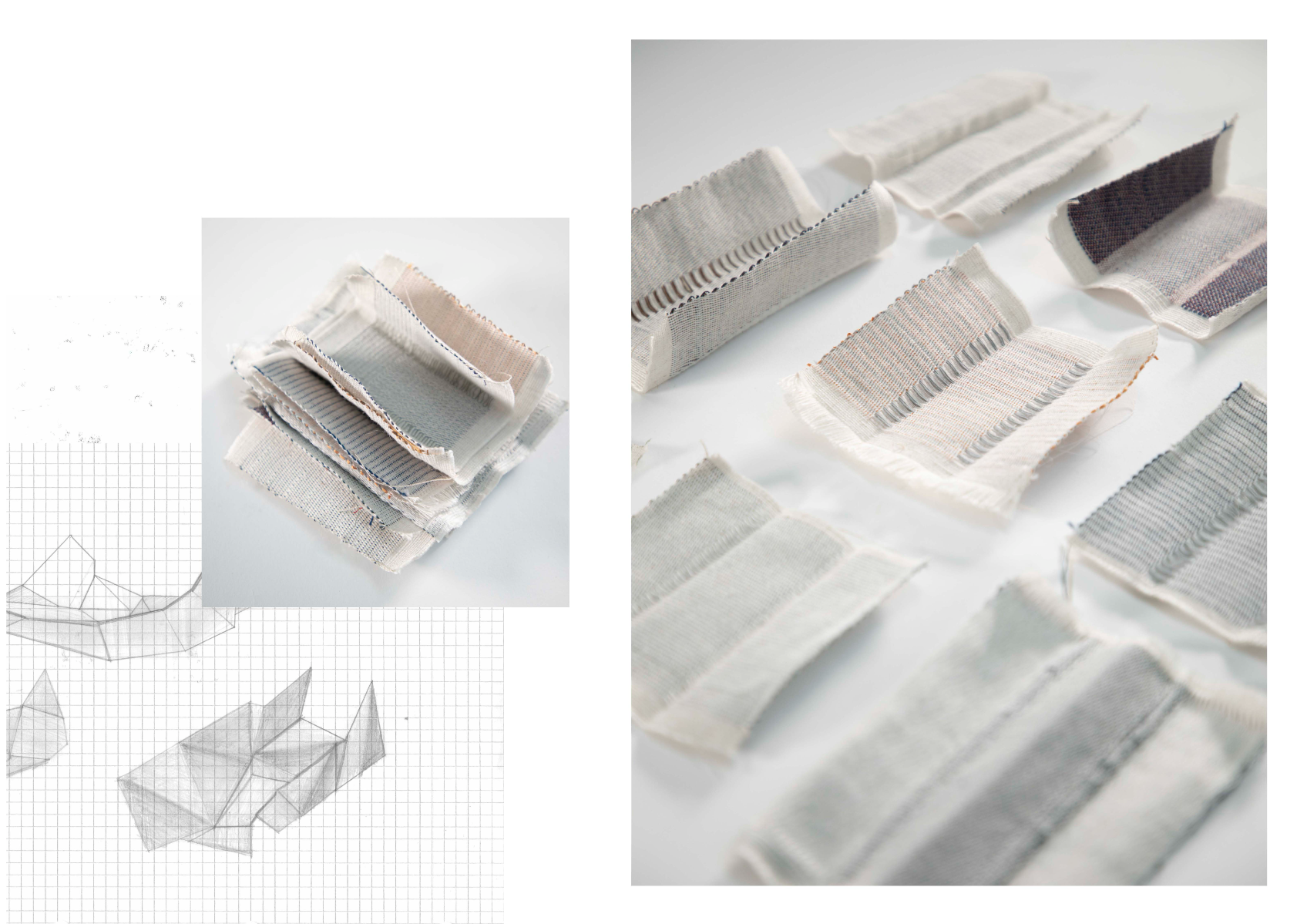
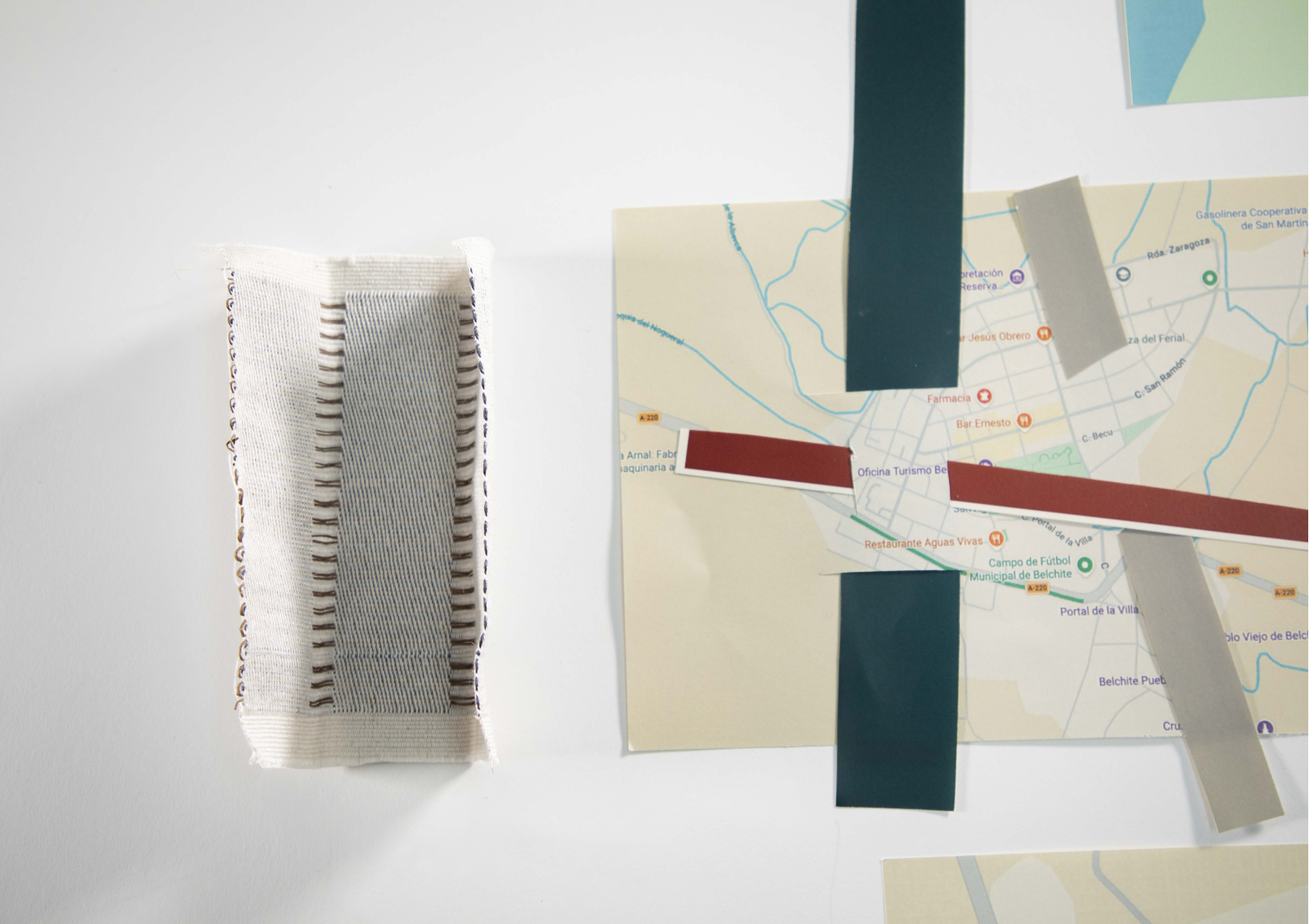
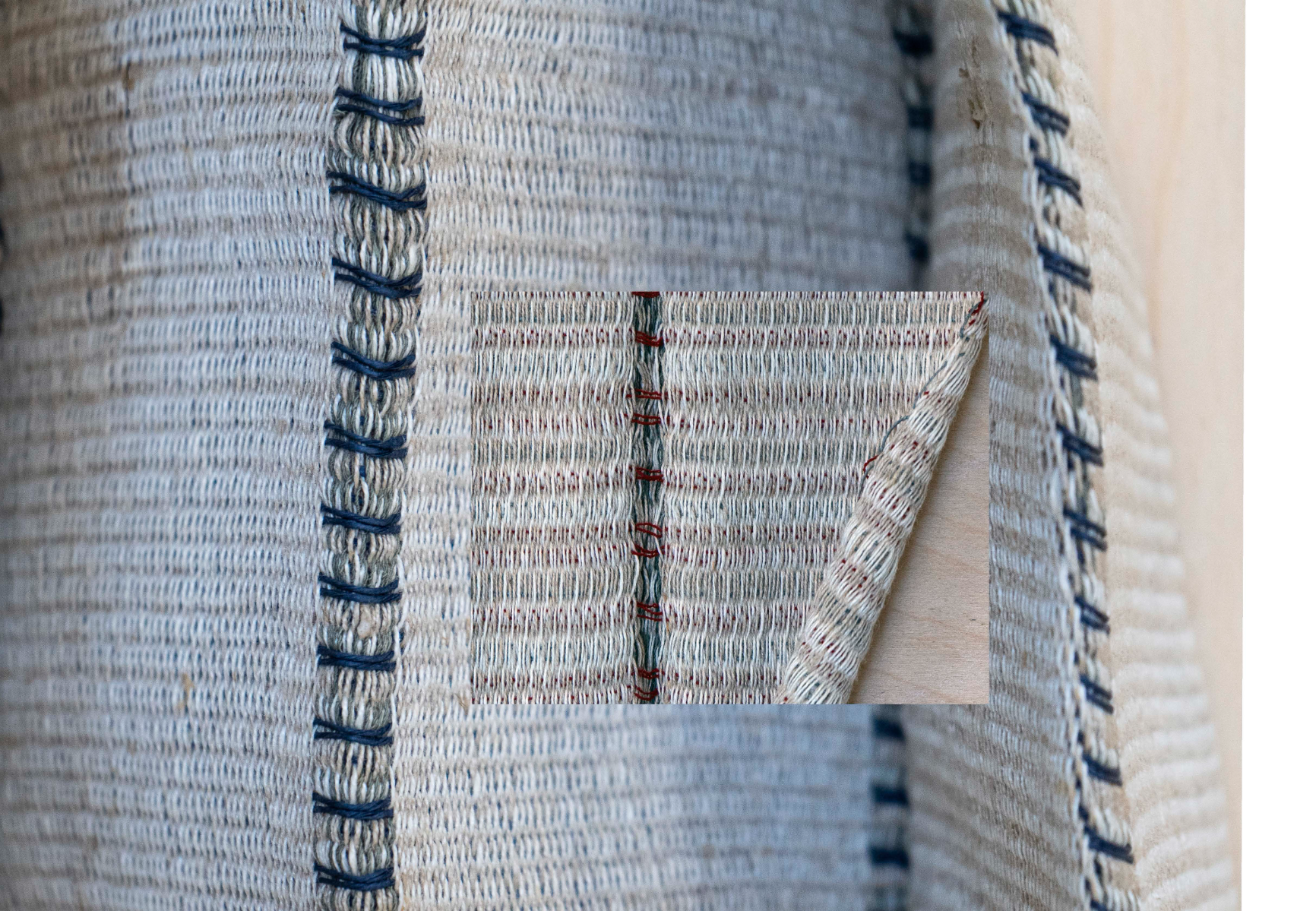
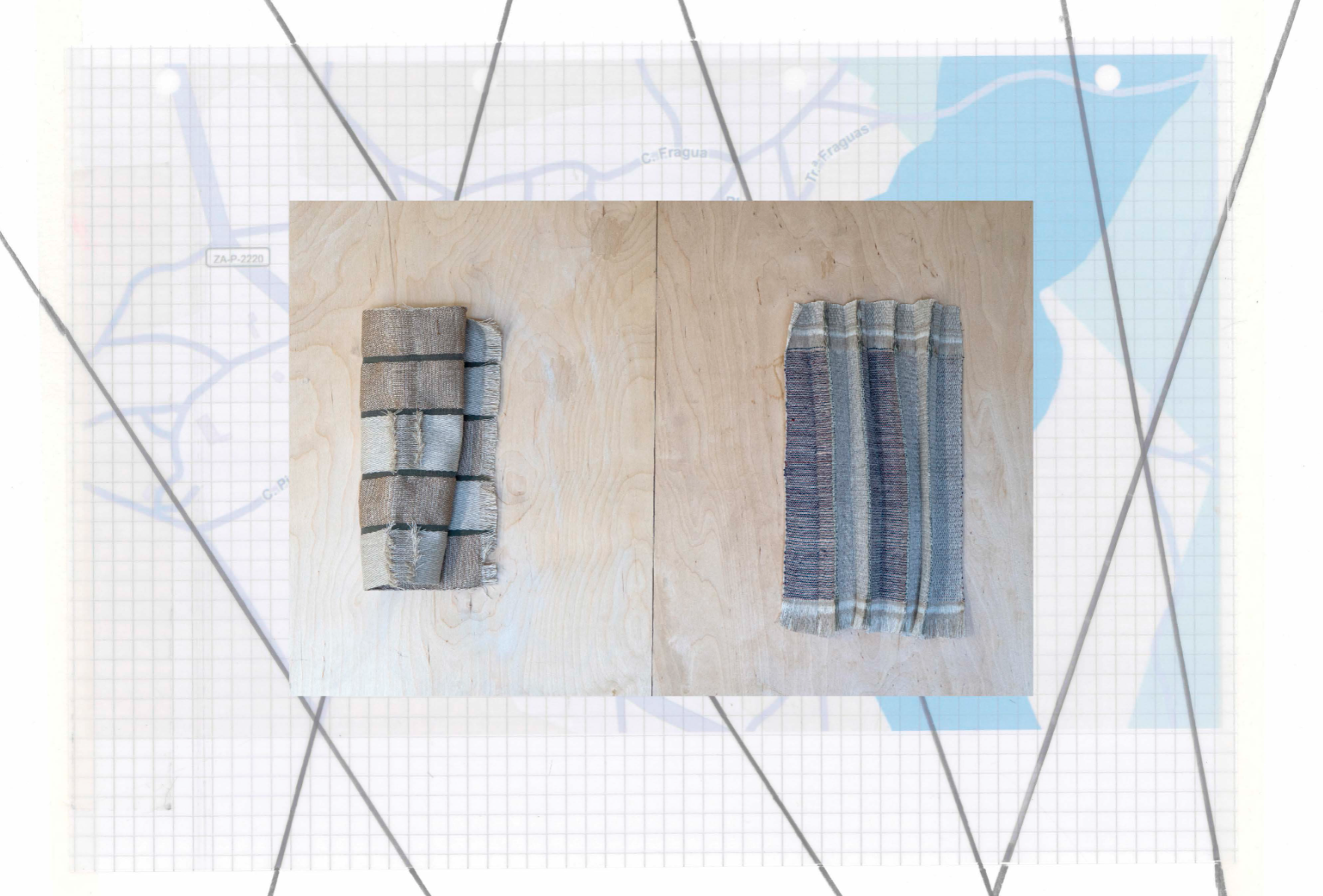
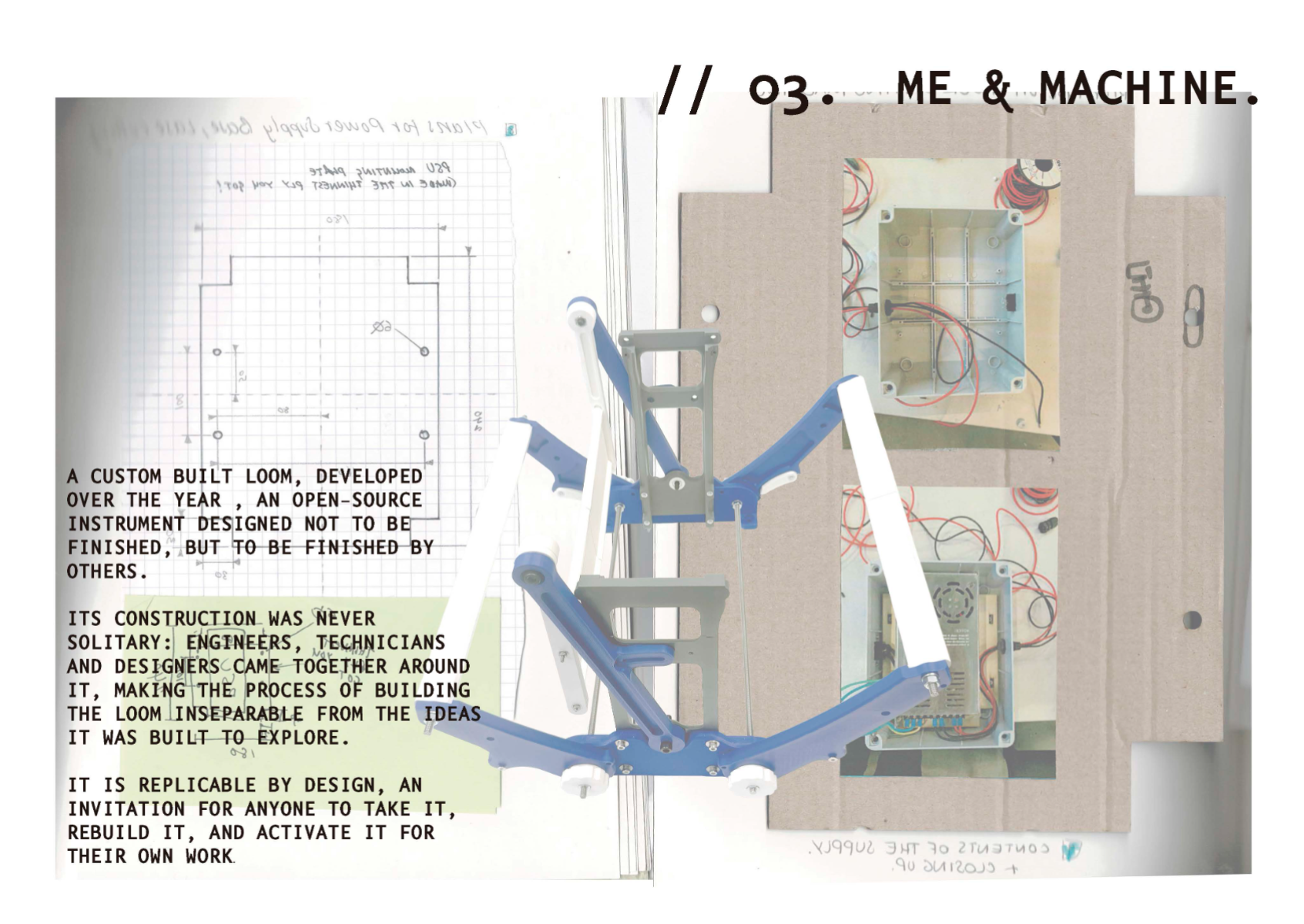
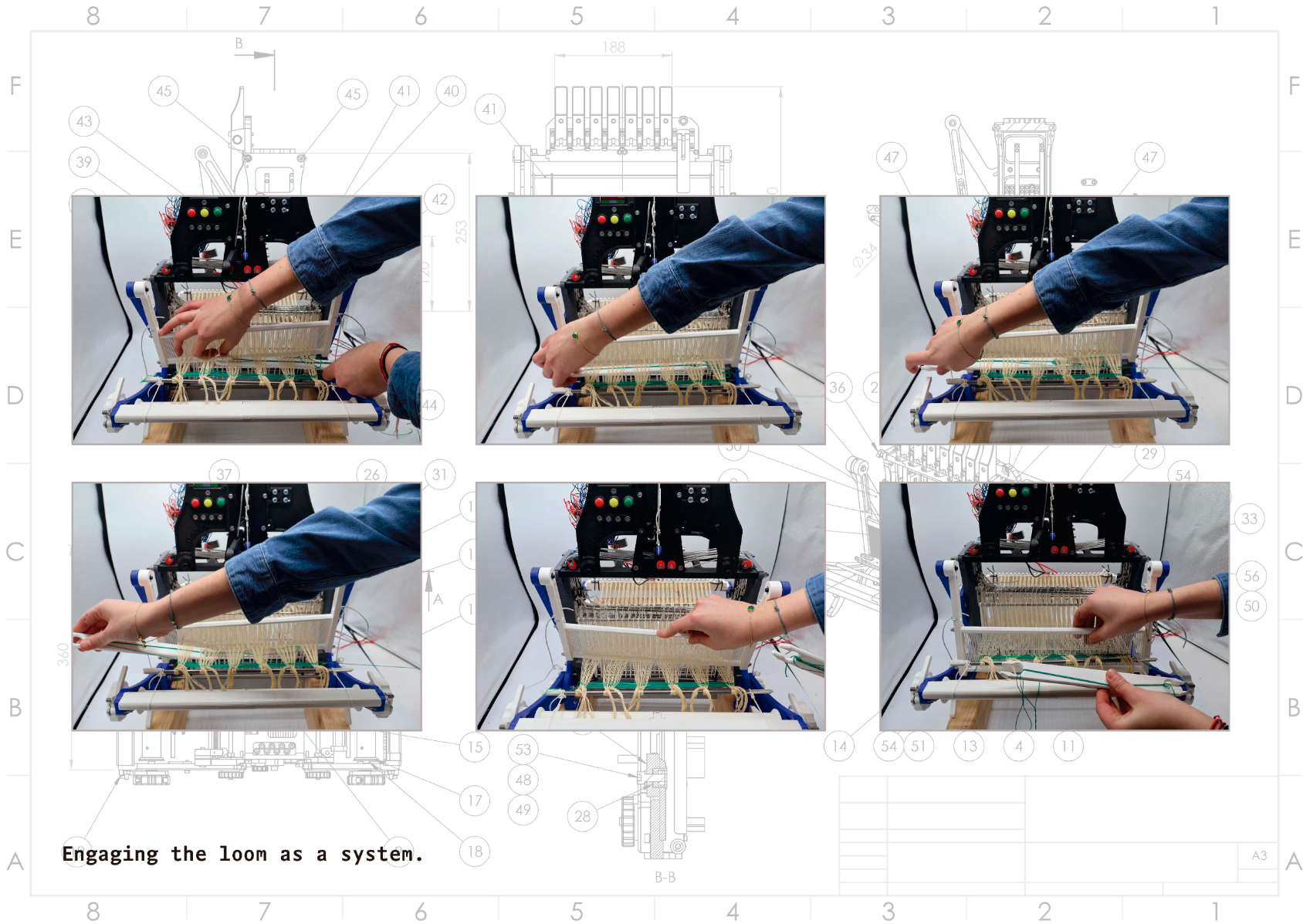
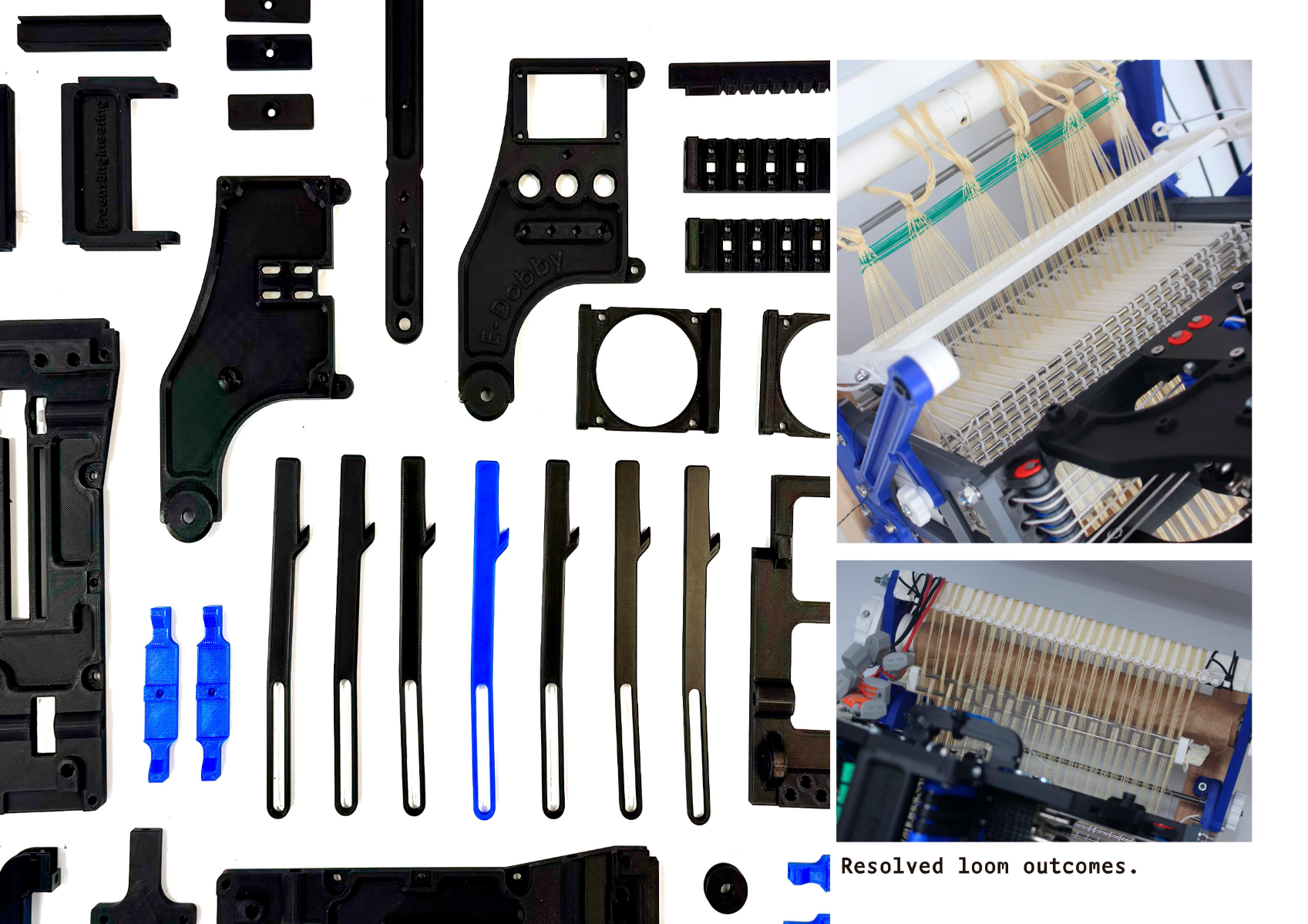
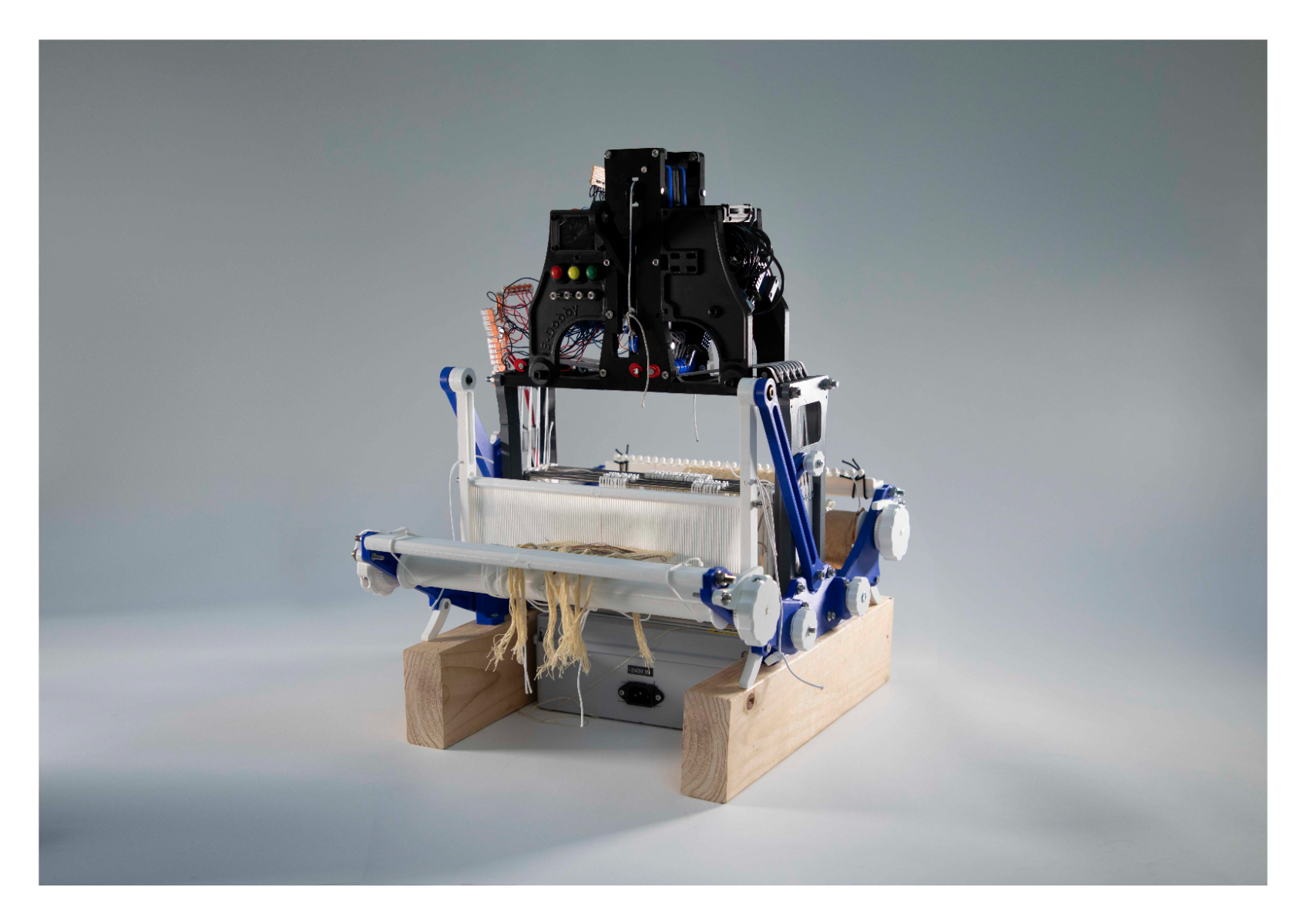
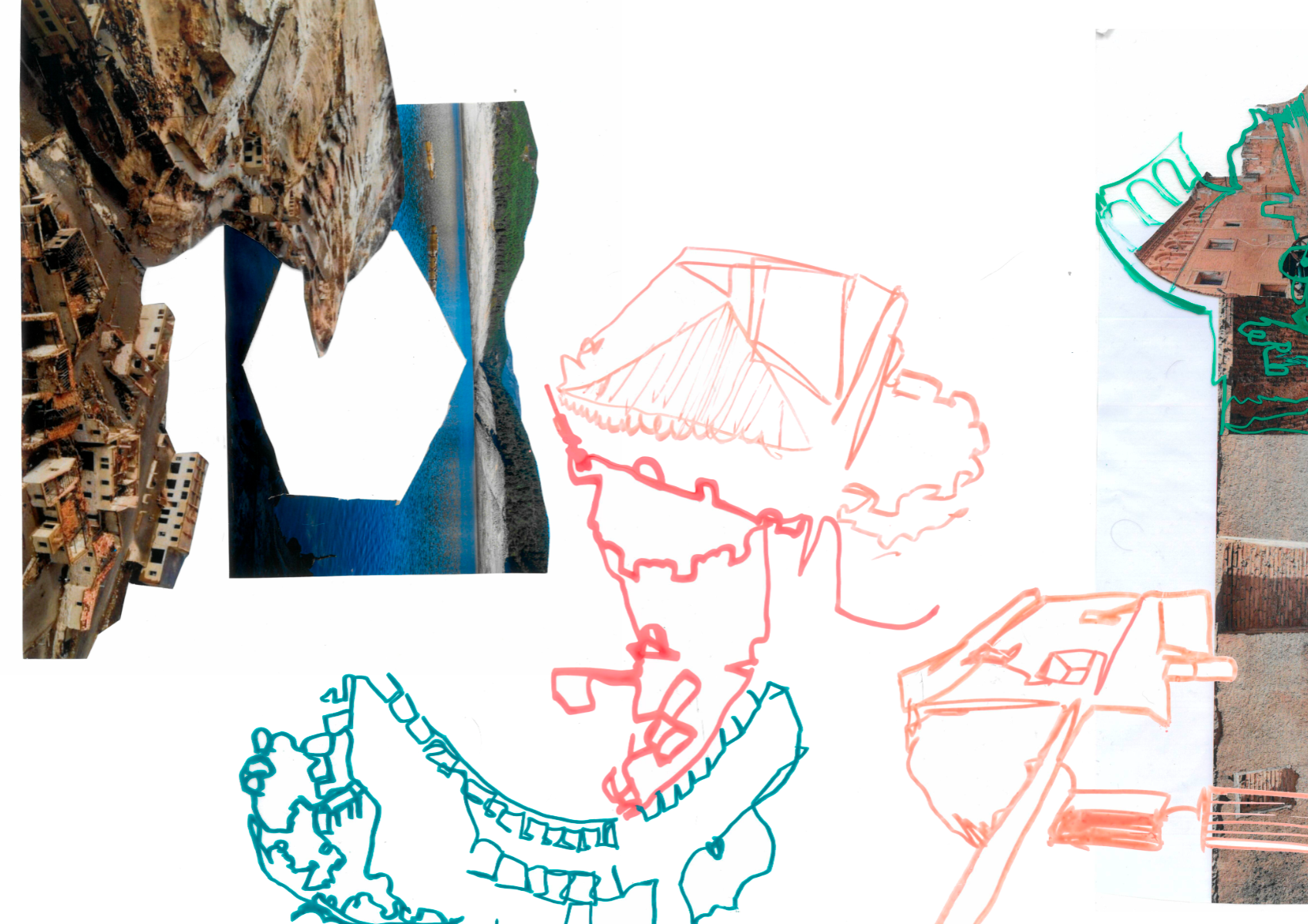
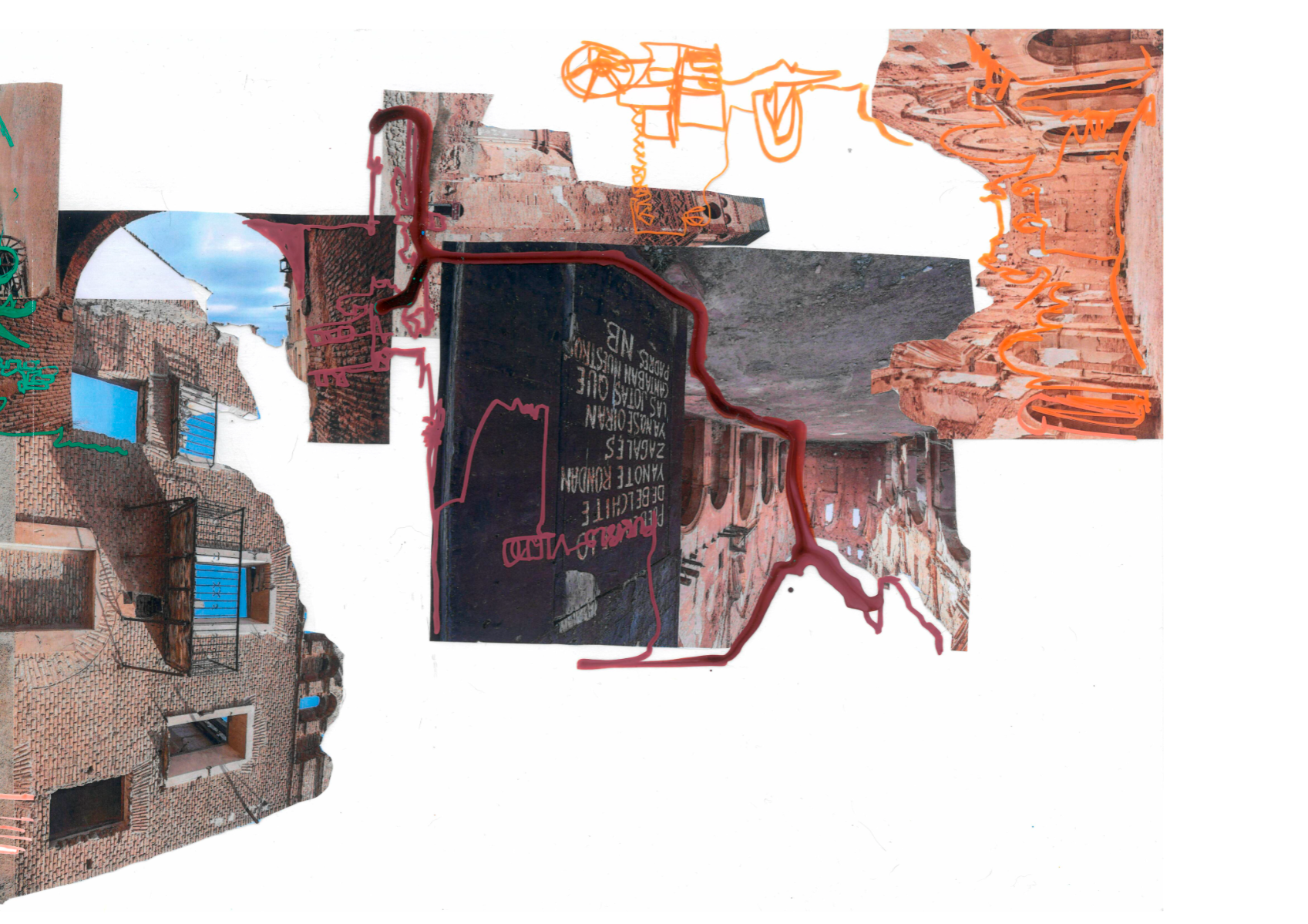
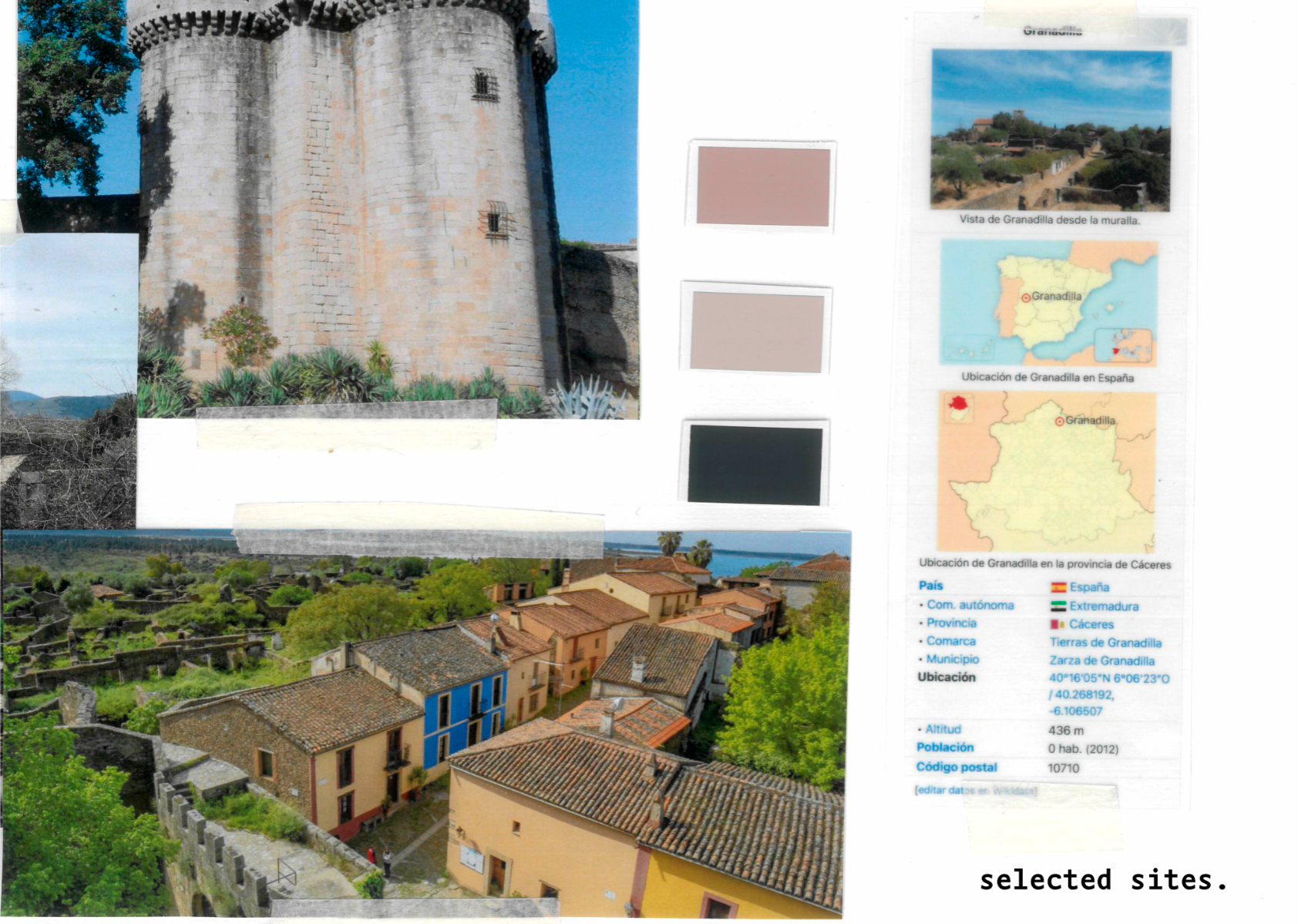
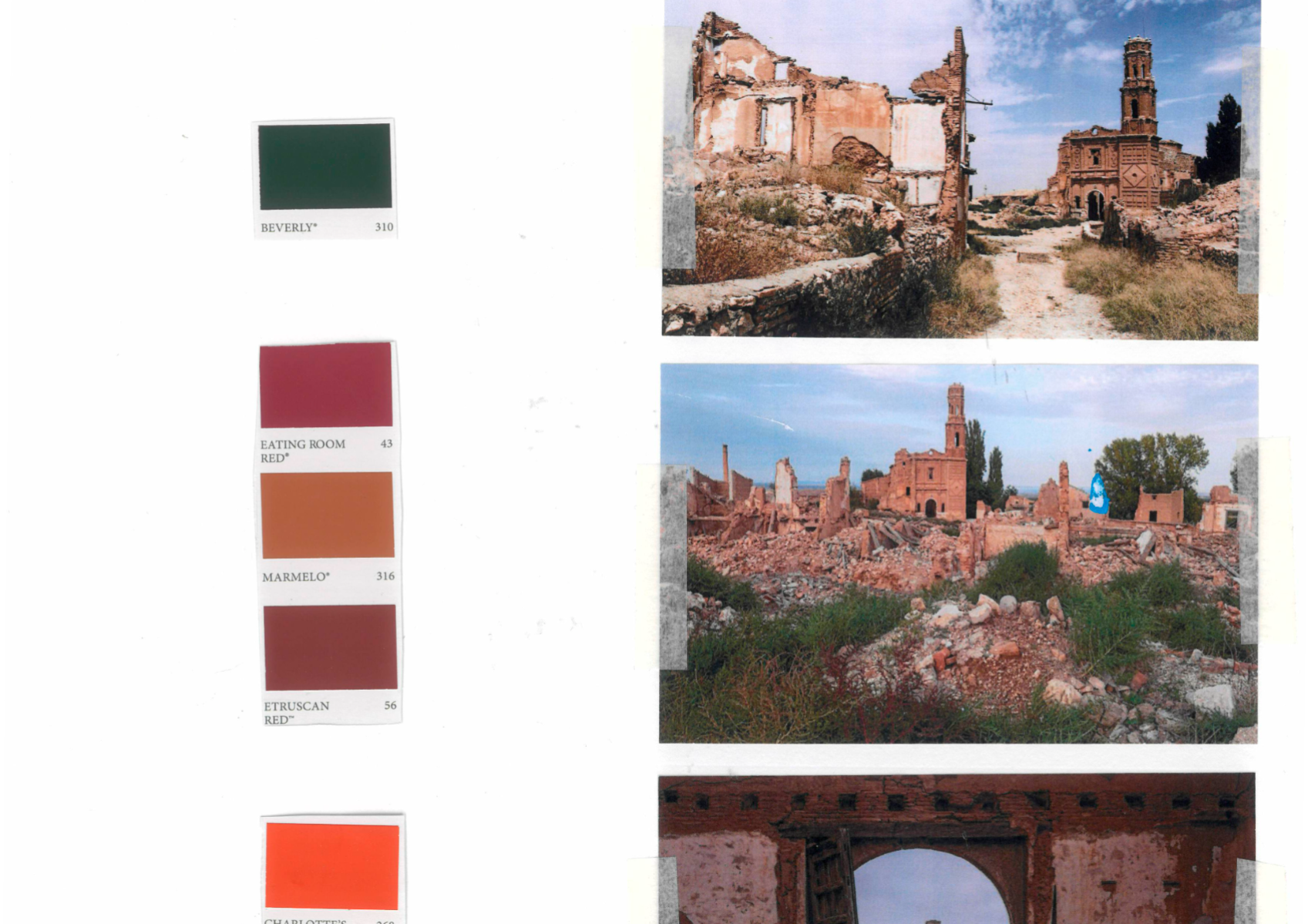
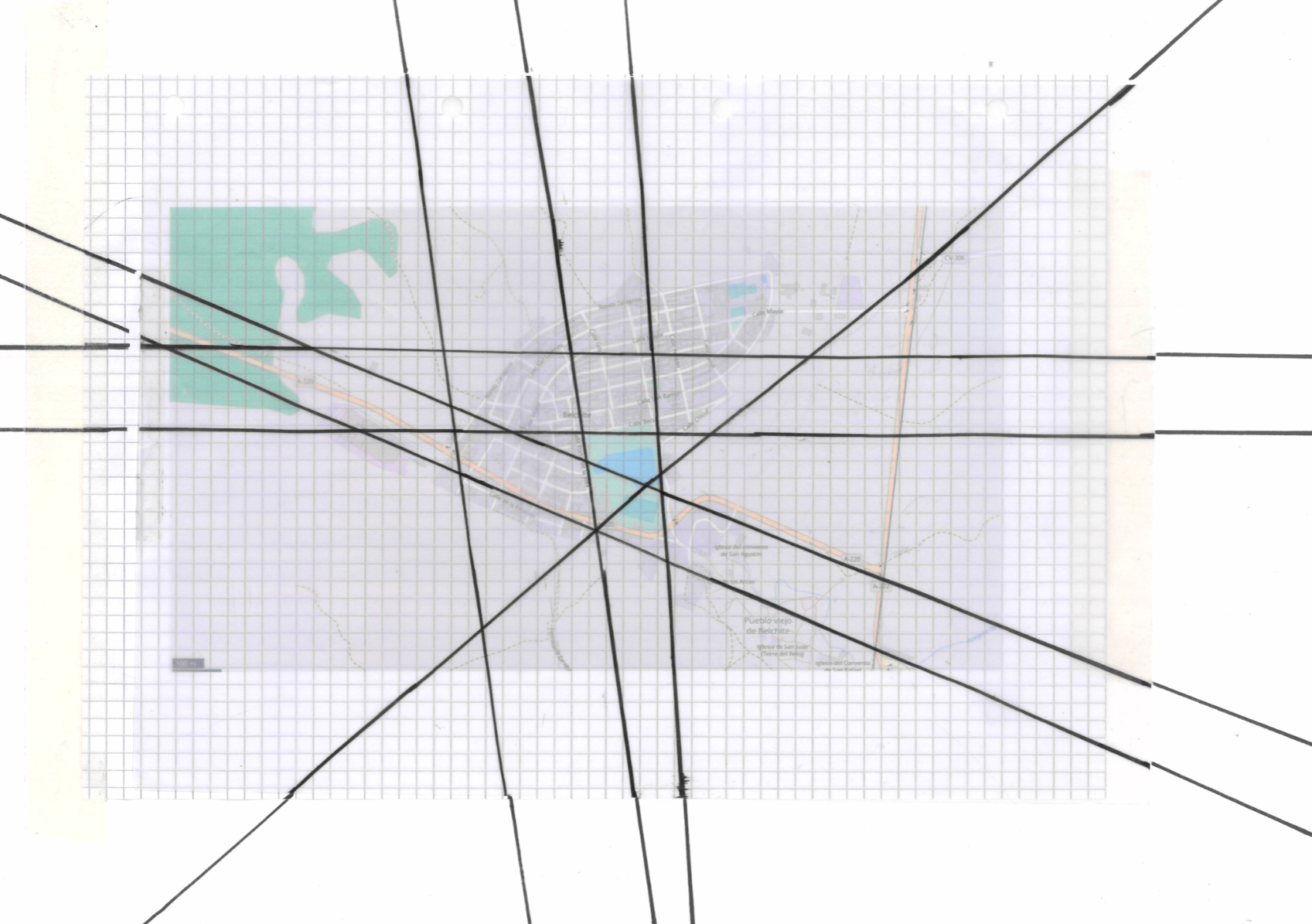
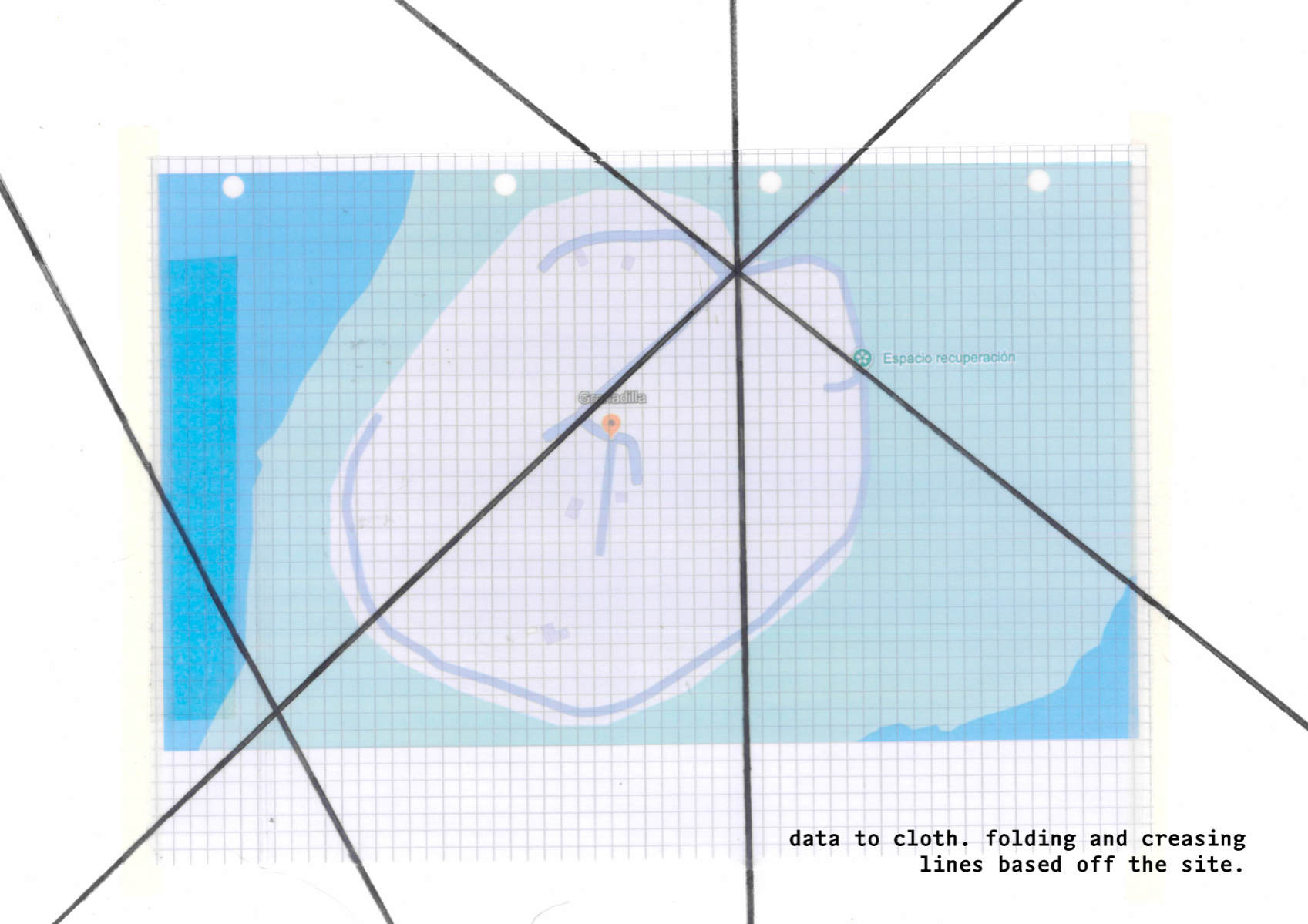
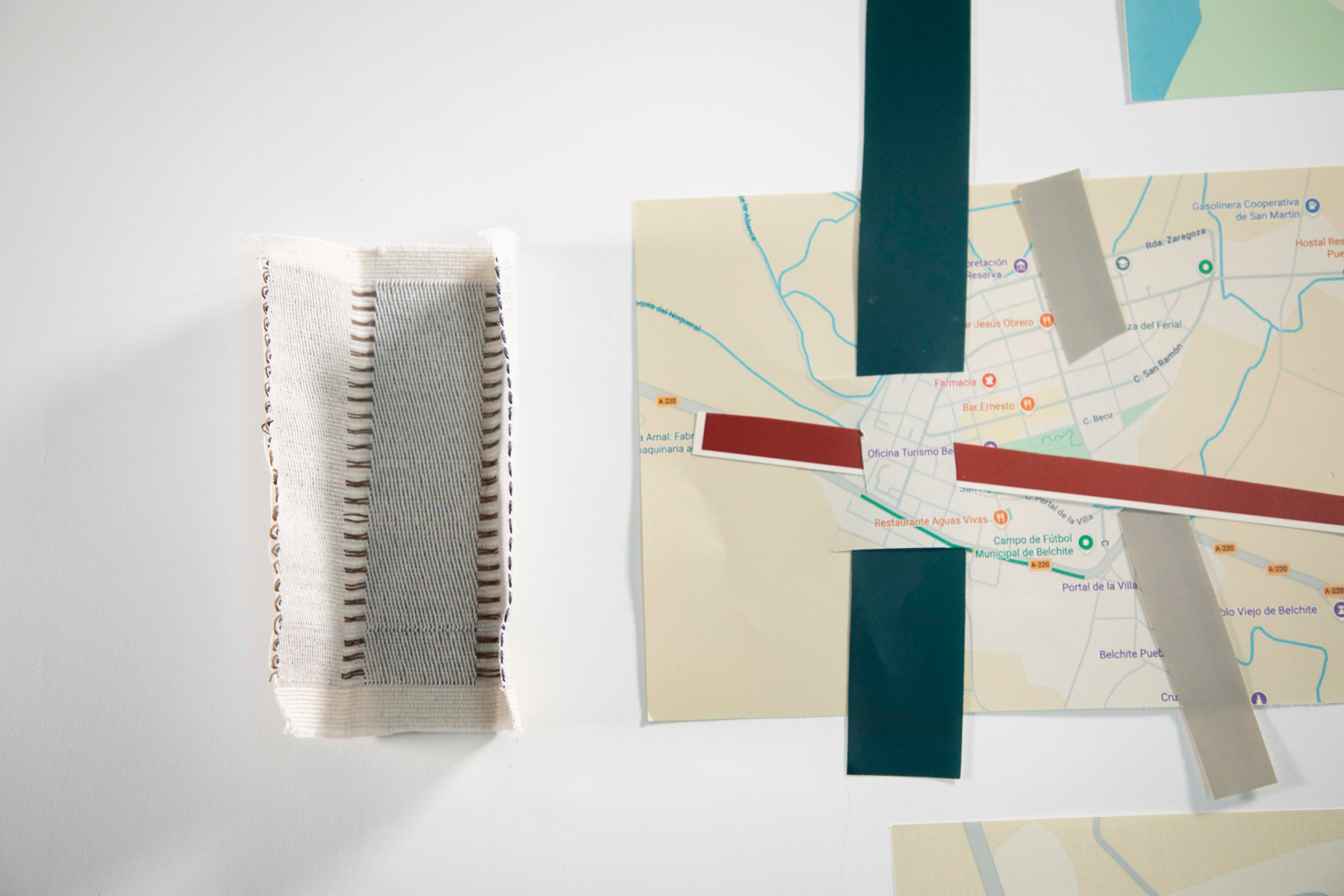
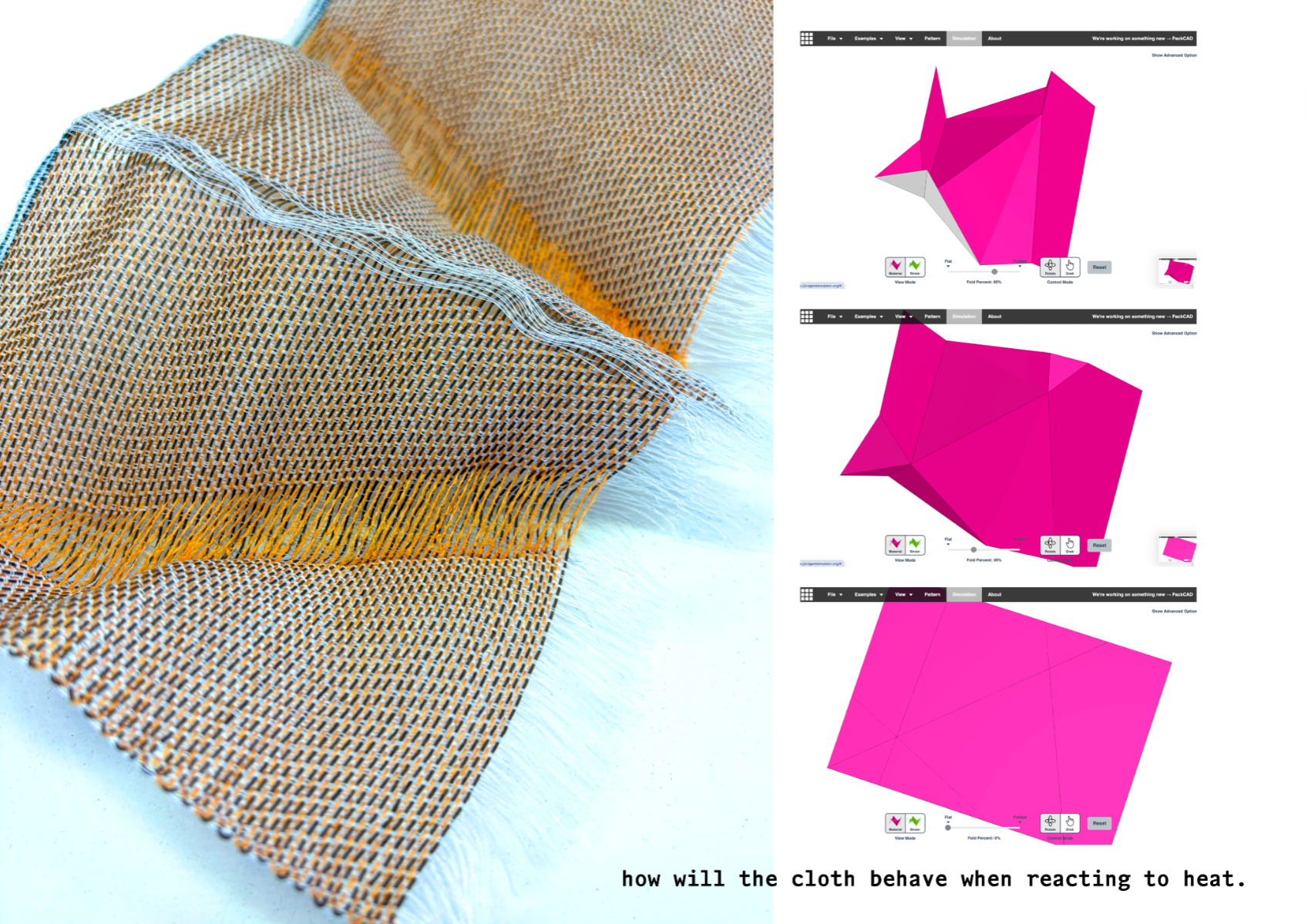
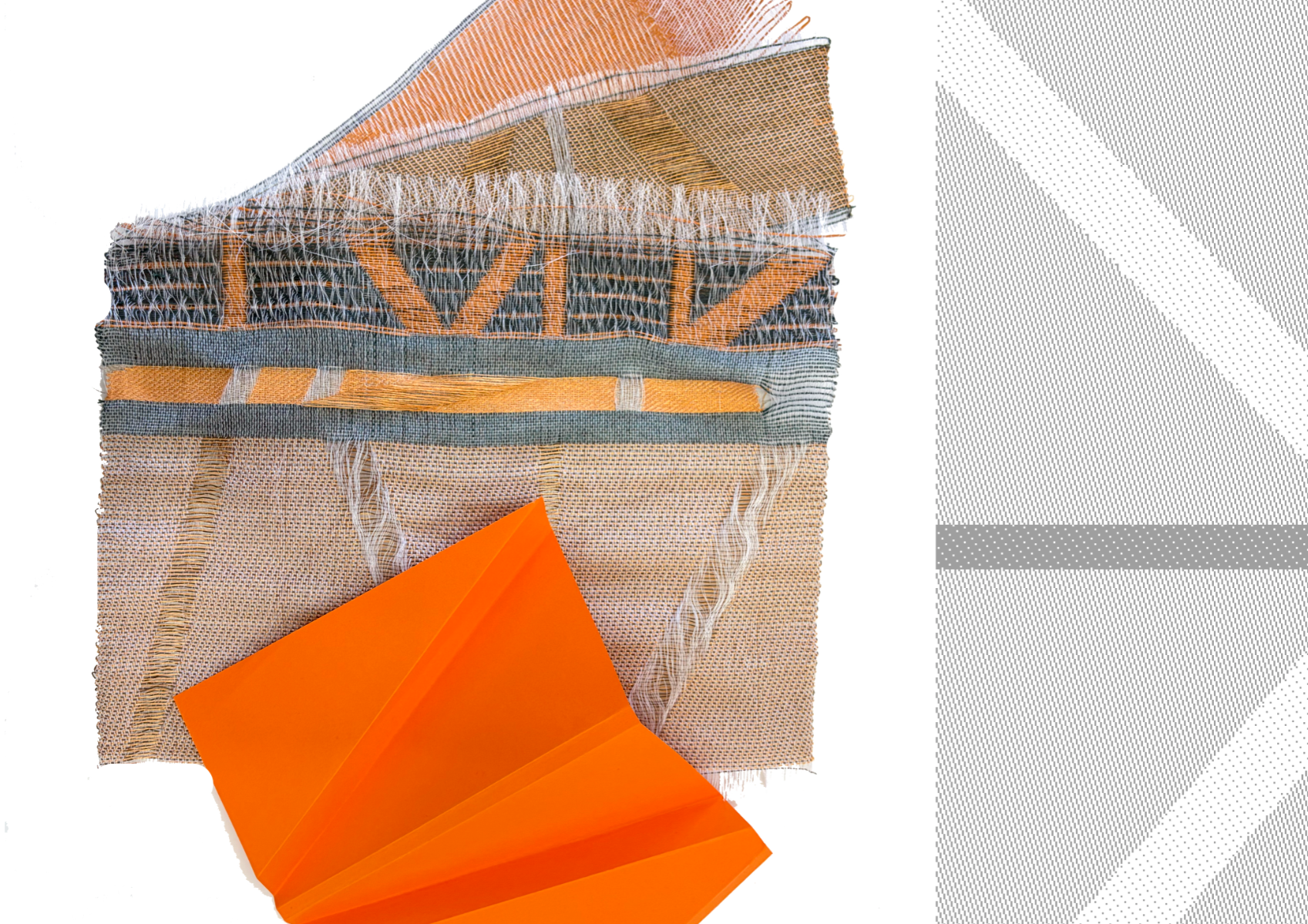
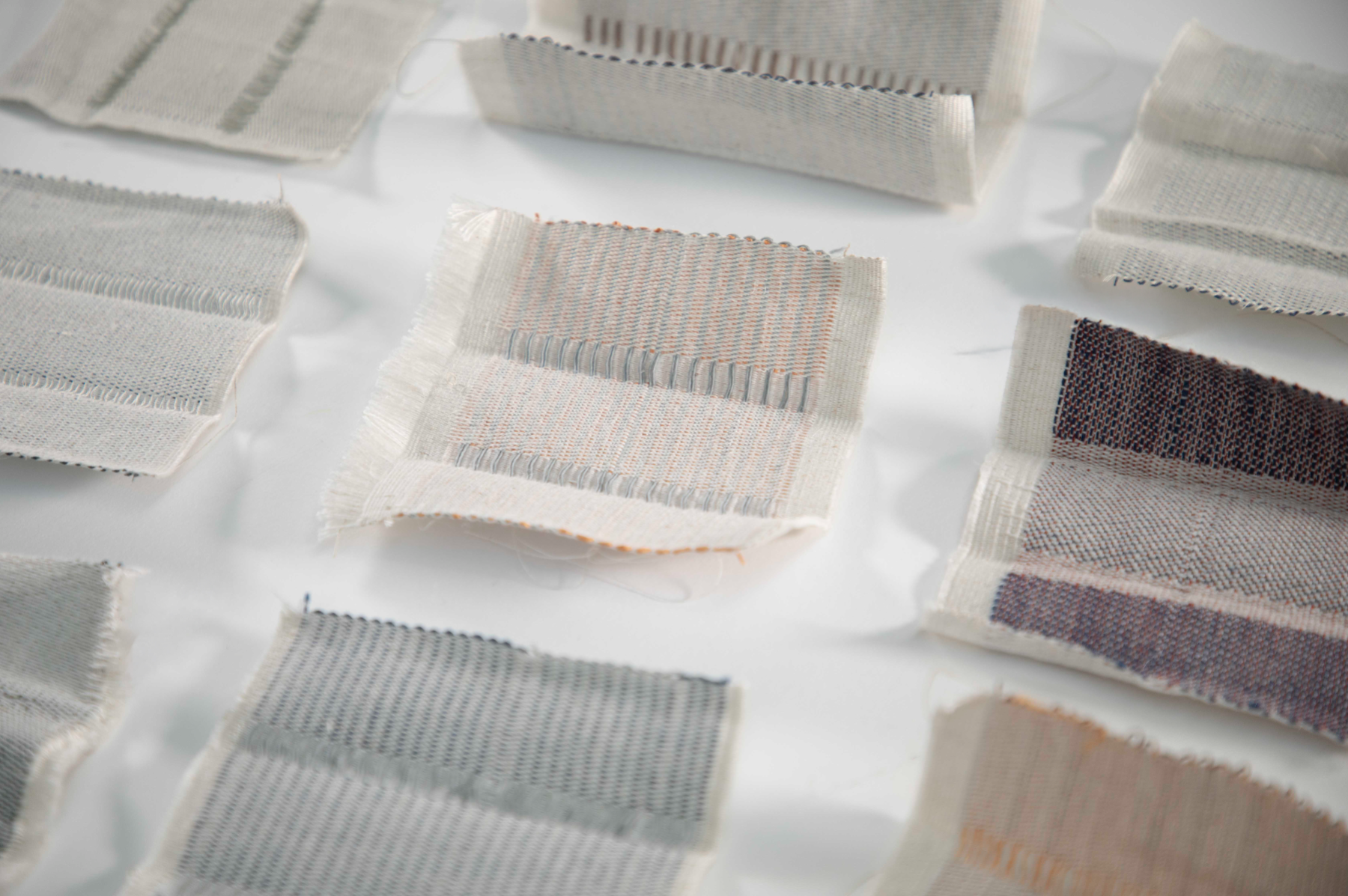
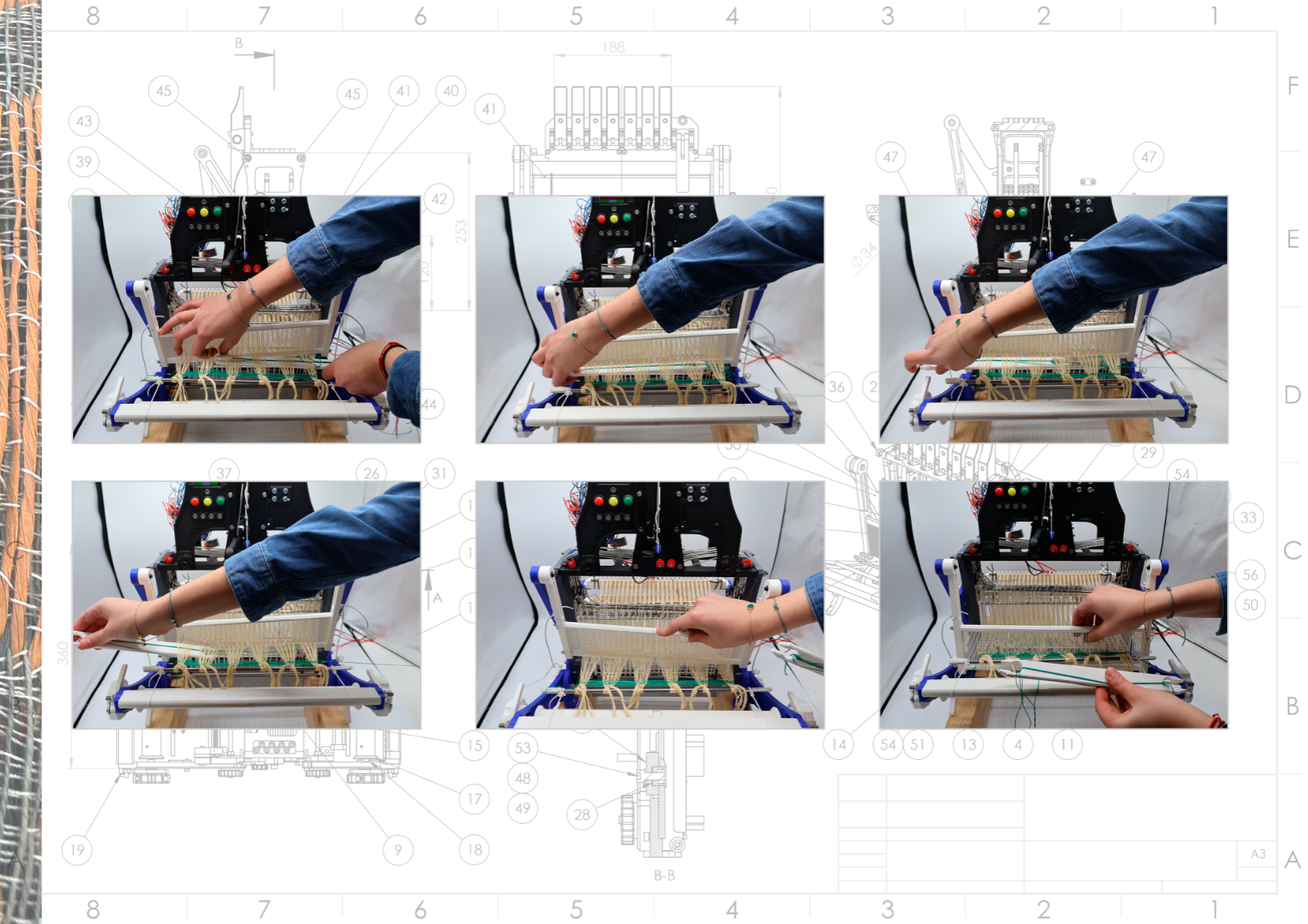
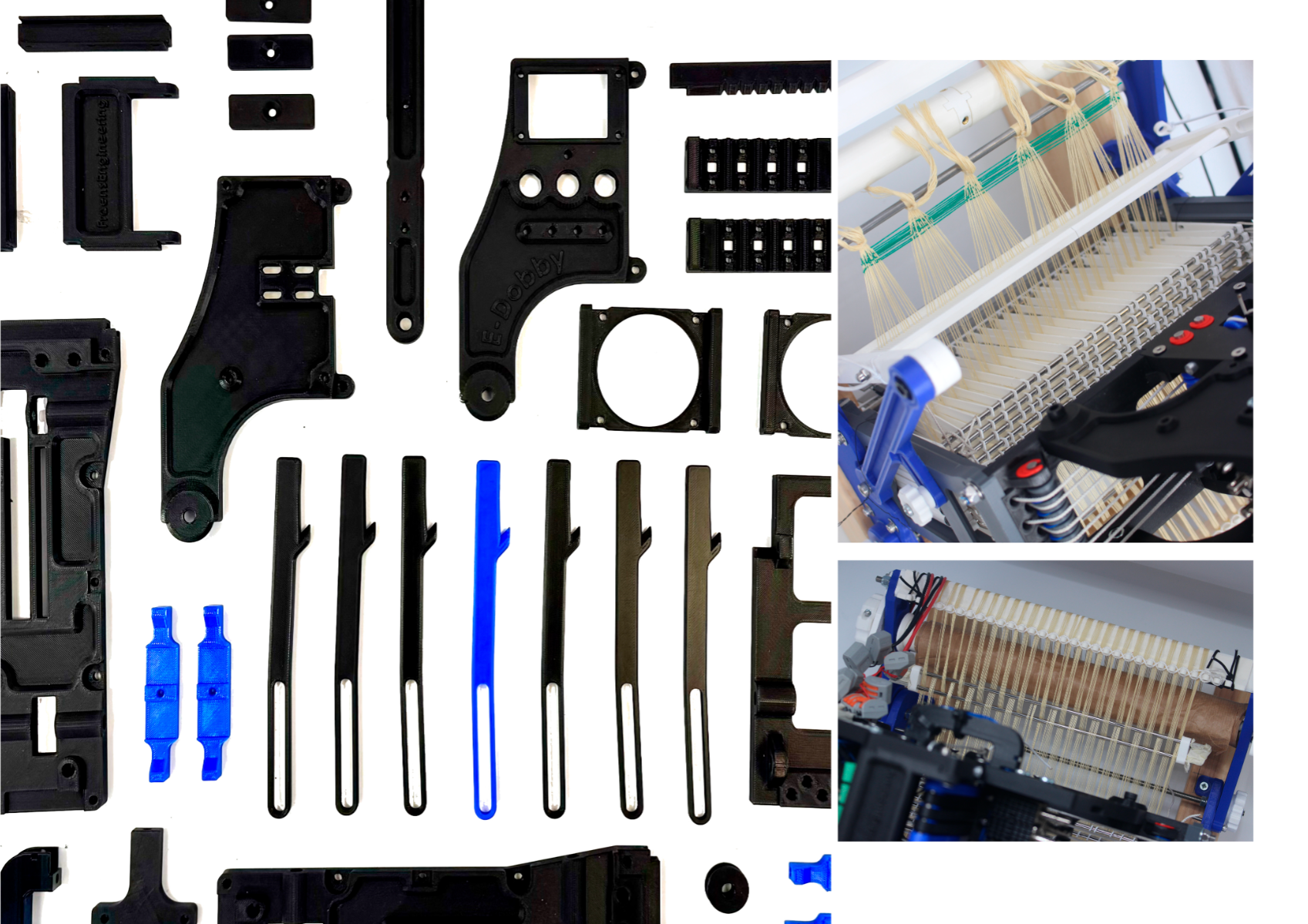
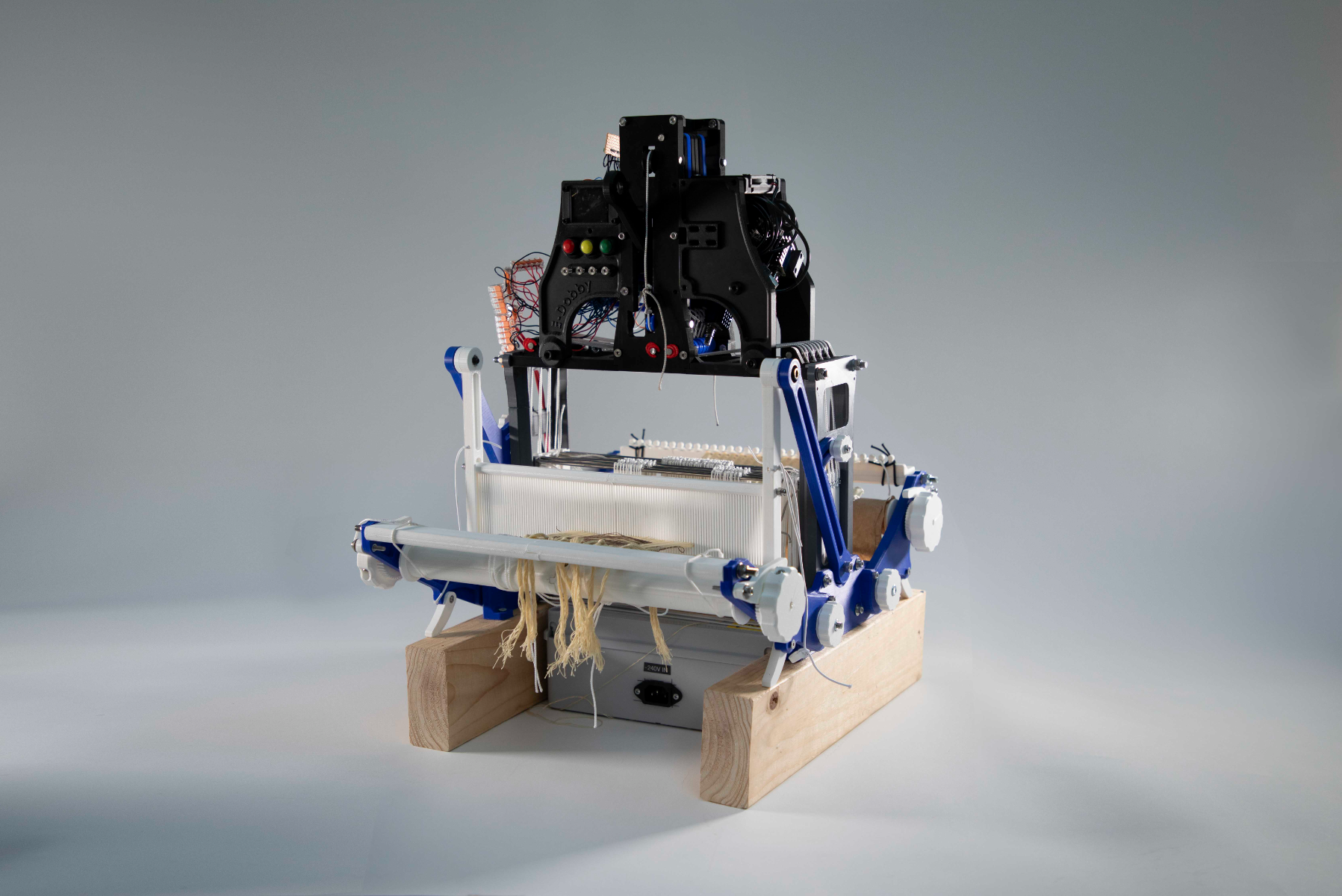
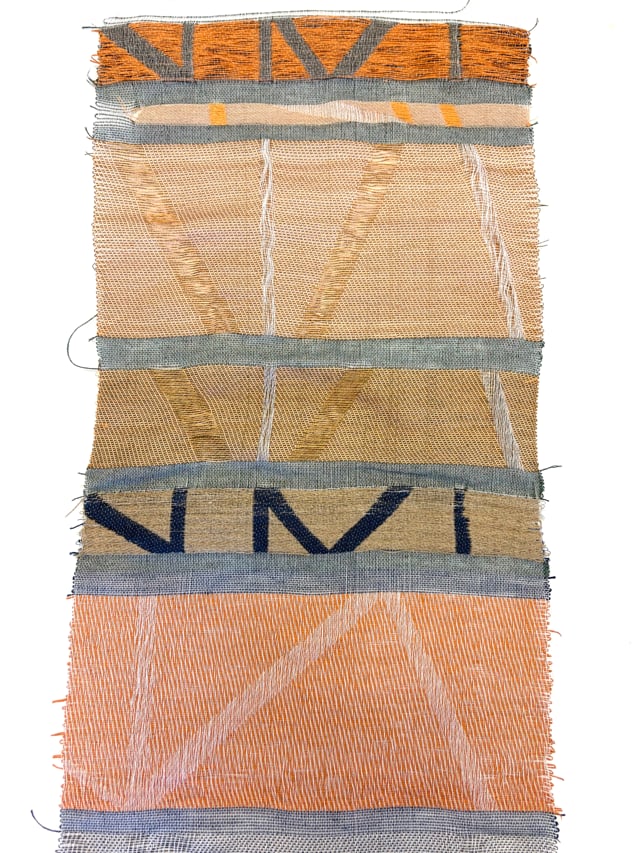
Can a cloth hold what a community has lost? Vaciada: Los que quedan is a series of woven textile objects structurally generated from the geographic data of depopulated Spanish towns. It responds to the España vaciada, Spain's rural depopulation crisis, where hundreds of towns have been emptied by civil war, flooding, state decree and slow migration. What remains of these places is data: street layouts, elevation, terrain. The towns persist as information; the communities do not. Each piece is site-specific. Its form is not designed but generated, a direct material consequence of its site. Street layouts become folding and structure; elevation data becomes density and weight. Nothing is decorative; everything is a translation. The project's central argument lives in its method. Confronting sites defined by absence, the makers responded by building presence, gathering a community of engineers, technicians, makers and material sponsors around the act of making. Together they designed and built a custom loom, conceived as an open-source, replicable community object, and developed an open-source tool that invites others to extract the map data of their own community and generate a cloth construction from it.
Competitions
Global Creative Graduate Showcase 2026
Vaciada. Los que quedan.
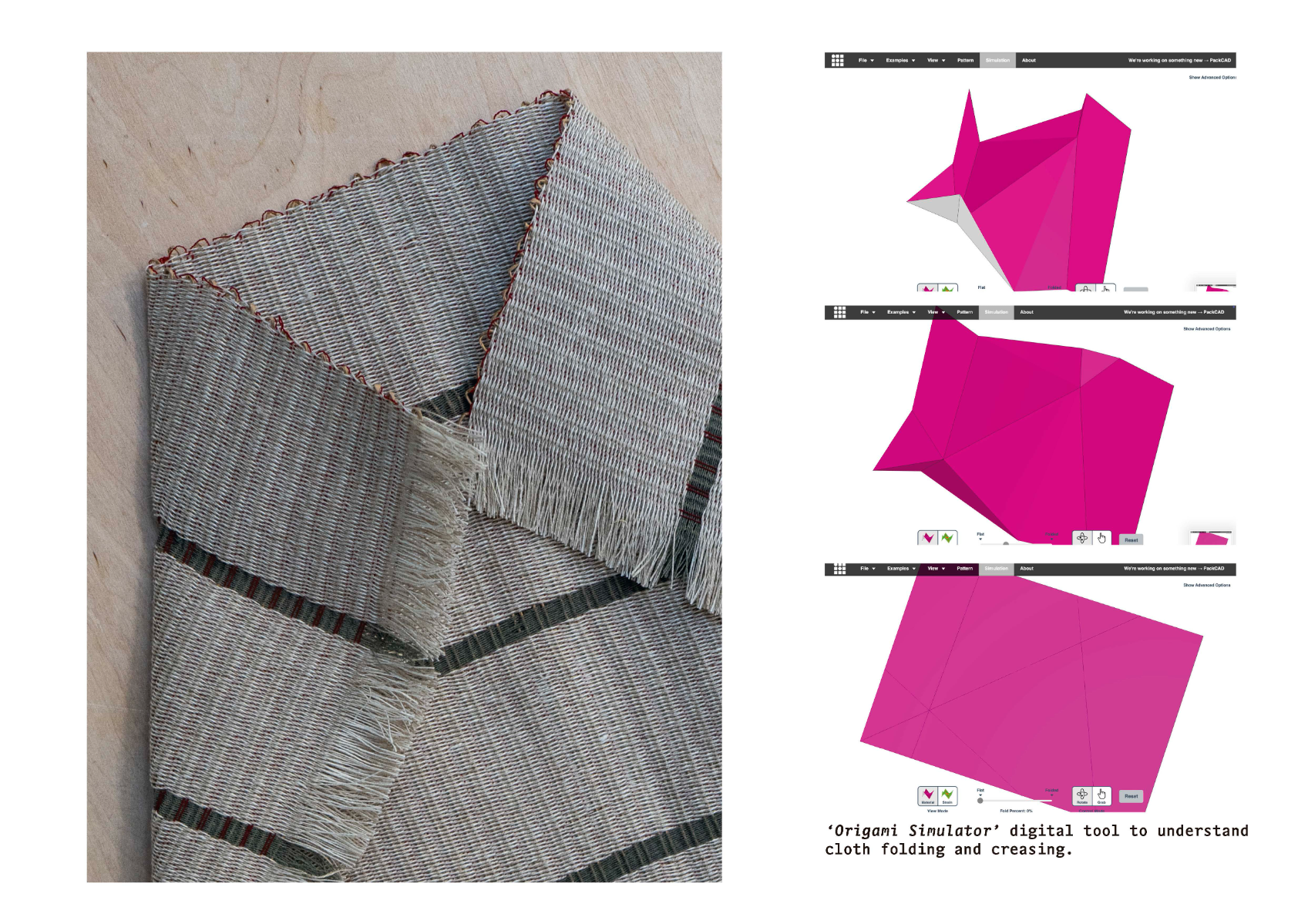
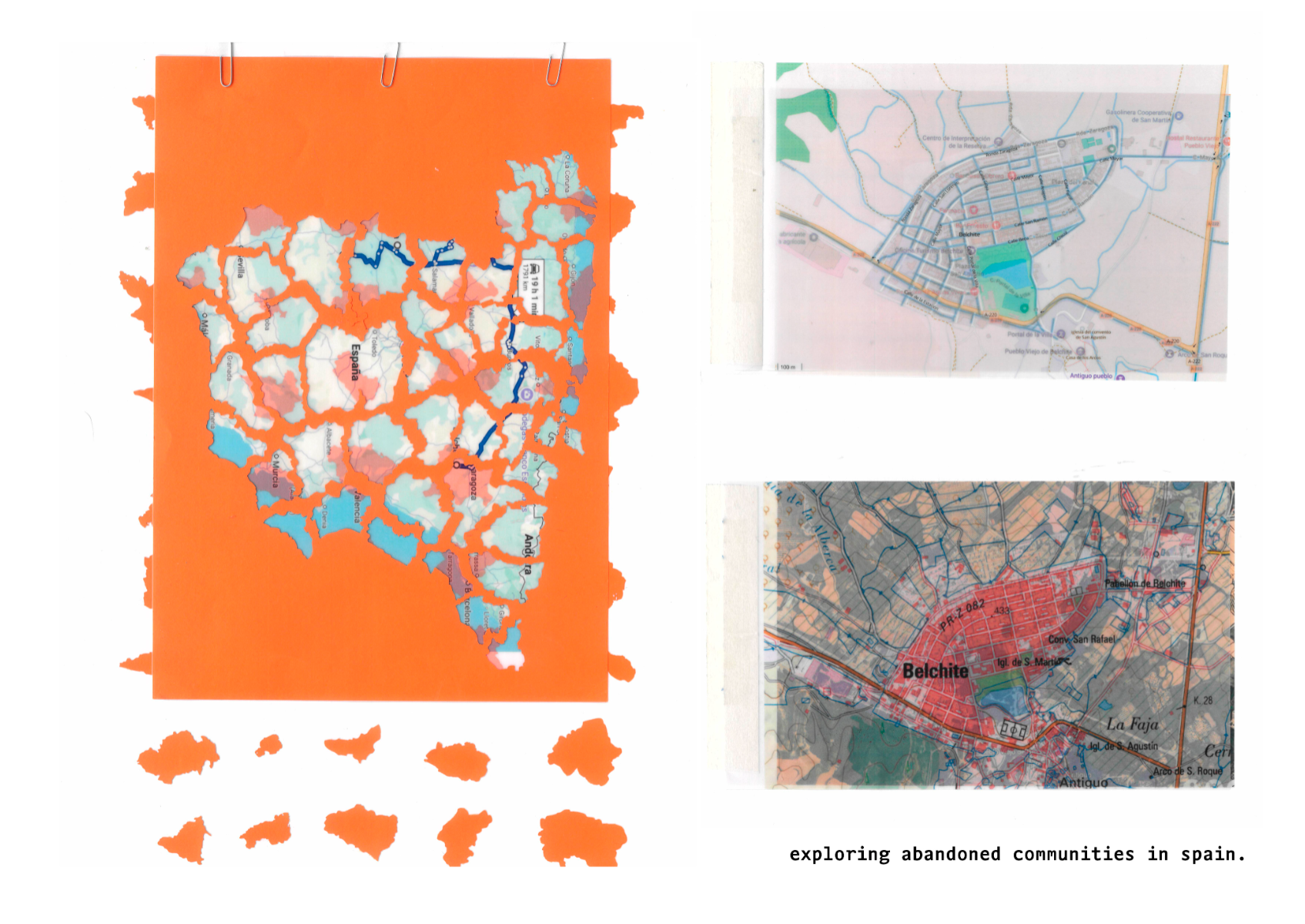
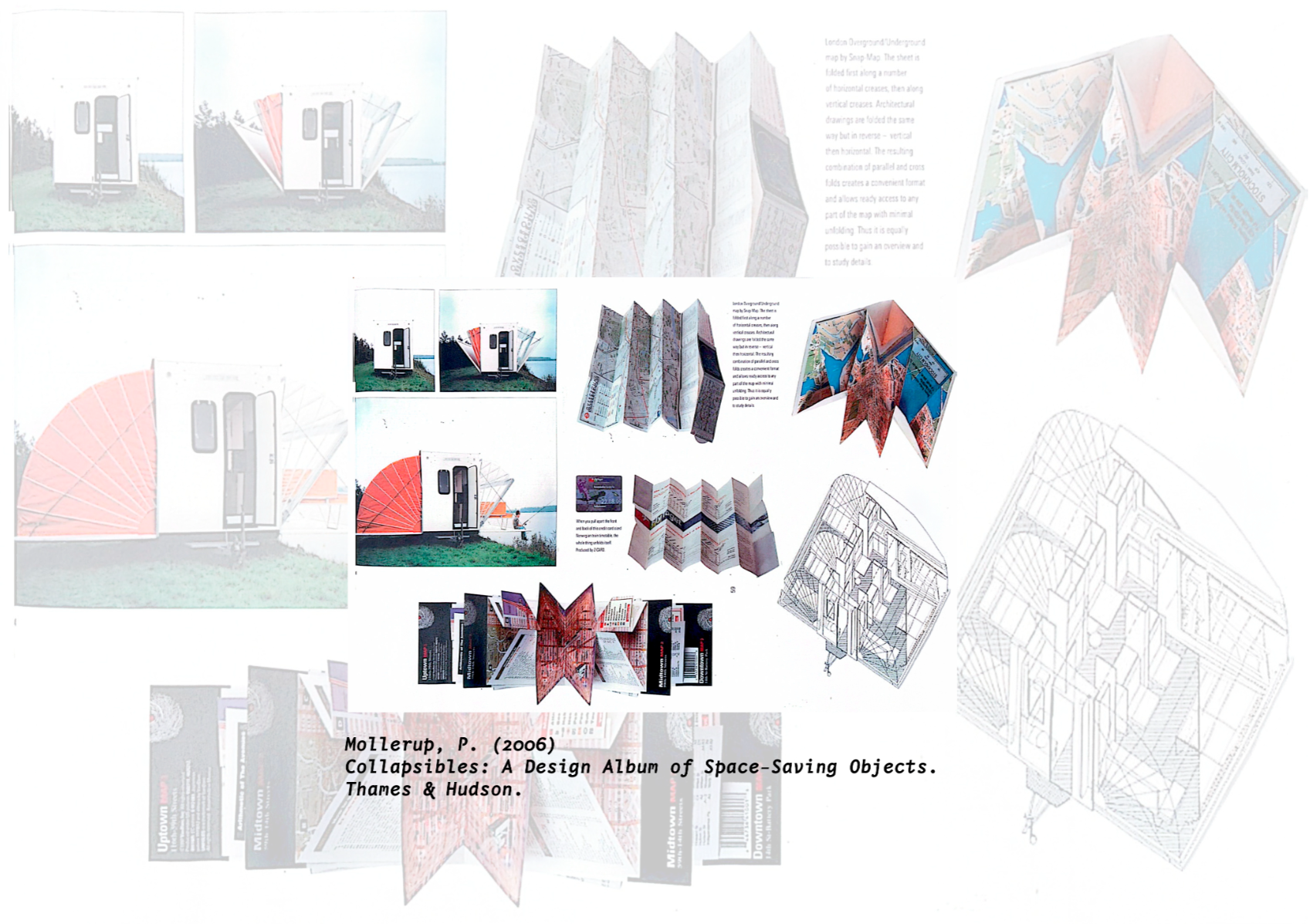
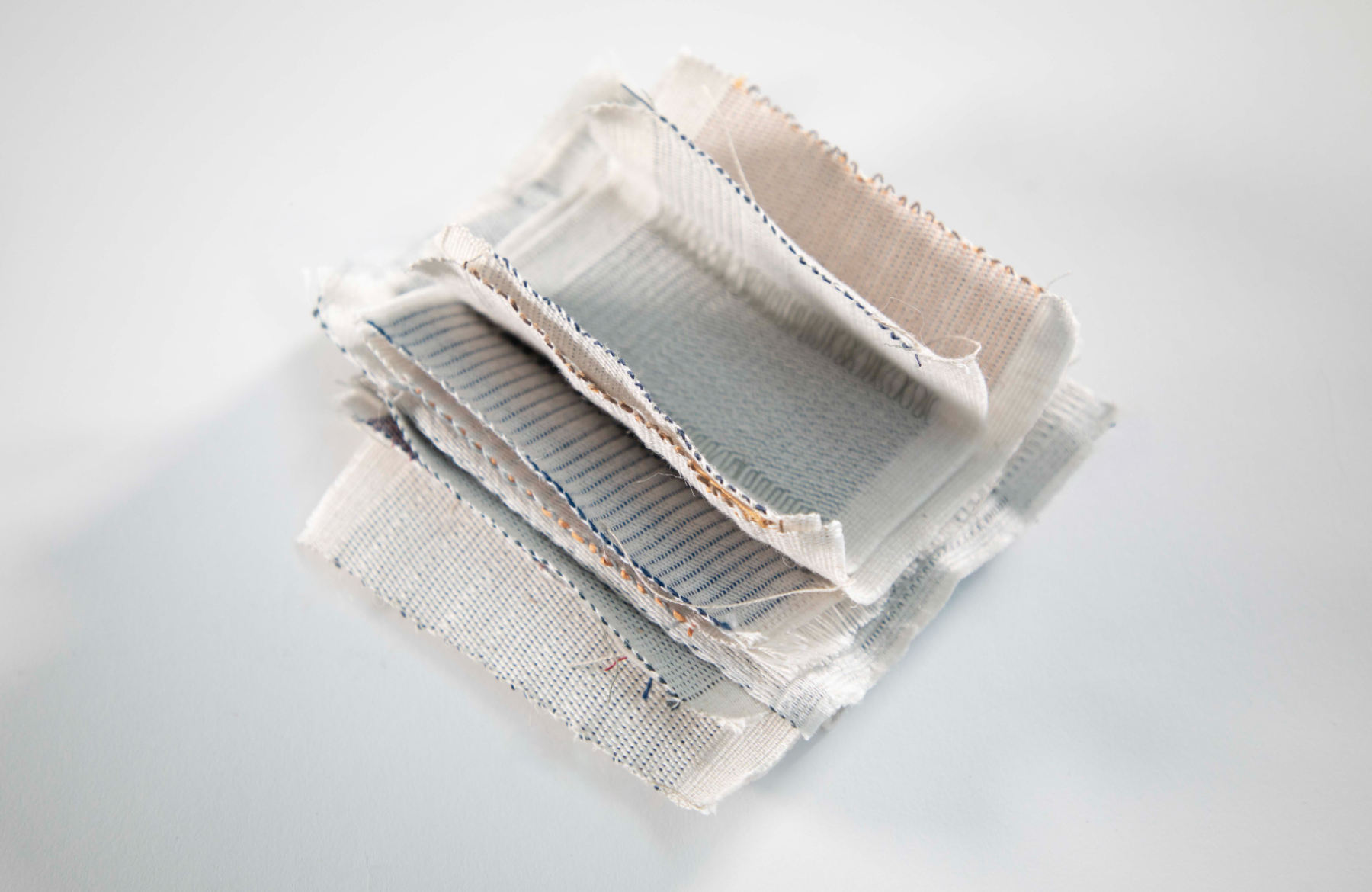
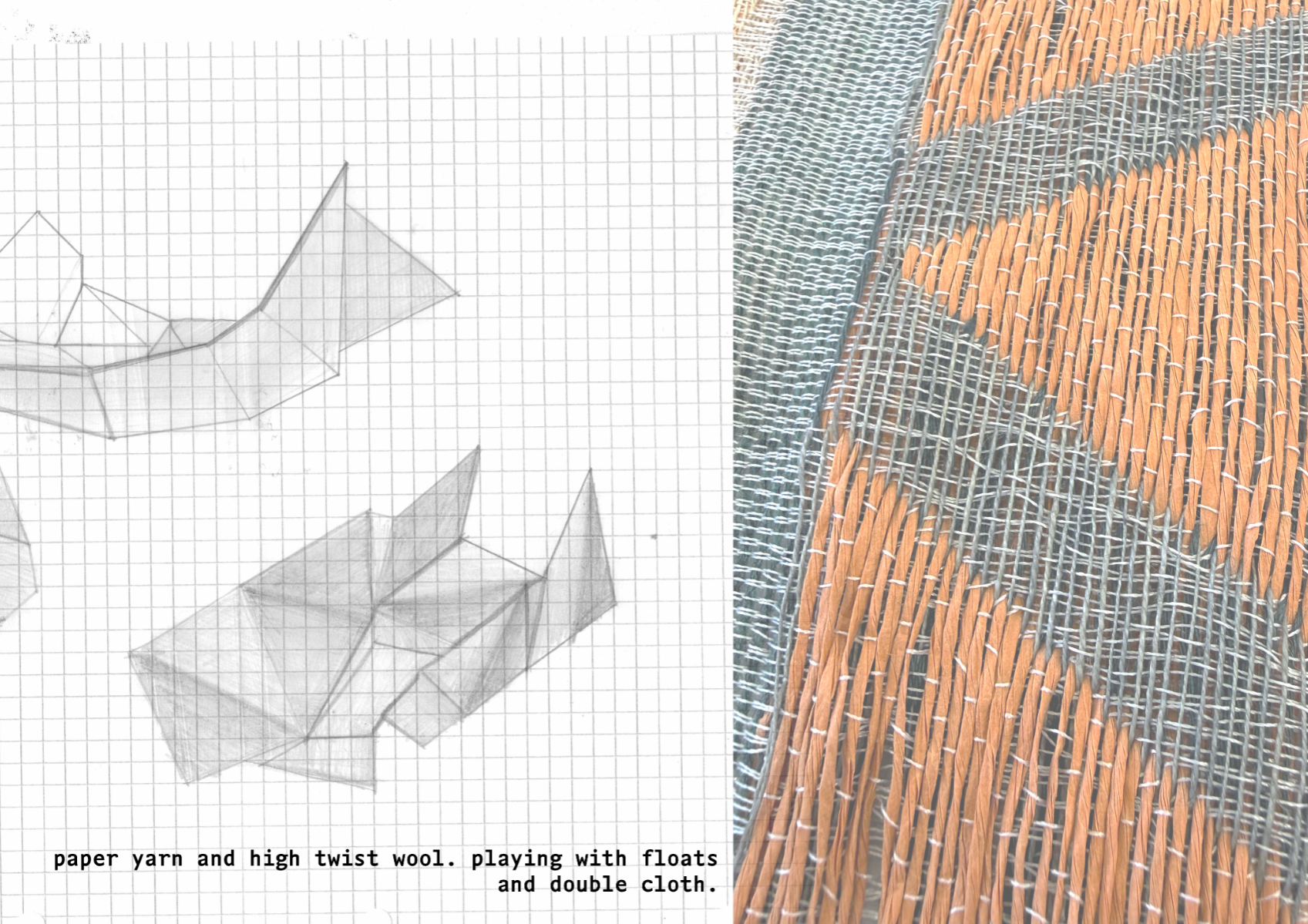
Can a cloth hold what a community has lost? This is the question at the centre of Vaciada: Los que quedan (The Emptied: Those Who Remain) a series of woven objects, each structurally generated from the geographic data of an abandoned or depopulated Spanish town. Spain has experienced one of the most severe rural depopulation crises in Europe. Entire communities have been erased: by civil war, by flooding, by state decree, by slow economic migration. What remains is data. The towns persist as information. The communities do not. This project translates that data directly into weave structures worked across Jacquard and hand weave using high twist wool and paper yarn to hold structure against the floats, and explored through twills, satins and sateens that fold, crease and collapse into origami-like three-dimensional form. The structure of each object is not designed, it is a direct physical consequence of its site. Street layouts determine folding and creasing. Elevation becomes density and weight. Nothing is decorative. Everything is a translation. But perhaps the most important thing this project produced was not the cloth. It was the people. I deliberately chose a site defined by the absence of community, then responded by building one designing and building a loom alongside an engineer as part of that process. Where España vaciada records what is lost when people leave a place, this project asked what becomes possible when they come together around one. This is how I understand my practice: not as a solitary discipline but as a backbone for collaboration. Textiles, at their best, are never made alone and neither is meaning.
Competitions